TTG Asia
Asia/Singapore Monday, 29th December 2025
Page 1654

Committed to health and wellness

0

Energised by the government’s focus on medical tourism, Indian tour operators are pulling out the stops and devising ways to capture the market.
02FEB-17-shutterstock_372699580The Indian government is showing a keener interest to develop the medical tourism sector, which is currently pegged at US$3 billion and has the potential to reach US$8 billion by 2020, according to a recent Grant Thornton report.

In 2015, the National Medical and Wellness Tourism Board was established as a platform for stakeholders to come together and discuss the challenges that the country faces in promoting medical and wellness tourism. It also put in place strategies to be adopted by both the public and the private sector in order for India to grow a larger share of the global medical tourism market.

“India’s ministry of tourism is taking steps to put India on global medical tourism map,” said Ravi Gosain, managing director, Erco Travels, lauding the launch of the Medical and Wellness Tourism Board as an important step with prominent personalities from the medical and tourism sector sitting on the board.

“Till now, we have only been able to touch the tip of the iceberg considering the immense potential of medical tourism,” said Subhash Goyal, chairman, STIC Travel Group.

“The medical and wellness tourism board will help us to identify challenges that the country is facing in the promotion of that segment,” he added.

Most recently, the Indian government expanded the e-tourist visa facility to include short-term medical treatments, enabling tourists from 150 countries to apply for medical visas online.

According to India’s ministry of tourism, 134,344 international medical tourists visited the country in 2015. In 1H2016, nearly 100,000 foreign tourists visited the country availing medical visas, with South Asian countries like Bangladesh and Afghanistan leading the way.

A strong drawcard for India lies its affordability of medical treatments vis-à-vis developed countries. Said K Hari Prasad, president, hospitals division, Apollo Hospitals Enterprise: “Estimates show that medical procedures in India allows patients to save about 65-90 per cent as compared with the US.”

Maharaj Wahi, chairman of Rudra Experiences, agreed: “The scope of medical tourism is huge for India primarily because we are cost effective in comparison with other countries.

“The post-treatment period, during which a medical tourist has to recover, offers us an opportunity to promote tourism,” he said.

Wahi added that India’s strengths lies in its quality hospitals, experienced doctors, global recognition in the medical field and top nursing facilities. “Destinations like Thailand and Malaysia are more popular for wellness tourism, but when it comes to medical procedures India is better placed,” he remarked.

Added Goyal: “Apart from Allopathic treatment, we have Ayurvedic, Unani and Naturopathic treatment, which is not available in Malaysia and Thailand.”

Excited by the government’s focus on the medical tourism, Indian tour operators have devised strategies to capture the segment.

“We have signed contracts with some popular hospitals in major cities to recommend them to international patients. We are targeting mostly Europe and North America customers who are looking for cosmetic surgeries and wellness treatments,” said Gosain.

Wahi said his company had been receiving queries for medical tourism even without much promotion. He said: “We see good potential in markets like the US, Canada and the UK that have a significant non-resident Indian population. Our focus will be on promoting medical tourism packages through the Internet.”

Goyal said: “We are focusing on the African market as there is a greater need for world-class medical treatments in those countries. We will reach out to these markets by participating in medical tourism tradeshows.”

According to the trade, medical tourism to India is growing not only from traditional markets like South Asia, Africa, Russia and Gulf countries but also from Europe and North America.


This article was first published in TTG Asia February 2017 issue. To read more, please view our digital edition or click here to subscribe.

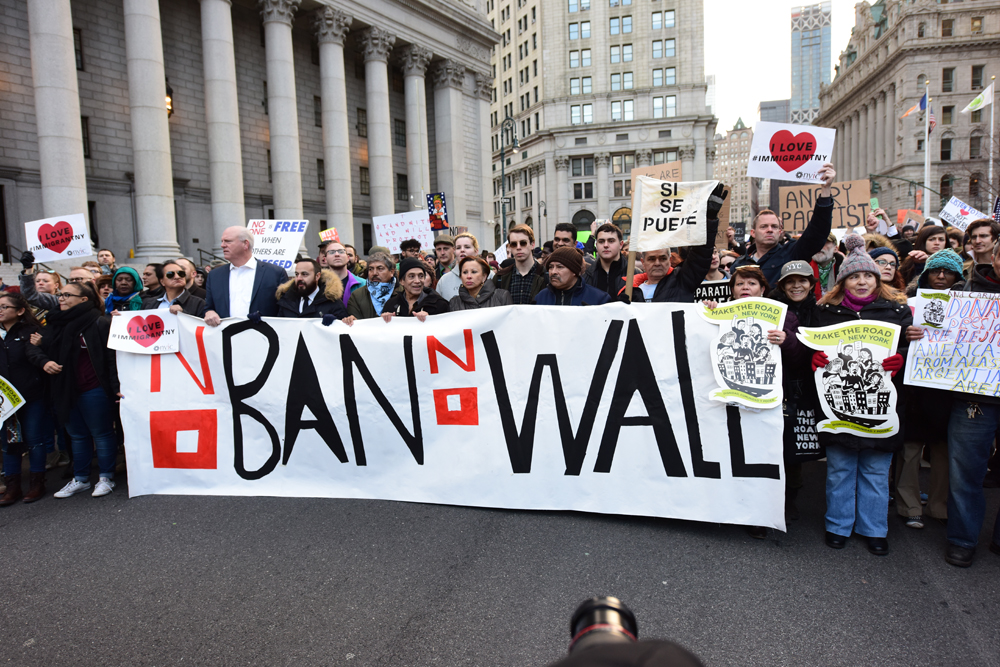
America risks tourism stagnation with travel ban, WTTC warns Trump

0

trump-ban-protest
Thousands gathered in Battery Park, NYC to protest ban

American president Donald Trump risks taking the US tourism sector down a path of economic stagnation if he pushes forward with the reinstatement of his controversial travel ban, warns David Scowsill, president and CEO of World Travel & Tourism Council (WTTC).

“Strict visa policies and inward-looking sentiment led to a US$600 billion loss in tourism revenues in the decade post 9/11, as previously reported by the US Travel Association, with a nine per cent drop in international arrivals in the period of 2001-2009,” Scowsill said during a speech in Las Vegas on February 14.

Decisions made by the Trump administration could have a huge impact on the country’s travel and tourism sector, which generates over eight per cent of the country’s GDP and supports nearly 10 per cent of total employment in the US, he warned.

“For the president who has promised to create jobs and to make America great again, travel and tourism seems the most obvious answer. After all, the livelihood of millions of Americans depends on people being able to use planes, trains and automobiles to spend their tourist dollars.”

Scowsill urged the Trump administration to keep tourism out of politics as blanket bans on citizens from specific countries will not make the American people safer; use the technology available to share information to ensure that only the right people arrive at borders; consult with the industry in advance of change as this will make the implementation of policies more orderly, fairer and less damaging.

 Airlines, hotels and travel agencies are all reporting drops in international bookings to the US, following the executive order banning visitors from seven countries to enter the country.

China, India lead arrival growth chart in Dubai

0

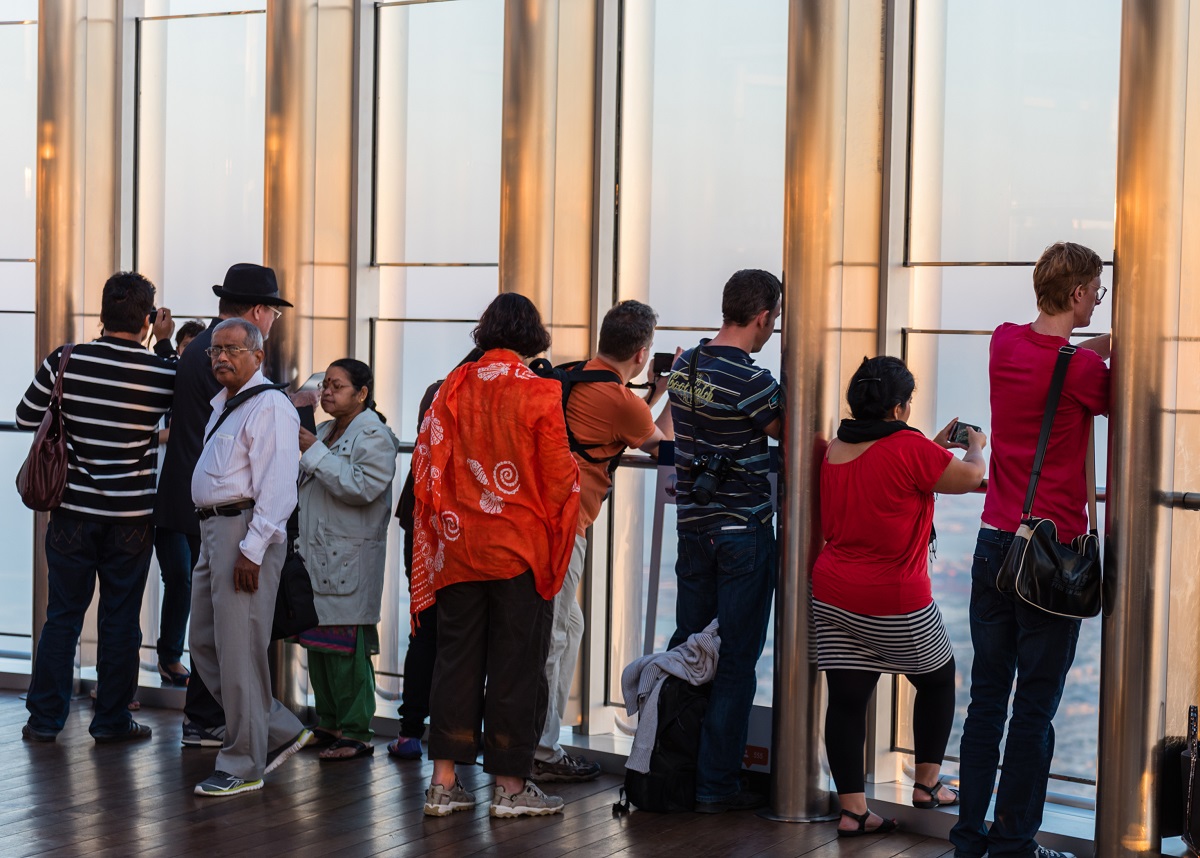
dubai-observation-deckVisitors at the Burj Khalifa observation deck
Powerhouse Asian markets are making their presence felt in Dubai’s tourism in 2016, as India surpassed Saudi Arabia as top source market with arrivals growing 12 per cent to 1.8 million tourist arrivals and Chinese arrivals up 20 per cent to reach 540,000.

Both markets are key Asian sources for Dubai as the city works towards achieving its target of 20 million tourists by 2020, Hamad Bin Mejren, senior vice president, Dubai’s Department of Tourism & Commerce Marketing (DTCM), told TTG Asia during an interview at SATTE 2017.

Dubai recorded 14.9 million international tourist arrivals with a growth of five per cent in 2016. Saudi Arabia and the UK, two of Dubai’s traditional source markets, grew six and five per cent respectively last year.

India’s demonetisation drive did not dent its outbound traffic into Saudi Arabia while the UAE’s visa-on-arrival initiative introduced for Chinese tourists last year has helped to boost arrivals. Hamad said: “The Chinese market crossed the half million mark for us for the first time. We expect Chinese market will grow rapidly in the years to come.”

Meanwhile, the DTCM is now banking on cruise holidays and its new attractions to maintain India’s leading position as a main visitor source market.

“We expect newly opened theme parks like Dubai Parks and Resorts with attractions like Bollywood Parks Dubai will help to maintain the interest of this segment. We are also trying to promote Dubai as a destination for cruise holidays in India and will organise (another) in-market multi-city roadshow,” added Hamad.

Praveen Chugh, managing director, Business Travels is confident that Indian interest in Dubai will stay strong. “Dubai also sees a strong movement from the Indian MICE and wedding segments. The destination is well-known in the Indian market and considering the excellent air connectivity between both destinations, outbound demand from India to Dubai will grow further in the years to come,” he said.

Trade anticipates first Vietnam-India connection by Vietjet

0

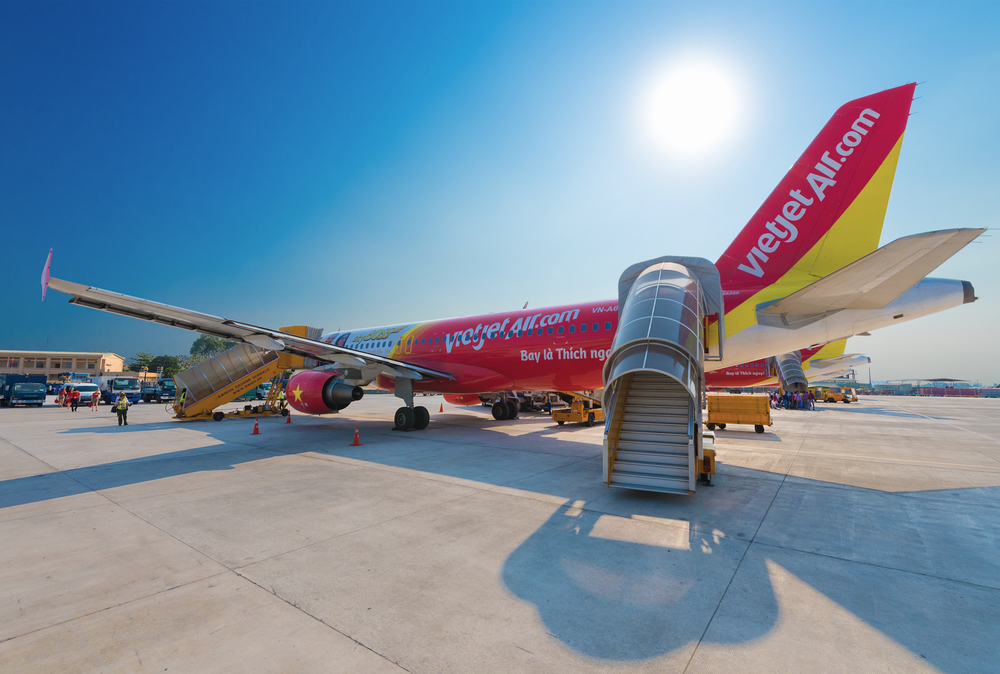
vietjet

Vietjet has revealed plans to launch thrice-weekly flights utilising an Airbus A320 aircraft between Ho Chi Minh City and New Delhi this year, which will become the first direct connection linking Vietnam and India when the service commences.

“We are looking to begin the service by July or August this year. We expect a load factor of 80 per cent on the route. The direct flights will cut the travelling time by half from the present 10 hours to 5.5 hours,” Nguyen Bac Toan, vice director commercial department, Vietjet told TTG Asia at SATTE 2017.

This comes off the back of an MoU that VietJet signed with Indian national carrier, Air India, last year to cooperate in sales distribution and tourism and trade promotions between the two countries.

Cindy Nguyen Thi Thanh Nga, CEO of Hanoi-based 365 Travel, is optimistic that the direct flights will drive tourist arrivals from India. She said: “A direct connectivity will definitely help us to promote Vietnam to the Indian market. (Currently), the lack of direct connectivity has been a bottleneck.”

Pruthi Ranjan, marketing manager, India, Victoria Tour, concurred: “Experienced Indian travellers are opting for Vietnam, where destinations like Halong Bay are becoming popular and a lot of Indian restaurants are available. The direct connectivity will help to fill the gap and make Vietnam a more viable option.”

Although Indian arrivals to Vietnam have increased from 16,000 in 2010 to 100,000 in 2016, the country attracts only three per cent of the three million Indian tourists visiting South-east Asia.

Sabre brings live flight schedules to agents

0

flight-timing

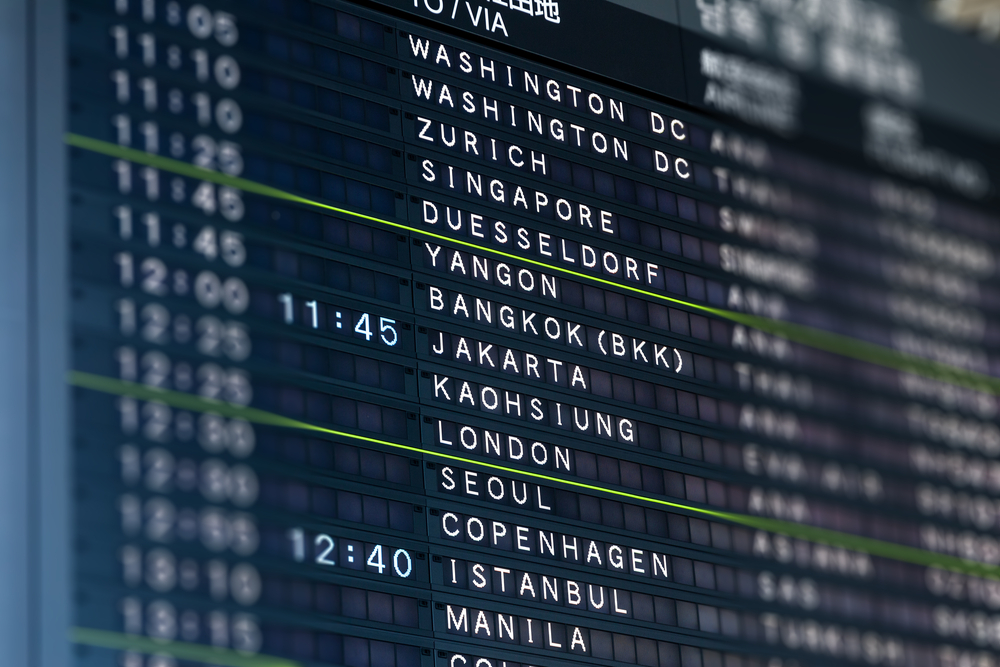
Sabre Corporation will be the first technology provider to introduce live data feeds from FlightGlobal’s schedule data from over 900 airlines worldwide to its GDS and travel booking platforms, which it says will address the frustrations that come with flight changes not showing in real time.

With this, more than 425,000 travel agents worldwide will have live access to flight changes and schedules accurate up to the millisecond via the Sabre Red agency platform.

All flight data processed in the Sabre travel marketplace and through Sabre APIs for online travel sites and developers will update dynamically while consumers, travel agents and business travellers shop for flights.

For airlines, the increased schedule accuracy is expected to allow them to market more efficiently, ensure their inventory is accurately displayed across channels and better manage seat availability for each flight.

Increased airlift, secondary gateway support China-led growth in Koh Samui

0

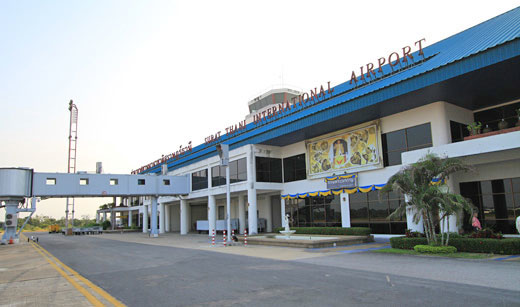
surat-thani1
Credit: www.suratthaniairport.com

Bangkok Airways’ international expansion and the emergence of Surat Thani as a secondary gateway are important factors in the China-led growth observed in Koh Samui, according to C9 Hotelworks’ latest Samui Hotel Market Update.

Airport arrivals pushed over 1.2 million in 2016, a 22 per cent year-on-year growth last year from seven per cent the previous year, while market-wide occupancy grew from 68 per cent to 72 per cent last year.

C9 reported that mainland Chinese travellers are now filling the gaps of a once highly seasonal destination. During the first nine months of last year, arrivals from the market surged 61 per cent compared with the same period the year before.

Much of the growth momentum can be attributed to Bangkok Airways’ expansion, which has shifted its focus from South-east Asia to North Asia. In 2Q2017, the carrier will increase flights from Samui to Chengdu to a daily frequency and is expected to add Chongqing at a later date.

The increased airlift is also supported by an additional gateway into the destination, with flight arrivals into the nearby Surat Thani Airport spiking 30 per cent last year and further growth forecasted for 2017. Passengers flying from mainland China to Surat Thani made up 71 per cent of direct overseas arrivals to the provincial airport.

While the trend of ‘Chinacation’ has not driven down average hotel rates, with the resort-led destination primarily attracting individual travellers, there are signs of a shift in demand.

The growth of airlift to Surat Thani Airport is expected to bring a broader market of midscale and upscale segments to Samui, and pipeline hotels too point towards the rise of these segments.

Looking ahead, C9’s report reflects positive market sentiment and a strong balance between supply and demand in upcoming hotel developments, with the 175-key Ritz-Carlton Koh Samui being one of the most anticipated openings this year.

Pan Pacific Nirwana Bali Resort to cease operations in July

0

pan-pacific-nirwana-bali-resort
Pan Pacific Nirwana Bali Resort

Pan Pacific Nirwana Bali Resort will close its doors on July 31, 2017, following a decision by owning company MNC Land to redevelop the site on which the property currently resides.

The resort has been managed since April 2010 by Pan Pacific Hotels Group (PPHG), which also oversaw its US$10 million refurbishment in 2011.

Meanwhile, PPHG will continue to be represented in Indonesia with the Sari Pan Pacific Jakarta, as the country continues to be a target growth market.

Erik Anderouard, senior vice president operations of PPHG, said: “Moving forward, we will be looking to capitalise on our extensive network of business contacts and brand equity to introduce more Pan Pacific and Parkroyal properties to our customers in Indonesia.”

Elsewhere in Asia-Pacific, PPHG will launch pipeline projects over the next three years in China, Myanmar and Malaysia, starting with Pan Pacific Beijing in 2Q2017.

Garuda Indonesia takes flight for Moscow from August

0

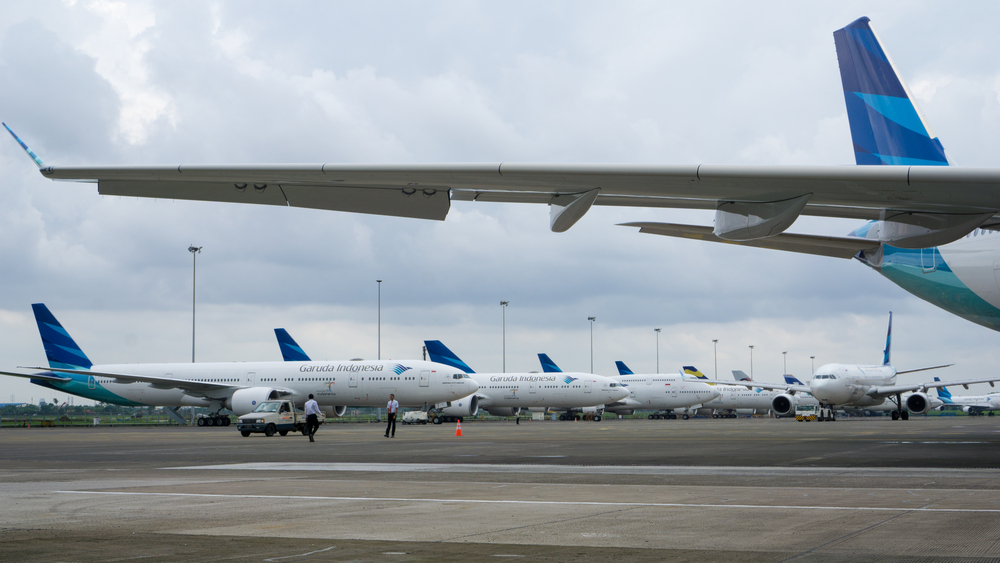
garuda-planes

Garuda Indonesia will launch direct thrice-weekly flights – operated with an Airbus A330-200 – from Jakarta to Moscow in August this year.

Speaking during the signing of the MoU in Jakarta, Russian ambassador to Indonesia, Mikhail Galuzyn, said: “Realisation of the direct flight plan between Russia and Indonesia has become one of our main priorities in the effort to increase the numbers of tourists who visit Russia.”

The new Moscow service is projected to increase the number of Indonesian citizens to Russia from 14,000 travellers in 2015.

At the same time, the direct flights are expected to improve Russian tourist visits into Indonesia to 100,000 in 2017. In 1H2016, the number of Russian tourist arrivals to Indonesia increased 14 per cent year-on-year.

Aside from Moscow, the Indonesian flag carrier will also launch a Jakarta-Los Angeles service via Tokyo in the middle of this year.

Increased airlift, secondary gateway support China-led growth in Koh Samui

0

Bangkok Airways’ international expansion and the emergence of Surat Thani as a secondary gateway are important factors in the China-led growth observed in Koh Samui, according to C9 Hotelworks’ latest Samui Hotel Market Update.

Airport arrivals pushed over 1.2 million in 2016, a 22 per cent year-on-year growth last year from seven per cent the previous year, while market-wide occupancy grew from 68 per cent to 72 per cent last year.

surat thani(1)
Credit: www.suratthaniairport.com

C9 reported that mainland Chinese travellers are now filling the gaps of a once highly seasonal destination. During the first nine months of last year, arrivals from the market surged 61 per cent compared with the same period the year before.

Much of the growth momentum can be attributed to Bangkok Airways’ expansion, which has shifted its focus from South-east Asia to North Asia. In 2Q2017, the carrier will increase flights from Samui to Chengdu to a daily frequency and is expected to add Chongqing at a later date.

The increased airlift is also supported by an additional gateway into the destination, with flight arrivals into the nearby Surat Thani Airport spiking 30 per cent last year and further growth forecasted for 2017. Passengers flying from mainland China to Surat Thani made up 71 per cent of direct overseas arrivals to the provincial airport.

While the trend of ‘Chinacation’ has not driven down average hotel rates, with the resort-led destination primarily attracting individual travellers, there are signs of a shift in demand.

The growth of airlift to Surat Thani Airport is expected to bring a broader market of midscale and upscale segments to Samui, and pipeline hotels too point towards the rise of these segments.

Looking ahead, C9’s report reflects positive market sentiment and a strong balance between supply and demand in upcoming hotel developments, with the 175-key Ritz-Carlton Koh Samui being one of the most anticipated openings this year.

Sofitel Kuala Lumpur Damansara names new GM

0

Thomas Gassner has been appointed general manager for Sofitel Kuala Lumpur Damansara, which is scheduled to open in mid-2017.

Prior to his new role, Gassner was the hotel manager of Pullman Jakarta Indonesia and Pullman Bali Legian Nirwana.

Thomas_Gassner

A German native, Gassner has over 30 years of experience in the hospitality industry. He joined AccorHotels in 2004 as F&B manager at Sofitel Munich Bayerpost and has held various senior management positions within the group.