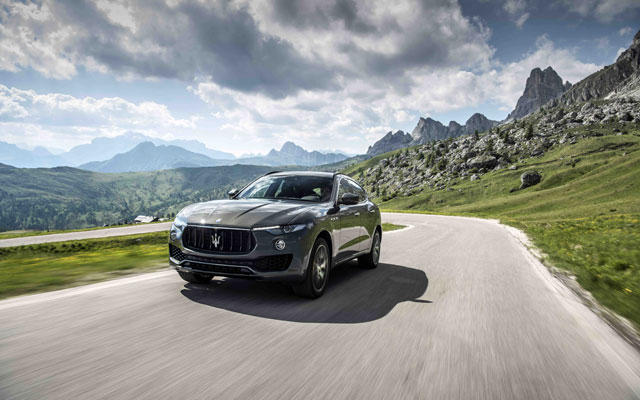
Maserati Levante, the first SUV by the Italian car manufacturer
Hertz Italy has added three new models of Maserati vehicles to its Selezione Italia (Italian Collection).
The Maserati Quattroporte, Maserati Ghibli and Maserati Levante have been made available for one year at selected Hertz locations in Rome, Milan, Venice, Florence and Olbia.
Maserati Levante, the first SUV by the Italian car manufacturer
Hertz also has an agreement with Maserati to be the only car rental company to offer these models for the month of June.
The very first luxury sport sedan, the Maserati Quattroporte has been in the Italian market since 1963. Sports cars enthusiasts renting with Hertz can experience Maserati’s performance and class behind the wheel of the Ghibli, a sedan with a strong sport imprint.
The Maserati Levante, the first SUV created by the Italian vehicle manufacturer, boasts efficiency, a comfortable interior and a muscular exterior – ideal for family trips to Italy’s coastlines.
The collection’s vehicles are backed by Hertz’s “make and model guarantee”, which ensures that customers can reserve and drive away in the specific model they choose.
Online budget hotels booking platform RedDoorz has expanded into the Philippines – its third market in South-east Asia – after Singapore and Indonesia.
The company will invest US$5 million to tap into the dynamic growth of the budget hospitality and travel sector in the Philippines, where its intends to grow its footprint to 100 properties across the country over the next 12 months.
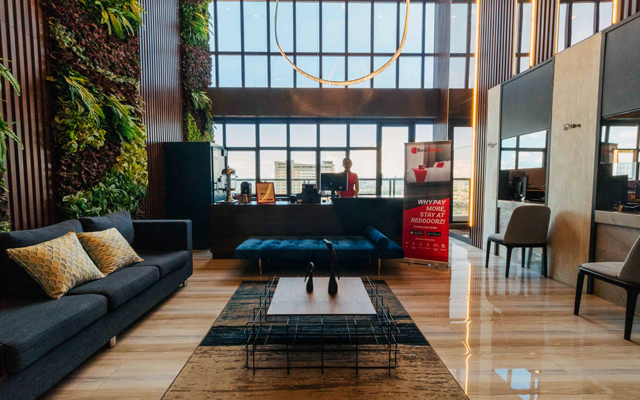
RedDoorz Premium near UST Hospital, Metro Manila
Amit Saberwal, founder and CEO, RedDoorz, said in a statement: “Our expansion into the Philippines came as a natural progression for RedDoorz, where like our first market in Indonesia showed many similarities and thus the potential for a vibrant domestic travel and hospitality industry.
“Following our fresh funding earlier this year, we realised that the Philippines held a strong demand for hotel rooms not only for tourists but also for business travellers. We felt that it was timely for us to make the conclusive move to start expanding here – especially seeing how boisterous the budget hospitality sector has been in recent years,” he added.
Along with its entry into the Philippines, RedDoorz has also introduced a new category of properties, RedDoorz Premium, a selection of properties targeting budget business travellers with their strategic locations close to business districts and wider amenity offerings than the existing RedDoorz and RedDoorz Plus categories on the platform.
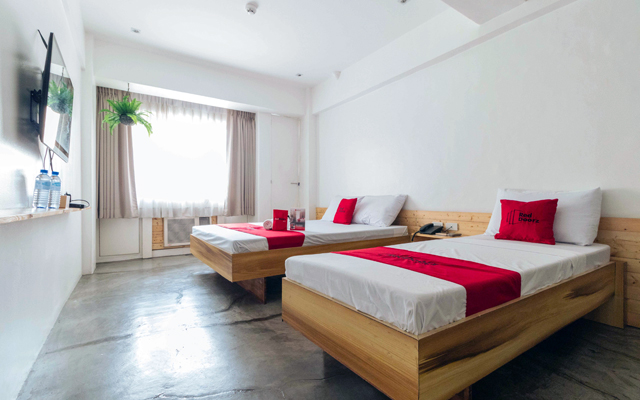
RedDoorz Plus @ Boni Ave Mandaluyong, Metro Manila
The addition of the Premium properties was driven by the “remarkable growth” observed of the Filipino ‘condotel’ concept over the past decade, said Rishabh Singhi, COO of RedDoorz.
“The aim of this new category is to target the business traveller who looks for certain amenities like good Wi-Fi connection, location closer to business districts and other amenities. We see this as a strong category as we expand into other South-east Asian cities where there is an influx of business travellers.” he added.
Headquartered in Singapore, RedDoorz recently raised its Pre-Series B round of US$11 million as an additional investment from Asia Investment Fund of Susquehanna International Group, International Finance Corporation (private investment arm of World Bank Group), InnoVen Capital (venture lending firm owned by Temasek Holdings and United Overseas Bank), and Jungle Ventures – all of which had invested in past funding rounds. This fundraise also saw new investors DeepSky Capital, FengHe Group and Hendale Capital, among others.
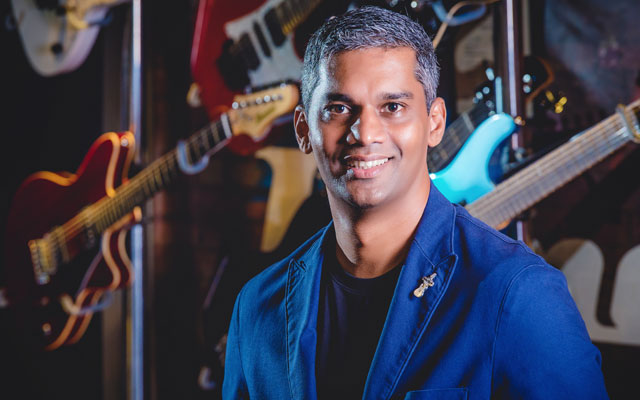
Hard Rock International has appointed Yogeswaran Veerasamy as the general manager for Hard Rock Hotel Desaru Coast.
In his new role, Yogeswaran will oversee the overall administration and develop and execute plans surrounding the 365-room property ahead of its grand opening later this year.
Prior to joining Hard Rock, Yogeswaran was the hotel manager for Grand Copthorne Waterfront Singapore.
He has more than two decades of experience in Asia’s hospitality sector, including W Singapore Sentosa Cove, The Westin Hyderabad, The Raffles Grand D’Angkor, Swissotel Grand Shanghai, Hilton Kuala Lumpur and The Four Seasons Hotel Riyadh.
W Brisbane, Australia
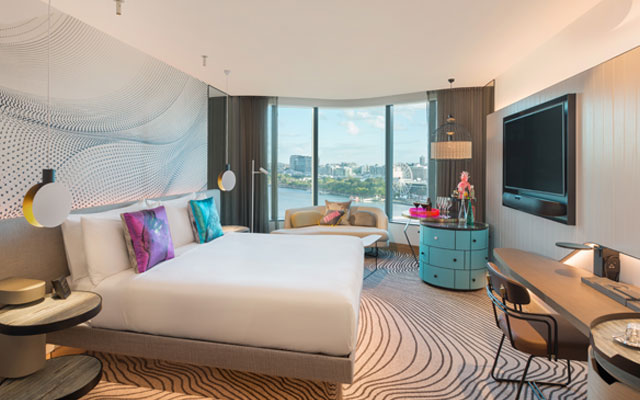
W Hotels has re-entered the Australian market with its first property overlooking the Brisbane River in Brisbane’s CBD. The design of its 312 guestrooms and suites weave in influences from Australia’s indigenous roots and colonial heritage, and boast views of either the Brisbane River and Southbank, or Mount Coot-tha. Amenities on-site include three F&B options, the Away Spa (complete with vitality pools, relaxation pods, salt inhalation chambers and aromatherapy steam rooms), gym, and a heated outdoor pool on the fourth floor. For event purposes, the property offers 1,100m2 of event space including the 595m2 Great Room as well as four versatile Studio Rooms.
Bellagio Shanghai, China
The first Bellagio-branded hotel outside the US has opened on the banks of the Suzhou river, next to the historic Waibaidu Bridge on the northern end of the Bund in Shanghai. The hotel features 162 guestrooms and suites, measuring 60m2 and 100m2 respectively. Suites at the Bellagio Shanghai are all tended to by a private butler, and some also come with a private terrace. There are four F&B venues on-site, as well as a 1,900m2 spa – which comprises five treatment suites, a heated pool, vitality pool, sauna room, steam room and gym. There are five venues totalling 1,800m2, including a Grand Ballroom with a seven-metre-high ceiling.
Best Western Plus Hotel Fino Chitose, Japan
Positioned just 3.2km from Hokkiado’s New Chitose Airport is Best Western’s newest Japan outpost. The upper-midscale hotel with 154 keys offers a selection of Japanese-style family rooms for up to four guests. All rooms come equipped with a flatscreen TV, refrigerator, coffee/tea maker, and complimentary Wi-Fi. Facilities on-site include a restaurant and a 24-hour exercise facility.
Swiss-Belhotel Pangkalpinang, Indonesia
The provincial capital of the Bangka Belitung Islands, which lie just off the east coast of Sumatra, has welcomed the new upscale Swiss-Belhotel Pangkalpinang. This new-build hotel offers 145 rooms and suites with regular mod-cons such as complimentary Wi-Fi, international plug sockets, mini-bars and cable TV. Amenities on the grounds include the Swiss-Café Restaurant, lobby lounge, wine bar, 24-hour room service, fitness centre, spa and outdoor swimming pool. Three meeting rooms and a ballroom provide flexible options for all types of events, where the largest space can hold up to 875 people.
Marriott Executive Apartments Hangzhou, China
This property in Zhejiang Province’s capital city features 142 fully-serviced apartments ranging from 40m2 studios to 140m2 three-bedroom suites. Each apartment is outfitted with a fully-equipped kitchen, free Wi-Fi and satellite TV. Residents can make use of meeting rooms, a kids’ club, a mini-theatre and health club facilities such as a 24-hour fitness centre, an indoor swimming pool, as well as a sauna. On-demand services such as housekeeping, grocery shopping and chauffeur-driven limousines can also be arranged.
Hong Kong Disneyland Resort (HKDL) recently recognised its top performing travel trade partners at the annual Celebration of Sales Excellence (CSE), along with treating them to the latest entertainment offerings at the park.
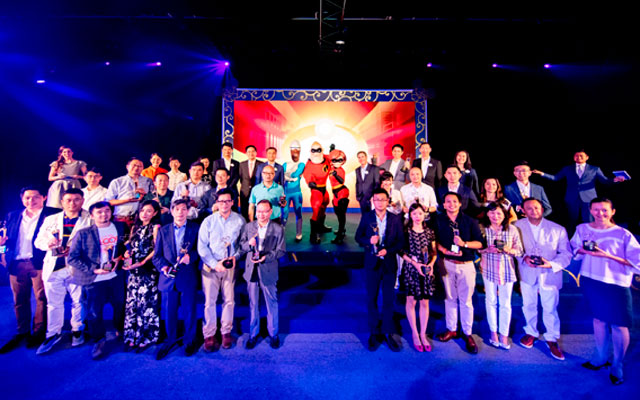
A total of 26 awards were presented during CSE in recognition of the outstanding sales achievements of travel trade partners in 2017. The Sales Excellence Award was awarded to top 20 partners while five partners brought home the Sales AdvancEAR Award. The Top Sales AchievEAR Award went to lvmama.com, marking the second consecutive year Chinese travel booking site has received the ceremony’s highest honour.
This year, trade partners were accompanied by their families and friends, who all got to experience HKDL’s newly launched stage show, Moana: A Homecoming Celebration.
HKDL arranged surprise greetings from Disney stars of Carnivale of Stars, including Nick and Judy from Zootopia, the heroine Moana, and Mr. Incredible, Mrs. Incredible and Frozone from The Incredibles. Guests were also invited to join the interactive performances.
After a Disney-themed buffet dinner, guests were taken to Main Street, U.S.A. to enjoy a special viewing of the We Love Mickey! projection show, and a networking drink at World of Color Restaurant at Disney Explorers Lodge to conclude the evening of entertainment.
The seafront DoubleTree Resort by Hilton Penang is offering a special rate from RM300 (US$75) per room night for bookings made directly on its website, as well as a 20 per cent off admission price at TeddyVille.
A key highlight of the property, the TeddyVille Museum features some 1,000 teddy bears across 830m2 of space. One component of the museum is the Mini Penang exhibition, in which miniature teddy bears recreate many of the island’s most famous attractions.
TeddyVille Museum
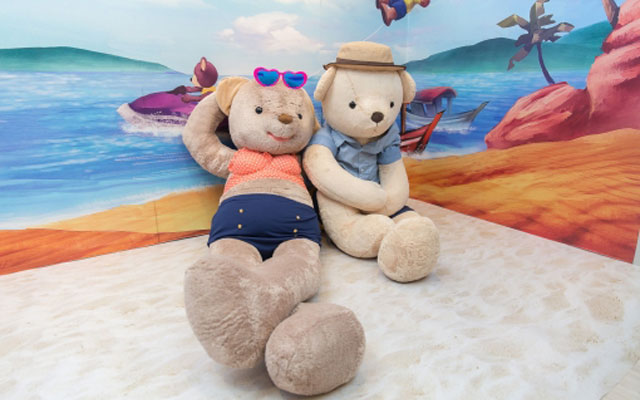
Outside on the Penang Cultural Boardwalk, human-sized teddy bears are dressed up as some of Penang’s most famous figures, including world-renowned shoe designer Jimmy Choo.
Overlooking Miami Beach, DoubleTree Resort by Hilton Penang features 316 rooms and suites, including a selection of Family Rooms.
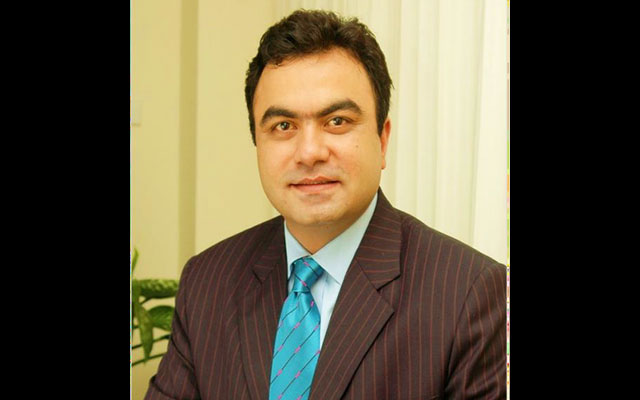
Hilton Hotels & Resorts in Myanmar has appointed Ashok Kapur as cluster director of business development to bolster the group’s growing footprint in the country.
In his new role, Ashok will drive sales, PR, marketing, revenue, reservations and convention sales for all Hilton hotels in Myanmar, and support strategic business planning for properties under development.
He will be based at the cluster office in Hilton Mandalay. Originally from India, Ashok is an industry veteran with more than two decades of experience in travel and hospitality.
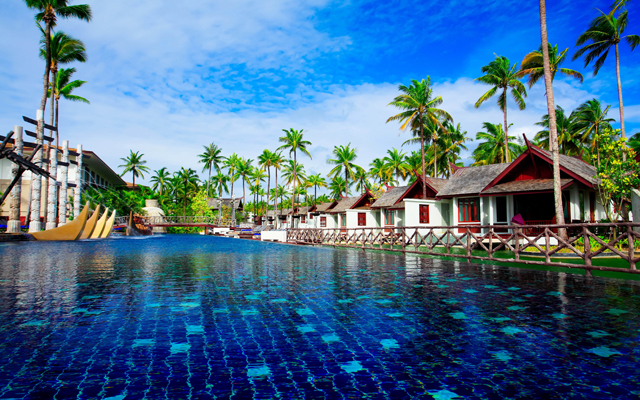
Pictured, Sentido Graceland Khao Lak Resort & Spa, part of the Thomas Cook Group
Thomas Cook Group and Asian Trails will create a new joint venture DMC in Thailand, set to begin operating on November 1 and handle over 100,000 Thomas Cook customers visiting the destination annually.
For the Thomas Cook Group, the creation of Thomas Cook In Destination Management represents another step forward in creating greater operational efficiency. Similar operating models are already in place in Spain, Portugal and the US, and the group says this “simpler approach fits the new shape of Thomas Cook” and its strategy for profitable growth.
Sentido Graceland Khao Lak Resort & Spa, part of the Thomas Cook Group
Michael Scheidler, group destination management director at Thomas Cook, said: “Working with a single partner to create our own DMC, based in this important destination for the group, means that we can take greater control of the quality and consistency of service all our customers will have during their holiday. We already have a successful partnership with Asian Trails in the UK and look forward to building on that for the benefit of our customers from all countries.”
Laurent Kuenzle, CEO Asian Trails Group, shared that the team in Thailand has been committed to a synergistic partnership with Thomas Cook since it entered into “more intense collaboration” with Thomas Cook UK in 2016.
The new company’s administrative headquarters will be in Bangkok, with an operation hub opening in Phuket.
A local working party of representatives from both companies is now working to finalise the preparations, structure and begin recruitment to ensure the new business is well positioned for the start of the winter 2018/19 season.
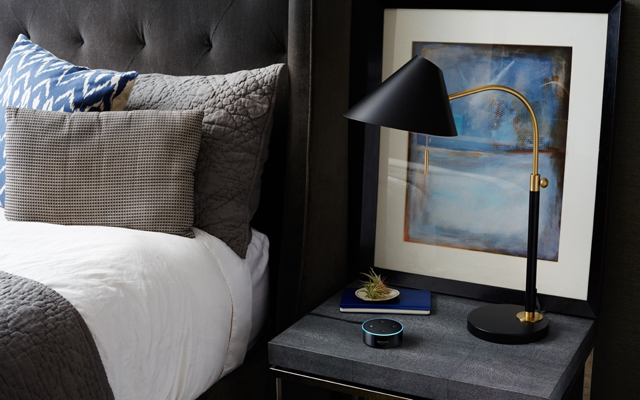
Guests of Charlotte Marriott City Center and Marriott Irvine Spectrum in the US to be among the first to enjoy Alexa for Hospitality
Amazon has launched Alexa for Hospitality, a programme designed to bring its voice assistant into hotels, enabling guests to order room service, request housekeeping or call the concierge for dinner recommendations without even picking up the phone.
The Internet giant is extending the voice-first service to hospitality providers on a by-invitation-only basis. The experience will be rolled out to select properties under brands such as Marriott Hotels, Westin Hotels & Resorts, St Regis Hotels & Resorts, Aloft Hotels and Autograph Collection Hotels starting this summer.
Jennifer Hsieh, vice president customer experience innovation, Marriott International, said: “Guests of Charlotte Marriott City Center and Marriott Irvine Spectrum will be among the first to experience a curated list of Alexa for Hospitality features. We will be evaluating guest feedback and adoption to inform how we expand the skills, features and functionality offered through Alexa in our hotels.”
Guests of Charlotte Marriott City Center and Marriott Irvine Spectrum in the US to be among the first to enjoy Alexa for Hospitality
Alexa can also be configured by hospitality providers to allow guests to control and adjust in-room devices like lights, thermostats, blinds and TVs to their individual preferences or ask Alexa to play music from popular services including iHeartRadio and TuneIn.
Moreover, guests can be given access to Alexa skills to check airport wait times, play games, get in a guided workout, play white noise to help them fall asleep, and more.
Soon, Alexa for Hospitality will support the ability for Amazon customers to temporarily connect their Amazon account to the Alexa-enabled device in their room. Once connected, guests will be able to play their personal music from services including Amazon Music, Spotify and Pandora; and listen to audiobooks with Audible.
And when a guest checks out, Alexa for Hospitality automatically disconnects their Amazon account from the in-room device.
To facilitate Alexa integration for hotels, Alexa for Hospitality is working with major property management, ticketing and guest engagement solutions.
According to Amazon, Alexa for Hospitality is built to work with existing hotel technologies, reducing or eliminating the need to retrofit or upgrade existing investments, and works with a range of trusted hospitality solution providers. Features developed by DigiValet, Intelity, Nuvola, and Volara allow guests to make requests like “Alexa, order wine” or “Alexa, book a spa appointment” with requests routed to hotel property management systems.
Alexa for Hospitality also works with guest room entertainment providers including World Cinema and GuestTek for voice control of TV experiences, and in-room control of connected devices using Crestron and Inncom by Honeywell.
In addition, hotels can customise the deployment by selecting default music stations that match their brand, adding property contacts to order room service or booking a spa treatment, and connecting to custom skills that only their guests can access.
For example, at Marriott Hotels properties where Alexa for Hospitality is deployed, guests can take advantage of the brand’s partnership with TED by requesting Alexa play a TED Talk.
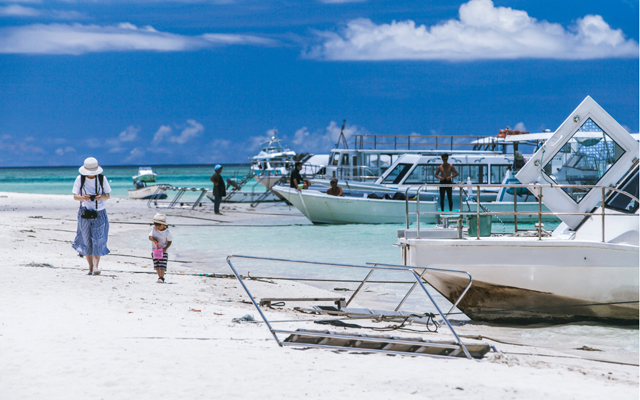
Port calls in Okinawa in 2017 were up 33 per cent year-on-year
The proliferation of LCCs and increased frequency of air and sea routes are driving rapid growth in Okinawa, Japan’s southern-most archipelago.
Direct flights are in operation from countries such as South Korea, Taiwan, Thailand, Singapore, Hong Kong and China. According to Yasushi Nakamura, vice-president of Okinawa Tourist Service, the main airport in Naha now receives more than 200 direct international flights per week, compared to 40-50 five years ago.
Port calls in Okinawa in 2017 were up 33 per cent year-on-year
Port calls in Okinawa in 2017 were up 33 per cent year-on-year, according to the Okinawa Convention & Visitors Bureau (OCVB). More than 500 cruise ships docked on the island chain, most of which hailed from Taiwan and China.
The result has been an unprecedented number of visitors: nearly 2.7 million fiscal 2017, representing a 26.4 per cent increase year-on-year, according to OCVB.
Kazuhiko Yoshioka, manager of the Okinawa inbound and MICE department of Nippon Travel Agency, attributes the archipelago’s popularity to its proximity to other Asian nations and Japan’s relaxation of visa requirements.
As well, some experts are observing that the Instagram-worthy beaches and sea have attracted the younger market.
Yasutomo Morikawa, spokesperson for the Kinki Nippon Tourist Group, agreed that Okinawa’s positioning as a resort destination has fuelled its growth. He predicts the firm’s April to June 2018 Okinawa sales will be up 30 per cent over the same period last year.
Meanwhile Ryubo Travel Service reported a 113 per cent increase in sales over the January to May 2018 period, most of which was derived from Taiwanese visitors.
The hotel market has responded with a spurt of openings, including new glamping resorts Island Magic Senagajima and Kariyushi Beach Glamping. DoubleTree by Hilton Okinawa Chatan Resort launched in June and The Luxury Collection Hotel’s Iraph Sui will open in late 2018. The Hilton Okinawa Sesoko Resort is slated for 2020.
Further growth in Okinawa is expected due to the addition of more flights and another airport this year. By fiscal 2021, the government aims to attract 12 million visitors annually.