TTG Asia
Asia/Singapore Tuesday, 21st April 2026
Page 1374

Hotelbeds firms up APAC sourcing team, with Andrew Hughes as regional head

0
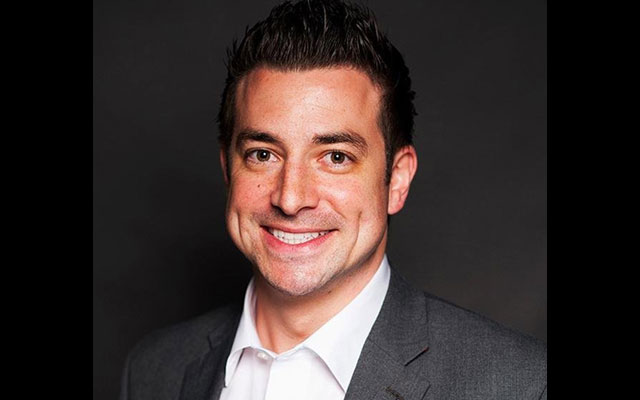
Andrew Hughes

Hotelbeds Group, which is placing its growth in Asia-Pacific as a top priority, has unveiled its sourcing team for the region following the recent confirmation of its wholesale team.

Andrew Hughes, who was already doing hotel sourcing for Hotelbeds’ GTA brand, is now Asia-Pacific regional director for sourcing. In this role, Hughes will be responsible for all commercial aspects of the relationship with hotel suppliers, reporting directly to Sam Turner, the wholesale sales & sourcing director with global responsibility.

Andrew Hughes is now Asia-Pacific regional director for sourcing

Hughes began his hotel industry career with Best Western Australia before moving to InterContinental Hotel Group. In 2007, Hughes moved to Dubai to open Atlantis, The Palm Dubai, and two Mövenpicks in the region. In 2012, Hughes moved into the distribution space to work for GTA and relocated to Singapore.

Regional management positions that report to Hughes have also been confirmed, where all candidates have been appointed from within the group.

Maria Garcia will be the head of Thailand, and Patrick Torres will take the head of East Asia role. In regional manager roles, Andrew Boocock has been appointed to the Pacific region; Colm Flanagan will cover South-east Asia; Dan Zhao will be in charge of Indochina and the Philippines; and Marta Gonzales will lead China and Taiwan.

Earlier this year, the group also announced plans to increase its sourcing teams globally by 200 people in order to drive up the number of exclusively contracted hotels by 10,000 over the coming three years.

IHG’s third voco hotel heads to Melbourne

0

InterContinental Hotels Group (IHG) has signed its third voco-branded property in Australia, partnering with Brady Group to open voco Melbourne Central in July 2020.

The 252-room voco Melbourne Central will be part of the 380 Melbourne skyscraper, currently under construction.

A rendering of the upcoming voco Melbourne Central

Guests will check in at the Sky Lobby on level seven. Once checked in, all the elements of the voco life will be on offer, including rooms that are designed around the ‘Me Time’ concept with premium beds, high quality showers, innovative lighting and user-friendly technology. Beyond guestrooms, the hotel will feature a pool, gym, meeting space, all day dining restaurant and bar, Barista-served coffee and breakfast.

The hotel will be located at 380 Lonsdale Street in the heart of Melbourne, steps away from Bourke Street Mall, Melbourne Central Station and the General Post Office.

The signing follows the upcoming voco Gold Coast, which will be the first voco in the world when it opens later in 2018, and voco Yarra Valley. Launched in June this year, the voco brand will strengthen IHG’s offer in the US$40 billion upscale segment, which is expected to grow by a further US$20 billion by 2025.


What to expect from Global Tourism Economy Forum 2018

0

The Global Tourism Economy Forum (GTEF) will hold its seventh edition in Macau on October 23 and 24, spearheading discussions in the context of China’s Belt and Road Initiative.

Under the theme Strategic Partnership in a New Era, Rising Momentum for a Shared Future, GTEF 2018 will examine the impact of strategic tourism collaboration between the European Union (EU) and China in the 2018 EU-China Tourism Year (ECTY 2018), and the enormous latent opportunities in the Guangdong-Hong Kong-Macau Greater Bay Area.

From left: GTEF’s Maria Helena de Senna Fernandes; Macao Special Administrative Region Government’s Ip Peng Kin; and GTEF’s Pansy Ho

Vice chairman and secretary-general of GTEF, Pansy Ho, emphasised that innovative and strategic tourism cooperation is key to capturing the possibilities derived from the country’s Belt and Road Initiative and the Guangdong-Hong Kong-Macau Greater Bay Area development.

As an official partner of ECTY 2018, GTEF will feature EU as the partner region in its 2018 edition. Guangdong Province has been named the featured partner province.

Under the topic Strategic Partnership – Building Bridges of Cooperation for Shared Benefits, ministers and global private-sector CEOs will discuss how the framework of ECTY 2018 has served as a precursor of deepened China-EU cooperation in tourism and an enhancer of extensive and sustainable economic growth on both sides. Signing ceremonies for a series of cooperative agreements will be held on the day of the forum opening.

GTEF 2018 will also present a new edition of the signature Face to Face, Ministers and Private Sector CEOs session, in collaboration with the UNWTO.

Day 1 will feature “Festivals – Bridging Traditions and Tourism” and “Gastronomy, Creativity, Tourism” sessions. And among the highlights of day two are “Greater Bay Area Session Part I – Private Sector Perspective”, “Greater Bay Area Session Part II – Macao Perspective” and “Technology –The Virtual Bridge” sessions, along with three concurrent sessions and workshops such as China Outbound Tourism, Trade and Business Presentation and PET Conference.

Further, the fifth UNWTO/GTERC Asia Tourism Trends will be launched during the forum. A joint effort of the UNWTO and the GTERC (Global Tourism Economy Research Centre), the report will present tourism trends and outlook of the region, analyse Chinese outbound tourism to Europe and European Union outbound tourism to China, as well as examine the development potential of the Greater Bay Area, a new growth area of Asia.

As well, networking, investment and cooperation opportunities including business matching, destination presentations and exhibitions will be available.

Among partners and sponsors of the Forum sessions are ACFIC, PATA, WTCF, UNESCO, The Macau Chinese Enterprise Association, China Daily, UBS and Ivy Alliance Tourism Consulting.

Innside by Melia Yogyakarta

0

LOCATION
The hotel is located less than 10 minutes away from the airport, with direct access to Ring Road Utara. It is close to Hartono Mall, a major shopping mall in the city and Prambanan Temple (around 20 minutes away) and some smaller temples in the area.

ROOMS
The hotel offers 242 rooms spread over four floors. Guests can choose from four categories: Innside Studio, Innside Premium, Innside Loft and Innside Lifestyle Suite.

My 26m2 Innside Studio Room was compact but functional, and offered many thoughtful touches to make my stay comfortable. For example, there were power points around the room, and lighting controls were specific to different 
parts of the room. Wi-Fi was also speedy.

While not the most elaborate, the mini bar is free of charge and replenished daily.

F&B
The all-day dining Syndeo Café is located on the lobby level. It is part of an open lobby concept that takes in a lobby lounge, cake shop and reception desk.

The other F&B facility is the Sky Deck Rooftop Bar, a place to chill out while enjoying panoramic views of the city. Guests can also enjoy a private dinner by the pool.

It was a cool and starry July evening when I went up to the rooftop for dinner, a four-course meal that included shrimp with melon and citrus, broccoli cream soup, and wasabi Wagyu Striploin.

FACILITIES
On top of a ballroom for up to 300 people and three meeting rooms, the hotel also offers the Big Idea Space. The Innside by Melia signature meeting concept marries work and play.

Instead of the standard meeting room furniture, the room has sofas. The space can also transform into a games room.

The rooftop area can serve as an outdoor, poolside venue. Guests may also enjoy the 24-hour fitness centre on the rooftop.

There is no spa but the hotel works with a day spa to provide in-room massage for guests.

SERVICE
Efficient. Check-in was a breeze, room service was quicker than estimated, and the iron and ironing board I requested arrived promptly too. It is interesting that the hotel has a DJ playing music during breakfast, five days a week.

VERDICT
A trendy hotel, functional and compact in design. It gives leisure and business travellers what they need, without leaving them spoilt for choice.

No. of rooms 242
Rates From US$37
Contact details
Tel: (62) 274 600 8888
E-mail: info.innsideyogya@melia.com

Pan Pacific Singapore welcomes new GM

0

Kurt Otto Wehinger has been appointed general manager of Pan Pacific Singapore, transferring from Australia where he was the general manager of Parkroyal Darling Harbour and area general manager for Oceania for the past 2.5 years.

A hospitality veteran with more than 35 years of experience, Wehinger is not unfamiliar with Singapore, as he was the general manager of Marina Mandarin Singapore for seven years prior to joining Pan Pacific Hotel Group.

An Austrian national, Wehinger’s career has taken him to various destinations in Europe, Asia, Australia, the Middle East and the US, where he managed hotels under international brands including Kempinski, Millennium & Copthorne, and Intercontinental.

APAC arrivals continue to outstrip global average

0

Foreign arrivals into Asia-Pacific destinations continued to grow faster than the global average in 2017, reaching a record volume high of more than 646 million arrivals relative to 2016.

According to the Annual Travel Monitor 2018 Final Edition released by PATA today, international visitor arrivals into 47 destinations in Asia-Pacific covered in the report increased by 5.7 per cent, or close to 35 million additional arrivals.

Vietnam (Halong Bay pictured) was the top Asia Pacific destination last year

In percentage increase terms between 2016 and 2017, the Pacific had the strongest annual increase at 5.9% year-on-year, followed by the Americas at 5.8%, while Asia kept pace with the Asia-Pacific average of 5.7%.

However, in terms of absolute increase, these positions were reversed with Asia receiving close to 25 million additional foreign arrivals between 2016 and 2017, followed by the Americas with a gain of almost 8.6 million and the Pacific with around 1.4 million additional foreign arrivals received over that period.

Across Asia it was South-east and West Asia that each captured the largest proportion of additional foreign arrivals into Asia between 2016 and 2017.

While in the Pacific, Oceania received more than half of the additional foreign arrivals into the region, followed by Polynesia.

At the individual Asia-Pacific destination level, destinations with the strongest annual percentage growth rates in 2017 ranked as per Figure 1.

Figure 1 Top 5 Asia Pacific destinations by AGR in 2017. Source: PATA

Of the destinations covered in this report, more than a quarter had annual volume increases of more than one million each, while close to 15% had between half a million and one million apiece.

The strong collective performance of Asia-Pacific destinations in 2017 appears to be continuing into 2018 as well.

Mario Hardy, CEO of PATA, pointed out: “Early results for 2018 show a collective annual increase in foreign arrivals into Asia-Pacific destinations of 8.7%, adding more than 25 million additional arrivals to the total inbound count during the first periods of 2018 relative to the same period of last year.”

Thirty-six Asia Pacific destinations had released year-to-date 2018 data on foreign arrivals at the time of preparing the Annual Tourism Monitor for 2018 and these are covered in some detail through the body of the report.

The strongest early performances are seen in a number of destinations.

“In general terms, the volume of foreign arrivals into most Asia-Pacific destinations now needs to be managed in terms of distribution across the destination, especially with growth rates remaining relatively high,” added Hardy.

“This includes shifting our focus from just the volume of arrivals to other performance metrics including length of stay and yield as primary indicators, along with developing a better and deeper understanding impacts of tourism on the environment and society at all levels, especially if we as a responsible economic sector wish to remain sustainable and therefore viable into the future.”

It is not only the international travel flows that have an impact, he added, with domestic demand for new travel experiences gathering momentum in many destinations.

“When coupled with international visitor flows, that creates a very powerful dynamic. It is incumbent on us all to ensure that we can properly harness and manage that power or else risk losing those very attributes that drive visitor interest in the first place.”

Remembering Mamerth Banatin, a beloved travel pioneer and skilled dancer

0

Xiaozhu bags US$300 million in latest funding round

0
Xiaozhu became a unicorn last year after a financing led by Yunfeng Capital

China-based homesharing platform, Xiaozhu.com, has raised around US$300 million in its latest round of financing.

Jack Ma-backed Yunfeng Capital and Advantech Capital jointly led this round of funding. Other investors included the newly added GIC Private Limited and existing investors Joy Capital, Morningside Ventures and Capital Today.

Xiaozhu became a unicorn last year after a financing led by Yunfeng Capital

According to Chen Chi, cofounder and CEO of the company, the capital will be invested in global network expansion and the development of a smart home Internet of Things (IoT) system.

In May 2018, Xiaozhu joined hands with Ant Financial to promote facial recognition smart door locks. Facial recognition technology is believed to be a solution to the regulatory uncertainty in the country, Xiaozhu said in a statement.

“Xiaozhu will continue to invest in its global network and smart home IoT system. Through building a smarter service chain, Xiaozhu hopes to provide shared home users with a safer, more reliable, and convenient living environment globally,” said Chen.

Founded in 2012, Xiaozhu is now known as the largest peer-to-peer based homesharing platform in China.

Xiaozhu partnered agoda in March 2018 and Alibaba’s travel brand Fliggy in May to expand its global network, share properties, and promote post-pay services. Xiaozhu now has over 500,000 listings in more than 650 destinations across the world.

In November 2017, Xiaozhu closed a US$120 million round of financing led by Yunfeng Capital, making it a unicorn in the industry.

Boat service from Kuah in Langkawi ignites Tuba Island tourism

0
Tuba Island's jetty

The addition of boat services from Langkawi’s Kuah Town is igniting the tourism trade on Tuba Island, which could provide additional revenue to the island’s 5,000 odd inhabitants.

Tuba Island is only 20 minutes from Kuah jetty, the main gateway into Langkawi for tourists arriving on ferries.

Tuba Island’s jetty

Efforts to promote the island to tourists, seen as a way to extend the duration of stay of international visitors to Langkawi, have thus far included homestays. Tuba Island is also home to the Dayang Bunting Marble Geoforest Park, with limestone formations and other unique geological features.

However, the lack of accessibility from Langkawi has posed a challenge to promoting tourism on Tuba Island, said Mohammad Rosly Md Selamat, Community Tuba Enterprise promoter.

With scheduled boat departures from Kuah, Rosly is now working with the fishing and homestay community on the island to identify new business opportunities in tourism which could help supplement their income.

In addition, the Community Tuba Enterprise is working with Langkawi Business Association to set up a website to help create greater awareness of the island as well as to sell Tuba produce and handicrafts.

Langkawi Business Association president, Anthony Wong, shared that the association is setting up an area on Pulau Tengah to help fishermen on Tuba Island market their fresh seafood to tourists on the main island.

More Tuba Island tours are also in the works. Alexander Isaac, CEO, Tropical Charters, said the company would commence new tours involving cruising around Tuba Island, lunch prepared by locals, and island exploration in early 2019.

AirAsia partners Google Cloud to power its tech ambitions

0
From left: AirAsia's Aireen Omar, Google Cloud's Diane Greene and AirAsia's Tony Fernandes at Google Cloud Next'18 in London

AirAsia says it is making strides towards becoming a travel technology company, as it partners Google Cloud to integrate machine learning and artificial intelligence (ML/AI) into “every aspect of its business and culture”.

Tony Fernandes, AirAsia Group CEO, said: “Google Cloud enables us to make full use of the data we own, opening up new opportunities and enabling us to build new businesses. We are building two big platforms: airasia.com, which will be our one-stop digital travel platform where our customers can book their travel needs from flights, accommodation, tours, ground transport to entertainments; and BigLife, our lifestyle site which will be like Kayak, Tripadvisor, Groupon and eBay rolled into one.”

From left: AirAsia’s Aireen Omar, Google Cloud’s Diane Greene and AirAsia’s Tony Fernandes at Google Cloud Next’18 in London

BigLife will incorporate all the digital investments under AirAsia’s digital arm RedBeat Ventures, including “money app” BigPay, inflight connectivity platform Rokki, online marketplace Ourshop and logistics services RedBox and RedCargo.

“AirAsia started with G Suite to transform the way its organisation works,” said Diane Greene, CEO of Google Cloud. “Now, with our advanced analytics platform and machine learning services, AirAsia will be able to digitise every aspect of its business to better serve their customers.”

The LCC will work with Google Cloud to drive better demand forecasting and more targeted marketing, improve customer experience and loyalty through personalisation, maximise operational efficiency and reduce risk through predictive maintenance, real-time weather forecasting and crew optimisation.

In collaboration with Google Cloud engineers, the airline’s technical teams are expected to be able to solve specific business scenarios while gaining a foundation in AI with Google Cloud’s TensorFlow and Cloud Machine Learning Engine.

AirAsia will be able to enroll its technical teams in the same programme Google Cloud uses to train its engineers, allowing the airline to build on its own internal machine learning expertise.

The airline will also work closely with Google Cloud to deploy G Suite and Chrome Enterprise and transform its “way of work” and culture, creating an agile digital experience that will provide access to data and analysis when and where they are needed for faster, more informed decision-making.