

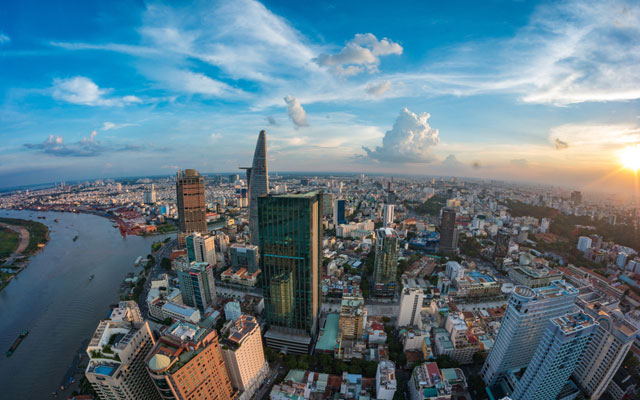
The majority of South-east Asian cities in a new study on future tourism growth readiness were recommended to evolve tourism policy and improve infrastructure.
The global index report from WTTC and JLL assessed the preparedness of 50 cities for future travel and tourism growth, and placed them in one of five typologies, namely Dawning Developers, Emerging Performers, Balanced Dynamics, Mature Performers and Managing Momentum.
Five of the six South-east Asian cities the study looked at were classified under Emerging Performers and Dawning Developers. According to WTTC and JLL, cities in these categories tend to be in emerging countries, with a lower level of urban readiness.
To improve their preparedness, efforts should be focused on developing and enhancing urban infrastructure such as airport connectivity, accommodation stock and addressing environmental issues such as waste and water quality.
Kuala Lumpur and Manila were classified Dawning Developers alongside Bogota, Delhi, Buenos Aires, Cairo, Chengdu and more
Bangkok, Ho Chi Minh City and Jakarta were named Emerging Performers along with Cape Town, Delhi, Istanbul, Mexico City, among others.
Both categories are characterised by emerging urban readiness and tourism infrastructure. Dawning Developers are in the stage of “slower tourism growth, and lower visitor concentration” while Emerging Performers are experiencing “growing tourism momentum and increased pressures”.
The recommended policy response for the former group of cities is to address areas for development to further enhance urban readiness, achieve incremental wins by focusing on and evolving tourism policies that enable tourism growth at a pace that the city can support, the report said.
And for Emerging Performers, the research recommends investing in infrastructure development to support sustainable tourism growth;
monitor potential crunch points and implement progressive policies as
needed.
Singapore is the only South-east Asian city to fall in the Balanced Dynamics classification. It sits with the likes of Beijing, Dubai, Hong Kong, Osaka, Shanghai and Tokyo.
These cities are described to have established urban readiness and
tourism infrastructure. They are often financial hubs with higher share of business travel than average.
Among the policy recommendations is to seek opportunities to attract a greater proportion of leisure travel by investing in leisure attractions.
Travel & tourism is an essential industry that contributes 10.4% to global GDP and was responsible for the creation of one in five new jobs over the last five years.
According to research, of the 1.4 billion international visitors crossing borders in 2018 for tourism purposes, 45% are travelling to visit cities. Furthermore, international arrivals to the 300 largest city travel destinations accounted for over half a billion trips last year.
Gloria Guevara, president & CEO, WTTC, said: “Tourism authorities in many major cities around the world are working incredibly hard to prepare for the future. However, for a city to truly thrive and for travel & tourism to develop in a sustainable manner, city planning authorities, developers, investors, legislators and community groups, need to understand how prepared the city is for future expected growth in tourism and the resulting challenges and opportunities it may face.”



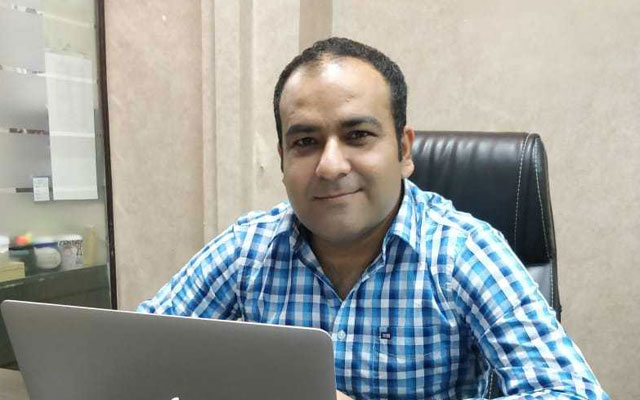
 Based out of New Delhi, Huria will be responsible for growing Adara’s footprint in India and expanding the pool of data partners to deliver consumer insights to travel marketers.









Air New Zealand plans to launch five-times-weekly seasonal flights between Christchurch and Singapore this winter to appeal to the strong travel demand from South and South-east Asia.
Air New Zealand and Singapore Airlines currently offer a 10-times-weekly service between Christchurch and Singapore. The seasonal flights will bring the frequency of the service to 15 times weekly in the December 1, 2019 to February 15, 2020 period.
The airline is also deploying the larger Boeing 787-9 Dreamliner aircraft on the route, which would increase capacity including in the premium economy category.
Cam Wallace, chief revenue officer, Air New Zealand, said: “We have seen strong demand for travel to New Zealand in the South and South-east Asia market, and we expect (the additional flights to) appeal to travellers in this region.
Singapore is likely to continue serving as Air New Zealand’s South-east Asia hub. On the airline’s strategy in growing outbound markets Indonesia and Malaysia, where it does not fly to directly, Wallace said: “Both are key growth markets for Air New Zealand in South-east Asia as we continue to see strong demand from travellers in the region. At this stage, both markets are being well served through our recently renewed alliance with Singapore Airlines, providing connectivity through Changi Airport.
“Capitalising on its strategic geographical location, excellent air connectivity and world-class infrastructure, we are seeing plenty of opportunities to grow our presence in the region through our operations in Singapore. We will continue to assess opportunities across markets and leverage our well-established partner network in the region to capture demand.”
Meanwhile, Christchurch is expected to grow in appeal, benefitting from new destination offerings and intensified sales and marketing efforts.
“Christchurch is building new experiences at a phenomenal rate, with new bars, restaurants and artworks going up quicker than anywhere else in New Zealand. This new seasonal Singapore-Christchurch service complements the MoU signed between the airline and Christchurch city agencies in September 2018 committing to exploring joint marketing, enhanced freight and passenger capacity, and signature events.”
“These changes reinforce Christchurch and the South Island as a priority market for Air New Zealand, as we seek to leverage the strength of both airlines to deliver increased connections into the domestic New Zealand network,” Wallace said.
The airline is also running a tactical campaign with Christchurch Airport to promote South Island.
The campaign will span offline and online media buys to increase the awareness of New Zealand and Air New Zealand to consumers in Singapore, targeting the family market and professionals, managers, executives and businessmen.
“We are also working with key agents to develop new itineraries for the South Island,” he said.