The Philippine Department of Tourism (DoT) has signed an MoU with Turkish Airlines that aims to boost the country’s tourism from the European, Mediterranean and other international markets served by the airline.
The signing of the MOU was held at the Turkish Airlines’ headquarters in Istanbul, Turkey recently, in conjunction with the Turkey Tourism Roadshow organised by the DoT and the department’s participation at the Uzakrota Travel Summit, one of Turkey’s largest tourism events.
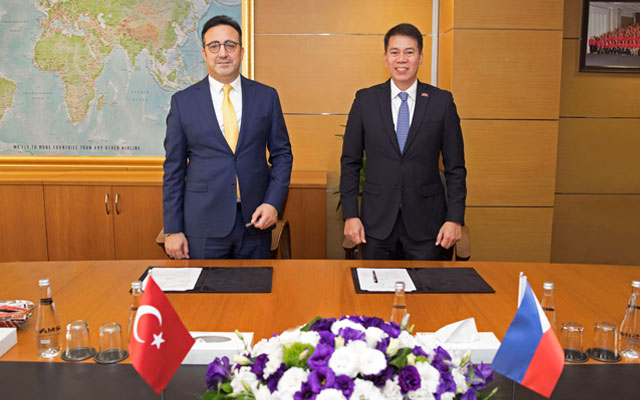
Turkish Airlines’ Ilker Ayci inks pact with DOT undersecretary Benito Bengzon Jr to boost inbound arrivals from Europe and other markets to the Philippines
Under the new collaboration, the DoT and Turkish Airlines will conduct various projects this year to promote tourism in the country, with the goal of boosting inbound arrivals to the Philippines.
Under the partnership, both the DoT and Turkish Airlines will jointly work on brand advertising, promotional and tactical marketing campaigns, digital and e-marketing, familiarisation tours for airline executives, media, travel trade partners, roadshow presentations, among other activities.
The partnership was signed by DOT undersecretary Benito Bengzon Jr and Ilker Ayci, chairman of the board of Turkish Airlines, after successful discussions of possible avenues to increase air connectivity between Turkey and the Philippines, as well as various parts of Europe via Istanbul.
Bengzon said the sustained air connectivity from those areas “would definitely be pivotal in boosting our ability to grow, and make packages to the Philippines more competitive”.
European arrivals to the Philippines rose by 9.13 per cent in 2019 to 772,098 – from 707,525 the previous year – accounting for 9.34 per cent of the total international visitorship to the Philippines.
Meanwhile, arrivals from the Mediterranean markets, Israel and Turkey have doubled in the last five years, with an average growth rate of 16 per cent.
Singapore is on the cusp of resurgence as a family destination, as the country shapes up with a slate of new and upcoming developments aimed at drawing younger families.
Preceding the opening and announcements of these fresh developments was the Singapore Tourism Board (STB)’s Action Seekers marketing push.
Launched in January last year, the initiative targeted adventure- and sports-minded travellers, including children, youth and of course, by extension, families.
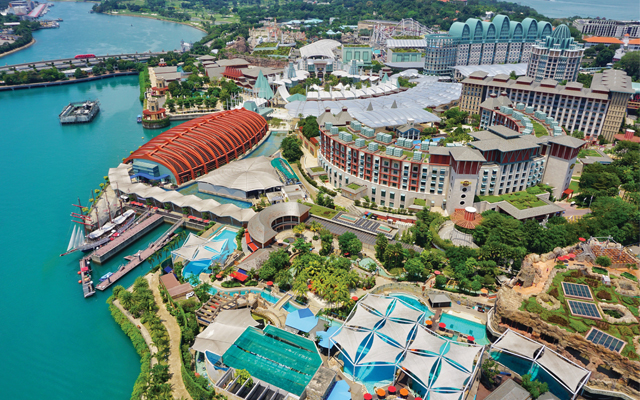
Then, in April last year, the island of Sentosa welcomed three new hotels under the Far East Hospitality group. Of the three, the 606-room Village Hotel at Sentosa is a family-friendly option featuring themed pools and a range of activities for all ages.
Besides playing host to new hotels, Sentosa will be rolling out major transformations such as an expansion of Pulau Brani, beach enhancements, new attractions, and nature zones.
On top of all this, Resorts World Sentosa (RWS) is undergoing a S$4.5 billion overhaul, which is set to increase the gross floor area of the integrated resort by about 50 per cent.
As part of RWS’ transformation into RWS 2.0, new experiences will be delivered in phases until 2025. The first will be a pirate-themed dining playhouse, which is slated for end-2020.
Coming down the line are a public seafront attraction with free evening light shows, expansions and two new sections for Universal Studios Singapore and an enlarged S.E.A. Aquarium, which will be renamed Singapore Oceanarium.
All of these enhancements are expected to entice visitors to extend their stay in Sentosa and Singapore.
Guy Allison, then-director of procurement, Tour East Holdings and now co-founder and chief talent officer, G & P Recruitment – a Bangkok-based hospitality company – commented: “Sentosa’s becoming quite a family destination. It’s starting to attract people to stay in Singapore for not just a few nights, but three or four – maybe even a week. With the new developments, it might even become a destination in itself.”
On Singapore’s mainland, NERF Action Xperience, with its high-octane offerings, opened in September last year. To continue pulling in more family visitors, the centre will host the inaugural NERF Agility League for children and youths from seven to 16 years old this year.
Returning in October this year is the HSBC Singapore Rugby Sevens 2020, which is shaping up to be one of Singapore’s tent-pole extravaganzas for families. A third of the crowd at last year’s event had purchased family packages, said Steven Rodaway, general manager of HSBC Singapore Rugby Sevens.
Billing itself as a family-focused edition of the global event, this year’s Singapore leg will feature carnival activities, a children’s FunZone with stage performances, live shows, art activities and face painting, as well as a line-up of new family-friendly activities that will be announced.
Outrigger Hotels and Resorts has launched a revitalised rewards programme, Outrigger Expert Advisor, which offers several benefits to Australian agents.
Agents who join the programme can earn unlimited reward points on Outrigger bookings through a wholesaler, GDS, phone or website, to redeem for accommodation at selected Outrigger properties.
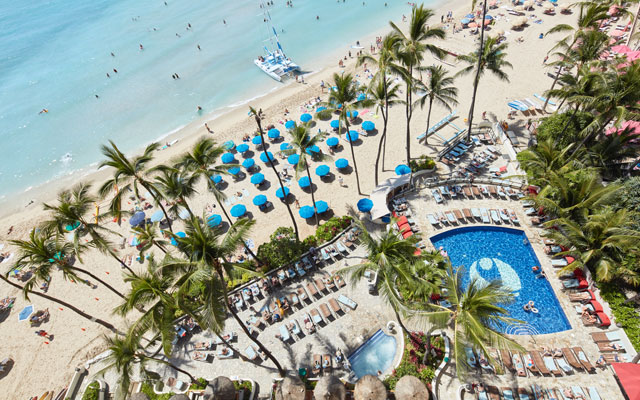
Outrigger has launched a revitalised rewards programme, and this year’s points can be redeemed for a stay at Outrigger Waikiki Beach Resort (pictured)
This year’s points can be utilised towards hotel room stays at Outrigger Waikiki Beach Resort and Outrigger Fiji Beach Resort.
The properties which agents can redeem points on may change each year to familiarise agents with the hospitality group’s collection of resorts and hotels.
Agents will receive an initial 500 Reward Points upon certification, plus extra Reward Points for completing additional educational courses. For each night booked, agents will receive 100 Reward Points. There will be monthly booking promotions to allow agents to earn points faster.
Other benefits include incentive opportunities with select airline carriers, a dedicated help desk, and exclusive room rate discounts.
Agents can join the programme by completing an online course at www.OutriggerAdvisor.com.
In celebration of International Women’s Day (IWD), Insight Vacations has launched its inaugural women-only journey, which is set to take place in India come 2021.
Inspirational India, A Wander Women Journey, which is the first itinerary in Insight’s new Wander Women journey programme, will offer immersive learning opportunities, wellness experiences and authentic dining, while highlighting the impact tourism has on women’s economic empowerment.
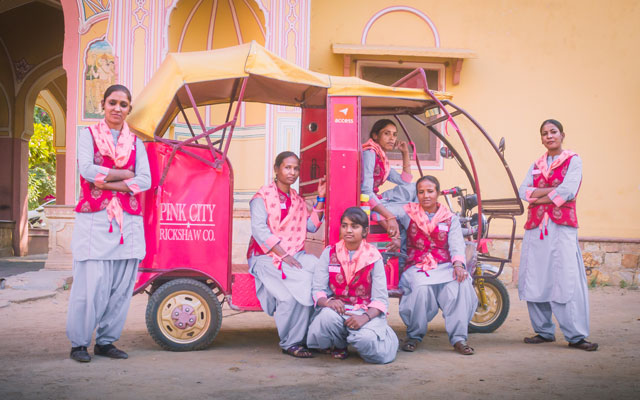
Insight guests can enjoy a ride offered by Pink City Rickshaw Company which supports economic empowerment for local women in Jaipur
With this year’s IWD theme being #EachForEqual, Insight is aligning itself with a gender equal world, showcased by launching these journeys created and led by women.
“With 57 per cent of our guests being women along with the rise of women-only travel, our new journey which is designed and run by women, is a perfect fit for those who want to get below the surface and experience India as a culturally immersive destination as well as have opportunities to give back and empower women in the local communities while learning about their day-to-day lives,” said Ulla Hefel Böhler, global CEO for Insight Vacations.
“This journey is also a great opportunity to connect and meet with other fabulous women from around the world and provides economic empowerment to local women.”
This exclusive women-only journey is only available on a limited departure date, so clients are encouraged to book early to secure their space.
The 12-day India journey, departing March 24, 2021, offers experiences such as jewellery-making, ayurvedic spa treatments, a Bollywood dance class, a henna demonstration, morning yoga with a female guru, a meeting with a local astrologer, and a visit to the Taj Mahal.
Guests will also get to visit a café solely run by acid attack survivors, which promotes social integration and economic empowerment. Other unique experiences include a rickshaw ride offered by a company which provides jobs to 200 women from low-income households in Jaipur.
On the eve of the Holi festival, guests will have the chance to visit an Indian family to join in their Holika Dehan tradition, which includes a home-hosted dinner and a bonfire that’s meant to ward off evil before the following day’s festivities where guests can don local Kurta attire and take to the streets for a colourful celebration.
Singapore has implemented a range of sweeping measures, including wider border restrictions, social distancing measures, and ceasing port calls for all cruise vessels to curb the spread of the Covid-19, after it was declared a pandemic by the World Health Organisation on Wednesday.
The measures include additional travel advisories to Singaporeans against non-essential travel to countries hard hit by the coronavirus.
Singapore will cease port calls for all cruise vessels as part of new measures to combat Covid-19
From 23.59 on Sunday (March 15), all visitors who have been to Italy, France, Spain and Germany within the last 14 days will be banned from setting foot in the country, according to a Ministry of Health (MOH) statement released today.
As well, from 23.59 on Sunday, Singaporeans and permanent residents who have been to Italy, France, Spain and Germany within the last 14 days will be issued a stay-home notice (SHN), which means they will be required to stay home at all times for 14 days upon return to Singapore.
The notice will also apply to long-term pass holders with recent travel history to these countries within the last 14 days.
Furthermore, travellers showing any signs of fever or respiratory symptoms at the checkpoints will need to serve a 14-day SHN, even if their swab test results for Covid-19 were negative.
Singapore will also cease port calls for all cruise vessels with immediate effect.
As well, all ticketed events with 250 participants or more are to be cancelled or postponed, including cultural, entertainment and sporting events, in line with the government’s social distancing measures.
For events that have already been committed to, like in the case that tickets have been sold, organisers must adhere to precautionary measures set by MOH before they can proceed.
Participants could be seated at least one metre apart from one another, and reduce contact with others such as by not shaking hands, said MOH in the release.
Employers are also advised to put in place measures to reduce close contact, such as implementing tele-commuting and video-conferencing, staggering work hours, and allowing employees to commute at off-peak hours. Seating in meeting rooms and work stations could also be spaced apart.
For public venues, measures to reduce close contact by patrons or customers could include setting seats at least a metre apart at dining venues. Entertainment venues and tourist attractions, including casinos, cinemas, theme parks, museums, and galleries, could limit the number of visitors at any one time, and increase spacing among visitors.
In addition, sports centres with indoor facilities, such as gyms and private academies, could limit the number of patrons, introduce physical separation measures, increase the frequency of cleaning, as well as issue advisories to reduce unnecessary contact, and practice public hygiene.
The measures were announced by minister for health Gan Kim Yong and minister for national development Lawrence Wong, who chair the multi-ministry task force on tackling the virus.
Gan said that the island country is increasingly seeing more imported cases, and warned that more are expected with the surge in cases globally, highlighting the importance of border control restrictions.
He added: “But even as we continue to tighten, we know it is not possible to close borders, we need to ensure measures are sustainable in the long term, and that life can go on.”
The Association of Asia Pacific Airlines (AAPA) is beseeching governments to roll back or refrain from introducing travel restrictions, citing the disruption caused to people’s livelihoods and the negative repercussions to the wider economy, following reports from the WHO indicating that the Covid-19 outbreak has now spread to over 100 countries.
WHO has repeatedly advised against travel or trade restrictions as such measures are generally ineffective, AAPA said in a statement, noting that in the majority of the countries, the spread is now predominantly through local transmission rather than from imported cases.
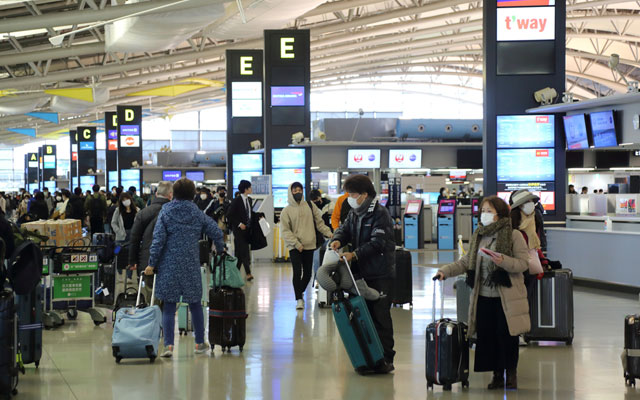
Covid-19 fears has fuelled growing travel bans globally; travellers wearing masks in Osaka Kansai Airport
Furthermore, travel restrictions cause significant disruptions to supply chains, commerce, trade, and most importantly, people’s livelihoods due to the severe economic impact, stressed AAPA.
WHO has also noted that travel restrictions if introduced, must be based on a careful risk assessment, be proportionate to the public health risk, be short in duration, and be reconsidered regularly as the situation evolves.
Medical experts have stated that air travel is safe, noted AAPA. To protect the travelling public, the airline industry has been adhering strictly to WHO and IATA guidelines on inflight hygiene and disinfection, including the stepping up of cleaning of aircraft and airline lounges, and the use of hospital grade HEPA air filtration systems on board aircraft. To date, there have been no reports of Covid-19 infections attributed to inflight transmission, according to AAPA.
The association urged for “a fundamental rethink on travel restrictions”, given that the Covid-19 outbreak is now progressing across the globe.
Andrew Herdman, AAPA director general, said: “The airline industry is fully committed to the safety and well-being of the travelling public. Asia-Pacific airlines are well-equipped to handle health crises, and are strictly following established guidelines developed by the IATA, in consultation with the WHO and Airports Council International, covering the management of public health risks.”
However, the proliferation of travel restrictions worldwide and insufficient adherence to international health regulations are imposing enormous costs on society with little or no public health benefits, said Herdman.
He added: “AAPA appreciates the leadership of WHO on this issue and calls on governments to fundamentally reconsider the rationale for such travel restrictions and measures, taking into account the disruption caused to people’s livelihoods and the negative repercussions to the wider economy.
“Governments must strengthen cooperation across borders and work together with WHO, ICAO, and other stakeholders to develop a more globally co-ordinated set of policy measures, in addressing the current outbreak, avoiding unnecessary social and economic disruption.”
Land, domestic air and domestic sea travel to and from metro Manila will be suspended for at least a month starting this Sunday (March 15) to contain the spread of Covid-19, announced Philippine president Rodrigo Duterte last night.
While avoiding the word “lockdown” in favour of the term “community quarantine”, Duterte said mass gatherings and events will also be prohibited during this period.
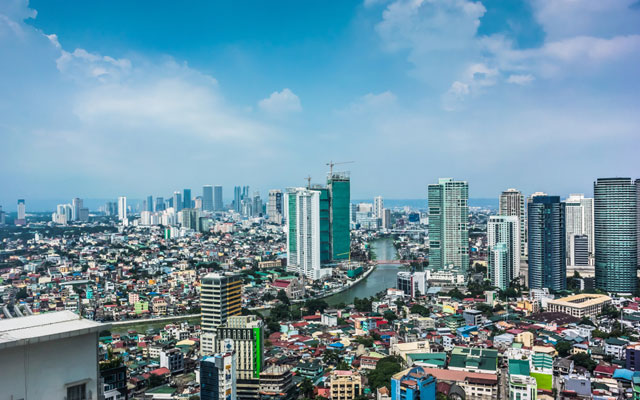
Metro Manila will be put on lockdown this Sunday
As of yesterday, the number of infections in the Philippines stood at 52, including five deaths, mostly in metro Manila which has a population of about 15 million. This prompted the Department of Health to raise the Code Red alert level to Sub-level 2, which indicates that there is sustained human-to-human transmission in the community.
The declaration comes when there is evidence of transmission that the government can no longer identify the source of infection.
In addition, the president also approved the other recommendations by the Inter-Agency Task Force on Emerging Infectious Diseases, including a skeletal workforce for the government which would lead to the Department of Tourism adopting a four-day work week; social-distancing measures to be implemented in metro rail transit; flexible work schedule with social-distancing measures; and an extension of the ongoing week-long class suspension on all levels in the city until April 12.
A set of guidelines on community quarantine has been established for local government units outside metro Manila.
Duterte said the police and military will help implement the measures, while clarifying that there is no martial law and that their presence is to make the public comply with the new measures in combating Covid-19.
It is understood that certain destinations are considering a partial lockdown or community quarantine. Davao City, for instance, has issued a public health emergency discouraging residents from leaving the city and requesting travellers to postpone their visit until the emergency is lifted.
Social media is abuzz with reaction to Duterte’s pronouncement that has has thrown travel plans into disarray. As there are no implementing guidelines, travel agents are at a loss as to what to do with their clients already in the metro or are due to arrive within the next few days.
There are also tourists in other destinations that scamper to return to Manila before the community quarantine comes into effect.
Furthermore, the president has also banned travellers from other countries that are implementing travel restrictions and have localised Covid-19 transmissions, except for Filipino citizens, including their foreign spouses and children.
There is already an ongoing ban on mainland China, Hong Kong and Macau, as well as South Korea’s northern Gyeongsang province.
Concerns relating to the spread of the Covid-19 and large-scale travel restrictions put in place are having a direct impact on hoteliers across the Asia-Pacific (APAC) region.
While the full picture of reduced demand for hotel rooms across the region is only beginning to be understood, STR Global has indicated that “Singapore, Bangkok and Bali, all popular markets for outbound Chinese travellers, have seen the decline continue in occupancy from their normal respective levels”.
Grier: hoteliers should not resort to stop-gap measures like slashing prices to beat downturn
In particular, the tourist destination of Phuket is forecasting challenging operating conditions with hotels’ occupancies for March in the 40-50 per cent range, versus 70-80 per cent for the same period last year.
Markets that source a large portion of their guests from mainland China, and other affected regions like South Korea, are being most affected by the current travel restrictions.
However, as no one can accurately predict the extent to which the virus will spread, hoteliers across the wider APAC region are understandably concerned.
So, what should hoteliers consider when seeking to address the business challenges posed by the emergence of Covid-19?
Firstly, hoteliers must avoid making “gut-instinct” or emotional decisions in the face of current market uncertainty. Rather, they should focus on rational, analytical and data-based strategic approaches to pricing.
For example, when faced with a high volume of cancellations or low demand from countries affected by Covid-19, hotels might be tempted to offer short-term discounts and to start relying on more expensive distribution channels to try and attract bookings from other markets. While this might seem like a good strategy for the short term, it is a very long road to recovery from these decisions.
A key lesson learnt from previous instances of market uncertainty – such as the global financial crisis – is that although price cuts may deliver a brief spike in volume in the short run for a hotel, they can also result in long-term pain for any hotel that pursues this strategy. Hotels that instigate aggressive downward price action in the face of market uncertainty tend to face challenges when demand picks up.
These properties experience resistance to any price increases from customers who have a lower reference point value for a hotel’s rooms and services. Additionally, if competing properties also reduce prices as a reaction to your own discounting efforts, these rival properties may not follow your attempted price increase in the future, making it difficult for you to return your prices to previous levels for some time to come.
Hoteliers should not panic when faced with market uncertainty resulting from lower demand due to Covid-19. Slowdowns happen in all regions and business (nearly) always comes back. Do not implement anything you might regret later, such as giving too much business to costly third-party booking channels. Rather, take a long-term view of what is best for your business.
It is not only tourist destinations popular with Chinese travellers and hotel room revenues that are being impacted by Covid-19. The viability of major conferences and events are also being affected due to travel restrictions.
Already, the HSBC Singapore Rugby Sevens has been postponed from April to October over Covid-19 fears, and many corporate conferences with potentially lucrative event-space reservations may be similarly at risk of disruption.
Any hotelier who currently is, or may in the future, be impacted by lower demand due to Covid-19-related travel restrictions needs to have a plan, even if it will not be fully implemented.
As hoteliers deal with increased demand uncertainty, it is critical they map out and stress test best-to-worst case scenarios and the activities to counter each. Activities should be multi-functional and cover varying “what-if” scenarios. For example, what if corporate demand drops by 10 per cent? What if group bookings fail to materialise? What if weekend demand declines by 25 per cent?
Hoteliers need to explore how their marketing teams could redeploy and reassign planned campaign funds to generate and secure alternative business and new markets.
Revenue managers are instrumental in finding alternative revenue sources and helping create new ones in times of uncertainty. If weekday demand declines significantly due to lower destination visitation numbers as a result of lower traveller numbers from China, revenue managers should work with their sales and distribution teams to explore alternative revenues to make up some of the lost demand (e.g., locally sourced business, meetings & events, etc.). How much revenue can a hotel protect by locking in contracts for longer periods of time?
Hoteliers should also consider if their post-booking and pre- or upon arrival upsell activities are optimised, and always take a long-term view with any decision-making.
The best way to prepare for future uncertainty is by being certain about your own business strategies under any condition. Hotels looking to implement new promotions should look to simulate what-if analysis and run A/B testing on potential pricing scenarios, so they aren’t blindly launching new campaigns at critical times for their business.
Hoteliers must continue to execute a revenue management strategy focused on not just the next few months, but the next several years.
The overall trend for the hotel industry is and will remain positive, tied to predicted sustained growth for business and leisure travel at a global scale. The bottom line for hotels operating across the APAC region is that this is no time to panic, but it is time to plan.
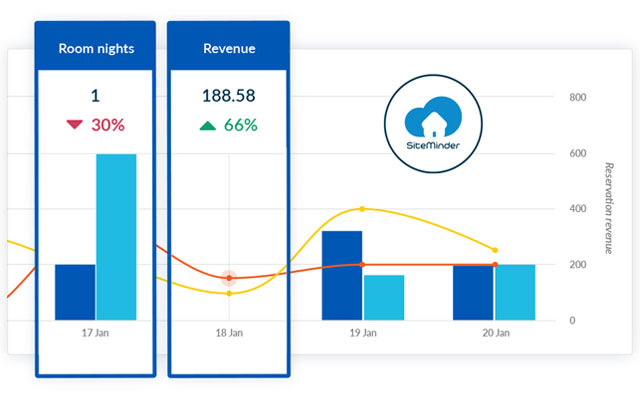
Hotel booking software provider SiteMinder has unveiled a new smart monitoring tool, SiteMinder Insights, which provides hoteliers data on their local market and guests as well as the business performance of their property.
Such data is crucial in deciding whether or not to adjust rates amid the trend of last-minute bookings and rising competition.
SiteMinder’s new tool allows hotels to adopt smarter sales and marketing strategies
The tool is SiteMinder’s response to findings from a 2019 survey, which revealed some of the biggest concerns of hoteliers across the world.
Concerns include making pricing decisions amid the rising trend of last-minute bookings and competition from Airbnb, as well as how to meet the expectations of increasingly discerning guests.
Adam Phadungslip, resident manager and director of sales and marketing at Nouvo City Hotel, said that using SiteMinder Insights has allowed the Muslim-friendly Bangkok establishment to gain more revenue efficiently.
Phadungslip shared that he uses the platform to check competitors’ rates and make informed pricing decisions.
Tourism Malaysia has tied up with Visa Malaysia to support the Ministry of Tourism, Arts and Culture (MOTAC) in driving inbound tourism, and to promote Malaysia as a preferred travel destination, especially in the retail sector.
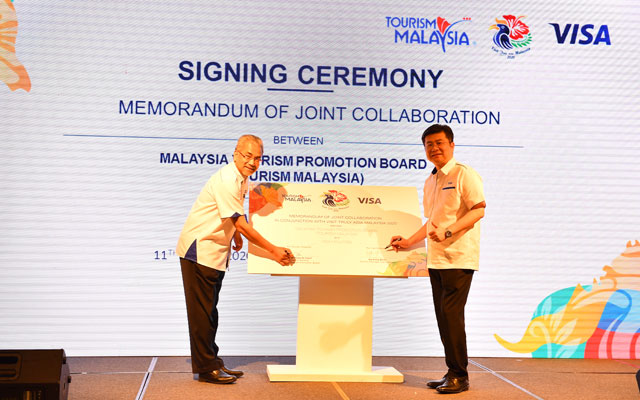
The MoU was signed by Tourism Malaysia director-general, Musa Yusof, and Visa Malaysia country manager Ng Kong Boon.
Tourism Malaysia’s Musa Yusof (left) and Visa Malaysia’s Ng Kong Boon ink an MoU to boost inbound tourism
Shopping accounted for the lion’s share of tourist expenditure for Malaysia for the past four years, according to Musa. It took up 35.2 per cent of the total tourist receipts from January to September 2019, at RM23.3 billion (US$5.4 billion) – a 14.4 per cent increase from the same period in 2018.
Under the partnership, Visa will harness its data analytics capabilities and research to generate useful traveller insights, and work with Tourism Malaysia to enhance travellers’ experiences.
The collaboration will also leverage the Visa Preferred Merchant Programme, which features a variety of rewards and benefits for cardholders, including dining, shopping, family entertainment and medical wellness.
These benefits will be shared through Visa and Tourism Malaysia’s digital media and distribution channels globally. In addition, Visa will also help to promote domestic tourism and share a variety of offers that are relevant for local Visa cardholders.