Indian prime minister Narendra Modi has ordered a 21-day nationwide lockdown which started immediately on March 25 at the stroke of midnight.
The decision will require the suspension of all road, rail and air services, as the country makes a bigger effort to contain the spread of Covid-19.
A busy scene like this at the Taj Mahal may not be seen in the next 21 days as India gets locked down
In a special televised address on Tuesday night, the prime minister said that even those nations with the best medical facilities could not contain the virus and that the social distancing is the only option to mitigate it.
Modi acknowledged that the lockdown would mean a hefty economic loss for the country but insisted that it was his priority to “save the life of each and every Indian”.
“Hence, It is my plea to you to continue staying wherever you are right now in the country,” he said.
According to the Associated Chambers of Commerce and Industry of India, the country has lost about 1.5 million foreign tourist arrivals for the months of March and April.
“Jobs and businesses are at stake. We, the inbound tour operators, are in serious trouble,” Arun Anand, managing director of Midtown Travels, told TTG Asia.
“We need to pay salaries to our staff despite having no business. Office rental and government taxes are making our lives more difficult,” he said.
With growing numbers of global infections, Arun is bracing for zero foreign arrivals to India for another seven to eight months.
Although the Philippines’ tourism sector is one of the hardest hit by the Covid-19 pandemic, it is also one of the fastest in responding to the needs of the community.
At least eight budget hotels in metro Manila have offered their facilities for free to house medical frontliners from various hospitals.
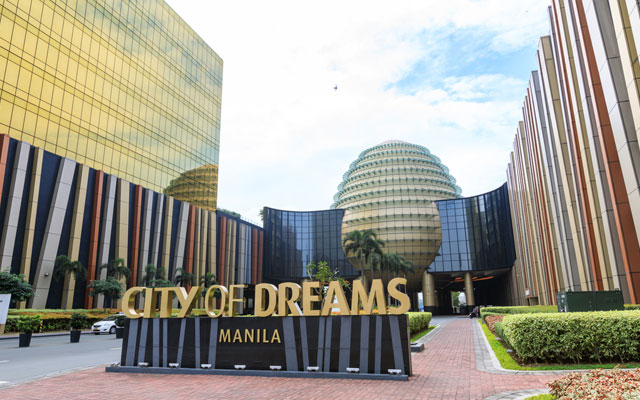
City of Dreams Manila is one of the resorts that have donated food and water supplies to relief centres and healthcare staff amid the Covid-19 pandemic
The number is likely to shoot up as the Congress and Senate have given the Philippines’ president the power to direct the operations of any privately-owned hospitals, medical and health facilities, as well as hotels and other similar establishments to temporarily house healthcare workers, serve as quarantine centres, and medical relief and aid distribution locations, with appropriate compensation.
The drastic need for more spaces ensued as some major metro Manila hospitals find themselves packed to the rafters and unable to receive more Covid-19 patients, which surged to 522 yesterday.
Since Luzon is on lockdown until April 12, all hotels and restaurants have been closed, domestic airlines have ceased operations, mass transport is suspended, and inbound and outbound travel banned.
The state-owned Philippine Amusement and Gaming Corporation announced that the metro’s four integrated resorts have donated 210 million pesos (US$4.1 million) to boost the government’s efforts in cushioning the economic impact of the Covid-19 pandemic.
Coming from Solaire Resort and Casino is 60 million pesos worth of personal protective equipment (PPEs) and N95 masks for medical frontliners in various hospitals dealing with Covid-19 cases.
Meanwhile, Okada Manila has shelled out 50 million pesos for testing kits, PPEs, validator/testing machines, masks and alcohol for the Philippine General Hospital.
On the other hand, City of Dreams Manila donated 675,000 kilos of rice, 500,000 bottles of water, 500,000 cans of sardines, 250,000 cans of tuna, 500,000 cup noodles, with a total worth of 50 million pesos to relief centres, affected families and healthcare providers.
In addition, Resorts World Manila released 50 million pesos for the procurement of PPEs and infrared thermometers, as well as other essential items for public hospitals and grocery packs to community beneficiaries.
City of Dreams Manila and Okada Manila have also lent their shuttle buses to help transport health workers in and around Paranaque City.
Hong Kong’s Airport Authority (AA), with support from the government, has launched a new HK$1 billion (US$128 million) relief package to soften the Covid-19 blow to the airport community.
The relief package includes AA’s contribution of HK$330 million, as well as a government waiver of HK$670 million in air traffic control charges to the AA for the previous year, which will be given in full to the airport community.
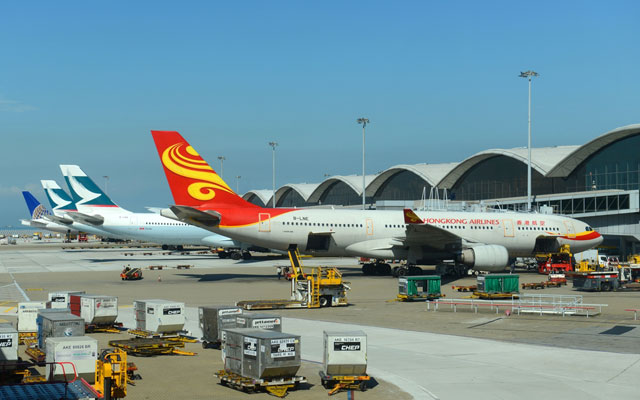
Hong Kong’s Airport Authority rolls out a new US$128 million relief package
The measures will be rolled out from February to June 2020; and will target three main groups, namely, the aviation industry, airport retail tenants and restaurants, as well as airport staff.
A sum of HK$630 million has been allocated for the aviation industry. Airlines will receive full waiver for five months on parking and airbridge fees for idle passenger aircraft, and 40 per cent reduction of passenger aircraft landing charges for four months, among other relief measures covering ramp handling, maintenance and airside vehicle-related fees.
As well, a full waiver of commercial service counter licence fees, in-terminal service licence fees, and fees paid by cross-border transport operators will be provided for four months.
In addition, rental of offices and lounges in the terminal, franchise fees for aviation support services including aircraft catering, into-plane fuelling and maintenance, as well as cargo terminal services will be reduced by 10 per cent to 50 per cent for three to four months.
Rental relief totalling HK$320 million will be provided to airport shops and restaurants paying a fixed rent. The rental concession will be 70 per cent for three months from March to May, and 50 per cent in June, as stepped-up support from the 20 per cent fixed rental discount starting last October.
Furthermore, a total of HK$50 million has been earmarked for providing training allowance to upskill frontline airport staff who are on no-pay leave, with up to 25,000 staff set to benefit from the scheme.
Meanwhile, Hong Kong will ban entry for all non-Hong Kong residents coming from overseas for 14 days, starting March 25, 2020, 00:00. Flights will not be allowed to transit in Hong Kong International Airport during the same time period.
The entry ban extends to non-Hong Kong residents arriving from mainland China, Taiwan and Macau, who have travelled to countries and areas outside of China, Taiwan, Macau and Hong Kong in the past fortnight.
Additionally, all Hong Kong and non-Hong Kong residents entering from Taiwan and Macau, with no travel history outside of these four territories, would still be subject to a 14-day compulsory quarantine.
Organisers of the Expo 2020 Dubai, the global trade fair that is set to take place this October, said on Sunday that they will “reassess and readjust” preparations for the show due to the Covid-19 pandemic.
However, organisers made no indication as to whether the Expo will be postponed or cancelled.
Organisers of Expo 2020 Dubai say they will readjust preparations for the show due to Covid-19
The six-month-long Expo, which is slated to be held from October 20, 2020 to April 10, 2021, is expected to attract about 25 million visitors.
“As we continue to prepare for this event, we will reassess and adjust planned preparations, as changing circumstances require,” organisers said in a statement.
“Expo 2020 Dubai is closely monitoring ongoing developments and taking all sensible precautions to manage and mitigate the risk to everyone involved in the Expo.”
The announcement comes as governments around the world step up precautionary measures to combat the virus outbreak. Already, the UAE has greatly restricted travel, as well as shut schools, universities and several public venues as the pandemic sweeps the globe.
Dubai, which hosts hundreds of conferences, cultural and entertainment events annually, has scraped a string of events in recent weeks, including the Dubai World Cup horse race and the Arabian Travel Market expo.
The United Arab Emirates on Friday announced its first two deaths from the Covid-19 disease, having reported more than 150 infections to date.
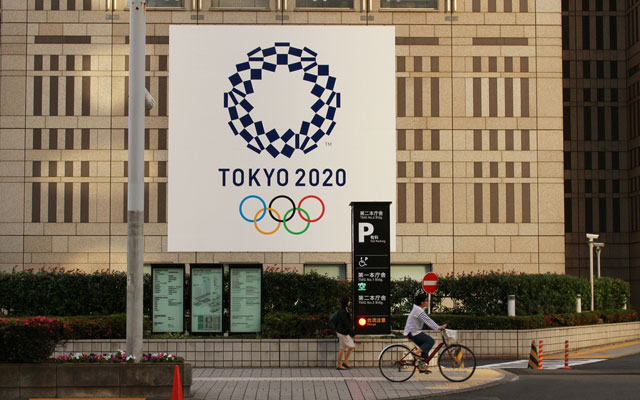
Despite setting a four-week deadline to deliberate on the fate of the Tokyo 2020 Olympic Games on Sunday, Japanese prime minister Shinzo Abe and International Olympic Committee President Thomas Bach have just announced their agreement to push the event to the summer of 2021.
Earlier today, outbound agents told TTG Asia that they hoped for a quicker, clearer decision on the fate of the Games so as to facilitate ticket refunds, where needed, or rearrangements of travel programmes that were crafted and booked in better times.
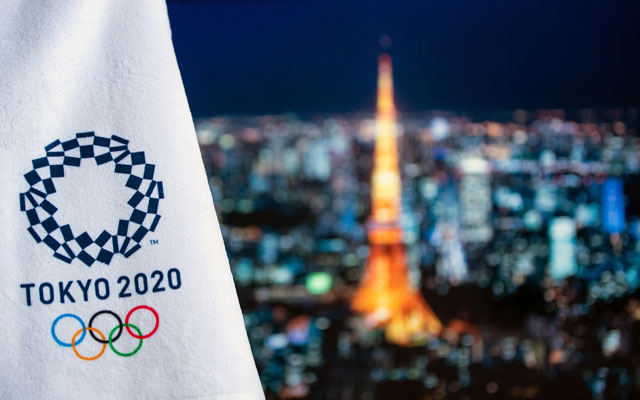
Tokyo 2020 will now have up to a year of postponement
Tokyo 2020 was scheduled to open on July 24 this year.
Australia’s hotel industry, spared from government lockdown measures that came into effect midday on March 23, are still facing a bleak future amid Covid-19 impacts.
New government controls that came into effect on Monday banned restaurant in-dining, casinos, cafes, entertainment venues and indoor sports from operating in an attempt to slow the spread of the virus. It followed the closure of Australia’s borders to non-residents and non-citizens as of 21.00 last Friday.
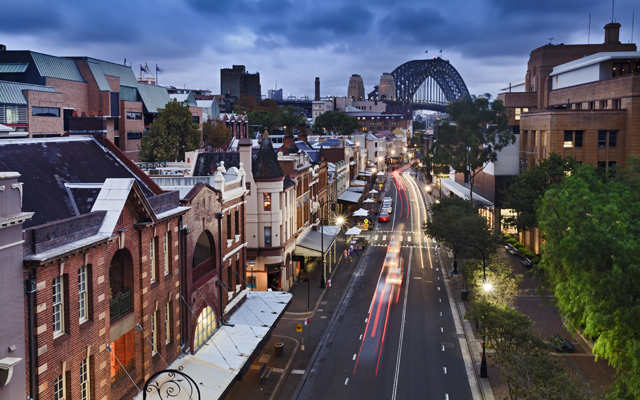
A combination of disasters, from bush fires and the pandemic to border closures and now a lockdown, is taking a toll on Australia hotels
The new lockdown rules mean any restaurant parts of hotel businesses have ceased operations with the exception of food deliveries to rooms or take-away orders.
Hotels have been classified as an essential service, allowing the industry to continue functioning. But with occupancy at just 10 to 20 per cent, Tourism Accommodation Australia (TAA) is warning the weeks ahead could see hotels closing until further notice.
“With those occupancy levels, you’re definitely not making any money,” TAA’s CEO Michael Johnson told TTG Asia. “And you can’t continue operating at those levels for very long at all. I would say within a couple of weeks, you’ll see a number of hotels around Australia going into temporary closure”.
Johnson: Bleakest times now for Australia’s hospitality industry
For the moment hotel staff have been spared job losses as their employers are given the option to keep them on as non-paid employees until things improve or the new lockdowns, which could last six months, are lifted. Staff will also get government support in the form of an allowance, usually reserved for job seekers, which has been increased by an extra A$550 (US$328) to more than A$1,100 fortnightly if they meet the requirements for the maximum benefit.
However, Johnson cautioned that much of the government’s stimulus packages, totalling more than A$83 billion to date, have been targeted at small to medium businesses, which would exclude many of the major hotels and hotel groups.
“We’re continuing to work with government to ensure that these hotels, which are big contributors to our visitor economy, don’t find themselves short so that they can’t actually re-open and there’s no business for the employees to go back to,” he said.
In the meantime Johnson said hotels may serve another purpose should hospitals find themselves at capacity with Covid-19 patients. Talks are underway with Australia’s department of health for hotel beds to be used as overflow for recovery centres for hospitals.
But there’s no denying these are some of the bleakest times facing Australia’s hospitality industry.
“As far as the hotels are concerned, they’ve already been shredding as our markets have been dying, dying, dying as different decisions have been made over the last couple of months,” said Johnson. “We had the bushfires of course, and then the coronavirus took over. The China market stopped, then our borders closed and now domestic travel is stopped.”
“And if you look at the 6,000 pubs across Australia and the many restaurants and bars there’s no morale because they’re all gone. So there’s been a lot of tears shed over the last couple of days,” he continued.
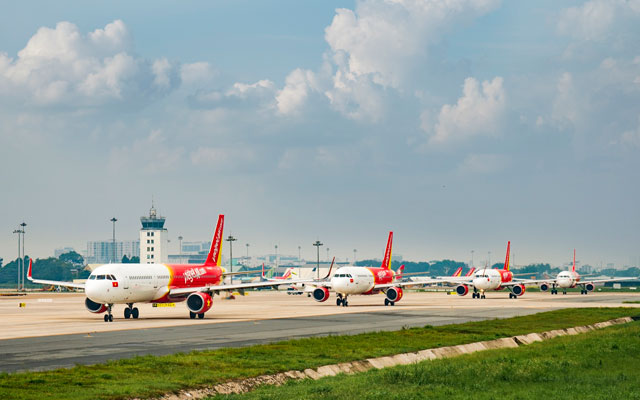
Vietnamese carrier Vietjet is offering insurance for all passengers flying on its domestic flights from March 23, 2020 to June 30, 2020.
Called Sky Covid Care, the insurance coverage ranges from VND 20,000,000 (US$857) to VND 200,000,000.
Vietjet insures its domestic passengers against the coronavirus
All passengers are eligible for the insurance coverage within 30 days from their flight date, regardless of contagion sources.
The insurance premiums will be paid by Vietjet to help its passengers and cabin crew should they test positive for the virus, said the airline in a statement.
To be eligible for this insurance, passengers have to provide all required information in accordance with Vietjet’s “Terms and conditions” when purchasing tickets and using Vietjet’s services.
Passengers also have to comply with all regulations for disease prevention and control by Vietjet, the Ministry of Health and local authorities.
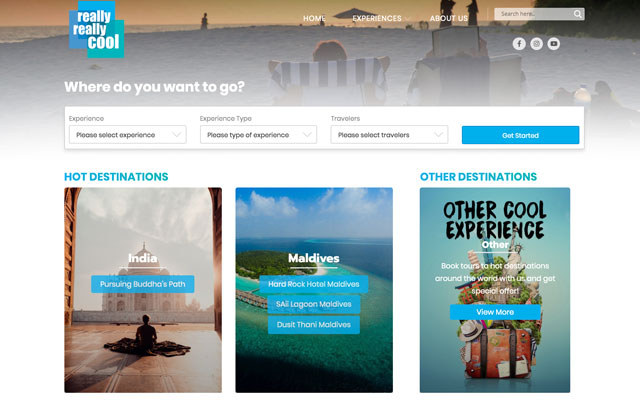
Thailand-based travel company Really Really Cool (RRC) is launching a new global app to assist travel-related businesses in more than 150 countries to bounce back once the Covid-19 pandemic subsides.
The content on the RRC app, which is free for all travel-related businesses to sign up, currently includes more than 500,000 products and services from third parties, SMEs, and local businesses.
Travel experience company Really Really Cool rolls out app to help tourism businesses recover from the virus outbreak
A “Digital Concierge” assists those looking for a “really cool experience”, be it home or abroad. Users can wishlist items, see RRC’s top picks for really cool content, score deals, or get access to other exclusive content.
Machine learning is used as a recommendation engine, which serves up personalised, relevant offers to travellers. It then uses data like geolocation, time, weather, and flight information; and applies algorithms to combine it with other information including previous purchases and ratings, while cross analysing it with other similar users to recommend the best products and experiences.
RRC CEO Patee Sarasin said: “The key reason why we are launching the Really Really Cool application now is to help communities, small travel-related businesses, including everything from attractions, restaurants, cooking classes, ski destinations, to anyone that offers an experience to customers when they travel to any given destination covered.
“These SMEs or businesses are going through a difficult time due to the coronavirus (Covid-19) situation that is happening around the world. We are looking for any way possible to assist them in this time of need.”
The Facebook Live launch of the app will take place today at 20.00 (Bangkok time).
A staggering one million jobs are being lost every day in the travel and tourism sector due to the sweeping effect of the Covid-19 pandemic, according to the World Travel & Tourism Council (WTTC).
In a press statement, WTTC said the job losses are affecting every level of the industry and are gathering pace, as countries go into lockdown to tackle the virus.
Livelihoods of millions of people in the travel and tourism sector are being decimated
The vast closure of hotels, suspension of the majority of international and domestic airline flights, cessation of cruise lines, and growing global travel bans are having a catastrophic ‘domino effect’ hitting huge numbers of suppliers worldwide.
Small and medium sized businesses at every level within the travel and tourism sector, such as tour operators, travel agents and sole-traders, are especially vulnerable.
WTTC, which is already in talks with over 75 governments around the world, has called for countries to urgently do more to intervene to make clearer how businesses can access potentially life-saving loans, and tax breaks, to prevent them from imminent collapse.
WTTC is mindful that while the the travel and tourism sector is facing an economic meltdown, the pandemic is primarily a global health disaster, which governments are doing all they can to contain the spread and reduce the number of deaths.
Gloria Guevara, WTTC President & CEO, said: “It is heartbreaking that the livelihoods of millions of people who have dedicated their lives to the the travel and tourism sector are being decimated; from waiters to taxi drivers, guides to chefs and caterers, pilots to cleaners.
“The relentless cascade of job losses is plunging millions of families into terrible hardship and debt, fearful of how to buy food and pay their bills. The domino effect of Covid-19 is right now having a massive impact, wiping out an entire economic sector.”
Guevara, who published a heartfelt open letter to governments around the world last Wednesday, also shared that businesses of all size are “forced to rip up their three-year plans and focus on a three-month fight for survival on a daily basis”.
“While some governments have been quick to respond with promises of help, the majority of businesses still have no idea how to access these potentially life-saving loans and tax breaks,” she added.
“Today we call on governments around the world to make crystal clear how businesses can access funds, which can prevent the hemorrhage of jobs throughout the travel and tourism sector.”
The plea for urgent action came following an analysis by WTTC of its members, which represents every level of the sector. Up to 50 million jobs throughout the world are at immediate risk, with up to 320 million jobs facing the impact of the dramatic loss of business.
Outbound agents in Singapore and Malaysia are waiting with bated breath for a clear decision on the fate of the Tokyo 2020 Olympic Games, following statements from Japan and the International Olympic Committee (IOC) on March 23 that a postponement may be inevitable.
Alicia Seah, director, public relations & communications, Dynasty Travel, told TTG Asia that several corporate hospitality packages built around the Games, which were customised for clients in better times, were now lying frozen.
Travel agents selling tour packages built around the Games are bracing for their possible cancellation
“These packages were all different, crafted according to what clients wanted to do and see at the games and around the destination. But with so much uncertainty around travel and rising fears of the pandemic, our clients are reluctant to move on with their plans and hope a firm decision would soon be made,” Seah said.
She explained that without a clear decision to cancel or postpone, refunds for opening and closing event tickets cannot be processed.
Seah opined that a postponement of the Games would be ideal to ensure a high quality event that spectators can enjoy, where the full global delegation of athletes is in participation and where all competitors are in top form.
Several media reports are now debating the implications of IOC president Thomas Bach’s revelation on March 22 that a decision on the Games would be made “within the next four weeks”.
Different IOC members have offered their own interpretations. IOC vice president Anita DeFrantz had said that it was “premature” to say that the Games would be postponed to 2021, while IOC member Dick Pound had told the media that the decision to postpone was clear.
Postponing the Games would be better for business, said Rosli Seth, managing director of Feel Japan with K, who has sold ground arrangements – hotel rooms and transport between the sports venues and hotels – for 60 people, largely sports association members in Malaysia and a smaller number of corporate clients.
He believes that clients were unlikely to cancel their bookings and would proceed as planned with the new dates.
“If rooms were cancelled now, it would be difficult to get new bookings closer to the new dates, and the rates would be high. Those who made bookings through us know this,” Rosli said.
He described his Japanese hotelier partners as being understanding and said they would be willing to carry bookings forward to the new dates.
Meanwhile, Kingdom Sports Group (KSG), an authorised ticket reseller for the Tokyo 2020 Olympic Games, has suspended the sale of all event tickets, ticket bundles, ticket packages and tours.
KSG’s website now bears a notice saying: “Given current uncertainties relating to the Games’ start date, in the interest of all our guests, we have decided to temporarily suspend sales, pending further updates from the IOC, IPC (International Paralympic Committee) and Tokyo 2020.”
As a dedicated specialist of international sports ticketing based in Sydney, KSG is the official ticketing agent for Tokyo 2020 in 36 nations, including Malaysia, Brunei, Indonesia, Singapore, the Philippines and Vietnam. – Additional reporting by S Puvaneswary