


Radisson Collection to make China debut in Nanjing
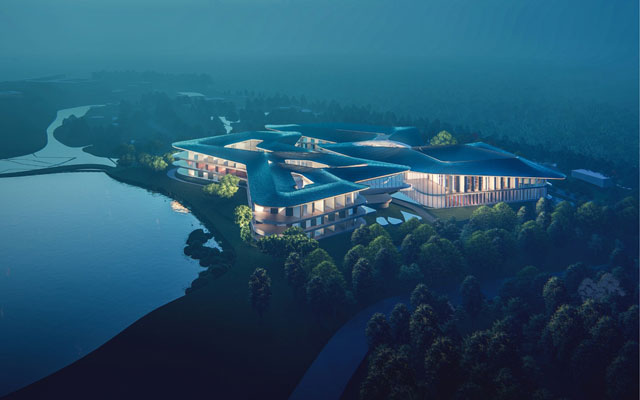
Radisson Collection will arrive in China for the first time next year, with the opening of a low-rise resort in Nanjing, as part of a new integrated tourism complex in the Jiangsu Horticultural Exposition Park.
Scheduled to launch in 2Q2021, Radisson Collection Resort, Nanjing will feature 151 rooms and suites, ranging from 43 to 336m2.
Resort facilities will include a fitness centre, swimming pool and spa, two restaurants offering authentic local and international cuisine, and a lobby lounge serving up daytime and evening refreshments. For corporate and social events, the resort will boast four meeting venues spanning 790m2.
Located in the Tangshan area of Nanjing, a tourist area famous for its mountains and hot springs, Jiangsu Horticultural Exposition Park will become the permanent home of the Horticultural Exposition of Jiangsu Province, which is one of Asia’s leading gardening and landscaping events.
Upon completion, the 6.9km2 park will comprise boutique gardens, exhibition halls and waterside pavilions. It will also embrace smart technology, such as 5G connectivity, biometrics and driverless cars.
Headout highlights Safe Experiences

Mobile-first entertainment marketplace Headout has launched the Safe Experience badge verifying that attractions have adhered to WHO safety standards, in a bid to build trust and ensure traveller wellbeing.
This comes as the Covid-19 pandemic has triggered a seismic shift in travellers’ demands, with higher hygiene standards, touchless services, and enhanced safety protocols topping the wishlist of travellers.

Headout has awarded the Safe Badge to more than 1,900 experiences across 25 countries, including several in the Asia-Pacific region such as Universal Studios Singapore, Siam Park City in Bangkok, Sky 100 Hong Kong Observation Deck, BridgeClimb Sydney, Melbourne Zoo, Phuket Simon Cabaret, and RamaYana Water Park in Pattaya.
Safe Experiences on Headout are displayed to users on a real-time basis. “Today, safety and trust are the need of the hour to get back to the world as we knew it. With Safe Experiences, we have pioneered a massive data project to ensure our users get accurate and updated information on safety measures around the world,” said Varun Khona, CEO and co-founder of Headout.
Before accrediting the Safe Badge, Headout approbates five safety protocols that ensure traveller safety from multiple touchpoints. These include contactless entry and exit, minimal touch services and the mandate of online tickets; mandatory mask-wearing, temperature checks, and social distancing measures; capacity restrictions and time-slotted entry; sanitation, disinfection, and deep cleaning practices on-site, including sanitisation of audio guides and transfer vehicles; as well as staff trained as per WHO guidelines.
Accor donates US$291,000 to Australia’s bushfire relief effort

Accor has raised A$404,000 (US$291,000) to support bushfire affected people and communities across Australia, through its Accor Bushfire Disaster Relief Appeal.
The money was raised globally between January and March 2020, through Accor’s dedicated Gofundraise platform as well as guest fundraising initiatives across Accor Australia’s properties and corporate offices.
The funds were divided among the following charities to aid the Australian bushfire relief effort: Humanitarian Relief (Australian Red Cross): A$100,000; Firefighters (NSW RFS, VIC CFA and SA CFS): A$154,000; Animal Welfare (Foundation for National Parks & Wildlife): A$75,000; and Environment (Greening Australia): A$75,000.
In addition, Accor also provided emergency accommodation and catering for members of the community, firefighters and their families.
Simon McGrath, COO of Accor Pacific, commented: “We hope these donations will enable each charity to source and distribute support and supplies, when and where they are most needed.
“The impact of the bushfires was catastrophic in many states across Australia earlier this year. Since then, Covid-19 has become a national priority, however, it’s important we continue to care for those many people and communities impacted by the bushfires across Australia.”
Accor also extended special hotel rates to all firefighters and service providers across Australia to thank them for their courage and bravery.
Banyan Tree grows reach with KrisShop tie-up
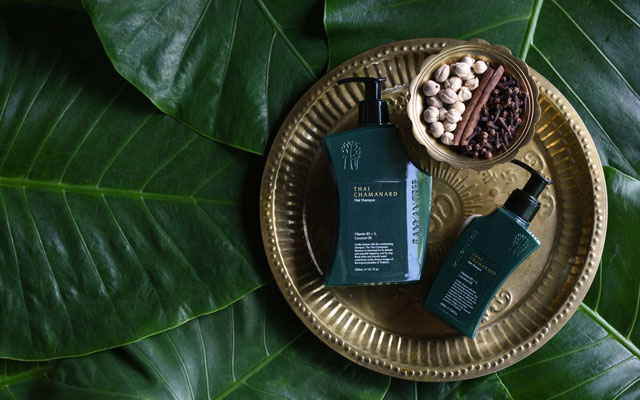
Singapore-based Banyan Tree Group (BTG) has formed a strategic partnership with KrisShop, Singapore Airlines’ flagship retailer, that will see the hospitality group’s exclusive offerings made available on the e-commerce platform, with multiple other synergies to follow.
KrisShop CCO, Raelene Johnson, said: “As part of our holistic omnichannel approach to become an experiential e-commerce destination for travellers and beyond, we are excited to partner with Banyan Tree across various areas. We have the same purpose-driven values and a love for craft and provenance, and also see that wellbeing and sustainability in all areas of life are increasingly important considerations for our customers.”
Banyan Tree said that its signature Essentials aromatherapy and body care products launched on KrisShop.com “to great success”, with sales doubling month-on-month since launch. Containing 95 per cent natural and responsibly-sourced botanical ingredients, the Essentials range has already seen 38 per cent revenue growth in 2020, it added.
In the following months, customers may expect Banyan Tree curated experiences on the site as well, along with other shared campaigns around common destinations.
Ho Renyung, vice president brand HQ of BTG, said: “Expressing a brand today is multidimensional – there are so many different touchpoints, both internally and externally. Aspiring to extend our brand presence in our guests’ lives beyond their stay at our properties, we are delighted to collaborate with KrisShop, an innovative leader that keeps consumer experience at the fore. Together, we hope to champion conscious consumption while inspiring mindfulness and self-care – to rest and live in the moment.”
Happy 55th birthday Singapore!

TTG Asia will be taking a break for the public holiday in Singapore on Monday, August 10, in recognition of the country’s 55th National Day.
News will resume on Tuesday, August 11.
Here’s wishing all our Singaporean readers a Happy National Day!
New hotels: Zentis Osaka, Radisson Blu Resort Maldives, and more

Zentis Osaka, Japan
Zentis Osaka, the first of a new hotel brand under the umbrella of Palace Hotel Group, has risen in the bustling port city of Osaka. The new, 16-storey build features 212 rooms and suites, ranging from 25m2 Studio rooms to 57m2 Suites. The suites feature separate living and sleeping spaces as well as a cozy dining area. Entry-level Studios are furnished with king-size beds and come outfitted with 4K TVs and rain showers, while each Suite and Corner Studio also come with a soaking tub and can be combined with an adjoining Studio to create a two-bedroom unit.
Hotel facilities include a 24-hour fitness centre, as well as an all-day dining venue encompassing a main dining room with open kitchen, a lounge for light nibbles and afternoon tea, a covered outdoor terrace, and a bar serving everything from seasonal cocktails to fine Japanese whiskies.
Radisson Blu Resort Maldives
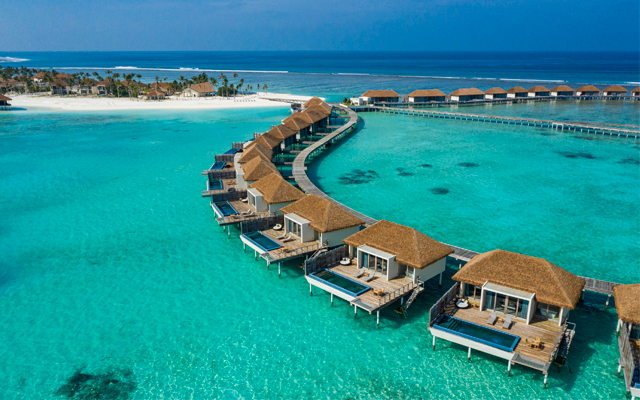
Radisson Blu Resort Maldives, a private island retreat in the Alifu Dhaalu Atoll, marks Radisson Hotel Group’s first property in the Maldives. Nestled on Huruelhi Island and one other pristine islet, Radisson Blu Resort Maldives offers 128 beachfront and overwater villas featuring private pools, ocean views, and one-, two- or three-bedrooms. For the ultimate getaway, the Presidential Suite boasts two levels of indoor and alfresco living space.
Resort facilities include a diving and water sports centre, an overwater spa and yoga pavilion, a fitness centre and sports court, kids’ club and games room, as well as a glass-walled Event Hall that can host up to 50 guests. F&B venues include Raha, a casual all-day dining destination; Alifaan, a Mediterranean and seafood grill; Eats & Beats, a poolside bar; and Crusoe’s, an adults-only oasis. Other options are Kabuki which showcases Nikkei cuisine; Mahurab, an overwater wine and cigar bar; and The Lab, an exclusive restaurant for intimate twice-weekly wine-and-cocktail pairing dinners. Alternatively, guests can also opt for 24-hour in-villa dining.

Mercure Rockhampton, Australia
Accor is growing its presence in regional Queensland with the opening of Mercure Rockhampton, rebranded from the Travelodge Hotel Rockhampton under a franchise agreement. Refurbished in 2008, Mercure Rockhampton is located in the heart of the city, just a short drive from the Rockhampton Airport. The eight-storey, 74-room resort features six conference spaces, an outdoor swimming pool, fitness centre, 24-hour reception, and easy access to Great Keppel Island and many other spectacular locations along the Capricorn Coast.

ANA Holiday Inn Resort Shinano-omachi Kuroyon, Japan
IHG has opened the ANA Holiday Inn Resort Shinano Omachi Kuroyon, marking the first international resort in the Shinano-omachi area and Japan’s second Holiday Inn Resort. Following a significant refurbishment, ANA Holiday Inn Resort Kuroyon spans 47ha and features 73 guestrooms and suites, including the new Kids Suite, Family Room and Duplex.
With nature synonymous to the resort experience, guests can indulge in the traditional Japanese ritual of hot baths with the Kuzu natural hot springs, indoor hot baths, private baths and open-air baths. For a modern take on the tradition, families can unwind in the indoor heated pool. Other amenities include a 9-hole golf course, a tennis court, a brand new kids’ club, a botanica restaurant, as well as Eden Café & Bar offering a lounge and bar area. A spa and 24-hour fitness centre will also open soon.
Crystal gets squeaky clean with new safety protocols
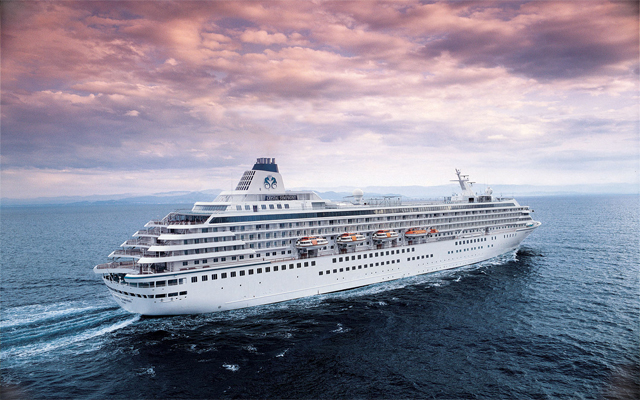
Crystal Cruises has unveiled Crystal Clean+, its initial set of safety and health protocols to be implemented on its ships Crystal Serenity and Crystal Symphony once they return to sailing.
This set of Crystal Clean+ protocols is considered the 2.0 version – the initial expansion of Crystal’s already stringent health and safety policies – developed with the latest data from health experts to meet the unique challenges posed by Covid-19.
New Crystal Clean+ measures include additional precautionary steps taken during the pre-boarding and embarkation processes; reduced capacity for social distancing; enhanced cleaning and disinfection protocols; mandatory mask-wearing; open seating dining with tables amply spaced, and 24/7 in-room dining available; health monitoring for guests and crew; as well as isolation staterooms in case of illness with separate air filtration system.
Further, Crystal is working with all shoreside partners to ensure that Crystal Clean+ protocols will be extended to guests’ experiences ashore, including disinfection of tour coaches and tenders, as well as reduced excursion group sizes. The cruise line has also assured that it will only visit safe, open ports of call, though that may cause changes to the itinerary.
Onboard medical centres and professionals will also be available 24/7. The medical team will comprise a doctor and three nurses aboard each ship, while the medical centres will be equipped with ventilators, virus testing equipment, X-Ray machines, first aid tools and common prescription and over-the-counter medications. There will also be a dedicated public health officer to ensure that all health and safety protocols are being adhered to.
Crystal Clean+ protocols are in development for Crystal’s River, Yacht and Expedition vessels.
In addition, the cruise line has introduced the Crystal Confidence 2.0 peace of mind policy which for a limited time, allows travellers 90 days from the time of booking to place their deposit on all new 2020-2023 reservations across all brand experiences – Crystal Cruises, Crystal River Cruises, Crystal Yacht Cruises and Crystal Expedition Cruises. As well, the company is relaxing final payment deadlines for all its current savings programmes.
MTCO to host first virtual summit
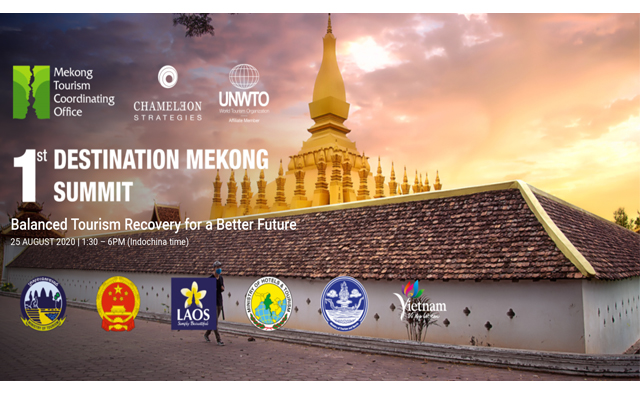
The Mekong Tourism Coordinating Office (MTCO) will be hosting a half-day virtual summit on August 25, offering recommendations and insights for travel businesses to prepare for a balanced recovery amid Covid-19.
The Virtual Destination Mekong Summit will be organised by public-private partnership Destination Mekong, and sponsored by UNWTO Affiliate Member Chameleon Strategies, under the theme of Balanced Tourism Recovery for a Better Future.
With feedback and significant contributions by members of the Mekong Tourism Advisory Group (MeTAG), and a focus on resilience and tourism recovery in the Greater Mekong Subregion, the 1st Destination Mekong Summit aims to give actionable insights and action steps to businesses, operating in the member countries of the Mekong Region.
With 15 short sessions and 40 speakers, the summit will address issues like changing sentiments from source markets China and Japan; recommendations for the meetings sector; latest data and insights for travel businesses; how to communicate to stakeholders in these times; sustainability concerns including climate change, plastic pollution, child protection, and wildlife conservation; as well as a scenario analysis to prepare for the future today.
Instead of following the usual presentation format, the virtual summit will engage in pointed and focused discussions that aims to answer burning questions, offer actionable suggestions on how to survive these challenging times, and how to best prepare for an accelerated recovery. The summit will be emceed by Jutamas Wisangsing of Perfect Link Consulting, and MTCO executive director, Jens Thraenhart.
The summit will have two short take-away sessions, led by Horwath HTL Global Tourism Practice Leader Mr Siniša Topalović, calling in from Croatia. These two sessions are designed to give delegates a quick view on key dos and don’ts, drawing on global research of many destinations and travel businesses.
The opening keynote will be given by the author of the upcoming book Travel & Covid-19, Simon Hudson of South Carolina University in the US, who will look at case studies and best practices from all over the world.
Reflections from past crisis’ and ideas will be discussed by Weearasak Kowsurat, a Thai senator and Thailand’s former minister of tourism and sports; and Htay Aung, Myanmar’s former hotels and tourism minister.
Steven Schipani from the Southeast Asia Department of the Asian Development Bank will lead a session about economic development measures and tourism recovery in the region, alongside the vice chairman of the Vietnam Administration of Tourism, Ha Van Sieu, and the director general of the Ministry of Tourism of Cambodia, Rathasak Thong.
Communicating during Covid-19 is a challenge for many businesses – from branding, marketing, and positioning. A session on when to sell, how to discount, and what message to send will be led by the deputy governor of the Tourism Authority of Thailand, Tanes Petsuwan, and Michael Marshall, CCO of Minor Hotels, operating hotel brands such as Anantara and Avani.
When international travel resumes in the Mekong Region, two source markets are said to have great potential: China and Japan. The co-founder and CEO of leading China travel marketing firm Dragon Trail Interactive, George Cao, and the chief research officer of JTB Consulting, the research division of leading Japanese tour operator JTB, will discuss how to market to Chinese and Japanese consumers post Covid-19, how to build relationships with the trade now, and changing consumer sentiments in both key source markets.
Kelvin Lee of the International Air Transport Association, and Bernard Kee of leading hotel data firm STR, will share about the latest trends and insights, and what businesses from hotels, tours, and restaurants should do to survive the crisis and how to best prepare for recovery.
Finally, in a very special session, Gloria Guevara, CEO of the World Travel and Tourism Council, former UNWTO secretary general, Taleb Rifai, Thailand’s former tourism and sports minister, Kobkarn Wattanavrangkul, and CEO of the Pacific Asia Travel Association, Mario Hardy, will give recommendations and opinions to stakeholders in the visitor economy.
Interested travel professionals can register for free here.
Agoda steps up domestic tourism promotions in Japan

Agoda has joined the Japan Tourism Agency’s Go To Travel campaign, ensuring Japanese travellers making domestic bookings on its platform can benefit from the subsidy scheme.
Under the programme, travellers can enjoy savings of 35 per cent up to 14,000 yen (US$132) per person per night on accommodation bookings at eligible hotels.
In addition, Agoda has also invested in a major international roll-out of its GoLocal campaign, which launches in Japan this month.
The GoLocal campaign, which has signed up thousands of hotel and accommodation partners since its phased launch in mid-June, is designed to stimulate the domestic tourism markets across Asia-Pacific and global markets, by encouraging people to explore more of their own country.
Travellers are incentivised by savings of up to 25 per cent savings to do so, while hotel partners are supported by a multi-channel marketing campaign to help reach potential travellers.
Hiroto Ooka, associate vice president, North Asia, Agoda, said: “As travel restrictions ease, we anticipate the appetite and enthusiasm for the GoLocal campaign in Japan among hotel and accommodation partners, and travellers alike, will be even greater than other markets.
“GoLocal early adopters are significantly outperforming other properties within the domestic travel sector across the region, and so we are confident this GoLocal initiative in Japan will also generate even more bookings.”
Partners signing up to GoLocal are offering up special domestic deals. In return, participating partners will be featured across various Agoda product and marketing touchpoints. These include the exclusive agoda.com/golocal landing site for domestic travel, GoLocal badges to highlight participating properties on Agoda, plus brand and performance marketing activities.
Strategic partnerships with key verticals will highlight and promote partner hotels and properties, further extending the reach of the campaign.







China-based Trip.com Group has entered into a strategic partnership with AirAsia’s travel and lifestyle e-commerce platform, AirAsia.com, that will allow users of both digital platforms access to a wider range of product and service offerings.
Under the partnership, both companies will collaborate on a range of popular products and services available on both digital platforms, including cooperation in the areas of transit information for connecting flights, as well as membership benefits and product marketing, so as to deliver an enhanced and streamlined experience for travellers.
The cooperation aims to spur greater demand for international travel by providing travellers with an end-to-end product offering, from flights to hotels, airport transfers, and activities. Trip.com Group’s premium members will also be able to enjoy upgraded privileges on AirAsia flights when they book on Trip.com Group platforms.
AirAsia Group CEO, Tony Fernandes, called the airline’s partnership with Trip.com Group “timely” and added that it “demonstrates our commitment and confidence in the China market, more so during this challenging Covid-19 environment, where we remain optimistic for borders to be reopened in the near future”.
Trip.com Group CEO, Jane Sun, said: “With the pandemic gradually being brought under control, we’re seeing a recovery in travel demand across the Asia-Pacific region. Already, we’ve seen accommodation volume in a number of key regional markets virtually recover to pre-pandemic volumes, while air ticketing volumes continue to make a strong recovery.
“With demand gradually increasing, and flight routes continuing to resume, we look forward to working with AirAsia to prepare the travel industry for a triumphant revival, and deliver a superior experience to travellers.”