TTG Asia
Asia/Singapore Monday, 15th December 2025
Page 1027

New hotels: Clarks Premier Kota, ibis Styles Vung Tau, and more

0

Clarks Premier Kota, India

Clarks Inn Group of Hotels has launched Clarks Premier Kota in Rajasthan’s third largest city. Located on the prominent Bundi Road, the 75-key hotel offers 27 Deluxe Rooms, 12 Executive Rooms, 12 Suites and 24 Studio Rooms with separate living area and a kitchenette. Hotel facilities include a vegetarian restaurant, a rooftop restaurant, lounge bar, health centre, swimming pool, discotheque, and a conference hall which can accommodate up to 120 people.

ibis Styles Vung Tau, Vietnam
Accor has unveiled the second ibis Styles in Vietnam with the opening of ibis Styles Vung Tau. Overlooking Vung Tau’s long sandy Back Beach, just a two-hour drive from Ho Chi Minh City, the hotel offers 250 guest rooms, ranging from the 24m2 Standard Room to the 46m2 Premium Family seaview room with balcony.

On-site amenities include a restaurant serving Vietnamese food and international cuisine, a rooftop bar, an infinity pool, a 24-hour gym, a kids’ club, and family rooms which can host up to four guests. For meetings and events, the hotel offers two meeting rooms, which can be combined into a large seaview ballroom that can accommodate up to 200 guests.

Kanvaz Village Resort Seminyak, Indonesia
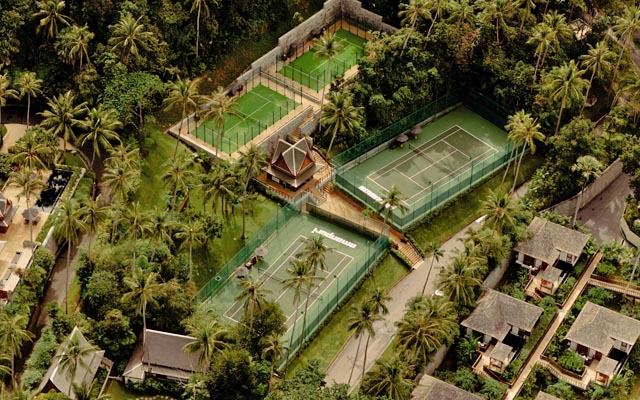
Kanvaz Village Resort Seminyak has opened in Bali, offering 147 rooms, ranging from 34m2 up to 75m2 in size, and eight suites. Resort facilities include four F&B outlets, customisable event spaces, a 110m lagoon pool, as well as spa and wellness facilities. The interior and architectural direction of the hotel took inspiration from royal homes during Indonesia’s colonial era, combined with an open-space, urban village concept.

Villa de Pranakorn, Thailand

Thai hotel management company Unicorn Hospitality has opened Villa de Pranakorn, a luxury boutique hotel nestled in Bangkok’s historic Sam Yot district. Located a short walk from Sam Yot MRT station, the 47-key hotel features a range of accommodation, from Superior Rooms to Premium and Grand Deluxe Rooms, as well as the luxurious Mahachai and Pranakorn Suites. On-site facilities include a fitness centre, a spa, pool bar and lobby bar, as well as a restaurant serving Thai dishes and pan-Asian delicacies.
Swiss-Belhotel Kuantan, Malaysia

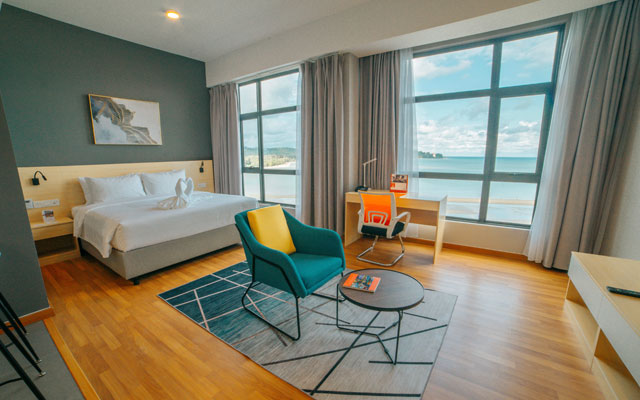
Swiss-Belhotel International makes its Malaysian debut with the soft opening of a waterfront property in Kuantan. Located in the traditional fishing village of Tanjung Lumpur, the 27-storey property offers 366 rooms and suites, including 86 Family Rooms and 16 suites. On-site facilities include a swimming pool, children’s pool, Jacuzzi, fitness centre, water lounge, an all-day restaurant, a lobby lounge, and 10 meeting rooms including a ballroom.

Swiss-Belhotel Kuantan is the first stage of the Kuantan Waterfront Resort City, a 200-hectare mixed-use development, which also features a business park, healthcare hub and tourist resort, marina walk, green promenade, waterfront bars and restaurants, duty-free shopping, golf course and a waterpark.
Mushrooming of eco-lodges in Myanmar paves way for poverty reduction

0
  • Eco-lodges sprouting around Myanmar help lift communities out of poverty
  • Myanmar’s tourism ministry backs the creation of CBT projects
  • CBT projects help spread tourist footfalls deeper into the country, attract new markets

As travellers become more aware of their footprint and the impact they have on locals, hopes are being pinned on Myanmar’s mounting eco-lodges piquing the interest of conscientious tourists wanting to truly immerse themselves in local life.

Myanmar is home to diverse landscapes, rich culture – it has 135 ethnic tribes – and a series of off-the-beaten-track spots that tick all the boxes for modern travellers. Community- and eco-tourism is a niche steadily being developed across the country, pushed by the rise in lodges and boutique resorts built and operated sustainably while working with struggling rural communities.

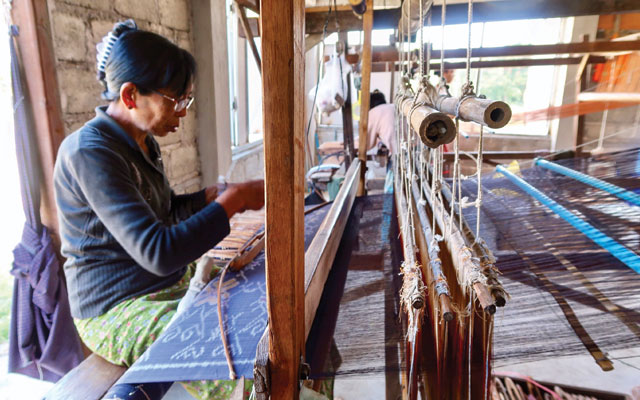
A Little Eco Lodge’s weaving project helps boost locals‘ income while preserving their culture heritage

Charmaine Goddard, general manager at Wah Phyu Villa, which opened in the coastal village of Magyizin, Ayeyarwady in February, said: “With global warming at the forefront now more than ever, people are increasingly aware of what they do when they go on holiday; they want to know they’ve benefited local people.”

The eco-lodge is one of the latest to open as part of a strengthening movement of sustainable and community-driven tourism throughout Myanmar. Goddard added: “We get a lot of private bookings and people ask what we do with our waste and how we work with villagers. It’s huge, and becoming a very big part of tourism.”

Locals as ultimate beneficiaries
In 2011, the newly-formed Ministry of Hotels and Tourism set about launching a series of community-driven tourism products across the country under its Community-Based Tourism (CBT) initiative.

Several have since started operations across Myanmar with the aim of ensuring communities benefit from the predicted rise in visitors while driving tourists to undiscovered areas.

In line with this, recent years have seen tourism entrepreneurs create sustainable lodges that work directly with neighbouring villages to share the tourism dollar and help improve life.

Swe Yi, co-owner of Loikaw Lodge by the Lake in Kayah State, said: “CBT is probably the most sustainable tourism approach in Myanmar as it can significantly contribute to poverty reduction and paves the way for a sustainable, economic tourism model.”

Yi and her husband Jens opened the 12-room lodge in October 2016 and learnt about the newly-developed CBT initiatives of the Kayan, Kayah and Kayaw tribes, funded and led by the International Trade Centre.

Under the initiative, a series of programmes were developed to offer visitors culturally-rich experiences in villages across the state. Its success saw similar initiatives roll out in other areas of the country, including Kachin and Shan states, Magway Division in Myaing, and Chin State.

Yi, who continues to send clients to villages, added: “It’s important the best practises of these programmes is shared to accelerate the learning for communities who want to start their own programmes. At the same time, it’s important the government, private industry and respective communities agree on a framework that helps CBT develop in a sustainable manner.”

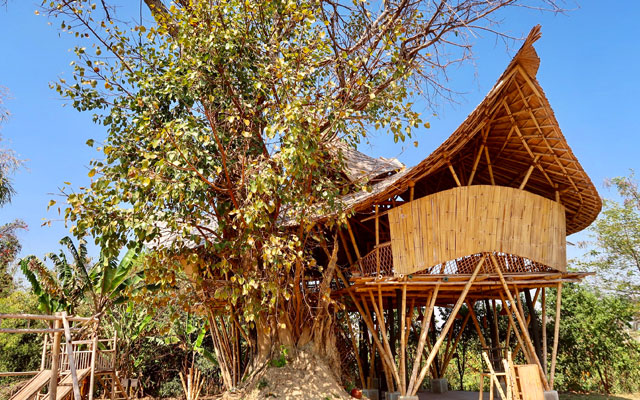
A Little Eco Lodge’s treehouse restaurant

Kyaw Swar opened A Little Eco Lodge in his home area of Inle Lake in late-2016 with the aim of using tourism as a tool to elevate the lives of the impoverished communities he grew up among. He has since landed two awards from the Product and Package Innovation Competition run by UK Aid for his innovative community-led projects for ikat weaving, and a treasure hunt-style cookery class in a neighbouring village. He recently added four rooms, bringing the total to 10.

He said: “Travellers want to be more responsible and think about how and where the money they spend is used. This is a great opportunity for Myanmar, especially small-scale entrepreneurs and locals. They can’t compete with larger global and local businesses that have resources, finance, knowledge and technology; these communities lack this. By developing CBT, communities can earn directly from clients.”

Demonstrable business case for Myanmar tourism
Edwin Briels, managing director of Khiri Travel Myanmar and co-founder of Lalay Lodge, which opened in February on the coast of remote Maung Shwe Lay in Ngapali as a sustainable lodge that works hand-in-hand with villagers, said this movement is opening up new business opportunities by appealing to the longhaul markets of Australia, Europe and the US.

He also noted an increase in interest from regional travellers seeking authentic, immersive experiences.

Said Briels: “We are seeing a lot more regional travellers wanting to go back to an Asian village atmosphere; almost like stepping back to the old days of Asia.”

The sustainable lodge trend is also helping develop new destinations and encourage visitors to veer away from Myanmar’s main tourism spots. As arrivals grow, it is hoped this will alleviate the issue of over-crowding that other regional tourism stars have struggled with.

Said Goddard: “Because Myanmar’s tourism industry is behind other South-east Asian countries, it can pick up on the mistakes of others and learn from them. The government doesn’t want to see places over-run, so it encourages sensitive development in emerging destinations.”

However, to truly tap into the tourism potential, there needs to be closer work between the government and private sector to push and promote such initiatives.

Noted Yi: “The big challenge is to market these lodges and experiences to international markets. This can only be done with government and private industry support.”

Hiking tours climb in popularity among luxe crowd

0

Hiking is getting a touch of luxury as travel agencies see demand picking up for itineraries that take travellers to less-traversed nature trails with a unique spin.

Beyond a simple walking or hiking route with arranged accommodation, such tours elevate the experience with elements that “allow guests to feel a deeper connection to the destination’s culture and traditions”, described Paul Christie, CEO of Walk Japan.

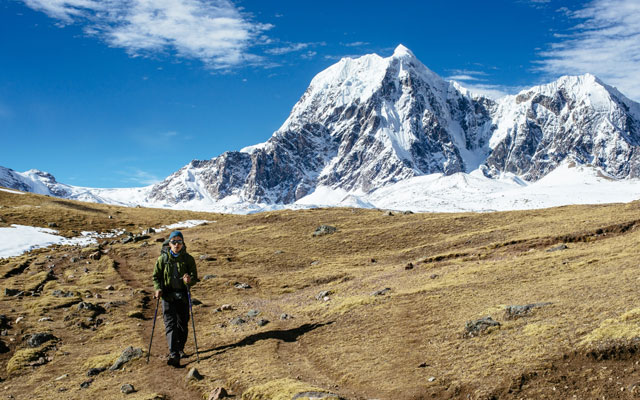
Scott Dunn offers travellers to experience off-the-beaten-path Peru on the Ausangate Trek

He continued: “Hiking and nature trails are getting more popular among luxury travellers because they incorporate wellness, eco-therapy and physical exercise into the holiday experience.”

Walk Japan specialises in unconventional off-the-beaten-path itineraries through Japan, including self-guided walking tours such as the Kumano Wayfarer, one of only two UNESCO-registered pilgrimage trails worldwide; and the Tokaido Wayfarer, a gastronomic exploration of the ancient highway between Tokyo to Kyoto.

Similarly, Scott Dunn has also rolled out a selection of adventurous tours that span an entire destination, rather than focusing on a single attraction. Guests can trek across remote and picturesque destinations such as the vast wilderness of Namibia, the relatively undiscovered Fann Mountains of Tajikistan and the stretch of the Salkantay Trail leading to Machu Picchu.

To elevate the experience, Scott Dunn can provide premium perks to accompany travellers on the journey, such as a porter or chef.

Sheena Seah, global specialist, Scott Dunn, observed: “Guests are increasingly moving away from ‘typical’ hiking destinations such as the Swiss Alps, and exploring more under-the-radar places like Bhutan’s Druk Path.

“In general, active holidays have been on the rise, and so at Scott Dunn, we have found that guests are more interested in a walking activity over the course of their trip, rather than a hiking-specific vacation.”

International Women’s Day: Saluting Tourism’s Leading Ladies – Sophear Mom Sreat, founder and CEO, SOPHIYA Travel & Tours and U&ME SPA, Cambodia

0

The fight for gender equality is for everyone, and necessary for economies and communities to thrive. With this in mind, International Women’s Day 2020 galvanises all women to work towards an equal world. In support of this campaign, TTG Asia and TTGmice are featuring women leaders in the travel, tourism and business events industry this week. Today, we speak to Sophear Mom Sreat to find out how she is challenging cultural norms, empowering women and trying to strike the perfect work-life balance.

What are the main issues surrounding gender equality in Cambodia’s tourism industry?
I’ve been working in the industry for about 20 years. Many local businesses are husband and wife owned, with the majority registered under the husband’s name while the wife carries out most of the operations. I wanted to start my own company to empower other women and show we can develop our own successful business. There has been a lot of changes in this but gender equality is still a concern in Cambodia. Women are still heavily influenced by cultural norms that determine that men go to work and women stay at home. This mindset is a huge limitation. Another problem for Cambodia’s tourism industry is that it is challenging for women to travel far from home.

How are you challenging this mindset?
I’m the vice president of the Cambodia Women Entrepreneurs Association (CWEA). We have about 600 members, of which 10 to 15 per cent work in the services industry including tourism and travel companies, hotels and restaurants. We work closely with the Ministry of Women’s Affairs and other ministries to run programmes that invest in women by offering support, training and funding. As a female entrepreneur, I’m showing how women can turn a small business into an SME, and scale that up further into a big business. Women, and men, in Cambodia need a lot of support to change this mindset over time.

How do you promote gender equality in the workplace?
Education is the most important and biggest challenge in Cambodia. This is in terms of financial support, training and access to markets and networks. All of these things are easier in the digital era, but traditionally, Cambodia’s tourism industry works offline. Many elements have gone online now, which is great, but for many peers, it’s difficult to learn these new skills and retrain staff. They continue the traditional way, lose business and go bankrupt. We have to support these women and provide proper education and training.

What are your ambitions at work and in the home?
Women have ambitions, but also want to provide for our family and ensure our children have a good education. We say women have a thousand hands; we are housewives, mothers and income contributors. Many families have problems because of time management, and there’s a lot of talk about work-life balance. My husband runs his own company, I run three companies, we have one son and another on the way. We have to manage our time carefully. My husband and I have a mutual understanding and from time-to-time check on each other. I often work late and go to functions. He’ll tell me, “Hey honey, you’re so busy this month. Is there anything I can do to help?”, and I’ll do the same for him.

How can the industry be a more welcoming place for women?
CWEA is doing great work to challenge cultural norms. With committed support from both the government and private sector, I believe we will see real gender equality. The most important thing is self-empowerment and staying strong for yourself.

Inaugural ITB India postponed to 2021

0

Following the cancellation of ITB Berlin, the inaugural India edition of the B2B tradeshow has also been postponed to the following year due to the rapid spread of the Covid-19.

ITB India 2020, which was originally scheduled to be held from April 15-17 at the Bombay Exhibition Centre in Mumbai has been postponed to April 7-9, at the same venue.

Following ITB Berlin’s cancellation, the inaugural India edition of the tradeshow has also been postponed to 2021; ITB Berlin 2019 south entrance pictured

ITB India organisers said in a statement that the postponement was “to ensure the safety of ITB India’s exhibitors, buyers and visitors”, adding that they will continue to monitor the situation closely and provide further updates based on official assessments of the overall risk situation.

ITB India participants can reach the organising team best by sending queries with regards to ITB India directly to exhibitor@itb-india.com.

In its first year, ITB India 2021 will be organised by the Indo-German Chamber of Commerce and supported by Messe Berlin (Singapore).

The three-day tradeshow and convention will focus on the Indian travel market including MICE, corporate, and leisure travel sectors.

Bangkok rail project links Singapore to China

0

Bangkok is at the centre of Thailand’s biggest rail development project in almost 70 years, with its completion set to enable train travel to China and Singapore and connect most major Thai cities to Bangkok and its expanding transit systems.

The Thai government has committed to spending more than US$21billion to expand Bangkok’s rail transit, extend train lines and build high-speed rails, with a US$1.3billion hub that will become South-east Asia’s largest train station when it opens in 2021.

The under construction Bang Sue Grand Station which will form part of the Thai government’s plan for a rail network linking Thailand to Singapore and China

This move will not only seek to ease air pollution, but overhaul its dated train systems to boost Thailand’s slowest growth in five years due to a drought and slump in tourism as a result of the Covid-19 outbreak.

Voravuth Mala, acting governor, State Railway of Thailand told Bloomberg in a report that the weak global economy and low interest rates are good indicators for investing in infrastructure.

More than 22 million passengers is expected to be served and 30 million tons of commodities transported from track doubling after the upgrade. Phase one of the 608km rail is already under construction, whereas the second phase which would connect to the Chinese railway in Laos, is under design.

Six Senses descends on Israel’s Nagev Desert

0

Six Senses Shaharut will open its doors in the Arava Valley in the south of the Negev Desert this June.

The resort, which will house 60 suites and villas, will offer guests an array of desert-centric experiences, from sunrise yoga workshops and immersive local community experiences to late-night stargazing sessions, incredible hikes and camel treks through the Negev Desert.

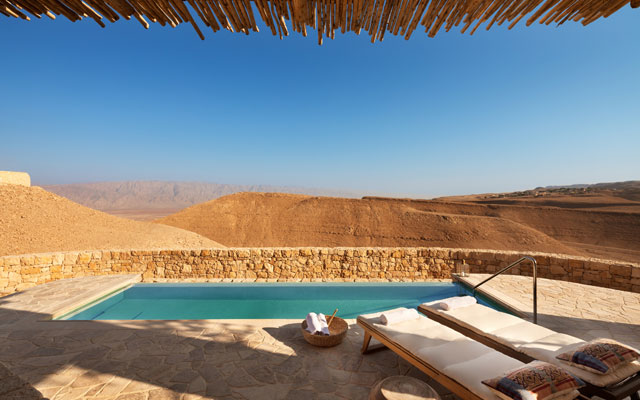
Guests at Six Senses Shaharut will be able to enjoy uninterrupted views of the Negev desert at the resort’s Panorama Pool Villa

A variety of on-site experiences, including the Earth Lab, camel stables and an open-air amphitheatre, are also available. The desert setting presents a host of activities from overnight camel camping to extreme sports, hiking, jeep safaris, and neighbouring Kibbutz tour.

Locally-inspired and restorative treatments, alongside a variety of wellness programmes, will also be on offer at Six Senses Spa.

Reservations are being accepted now for stays from June 1, 2020.

Minor Hotels brings Swiss medical aesthetics to Thailand

0

Minor Hotels has entered into a partnership with Clinique La Prairie to operate the Swiss health clinic’s first aesthetics and medical spa outside of Europe.

Due to launch later this year, Clinique La Prairie Aesthetics & Medical Spa will be located on the 15th floor of St Regis Bangkok under MSpa International, the corporate division of spa and wellness with Minor Hotels. St Regis Bangkok is owned by Minor Hotels.

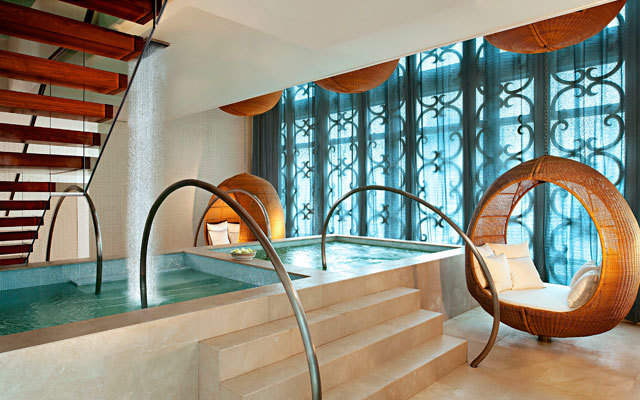
Clinique La Prairie to open at Bangkok’s luxury St Regis hotel; spa relaxation area with Jacuzzi at St Regis Bangkok pictured

The facility will feature dedicated male and female relaxation areas spread over two floors with a lounge and floating pods while the lower wet area of each floor features steam rooms, jacuzzis, cold plunge pools and experiential showers that allow personalised selection of water pressure, lighting and music.

Aviation roundup: Berjaya Air, Silkair and more

0

Berjaya Hotels & Resorts links Subang Airport to Redang Island

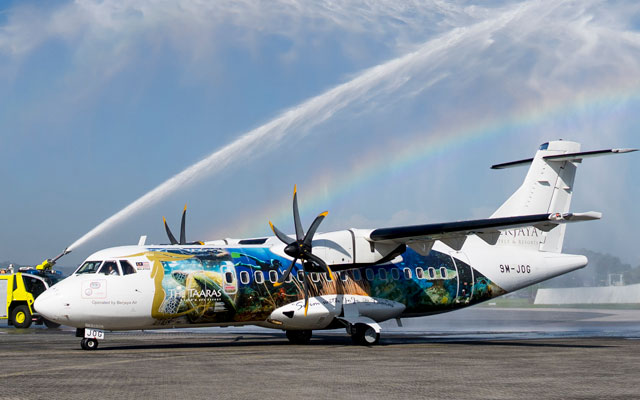
Berjaya Hotels & Resorts (BHR) has launched direct flights from Subang Airport, Kuala Lumpur (also known as Sultan Abdul Aziz Shah Airport or Subang Skypark Terminal) to Redang Island, which is home to two of its resorts, namely, The Taaras Beach & Spa Resort and Redang Island Resort.

Using the ATR 42-500 aircraft operated and managed by Berjaya Air, the new direct flight will further enhance regional air connectivity and reduce travelling time to Redang Island from an average of four hours to approximately an hour, according to Foo Toon Kee, COO of BHR.

Some of the privileges include access and refreshment at Naza Sky Lounge located at level 1 of Subang Airport, personalised check-in, 15kg check-in luggage and 7kg hand luggage allowance per person, availability of excess luggage storage, express boarding and refreshment on board.

Silkair to stop flying to Hiroshima

SilkAir, the regional wing of Singapore Airlines (SIA), will indefinitely suspend operations to Hiroshima from March 27, 2020 due to weak demand, which has been exacerbated by the Covid-19 outbreak.

The last SilkAir flight on this route will be MI867, which will operate from Hiroshima to Singapore on March 26, 2020.

All affected customers will be contacted and arrangements will be made to re-accommodate them onto other flights, said SIA Group in a statement.

Lao Airlines flies to Danang

Lao Airlines will be starting thrice-weekly flights on Tuesdays, Thursdays and Saturdays from Vientiane to Danang, Vietnam from March 29, 2020.

Using an ATR72 aircraft, flight QV318 will depart Vientiane at 11.10 and arrive in Danang at 12.50, while the return flight QV319 will leave Danang at 13.50 and land in Vientiane at 15.35.

Finnair ups flights to Delhi

Finnair will be adding thrice-weekly frequencies to Delhi from July 1, 2020, to meet demand for the peak travel summer 2020 season.

Finnair currently flies to Delhi four times per week.

Operated with Airbus A330 aircraft, the route will be operated daily for the remainder of the summer season as well as for the upcoming winter season.

AirAsia heads to Zamboanga

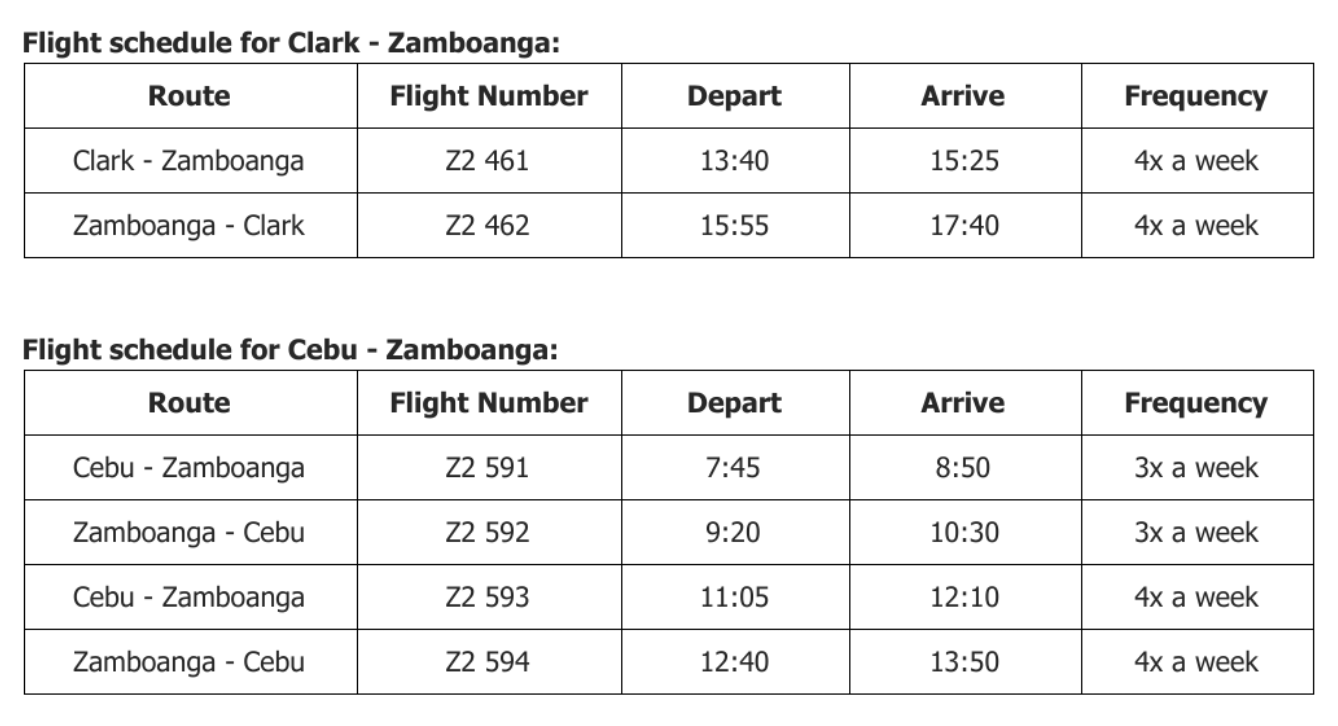
AirAsia Philippines will be launching flights linking Clark and Cebu to Zamboanga, dubbed as “Asia’s Latin City”, from March 29, 2020.

The budget airline will be flying the Clark-Zamboanga route four times a week, and the Cebu-Zamboanga route seven times a week.

The launch of the new route is in response to calls from the government for better air connectivity among the country’s three major islands: Luzon, Visayas and Mindanao.

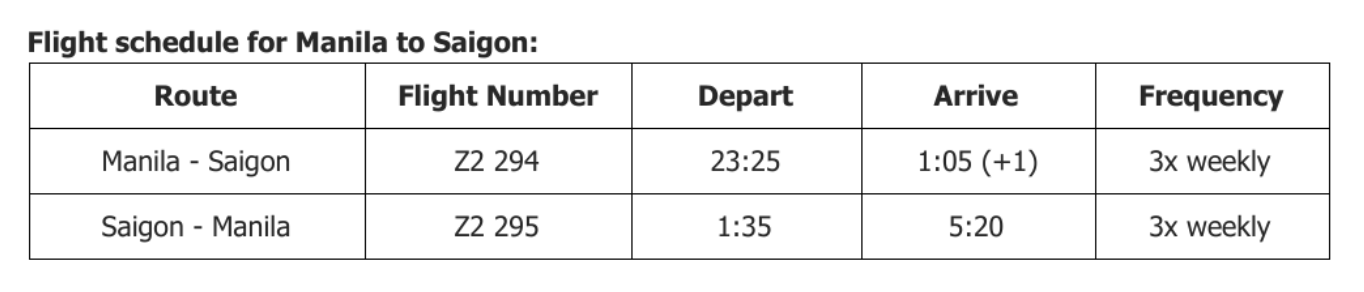
As well, the airline has relaunched its Manila-Ho Chi Minh City route, as well as added another domestic flight linking Clark to Bohol, both of which will commence on March 29, 2020.

Indonesia trade protests against government’s incentive package

0

Indonesian travel agents are feeling left out in the cold by the government’s recent rolling out of a range of incentives totalling 298.5 billion rupiah (US$21.5 million) to help tourism businesses bounce back from the Covid-19 crisis.

The incentives are mostly built around airfares in a bid to boost domestic travel. However, incentives to support local travel agents are said to be lacking.

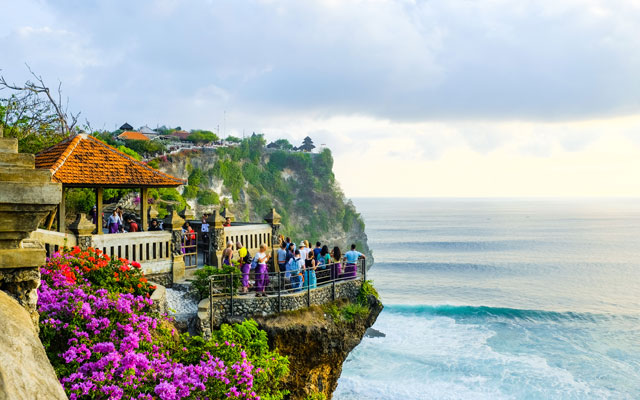
Indonesian travel agents reckon the government can do more to tide them through Covid-19; Uluwatu Temple on the island of Bali, Indonesia pictured

I Ketut Ardana, managing director of Bali Sunshine and chairman of Association of Indonesian Tours and Travel Agencies (ASITA) Bali Chapter, has written a letter to the government to question the absence of incentives for travel agents.

“Our members have also been affected by the coronavirus as it has resulted in a wave of cancellations. This is not an issue faced just by travel agents who focus only on the Chinese market. Agents who handle other markets have also suffered a significant number of cancellations as the outbreak has made people from many countries reluctant or afraid to travel,” he said.

Pauline Suharno, secretary general of Indonesian Travel Agent Association (ASTINDO), told TTG Asia that she also intends to send a similar letter to the government to seek help in avoiding lay-offs, adding that some travel agents have started to offer unpaid leave to their staff.

She suggested that the government could implement helpful measures such as tax cuts and reducing interest rates for travel agents.

Both Daniel G Nugraha, director of Exotic Java Trails, and Budijanto Ardiansjah, director of My Duta Tour, argue that the tax waivers for hotels and restaurants should also be extended to travel agents.

“We (inbound travel agents) are the ones who craft inbound packages and sell them from one door to another overseas (to attract foreign travellers to Indonesia). So why are we still obliged to pay tax (while hotels and restaurants are exempted from it)?” Daniel said.

He also questioned the government’s imposition of the same tax rate on the sales of inbound packages as that of outbound packages.

He argued that inbound and outbound agents should not be treated on an equal footing. Inbound products, for example, deserved lower tax rates or even tax exemptions as they contributed to the country’s revenue.

Since hotels are waived from paying taxes, Daniel contends, they should consequently offer lower room rates to travel agents.

In the meantime, following the announcement of the first two Covid-19 cases in Indonesia yesterday, Wishnutama Kusubandio, minister of tourism and creative economy, announced that the stimulus package for attracting international tourists would be postponed until the disease subsides and things return to normal.

“Our focus now is to take care of international travellers who have entered the country, as well as improving the quality of tourist destinations through sustainable environment, health and hygiene, and safety and security,” he said.

However, Wishnutama said the government is aware of the importance of maintaining the economic sustainability of the country and hence, incentives for the tourism industry will continue as planned and will be closely monitored. – Additional reporting by Mimi Hudoyo