TTG Asia
Asia/Singapore Friday, 10th April 2026
Page 1771

Gulf carriers spur longhaul MICE with new links, cheaper fares

0

emirates

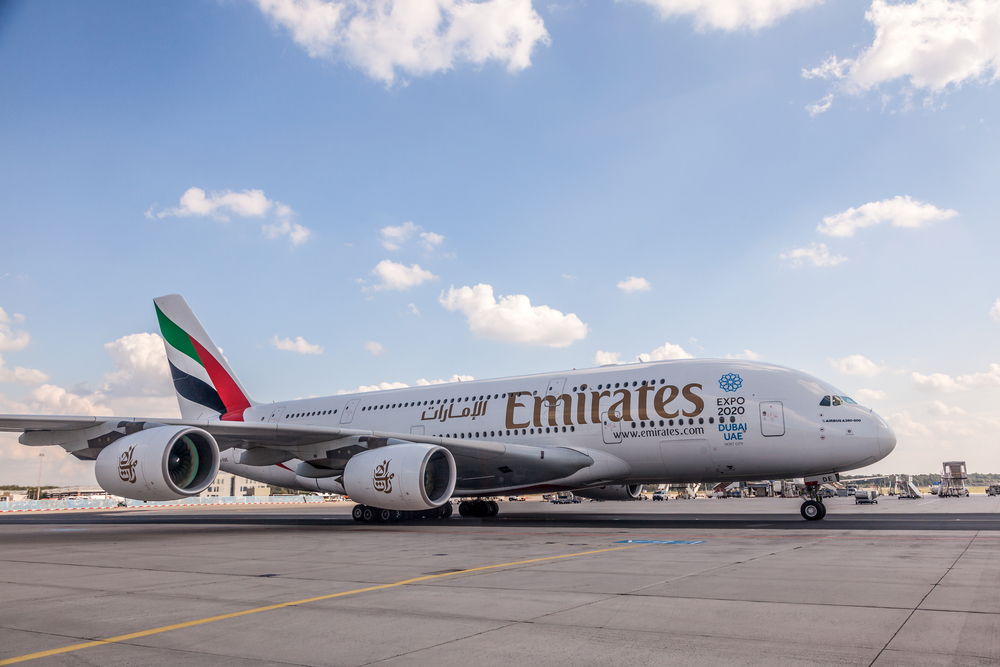
LONGHAUL MICE buyers are witnessing a surge in demand for Asia as air travel into the region becomes cheaper and more accessible thanks to the ambitious expansion of Middle Eastern airlines across the world.

Magdy Ibrahim, managing director of Smart Solutions, Dubai, said: “We are increasing our focus on Asia as it is getting so much more accessible and cheaper.”

While 40 per cent of his corporate groups are already heading to Asia this year, with the remaining opting for Europe, Ibrahim predicts Asia’s share to grow to 50 per cent next year.

“The new Middle Eastern flights into Asia help to encourage healthy competition between the carriers, which is great news for us as Asia becomes cheaper with all the airline promotions,” Ibrahim added.

Sharing similar sentiments, Bulgaria-based Hermes Holidays’ principal Violeta Rousseva said the airfares into Asia have especially become more affordable since the entry of the Gulf carriers.

Pointing to Thailand and Indonesia as his top-selling destinations in Asia, he said: “It becomes easier to sell these countries and furthermore it is not expensive to host luxury dinners and incentives in these destinations so the whole package (flight, hotel and activities) becomes really attractive.”

Katarzyna Mazur, junior project manager of Nu Horizons Poland, views Asia as a fresh destination. “We see growing demand from clients to host incentives and meetings in places like the Philippines and Malaysia.”

According to her, the cost of flying from Poland to Bangkok today is some 30 per cent lesser than four years ago with the presence of carriers like Emirates.

Monika Valleton, managing director of ATJ Lingwista in Poland, added that the lure of history and culture in countries like Thailand and Cambodia makes Asia a “dream destination” for her clients.

Apart from the Middle Eastern carriers’ connections, she had also chartered a plane for a company to Phuket earlier this year.

Valleton said: “There is a general growth in interest and excitement from our clients into this part of the world (Asia). It is very positive.”

Smart Solutions’ Ibrahim commented that the ease of visa regulations in countries like Indonesia has also boosted the interest. He said: “One of Asia’s added advantage is the (people’s) warm hospitality which makes it very welcoming for our delegates’ overall experience.”

Resilient Thailand should watch a rising Vietnam

0

phuket_patong-1Phuket, Thailand

CLIENTS’ search for more novel destinations may be the bigger threat to Thailand than issues on perception of safety following last month’s series of co-ordinated bomb blasts in popular tourist spots including Phuket and Hua Hin.

Incentive and meeting planners interviewed said Thailand remains resilient, but emerging destinations such as Vietnam and Cambodia look set to be its contenders for a slice of the MICE pie.

The kingdom’s resilience is attributed to its attractions and value-for-money proposition, aside from its image as being relatively safe.

Yoo Jae Eun, assistant manager of Hyundai Dream Tour, South Korea, said: “There are security threats in many areas of the world and in comparison Thailand is still considered rather safe and is still a very attractive place for our groups.”

Yoo added that she is optimistic Thailand will still be one of the top destinations for her clients who prioritise shopping in their incentive programme.

Sharing similar sentiments, Andrzej Rutkowski, sales manager and group advisor of Supertour, Poland, said: “There is no major issue with that (bomb attacks) and our clients are still proceeding with their plans to Thailand.”

Explaining the lure of the destination, he said: “It is not easy to find luxury hotels and restaurants at the low prices that Thailand offers.”

While Singapore-based Mice Matters’ director Melvyn Nonis had to redirect a corporate group to Hong Kong from Thailand during the week of the bombings, he said: “Thailand provides the total holistic package of shopping, nightlife, great food and, most importantly, is inexpensive as a destination.

“The country has already been through floods and riots but you see that people keep returning. Clients are generally more forgiving towards Thailand and I am sure they will not be deterred.”

The only thing Thailand has to look out for is competition from other emerging countries, said Akbar Shareef, chairman and CEO of Rakaposhi Tours, Pakistan, who shared that many of his clients have visited Thailand several times beforehand hence consider Vietnam especially as a “fresh new destination”.

Unilever Industries’ APAC regional travel head, Geetha Arekal, agreed, saying: “Vietnam is the next big destination for MICE because the facilities for IT and accommodation are growing better and stronger and they show that they are ready for business.”

Supertour’s Rutkowski is also seeing a growing interest in the emerging part of South-east Asia where there is “a lot of new and unique historic venues that we can hold meetings and incentives”, citing the renowned Angkor Wat complex in Cambodia as an example.

Corporate travel buyers welcome Marriott-Starwood merger

0

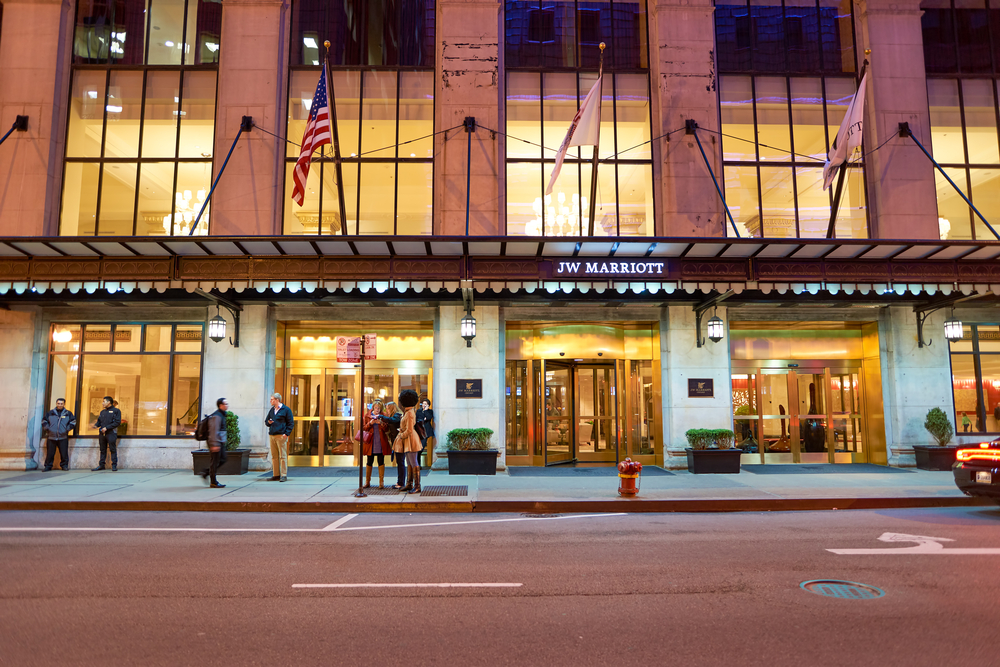
jw_marriott

THE completion of Marriott International’s US$13 billion acquisition of Starwood Hotels & Resorts Worldwide last Friday is greeted by corporate travel managers with more enthusiasm than apprehension.

Corporate end-users interviewed said they now gain access to Marriott/Starwood’s massive inventory by dealing with just one supplier, even if the company’s greater scope and size may give the chain the upperhand in rate negotiations.

The consolidation results in the world’s largest hotel company with 5,700 properties and 1.1 million rooms across 110 countries.

Said Nandan Bhatia, head-administration & facilities at Indian food conglomerate Britannia: “Direct tie-ups with hotels are always preferred as they give us special corporate packages. Now with Starwood properties combined with Marriott, this gives us much more options.”

Britannia spends an estimated Rs300-500 million (US$4.5-7.5 million) a year sending between 400 and 500 employees on business and MICE trips.

Bhatia said he saves “at least 10 per cent” by dealing directly with hotels, a sum made even more significant as travel budgets get tighter.

Admin manager Philomena Seet, who manages travel for Singapore-based Kseven Industries’ top executives, told TTG Asia that Starwood properties are frequently used and the merger will boost her portfolio selection as her company is now automatically a client of Marriott.

Seet is unfazed by Marriott/Starwood merger’s expected additional negotiating power as the value provided by a hotel is her topmost consideration.

“Four-star hotels are just about right (for business travellers). The best are those that provide the value of a five-star property at four-star prices – that will make me a repeat customer,” she said.

Seet also liaises with hotels directly to negotiate the best corporate rates, resulting in about five to 10 per cent savings for the company.

Claire Kang, purchasing & travel manager at International Vaccine Institute, said dealing directly with hotels has been the modus operandi for the Seoul-based, UN-backed nonprofit. The corporate negotiated rates she gets gives her savings of up to 25-30 per cent.

When asked if she is anxious about Marriott’s greater bargaining power over rates, she said: “They have always tried to negotiate with us over rates even before the merger. We establish annual agreements with them so I am not so worried now. When the time is up, we will request for bids as usual and see how it goes.”

For Kang, who sends her staff all over the world, including third-world cities, traveller safety and dependability of the hotel are primary concerns.

Furthermore, she is accountable to donor governments and charity organisations such as the Bill & Melinda Gates Foundation. Hotels that are too expensive will price themselves out of the budget, she added.

Some corporate segments however, have different considerations. While corporate negotiated rates do offer savings for Lisa Knevitt, travel and events manager-Asia/Pacific at Cook Medical, the location and standard of hotel properties are bigger priorities, especially as budgets remain strong in the medical profession.

As well, given her company’s longstanding relationship with Starwood, Knevitt is excited about the extra value in the form of redeemable points and roomnights that are now usable across Marwood’s 30 brands.

While loyalty programmes help Britannia’s Bhatia in the selection of hotels for repeat visits, he opined that no single hotel company can meet all his company’s travel needs.

For that reason, he still works with TMCs like Thomas Cook to get a better gauge of prices and perform due diligence with multiple RFPs, and attends tradeshows like IT&CMA to meet other hoteliers.

Japan to form an association for associations

0

shogo-kaneda-senior-consultant-consulting-dept_-mice-japan
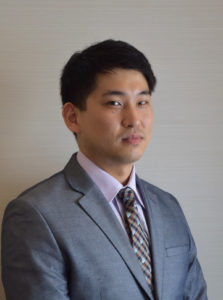
Shogo Kaneda

THE Japan Society of Association Executives (JSAE) is in the process of being formed, with an aim to “share ideas and best practices” among local associations and their executives.

Initiated by Shogo Kaneda, senior consultant, consulting department, MICE Japan, JSAE will be similar to the American Society of Association Executives and the Philippine Council of Associations and Association Executives.

When asked why he decided to form the association, Kaneda told TTGmice e-Weekly: “So far, Japanese associations have been focused on (supporting) the domestic market. However, various private companies have started providing similar services to associations here, such as training, certification and event management.”

Moreover, he added that Japanese associations were facing problems such as communicating with the younger generation and getting them involved in association activities so that a future academic and trade base can be developed.

Kaneda concluded that MICE Japan is “supporting these kind of associations with local CVBs and local associations to collaborate and create synergy”.

Canberra chases MICE on the back of new international flights

0

canberra-fam-trip

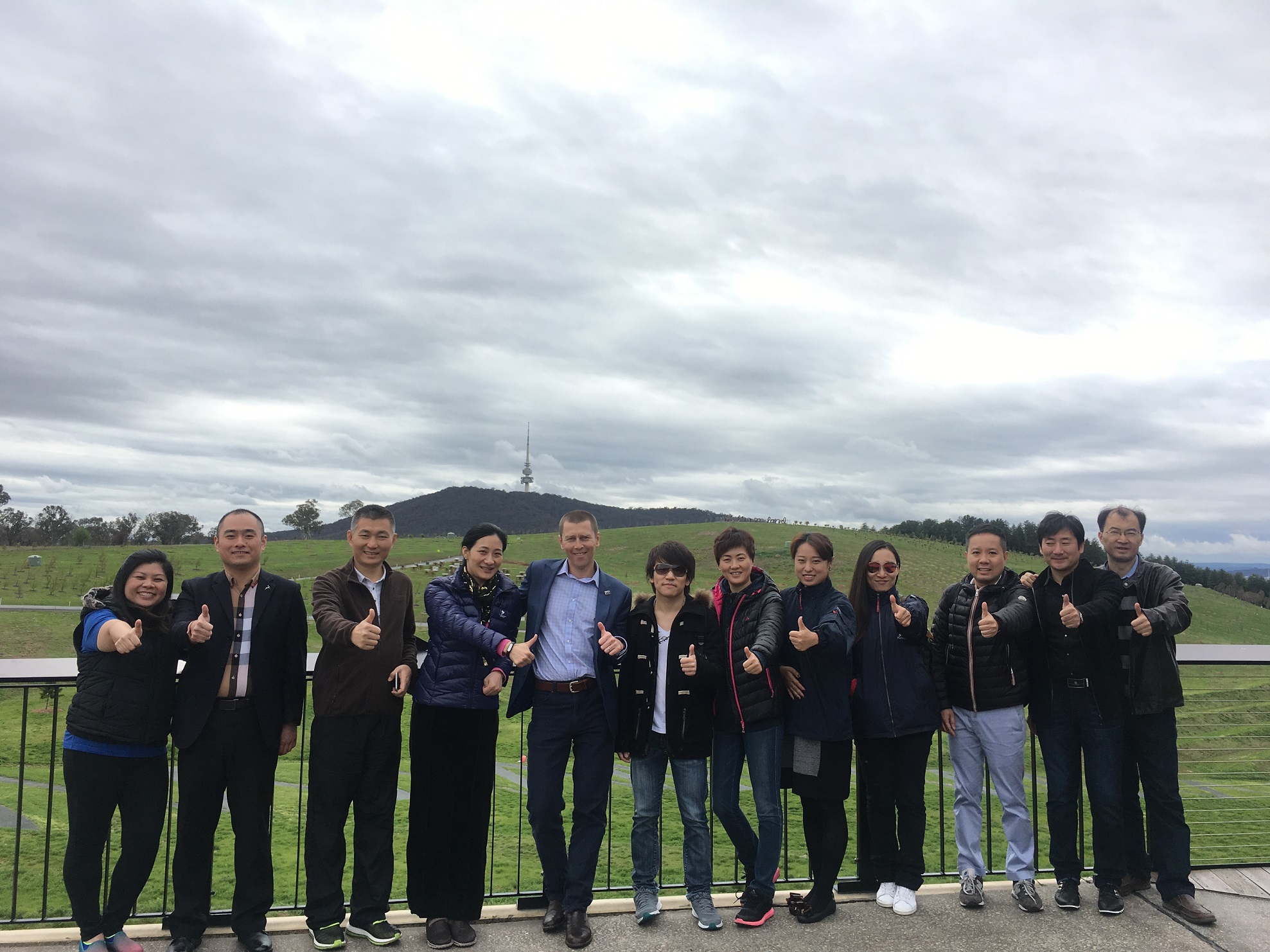
CANBERRA Convention Bureau hosted its first MICE familiarisation programme in partnership with Tourism Australia and Singapore Airlines last week, leveraging the September 21 commencement of a new international direct flight connecting the Australian capital with Singapore and Wellington, New Zealand.

The group of nine incentive agents and media from Greater China were first-time visitors to Canberra, revealed Michael Matthews, chief executive of Canberra Convention Bureau.
The two-day programme showcased the city’s business events experiences and brought participants to National Arboretum Canberra, Pialligo Estate and Poachers Pantry for dining functions; Royal Australian Mint, Parliament House and Floriade for tours, and The Truffle Farm Canberra for a truffle hunt, among others.

Commenting on the experience, Ye Wei, general manager of Carissa MICE Service Co, China, found Canberra to be “more nature based than I thought it would be”.

In response, Matthew told TTGmice e-Weekly that Canberra offers “many unexpected and un-programmed pleasures”, as it is a “city set among nature”.

“Coming across kangaroos lazing in the sun, wild and colourful birdlife in the trees at every turn, strolls by Lake Burley Griffin, and sunset on the mountain range that surrounds our city were memorable for the agents. What I think surprises many is our proximity to the South Coast beaches and also the Snowy Mountains. Canberra as a base for these destinations mean you can climb to the top of Australia and watch whales on turquoise coastal waters later , all in the same day,” he said.

Due to time constraints, the programme called at only “a fraction of all the possible venues available”.

“We would have liked to (showcase) the region more fully, including our many wineries, and the coast and mountains. If we had more time we would have also shown more of the quality hotel stock and the many unique venues (for) large groups at our national institutions,” he added.

More opportunities to tell the Canberra MICE story will come for the bureau, as Matthews pointed out that last week’s familiarisation trip “will be the first of… future visits in partnership with Tourism Australia and Singapore Airlines”.

He added: “More site inspections are already planned for specific business opportunities, particularly around multi-destination stays in Australia.”

Meanwhile, Canberra Convention Bureau is now represented by Cecilia Chen, sales manager China, based in Shanghai.

Meixi Lake Hotel, other developments boost Changsha’s MICE appeal

0

meixi-lake-hotel
A rendering of a guestroom at Meixi Lake Hotel

SLATED to open at the end of October is the 310-room Meixi Lake Hotel, a Luxury Collection Hotel, Changsha.

The hotel, equipped with seven meeting venues totalling 2,679m2 – the largest measuring 1,100m2 – is targeting small MICE groups from the electronics, IT, automobile and medical sectors, general manager Eddie Tang, said.

The ideal group size for corporate meetings, product launches and seminars the hotel is eyeing is between 150 and 200 people, with the domestic market taking up a 90 per cent share, he added.

Heavy machinery, advanced materials, automobile and parts manufacturing, electronics and IT, food, tobacco and biological medicines are industry pillars in Changsha, the capital of Hunan in south-central China.

Taking up the upper floors of a modern tower with businesses, shops and a cultural centre, Meixi Lake Hotel is located 10 minutes from the Changsha National High-Tech Industrial Development Zone, 20 minutes from the Changsha North Train Station and 45 minutes from the Changsha Huanghua International Airport.

Meixi Lake Hotel is the first international luxury brand to enter the city in years, and the property will complement the 260,000m2 Changsha International Convention and Exhibition, expected to be ready end-2016.

Moreover, the construction of a 67ha movie town in Xiangjiang New Area, with investment by Huayi Brothers Media Corporation, China’s largest private film company, is expected to further enhance the city’s tourism appeal.

Destination-Commune merger births new hospitality company

0

alila-villas-uluwatuAlila Villas Uluwatu

TWO Roads Hospitality, the outcome of a merger between Destination Hotels and Commune Hotels & Resorts, was unveiled today featuring a collection of independent, boutique and lifestyle hotels.

Comprising independent names such as Joie de Vivre Hotels, Thompson Hotels, Destination Hotels, tommie and Alila Hotels & Resorts, the new company has a portfolio of over 95 properties in eight countries, and approximately US$2 billion in total property revenues under management.

With its positioning as a hospitality company, Two Roads will go beyond hotels and resorts and highlight its restaurants and bars, vacation residences, golf courses, and spa and wellness offerings.

Jamie Sabatier, former CEO of Destination Hotels, and Niki Leondakis, former CEO of Commune, will lead the newly established entity as CEO of Two Roads Hospitality and CEO of Commune Hotels and Resorts respectively, focusing on the financial, operational and cultural aspects of the new company’s performance.

Sabatier will oversee the company’s operating and financial performance, global development and growth strategy, human resources and technology; while Leondakis will be responsible for hotel property financial performance, sales and marketing, operations including guest experience, food & beverage programming, and interior design strategy, with a focus on elevating the overall portfolio’s lifestyle experiences.

On the merger, Sabatier said: “We have already witnessed the numerous benefits of our merger from an operational and financial standpoint, and we only anticipate continued success ahead.

“Together, we have expanded and strengthened opportunities for our owners, driving profitability while still providing new and distinctive offerings to travellers across our collection of independent hotels, resorts and restaurants.”

Pre merger, Destination and Commune had over 40 years of combined expertise exclusively dedicated to the boutique and lifestyle space, sharing similar philosophies and complementary property locations.

Cruises taking bigger chunks of global MICE revenue

0

cruise-at-sunset

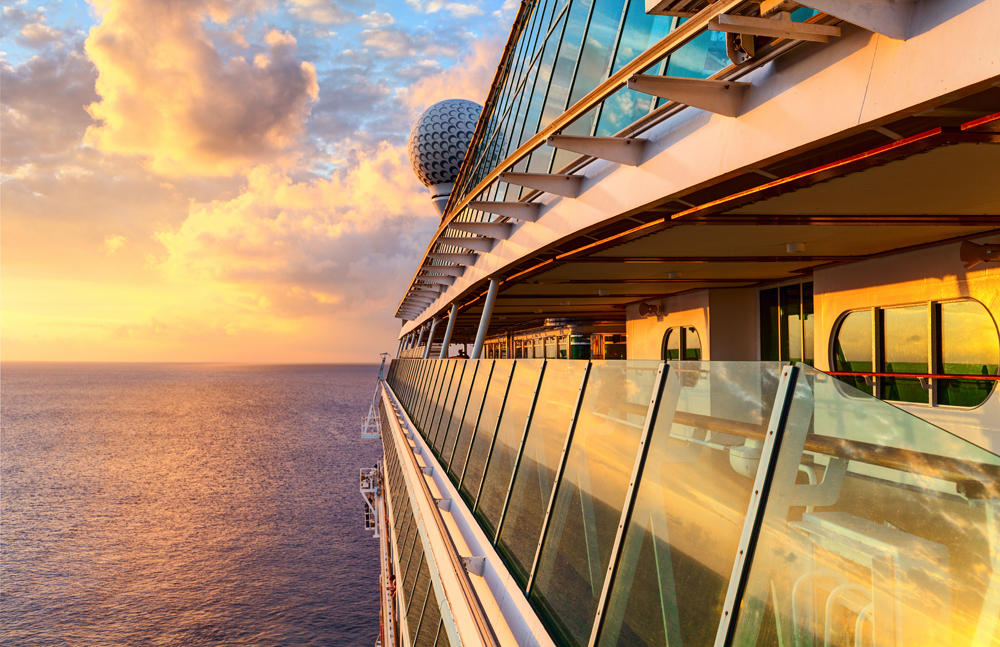
CRUISING is increasingly accounting for a greater proportion of global MICE revenue as cruise lines continually upgrade their offerings to cater to the diverse needs of groups big and small.

Diana Bloss, director of operations at Worldwide Cruise Associates, a specialist in organising cruise products for incentive buyers and meeting planners, said the segment is “very definitely” taking up a larger portion of the MICE pie.

She has seen healthy year-on-year sales growth of “approximately five per cent, keeping in mind it is a contested election year in the US, which always has an effect”.

Affirming Bloss’ observation, Celebrity Cruises associate vice president, corporate incentives & charter sales, Lisa Vogt, said: “MICE has been picking up momentum in recent years and is continually gaining more share of our overall business year-over-year.”

MICE business is also a growth area for Royal Caribbean Cruises, taking up roughly 30 to 40 per cent of total sales in markets like Thailand and Indonesia, according to Sean Treacy, managing director Singapore and South-east Asia.

But it differs from market to market as sailings out of Singapore sees MICE account for a more modest five to 10 per cent of bookings, he added.

Better telecommunications is one essential enhancement that is propping up MICE demand for cruises, Bloss pointed out, especially as Norwegian Cruise Line, Carnival Cruises, Costa Cruises and Royal Caribbean had this year rolled out upgraded Wi-Fi facilities powerful enough for Skype teleconferences.

“Our MICE groups really appreciated it when we introduced our super high-speed internet, called Xcelerate, across our entire fleet,” remarked Vogt.

Another major draw for MICE groups is the all-inclusive nature and flexibility of cruise products, explained Vogt, who sees uptake from across various sectors including pharmaceutical, insurance, franchises and direct selling companies.

“It is growing as a popular choice for incentive travel and corporate meetings and events,” she said.

Bloss concurred: “Our sales are pretty equal between whole ship charters and groups..It depends on (cruises ships’) availability and location.”

Indonesia eyes US meetings after aviation ban lifts

0

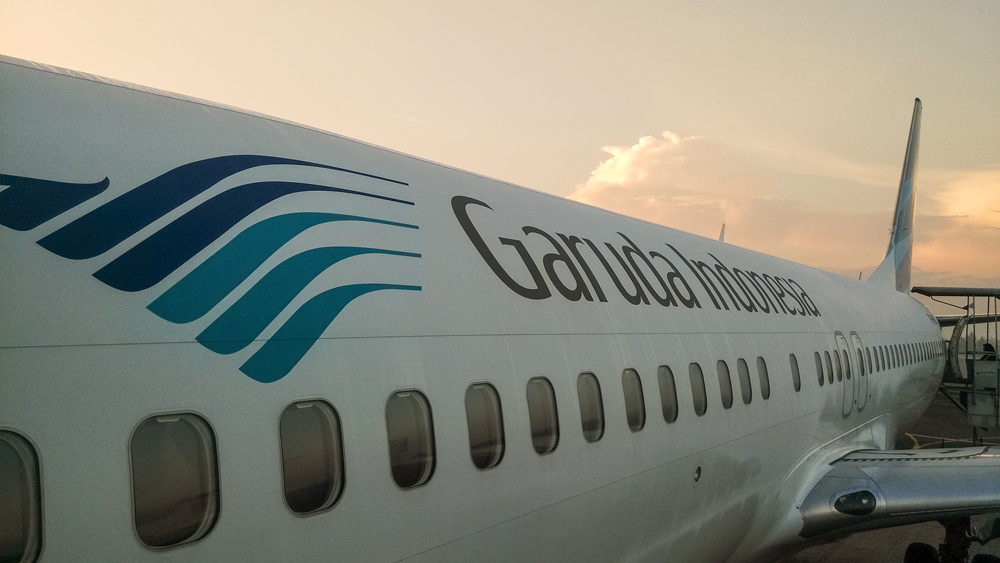
garuda-indonesia-2

THE lifting of the ban on Indonesia carriers by the US Federal Aviation Administration (FAA) has Garuda Indonesia eager to restart services to the US, and the MICE trade expects this to rekindle interest in Indonesia as an incentive destination.

Following FAA’s upgrade of the country’s aviation status to Category One on August 16, a move that opens the way for Indonesia airlines to initiate flights to the US, Garuda Indonesian has stated its intentions to fly to the US next year.

“The plan to fly to the US is part of Garuda’s business expansion to strengthen its position as a global (airline) player. With the FAA rating upgrade, we are trying to materialise our plan even sooner,” said Benny Butarbutar, vice president corporate communications for Garuda Indonesia.

Benny said the current plan was to operate a wide-body Boeing 777-300ER aircraft via Tokyo Narita for the US service, leveraging the fifth freedom rights enjoyed by Indonesian carriers with Japan.

Based on its projection of 400,000 passengers a year for the US sector, Garuda plans to fly to either Los Angeles or New York. The airline used to operate the Jakarta-Honolulu-Los Angeles route in the early 1990s but the service was terminated during the Asian financial crisis in 1997.

Awaiting the potential new connection is Mario Scozia, executive director A&A Incentives, Meetings & Conferences, US. He said: “With proper time and marketing efforts as well as support to dedicated loyal suppliers such as ourselves, I believe that (Garuda’s planned US flight) will do well and gain a solid share of the business, especially on the Los Angeles-Denpasar route. Bali would be the primary destination.

“We are using other airlines now with connections but losing the in-flight Indonesian experience (without an Indonesian national carrier),” remarked Scozia, adding that Garuda’s flights from the US to Indonesia and Bali in the early 1990s helped the industry to grow its Indonesia business.

Susilowani Daud, president director of PACTO Convex, agreed that having a national carrier with good air connections worldwide would definitely “help in promoting a country” on the global MICE stage, and comes especially vital at a time when security and accessibility are “top considerations” in securing bids.

Garuda’s prospective service to the US next year is also opportune, added Susilowani, as Indonesia will host the World Bank Conference in Bali in 2018 with 15,000 participants expected.

Iqbal Alan Abdullah, chairman of the Indonesia Congress and Convention Association, said: “Incentives from the US are a big market. Indonesia has received some groups from the US-affiliated companies, but improved accessibility will definitely help.”

But he also questioned Garuda’s commitment to its services, as he opined the carrier had in the past abruptly plugged services on routes that did not return quick yields.

“Marketing and preparing for MICE (groups) takes time, and we want to make sure that by the time the group travels the service is still there,” Iqbal said, urging the national carrier to do a thorough assessment of the market before initiating the service.

Meanwhile, Scozia expects Indonesia to start building awareness of the country. “Open a tourism office even if it is staffed by one person, (rather than) a representation company,” he remarked.

Other ways Indonesia could step up promotion includes hosting workshops and inviting incentives planners and their main corporate clients to experience Garuda’s services.

FCM launches new travel management suite

0

FCM Travel Solutions has launched a new product suite providing end-to-end solutions for corporate travel management.

Global general manager for FCM Travel Solutions Marcus Eklund said the new suite, named FCM 360, demonstrates a holistic approach to developing and managing client travel programmes.

“Within FCM 360, we offer a wide range of specialist travel services and technology solutions which drives transformation of our clients’ business travel programmes,” said Eklund.

One product category in the suite is FCM 360 Technology, which provides a range of reporting, analytics, and travel booking tools as well as mobility, expense and travel management solutions.

Another part of the suite, FCM 360 Travel, covers products that caters to requirements from ground transport, contracted hotels and airfares, global fare access, sharing economy options, industry specialist offers and exclusive value-add stays.

Finally, FCM 360 Services includes account and travel management services, dedicated offsite or onsite flexibility, consulting, dedicated industry specialists, premium and VIP services, groups and meeting solutions.

“When combined, FCM 360 offers our clients a complete and customised travel management solution that is available globally to meet the needs of our multinational customers,” said Eklund.

The suite was launched across all 92 countries within the TMC’s global network yesterday.