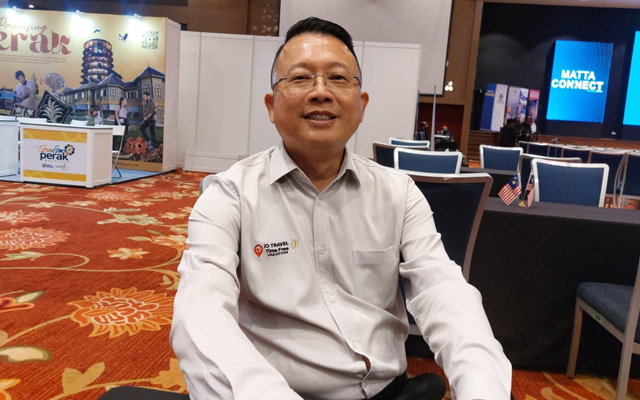
AI, visa-free travel and higher airfares are changing how Malaysians travel overseas and reshaping the role of outbound travel agencies, as travellers become more independent and agencies focus on expertise, value and niche markets.
Malaysian outbound tour operators interviewed at the recently concluded MATTA Connect said travellers are increasingly using AI tools and online booking platforms to research destinations, compare prices and plan their own holidays.
David Chong, general manager of Ipoh Overland Tours & Travel, said customers frequently ask the company to prepare itineraries before checking prices online or using AI-generated recommendations.
“Customers ask us to prepare an itinerary, then compare our prices online before asking whether we can match them. They are much better informed than they were before the pandemic,” he said.
The shift has also changed what travellers expect from organised holidays.
Instead of tightly scheduled coach tours, Chong said more customers are requesting customised itineraries, private travel and slower-paced programmes with greater flexibility.
“They no longer want packed schedules from morning until night. They want more free time and holidays that move at their own pace.”
Kathryn Lee, executive director of DeKim Tour & Travel, said millennials are increasingly comfortable booking hotels and attractions independently, prompting the agency to focus on market segments that continue to value personalised travel planning.
The company is placing greater emphasis on seniors and luxury travellers seeking bespoke itineraries, while group tours remain relevant for destinations where language barriers or more complex logistics make independent travel less practical.
Travel choices are also being reshaped by rising costs.
Adam Kamal, CEO of Suka Travel & Tours, highlighted airline fuel surcharges introduced earlier this year and geopolitical uncertainties in the Middle East have encouraged more Malaysian Muslim travellers to swap medium- and longhaul holidays for destinations closer to home.
“Indonesia has become our strongest-selling destination, helped by the favourable ringgit-rupiah exchange rate, while Vietnam is also attracting stronger demand.”
The trend has prompted Suka Travel to expand its South-east Asia portfolio to cater to travellers seeking better value.
The growing confidence among independent travellers is also evident from the destination side.
Mia Ding, marketing director of Nanchang-based Everbright Travel, noted the company has seen more Malaysian free independent travellers since China introduced visa-free entry for Malaysian ordinary passport holders.
“Many Malaysian Chinese travellers now contact Chinese operators directly through Chinese social media platforms when planning multi-city trips, although non-Mandarin-speaking Malaysians generally continue to rely on Malaysian outbound travel agents for arrangements,” she said.