New tourism experiences, luxury hotel openings, and stronger Asian air links are helping Adelaide emerge as a destination in its own right
Once regarded by some as Australia’s “sleeping giant”, Adelaide is steadily transforming into one of the country’s most interesting city stays.
New luxury hotels, growing wellness and wildlife experiences, and stronger aviation links from Asia are giving travellers more reason to linger in the South Australian capital rather than simply pass through on the way to Kangaroo Island or the Barossa.
“I think we’re starting to become the less-kept secret,” said Stella Biggs, executive officer at Adelaide Hills Tourism. “For a long time, Adelaide was offering so much but wasn’t quite the first destination on the list when people thought of Australia. That’s certainly changing.”
That shift is helping position Adelaide as a compact city stay where contrasting experiences sit within easy reach of the CBD.
Within 20 minutes of the city centre, visitors can be in the Adelaide Hills, on the beach, spotting wildlife or tasting wine, while more than 200 cellar doors sit within an hour’s drive. Adelaide is also one of the world’s handful of National Park Cities.
Major events are helping shift perceptions of Adelaide. The city will host the Rugby World Cup and MotoGP next year, while recent events such as AFL Gather Round and LIV Golf have already demonstrated Adelaide’s capacity to attract world-class sporting spectacles.
According to Martin Kaesler, South Australian Tourism Commission’s manager for eastern markets, these events showcase the city to new audiences and “at least elevate Adelaide to the front of mind”.
Improved aviation access is helping raise Adelaide’s profile across Asia, with direct links from Guangzhou, Shanghai, Hong Kong, Singapore and Kuala Lumpur. The region remains central to South Australia’s long-term growth strategy.
“From a strategic perspective, we’ve definitely identified that the growth in the coming decade, and over the next two decades, is going to be from the Asian markets,” he said, noting China’s position as South Australia’s largest international market by visitor expenditure.
Singapore and Hong Kong remain strong visitor markets, while Indonesia and Vietnam present emerging South-east Asian opportunities.
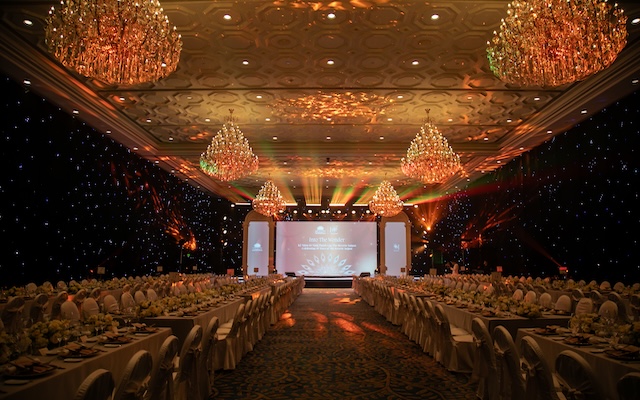
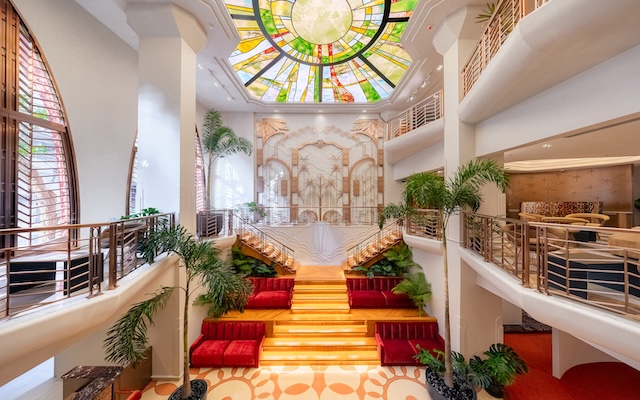
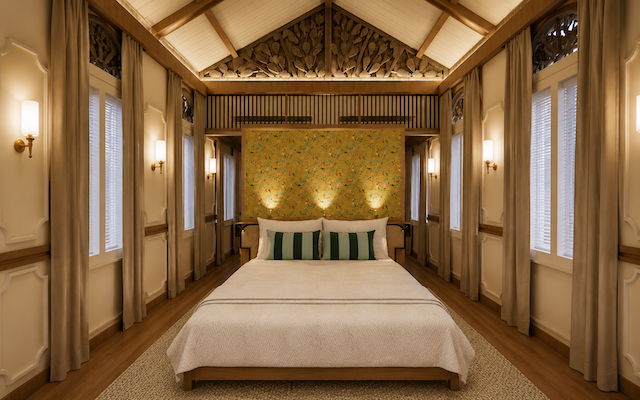
A decade of investment has also reshaped Adelaide’s skyline and visitor offering. From the redevelopment of Adelaide Oval with its on-site hotel and rooftop adventure experiences to a wave of luxury openings including EOS by SkyCity and Marriott, the city has steadily expanded its premium inventory.
Another 1,000 rooms are expected to come online over the next year, including internationally recognised brands such as Kimpton and Westin.
“Interestingly, we had a lot of new hotel development during the Covid pandemic and at the time there was an element of panic about what was going to happen with all the new hotel stock,” said Kaesler. “But in the end, it turned out to be a really good news story.”
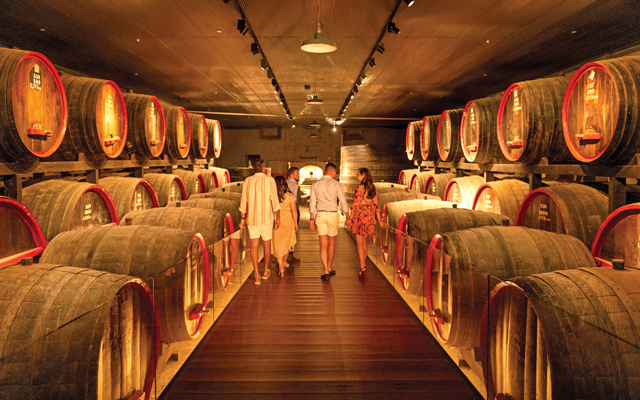
Food and wine remain central to Adelaide’s appeal, but the narrative is expanding into more immersive and wellness-led experiences that resonate strongly in Asia.
Self-drive is an especially important trend from Singapore and China, and South Australia’s relatively light traffic and open roads make it an appealing entry point.
At the premium end, small-group and private touring tap into a growing desire for behind-the-scenes encounters, such as tastings hosted by winemakers in their own homes.
The broader shift towards immersive travel is also creating new opportunities for Indigenous tourism. Alistair Hotham, visitor services lead at Adelaide Economic Development Agency, said travellers increasingly want experiences that connect them more deeply with place and culture.
“We’ve definitely seen a rise in interest in Aboriginal tourism products and those products being offered as bookable experiences,” he said.
Many experiences now invite visitors to participate directly, from learning about native botanicals with Aboriginal guides to tasting Indigenous foods and wines, creating deeper connections with South Australia’s stories and landscapes.
Meanwhile, at the already iconic Adelaide Central Market, a multimillion-dollar expansion anchored by the new Treehouse Hotel and expanded retail and dining offerings is further strengthening its role as a hub for culinary tours and hosted tastings that connect the city directly with its surrounding food and wine regions.
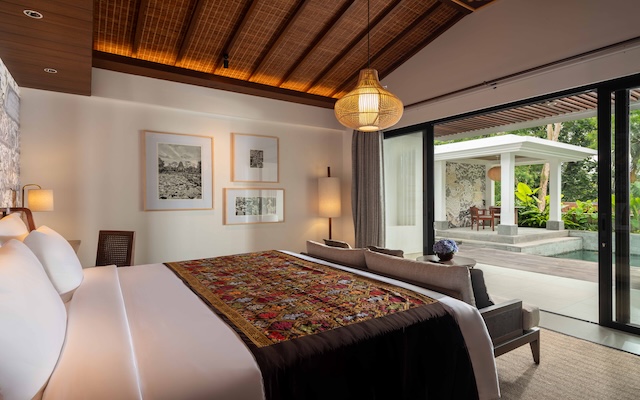
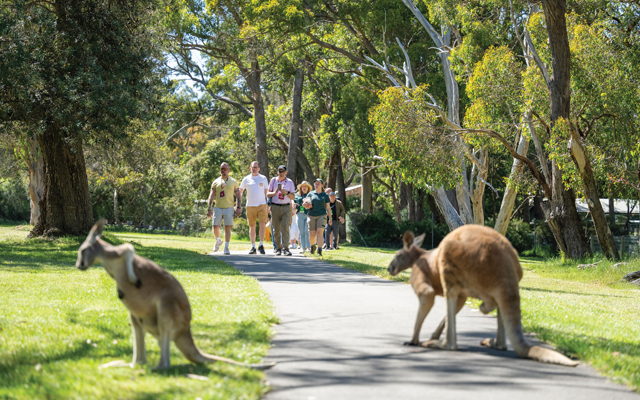
Beyond the city, new tourism experiences are adding depth to the destination mix. One standout is Monarto Safari Resort, which brings luxury accommodation into the wild landscapes east of Adelaide. Its offerings include sunrise wildlife encounters on open-range plains and immersive lemur experiences at neighbouring Monarto Safari Park.
In the Adelaide Hills, Jurlique Farm is tapping into growing demand for wellness and nature-based experiences. Tourism and farm manager Cherie Hutchinson said South-east Asian visitors already account for around 15-20 per cent of guests.
“We have been strong on product marketing but tourism is a new, untapped opportunity for us,” she said. Hutchinson plans to promote the farm more actively in South-east Asia and China next year, supported by new experiences such as a tea-blending workshop.
For Kaesler, Adelaide’s biggest challenge remains visibility rather than product. “People just don’t know enough about us,” he said, and the work ahead is about changing that.