Japan Airlines (JAL) and Tokyo International Air Terminal Corporation (TIAT) have successfully tested the use of digital identity technology for transfer passengers.
The initiative, conducted as part of the International Air Transport Association’s Data & Technology Proof of Concepts programme, is claimed to be a world first and could support a more seamless travel experience.
The trial used facial recognition based on information including boarding passes, passports and facial data that had been pre-linked to a traveller’s smartphone mobile wallet. By sharing the digital identity with airport systems, passengers were able to complete boarding and transfers using facial recognition alone on a test journey from Haneda to London via Hong Kong.
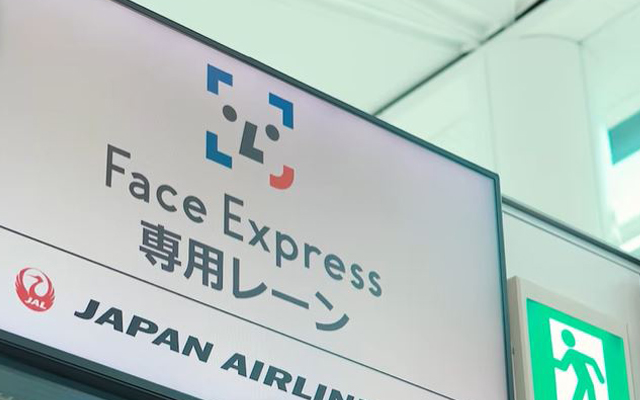
The proof of concept involved three different mobile wallets and two biometric authentication methods – one-to-one and one-to-many – while integrating with existing systems including Haneda Airport’s Face Express and Hong Kong International Airport’s Flight Token.
In a joint statement, JAL and TIAT said the trial demonstrated a significant simplification of procedures from reservation to boarding while reducing the potential for human error.
The organisations added that the results could support future technology standardisation across the aviation industry.
“With practical implementation, customers will no longer need to present passports at multiple touchpoints, including check-in counters, security screening, immigration control, boarding and transfer gates,” they said.
Ryohei Mishima, vice president of station operations planning at JAL, described the technology as part of the evolution of airports.
“We expect to improve the efficiency of airport operations by using digital identity to streamline passenger flow. Despite limited airport facilities and staff resources, this technology enables us to accept more passengers at airports,” he said.