


Lee Cheh Hsien, assistant chief executive of corporate and sustainability at Sentosa Development Corporation (SDC) helms the island’s long-term sustainable destination development with the aim to give guests great experiences without leaving behind a carbon footprint








We have seen an increase in interest for ecotourism and sustainable travel experiences post-lockdown, especially among younger travellers, a greater environmental consciousness and seeking leisure experiences that are aligned with these values.
This has driven demand for eco-friendly accommodations, tours, dining options and attractions that emphasise nature, heritage and wellness.
In 2021, we launched our signature nature and heritage SentoSights tours, taking guests to less-known nature areas such as Tanjong Rimau, Mount Imbiah and Mount Serapong, which highlight not only rich biodiversity but also our conservation initiatives.
The Sentosa Carbon Neutral Network (SCNN), comprising 30 island businesses including hotels, attractions, F&B, golf course and marina, accounting for more than 95 per cent of the island carbon footprint, is also leading the way in decarbonisation, managing our disposables footprint and local food sourcing.
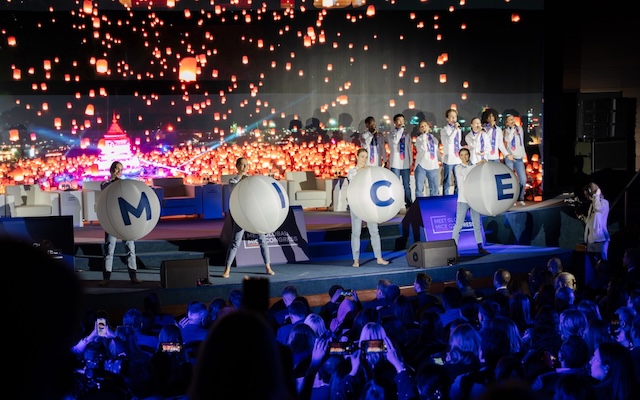
Businesses travellers and corporations seeking more sustainable options when they travel for work are increasingly looking at “green MICE” options and tracking the carbon footprint at events.
What are some sustainable roadmap examples?
In 2021, SDC announced its Sustainable Sentosa roadmap to become a globally recognised, certified sustainable tourism destination in support of Singapore’s Green Plan 2030.
In 2023, together with Resorts World Sentosa, Sentosa became the first island destination in Asia to be certified according to the Global Sustainable Tourism Council destination criteria.
In 2023, SDC embarked on a joint effort with five island businesses under the first phase of our solarisation programme across 46 locations under SDC, Mount Faber Leisure Group, Resorts World Sentosa, Capella Singapore, ONE°15 Marina Sentosa Cove and Big Tiny, which operates Tiny Away Escape @ Lazarus Island.
Over 5.2 megawatt-peak (MWp) solar capacity has been installed, surpassing the original target of 3MWp. The new capacity is expected to produce close to 6.6 gigawatt hours of clean energy annually, and has the potential to achieve an overall reduction of more than 2,600 tonnes of CO2e per year.
Sentosa’s cable car, the Sentosa Express and beach shuttles are fully electric, and we are continuously progressing towards electrifying 100 per cent of our intra-island public transportation by 2025.
Additionally, Sentosa has the highest concentration of Farm-to-Table dining establishments, with over 30 partners from casual eateries to fine-dining restaurants supporting local produce.
Recently, we also launched several new light-touch offerings on Sentosa’s Southern Islands to provide visitors an alluring, eco-friendly getaway.
The new offerings include Lazarus Sea Sports Centre, a water sports facility offering a range of non-motorised water activities such as stand-up paddling, kayaking and floating yoga board; Tiny Away Escape @ Lazarus Island, a series of five fully-equipped ensuite, eco-friendly tiny houses designed to harmonise a luxurious island getaway with sustainability; and Sol by Bespoke Dining Club, a convenience store which offers a curated selection of day-to-day necessities and groceries including microwavable ready-to-eat meals and ready-to-grill food items that guests can purchase, along with portable barbecue pits.
What steps are being taken to encourage greener visitor behaviour?
Guest engagement is key in SDC’s efforts to encourage responsible travel behaviour. As the custodian over the island’s natural assets, SentoSights was launched to foster a greater appreciation for the island’s biodiversity by introducing visitors to the unique heritage and nature in Sentosa.
For example, Sentosa’s Intertidal Exploration tour gives visitors a rare opportunity to get up close to marine life, observing the sand gobies and swimmer crabs, and learn about how the different biotopes on our shores work hand in hand.
Businesses must also play a role to engage guests. One key sustainability initiative that was rolled out last year was the Sentosa Playbook for Reducing Disposables, the first precinct-level disposables guidebook in Singapore which provides guidance to businesses on the island to help them understand best practices, monitor progress, and push boundaries through new sustainable technologies.
As part of this initiative, all members of SCNN have committed to removing single-use plastic bottled water from guest rooms, dine-in, takeaway and at events, and is estimated to reduce total island bottled water usage by at least two million bottles per year.
We also launched Explorers of Sentosa, a series of four giant recycled art installations by internationally renowned Copenhagen-based recycling artist Thomas Dambo made from 5.5 tonnes of locally upcycled waste materials.
If day-time temperatures continue to rise, will Sentosa have to start reimagining more night outdoor activities?
We are constantly reimagining how guests can experience Sentosa anew, including providing an enriching day to night experience, and help guests beat the heat as they escape into the night at vibrant beach dining destinations and world-class beach events which last well into the night.
Moving forward, we will continue to revamp our offerings to provide for all-weather options for enjoyment. Sentosa Sensoryscape is a great example.
Moreover, Sentosa Sensoryscape transitions seamlessly from day to night with the ImagiNite experience which ignites Sentosa’s night-time offerings, creating a vibrant new dimension for exploration.
We are also looking at how our infrastructure like roads and pathways can also serve as green linkages that connect ecosystems and urban heat mitigators.