

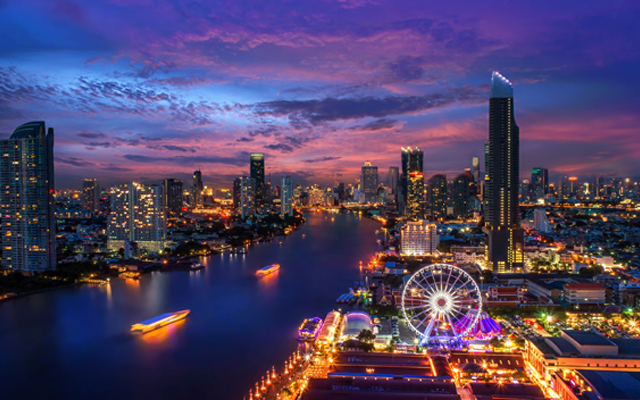
Bangkok’s ongoing clampdown on nightlife during the pandemic may have long-term repercussions on tourism in the country even when the global health emergency has faded, according to Thailand industry insiders.
The Thai capital has long held a reputation for being one of Asia’s liveliest hubs. Pre-pandemic, the city’s nightlife economy was worth about US$5 billion. However, today, the city’s status as the region’s party capital is under threat following two years of restrictions and stop-start reopening.
“The nightlife ban is sending out a message that Thailand is no longer a fun country,” remarked Charintip Kade Tiyaphorn, owner representative of Pimalai Resort & Spa on Koh Lanta in southern Thailand.
Revellers from around the globe were enticed by the city’s incredible array of bars, her pulsating nightclubs, and her reputation for possessing a full spectrum of 24-hour sensory experiences.
In its response to the global health crisis, the Bangkok Metropolitan Authority has placed a lid on much of the fun. Nightlife has only been allowed to operate legally for a few weeks since the start of the pandemic, as authorities attempted to stop the spread of the virus by banning alcohol sales inside licensed premises, effectively closing clubs and bars.
Things have eased slightly since Thailand’s reopening for international travel in early November, with many bars obtaining restaurant licenses under Thailand’s SHA+ or Thai Stop Covid 2 Plus standards to serve alcohol.
Nevertheless, the situation remains opaque and subject to rapid change. With nightclubs still closed, bars forced to keep a low profile and multiple venues permanently shuttered, many wonder whether Bangkok – and, by association, Thailand – will regain her after-dark appeal.
“In general, bans don’t encourage a positive perception of a destination,” said Krystal Prakaikaew Na-Ranong, CEO, The Slate in Phuket.
“For certain types of tourists, the continued ban will certainly impact their decision on whether to come to Thailand or not,” she added.















Melbourne property developer, Beulah, has appointed Four Seasons Hotels and Resorts to manage the hotel within its new STH BNK By Beulah development.
Four Seasons Hotel Melbourne will crown the western tower with 210 rooms, with guests arriving through the Sky Lobby on the 63rd floor. The hotel will also offer a world-class integrated health and wellness experience, a sprawling rooftop restaurant and bar, and multiple event spaces.
Hotel guests can also access myriad experiences across STH BNK By Beulah, such as art and culture programmes, coworking facilities, the STH BNK Market Hall, and more.
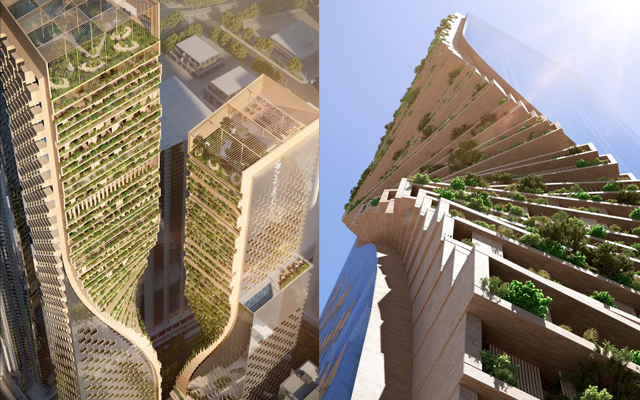
On track to become Australia’s tallest tower, STH BNK By Beulah is also set to become the tallest vertical garden in the world. The vertical garden will reach a total of 5.5km.
Envisioned as a vertical mini-metropolis, the development will comprise four distinct collections of private residences, public and green spaces, a rooftop sky garden, a 3,000-seat auditorium, commercial offices, and more.
Adelene Teh, Beulah executive director, said: “As STH BNK By Beulah continues to push the boundaries of what’s possible in the luxury, lifestyle and sustainability spaces, Four Seasons is aligned perfectly to our ethos and vision, offering unparalleled experiences, a bold commitment to innovation, and fantastic sustainability initiatives across its hotels and resorts.”
Bart Carnahan, president, global business development and portfolio management, Four Seasons Hotels and Resorts, said the project would “set a new standard for luxury in Melbourne”.
Construction is expected to begin late 2022 and will take approximately five years to complete.