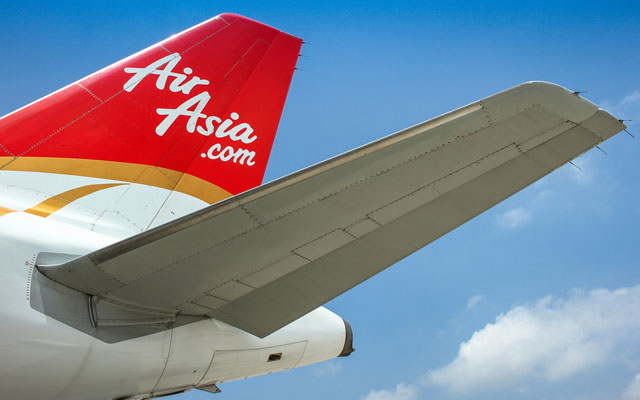
The Expedia Group is buying up AirAsia’s remaining 25 per cent equity interest in AAE Travel, a joint venture formed by the two firms in March 2011 and in which Expedia Group has held 75 per cent equity since 2015.
AAE Travel had started out as a 50-50 partnership that gave Expedia exclusive online, third-party distribution rights of the airline’s flights and packages in Asia-Pacific, excluding Australia and New Zealand.
AirAsia will concurrently purchase AirAsiaGo.com domain names and related assets
AirAsia’s divestment effectively dissolves the deal, opening up the LCC to new distribution channels, and prompting Expedia Group to integrate websites localised during the tie-up into its global platform.
The cash consideration for Expedia Group’s ownership is US$60 million, and excludes AirAsia’s concurrent purchase of AirAsiaGo.com domain names and related assets from AAE Travel.
AirAsiaGo.com, which offers a full suite of travel products including AirAsia flight and hotel packages featuring Expedia Group lodging content, will continue to be powered by Expedia Group.
“AirAsia has (helped) establish Brand Expedia as a strong and increasingly locally relevant player in the Asia region,” said Mark Okerstrom, president and CEO, Expedia Group. “This transaction unlocks better integration of our Brand Expedia Asia business into our core global travel platform, giving us even greater confidence in our ability to harness the huge growth potential that Asia represents.”
Tony Fernandes, group CEO of AirAsia, commented that the airline plans to continue working closely with Expedia Group in the future, particularly on regional and global distribution of flights.
He further shared: “This sale represents the divestment of the last of our non-core investments from the previous round of joint ventures. These proceeds will be used to develop big unicorn products such as BigPay, Travel 360, Redbox Logistics and Ourshop.”
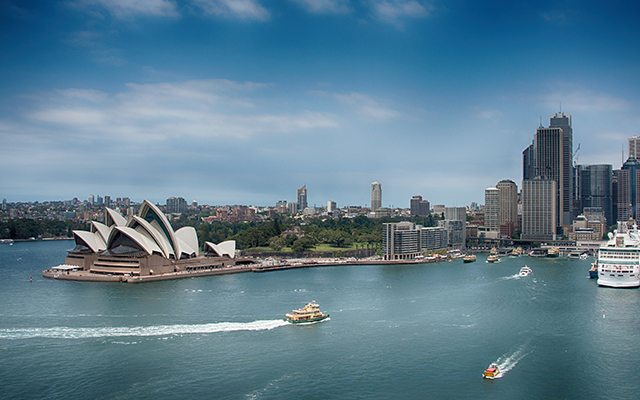
Sydney continues to hold onto its position as one of the top meeting destinations in the Asia Pacific region in 2018.
The list was compiled based on sourcing activity through the Cvent Supplier Network which in 2017 sourced more than 40 million room nights worldwide and $14.7 billion of business, supporting more than 715,000 events around the globe.
The top seven cities Singapore, Sydney, Bangkok, Kuala Lumpur, Hong Kong, Shanghai and Melbourne maintained their positions on the list. Seoul dropped out of the top 10 as newcomer New Delhi shot to the eighth spot, ahead of Mumbai.
The top 10 cities in Asia Pacific in 2018 are:
Singapore, Singapore
Sydney, Australia
Bangkok, Thailand
Kuala Lumpur, Malaysia
Hong Kong, Hong Kong
Shanghai, China
Melbourne, Australia
New Delhi, India
Tokyo, Japan
Mumbai, India
Sydney is a proven event destination that delivers on all measures: experienced teams at world-class facilities and venues; a breadth of travel and accommodation possibilities; as well as its renowned Aussie welcome and unrivalled natural beauty, according to Business Events Sydney.
Just as importantly, it offers easy accessibility between the airport, conference facilities and the city centre, and is a safe and stable destination for international visitors and locals alike. It also has a culture to match, with a dynamic dining scene, a love of the arts, a passion for sport, and a naturally exuberant spirit.
To keep up with the competition, Business Events Sydney CEO, Lyn Lewis-Smith, said: “We keep ahead of global trends, create or adopt innovative approaches and advocate changes that improve the business visitor experience in our city.
“We (also) seek out business events where Australia offers incredible industry expertise capability to share with and learn from the world for our corporate visitors to share and brag about back home,” she added.
Each year, Sydney welcomes around 40,000 delegates. Ranked as one of the world’s top 20 places to meet, it has played host to some of the largest and most prestigious association and incentive events in the world today.
To compile the lists, Cvent evaluated more than 11,000 cities featured in the Cvent Supplier Network, tracking activity from January through December 2017.
Qualifying data included total unique requests for proposal received, total room nights, number of awarded requests for proposal, awarded room nights, percentage of qualified meeting venues and the number of profile views.
Chris McAndrews, Vice President of Marketing for Cvent’s Hospitality Cloud, said the cities featured in the top 10 have spent significant resources into developing the business and events locations.
“Meetings have become a major economic driver for cities worldwide. Because of this positive impact, destinations are pulling out all the stops to attract MICE business, and we expect to see this healthy competition continue,” said McAndrews.
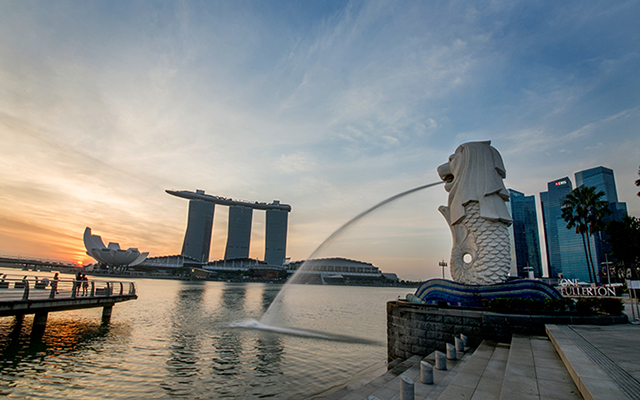
Singapore has once again been named the top meeting destination in the Asia Pacific region in 2018, for the third year in a row by Cvent.
The list was compiled based on sourcing activity through the Cvent Supplier Network which in 2017 sourced more than 40 million room nights worldwide and $14.7 billion of business, supporting more than 715,000 events around the globe.
The top seven cities Singapore Sydney, Bangkok, Kuala Lumpur, Hong Kong, Shanghai and Melbourne maintained their positions on the list. Seoul dropped out of the top 10 as newcomer New Delhi shot to the eighth spot, ahead of Mumbai.
The top 10 cities in Asia Pacific in 2018 are:
Singapore, Singapore
Sydney, Australia
Bangkok, Thailand
Kuala Lumpur, Malaysia
Hong Kong, Hong Kong
Shanghai, China
Melbourne, Australia
New Delhi, India
Tokyo, Japan
Mumbai, India
“It is an honour and privilege to be consistently recognised as a preferred business events destination,” said Jeannie Lim, executive director, Conventions, Meetings & Incentive Travel, Singapore Tourism Board (STB).
Lim said: “Singapore stands out as a city that offers a wealth of possibilities – both at work and play – in a dynamic, pro-business environment that offers excellent connectivity, security, and a diversity of unique and inspiring venues and experiences.”
Highlighting how Singapore offers a safe and secure environment, as proven by its top position in Gallup’s Law and Order Index 2017, Lim said: “Our secure landscape continues to provide confidence to business travellers and event organisers as they look to hold business events in Singapore.”
Singapore is a pioneering and stimulating presence in the MICE industry in this region, according to STB. It has all the basics of a good host: a great business environment, world-class facilities and infrastructure, professional services, exclusive event venues and cool attractions, all in a rich and unique Asian setting like nowhere else.
As a compact city, it is convenient to travel around Singapore. Hotels, restaurants, venues, shopping and sightseeing spots are conveniently clustered in various neighbourhoods, and are easily accessible via Singapore’s safe and reliable public transportation system. Besides a vibrant dining, arts and entertainment scene, Singapore is home to countless key attractions and a wide range of accommodations to suit any budget.
To compile the lists, Cvent evaluated more than 11,000 cities featured in the Cvent Supplier Network, tracking activity from January through December 2017.
Qualifying data included total unique requests for proposal received, total room nights, number of awarded requests for proposal, awarded room nights, percentage of qualified meeting venues and the number of profile views.
Chris McAndrews, Vice President of Marketing for Cvent’s Hospitality Cloud, said the cities featured in the top 10 have spent significant resources into developing the business and events locations.
“Meetings have become a major economic driver for cities worldwide. Because of this positive impact, destinations are pulling out all the stops to attract MICE business, and we expect to see this healthy competition continue,” said McAndrews.
Wi-Fi considered the second most important factor for passengers in Asia-Pacific when choosing an airline, behind only reputation
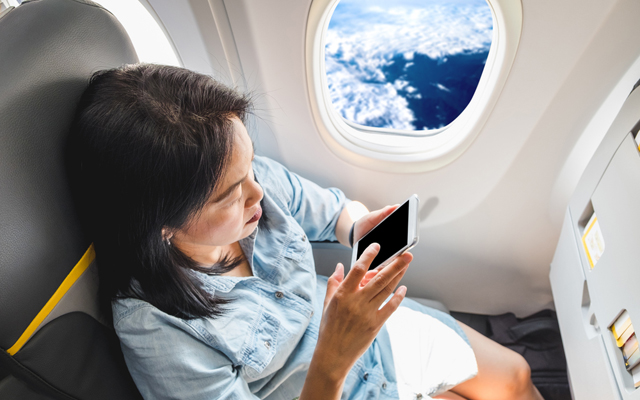
Over three quarters (78%) of passengers would more likely rebook with an airline if high-quality inflight Wi-Fi is offered, according to the fourth annual global Inflight Connectivity Survey published by Inmarsat in association with market research company Populus.
It should be noted that Inmarsat is a provider of global mobile satellite communications services; the findings thus might be self-serving.
Wi-Fi is considered the second most important factor for passengers in Asia-Pacific when choosing an airline, behind only reputation
Nevertheless, the study shows that almost three quarters (72%) of Asia-Pacific passengers who had access to inflight Wi-Fi in the past year chose to use it – the highest uptake of any region globally. Almost nine in 10 (86%) passengers in Asia-Pacific would use inflight Wi-Fi if it were available on their next flight.
With two thirds (67%) of Asia-Pacific passengers describing inflight Wi-Fi as crucial, meeting the demand for Wi-Fi in the skies is key to improving passenger experience and driving loyalty in the region, the report argued.
In fact, inflight Wi-Fi is considered the second most important factor for passengers in Asia-Pacific when choosing an airline, behind only airline reputation, said the report.
Onboard Wi-Fi could also lead to more productive business trips, as almost nine in 10 business travellers (88%) in the region would use inflight Wi-Fi to continue working on the plane. Access to Wi-Fi is also an important driver of choice for nervous flyers, as two thirds (64%) said that they would use the technology to remain in contact with family and friends on the ground.
An earlier Inmarsat survey published in 2016 showed that the majority of airline passengers would sacrifice other inflight amenities for Internet access, with 54% saying they would choose Wi-Fi over an inflight meal.
Notably, today’s passengers are adding alcohol to the list of inflight amenities they would sacrifice to get online, with more than half of passengers in Asia-Pacific (51%) suggesting they are even prepared to give up their inflight alcoholic drink in exchange for access to Wi-Fi.
More than 9,300 passengers from 32 countries across Europe, the Middle East, Asia-Pacific, and North and Latin America were surveyed.
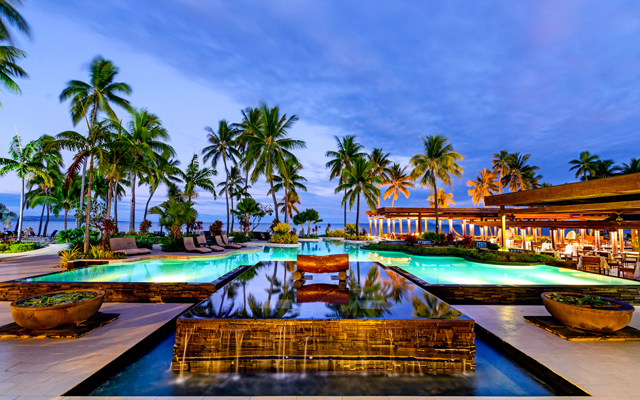
Marriott will continue to operate these properties; Sheraton Fiji Resort pictured
Marriott International has sold two major hotel and hospitality assets in Fiji to the Fiji National Provident Fund (FNPF). The US$131 million transaction is Fiji’s largest ever hotel deal.
The five-star 300-room Sheraton Fiji Resort, the next door 276-room Westin Denarau Island Resort & Spa and the 110-hectare Denarau Golf & Racquet Club, are prime locations within Denarau Island, Fiji’s top holiday destination, according to international law firm Withers which represented Marriott in the sale.
Sheraton Fiji Resort
Marriott will remain as the operator of the assets under long-term management agreements.
Robert Williams, Asia-Pacific leader of Withers’ hotels and hospitality team, said: “This is a significant deal for Marriott International, FNPF and the Fiji tourism sector, involving prime assets on the popular Denarau Island. The transaction further deepens Marriott’s partnership with FNPF, which already owns the Fiji Marriott Resort Momi Bay.”
Withers represents leading owners and operators within the hotels and hospitality sector. The team specialises in acquisitions and sales of hotels and resorts, mixed-use hotel projects, negotiating hotel management, franchising and leasing deals, operating platform M&A transactions, and providing capital raising, fund structuring and vacation ownership advice.
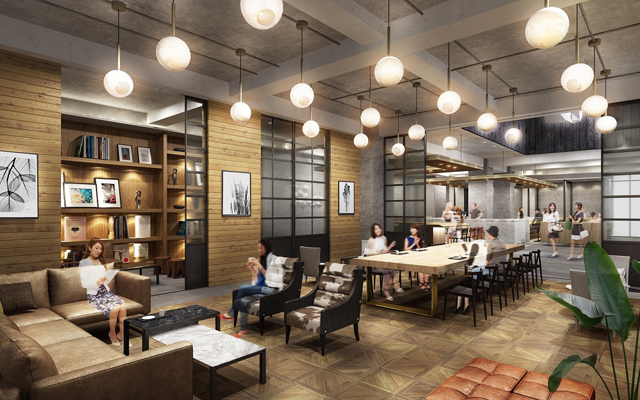
Artist impression of the ground floor of Nikko Style Nagoya
Okura Nikko Hotel Management has confirmed it will debut its new upscale, select-service Nikko Style brand in Nagoya, Japan, come 2020.
Located in Nagoya’s Meieki district, Nikko Style Nagoya will offer 191 rooms, a communal lobby, all-day dining and a fitness gym.
Artist impression of the ground floor of Nikko Style Nagoya
Marcel van Aelst, CEO of Okura Nikko Hotel Management, commented: “This will be our first property branded under Nikko Style, our new lifestyle brand targeting customers who are especially interested in new and creative hotel experiences.”
Van Aelst added that there are plans to “create an all-new customer base” by expanding the new brand to major locations worldwide.
The company said a highlight of the debuting property will be the communal lobby designed to facilitate interaction among hotel guests, locals and other visitors. It will include a special event area for culinary events, workshops on Nagoya’s cuisine and performances by local musicians.
The all-day dining will include Japanese cuisine that uses produce supplied by local farmers, as well as local beers and Japanese sake.
Standard rooms will offer 30m2 of floor space with five metres of frontage.
Nagoya’s Meieki district is a principal transportation hub with intersecting JR, Nagoya Railroad and Kintetsu Railway lines. In recent years, it has become the main gateway to the Nagoya metropolitan area and surrounding region.
The tool can generate over a million unique tracks, inspired by music ranging from 90s hip-hop to electronic dance music
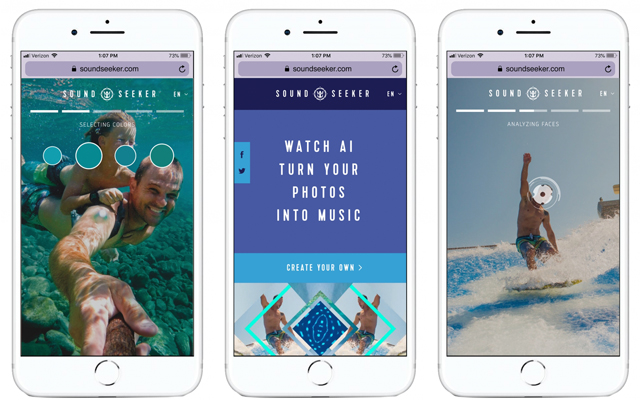
Innovation in the holiday cruise industry is no longer confined to on-board or shore excursion products, Royal Caribbean International (RCI) shows as it launches a patent-pending tool that uses AI to create custom soundtracks based on the mood and content of users’ photos.
Created by the cruise company in collaboration with experts from the Berklee College of Music and technologists from around the world, SoundSeeker uses AI to analyse photos for colour, landscape, backdrop, emotion, body language and facial expression.
The tool can generate over a million unique tracks, inspired by music ranging from 90s hip-hop to electronic dance music
SoundSeeker then finds the musical elements corresponding to each mood in the photo to compose an audio and visual photo album, which users can share with their friends without leaving the platform.
To determine the musical pairing to photos, accounting for pitch, tempo and instrumental combinations, Berklee leveraged music theory to create a roadmap.
The Royal Caribbean tool is equipped to generate over one million unique tracks, based on custom base tracks, composed exclusively for the cruise line. The customised tracks are inspired by a variety of music, including 90s hip-hop, rock, modern and electronic dance music.
In a statement, Jim Berra, RCI chief marketing officer, commented: “People of all ages crave new ways to share their best experiences on social media. This unprecedented tool allows you to put a completely unique, multisensory spin on sharing those memories – now friends and followers can see and hear your life’s adventures.”
Earlier innovations by RCI include SeaSeeker, a custom-engineered scuba mask for Snapchat Spectacles; Voom, said to be the fastest internet at sea; virtual balconies, which give interior cabins a view; RFID technology; cocktails served by robots at the Bionic Bar; and a mobile app that boasts smart features like expedited arrival and X-ray vision into behind-the-scenes areas of the ship.
Christoph Holzapfel has been appointed as general manager of Six Senses Con Dao.
He joins the luxury resort in Vietnam from his most recent role as resort general manager at JA Manafaru in the Maldives.
His 25 years of hospitality experience includes leading teams in general management roles in Botswana, Namibia and South Africa with the Orient Express group, Abercrombie and Kent, and various independent lodges and camps. He has also worked with Anantara as general manager in Abu Dhabi, and has also been involved with several resort pre-openings.
The combination of portfolios will allow both parties to reach into different hotel categories and segments
Amadeus describes its acquisition of TravelClick, now confirmed, as an important milestone for its hospitality business, enabling it to expand into new product categories and new customer segments, and become a leading hospitality solutions provider.
In a media call yesterday on the US$1.52 billion acquisition, which is expected to close in 4Q2018 subject to regulatory approvals, Francisco Perez-Lazao, Amadeus senior vice president Strategic Growth Businesses, said: “Today we (Amadeus Hospitality) mainly address the top-end of the market with a CRS, PMS (Property Management System), sales & catering solutions, and service optimisation and payments.
“TravelClick is a strong fit. On the one side, it brings a complementary hospitality solutions portfolio, including a CRS and GMS (Guest Management System) for the independent/mid-chain hotel segment, and a leading and modern hotel business intelligence and media solutions platform.
The acquisition gives Amadeus a complementary hospitality solutions portfolio, including a CRS and GMS for the independent/mid-chain hotel segment
“Very importantly, TravelClick also brings brand recognition, a broad customer base and customer knowledge, and a strong team of experts in the hospitality industry.”
The acquisition builds on Amadeus’ goal to become an “end-to-end IT solutions provider of reference to the hospitality industry”. Since its inception, Amadeus Hospitality has been building up its capability through organic growth and major acquisitions, he said.
Two acquisitions were Itesso and hotelSystemsPro, made in 2015. But Amadeus Hospitality customers are mainly the large chains, its two largest customers being InterContinental Hotels Group and Premier Inn. By last year, it serves 26,000 properties. This year, following the acquisition, the estimated number of properties served will be 53,000, 28,000 by Amadeus Hospitality and 25,000 by TravelClick.
In the company’s official announcement, Peres-Lozao said the mid-chain and independent hotel segment makes up three-quarters of the market. “We can now serve the entire industry with a very broad portfolio of solutions and we are looking for significant growth in the years ahead.”
Last year, TravelClick generated US$373 million in revenue in 2017 and US$86 million in EBIDTA.
Larry Kutscher, CEO of TravelClick, said during the media call: “About a third of TravelClick’s revenues comes from the CRS and guest management solutions business.” Other revenue streams he singled out included the media business, which helps hotels get new demand through data-driven advertising solutions direct to travel agents when they are making their booking and to consumers via online media options, and the business intelligence solutions for hotels.
TravelClick, based in New York with 1,100 employees, will be integrated into Amadeus Hospitality. “TravelClick has a great team, great technology and a broad customer base, and we are looking forward to welcoming such a successful business into Amadeus,” said Luis Maroto, president and CEO of Amadeus, in the official announcement. “Our ambition is to provide the hospitality industry with the tools they need to grow their businesses and deliver a great experience to their guests. The combination of our two portfolios will allow us to provide that to hotels of all shapes and sizes across the world.”
A strengthened Amadeus Hospitality will mean greater competition for rivals Oracle Hospitality, Sabre Hospitality Solutions and other regional players, but may also impact soft brands which offer branding and hospitality solutions to independent hotels.
Asked for her views, Lindsey Ueberroth, CEO, Preferred Hotels & Resorts, said: “All signs show that this will be a smart business decision by Amadeus, and I believe this move demonstrates the continued appetite for consolidations and mergers within the travel and hospitality industries. Whenever there is more competition introduced into the marketplace, the momentum drives greater innovation, so I see this acquisition as a positive for independent hotels because it opens up more options and opportunity.”
Geoff Andrew, CEO of WorldHotels, said: “It’s a interesting deal. Amadeus is already in the CRS business so it doesn’t add anything new to the market in terms of competition. I’m sure TravelClick CRS customers will be hoping that the normal disruption that follows an acquisition does not impact them too much!”
Mark Wong, vice-president Asia-Pacific of Small Luxury Hotels of the World, concurred: “Amadeus’ acquisition of Travelclick means that the company is now more well-equipped to directly compete with Sabre, Oracle and other players in the hotel distribution playing field. The major impact of such acquisitions will be on the single solution technology providers. It will become more cumbersome and expensive for their clients to integrate and synchronize different systems for a single user interface. With Sabre and Amadeus, their fully-integrated systems will be plug-and-play based on the requirements of their clients. How well and quickly Amadeus can integrate TravelClick’s capabilities into its enterprise system will translate into its success in motivating potential clients to make the switch.”
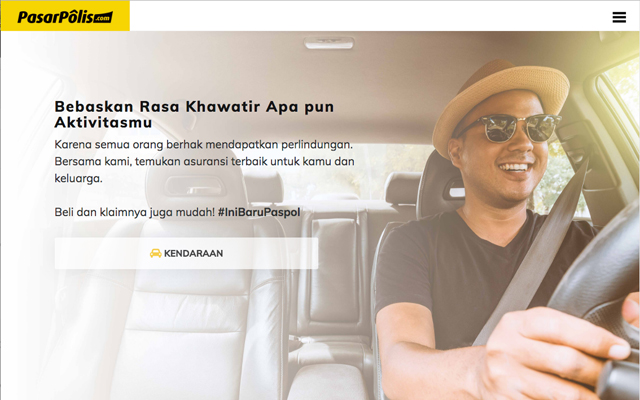
Pasarpolis offers a variety of insurance products online
Indonesian tech unicorns Go-Jek, Tokopedia and Traveloka are backing digital insurance startup PasarPolis in a Series A funding round, TechCrunch reports.
The three tech unicorns will also act as strategic partners for the startup.
Pasarpolis offers a variety of insurance products online
PasarPolis sells insurance options spanning travel, health, vehicle, accident, property and life. These are underwritten by 30 insurers including AXA, AXA Mandiri and Lippo Insurance, although TechCrunch reported that the company has a pending application for an insurance license, which if approved will give it new product options.
Go-Jek, Tokopedia and Traveloka are major clients of the digital insurance startup, which offers “click box” policies packaged with ride-hailing trips, e-commerce sales and travel deals, according to TechCrunch.
In travel, PasarPolis founder and CEO Randing told TechCrunch that growth in insurance revenue for major OTAs such as Expedia is surpassing that in ticket sales.
PasarPolis intends to work with its three partners to develop new products. There are plans to offer more modular options for consumers, such as usage-based car insurance, or cover for public transport-based delays, according to the TechCrunch report.
PasarPolis is also focused on expanding into new South-east Asian markets.
The company is considering another funding round early next year as it seeks to grow regionally.