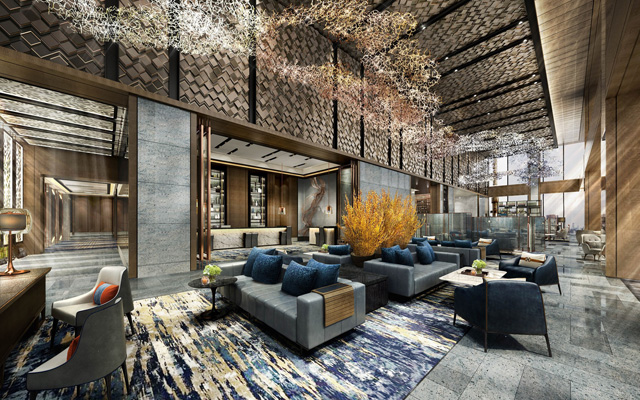
Marriott International will add a second Japan property, the mesm Tokyo, to its boutique Autograph Collection brand.
Slated to open in 2020, the hotel will occupy the 16th to 26th floors of the Waters Takeshiba main building, a multi-purpose complex that is part of the Takeshiba Waterfront Development Project.
A rendering of the mesm Tokyo
The mesm Tokyo will feature 265 rooms and suites, where some will offer views of the city skyline or the Hama Rikyu Gardens, a traditional Japanese park created for the shogunate in the Edo era.
Facilities on-site will include an all-day dining concept, a lounge bar, club lounge, fitness centre, as well as a banquet room for corporate events.
Wyndham Hotels & Resorts is expanding fast in New Zealand with its long-term partner in the country, Safari Group, with a joint pipeline of seven properties and growing.
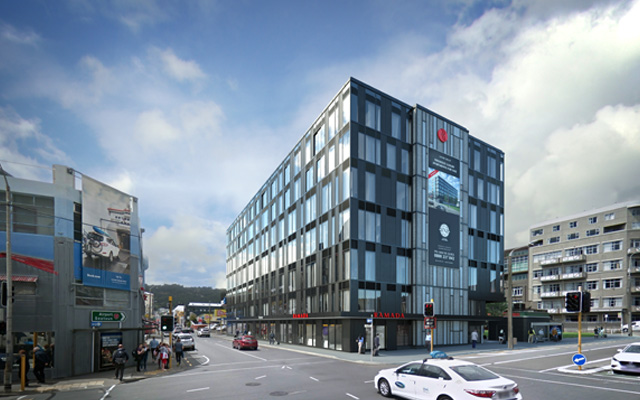
The company has just signed a franchise agreement with Safari Group for the Ramada by Wyndham hotel in Wellington. Marking its debut in the capital city is the Ramada Suites by Wyndham Taranaki Street Wellington, scheduled to open in late 2020.
Wyndham's upcoming New Zealand propertiesRamada_Manukau_Pacific_Centre
1 of 3
Ramada Manukau Pacific Centre
Ramada Queentown Central
Ramada Taranaki Street Wellington
This latest signing brings the two companies’ joint New Zealand pipeline to seven hotels, three of which will open this year.
Scheduled to open in Auckland come August is the 85-room Ramada Suites by Wyndham Auckland Manukau Pacific Centre. The 10-storey, new-build hotel will offer studio, one- and two-bedroom apartments with laundry and cooking facilities, as well as on-site gym, restaurant and other amenities. Located in Auckland’s South, the hotel is close to the Vodafone Event Centre, Rainbow’s End theme park and the Vector Wero Whitewater Park.
In addition, the 47-room Ramada Suites by Wyndham Auckland Victoria Street West will in September open in Auckland’s central business district. The property sits atop the historic Cambridge clothing factory and is surrounded by landmark attractions including Aotea Square, Sky Tower and Auckland Conference Centre.
In the same month, Queenstown will welcome the Ramada Hotel & Suites by Wyndham Queenstown Central. The property will feature 131 rooms along with an on-site restaurant, gym and conference facilities. Overlooking Lake Wakatipu, the hotel is within walking distance of Queenstown’s main shopping and entertainment areas, and is a short drive from the ski slopes of Coronet Peak and the Remarkables.
The three hotels are owned and developed by the Safari Group and will operate under a franchise agreement with Wyndham Hotels & Resorts.
Wyndham Hotels & Resorts currently licenses or operates nine hotels across New Zealand, five of which are Safari Group developments.
“With its spectacular scenery and enticing attractions, New Zealand is a highly desirable destination for international travellers – especially the new generation of affluent Asian visitors. Arrivals to New Zealand have increased by more than 50 per cent since 2010, due in part to its rising popularity in countries such as China,” said Joon Aun Ooi, president and managing director, Wyndham Hotels & Resorts, South East Asia and Pacific Rim.
According to government data, a total of 3.9 million international travellers visited New Zealand in the year ended March 31, 2019, up 1.3 per cent year-on-year. This year marks the sixth consecutive year of growth.
Despite being an established destination on the regional travel map, private investors as well as state-owned enterprises alike continue to see tourism opportunities on the Island of the Gods, rolling out a flurry of new infrastructure and attractions.
A major project underway in Sanur is the overhaul of the 58-year-old Grand Inna Bali Beach, as owning company Hotel Indonesia Natour (HIN) has unveiled plans to remake Bali’s first five-star hotel into an integrated resort.
State-owned ITDC is currently drawing ip a new masterplan for Nusa Dua
To be renamed Hotel Indonesia Bali, the 43ha estate will comprise the existing 525-room hotel and garden villas – which will be renovated and expanded – a new mid-scale hotel opening next year with 166 keys, a convention centre with a capacity of 10,000 guests, a lifestyle art market, an eco-park and a pier.
The whole project is targeted to finalise in five years with a total investment of Rp2.8 trillion (US$197.2 million). When ready, the resort will boast a total of 1,017 keys, comprising 943 rooms in three- to five-star categories, 73 premium villas and one presidential villa.
Hotel Karya Indonesia, a joint venture between HIN and four state-owned companies – Hutama Karya, Pembangunan Perumahan, Waskita Karya and Wijaya Karya – is the developer of the project.
The redevelopment of the Grand Inna Bali Beach, whose last renovation dated back to 1993, would enable the historic property to better keep up with the competition, according to Iswandi Said, president director of HIN.
Recognising the estate’s valuable asset, location and potential, Indonesian president Joko Widodo has instructed the revitalisation of the hotel, and minister of state enterprises Rini Soemarno came up with the idea of turning it into a small-scaled integrated resort.
Iswandi remarked: “Hotel Indonesia Bali will not only provide a new convention destination in Sanur, it will become a new icon for Bali with all its facilities.”
While acknowledging that Sanur’s laid-back character has been its asset in attracting senior travellers from Europe and long-staying visitors, Iswandi said the new development is critical for the destination to accommodate and tap onto other market segments, particularly business events and leisure travellers.
In the meantime, state-owned Indonesia Tourism Development Corporation (ITDC) is in the process of drawing up a new masterplan for Nusa Dua, a 350ha integrated tourism estate on Bali. With the refined masterplan, the resort is expected to attract not only MICE businesses but also the leisure market.
Ricky Baheramsjah, head of investment and marketing division at ITDC, said: “With the re-master-planning, ITDC intends to revitalise Nusa Dua and offer something unique and differentiated from other destinations in Bali.”
The new masterplan will enable Nusa Dua to keep up with changing customer preferences, explained Ricky. “Nusa Dua’s (existing) masterplan is 30 years old already.
“When you look at the type of new hotel brands coming into Bali such as W, Aloft and Moxi, (they are different from the earlier types of hotels); even established hotel brands like Four Seasons and St Regis are repositioning themselves to attract a new generation of travellers.
“Travellers are looking for something different. A lot of the guests in Nusa Dua may stay in the area from morning until lunch time, and then they would head out and seek out entertainment like the Rock Bar, and Omnia or other trendy, bohemian-type attractions. We want to offer something of similar feel and quality but still maintaining our high-end luxury position,” he said.
While MICE will remain a key market for Nusa Dua as the area is home to two major convention centres, Ricky said focus will now be given to the leisure market too.
“For the hotels, leisure is part of their business too. In order for us to be competitive in the leisure market, we need to provide a more interesting and entertaining proposition, (offering more fun activities) in Nusa Dua.”
While the new masterplan for Nusa Dua may not be ready until the year-end, some “revitalising” programmes have been introduced.
The peninsula area, for example, has been landscaped in such a way to be able to host large-scale events.
Recent launches that will appeal to investors include the launch of the Manarai Beach House, a beach club run by the Ismaya Group, pointed out Ricky.
“With the investors, we are also looking at revitalising the Bali Collections (shopping, dining and entertainment centre), to make it more attractive to the new market,” he added.
Meanwhile, ITDC is already in the early stages of developing north Bali as a cruise tourism destination, with plans to develop a resort similar to Nusa Dua with about 10 to 12 hotels, F&B and entertainment facilities, a marina or a proper cruise terminal. The resort will stand on a 100ha piece of privately owned land, expandable to 250ha, near Menjangan National Park.
Ricky explained: “The lack of sea ports in Indonesia means that any cruise ships going from Singapore or Thailand to Australia and South Pacific bypasses Indonesia almost completely, which is a loss of opportunity. If we provide stopovers across Indonesia, these will provide a great opportunity to capture the cruise market.”
However, accessibility is currently North Bali’s greatest development challenge, as the airport lies on the island’s south, from where it takes about three hours to drive to the Menjangan area.
ITDC hence considers north Bali more accessible by cruise ships. And with contemporary cruise ships offering many man-made entertainment on board, the beaches, nature and national park in the north will make attractive drawcards for cruise passengers, Ricky aded.
Furthermore, the area’s development is expected to stimulate the arrival of more infrastructure and facilities, which is still lacking in north Bali.
Amid its push for better infrastructure and modern facilities for the destination, the Bali regional government, on the other hand, is also working to cultivate the island’s core strengths in tradition, culture and attractions.
As part of the government’s aim to disperse tourist footfalls away from the island’s packed south, the Bali Government Tourism Office, together with academics and experts in the field, has selected local events and attractions across different destinations for promotion.
Dewa Ayu Laksmiadi Janapriati (Laksmi), head of marketing, Bali Government Tourism Office said: “We are identifying local attractions and festivals in Bali, particularly in areas less popular to travellers.”
She shared a few examples, among which is Jembrana in west Bali, an area known for its cattle breeders and a traditional bull race festival. To attract visitors and stimulate the locals to develop tourism, a Governor’s Cup is planned for Jembrana this year.
To showcase the community-based ecotourism that Pemuteran, West Bali is known for, the Pemuteran Bay Festival was held last year featuring activities like underwater art parade, underwater expo and biorock reef conservation.
In the meantime, the assimilation of the Balinese and Chinese cultures is shown in the Balingkang Kintamani Festival, a cultural parade depicting the romantic legend between King Jaya Pangus with Kang Cing We of China.
“We collect local (traditions and attractions) from each regency in Bali, categorise them into local, national and international events, and promote them accordingly,” said Dewa Ayu, citing the promotion of Balingkang Kintamani Festival to the China market as an example.
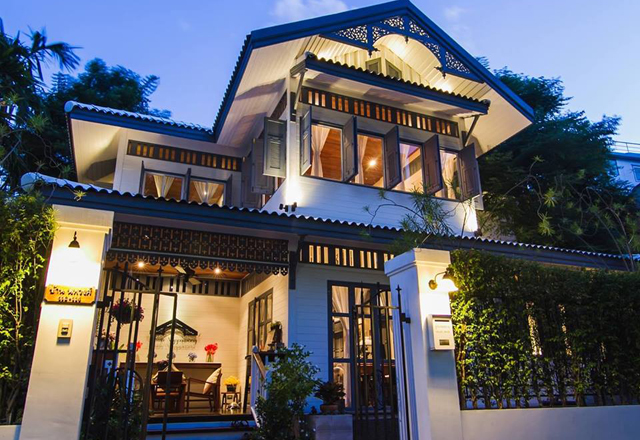
Recent relaxation of laws governing conversion properties has prompted a spate of small hotel openings in Thailand, among which are residences and heritage buildings.
The concept of boutique hotel appeared in Thailand for the first time 30 years ago, when Thais returning from their education overseas began turning their own properties into tourist accommodation.
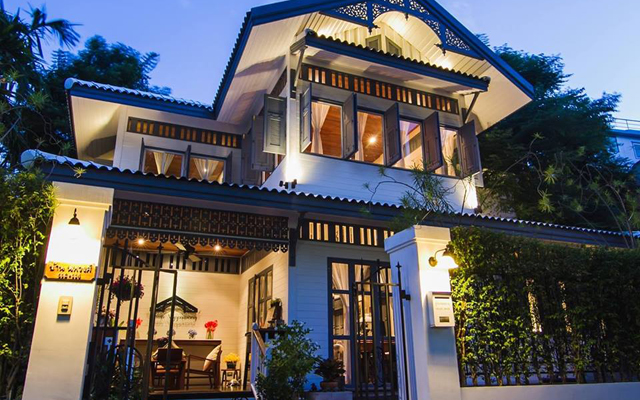
Baan Noppawong Hotel
It is estimated that hundreds of new operators are have in recent years entered the market, with many more scheduled to open their doors in 2020.
Major factors driving the growth include the relaxation of a hotel law that will allow old building owners to repurpose their properties into tourist accommodation and more easily obtain the necessary licences.
Despite many Thai destinations already grappling with an oversupply, new boutique players believe they can survive in the market with their relevant, innovative and differentiated offers.
Montara Hospitality Group – which operates a luxury hotel in Phuket named Trisra, Phraya Palazzo riverside boutique hotel in Bangkok and a museum in Lampang province – this year transformed an old movie theatre in Bangkok’s Bangrak district into Prince Theatre Heritage Stay.
CEO Kittisak Pattamasaevi shared that the hotel offers a sense of heritage and place in a neighbourhood that once formed part of a commercial district in the Bangkok old town.
Down the line, the group intends to tap into its expertise to focus more on F&B and intimate private events.
Another example of a repurposed hotel is Bangkok Publishing Residence, a museum-slash-hotel which opened its doors two years ago in a shophouse that used to house the publisher behind the long-gone Bangkok Magazine.
With only eight rooms, priced between 5,800 (US$181) and 7,800 baht, the hotel sees good demand despite not accepting walk-in guests. Guests mostly hail from the US, Europe, China and Taiwan.
General manager Panida Tosnaitada said: “Our family never ran a hotel before, but we are confident (of achieving success) if we can serve and understand client’s needs.”
Changes in consumer preferences is also boding well for business. Panida observered that more tourists are choosing not to stay in big hotels, instead preferring to experience more authentic local hospitality and culture.
Staporn Sirisinha, founder of Serene Bangkok Bed and Breakfast, agreed. “There are so many big hotels in the market, but not all meet the taste of tourists. Today’s travellers are seeking experiences, (not just in their tour itineraries), but also when it comes to accommodation,” Staporn said.
His four-room hotel also offers spa treatment. He sees half of business coming from domestic guests and the other half from international travellers.
Kantasom Noppawong Na Ayudhaya, started operating a hotel within an 80-year colonial-style house in Bangkok’s old town six years ago. He is the third generation occupant of the home, but the first to run a hotel business.
At Baan Noppawong Hotel in old Bangkok, whose room rates vary between 2,000 and 2,500 baht, some 80 per cent of guests hail from the US and Europe.
In Bangkok’s Huaykwang district, another creative hotel named MeStyle Garage launched in 2018. All 75 rooms are decorated with car parts and accessories while classic cars, engines and motorbikes are displayed in public areas.
Beyond Bangkok, small hotels and poshtels have also gained popularity in other tourist cities. An example is Nhapha Khao Yai Resort in Nakhon Ratchasima province.
Managing director of the resort developer, Kawit Koudomvit, said all 10 villas are built on an old mining cliff. Each unit is priced over 8,000 baht including meals – higher than most room rates in Bangkok, Chiang Mai, Pattaya and Hua Hin.
The domestic market makes up 70 per cent of business, with the remaining guests hailing from Singapore and Malaysia.
Sunrise over Kuala Tahan jetty, a gateway to Taman Negara
With Middle Eastern arrivals to Malaysia expected to grow on the back of improved air connectivity, inbound agents TTG Asia spoke with the start of the Middle East travel peak are promoting more nature based and adventure products to cater for the rising millennial segments.
Adam Kamal, general manager, Tour East Malaysia, said: “We are promoting tours with more physical activities for FIT millennial segments such as jet skiing in Langkawi and ATV tours in Selangor, Kuala Lumpur and Langkawi.
Sunrise over Kuala Tahan jetty, a gateway to Taman Negara
“The millennial market is a growing segment and they tend to be more adventure based. The family segment which still makes up a majority enjoy traditional activities such as shopping, sightseeing and theme parks.”
At Luxury Tours Malaysia, director, Arokia Das has been seeing growing interest for green destinations such as Taman Negara National Park and Cameron Highlands. “Millennials and repeat visitors are looking for new experiences, which can be found in these off-the-beaten-path destinations.”
Middle Easterners also have a taste for island holidays, according to Saini Vermeulen, executive director, Within Earth Holidays. “As the Maldives is popular with the Middle East market, we are also trying to push the islands and resorts off Terengganu, particularly The Taaras Beach & Spa Resort for young families and honeymooners,” he shared.
Still, he acknowledged that “it will take time to push new destinations including Desaru Coast”. The company is planning to organise fam trips for its partners from the Middle East, especially Saudi Arabia, UAE and Qatar after September.
Overall, the Malaysian inbound trade is optimistic that arrivals from the Middle East market will strengthen further on the back of improved air connectivity.
Air Arabia will commence daily direct flights between Sharjah and Kuala Lumpur on July 1, while Qatar Airways will extend existing Doha-Penang services to Langkawi to four times weekly from October 15. Currently there are 525 flights weekly from the Middle East to Malaysia.
In Malaysia, the top five highest spending visitor markets are all from the Middle East, namely Saudi Arabia, the UAE, Oman, Iran and Kuwait.
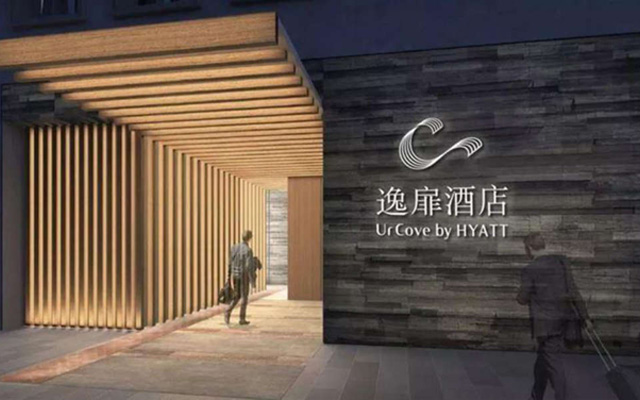
UrCove will cater to the upper-midscale segment of frequent business travellers
Hyatt and BTG Homeinns Hotels Group, which entered into a strategic joint venture in February, have unveiled a new hospitality brand targeting China’s growing but underserved upper-midscale segment.
Developed as an entirely homegrown brand, UrCove (pronounced as “your cove”) will be built specifically to meet Chinese travellers’ preferences. According to both partners, the brand is also envisioned to cater to China’s swelling ranks of ‘road warriors’, as business travellers in the country currently sees limited opportunities to experience comfortable travel especially at the upper-midscale segment.
UrCove will cater to the upper-midscale segment of frequent business travellers
“Given China’s growing economic importance and the phenomenal growth of its middle-class segment, the UrCove brand strengthens our representation in the underserved upper-midscale segment, and we believe that this locally developed brand will advance our commitment to this important market,” said Stephen Ho, president of Greater China, global operations, Hyatt.
“We are one step closer to fulfilling our commitment to elevate the business travel experience of the growing upper-midscale segment,” said David Sun, general manager of BTG Homeinns Hotels Group, chairman & CEO of Homeinns Hotel Group.
UrCove hotels will be located in highly accessible locations in gateway cities, offering functional business space, practical amenities and extensive F&B options. The first two UrCove hotels are expected to open in Shanghai and Beijing by late 2020.
With airlines tightening their pet travel policy in cabin in light of recent incidents, a Singapore-founded startup supported by Amadeus could be the help that carriers need to provide assurance to passengers flying their furry friends in cargo.
While the growth in pet travel has brought its share of trouble for airlines, it is also translating to big opportunities for carriers that can keep pets, their owners and other passengers happy.
CarePod’s founder Jenny Pan and her dog Fudge
“During the last US recession, the (over US$50 billion) pet industry was one of the rare few that was recession proof and continued to grow organically,” shared Jenny Pan, founder and CEO of CarePod.
“WTTC reports travel and tourism as an US$$8.8 trillion dollar industry. The report does not provide figures contributed from pet travel or related services, but the opportunities in pet travel naturally correspond to those in travel. It’s not like pets take holidays on their own.”
Such potentials have not been lost on one of the world’s leading air travel distributors and technology providers. In October 2017, Amadeus started supporting CarePod through its startup incubator, Amadeus Next.
This drastically changed the course of the startup’s journey. Matt James, senior manager, corporate strategy & business development at Amadeus, said: “Feedback from our in-house experts and airline customers during the incubation period has been crucial in refining CarePod’s business model.
“Initially the startup was focused on a B2C model. However, through iterations with different stakeholders in the industry, CarePod pivoted to a B2B2C approach instead.”
Input from Amadeus Next and the community were also key in developing the technology and features for the pods, which are now available globally, James said.
Today, CarePod provides German-engineered, IATA-compliant smart pods that help protect “pet shipment”, while allowing pet owners to monitor and track their in-transit animals in real time.
Amadeus Web Services has helped improve tracking capabilities by integrating flight and Passenger Name Record information into CarePod’s product.
For Pan, one of the biggest takeaways from the incubation period was access to industry connections through Amadeus’ network of partner airlines.
“Airlines are extremely large organisations with complex structures and it is difficult to find the right department even for people within the industry, let alone a startup from the pet travel industry,” Pan said.
“You will need to knock on a lot of doors before connecting with the right contacts. You have to make sure you are passionate about what you do, because 99.9 per cent of the time it might not lead anywhere. And on the flip side, when you are finally introduced to the right people, make sure you are ready to go!”
Go it did. Last year, CarePod landed its first airline partner, Delta Airlines, which recently tweaked its pet travel policy. The startup is now scaling to meet the demands of other customers around the world.
While pet travel trends are most stark in North America, Pan said these are already rippling out to Asia-Pacific, Europe and Latin America.
Pan believes CarePod will help airlines “carve out a differentiated growth strategy that will see them through the tough times ahead”, attributing this to how recession proof the pet industry has proven to be.
“For airlines, a higher level of pet service and care will elevate the industry’s safety and standard of pet travel, allowing for increased passenger booking, stronger profitability and yield and true loyalty for years to come.”
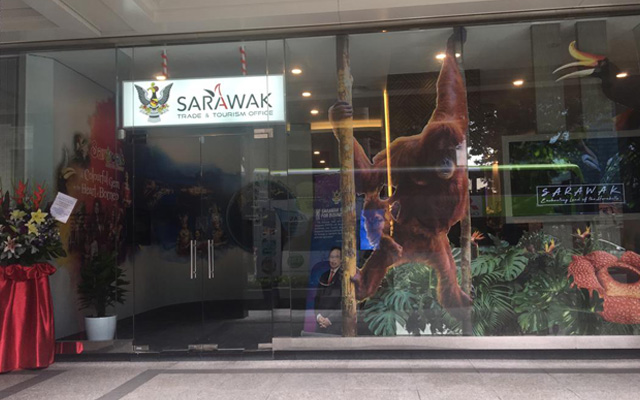
The Sarawak State Government yesterday soft opened a trade and tourism office in Singapore’s CBD.
The office on Robinson Road will serve as a promotion office for the destination, providing a one-stop centre for visitors to obtain information on Sarawak’s products and tourism packages.
Sarawak has opened trade and tourism office in Singapore, leveraging on the republic’s strategic position as a global trade hub
Singapore was chosen for its status as a regional hub for global trade.
Mary Wan Mering, director, corporate relations at Sarawak Tourism Board, said: “The setting up of the office will allow for further collaborations and partnerships with the travel trade. For instance, we plan to collaborate with National Association of Travel Agents Singapore (NATAS) to organise fam trips for travel agents as well as business networking events in Singapore.”
Welcoming the launch of the new office, Uzaidi Udanis, president, Malaysian Inbound Tourism Association, shared: “We congratulate the state government for this strategic move that will allow more focused marketing efforts on Sarawak’s products and tourism packages for Singaporeans and existing tourists in Singapore who plan to extend their stay in Sarawak.
He also suggested that the state can utilise its new hub to promote business tourism in Sarawak to international companies that have branch and representative offices in Singapore.
Last year, arrivals from Singapore totalled 43,734, up from 42,177 in 2017. Despite Malaysia seeing a 14.7 per cent decline in arrivals to 10.6 million, the number of Singaporeans visiting Sarawak grew.
RateGain has acquired BCV, a hospitality-focused social media solutions provider.
BCV will now offer a comprehensive Guest Experience Cloud platform with proprietary digital products designed to increase direct sales, provide guest interactions and mitigate negative experiences.
RateGain expects the acquisition to help unlock revenue opportunities across hotel chains, airlines, car rentals, OTAs, cruise lines, package providers, TMCs and vacation rentals.
The Guest Experience Cloud platform combines BCV’s social media listening, analytics, creative and engagement capabilities with RateGain’s AI-driven cognitive revenue management and smart distribution solutions.
Commenting on the acquisition Bhanu Chopra, founder & CEO, RateGain, said: “RateGain and BCV will replace the traditional waterfall methodology of data collection, analysis and action with a more agile model that would bring revenue management, sales and marketing together.”
He added that breaking down the traditional silos could help generate visibility and control to influence the guest journey and help generate measurable booking and Net RevPAR.
Benji Greenberg, co-founder and CEO, BCV, said: “This deal will also increase our ability to bring ‘deep learning’ powered applications for the travel and hospitality industry in the near future.”
Greenberg shared that the new integrated platform will give over 125,000 hotel properties access to millions of “proprietary social profiles to serve the right message, to the right guest, on the right channel”, elevating the brand experience for guests across the travel journey.
“We will now have access to far more rate intelligence to ensure we’re hitting the right person across the right platform while increasing guest lifetime value for hotels, he added.
Air New Zealand’s CEO Christopher Luxon announced his resignation earlier this week after seven years in the post, and will step down on September 25.
Chairman Tony Carter said that the board has commenced an international search for a successor, while assuring that Luxon will advise and support his successor even after his departure.
Christopher Luxon
Luxon expressed that he will miss leading the company, which he describes as the aviation equivalent of 12,500 All Blacks.
“I have absolutely loved the responsibility and experience of leading this company over the last seven years. It has been intellectually challenging, people centred and an absolute privilege… However, I do feel it is the right time for a new leader to take over and preserve and enhance the good things from our past, but also to put their own stamp on the organisation bringing their own personality and emphasis to the role as I did.”