TTG Asia
Asia/Singapore Wednesday, 8th April 2026
Page 1008

TripAdvisor enhances listings with travel security features

0

With cleanliness becoming the most important consideration in travel planning, TripAdvisor has enhanced its existing ratings and review system through its new Travel Safe features, which include user reviews on safety measures, health and hygiene checklists for hotel and restaurant owners, as well as a safety precautions search filter.

David Vu, associate director, APAC commercial strategy & operations, told TTG Asia that Travel Safe was created in response to a recent study by TripAdvisor, which found that of the consumers thinking about future travel, 92 per cent said cleanliness is the most important factor in selecting accommodations; 84 per cent said sanitisation certificates are important when booking a travel experience; and 79 per cent said it is important to publicly display compliance to government safety standards.
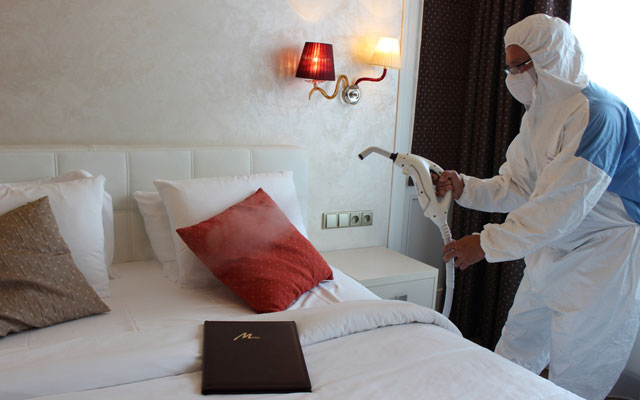
TripAdvisor’s Travel Safe Tools allow users to find health and safety information about hotels and restaurants; a technician sanitising a hotel room using steam and ozone amid Covid-19 pictured

Nearly three-quarters regarded a checklist of safety measures on TripAdvisor listings as being very or extremely helpful.

Vu said: “Consumer expectations are changing and there is now a clear demand for more detailed information about the cleanliness and sanitation practices at individual businesses. Sixty-five per cent of travellers will not travel until they see physical changes at businesses that make them feel safer.”

To produce the hygiene checklists for hotel and restaurant owners, TripAdvisor roped in experts from world health and safety organisations and backed it up with consumer research on safety measures that matter most.

Further, to ensure health and safety measures are indeed taken by properties, TripAdvisor has added a verification element that requires guests to provide specific information based on their experience of visiting the property. Should guest feedback reveal that properties have not complied with the promised measures, TripAdvisor would correct the information published for travellers’ consumption.

TripAdvisor’s Travel Safe features offer one-stop solution for travellers: Vu

When asked if TripAdvisor would bring its Travel Safe checklists and reviews to other tourism services on its platform, such as tours and attractions, Vu said: “More than 70 per cent of TripAdvisor listings fall into hotels and restaurants, but we will continue to expand the feature to other important travel verticals.”

Vu believes that the Travel Safe checklists and reviews will offer convenience to consumers in their travel research, as they no longer need to consult multiple sites for information. “Now, they can easily view a list of sanitation procedures, get validation from real travellers, and ask questions online to the business owner,” he said.
Luxury travel set to rebound in 2021: ILTM

0
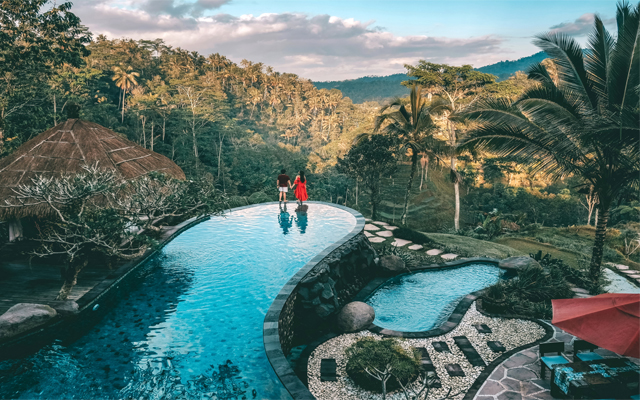
Holiday Weekend relaxing in luxury with tropical Jungle villa resort luxurious swimming pool Bali , Indonesia

The global luxury travel market is expected to rebound within a year, with most wealthy travellers planning their next vacation in 2020, according to a survey by the International Luxury Travel Market (ILTM).

The survey, which polled over 1,000 personal travel advisors worldwide, aimed to understand the key drivers and early travel trends of wealthy consumers, as countries around the world start to ease lockdowns.

Pandemic isn’t stopping luxury travellers from satisfying their wanderlust in 2020; couple enjoying a luxurious holiday in a villa resort in Bali, Indonesia pictured

Two-thirds (64 per cent) of those surveyed said they had taken travel bookings from their clients amid Covid-19, with more than 50 per cent of those bookings due to take place before December 2020.

Some 72 per cent of concierge companies received substantial bookings. Of the air travel already booked, 39 per cent is domestic and 27 per cent is longhaul trips.

More than 50 per cent of all the planners and agents surveyed said they were confident the industry will rebound within a year. Of those yet to take a booking, 72 per cent anticipate a climb in bookings within three months.

The way luxury consumers travel are also set to change, with 59 per cent respondents saying that luxury automobile travel have emerged as their clients’ preferred choice for their first holidays.

Brittney Magner of Royal Travel & Tours in the US commented: “My clients are in contact constantly to ask what is open and what is safe – they are keen to go where and when they can as soon as possible. As the luxury travel market rebuilds outside the US, many of my clients are flying domestically, but also driving to explore their own country in the most affluent way.

“These first trips will be closer to home as families start to come together again, and the research also showed a preference for private villas too. Shorter trips were also preferred, meaning there could be more of them as the opportunity to ‘catch up’ occurs. The use of private jets is also high up on preferences so that their trips can be taken at short notice and allows for group travel to be within their own family and friends.”

The survey also found that of those considering other kinds of travel, 25 per cent are looking at river, sea and international cruises.

High-end travellers are also opting to spend their first leisure trips with family – more than half having already booked family travels, with almost 73 per cent planning to stick closer to home.

Greece, Italy, the Maldives and the Caribbean have emerged as hot options among the affluent.

Top choices for respondents’ next leisure trips are beach escapes, family travel, private villas, natural wonders, road trips, cruises, cultural and unique excursions/experiences.

At the same time, over 20 per cent showed preferences for sustainable and conscious travel, with health and wellness related itineraries coming in as a first choice.

Philippine travel agents plagued by refund demands

0

Travel agents in the Philippines have been left high and dry fielding refund demands from angry customers, after those in general community quarantine areas were allowed by authorities to resume operations.

The approval, which came last week from the Inter-Agency Task Force on Emerging Infectious Diseases (IATF-EID), stipulates that the agencies’ operations are to be limited to a “skeleton workforce and primarily to do administrative works such as processing of refunds and payments to suppliers”. The IATF-EID was acting on the recommendation of the Department of Tourism and the Department of Trade and Industry.

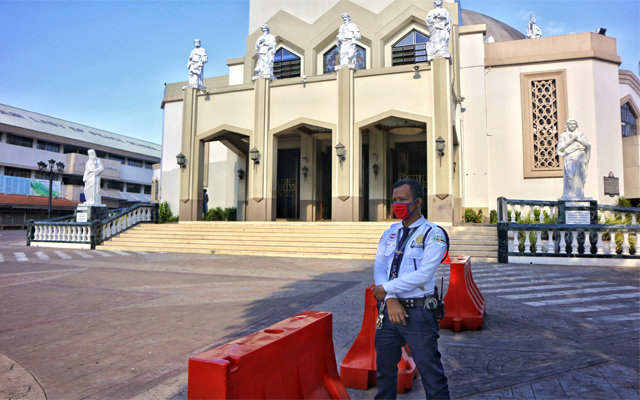
Philippine tour operators left helpless by customers demanding refunds amid travel slump; security guard in front of the closed Antipolo Cathedral during the pandemic-induced lockdown pictured

However, in an open letter to the public, the Philippine Travel Agencies Association (PTAA) highlighted that travel agents “still cannot generate income to sustain even minimal skeletal operations without travel demand and with zero revenues”, and are unable to refund customers as they have yet to receive refunds from similarly situated partners.

As such, PTAA wrote that “a lot of our member travel agents have been insulted, harassed, cursed and threatened by clients (demanding refunds) following the announcement (of the IATF)”.

It continued: “While the government has allowed travel agents to operate, the problem and issue remain the same. Travel agents are still waiting for refunds from suppliers such as the airlines, cruise lines, hotels, tour operators, and travel consolidators.

“The IATF announcement did not change or hasten this refund process in any way. Without receiving the amount from our suppliers, we are hindered from returning these to you as well.”

These customers have been requesting their refunds from as early as March or April, according to the PTAA letter.

It added: “Most of our key people have been working hard from home processing refunds and coordinating with suppliers remotely to make sure you get your refunds back as soon as possible.”

M’sian trade laments high airfares posing barrier to travel

0
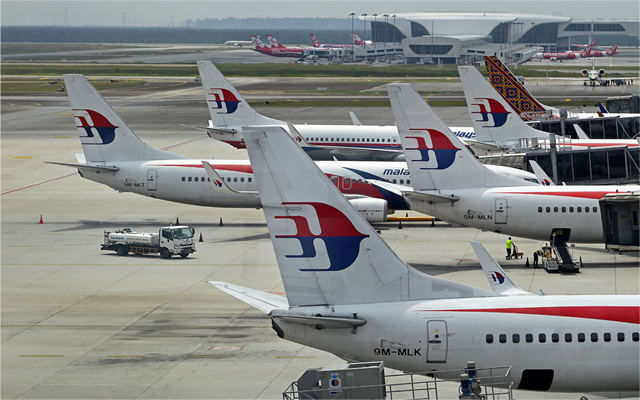
Malaysia Airlines aircraft tail logo at KLIA, Sepang, Malaysia.

Tourism players in Malaysia warn that expensive domestic flights could deter holidaymakers, even as the government urges airlines to reduce their fares, following a public outcry over sky-high ticket prices.

Senior minister (security cluster), Ismail Sabri Yaakob, was quoted by The Star as saying on Friday that airlines should lower their airfares to levels before the movement control order (MCO), as they are now allowed to operate at full capacity.

Malaysia’s government urges carriers, including Malaysia Airlines, to lower fares amid public uproar over sky-high ticket prices

He said: “In the beginning, we understood ticket prices were high because the airlines could not accept full seating capacity due to social distancing measures. The maximum capacity they could accept was just 66 per cent. But now, we have allowed airlines to operate at full capacity without social distancing measures.”

Last month, during a meeting held by the Ministry of Transport with the country’s three biggest airlines – Malaysia Airlines, AirAsia and Malindo Air – the airlines had explained the need to ensure bookings were stable and consistent before prices could be normalised to pre-Covid-19 levels.

The government has allowed airlines to operate at full capacity since June 10, when the recovery movement control order was enforced.

Adam Kamal, general manager at Suka Travel and Tours, said high airfares and limited number of flights have made it difficult to promote Sabah, Sarawak and Langkawi to people from the Klang Valley.

“Due to the high airfares, we are currently giving priority to destinations which is accessible by road from Kuala Lumpur.”

Raaj Navaratnaa, general manager, New Asia Holidays Tours & Travel, shared that flight bookings made one month in advance from Kuala Lumpur to Kota Kinabalu is at least 50 per cent higher than the period before the MCO was enforced.

“This is not helping domestic tourism. If prices are not lowered to pre-pandemic levels, people will restraint from travelling locally,” he added.

On the other hand, Frangipani Langkawi Resort & Spa managing director, Anthony Wong, said that the high flight prices are understandable. He explained: “(The airlines) have to survive also, and demand for air travel is poor. It may not be so economical to lower airfares (now). The market is such that only those who can afford it are travelling for the time being.”

Hotel staycations set to resume in Singapore

0
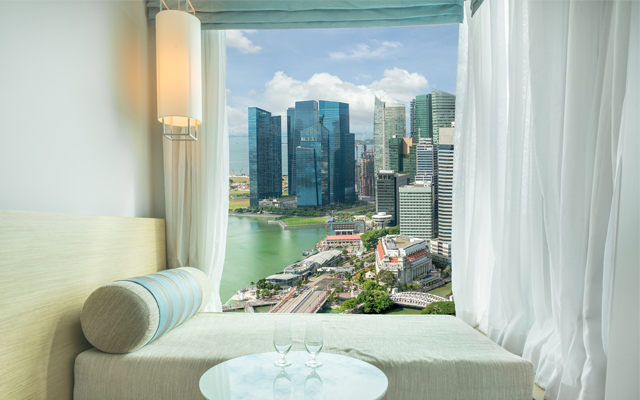
Beautiful Singapore city view at window in Hotel, Marina bay,Singapore

Singapore’s hotels can now catch a breath of relief as the government has allowed applications for the reopening of accommodations for leisure stays, as well as of recreation areas for children within the hotel premises.

The Singapore Tourism Board (STB) announced on July 3 that hotels wishing to resume these activities must comply with the latest requirements for Safe Management Measures found in the country’s Covid-19 (Temporary Measures) (Control Order) Regulations 2020.

Hotels in Singapore can now apply to the government to resume staycations; view of Singapore’s cityscape from window of a hotel in Marina Bay, Singapore pictured

These measures have been enforced as part of the country’s second phase of reopening, and STB, Ministry of Trade and Industry, Enterprise Singapore, and Ministry of Health have updated them specifically for hotels. They include allowing natural ventilation during working hours, establishing assessment of every visitor for symptoms of Covid-19 before entry, as well as adapting procedures to facilitate contact tracing.

According to the advisory, these plans must now be “tailored to the specific nature of operations in each hotel, and potential risk factors arising from localised factors such as the hotel’s physical premises and layout, environment, scale of hotel and typical guest behaviour”.

On top of these measures, hotels must also adhere to a separate suite of tailored guidelines in order to be assessed by STB. Each application must indicate how the property will achieve a series of set outcomes, such as the ability to limit occupancy to no more than one person per 10m2 of public space; to stagger timings for guests to occupy the lobby and guest facilities, as well as employees in the back-of-house; and to implement rigorous cleaning and disinfecting regimes.

Tan Yen Nee, director, hotel and sector manpower, STB, said: “Our key priority now is to support our hotel industry in resuming more activities, while ensuring the safety and well-being of all guests and staff. We hope that guests will enjoy the various hotel offerings, and adhere to the safe management measures when visiting hotels.”

The reintroduction of staycations is a long-awaited lifeline for the hospitality players in Singapore, who have only been able to welcome locals back into their dining establishments.

Kwee Wei-Lin, president, Singapore Hotel Association, said: “With global travel restrictions still in force, domestic tourism will give a much-needed financial boost to hotels in Singapore. As we gradually prepare for the return of international travellers, staycations will pave the way to better the financial health of our industry.”

The Safe Management Measures under the Covid-19 (Temporary Measures) (Control Order) Regulations 2020 can be found on agc.gov.sg, while the application procedure for hotels can be found on stb.gov.sg.

Save 50% at IHG’s hotels in Thailand

0
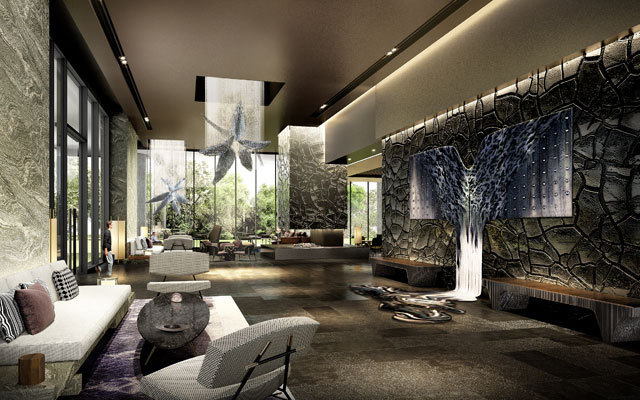
Kimpton Maa Lai Bangkok, Lobby

InterContinental Hotels Group is offering half-priced stays at its properties across Thailand for reservations made for stays through March 31, 2021.

The Perfect Thailand Getaway package, which is available for bookings made before July 31, 2020, includes 50 per cent off room rates and complimentary breakfast. Guests also enjoy the flexibility of having full cancellations up to one day before their stay, with no deposit required.

As the price war heats up in Thailand, IHG halves room rates at its properties across the country, including Kimpton Maa Lai Bangkok (above) 

Participating properties include Staybridge Suites Bangkok Thonglor; Holiday Inn Vana Nava Hua Hin Resort; InterContinental Hua Hin Resort; InterContinental Pattaya Resort; Holiday Inn & Suites Rayong City; and Kimpton Maa-Lai Bangkok, which is slated to open on October 1, 2020.

S’pore sees pent-up demand for travel

0
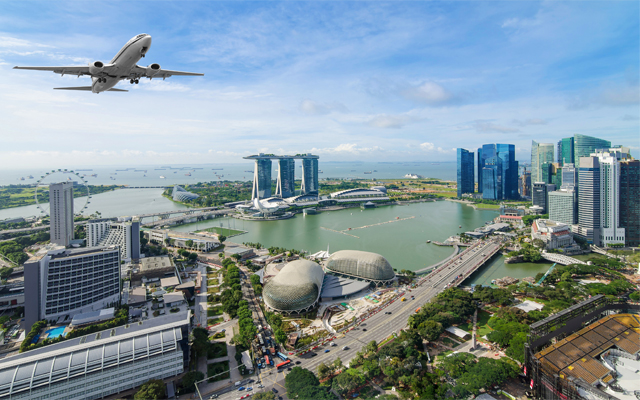
Travel, Transportation concept - Airplane flying over Singapore city in morning time

The wanderlust spirit is well and alive among Singaporeans, with majority having plans to travel this year once travel restrictions lift, according to a survey by Singapore’s mobile wallet operator YouTrip.

The Travel Intent Survey, which polled 6,000 Singaporeans, found that slightly more than half of the respondents (54 per cent) have plans to travel in 2020 as soon as travel restrictions lift. Of that number, millennial travellers aged 25 to 34 are the most adventurous (35 per cent). Comparatively, only 22 per cent of travellers aged 35 to 44, and 11 per cent of those aged 55 to 64 expect to travel within the year.

Demand for travel remains resilient in face of pandemic, with 7 in 10 Singaporeans desiring to travel in 2020, once border regulations eases: YouTrip survey

Caecilia Chu, co-founder and CEO of YouTrip said: “It’s encouraging to see signs of travel recovering after months of pent-up demand. Within our community of users, many of them are avid travellers who I believe will be amongst the first movers for the initial travel recovery.”

Popular countries like Japan (23 per cent), Thailand (12 per cent), and Malaysia (11 per cent) remain top choices for Singaporeans, followed by Australia (eight per cent), South Korea (seven per cent), Taiwan (six per cent), mainland China (five per cent), New Zealand (four per cent), Indonesia (four per cent), and Vietnam (two per cent).

As for Covid-19 hotspot countries, 25 per cent more Singaporeans are willing to travel there in 1H2021 (40 per cent) as compared to 2020 (15 per cent), signalling a gradual recovery of tourism in the most affected countries.

As an indicator of the pent-up demand for travel, 85 per cent of Singaporeans are prepared to spend more on their next holiday. Four in 10 Singaporeans are willing to budget 30 per cent or more for their upcoming travel plans to make up for cancelled trips.

IATA’s chief economist, Brian Pearce, estimated that flight tickets will cost 43 per cent to 54 per cent higher than previous prices due to in-flight social distancing policies. Even though Singaporeans have expressed their enthusiasm for their next holiday, most of them are value-driven when it comes to transport expenses. Some 72 per cent of respondents said they will be deterred by higher flight ticket prices and would wait for promotional prices before making their travel plans.

This is echoed in 58 per cent of respondents stating that promotional prices will entice them to resume travelling in 2020, further suggesting that Singaporeans are value-driven. “Pay Now, Travel Later” promotions seem to be a viable option for Singaporeans, with more than 70 per cent indicating that they will be keen to purchase if the discounts are at least half-priced or more. Other factors that could influence their purchase include the flexibility of stay and eligibility for full refunds.

In view of cancelled travel plans in 2020, 28 per cent of respondents stated that they’ll be saving the money instead. Local staycations (15 per cent), shopping (14 per cent), and visiting local tourist attractions (five per cent) are among alternative options for Singaporeans.

Airports to lead the future of frictionless travel in APAC

0
Sarah Samuel, Head of Airport IT, Amadeus Asia Pacific

How the global travel industry will recover from the current situation is unclear. However, we are witnessing some early signs of recovery in China. Slowly and cautiously, bookings are seeing a small increase, with the recent five-day holiday bringing a jump in travel and hotel bookings.

We are seeing industry players rethink how they should be managing unforeseeable risks. For airports in the region specifically, during this period, we saw operators increasingly look to technology to ensure a hygienic and frictionless passenger experience.

For example, Hong Kong International Airport deployed several self-driving robots to clean public areas as part of its measures to protect against the spread of Covid-19. In the long term, the utilisation of technology is crucial for airports with regards to meeting the needs of passengers and driving non-aeronautical revenues.

Automation to streamline the passenger journey

To adapt to changing passenger flows, airports are implementing automation across all touchpoints in and around the terminal. Automated bag drop units are one way airports can streamline the process of check-in, allowing a fast and efficient way for travellers to check in luggage, independently. For example, Tokyo’s Narita International Airport is installing 72 Auto Bag Drop units to create a more seamless experience for passengers.

In the long term, by automating the airport experience, travellers can have more time to relax and unwind before a flight. With the time they save, travellers can further explore the airport and its retail and food and beverage outlets, making airports more experiential, rather than purely functional.

Biometrics will be more prominent

To further manage passenger flows across the terminal, airports can invest in biometric technology to adjust throughput while streamlining the passenger journey.

Biometrics are being widely implemented in airports across the Asia-Pacific region. Australia’s Qantas Airways is an example where an airline tested the technology for all touchpoints across the terminal at Sydney Airport, including check-in, bag drop, lounge access, and boarding processes.

Ultimately, biometrics are a key component in enabling frictionless travel, allowing passengers to enter a lounge, check-in, and board their aircraft all via facial recognition. The technology can also be helpful in the current environment.

Wuhan Airport, which has recently reopened to the public after the city lockdown, is piloting the AI-powered biometrics scanner that does temperature checks on passengers. It can measure up to one hundred people in just two minutes.

As passengers become more conscious of touchpoints at the airport and feel confident their privacy and security are not compromised, biometrics can also facilitate contactless travel. Imagine replacing traditional touch checks such as passport and boarding pass scans, with a touchless scan of a passenger’s face.

Off-site passenger handling will become the norm

Airports can also explore off-site passenger handling to offer a seamless airport experience; this can be done through pop-up check-in and baggage drop services. Off-site processing can be deployed in more convenient locations away from the airport, such as railway stations, cruise terminals, conference venues, sporting events, and hotels.

Not only does off-site processing reduce the number of passengers at the terminal, it also works to personalise the journey for the traveller as it offers more choice in how, when and where they check-in and drop off their bags. It can also assist airports in meeting new passenger expectations surrounding social distancing by dispersing traditionally crowded terminals and checking in passengers at strategically placed off-site locations.

Mega airports will become destinations in themselves

Competition for passengers, airline routes, and non-aeronautical revenues are already driving innovative players to rethink what the airport of the future could look like. Looking ahead, we’re going to see the expansion of airports in China to be more competitive against airports elsewhere in Asia, as well as to meet new customer demands.

As travellers are offered more choice, airports will have to become more experiential, and ultimately, a destination themselves in the upcoming future. As airports look to utilise their existing infrastructure, terminals will begin to see automation, biometrics and off-airport check-in as viable solutions to address evolving passenger expectations.

The good news is that airports are seeing the benefits of these new efficient technologies, and the technology itself will only get better to continue to improve the traveller’s journey – ultimately, allowing airports to lead in providing a frictionless travel experience.

Hope on horizon for Thai hotels

0
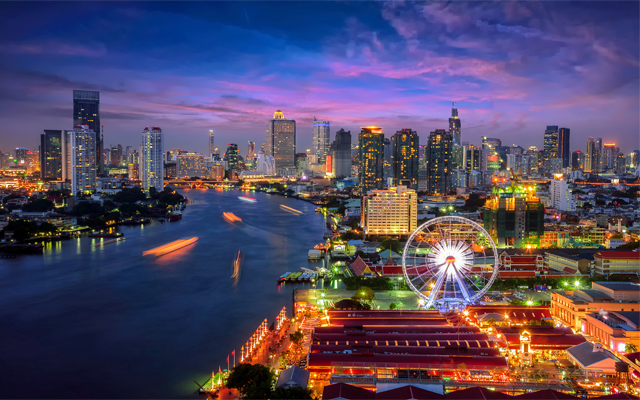
Bangkok cityscape. Bangkok night view in the business district. at twilight

Optimism is building for a revival of Thailand’s hotel industry, as the sector enters a recovery phase with the country’s easing of domestic tourism restrictions, allowing for inter-provincial travel.

Occupancy in Bangkok and Phuket will likely bottom out this month, on the back of an expected surge in domestic tourism and the restarting of domestic flights, predicted JLL’s Hotels Recovery Guide. The anticipated reopening of international borders in the coming months is also set to influence the pace of recovery.

Recovery of Thailand’s tourism market seen as benchmark for the wider Asia-Pacific hotel industry: JLL; Bangkok cityscape pictured 

Chakkrit Chakrabandhu Na Ayudhya, executive vice president, investment sales, Asia Pacific, JLL Hotels & Hospitality Group, said: “Thailand’s hotel industry is a bellwether market in global and regional hospitality circles, and its Covid-19 recovery will be closely observed by operators and investors.

“With both government and bank support, we’re optimistic a market like Bangkok, with its well-balanced offering to business and leisure demand, will be amongst the first hotel sectors regionally to display meaningful recovery, whilst Phuket will take relatively longer as it relies more on international and leisure demand.”

The maturity of Thailand’s hotel space, as well as bank and government support so far, have helped the industry alleviate the full impact of Covid-19, despite widespread issues with cash flows and fixed operational overheads.

JLL expects fewer distressed asset sales in Bangkok, compared to other markets in Thailand, due to robust balance sheets held by many owners. Investors have been looking for opportunities in Thailand, with greater interest expected initially from developers and private equity firms who tend to be less risk-averse, as the recovery gains momentum.

According to JLL’s Hotels & Hospitality, operators and investors in Thailand’s hotel industry should also consider several factors to optimise their recovery strategies:

• Critically evaluate hotel positioning and segmentation mix in light of extensive current supply and future pipeline
• Calculate breakeven occupancy and factor in gradual demand ramp up, taking into consideration potential travel bubbles being considered by the Thai government
• Focus on brand, operating and distribution partners when setting out a differentiating strategy to the local market, while following the opening of borders carefully
• Take advantage of the government’s domestic tourism promotion to help restart operations and build local customer loyalty; launch staycation packages to take advantage of pent-up domestic demand
• Look for every opportunity to get guests ready for post-Covid-19 travel, embrace the restrictions and set up health and safety protocols for the reopening

New DOSM for The Anam Cam Ranh

0

Mandy Tran Thi My Dung has joined The Anam Cam Ranh as director of sales and marketing.

She makes the move from Hyatt Regency Nha Trang, where she was the property’s director of sales and marketing for a year.

Prior to that, the Vietnamese was with Sheraton Nha Trang Hotel and Spa for eight years, where she served as the hotel’s director of sales and marketing for almost seven years.

With nearly two decades of experience, the seasoned hospitality professional has served as director of sales at the Dalat Palace and Dalat Du Parc Hotel (formerly Sofitel Dalat and Novotel Dalat, respectively), as well as a wholesale sales manager for the Park Hyatt Saigon and Hotel Equatorial Ho Chi Minh City.