

Wyndham to make Grand debut in Australia come 2024
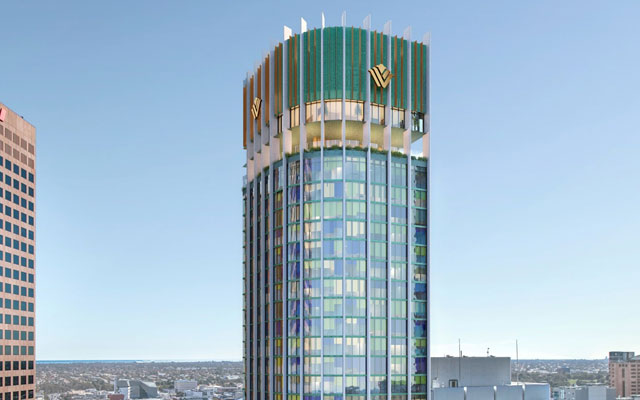
Wyndham Hotels & Resorts is ramping up its plans for expansion in Australia with the announcement of Wyndham Grand Adelaide, set to become one of the tallest hotels in South Australia and the first Wyndham Grand hotel for the country when it opens in 2024.
Poised to rise 120m from King William Street in Adelaide’s CBD, the estimated A$150 million (US$110.5m), 34-story skyscraper is being developed by Equinox Property and designed by Loucas Zahos Architects.
Wyndham Grand Adelaide will comprise some 347 rooms and suites and an array of facilities, including an infinity pool with a sun deck and a bar offering panoramic city views, a day spa with sauna and treatment rooms, and a fitness centre. The five-star property will also offer a range of dining experiences with an upscale restaurant, a wine bar, a hills-facing sky bar with alfresco seating, as well as a rooftop restaurant.
Wyndham Grand Adelaide will be managed by Resort Management by Wyndham, a subsidiary of Wyndham Destinations, which manages a portfolio of 54 properties across Asia-Pacific.
ASEAN Tourism Forum pushed to 2022

The ASEAN Tourism Forum (ATF) 2021, originally scheduled to take place in Cambodia from January 17-23, has been postponed until January 2022.
In a statement announcing the shift of the event, Cambodia’s Ministry of Tourism said: “While some countries have successfully contained the virus, resurgent cases have also been observed in other countries. With the evolving situation of the Covid-19 pandemic, Cambodia and countries worldwide are still imposing restrictions on large-scale events and travel.
“Proceeding with ATF 2021 in this climate will be challenging as foreign delegations, media, sellers, buyers and trade visitors have expressed concerns about travelling.”
Highlighting that its top priority is the health and safety of all the participants of ATF 2021, the ministry called the postponement “a difficulty but necessary decision”. Revised dates will be announced as soon as possible, it added.
The annual travel trade show rotates annually between the 10 ASEAN member states – Brunei, Cambodia, Indonesia, Laos, Myanmar, Malaysia, the Philippines, Singapore, Thailand and Vietnam.
ATF 2021 was expected to attract more than 2,000 participants from across 25 countries, including government ministers and officials, sellers, buyers, media as well as trade visitors in the tourism industry.
A&K selects Martin Froggatt for group leadership position
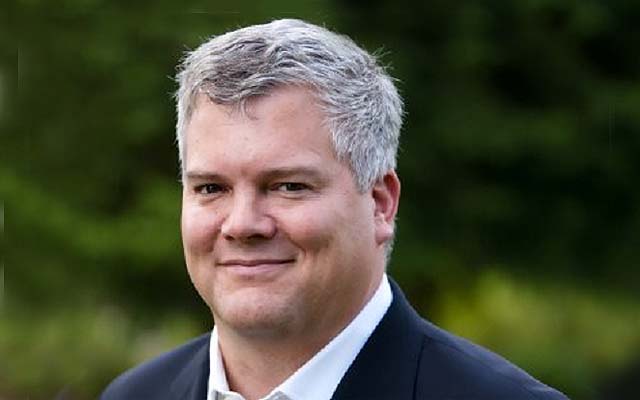
Abercrombie & Kent has appointed Martin Froggatt as executive vice president, destination management and member of the Global Management Board.
This new role encompasses global leadership across A&K’s DMCs; of over 55 offices in more than 30 countries, and its luxury riverboat and lodges brand, Sanctuary Retreats.
Froggatt joins the business with over 25 years experience in the travel industry with brands such as Walt Disney Attractions, TUI and Travelopia in both the UK and the US.
Mixed trade reactions to Hong Kong govt’s fresh stimulus
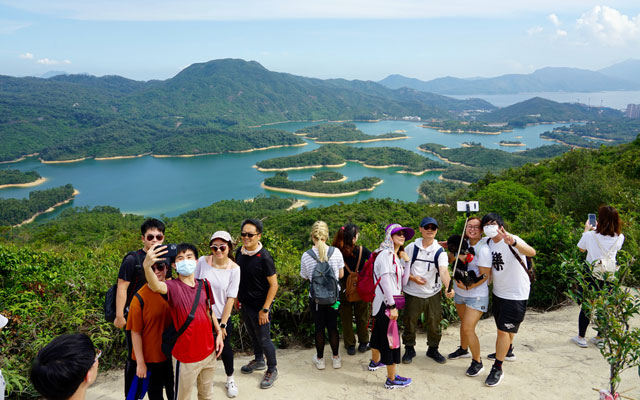
The Hong Kong government’s recent announcement of a further HK$600 million (US$77.4 million) in additional relief to tide the tourism industry through the protracted Covid-19 crisis have drawn mixed feedback from industry players.
The announcement, which was made by the city leader Carrie Lam during The Chief Executive’s 2020 Policy Address last week, came as a surprise to the trade, given that government officials have made it clear that there would be no further provision of subsidies as the last three rounds of anti-pandemic funds had already depleted the city’s fiscal reserves.
Under the latest scheme, each licensed agent will receive a cash subsidy. The subsidy level for agents with 10 or less staff members will be at a flat rate of HK$100,000 each; while those with 11 staff members or more will receive a subsidy rate that is directly proportional to their number of staff, using a subsidy level of HK$10,000 per staff member as the basis of calculation. This plan is expected to benefit some 1,700 travel agents.
A one-off subsidy of HK$15,000 will also be given to each agent’s staff and freelance accredited tourist guide and tour escort, with about 19,000 persons expected to benefit from this initiative. In addition, for the first time, a one-off HK$6,700 subsidy will be given to each driver of a tour service coach mainly serving tourists, with about 3,400 drivers set to benefit.
The reversal of fortune hinges upon not sheer luck, but the trade’s persistence and collaboration over the last few months in petitioning for government economic assistance to the industry, sparked off by insufficient coverage in the latest and third round of Anti-epidemic Fund announced in September.
The HK$397 million support funding was a marked decrease from the HK$761 million stimulus in the second round, drawing various agent associations and stakeholders to voice their concerns.
For instance, the Travel Industry Council (TIC) hosted a joint press conference with 13 travel trade associations to highlight that less than one per cent of the total funding was channelled to tourism. This was followed by numerous trade actions urging for more government support publicly, including a coach bus demonstration, an unprecedented full-page advertisement in the form of an open letter to Lam in local newspapers, and meetings with government officials by respective associations.
TIC chairman Jason Wong expressed gratitude for the government’s additional support this time, calling it a “timely move” to reinforce stakeholders’ confidence to continue forging on.
Hong Kong Travel Agent Owners Association president, Freddy Yip, who took the lead in striving to obtain more subsidies for the industry by organising face-to-face meetings with legislative councillors and top officials, said he is “thrilled” at the outcome, attributing it to “various joint actions and lobbying that exerted pressure on the government”.
“Frankly, the industry involves the livelihoods of 1,700 agents, and about 17,000 full-time and part-time staff. I found this modified subsidy a better coverage for both big and small agents as well as coach drivers serving tourists,” he added.
However, not all trade players are in favour of government handouts. Suggesting that the move is but a stop-gap measure, Destination China general manager and owner, Gunther Homerlein, said that with most sector players facing mounting losses and exhausted funds, “the government cannot do much more then put a band aid on an open wound”.
He elaborated: “There simply isn’t enough money. The fact that they specify that the money will be to support staff, guides, etc. is a good thing. Many, many people have already lost their jobs, so that may prevent more losses.
“What may be better though, to build revenue and domestic demand, is a proactive scheme like that offered by Singapore, where each citizen is given S$100 (US$74) to spend on local tours, hotel stays (and attractions). That actually is better than another handout. It requires creativity and it spreads the funds among a wide variety of recipients. Just giving money out won’t work. There really needs to be better ideas and options.”
To date, the government has rolled out three rounds of Anti-epidemic Fund totalling around around HK$1.76 billion to mitigate the Covid-19 fallout on the tourism industry. Coupled with other measures including the Travel Agents Incentive Scheme and the Green Lifestyle Local Tour Incentive Scheme, alongside this latest round of measures, the government has provided a total of about HK$2.6 billion to support the tourism industry.
Dorchester makes its way to Dubai
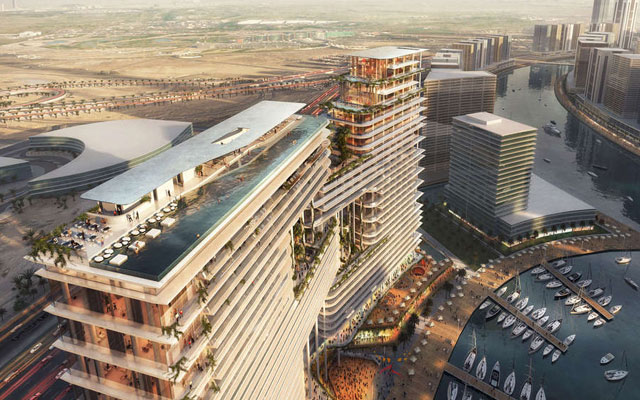
Dubai-based property developer Omniyat will be bringing a “landmark of opulence” to the banks of the Dubai Canal in the form of The Residences, Dorchester Collection, Dubai.
Slated to open in late 2022, the property has been over 60 per cent completed, with a total value standing at more than 2.5 billion dirhams (US$680.6 million), including retail areas as well as F&B outlets.
Managed by hospitality brand, Dorchester Collection, and designed by architects Foster and Partners, the development will boast two interconnected towers, one housing the Dorchester Collection hotel and the other a residential tower.
The 32-storey residential tower will include 39 fully furnished residences, ranging from362m² to a 938m², with two-, three- and four-bedroom apartments. Additionally, situated on the 30th to 32nd floor, The Residences, Dorchester Collection, Dubai, will offer six four- and five-bedroom penthouses, each covering 1644m² with its own swimming pool overlooking Dubai Canal and the Dubai cityscape.
With fully equipped kitchens, as well as cooking and cleaning appliances, each residence will also be fitted with instant filtered, sparkling and boiling water and modern tapware. Each apartment will also feature wide-screen televisions, audio systems, home automation system and dressing rooms.
Amenities will include a private gym and yoga studio, an outdoor pool with a view of Dubai and a 200m wide untouched water frontage on the Dubai Water Canal. There will also be a residents lounge and private dining space on the 24th floor spilling out onto the Sky Garden with outdoor seating, tranquil water features, luscious greenery and views of the capital.
Residents will also be able to enjoy full bespoke lifestyle services provided by Dorchester Collection. For example, homeowners will enjoy access to the One at Palm Jumeirah Beach Club managed by Dorchester Collection and their facilities.
The Residences, Dorchester Collection, Dubai, will also be home to a curated mix of boutique retail, fine-dining restaurants, beauty and luxury lifestyle shops, speciality cafes and gourmet providers.
Trafalgar’s new tour spotlights Singapore’s arts and culture
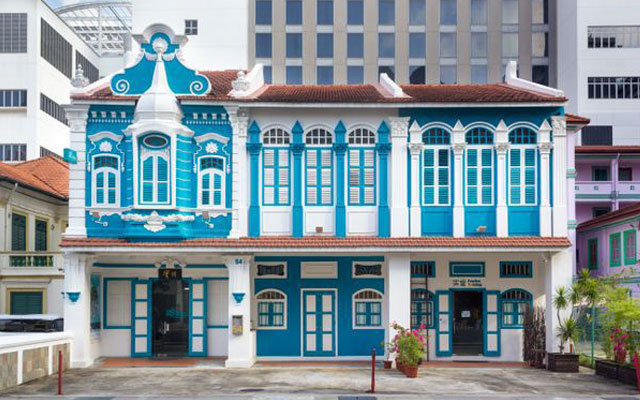
Singapore’s arts and cultural heritage are the focus of Tralfalgar’s new series of placemaking tours to explore the “heartware” of the city-state.
The tour operator has launched the Singapore Arts and Cultural Gems, a six-hour discovery tour around the Bras Basah, Bugis and Tiong Bahru precincts, including Waterloo Street, one of Singapore’s oldest streets.
Presented as a day tour, guests will explore the stories of two vibrant cultural enclaves tying Singapore’s past with its present. With insights by local insiders, the tour explores Singapore’s sociocultural history and delves into what has formed the “heartware” of its communities.
Two different themes are available for its guided walking tour of the Bras Basah and Bugis precinct.
Crossroads Alive! is a one-of-a-kind tour organised in partnership with local bilingual theatre institution The Theatre Practice. With historical anecdotes compiled during the creation process of Practice’s Four Horse Road 2020 production, guests will learn about the diverse communities that once populated Waterloo Street and its neighbouring streets.
The tour includes lunch at Practice Tuckshop, and a tasting of the Practice 54 tea, created specially for the arts group by Pek Sin Choon Tea Merchants.
Organised in partnership with Singapore Council of Women’s Organisation and Singapore Women’s Hall of Fame (SWHF), the Tapestries of the Heart tour presents the stories of Singapore’s pioneer women who have played an instrumental role in shaping Singapore’s history. Guests will discover how the various landmarks around the neighbourhood are linked to the changemakers featured in SWHF.
The tour includes lunch at Awafi Restaurant, and a Be My Guest experience with Chef Asai at Bincho @ Hua Bee, Tiong Bahru’s dual-concept restaurant with over 70 years of history. Trafalgar’s Be My Guest experience allows passionate hosts to open up their homes and businesses to share stories with travellers.
Prices for Singapore Arts and Cultural Gems tour are from S$228 (US$170) per person, and SingapoRediscovers Vouchers can be used to offset tour prices from December 1, 2020 to June 30, 2021.
Thailand taps Agoda to sell hotel quarantine packages online
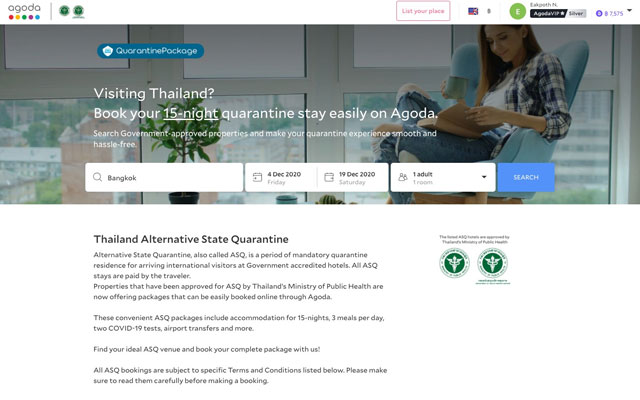
Thailand’s Ministry of Public Health (MOPH) and Department of Health Service Support (HSS) have teamed up with Agoda to ease the process of booking Alternative State Quarantine (ASQ) packages for Thai repatriates and inbound travellers amid Covid-19.
This collaboration makes Thailand one of the first countries in the world to digitalise the booking process.
Returning Thais and inbound travellers can now search for and book MOPH-approved ASQ properties via a dedicated booking platform (www.agoda.com/quarantineTH) that allows the user to search availability, room type, and pricing in real-time. Initially, the listed ASQ properties on the platform include those in Bangkok, Chonburi, and Phuket, with more partners expected to join the programme in the coming months.
Quarantine hotel package bookings are required as part of the process to obtain approval from the local Thai embassies to enter Thailand.
Tares Krassanairawiwong, director-general of the HSS, said the ASQ programme is an important mechanism that aims to benefit Thailand in two ways: first, in curbing the spread of Covid-19, and second, as a stimulus to help drive the economy by generating income for entrepreneurs.
“ASQ helps to promote the country’s economy with the 113 hotels participating as ASQ properties generating 1.2 billion baht (US$39.6 million) revenue for Thailand to date. ASQ facilities, which allow (travellers the) flexibility to choose where to stay for quarantine, can be one way to attract foreign tourists again from all over the world and generate income for the country,” he said.
To qualify to be part of the ASQ programme, hotels must pass strict standard checks in six categories from the Ministry of Public Health and the Ministry of Defense.
Mandarin Oriental set to debut in Saudi Arabia
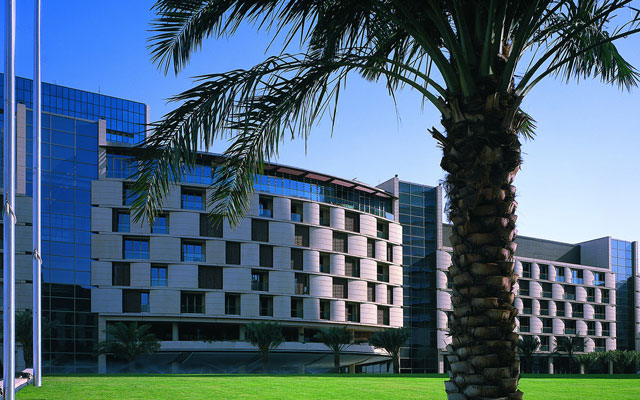
Mandarin Oriental Hotel Group has signed an agreement with the Al Khozama Company to manage and rebrand the Al Faisaliah Hotel, Riyadh, marking the group’s entry into Saudi Arabia.
Come 1Q2021, the group will take over the management of the 20-year-old property, which will be rebranded as Mandarin Oriental Al Faisaliah, Riyadh at the end of 2021, upon the completion of an extensive renovation.
Situated in the heart of Riyadh’s CBD, the Al Faisaliah Hotel forms part of the mixed-use Al Faisaliah Centre, and comprises 321 guestrooms and suites, with new interiors designed by New York’s Adam Tihany Design.
Following the refurbishment, the hotel will feature a variety of refreshed restaurants, lounges and bars. Revitalised function spaces will cater to social events and business meetings, while an indoor swimming pool, male and female spa areas and a fitness centre complete the leisure facilities.
Christian Baudat takes on new role with Oakwood

Oakwood has appointed Christian R. Baudat to the dual role of general manager of Oakwood Suites Yokohama, and director of operations for Japan and South Korea.
In his new capacity, he is responsible for directing corporate initiatives, driving operational excellence and achieving financial performance for 14 properties across Japan and South Korea. He will lead Oakwood’s growth strategy by building a robust development pipeline, while strengthening the brand presence in these two key markets.

Prior to his Japan move, Baudat served as Rotana Hotels’ area vice-president in-charge of 16 properties in Abu Dhabi, Ai Ain, Oman and Morocco.
The Swiss national has acquired over three decades of hospitality experience during his professional journey across the Middle East, Singapore, Europe and Japan.
His hospitality career began as an F&B management trainee with Hilton Tokyo in 1985, eventually working his way up to general manager of Hilton Fukuoka Sea Hawk.







Radisson Hotel Group has plans to more than double its serviced apartments portfolio across the EMEA (Europe, Middle East, and Africa) region by 2025.
Planned openings are underway for Paris, Amsterdam, Dubai, Istanbul, Larnaca, Cortina, Cairo and Riyadh, with further openings lined up in Germany.
The group will develop its serviced apartments either as a standalone project or a mixed-use development in combination with a traditional hotel operation, designed to cater to different segments ranging from midscale to luxury.
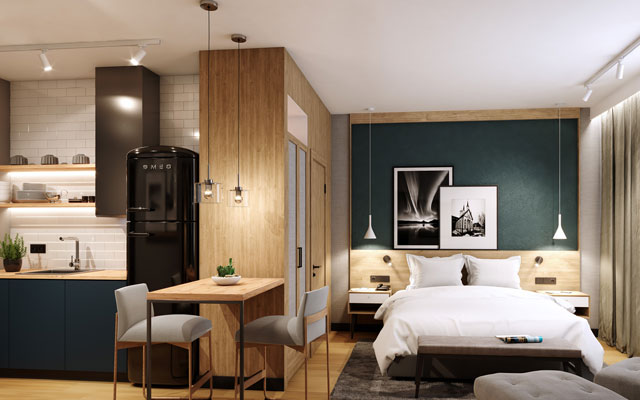
It will offer studios as well as one- and two-bedroom apartments with fully equipped kitchen, en-suite bathroom, 24-hour reception, housekeeping services, social and communal spaces, F&B options, and a range of leisure facilities tailored to its location.
Elie Younes, executive vice president and chief development officer, Radisson Hotel Group, said: “For many years, we have explored the strong demand for serviced apartments and extended stay products by recognising it as an attractive risk-adjusted investment proposition that has considerable growth potential.
“Given its relevance to the current economic climate, this value proposition has recently been further defined in our portfolio, offering a holistic concept with more opportunities for our investors and more possibilities for our guests.”
Currently, serviced apartments represent around 10 per cent of the group’s EMEA portfolio, with 45 properties and more than 5,400 units in operation and under development.