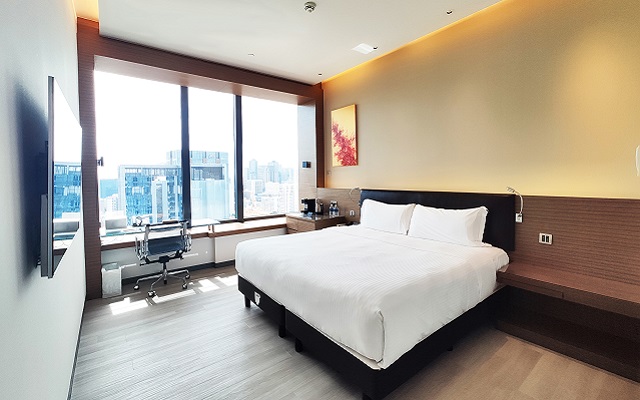
The Mint Hotel is a room category that features cutting-edge materials and intelligent design principles. Under the advice of medical professionals from Farrer Park Hospital, all 176 rooms in the Mint Hotel come with anti-viral wallcoverings, moveable furniture and the use of anti-microbial blind fabrics to allow the guest rooms to be sanitized more thoroughly.
Furthermore, carpets have been removed from guestrooms and common areas and replaced with custom gapless vinyl flooring. This does not trap dirt and can be easily cleaned and disinfected. To evoke an openness to the space, earthen tones now adorn the walls and new mood lighting fixtures have been installed.
Mental health is just as important as physical health and one way to ensure positive vibes is to get good sleep. At the same time, hotel guests spend 6-10 hours per day resting on pillows, making it one of the highest touchpoints for the hotel. In a bid to enhance guests’ quality of sleep, while improving hygiene levels, One Farrer Hotel created the Pillow Lab.
The Pillow Lab, projected to launch in early 2021, uses an industry-leading Ultraviolet-C (UVC) Chamber to remove all pathogens, natural microbiota, moulds, and yeasts. One Farrer Hotel will also be making a range of hypoallergenic pillows available for guests to purchase at the Pillow Lab as well as at the hotel lobby. With the Pillow Lab at One Farrer Hotel, guests can be assured of a restful sleep with peace of mind.
In addition to the Mint Hotel and the Pillow Lab, other health and safety measures in place include contactless entry points and sanitizer stations throughout the premises, sterilization of key cards and in-room amenities with specialized UVC chests, sterilization of guestrooms and bathrooms with UVC lamps, safe distancing demarcations for events and common areas, as well as staggered check-in and check-out times.
In redefining its dining concept for the age of safe distancing, the hotel is also launching the Nest at One Farrer. To meet increasing demand for private dining experiences, the Nest at One Farrer offers discerning diners bespoke menus by the hotel’s award-winning culinary team as well as a retinue of world-renowned guest chefs – all while immersing themselves in lush ambience and panoramic views of the Singapore skyline.
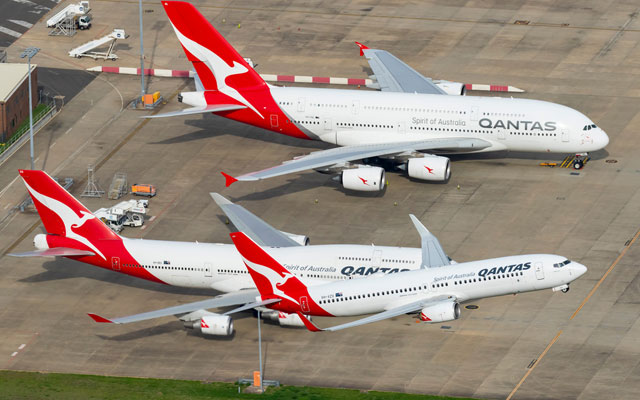
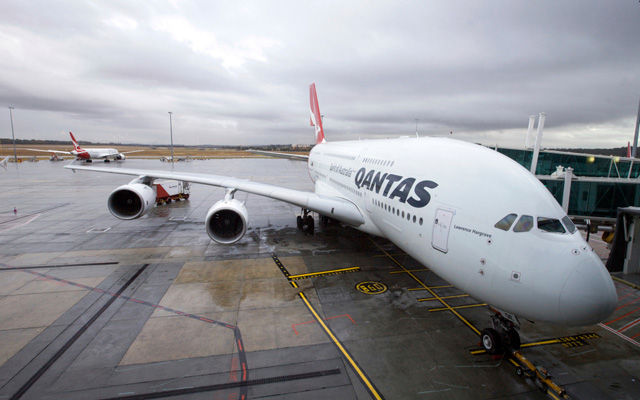
Australia’s national carrier Qantas Airways has resumed bookings for international flights from July 1, 2021, signifying that overseas travel may return earlier than anticipated.
The airline started taking bookings for almost all flights across its international network on Tuesday.
Qantas has this week started selling seats across its international flight network
Ticket sales for Japan, Hong Kong and Singapore, which was planned to start in March, have been pushed back to July, while other destinations like the US and London have been brought forward from October.
Currently, New Zealand is the only overseas destination serviced by Qantas.
“Recently, we have aligned the selling of our international services to reflect our expectation that international travel will begin to restart from July 2021,” Qantas said.
“We continue to review and update our international schedule in response to the developing Covid-19 situation.”
While tickets are on sale, the airline said the resumption of international flights would be subject to vaccine rollouts and border rules.
Qantas’ move has come under fire, with deputy prime minister Michael McCormack saying: “Decisions about when international travel resumes will be made by the Australian Government. International borders will be opened when international arrivals do not pose a risk to Australians.”
He added: “The Australian government is working on travel arrangements with countries, such as New Zealand, that have low community infections.”
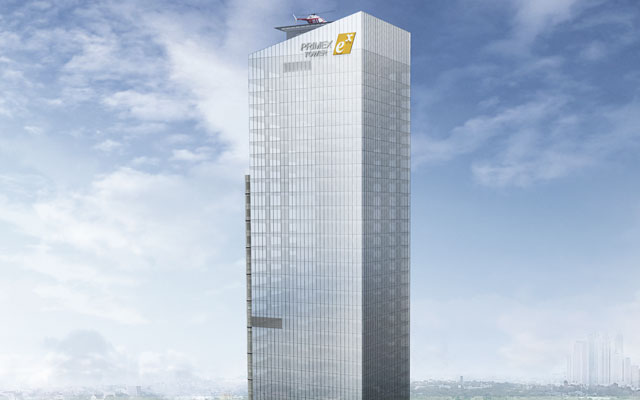
Accor has signed a deal with Primex Realty Corporation to open the Pullman Manila at Primex Tower, a mixed-use development currently under construction in the Greenhills district of San Juan, metro Manila.
Slated for completion in 2023, the 200-key upscale hotel will be situated on the upper floors of the complex, with retail and office spaces occupying the lower floors.
Pullman Manila at Primex Tower joins a pipeline of 16 hotels slated to open across the Philippines by 2025
Pullman Manila at Primex Tower will boast two restaurants, a lobby lounge, rooftop bar, fitness centre and swimming pool. Meeting and events facilities will include a ballroom, meeting rooms and a business centre.
This marks the second Pullman hotel in Manila, with the first set to debut in the Makati CBD come 4Q2022.
Accor plans to boost its presence in the Philippines from seven hotels to 23 hotels within the next five years, according to Garth Simmons, CEO, Accor Southeast Asia, Japan & South Korea.
Princess Cruises is extending its pause of sailings through May 14, 2021, including sailings in the Caribbean and along the California Coast, plus early season Alaska and Europe cruises.
The decision was made in light of the ongoing uncertainty around travel restrictions, said the company. In preparation for its return to service, the cruise line will continue to develop its plans to meet the Framework for Conditional Sailing Order issued by the U.S. Centers for Disease Control and Prevention.
Princess Cruises extends pause in operations as the pandemic continues to impact the cruising industry
Guests currently booked on these cancelled voyages will have the option to receive a refundable Future Cruise Credit (FCC) equivalent to 100 per cent of the cruise fare paid, plus an additional non-refundable bonus FCC equal to 25 per cent of the cruise fare paid.
To receive the above FCCs, no action is required by the guest or their travel advisor. The FCCs can be used on any cruises booked by May 1, 2022 and sailing by December 31, 2022. Alternatively, guests can request a full refund for all monies paid on their booking before February 15, 2021.
Princess said it will protect travel advisor commission on bookings for cancelled cruises that were paid in full, in recognition of the critical role they play in the cruise line’s business and success.
Earlier, Princess had also extended its pause for cruises departing from Australia and New Zealand through May 31, 2021, as well as Japan cruises through June 25, 2021.
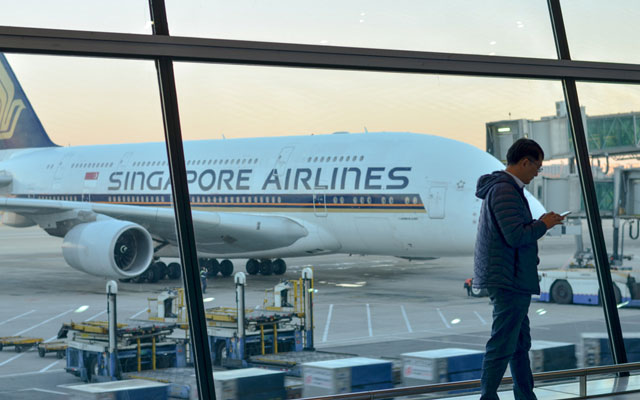
Singapore Airlines (SIA) is providing a one-year extension to all existing PPS Club and KrisFlyer Elite memberships that will expire between March 2021 and February 2022.
For PPS Club members, any Reserve Value that expires between March 2021 and February 2023 will also have its validity extended to between March 2023 and February 2024. This will provide them with more flexibility in utilising their Reserve Value for subsequent membership renewal.
SIA extends PPS Club and KrisFlyer elite membership statuses as the pandemic disrupts global travel
For KrisFlyer Elite members, any Elite miles earned in the 12 months prior to the latest extension will be automatically credited back into their accounts after the membership is extended between March 2021 and February 2022.
Several new features have also been introduced by SIA to enhance the KrisFlyer and PPS Club programmes.
KrisFlyer has launched KrisFlyer Milestone Rewards, a new initiative which rewards members for Elite miles earned on SIA, SilkAir and Scoot flights. KrisFlyer members can claim rewards such as KrisPay miles and cabin-class Advance Upgrades onboard SIA and SilkAir flights at various milestones of their miles accrual journey, starting from just 5,000 Elite miles earned.
With effect from January 1, 2021, KrisFlyer members will also earn Elite miles on Scoot flights. This will count towards KrisFlyer Elite membership status renewal or upgrade, and redemption for KrisFlyer Milestone Rewards.
PPS Club members will also enjoy additional benefits on Scoot flights from February 2021. These include priority check-in and boarding, an additional allowance of 5kg with any baggage purchase, a one-time complimentary booking change, and complimentary standard seat selection.
As we step into 2021, people globally plan to travel more with friends and family this year, and are committed to taking more spontaneous trips and making more eco-friendly travel choices, found a recent Agoda survey.
According to the travel platform’s What Matters 2021 online survey, which polled more than 16,000 adults, one in three people are most looking forward to spending more quality time with loved ones this year. This is followed by being able to travel unhindered (24 per cent) and doing things that matter or make a difference (21 per cent).
Travelling more with loved ones is the top travel commitment in 2021 among global travellers
Interestingly, respondents 55 and above were most looking forward to travelling unhindered, while those between ages 25-54 were keen to spend quality time with family and friends, and youths (18-24) were most excited about doing things that matter or making a difference in 2021.
Getting closer to nature and the great outdoors is the third most popular thing respondents 55 and above were looking forward to.
Tim Hughes, vice president of corporate development, Agoda, said: “2020 was a year of survival and of making the best of it. Despite all that struggle and hardship, our research shows that there’s a global desire for travel, connection, meaning and spending time with friends and family. Travel will resume eventually, because, ultimately, the human desire to travel is unstoppable.
“At Agoda, we believe in the future of travel. Our research backs this up, confirming that travel is one of the top things people look forward to in 2021. More than that – people are committed to making a difference, travelling with people who matter, open to more unplanned, last-minute trips, and considering the environmental impact they make as they travel.”
Spending more quality time with loved ones is what most people from the UK, Thailand, the US, the Philippines, Malaysia and China are most looking forward to in 2021.
In fact, travelling more with loved ones is the top thing all markets across all age groups are most likely to commit to doing differently when travelling in 2021, with the exception of the UK and Taiwan, where respondents favour adventure and taking more spontaneous trips; and Japan tourists who are inclined to travel at a slower pace. Travelling at a slower pace is also the second most popular commitment for Singaporeans and Malaysians.
Being able to travel unhindered is what Singaporeans, South Koreans and Japanese are most looking forward to doing in the new year; while doing things that matter or make a difference is what Indonesians, Taiwanese, and Vietnamese are most looking forward to.
Getting closer to nature and the great outdoors is second on the list for Thais, and third for Japanese.
Reflecting the growing eco-tourism trend, Vietnamese, South Koreans, Filipinos, Thais and Indonesians are more likely to commit to travel sustainably. Commitment to making more eco-friendly travel choices comes in second for these markets. As well, Indonesians (16 per cent), Thais (14 per cent) and Japanese (13 per cent) commit to consciously support less touristy destinations in the new year.
Hyatt Regency Phnom Penh, Cambodia Hyatt Regency Phnom Penh is set to debut in the Cambodian capital this month, with the hotel now taking bookings for stays from January 15. Situated in the heart of Doun Penh district, the property will house 247 guestrooms including 43 suites. Five dining venues will be on offer including The Attic, a speakeasy-style bar; as well as an open-plan dining concept called FiveFive Rooftop Restaurant & Bar, offering views of the Phnom Penh skyline alongside cocktails and DJ performances. Facilities include a spa; outdoor tropical infinity pool; 24-hour fitness centre; as well as 1,400m2 of meeting and event space, including the Regency Ballroom.
Mövenpick Hotel Hobart, Australia Accor’s Swiss-born hotel brand Mövenpick has signed a hotel management agreement with Singapore-based hospitality group Global Premium Hotels to launch the first Mövenpick hotel in Australia. Slated to open in mid-January, Mövenpick Hotel Hobart will sit on Elizabeth Street, close to the bustling Hobart waterfront. The new build hotel will boast 221 guestrooms and suites, an Italian restaurant, and gym. The property will also feature a flexible function space for up to 100 guests, which can be divided into two smaller meeting rooms, alongside a pre-event area and full bar.
Azerai Ke Ga Bay, Vietnam Azerai Ke Ga Bay, an oceanfront retreat in south-eastern Vietnam, has debuted as the third property in Azerai Resorts’ growing portfolio. The 46-key resort, a combination of suites and private-pool suites, succeeds Princess D’Annam Resort & Spa on the same site following an extensive renovation. The Azerai Spa fronts the ocean with 10 private treatment rooms, in addition to modern hydrotherapy facilities, relaxation lounges and daybeds, a beauty studio, a Jacuzzi, and a gym. The Terrace, The Dining Room and The Living Room provide a variety of all-day dining and lounging options, serving up local delicacies with a focus on plentiful offerings from the sea. Also on-site are four swimming pools, a boutique, children’s centre, as well as a meeting room for corporate events and functions.
Kyoto Yura Hotel Nijo Jo Bettei MGallery, Japan Accor has introduced its second MGallery Hotel in Japan with the opening of Kyoto Yura Hotel Nijo Jo Bettei MGallery. Situated in the cityscape of Kyoto, the luxury boutique hotel offers a collection of 25 rooms, ranging from the 40-45m² Deluxe Room to the 53m2 Rikyu Suite. All rooms come with amenities such as espresso machines, air purifiers, mini-bars and separate bathrooms; while select rooms feature balconies with views towards Nijo Castle. The hotel’s restaurant and bar, Singular, specialises in French offerings, prepared using local ingredients from across the region.
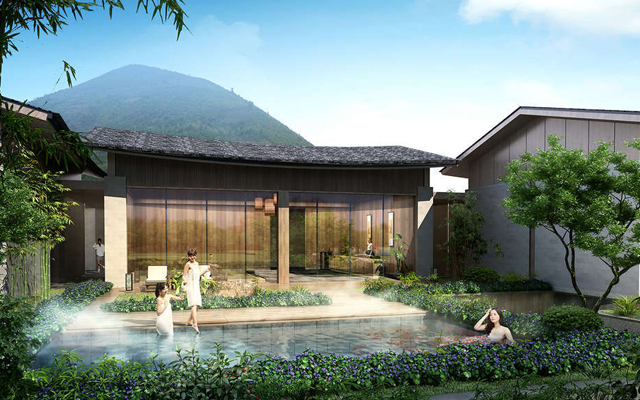
Dusit Thani Wellness Resort Suzhou, Jiangsu; China Thailand’s Dusit International has continued its expansion in China with the recent opening of the Dusit Thani Wellness Resort Suzhou, Jiangsu – the 10th Dusit-branded property in China. Located in Shushan Ecological Village in Suzhou city’s Huqiu District, the luxury wellness resort comprises 175 rooms and signature villas. From the hot springs to the Thai-inspired Devarana Spa, and restaurants serving customised wellness cuisine, every element of the resort has been designed to promote guests’ well-being. The resort also offers a range of wellness retreat packages combining luxurious accommodation with fitness routines, nutritious meals, hot springs bath, massage treatments, and other wellness-focused activities.
Like most tour guides who made the leap into the virtual experience market to tide through the Covid-19 slump, Lee Xian Jie also ventured down the same route – what’s interesting is that his virtual pivot happened because of a dog.
The 30-year-old Singaporean, who runs Kyoto-based tour agency Craft Tabby with his business partner, Yasuhiro Shiwaku, made the decision to pause the company’s in-person tours last February, at the peak of the Covid-19 outbreak in China.
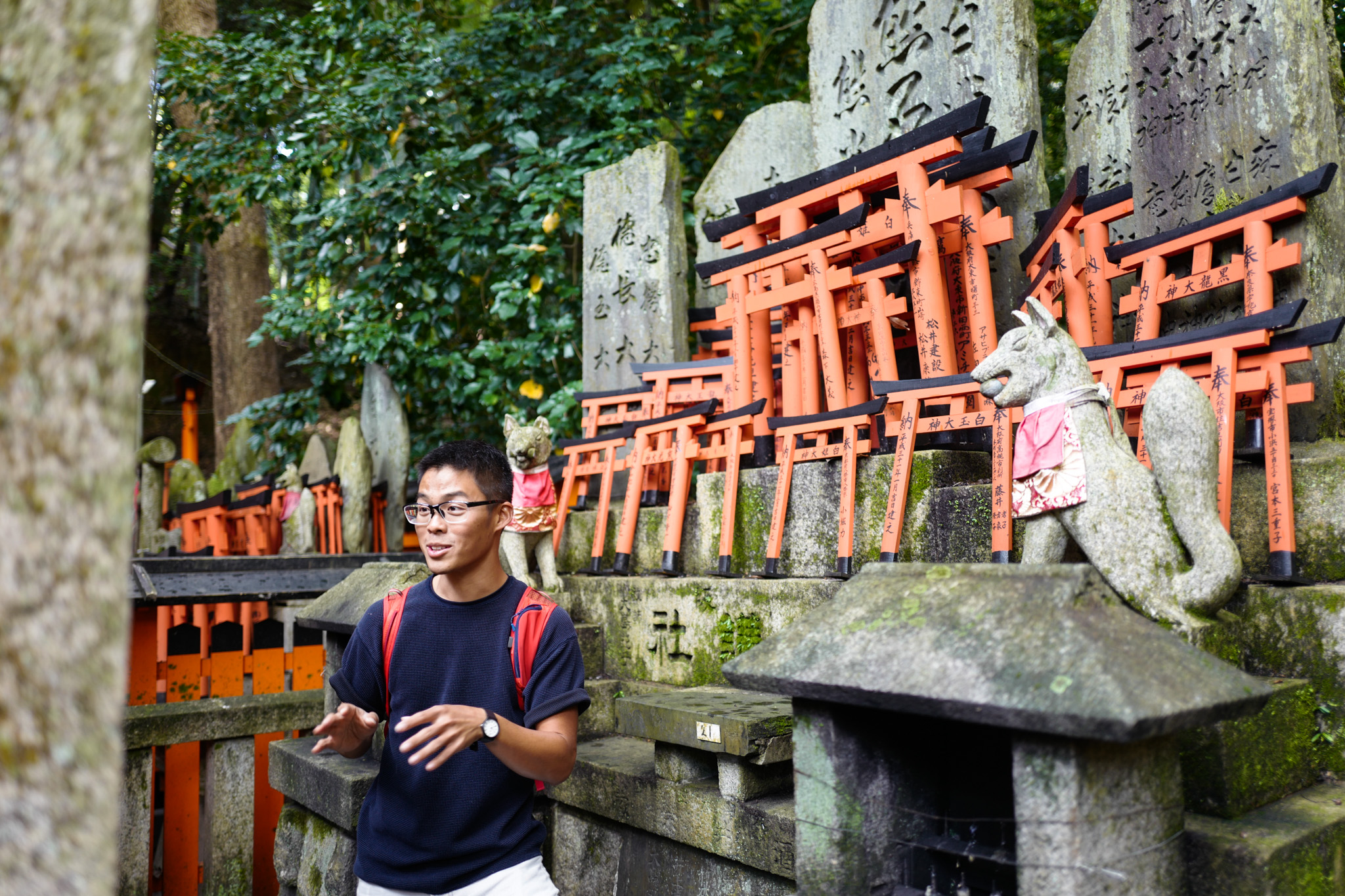
Lee bringing guests on a tour around Kyoto’s famous Fushimi Inari Shrine in pre-pandemic times
Towards the end of June, it became clearer to them that Covid-19 would drag on. When approached by Airbnb to craft a product for its Online Experiences platform, Lee was initially resistant to the idea as he thought the whole point of travel was to experience things first-hand.
“But I had been taking the downtime to pursue my interest in plant identification, and was walking my dog Mori endlessly. One day, I was taking her on a walk through the Kyoto Gyoen National Garden where the Imperial Palace is, and called my family in Singapore to show them how Mori was sniffing and chewing at wildflowers,” he recounted.
“Mori was born wild in the forest so she was especially interested in flowers that happened to have medicinal properties, and ignored all the toxic flowers.”
It was then that the idea of a virtual tour with Mori hit him, and Flower Hunting in Kyoto with Mori the Doggo was born. Since its launch last April, Lee has taken hundreds of virtual travellers on a live tour of the Palace grounds, identifying wild flowers and plants that Mori stopped by, with the help of a botanist friend.
Response for the online experience has been “overwhelming” from the get-go, according to Lee. “People were booking it for loved ones who love plants, but had mobility issues and would never be able to fly to Japan, and I was surprised by how older guests were the most enthusiastic,” he shared. “Over half of the people on the first tour were over 60, and almost everyone was using Zoom for the first time.”
Today, Craft Tabby has expanded its online experience menu to include Forest Bathe in Kyoto’s Sacred Mountain, an adaptation of its popular Alternative Fushimi Inari Walking Tour; and Zoom Around Kyoto the City of Water, exploring how Kyoto’s underground water sources shaped the city’s food, culture and spirituality. Elsewhere, Fly Like A Dragon in the Dragon Village involves flying a drone through scenic spots in the Ryujinmura Village in Wakayama Prefecture.
Starting off with about 50 bookings in April, that number swelled to 500 in November, with the rollout of new products along the way. Last month, the company secured about 1,000 bookings, partially made up of corporate clients.
Lee explained: “Online experiences are very different from in-person tours. They are never just about a place, but about seeing things that cannot be seen in real life. For example, I go under waterfalls at Mt Inari to demonstrate the traditional waterfall meditation and ritual for Forest Bathe in Kyoto’s Sacred Mountain.
“That’s something I wouldn’t be able to do on the actual tour because there are spiritual spaces, not somewhere you can take others for touristic purposes.”
Lee at the sacred waterfall at Mt Inari
In Zoom Around Kyoto the City of Water, Turkish-born guide Gulay takes guests to eight different places scattered across the city in one hour, tying the story together with the theme of water. Lee said: “Most people would not physically be able to visit all eight places in one day in real life, let alone one hour.”
The virtual pivot has made Craft Tabby less of a tour guiding company, and more of an agency that creates interactive documentary experiences, described Lee.
“It has opened us to new markets, like psychologist networking groups who want to experience forest bathing in the land where forest bathing was born, and teams from companies like Amazon, Facebook, Google, and IBM wanting to see how we are using Zoom in a totally new way,” he said, adding that his past experience as a documentary producer for Al Jazeera English came in handy when crafting online experiences.
As well, Craft Tabby has collaborated with Singapore tour agency Lion Heartlanders to bring online experiences in Japan to hundreds of schoolchildren in Singapore. “We are now working on a new live tour where schoolchildren can control the narrative and see things happening in Japan in real time,” Lee said.
The bulk of Craft Tabby’s bookings for online experiences comes via the Airbnb’s Experiences platform. While its offerings have been listed on TripAdvisor, Sistic and other booking sites, more than 90 per cent of bookings have come through Airbnb, shared Lee. “We expect this percentage to fall as more group bookings come through experience providers like Lion Heartlanders,” he added.
These days, Lee has also been kept busy restoring a farmhouse in Ryujinmura Village. In future, he plans to run nature tours and a farm-to-table organic café there – a retirement plan he said was brought forward by Covid-19. Revenue earned from his Fly Like A Dragon in the Dragon Village experience, which was shot in that village, is pumped into the restoration project.
Looking ahead, Lee said the agency plans to hire and train local guides to give in-depth nature tours and workshops in Ryujinmura. Post-pandemic, he will also resume work on creating an English-language app to guide visitors to hidden gems in Kyoto where they can learn about specific aspects of the city’s culture.
The Mekong Tourism Forum, initially slated to take place next month in Bagan, Myanmar, has been postponed a third time to September 2021.
The decision, made in light of prevailing travel restrictions amid the ongoing Covid-19 pandemic, was agreed upon by the member governments of the Greater Mekong Subregion at the recent 46th GMS Tourism Working Group Meeting, said Mekong Tourism Coordinating Office (MTCO) in a statement. A further postponement is also possible, it added.
Mekong Tourism Forum slated to take place this September in Myanmar’s ancient capital of Bagan
The forum was originally planned to be hosted on April 28-29, 2020, before shifting to August 25-26, 2020, and then, February 25-26, 2021.
MTCO said it has been working closely with Myanmar’s Ministry of Hotels and Tourism to plan the annual flagship tourism conference in the Greater Mekong subregion.
The theme remains as Achieving Balanced Tourism, with a focus on rebuilding tourism in the Greater Mekong Subregion.
MTCO executive director, Jens Thraenhart, said: “The theme ‘Achieving Balanced Tourism’ is more relevant than ever because we have a big opportunity to reset tourism and become more sustainable by embracing innovative models such as ‘Doughnut Economics’, and leveraging regional collaboration by creating travel bubbles to accelerate tourism recovery.”
Hla Myint, director of international and regional cooperation at Myanmar’s Ministry of Hotels and Tourism, added: “This will be an important tourism event not only for Myanmar, but for the entire Greater Mekong Subregion, and even ASEAN, as the event will set strategies and collaborations for rebuilding tourism in the region in the most sustainable way.”
The annual Mekong Tourism Forum is hosted by the GMS member countries via a rotational plan, which will shift forward by one year accordingly. Originally, Vietnam was scheduled to be the host of the Mekong Tourism Forum 2021, but is now moved back after Myanmar has hosted the annual flagship event.
Qantas and Japan Airlines (JAL) will be forming a new joint business agreement to better serve customers travelling between Australia, New Zealand and Japan.
The coordination made possible through a joint business would enable Qantas and JAL to ramp up flights between Australia and Japan sooner than would otherwise be possible. The airlines have also flagged an intention to launch a new route between Australia and Japan and which will be announced once regulatory approval is received, borders open and demand returns.
Qantas, Japan Airlines deepen partnership to drive tourism recovery
The proposed five-year agreement also includes:
An expanded codeshare relationship and optimised schedules on flights between Australia and New Zealand and Japan, opening up more connections to more destinations beyond the major city gateways. Qantas customers would have access to 14 new codeshare destinations in Japan and JAL customers would have access to 15 new codeshare destinations in Australia and New Zealand.
Enhanced frequent flyer benefits for Qantas and JAL customers, including improved earn of Qantas points or JAL miles on routes under the joint business, as well as the ability to upgrade using points or miles on each other’s services.
Improvements in the customer experience, including streamlined processes for disruption management and investments in product and service inflight and on the ground.
More premium travel opportunities, with Qantas able to offer customers a greater number of Business and Premium Economy seats on flights operated by JAL.
Coordination of pricing, schedules, sales and tourism marketing to develop new and improved travel products.
The airlines have submitted an application for authorisation to regulators in Australia and New Zealand, with a decision expected within six months. Subject to this regulatory approval, it is anticipated that the joint business would commence operations around July 2021, when Qantas has said it expects its international network to gradually restart.
Qantas Group CEO Alan Joyce said this venture would play a vital role in reviving trade links with the world’s third-largest economy and deliver significant benefits for customers travelling between Australia and Japan.
“The joint business means we’ll be able to build on our existing relationship with JAL through oneworld to offer more routes, better flight connections and more benefits to frequent flyers. It also helps us diversify our portfolio of joint businesses amongst Australia’s key trading partners,” noted Joyce.
Japan Airlines’ president Yuji Akasaka added: “We believe that a joint business with Qantas will make for a quicker recovery between both countries with the ability to expand connectivity within each carrier’s respective domestic network, providing more customer choice and travel growth opportunities.”
















Australia’s national carrier Qantas Airways has resumed bookings for international flights from July 1, 2021, signifying that overseas travel may return earlier than anticipated.
The airline started taking bookings for almost all flights across its international network on Tuesday.
Ticket sales for Japan, Hong Kong and Singapore, which was planned to start in March, have been pushed back to July, while other destinations like the US and London have been brought forward from October.
Currently, New Zealand is the only overseas destination serviced by Qantas.
“Recently, we have aligned the selling of our international services to reflect our expectation that international travel will begin to restart from July 2021,” Qantas said.
“We continue to review and update our international schedule in response to the developing Covid-19 situation.”
While tickets are on sale, the airline said the resumption of international flights would be subject to vaccine rollouts and border rules.
Qantas’ move has come under fire, with deputy prime minister Michael McCormack saying: “Decisions about when international travel resumes will be made by the Australian Government. International borders will be opened when international arrivals do not pose a risk to Australians.”
He added: “The Australian government is working on travel arrangements with countries, such as New Zealand, that have low community infections.”