

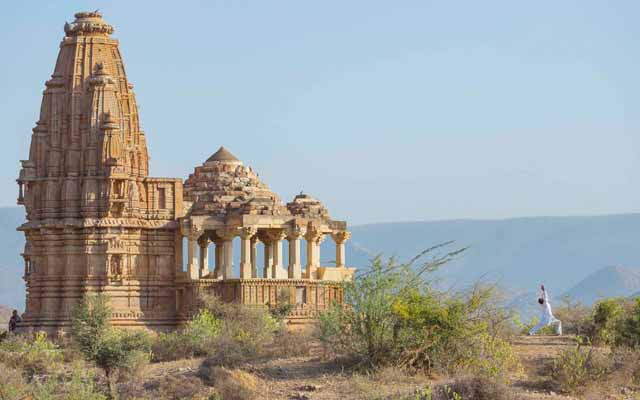
Amanbagh, India
A hidden sanctuary in the Aravalli Hills of rural Rajasthan, Amanbagh’s scalloped sandstone arches are an echo from the resplendence of the Mughal Empire. Here, operator Aman will launch its new Ayurveda Traditional Medicine Immune Support Retreat, available on select dates. Guests can receive an initial wellness consultation from the resort’s resident Ayurveda physician, followed by a tailored wellness programme for a stay of at least four nights.
Each day, guests will enjoy an immunity-supporting shot, a selection of restorative herbal teas, a daily private movement session, a bespoke Ayurveda spa treatment, guided walks at sunrise and morning group yoga sessions.
Healthy daily breakfast will be served, with recipes using the freshest produce from Amanbagh’s organic garden.
Almost 80 per cent of the produce used in the resort’s cuisine is grown here, and some are also incorporated into the spa treatments.

Chai Talay, Thailand
Luxury private villa estate Chai Talay on Thailand’s Koh Samui has reopened following an extensive refurbishment, and one of its highlights is its sprawling wellness facility.
The estate boasts a 372m2 indoor and outdoor gym that is set amid manicured yoga lawns and organic gardens, where wellness professionals conduct fitness groups, team training, yoga, Pilates and other activities that mend the body, mind and soul.
Chai Talay also harnesses its decade-long experience of hosting multiple annual fitness retreats to deliver popular wellness programmes for up to 40 people.
Its close partnership with nearby Anahata Wellness and Orion Retreat Centre allows guests to join yoga or mediation classes, juicing or healing retreats as well as consult specialist practitioners such as acupuncturists. For guests preferring complete attention and privacy, fitness trainers from Anahata Wellness and Orion Retreat Centre will take their lessons right into a Chai Talay villa.
Wellness tune-ups at Chai Talay extend beyond the gym. Resident chefs will whip up healthy farm-to-table dishes, using more than 20 varieties of home-grown fruit and vegetables, as well as conduct in-villa cooking classes that are fun for all ages.

Dusit Thani Laguna Singapore
In December 2020, Thailand-based Dusit International opened its much-awaited Dusit Thani Laguna Singapore, a wellness-focused retreat within the grounds of the Laguna National Golf & Resort Club.
With 198 rooms and suites, the luxury resort touts Dusit’s signature Devarana Wellness brand, under which several transient and holistic spaces on the premises host educational classes and workshops – such as stress management and nutrition – as well as activities like meditation, yoga, personal training and massages.
The Dusit Wellness programme also provides plant-based “power foods” – from vegetables harvested at the Laguna Organic Farm to low-carb options – and a Sleep Well menu that allows guests to personalise their sleep experience.
The property boasts three swimming pools, and three outdoor tennis courts will be opened in 1Q2021.
Kai Suites, Singapore
Specially caring for moms-to-be and their newborn, luxury confinement hotel Kai Suites in Newton offers a menu of packages that include a seven-day stay or more, a three-month pre-natal programme and another three-month post-natal course.
New moms may attend workshops on infant care, breastfeeding, pregnancy and post-partum exercises as well as indulge in traditional Javanese wraps that tone the abdominal area after birth.
A butler is on hand to take care of guests with salon sessions, facials and meditation, while experienced staff previously from hospital maternity wards attend to the infant.

One Farrer Hotel and Spa, Singapore
As part of its S$2 million (US$1.5 million) refurbishment, One Farrer Hotel and Spa has launched the new Mint Hotel, offering 176 rooms designed with cutting-edge materials and intelligent design principles, as advised by medical professionals from Farrer Park Hospital. These include antiviral wall-coverings, moveable furniture and the use of antimicrobial blind fabrics and custom gapless vinyl flooring in place of carpets.
It will also debut the Pillow Lab in early 2021, enabling guests to personalise their sleep experience through a pillow menu for varying firmness and sleeping postures. The Lab will use an Ultraviolet-C Chamber to remove all pathogens, natural microbiota, molds, and yeasts, and the pillows will be available for purchase as well.

RAKxa Fully Integrative Wellness and Medical Retreat, Thailand
Newly opened in December 2020, RAKxa Fully Integrative Wellness and Medical Retreat is a 32ha escape created by operator Minor Hotels, M.K. Real Estate Development and VitalLife Scientific Wellness Centre. It is located on the Chao Praya River in Bang Krachao, and boasts a cluster of clinics and facilities.
VitalLife’s Scientific Wellness Clinic houses internationally trained doctors creating hyper-personalised health programmes. The Holistic Wellness Centre offers comprehensive treatments such as Chinese medicine, Thai medicine, Ayurveda and energy healing.
At the Medical Gym, guests can participate in individualised training programmes with physiotherapists and exercise physiologists.
For utmost relaxation, the RAKxa Jai is a therapeutic spa overlooking a lagoon and offers massages, healing treatments and therapies.
The retreat dishes up healthy cuisine centred on seasonality and sustainable eating, and which adopts anti-inflammatory philosophy.

SAii Phi Phi Island Village, Thailand
Launching on February 1, 2021, SAii Phi Phi Island Village, a lifestyle property by Thailand’s S Hotels & Resorts, presents a fresh escape for eco-conscious travellers and wellness seekers.
Lèn Be Well at the resort takes a personalised approach to well-being through five core pillars: Romance, Relax, Culture, Adventure and Family. Blending bespoke leisure activities, body treatments, gastronomic offerings and more, this customised concept is already delighting guests at sister property Santiburi Koh Samui. Guests can expect an enhanced selection of spa journeys, immersive excursions and culinary specials such as floating breakfast in the pool villas.
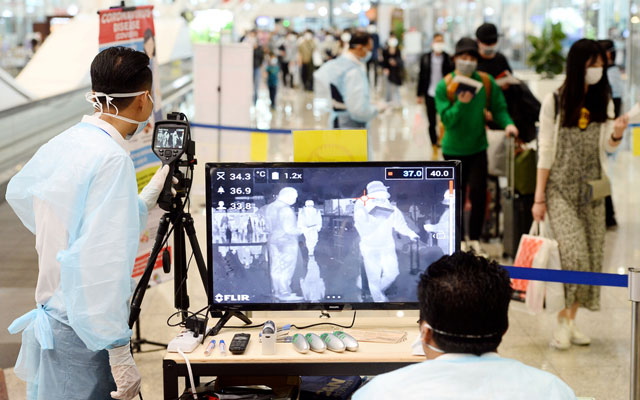


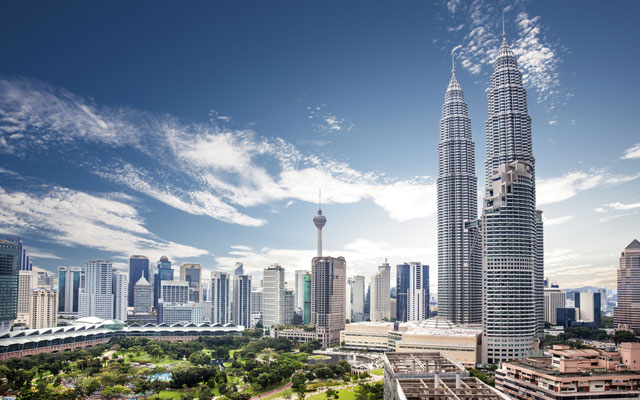
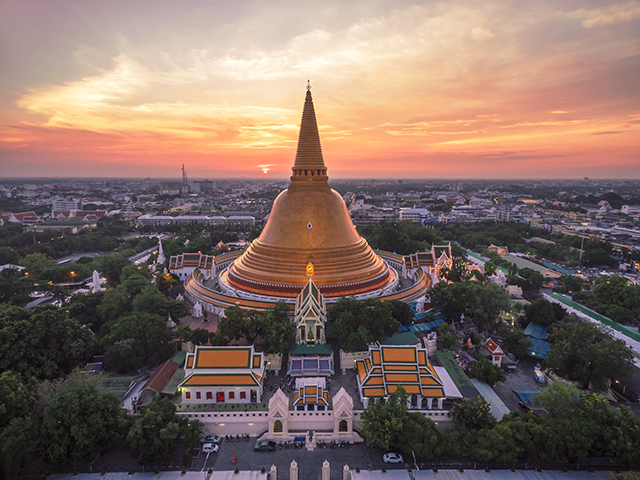








The Malaysian Association of Hotels (MAH) has proposed to the government to place tourism and hospitality frontliners on the priority list for the Covid-19 immunisation programme, behind medical workers and high-risk groups.
Doing so would help pave the way for the return of international tourists to Malaysia once her border reopens, said MAH.
The national Covid-19 immunisation programme is set to roll out at the end of February. It will be carried out in three phases, with the first involving some 500,000 medical and non-medical frontliners.
The second phase from April to August will involve those at high risk of developing complications from Covid-19, while the third phase will involve adults aged 18 and above who will receive the vaccine between May this year and February 2022.
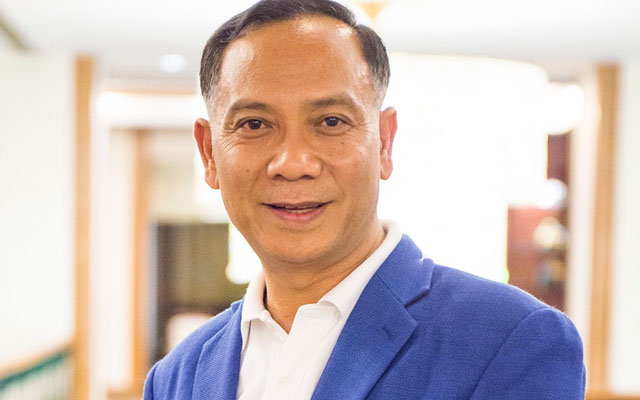
MAH president, N Subramaniam, said: “The tourism and hotel industry employs 3.6 million persons and is one of the main contributor to the country’s economy and the people, and must not be allowed to collapse. We must be ready for recovery and maintain our tourism capacity as well as competitiveness in the region.”
He said that ever since the second movement control order (MCO) came into effect on January 13 and is currently ongoing, more hotels were reportedly closing, or planning to close.
Subramaniam added that the MCO has robbed the hospitality industry of any hopes of recovery this year, and the industry is set to lose at least RM300 million (US$86 million) in revenue on average for every two weeks of the MCO, after losing an estimated RM6.5 billion last year.
During an emergency meeting on February 4, MAH submitted a 19-point proposal to the Ministry of Tourism, Arts and Culture Malaysia requesting for immediate assistance to be provided to the industry.
Subramaniam said: “While some of these are long outstanding proposals that the industry had submitted before, they are of utmost urgency considering the worsening current situation.”
Among the 19 points are an extension of the wage subsidy programme from March to September 2021, an immediate revision to 50 per cent subsidy for employees with wages up to RM4,000 monthly and 30 per cent subsidy for those up to RM8,000 per month from the current subsidy of RM600 per employee per month, as well as an extension of the tourism tax waiver until June 2022.