In tandem with shifting traveller demands in the new normal, Indonesia is making a concerted push towards digitalisation through various initiatives, including enhancing digital connectivity to boost contact tracing efforts and stepping up support for businesses taking the digital plunge.
In March, Indonesia’s Communications and Information Ministry launched the PeduliLindungi mobile app to trace and track confirmed or suspected cases of Covid-19, so as to bolster traveller confidence.
Indonesia works to enhance digital connectivity to boost contact tracing efforts in the new normal
However, Hariyadi Sukamdani, chairman of the Indonesia Hotel and Restaurant Association, said during a recent webinar that many people are still unaware of PeduliLindungi, and urged the government to aggressively promote the surveillance app.
Hariyadi, who is also chairman of the Employers Association of Indonesia, noted the emergence of new Covid-19 clusters, particularly in office areas, since the relaxation of restrictions last month. Demand would pick up only when travellers felt safe, he said.
In the meantime, to make PeduliLindungi more accessible, Setyanto Hantoro, president director of state-owned telecommunications giant Telkomsel, said that the company is working to enhance digital connectivity across the country by ramping up the development of 4G networks in tourist destinations, especially those in the eastern part of Indonesia, such as Maluku and Labuan Bajo in East Nusa Tenggara.
Users can benefit from that improved digital connectivity in other ways. “Several restaurants are now using QR codes to create digital menus (that are viewable on diners’ mobile devices). This is also a service that Telkomsel can support through digital connectivity,” Setyanto said.
He also shared that Telkomsel has launched a digital platform called 99% Usahaku to aid the digital transformation of SMEs in the tourism industry, like hotels and restaurants. This is especially crucial as cashless payments and touchless solutions become key growth drivers in the new normal.
Covid-19 has forced countries around the world to accelerate digital adoption, said Aviliani, senior economist of Institute for Development of Economics and Finance.
She, therefore, stressed the importance for the government to extend greater support to the creative economy industry, as the sector’s tech-savvy workforce plays a key role in driving the digitalisation of the tourism industry amid the Covid-19 crisis.
East, the business lifestyle hotel brand under Swire Hotels, has unveiled a fresh look with its new branding campaign Where It All Starts, which rolled out last month across the brand’s social media and digital platforms.
Named after the place where the sun rises, East was born 10 years ago in Hong Kong, at a time when co-working spaces and creative business hotels weren’t commonplace.
East encourages guests to work playfully and play productively at its lifestyle hotels
In the face of stiffer competition where business travellers are spoilt for choice, East’s brand campaign seeks to accentuate its positioning as “a business playground perfectly suited to today’s world where work and play blend seamlessly together”.
With locations in Hong Kong, Beijing and Miami, East hotels feature cafés, meeting spaces, co-working zones and early evening bars, in addition to rooftop bar, gym, pool and wellness programmes.
Avani Hotels & Resorts is on track to open 11 new properties by 2024 – of which four will mark the brand’s debut in Oman, Kenya, the Maldives, and Myanmar – signalling a sense of optimism in the sector’s future, despite the Covid-19 economic downturn.
Come 2021, the brand will debut in three destinations, led by the opening of Avani Muscat Hotel in Oman, featuring 161 keys, in addition to 45 studios and one-, two- and three-bedroom serviced apartments.
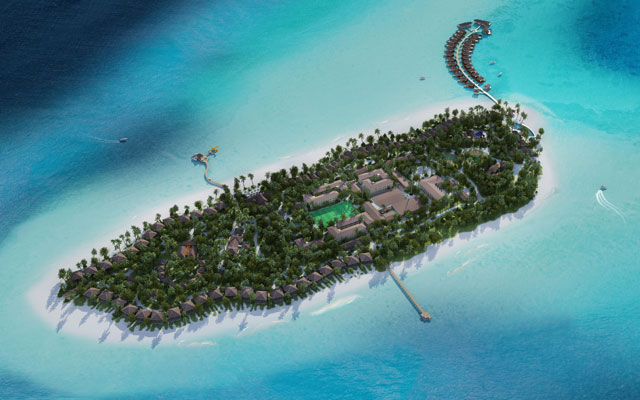
Avani will debut in the Maldives with the opening of the Avani+ Fares Maldives come 2021
Slated to follow are the 120-key, all-suite Avani Nairobi Residences in Kenya; as well as the Avani+ Fares Maldives Resort, offering 200 guestrooms and villas.
Marking the brand’s entry into Myanmar in 2024 will be the opening of the Avani Yangon Hotel, offering 250 guestrooms within a mixed-use development with offices, shops and entertainment steps away.
Other planned openings will see the brand growing its footprint in Thailand, Dubai, Vietnam and Malaysia.
Looking ahead, Avani Hotels & Resorts said that there are other confirmed properties in the brand’s pipeline, including hotels and resorts in Asia, the Middle East, Africa and the Indian Ocean.
The Tourism Authority of Thailand (TAT) has partnered with Visa to widen digital payments adoption in Bangkok and five major tourist cities across the nation, as part of efforts to support the country’s economic recovery while ensuring the safety of consumers and businesses.
Under the partnership, Visa will work with financial institutions to aid business partners in upgrading their payment acceptance service to card payments. Businesses already accepting card payments can upgrade their EDC terminal to accept contactless payments, including contactless card, smartphone and wearables.
TAT teams up with Visa to expand digital payment acceptance in six of Thailand’s major tourist destinations
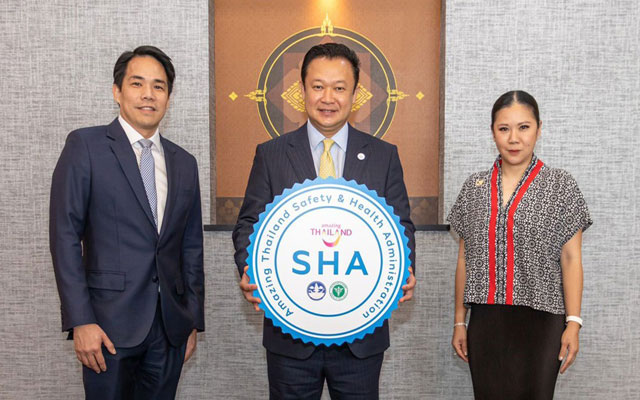
Visa will also work with banks to train cashiers to comply with the Safety and Health Administration (SHA) standards while accepting payments.
Phase one of the partnership will focus on supporting businesses in the Sukhumvit area accepting card and cashless payments, while the second phase will see the support extended to Chiang Mai, Phuket, Pattaya, Samui and Hua Hin by year-end. All participating hotels, shops and restaurants will be easily identified by the public via the Visa and SHA signage.
According to Visa’s latest study on consumer behaviour and Thailand’s payment methods in the new normal, three in five Thais (61 per cent) are forming cashless habits, preferring to pay with cards or through mobile apps over cash. As well, the way people intend to pay in the future is consistent across the globe, with consumers in Thailand (69 per cent), the Asia-Pacific (75 per cent) and around the world (66 per cent) choosing to stick with electronic payments after the current situation is over.
With safety-conscious travellers seeking more intimate travel experiences in the new normal, Insight Vacations has introduced a small, private group option for groups of 12 or more on its Autumn, Winter and Spring (AWS) itineraries to Europe, the Eastern Mediterranean and North America.
The new small private group option is available on 2020/2021 AWS journeys starting from December 2020, with 38 itineraries in the collection. Featured destinations are those expected to make a strong comeback, such as Switzerland, Morocco, Israel and Jordan.
Guests can now create their own travel bubble with Insight Vacations’ new small private group offerings
Trips bookable for private groups include the seven-day Jordan Experience, the seven-day Magical Switzerland journey, the eight-day Israel Discovery trip, and the 10-day Best of Morocco experience.
Further, guests can change their travel plans up to 30 days before the departure of their journey as part of Insight’s flexibility promise.
Anthony Lim, managing director for Insight Vacations and Luxury Gold, said: “We’re seeing travel starting to make a comeback and in 2021, we anticipate the rise of multi-generational travel as more people seek to reconnect with their loved ones and extended family members and friends.
“To help our guests travel in the most comfortable way possible, we wanted to introduce the private group option for smaller and more intimate group travel. We’ll also be able to tailor-make trips for clients who would like enhanced personalisation and specific experiences where we take care of all the details.”
Small private group journeys come with a surcharge on the original trip price, based on the group size: a 30 per cent surcharge for 12-15 guests, a 20 per cent surcharge for 16-19 guests, a 10 per cent surcharge for 20-25 guests. There will be no surcharge for groups of 26 or more.
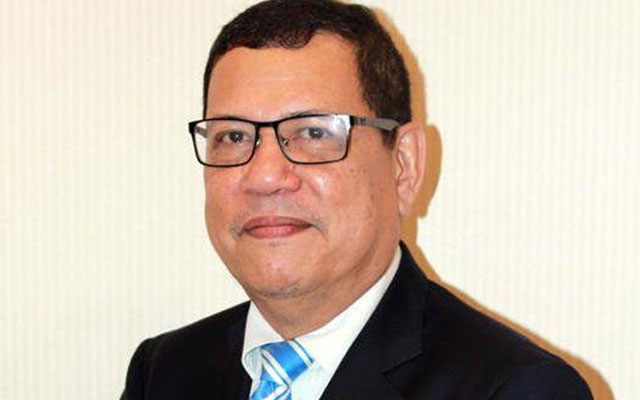
Seri Ramlan Ibrahim has been appointed as the chairman of Malaysia Tourism Promotion Board, effective August 3, 2020.
Ramlan entered the Administrative and Diplomatic Service of Malaysia in 1983. His first posting was as second secretary to the Embassy of Malaysia in Jakarta in 1988. Two years later, he was reassigned to the Embassy of Malaysia in the Netherlands, but as first secretary.
In 1994, Ramlan returned to the headquarters and was assigned to the Europe Division. Shortly after, he was posted to the Embassy of Malaysia in Zagreb, Croatia, to take on the role of the Chargé d’Affaires ad interim.
He returned three years later, in 2000, to become the principal assistant secretary at the Division of South-east Asia. The following year, Ramlan was appointed as deputy high commissioner to Singapore.
His first posting as ambassador was to Bosnia Herzegovina, in 2004. In 2009, Ramlan was again appointed ambassador of Malaysia – this time to the Republic of Korea. His return from Korea in 2013 saw him heading the Bilateral Department, the second-highest post in the Malaysian foreign service. In April 2015, Ramlan was appointed as Malaysia’s permanent representative to the United Nations in New York.
In 2017, Ramlan was elected as the secretary general of Ministry of Foreign Affairs. In February 2019, he was elected as the member of Election Commission of Malaysia until July 2020.
As the timeline for international tourism’s recovery from the coronavirus pandemic remains a big question mark, Indonesia is shifting its full focus to boosting the domestic tourism market, zooming in on pursuing quality tourists.
Indonesia’s vast collection of natural attractions is the country’s trump card to woo higher quality travellers as part of efforts to rebuild the domestic tourism sector amid the pandemic, Wishnutama Kusubandio, minister of tourism and creative economy, said during a recent webinar.
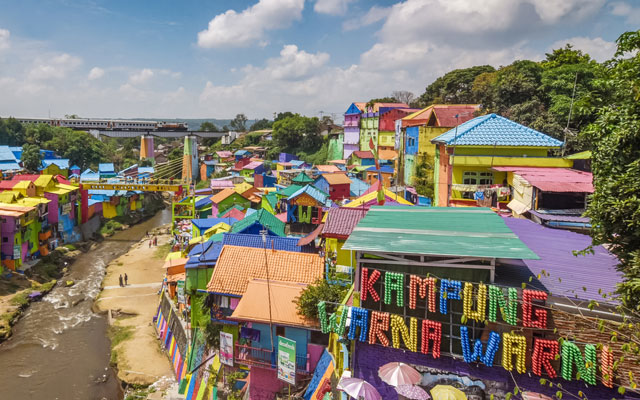
Development for more tourism villages across Indonesia like Jodipan Tourism Village (above) in East Java is underway as part of the government’s bid to stimulate domestic travel
Amid lingering virus fears, he said, higher quality tourists would be more attracted to low-risk nature-based tourism in super priority destinations like Bali, Toba Lake in North Sumatra, and Labuan Bajo in East Nusa Tenggara, as opposed to urban tourism product offerings in Sydney, New York, and Singapore when international travel resumes.
As part of its new tourism push, Wishnutama recently earmarked 24 billion rupiah (US$1.6 million) in financial assistance to six tourism and creative economy sub-sectors, which includes an incentive of up to 200 million rupiah for each hotel and homestay in tourism villages, particularly in super priority destinations.
Last month, the government, in collaboration with state-owned oil and gas company Pertamina, kick-started the construction of ten new tourism villages spread across 279ha of land around Toba Lake in North Sumatra.
Ahead of the reopening of international borders, Wishnutama is upbeat that nature-based experiences in tourism villages will draw more quality domestic tourists, with plans for more tourism villages underway.
“In 2018, eight million tourists from Indonesia spent US$9 billion overseas. That is a potential. If they spend (that amount) in Indonesia, Indonesia’s tourism will rebound,” he said.
To lure quality tourists, the central government has earmarked 3.8 trillion rupiah to develop quality destinations and launch new marketing initiatives. These include social media campaigns with the hashtags #DiIndonesiaAja and #IndonesiaCARE, as well as various promotional programmes, such as Bali Rebound on July 7-15, Mandalika Rebound on July 16-17 in West Nusa Tenggara, and Likupang Rebound on July 22-24 in North Sulawesi.
In addition, Wishnutama said, his office has forged partnerships with Garuda Indonesia and the Association of State-Owned Banks (Himbara) to craft good deals and discounted airfares to those destinations. “Right now, tourism players can also get a bailout amounting to 10 billion rupiah from Himbara,” he added.
I Wayan Koster, governor of Bali, urged tourism stakeholders to shift their mindset to tap on Indonesia’s vast domestic tourism market. An increase in purchasing power of citizens, coupled with the country’s huge population, means that the potential of the domestic tourism market should not be underestimated, according to the governor.
Koster said that last year, 6.3 million foreign tourists visited Bali and contributed 116 trillion rupiah to the island. However, that total revenue was nearly matched by the receipts generated from domestic tourist arrivals, thanks to 9.8 million domestic tourists.
“Our economy will be stronger and more sustainable if we (Indonesians) visit (tourist destinations within the archipelago), rather than if the country depends on the arrivals of foreign tourists,” he said.
Agreeing, Rizki Handayani, deputy of tourism products and events at the Ministry of Tourism and Creative Economy, urged regional governments across the archipelago to focus on luring domestic tourists this year as uncertainties abound concerning international travel.
Coordinating maritime affairs and investment minister Luhut Binsar Pandjaitan said that 55 per cent of total tourism receipts in 2019 came from domestic tourists. In Q3, the government would try to gradually increase the contribution to 70 per cent.
“I want (tourist destinations) in regions to implement health protocols because the trend shows that (domestic tourists) will go to buffer cities that have beautiful and clean nature, such as Puncak (in Bogor, West Java), and Banyuwangi and Mount Bromo (in East Java),” he said.
Luhut has also issued a circular this month to instruct public officials from its seven subordinate ministries, including tourism ministry and creative economy, to spend a total budget of 4.1 trillion rupiah to host meetings and business events at the country’s priority destinations, such as Bali, Toba Lake, Labuan Bajo, Likupang and Mandalika.
According to Luhut, the government has seen an almost 100 per cent drop in foreign tourist arrivals and a 97 per cent year-on-year decrease in foreign exchange earnings from the tourism sector.
A series of films showcasing New Zealand’s values of kaitiakitanga (care for the land), manaakitanga (hospitality), integrity, and ingenuity were launched last Thursday in Singapore, one of the first few international markets to receive the campaign.
Dubbed Messages from New Zealand, the campaign, released through Tourism New Zealand’s social and digital channels, features a cross-section of celebrities and everyday New Zealanders sharing video messages of hope and care with their international whānau (family).
Tourism New Zealand creates top of mind awareness for the destination with new campaign; Te Puia’s Whakarewarewa Valley in Rotorua, New Zealand pictured
“New Zealand is a place where manuhiri (guests) become whānau (family). These relationships are something that we, as New Zealanders, are proud of and want to celebrate and continue in perpetuity,” said Gregg Wafelbakker, general manager, Asia, Tourism New Zealand.
“Through Messages from New Zealand, we are staying in touch with our international whānau, including those right here in Singapore, and letting them know that we are waiting to welcome them to our shores again when the time is right.”
Though border restrictions remain in place, Wafelbakker stresses on the importance “to build preference and desire for New Zealand in the hearts and minds of our global audience, including those in Singapore”.
“This will ensure that when borders do reopen, New Zealand remains top of mind. One way to achieve this while borders are closed is by enabling audiences to still be able to experience New Zealand and building our reputation through digital content and export products,” he added.
Aside from Singapore, Messages from New Zealand will be rolled out across Tourism New Zealand’s key markets worldwide, including the US, China, Australia, Japan, the UK and Singapore.
When asked whether he is hopeful of the realisation of a travel bubble between New Zealand and Singapore, Wafelbakker told TTG Asia that the government is currently exploring options for safe travel zones, though nothing is certain yet.
And while this global campaign is directed at consumers, it also includes a digital toolkit with educational material for travel agents to be kept informed and updated on what New Zealand has to offer.
Wafelbakker elaborated: “Our trade team also works closely with our travel agent partners in Singapore, with specific training programmes and events to help them drive connections with our operators in New Zealand and stay up-to-date with their offerings, so they will be ready to go once it’s possible.”
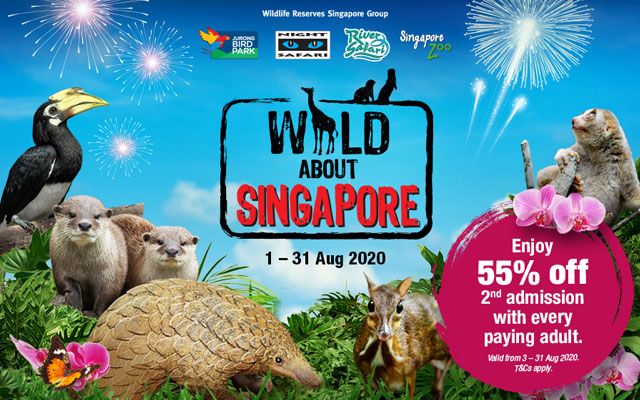
In celebration of Singapore’s 55th birthday, Wildlife Reserves Singapore’s four wildlife parks will be offering local residents 55 per cent off a second admission ticket with every paying adult to the Singapore Zoo, River Safari, Night Safari and Jurong Bird Park.
The promotion is valid from August 3-31, 2020. Blackout dates from August 8-10 apply. In addition, Night Safari will only be open from Thursday to Sunday, public holidays and eve of public holidays.
As part of the celebrations, visitors can catch the National Day themed animal presentations where the parks’ animal ambassadors – a Singapore special canine, sea lion, lemur and coatimundi – express their love and well wishes for Singapore in their respective shows.
Guests can also learn more about the Asian small-clawed otters at Singapore Zoo’s otter exhibit while they engage in enrichment activities and extract tasty treats from puzzle feeders. At River Safari, the otters demonstrate how they recycle used items in the Once Upon A River show.
The Jurong Bird Park’s High Flyers Show will also put on a special National Day edition, featuring the Brahminy kite, one of Singapore’s most often-sighted raptors. Visitors can feast their eyes on their high-flying manoeuvres as keepers share fascinating facts about them during scheduled sessions at Jurong Bird Park’s Hawk Arena.
Guests can also discover the amazing adaptations of Singapore’s native wildlife when they embark on the WILDerful Singaporean Explorer Trail at Singapore Zoo. Those who complete a row of activities on a bingo card can redeem an animal pin.
In keeping with safe distancing measures, Singapore’s wildlife parks are operating at reduced capacity with time-based entry, with all tickets and time of entry to be pre-booked online before visiting. In addition, all animal presentations will be limited to a maximum capacity of 50 pax.
This year’s virtual edition of PATA Travel Mart (PTM) will take place from September 23-27, and will feature an interactive exhibition experience, video meets and live forums.
The event will offer two full business days with a possibility of up to 50 appointments across all time zones from September 24-25. There will also be two trade visitor days on September 26-27.
Additionally, there will be further networking opportunities at the interactive networking breaks, as well as opportunities to gain deeper insights into the industry at the presentation hall. Event delegates can also enjoy a 360-degree view of the Sichuan International Travel Expo through the Virtual PTM 2020 platform.
Event highlights include an interactive exhibition experience, where delegates can navigate an interactive map to browse sellers, submit matchmaking requests, view product presentations, and exchange contact information. Attendees can also hold meetings via video, text and voice chat; as well as gain insights on travel recovery with live presentations and panels through the PTM Forums.
Furthermore, buyers have the opportunity to earn prizes by earning points and completing event missions. Participants can also join virtual social games and stand a chance to win travel giveaways and prizes.
PATA CEO, Mario Hardy, said in a statement: “As some destinations have slowly restarted tourism through either domestic or regional travel, eventually international markets will follow. Virtual PTM allows business to begin exploring new opportunities and markets, particularly as travel behaviour and patterns will be dramatically different post-Covid-19.
“Asia-Pacific will be the leading force of tourism’s global recovery from Covid-19, as both an inbound destination as well as a robust source market. In addition, organisations need to start negotiating for recovery in 2021 and Virtual PTM is the perfect place to begin.”
The event is being organised in conjunction with the Sichuan International Travel Expo, with the support of the Leshan Culture, Radio, Television and Tourism Bureau and is powered by official virtual partner Dragon Trail Interactive (DTI).
DTI’s co-founder and CEO, George Cao, said that the company will live-stream forum sessions and other activities from the Sichuan International Travel Expo on the PTM Online platform.








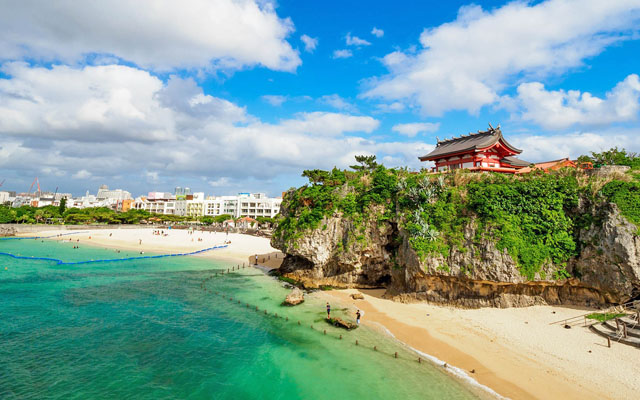






Avani Hotels & Resorts is on track to open 11 new properties by 2024 – of which four will mark the brand’s debut in Oman, Kenya, the Maldives, and Myanmar – signalling a sense of optimism in the sector’s future, despite the Covid-19 economic downturn.
Come 2021, the brand will debut in three destinations, led by the opening of Avani Muscat Hotel in Oman, featuring 161 keys, in addition to 45 studios and one-, two- and three-bedroom serviced apartments.
Slated to follow are the 120-key, all-suite Avani Nairobi Residences in Kenya; as well as the Avani+ Fares Maldives Resort, offering 200 guestrooms and villas.
Marking the brand’s entry into Myanmar in 2024 will be the opening of the Avani Yangon Hotel, offering 250 guestrooms within a mixed-use development with offices, shops and entertainment steps away.
Other planned openings will see the brand growing its footprint in Thailand, Dubai, Vietnam and Malaysia.
Looking ahead, Avani Hotels & Resorts said that there are other confirmed properties in the brand’s pipeline, including hotels and resorts in Asia, the Middle East, Africa and the Indian Ocean.