

Rising silver tourism brings hopes to South Korea domestic travel rebound

A recent survey by the Korea Tourism Association has identified the country’s senior citizens as a profitable segment that could support domestic tourism rebound during the ongoing hospitality crisis.
Yoon Young-ho, president of the Korea Tourism Association, told TTG Asia that active seniors have a spending power of about US$104 billion in 2020.
The survey has also found that 43.7 per cent of those aged 60 and above prefer short and frequent trips, while 22.5 per cent like to visit the same places multiple times.
Half of all respondents – 55.6 per cent – enjoy history and culture programmes, and to have their spouses as their main travel companion as opposed to friends or a travel community.
“It will be important (for tourism players) to accurately identify and respond to their demands”, noted Yoon.
Among the first to respond to this promising trend is education company Kyowon Group, which launched a travel brand, Yeohaengdaum, to target senior citizens keen on domestic tourism.

Kyowon’s travel packages allow customers to experience the traditional culture of each region as well as visit hidden attractions and must-visit places across the country, and are led by a specialist storyteller.
The company claims to be the only domestic travel agency in the country to have a professional storyteller leading the tour group throughout the programme.
Kyowon Group president Jang Pyeong-soon said: “Our goal is…to provide a real travel experience and maximum satisfaction for our active seniors.”
To that end, Kyowon provides a variety of services tailored to the needs of the older generation, such as customised breakfast sets and heightened hygiene and safety measures.
Bearing in mind senior citizens’ vulnerability to the Covid-19 virus, Kyowon vehicles are disinfected after every ride, safe distancing is maintained, daily temperature checks are conducted, and mask and hand sanitisers are provided and used.
Open to work

Hospitality and tourism companies returning to business in a post-lockdown world are driving a growing demand for talents equipped with knowledge in health and safety as well as technology, with new positions opening up to support fresh or evolved revenue streams.
Patrick Basset, Accor’s chief operating officer for upper southeast & northeast Asia and the Maldives, said the company has created a new role for an ALLSAFE officer as a part of its new global safety and sanitation label.
An ALLSAFE officer will be positioned at all Accor’s properties to ensure that the hotel abides by best practices in terms of cleanliness and safety, and covers the 16 main areas of focus under the programme.
Along the same lines, housekeeping and operational roles may require more resources as recovery begins, opined Andrew Chan, founder and CEO of ACI HR Solutions.
“At Marriott International, digitally-savvy individuals are increasingly relied upon for certain functions as a result of travel in the new normal,” added Regan Taikitsadaporn, chief human resources officer – Asia Pacific. “As guests are increasingly looking to minimise physical interactions when they book and travel, tech-savvy teams will help make such transitions seamless.”
New F&B services such as home delivery and takeaway programmes are also presenting new roles that must be filled, shared Regan.
At the same time, hirers are paying greater attention to specific traits like adaptability, resilience, empathy and an ability “to maintain a sense of infectious positivity even when things look bleak”, shared Arthur Kiong, CEO of Far East Hospitality.
“Other new skill sets needed in the hospitality business include creative thinking, market and financial planning, communication, social sciences, data analysis, basic understanding of law,” added Kiong.
However, Chan pointed out that talent requirements by hotels would likely continue to evolve as operations return to normalcy.
Readying new blood
Kaye Chon, dean and chair professor of The Hong Kong Polytechnic University’s School of Hotel and Tourism Management (SHTM) as well as Walter and Wendy Kwok Family Foundation Professor in International Hospitality Management, believes his students have little to worry about fitting into a hospitality world of tomorrow.
“This crisis presents an opportunity for us to reorient our curriculum and the way we teach, but the hospitality and tourism industry has already been moving towards technology and digitalisation in various aspects, from marketing to HR and finance management. The crisis has merely forced the industry to speed up its technology revolution.
“Our school has been ahead of this trend and we have added courses that focus on digital management, marketing in a digital age, and big data analytics, among others (to prepare our students for future employment),” said Chon.
Even with the enhanced curriculum on technology capabilities, Chon emphasised that “hospitality is a spirit”, and so the need for soft skills “will never grow out of trend”.
“It is important that we strike a balance between imparting soft skills and service philosophy, and technology know-how. We are not grooming students in computing, we are not raising technocrats, and we don’t want to lose our versatile students to the technology industry,” he remarked.
Echoing similar beliefs, Somkiat Wongjeeraphat, head of the president office at Bangkok’s International Hotel and Tourism Industry Management School, said the pandemic would not completely alter basic human needs, and therefore “all of the traditional roles in the hotel and tourism sector will still be needed”.
Weak hiring appetite
What worries academic chiefs is the poor job market in the hospitality and tourism industry, which has seen many companies imposing pay cuts or laying off staff.
Chan shared that more retrenchments than recruitment are happening today, and hiring demand is down across the region and sector.
Naturally, graduates of James Cook University (JCU) are today most concerned about their employability, said Abhishek Bhati, campus dean and head (Singapore) learning, teaching and student engagement.
And with many organisations turning to digitisation and technology to reduce human reliance, especially in back-office operations, fresh graduates will face an even tougher job market.
“We are preparing JCU students and graduates to be resilient and to (be) innovative to improve business outcomes. They will be welcomed in different roles as long as they can add value to businesses,” said Abhishek, adding that he has advised his students to “consider all opportunities without being too picky and be prepared for unconventional roles”.
To help place JCU graduates, the school relies on its local and regional alumni networks, and offers networking opportunities through virtual platforms. These efforts are paying off, as several students are in discussion with JCU’s industry partners for careers and assignments immediately or in 4Q2020.
Despite the state of the hospitality industry, Kiong emphasised that employment could still be found, especially with companies that were savvy enough to turn crises into gold.
“For many local or regional hospitality companies, the pandemic presents opportunities to pick up new management’s contracts, sell auxiliary services, or acquire hotel assets that are strategic to their brand expansion. Such companies will have a better crop of hospitality graduates to choose from since the usual international brands may not be recruiting as aggressively,” opined Kiong.
Chan also encouraged job seekers, be they fresh graduates or displaced professionals, to cast their eyes – and curriculum vitae – towards the luxury travel sector, which is primed to be the first to rebound once international borders reopen.
“Also, I’m seeing more tech-related start-ups in the industry that could potentially offer some relief to displaced talents in the short to medium term,” he added.
Training gaps
Another problem presented by the pandemic and tourism crisis is a weakened corporate appetite for interns. Ten SHTM students who were on an internship programme between January and July this year were let go before the completion of their stint. The school had to step in with alternative arrangements with other employers.
Chon said internship programmes during these challenging times must be flexible, so students are allowed to take on remote projects with relevant companies.
The school is also relying on close relationships with industry leaders to lend support in internship and job placements.
Far East Hospitality, which has been an active contributor to hospitality education, has maintained its internship programmes with hospitality and tourisms schools it supports. Kiong said: “We have always played an active role in nurturing young industry professionals. Even during this pandemic, we did not stop the programme, as we know that this is an important part of (education). In fact, we have several ex-interns whom we have hired as permanent staff after they graduated.
“We also have a well-resourced Learning and Development Team which reports directly to me. This makes a difference as I take personal responsibility for how many new graduates we recruit each year, the content of our management development programmes, and their progress and promotions into leadership positions. This is the core of what makes us different and manifest into the brand of hospitality we ultimately deliver – Singapore-inspired.”
Far East Hospitality’s training emphasis has, however, shifted in response to the crisis – from customer experience focused to crisis, safety, and hygiene management.
The company’s commitment to grooming talents extend to its existing team, with the down time now used to provide staff with cross-training between departments. “(We also) take the approach of train-the-trainer to continue building up staff capabilities,” shared Kiong.
PATA Youth Ambassador, Aletheia Tan, urged hospitality and tourism companies to not freeze their internship and talent development programmes now, even though times are difficult. Doing so would create a dearth of talents in the future, when the industry is ready to return to business.
Exacerbated talent drain
The job crisis in the hospitality and tourism industry is likely to force new graduates to consider alternative career paths, exacerbating a talent drain that the industry already suffers.
“We have found over the years that our students do not necessarily move on to jobs in this industry. Some who find immediate employment in hotel and tourism may also not stay on,” he shared, adding that hospitality knowledge is a tool that helps students open doors to many other industries, particularly that of luxury retail.
Skipping the beleaguered industry for greener pastures now is a practical approach that must be taken by anyone who dreams of a career in tourism, opined Tan.
“Students, youths and fresh graduates…are passionate but due to the current situation the industry isn’t hiring. (They) are facing one of the worst job markets in history, so they are taking the skills they have learnt and applying them in other ways and pivoting to different industries. They don’t really want to, but they have to,” she said.
However, Tan believes that the truly passionate would eventually return to fulfil their dreams.
Sharing a similar view, Kiong regards the pandemic as a test of one’s dedication to the hospitality industry, saying that it would “attract those with the genuine aptitude and passion for it”. – Additional reporting by Anne Somanas
Discounted Anantara stays for passengers on new AirAsia flight
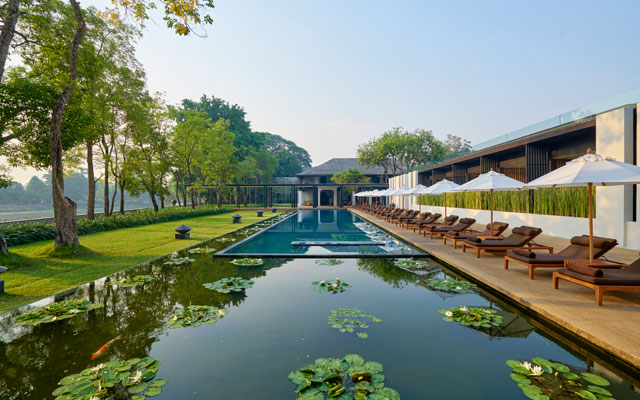
Travellers taking AirAsia’s inaugural weekend Chiang Mai-Hua Hin flight will be able to access discounts and perks at Anantara Hua Hin Resort and Anantara Chiang Mai Resort.
With a show of their boarding passes, travellers can avail to a 15 per cent discount on the best available room rate, F&B and spa treatments as well complimentary breakfasts, transfers to and from the airport, and a glass of sparkling wine or house wine upon arrival.
The new flight between Thailand’s Chiang Mai and Hua Hin is timed with the weekend to facilitate relaxation and sightseeing between the two popular destinations.
The Chiang Mai-Hua Hin flight departs every Friday and Sunday at 09.40; Hua Hin-Chiang Mai departs every Friday and Sunday at 15.10.
Anantara Chiang Mai Resort is conveniently located on the banks of the Mae Ping River, giving guests easy access to the temple-filled old city, Lanna heritage, artisan villages and mountain hill tribes. Anantara Hua Hin Resort is modelled on a traditional Thai village, with low-rise gabled pavilions set among lush tropical grounds, lotus-filled lagoons, and meandering pathways through exotic foliage.
Both resorts have implemented Anantara’s Stay with Peace of Mind programme, with enhanced health and safety measures that have been certified by the Tourism Authority of Thailand. In addition to enhanced levels of sanitation to ensure guests’ health and safety throughout their stay, social distancing has been implemented in all public spaces, and maximum flexibility is offered for rebooking stays.
Hyatt Regency establishes presence in Qatar
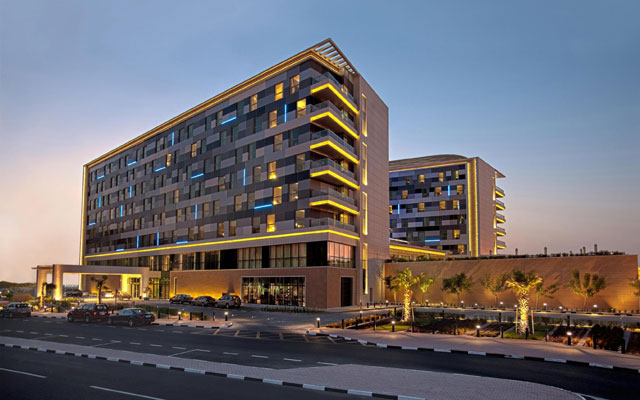
Hyatt Hotels Corporation will open its first Hyatt Regency branded hotel in Doha, Qatar this September 15, and is currently taking reservations.
Hyatt Regency Oryx Doha, the third Hyatt property in the Middle East, features 400 rooms and 12 luxury suites, a multitude of social spaces, several F&B concepts, as well as 1,000m2 of event facilities, including a state-of-the-art business centre, two ballrooms and 11 meeting and conference rooms.
It is located close to Hamad International Airport and a few minutes from the heart of the city, the palm-fringed corniche and Doha’s vibrant business district.
Srdjan Milekovic, senior vice president operations EAME, Hyatt, said in a press statement: “We believe that Hyatt Regency Oryx Doha will become a key destination in the city, satisfying the needs of on-the-go business travellers with an exemplary setting for meetings and leisure, and attracting local guests looking for modern dining experiences.”
The property will apply Hyatt’s multi-layered Global Care & Cleanliness Commitment to further enhance its operational guidance and resources around colleague and guest safety and peace of mind.
The Pavilions marks Palawan Island for 2022 opening

Hong Kong-based The Pavilions Hotels & Resorts has signed its first property in the Philippines, and will plant its flag in El Nido, Palawan Island come 1Q2022.
The 96-key El Nido Beach & Spa Resort will be a pool-villa property occupying 10 hectares of beachfront estate, promising panoramic tropical ocean views, an adventure park, dive centre, waterfalls and adventure walks, a signature spa and wellness facilities, as well as unique dining experiences.
The group will offer its signature Curated Journeys bespoke travel itineraries at the new resort.
Accommodation options include one- and two-bedroom luxury villas, as well as 20 Maldivian-style over-water villas, each with a private plunge pool and direct access to the ocean and the house reef beneath.
Commenting on the development, Gordon Oldham, founder and owner of the boutique hotel group, said: “The new resort truly embodies our philosophy of delivering unique experiences to our guests. We’re also very excited to be the first international luxury resort brand in El Nido.”
Gemmalyn Crosby will lead the El Nido Beach & Spa Resort as president.
SIA to provide logistics backing for global pandemic response
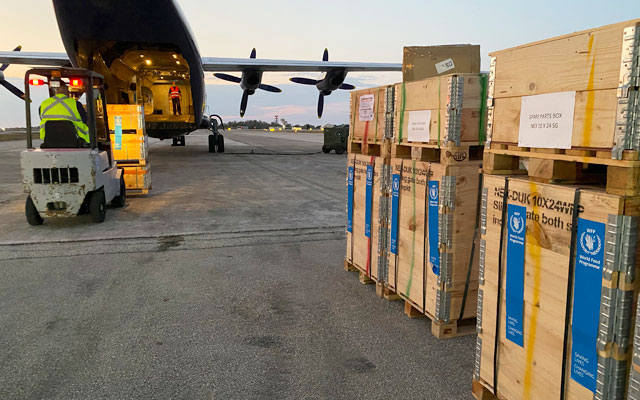
Singapore Airlines (SIA) and the non-profit Temasek Foundation are partnering with the World Food Programme (WFP) to transport essential medical supplies and other health and humanitarian items by air to points around the world needing Covid-19 recovery support.
The airline will make ad-hoc charter flights and freight space in its scheduled services available on a cost-recovery basis, with flight costs being covered by a contribution of up to US$6.5 million from the Temasek Foundation.
An estimated US$965 million is required to sustain WFP’s Common Services on behalf of the humanitarian and health community. Since commencing in May, WFP has managed more than 800 humanitarian flights to 159 countries, with enough cargo to fill 188 jumbo jets expected to require WFP transport in the coming weeks. However, only 21 per cent of the required funding has been received to-date. With additional support, WFP’s passenger and cargo flights are likely to grind to a halt at the end of this month.
“While demand for WFP Common Services grows every week, resources are stretched incredibly thin and additional support is urgently needed,” said Amer Daoudi, WFP’s Covid-19 corporate response director.
“We are very grateful to Singapore Airlines and Temasek Foundation for stepping up so we can continue delivering life-saving supplies to those who need them most.”
Where the heart is

As one of the region’s first destinations to relax pandemic-induced restrictions, Vietnam has been pushing domestic tourism following the lifting of social distancing measures from April 23.
At press time, social distancing measures were reinstated for some areas in the country such as Quang Nam province and Hanoi, while movement in and out of Da Nang has been restricted, due to the resurfacing of community transmission.
While domestic travel remained possible outside of Da Nang, Vietnam’s borders have stayed closed to international tourists. This has forced many operators to turn to the domestic market in the interim.
Alexander Leven, general manager, Asian Trails Vietnam, said while the business remains committed to its overseas partners, domestic and expat markets have represented new opportunities in recent months.
The company formed a new team with experience in the domestic field, and put in place a separate marketing strategy.
Leven observed that the approach used in attracting the traditional international markets cannot be applied to domestic expat travellers.
He said: “Their demands are very different. Under the current circumstances, expats’ reasons for wanting to travel as well as their travel style vary strongly from the longhaul clients we normally cater to.”
Established B2B inbound travel agency, Khiri Travel Vietnam, has chosen to stick with its business focus. General manager Nicholas Wade said to suddenly change direction would be “difficult”.
Nevertheless, he acknowledged: “We have certainly put more emphasis on our regional agents, as we predict and hope these will be the first (markets) that will be allowed back into Vietnam.”
He added that despite the expat market traditionally booking trips independently, Khiri has seen an uptick in interest in recent months.
Once focusing on only the international market, Luxperia, a collective of boutique operators, has made a welcome shift to the domestic travel market.
Linh Le, co-founder and principal, explained: “Luxperia initially wanted to offer outbound travel for Vietnamese and expat residents, so this has fast-tracked us to build clientele domestically now, in order to serve them internationally in the future.”
The collective has curated shorter packages and single-city stays to cater to domestic travellers. For the summer holidays, the company has secured a strong selection of twin-city bookings.
Besides availing of deals offered by local hotels, Luxperia is working with specialists such as NGO environmental organisations and wellness practitioners to develop unique travel packages.
“By doing this, it creates Luxperia’s point of difference as a (socially conscious), community-based and (environmentally conscious) luxury travel provider”, said Le.
Airlines have also been playing their part to fuel domestic travel demand. In May, a month after social distancing measures were relaxed, Vietnam Airlines and VietJet Air committed themselves to offering savings on tickets to drive domestic tourism.
Vietnam Airlines also has been expanding its network within the country, bringing the total number of domestic routes served and in the pipeline to more than 60 at press time.
The new and upcoming routes connect, among other cities, Hai Phong in the north with northwestern province Dien Bien and Da Lat with Hue, Thanh Hoa and Can Tho.
Meanwhile, Bamboo Airways added two routes on July 1, linking Thanh Hoa to Quy Nhon in the central province of Binh Dinh and Phu Quoc. Plans were also announced to add Hanoi-Con Dao flights.
Big lessons from big spenders
- China’s wealthy are leading hotel booking rebound since April
- Exotic domestic destinations are in favour
- Preference for nearby destinations will remain when overseas travel is allowed
China has enjoyed an outpouring of pent-up demand since hotels reopened in March, with big spenders lifting the country’s hospitality industry out of the doldrums.
Occupancy numbers across the board show healthy recovery – with some in the luxury segment shooting past 2019’s figures – with the inflection point being the Labour Day week in May, the country’s first major holiday.
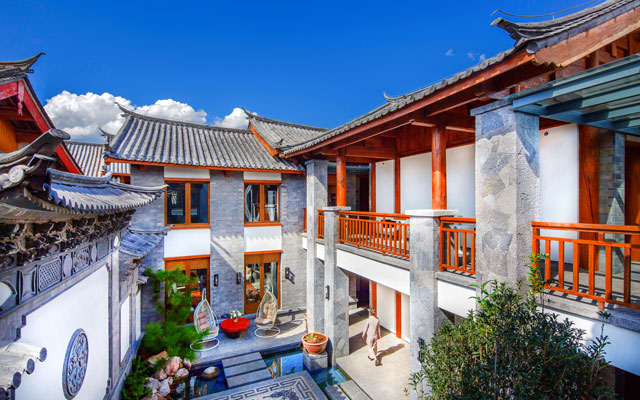
Julian Hagger, executive vice president of The Lux Collective, told TTG Asia: “We started to experience meaningful demand in occupancy in the first week of May. Over the past two months, LUX* Tea Horse Road Lijiang and Benzilan in Yunnan reported occupancy levels surpassing those of 2019. Their forecasted occupancy is also expected to surpass 2019 for the rest of the calendar year.”
Initial signs of recovery came to Four Seasons Hotels and Resorts in as early as April, shared Catherine Scown, the group’s regional vice president, sales and hotel marketing, Asia Pacific.
“Domestic luxury travel is trending very strongly. Four Seasons Hotel Hangzhou was full over the May holidays and continues to enjoy healthy occupancies over the weekends. By and large, (our guests) are local residents in the cities that we operate in, as well as from nearby markets that are connected by train. For instance, at Four Seasons Hotel Guangzhou, two-thirds of our guests are from Guangdong province itself,” she noted.
From hotels to hosts
With the rapid return of guests, hotels in China are no longer just hotels. The new breed of eagle-eyed travellers is taking its discerning demand to brands that have redefined the hospitality experience.
LUX* Tea Horse Road Lijiang, for instance, has extended its function beyond a retreat and into a destination management company. The hotel hosts its guests’ entire journey by facilitating transportation, sightseeing and other arrangements, with its staff occupying more than one role.
Hagger described: “The guide may be our front office manager on one day, and on another day, a housekeeping team member may host the guest for dinner at a village home. These experiences are spontaneous, surprising and always delivered from the heart.”
The Lux Collective has also tailored a series of Collectable Experiences where guests can engage in unique activities that contribute to local communities. “This type of transformational travel is in high demand as we are seeing a shift in discerning guests wanting to experience greater adventure, immerse in the locale and, at the same time, use travel as a force for good,” observed Hagger.

For Kempinski Hotels in China, the group has taken on an advisory role in communicating essential and comprehensive traveller information, such as the nearest facilities where guests can take their Covid-19 test if needed, nearby hospitals, parts of the destination that are safe to travel to, existing travel bubbles, as well as tourist spots that are open.
“We’ve implemented many measures and promises to our customers in the way of benefits and value-added services. It’s important to be honest and realistic with the customer about what facilities we can or cannot provide,” stated Ilja Poepper, vice president sales & marketing Asia, Kempinski Hotel.
Renewed love for the far-flung
Traditionally popular urban destinations Shanghai and Beijing have bowed out to the more exotic reaches of the country.
Hagger shared that The Lux Collection properties in Yunnan have received a “predominant” share of younger couples and families during the school holidays, as travellers from cities such as Shanghai, Beijing and Chengdu “prefer to escape to exotic destinations that offer outdoor experiences and beautiful nature”.
By October this year, The Lux Collection will open four more hotels in Yunnan, and in 2021, it will add two retreats in Pu’er and Dali.
Four Seasons started to see initial signs of recovery in April, when there was “a clear demand for resort destinations such as Hangzhou that have more outdoor space”, observed Scown.
Meanwhile, the Kempinski group is seeing a rise in occupancy for its Jiangsu, Suzhou, Guiyang and Huizhou properties.
“After the second wave of Covid-19 in Beijing, (occupancy) dropped to the single digits. But (in June) Kempinski Hotel Huizhou achieved an average occupancy of 50 per cent because it’s a leisure destination, where it’s not too hot in the summer, and it’s still new for leisure travellers in China. Our numbers are bouncing back faster than we thought, so our forecast is more positive than expected,” remarked Poepper.
Lessons across borders
Mobility across China has been enabled by the state-mandated Health Code, under which travellers require a “green code” on apps like WeChat and Weibo in order to visit a different province or city. In the case of a second wave, such as in Beijing, residents travelling out of the city would be required to take a Covid-19 test that is valid for seven days in order to qualify for the green code.
However, the system could still use more fine-tuning. Poepper explained: “There have been people who took the test and were clear to (travel from Beijing) to Xi’an, but when they arrived, they still had to be quarantined for 10 days (without prior notice).
“People are travelling, but not as much as before. It depends on which area you are in, and how open the province is to travellers. Every city has its own rules. Not everything is equal.”
Four Seasons’ Scown opined that when regional demand slowly trickles back across Asia-Pacific, shorthaul travel will be the ruling choice for travellers.
She shared: “We saw that very clearly in China and all signs point to this trend being translated to broader Asia-Pacific. We see opportunities in generating trials from new markets as consumers consider local and regional travel plans over longhaul travel in 2020 and even through early 2021. Our properties are putting together experiences for travellers to rediscover the beauty of the destinations that are closer to home.”
In another instance, Shangri-la and Mandarin Oriental have formed an alliance to pool their marketing budgets and jointly promote luxury travel to the Hong Kong market.
As for when the global travel bridge could be crossed, Poepper impressed that the “earliest” for South-east Asia would be “hopefully during the Spring Festival” in April 2021.
Jetstar Asia resumes services to key SE Asia ports
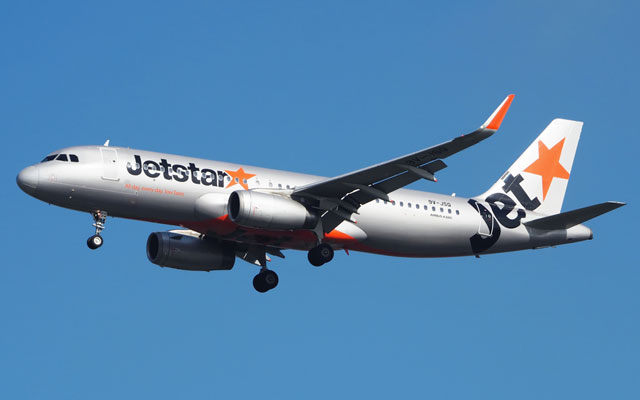
Singapore-based budget carrier Jetstar Asia will increase the number of services it operates to key South-east Asian ports, with the aim to create essential travel links and assist with freight in the region.
In addition to the current services to Bangkok, Kuala Lumpur and Manila, Jetstar Asia has reintroduced weekly services to Jakarta, Ho Chi Minh City and Penang since August 10. The airline will also run weekly services to Clark and Medan from the week commencing August 17. Two additional weekly services to Manila will also be operated from August 15.
These services, subject to regulatory approval, are only available to citizens and permanent residents who are returning home, or those with prior approval for travel. Customers must check with the relevant authorities to ensure they are eligible to travel.
All passengers will be required to wear a mask at all times, while crew members will don masks and PPE during the flight. From August 15, all passengers travelling to and from Manila are required to wear a face shield at all times during their journey.
Onboard services will be scaled back with only water being served during the flight. Passengers who have already pre-purchased meals or meal vouchers will be refunded for their purchase.

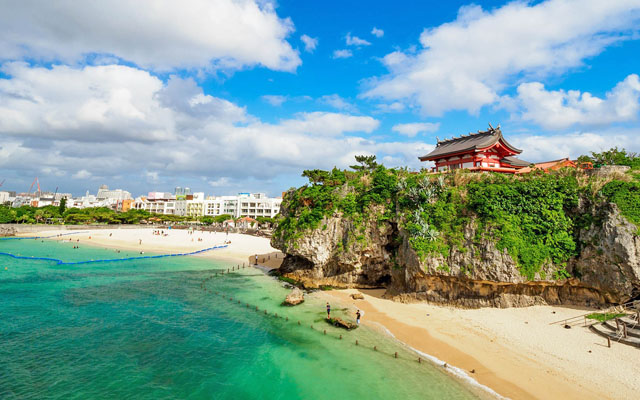






MGM Resorts International has cast doubt on its commitment to build the integrated resort in Yumeshima, Osaka, as the industry emerges from the Covid-19 crisis.
MGM’s president and CEO Bill Hornbuckle indicated in a conference call held last month that there were numerous factors to be worked out, and were currently not moving forward with its multibillion-dollar investment, reported Asia Gaming Brief.
This time last year, the American hospitality and entertainment company said that it was still pursuing the integrated resort in Osaka. It is currently the only operator making a bid, after Galaxy Entertainment and Genting Singapore pulled out of the Osaka race.
Hornbuckle was quoted by the report as saying that MGM will only move forward with the project if it is deemed to be profitable and able to meet the company’s expectations. Should the deal proceed, MGM will hold a 40-45 per cent stake in the operation.
Hornbuckle expects the Osaka RFP process to move ahead in early 2021, but hinted that he expects the Japanese government to reconsider its regulatory framework for IR development.