

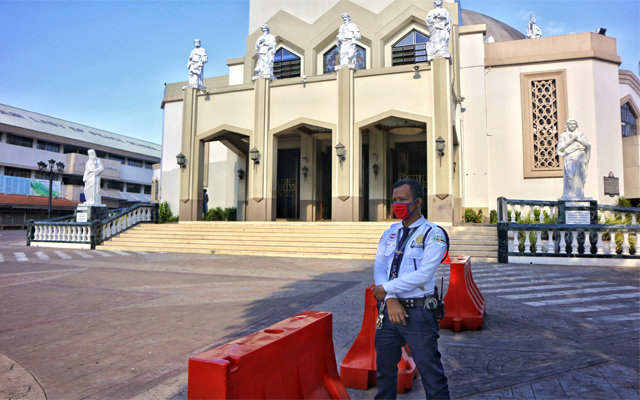
A surge in Covid-19 cases in metro Manila and surrounding provinces has prompted authorities to tighten travel restrictions, bringing more local hotels teetering on the brink.
As of today (March 22), nationwide daily infections hit 8,019 after three consecutive days of over 7,000 daily infections. This brings the total number of active cases to 80,970, with 12,972 deaths.
To curb the virus spread, the 16 cities of metro Manila – the epicentre of the outbreak – remain under general community quarantine (GCQ) but with stricter lockdown rules. Meanwhile, the provinces of Cavite, Laguna, Rizal and Bulacan have been placed under GCQ from the least strict modified GCQ (or MGCQ) until April 4, subject to review.
Only essential travel is allowed into and out of these areas, according to the Inter-Agency Task Force for the Management of Emerging Infectious Diseases.
While travel within GCQ areas is allowed, there are limitations such as the temporary closure of “museums and cultural centres, limited social events at accredited Department of Tourism establishments, and limited tourist attractions except open-air tourist attractions”.
Venue capacity at outdoor dine-in restaurants and cafes has been reduced to a maximum of 50 per cent; while indoor dine-in restaurants, cafes and establishments are limited to deliveries and take-outs.
Apart from weddings, baptisms and funeral services which are limited to 10 people, all other mass gatherings including large religious activities are prohibited.
This has affected the Lenten season activities, typically a major celebration in the predominantly Catholic country involving activities like visiting seven churches in a single day, going out of town to view cultural religious programmes, veneration of the cross and others culminating in Easter Sunday on April 4.
Curfew runs from 22.00 to 05.00. Minors and people over 65 as well as pregnant women and those with health risks are advised to stay home. Work-from-home arrangements and virtual meetings are recommended, while face-to-face meetings and all other gatherings in workplaces (like eating together) are strictly prohibited.
The latest restrictions come as a big blow to efforts at rebooting domestic tourism, even as local hotels continue to bleed from the high costs of maintaining their premises, without any government financial aid.
The latest casualty, Sheridan Resort and Spa near Puerto Princesa in Palawan, closed shop over the weekend. The deluxe property has struck a deal to change its management and branding into Four Points by Sheraton.
Both the 28-year old Legend Villas in Mandaluyong City and the Shangri-La Makati and Ridgewood Hotel in Baguio also bit the dust in February; while Marco Polo Davao closed late last year.
Many more hotels have also ceased operations owing to slack business from MICE, corporate and leisure travel; while more hotels and resorts are expected to shutter due to the prolonged lockdown.
Hotels and airlines have allowed clients to rebook without penalties, but Cebu Pacific said that the process for refunds may take up to seven months from date of request “due to the high volume of requests”.
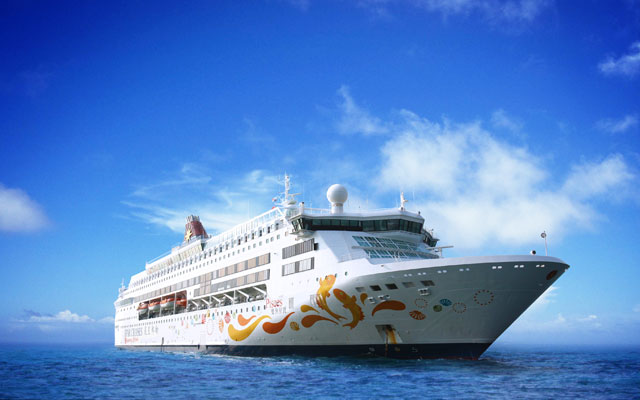











Star Pisces will become the first ship to resume sailing in Malaysia, departing from Penang starting May 13, at the start of the Hari Raya Aidilfitri Holidays.
The 40,053 tonnage cruise ship, which can accommodate up to 1,600 passengers, will offer Langkawi itineraries, Genting Cruise Lines (GCL) and Penang Port said in a joint statement.
The proposed Langkawi cruises will comprise of a two-night “Langkawi Escape” and a series of one-night “Straits of Malacca” Cruises.
The two-night “Langkawi Escape Cruise” departs Penang every Friday and Sunday, and passengers can have 10 hours of port time to explore Langkawi. The one-night “Straits of Malacca Cruise” will depart every Tuesday, Wednesday and Thursday, and passengers will be able to see all types of marine vessels in Straits of Malacca, which is the busiest straits in the world.
Cynthia Lee, vice president for GCL in Malaysia, said: “The new Langkawi itineraries will provide Malaysians the opportunity to enjoy the pleasures of cruising again and will bring much-needed benefits to the local workforce, airlines, restaurants, retailers and hotels for pre- and post-cruise stays in Penang and Langkawi.
“Importantly, the resumption of cruises will revitalise the ailing travel agent sector which has been adversely affected by the pandemic and provide employment opportunities for more citizens.”
Sasedharan Vasudevan, CEO of Penang Port, added: “The cruise services have always been the cornerstone in Penang, and what gave Penang its distinctiveness. With the persistent issue of the Covid-19 pandemic that has curbed domestic tourism, supporting Genting Cruise Lines on ensuring safe and comfortable cruise trips is important to jumpstart the local cruise sector.”
Adam Kamal, head of contracting & domestic market, ICE Holidays, shared: “This is the spark we needed to revitalise the tourism sector. Hopefully, it will pave the way for other domestic tourism sectors such as group and incentive travel, to resume.”