

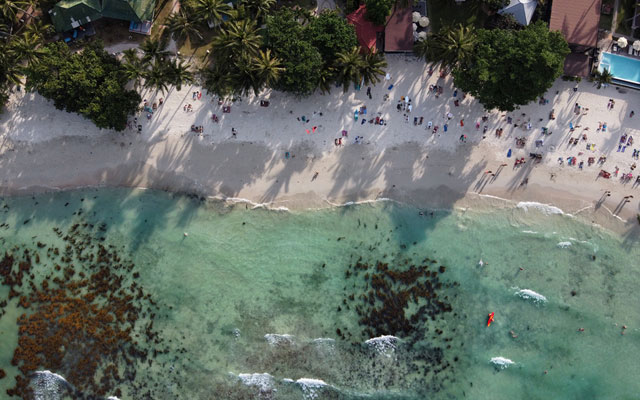
Swiss-Belhotel grows Indonesia portfolio
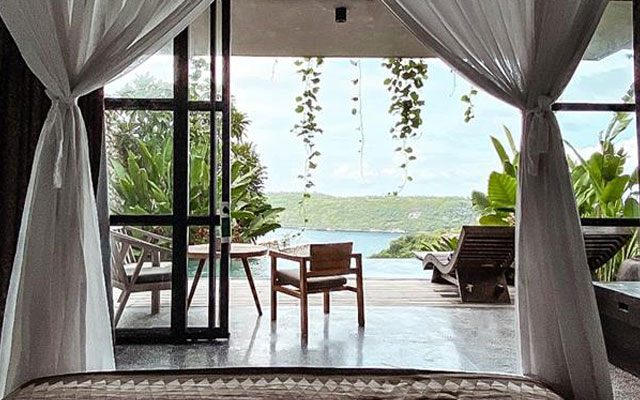
Swiss-Belhotel International plans to open seven new properties in Indonesia by 2023, which will bring the group’s property count in the country to 82.
The new properties will comprise of the following brands: Swiss-Belcourt, Swiss-Belhotel, and Swiss-Belresort. They will be located in various cities across the archipelago, including Kupang, Makassar, Nusa Penida, Biak, Central Java and Jakarta.
Five of the new properties will open by end of 2021. They are the 102-room Swiss-Belhotel Cendrawasih Biak; the 98-room Swiss-Belcourt Kupang; the 75-room Swiss-Belcourt Makassar; the 62-key The Gamat Bay, Nusa Penida, Bali; and the 163-room Swiss-Belhotel Arjuna, Legian, Bali.
The 316-room Swiss-Belhotel Kelapa Gading, Jakarta is due to open in 2022, while the 271-room Swiss-Belhotel Purwokerto will open in 2023.
Thai AirAsia to restart all domestic routes
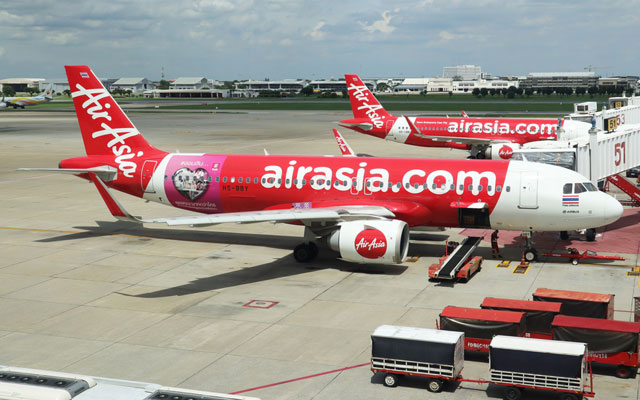
Thai AirAsia is set to resume operations on all 40 domestic routes in Thailand from April, including 14 regional routes from its hubs across the nation.
The move comes on the back of “pent-up demand for air travel in Thailand”, said AirAsia Thailand CEO Santisuk Klongchaiya. He cited how all 80,000 travel passes put up for sale under the airline’s recent #FlyRuaRuaPass promotion was sold out in 48 hours.
The domestic flights will be operated both direct to and from Bangkok (Don Mueang and Suvarnabhumi). Additionally, the airline will also reboot domestic cross-regional connections from its hubs in Chiang Mai and Phuket.
From April 1, Thai AirAsia will also be increasing frequency on popular routes, such as from Don Mueang to Chiang Mai, Phuket, Hat Yai, and Surat Thani. It will also operate five daily flights to Chiang Rai, Khon Kaen and Udon Thani; as well as reinstate five routes from Suvarnabhumi Airport to Chiang Mai, Nan, Phuket, Hat Yai and Nakhon Si Tham.
Vaccination of Malaysian workers in Singapore to start soon
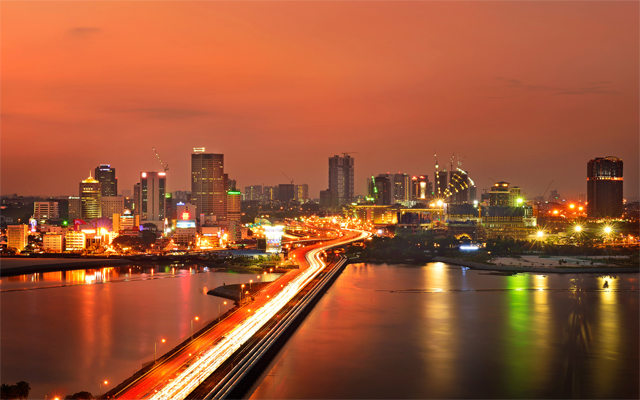
Around 100,000 Malaysians living in Johor who commute to Singapore for work will be among vaccine recipients under phase two of the National Covid-19 Immunisation programme scheduled to begin next month.
Johor chief minister, Hasni Mohammad, said at a press conference on Sunday (March 14) that the vaccination will be implemented in stages, and that the registration system for this purpose was currently being developed by the Ministry of Science, Technology and Innovation.
“As Malaysia is using the same vaccines as Singapore (Pfizer-BioNTech), it should not be difficult for both countries to recognise the inoculation process via a certificate available on the MySejahtera app,” Hasni was quoted as saying in a report by Sunday Star.
He also hoped that the border with Singapore would reopen by May or June as cross-border traffic would help to spur Johor’s economy.
When contacted, Malaysian Inbound Tourism Association president, Uzaidi Udanis, said the association had been in talks with the Ministry of Tourism, Arts and Culture to prioritise inbound players for phase two of the national vaccine drive so they could travel abroad to meet with overseas partners to promote Malaysia.
He added: “We cannot wait until the border reopens before we start marketing the country. We have to start marketing now.”
Covid-19 tests still required at most Philippine destinations

Despite the government lifting the mandate of Covid-19 tests for domestic travel, the majority of tourist destinations across the Philippines continue to make testing a requirement.
As determined by their respective local government units (LGUs), destinations requiring RT-PCR tests include Boracay, Bohol, Cebu, Palawan, Siquior, Iloilo, Dumaguete, and Pangasinan, said tourism secretary Bernadette Romulo-Puyat in a press briefing on Wednesday (March 10) announcing the Department of Tourism (DoT)’s commitment to support the reopening of Rizal. She, however, did not cite the reasons for most of the LGUs’ decision to continue making Covid-19 testing mandatory for tourists.
Meanwhile, infections continue to increase in the country, with daily cases exceeding 2,000 over the past few weeks.
Nine areas including metro Manila, Baguio City, Mountain Province, Apayao, Kalinga, Batangas, Davao City, Tacloban and Iligan remain under general community quarantine (GCQ) – the second lowest of the four quarantine rungs in the Philippines – until the end of March.
Following an eight-month closure, Rizal is now accepting tourists without requiring Covid-19 tests. Congressman Michael John Duavit explained that Rizal is safe and ready to accept tourists as it is under modified GCQ – the lowest of the four quarantine rungs in the Philippines – with a population that adheres to safety and hygiene protocols.
Romulo-Puyat said that being in close proximity to metro Manila, Rizal is expected to attract domestic tourists with its many open-air, nature-based and varied attractions. In 2019, the province posted 7.2 million same-day arrivals and 395,364 overnight arrivals.
She said the DoT commits to promoting Rizal through online marketing campaigns, enhancing capacity building industry training, and sustaining the flagship domestic tourism recovery programme in the area dubbed the Green Corridor Initiative (GCI) which spotlights the faith, food, art, adventure, and nature in the province.
“Through the GCI, the City of Antipolo and the Municipalities of Angono, Taytay, and Cainta are interlinked in the safety of a travel bubble, furthering the DOT’s commitment to promote the province as a fun, sustainable and safe destination,” she added.
Dedicated bank for Malaysia’s ailing tourism sector mooted
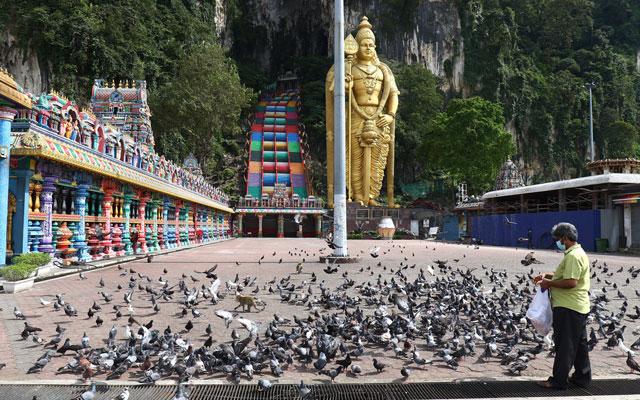
Malaysia Tourism Council (MTC) is lobbying for the setting up of a dedicated tourism bank in Malaysia to encourage local and foreign investments in the tourism industry as well as to provide financial assistance to tourism players to help them sustain operations and compete regionally and internationally.
MTC president, Uzaidi Udanis, said the idea was first mooted at the Malaysia Tourism Gold Summit 2020 held virtually in November 2020. He said such a bank was needed to address the current weaknesses in the banking system where it was difficult to get loans for moveable assets and recreational equipment as well as loans for the purchase of tour vehicles.
Given also how the pandemic has sped up the digitalisation of tourism products and services, he said that a tourism bank could facilitate with payment gateway systems for the industry.
The council is now in the midst of preparing a comprehensive proposal to be submitted to the Ministry of Tourism, Arts and Culture Malaysia on the setting up of the tourism bank, which among others, will provide loans to industry players.
K Thangavelu, managing director at Grandlotus Travel Agencies, agreed that a dedicated bank for tourism players was needed as such a bank would understand the needs of sector players, and the strengths and weaknesses of the industry. Noting how the tourism industry was among the top GDP contributors to the country pre-pandemic, he said that “it is worth investing in and developing this high-growth sector”.
Raaj Navaratnaa, general manager, New Asia Holiday Tours & Travel, opined that the tourism bank should also provide loans to encourage innovation and digitalisation in the tourism industry. He said: “The bank should assist players to compete on a level-playing field with international players once the borders reopen. It should tailor-make its products and offerings to meet the future needs of industry players.”
The Clan Hotel Singapore

Location
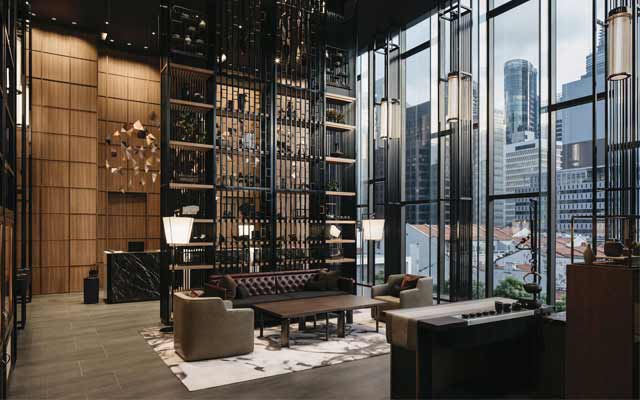
The Clan Hotel Singapore sits in Singapore’s central business district and within the Telok Ayer heritage zone where some of Singapore’s oldest architecture remain in glorious, conserved forms. There are storied temples and museums to be discovered alongside both new-age and established F&B venues. To encourage hotel guests to appreciate the surroundings, the hotel conducts precinct tours that not only highlight interesting landmarks but also tell the fascinating tale of how Singapore went from small trading port to global city.
For travellers who enjoy exploring their vicinity on foot, this district will not disappoint. Spanning out from here are many key tourist landmarks, such as Chinatown, Asian Civilisations Museum, National Gallery Singapore, Victoria Theatre and Concert Hall, and Gardens by the Bay.
Rooms
There are 324 rooms across three categories – Grand Premier, Premier and Deluxe. All are handsomely furnished in earthy tones and dark wood, with Singapore’s blend of modern skyscrapers and conserved shophouses providing a stunning portrait beyond oversized windows.
The rooms are sized from 24m2 for Deluxe rooms to 36m2 for Grand Premier rooms – and every one makes clever use of space. There is an open wardrobe, a spacious desk against natural light, a wall-mounted flatscreen TV that can be extended out for a comfortable movie night in bed, and a cosy nook where one can enjoy complimentary tea and peppery Bak Kut Teh (pork rib broth) cookies.
Only guests of Grand Premier rooms will get to luxuriate in a bath, but bath tub envy is unlikely elsewhere since a generous space is allotted for the shower area.
Service
Now, this is where it gets exciting for guests.
The property has built a beautiful backstory, one that transports guests to olden Singapore when new Chinese immigrants sought shelter and the comfort of familiarity with clan houses. The hotel promises the same care and protection to all guests.
The hospitality promise is delivered through the hotel’s Master Series, a signature experience that is built around the promise of customised attention. Eighteen Grand Premier and 60 Premier rooms are offered under the Master Series.
The guest journey begins before the stay, when the traveller is invited to build a complimentary in-room snack hamper from a list of quality treats such as the hotel’s own craft beer, The Orient Brew. It then extends to an airport meet-and-greet, luggage forwarding, luxury transfer with check-in completed en route, a heart-warming tea ceremony at the hotel by the resident tea master, the allocation of a personal Clan Keeper to take care of every need, a room and hotel orientation, and a curated experience of the exciting vicinity.
Of course, with arrivals into Singapore still heavily restricted, the attentive airport meet-and-greet and transfer service has translated into a convenient pick-up service between staycationers’ home and the hotel.
Should isolation and minimal contact be preferred, the hotel has self-check-in kiosks in the lobby.
In my case, I wanted to experience every touchpoint the Master Series has to offer. I made friends with my Clan Keeper Sam Gil, who invited me to pick out a craft soap for use during my stay, piqued my interest in the mysterious Inner Circle Guide, and helped with private in-room dining arrangements and bookings for gym and pool access.
I soon discovered that The Inner Circle Guide is a collection of lifestyle and entertainment recommendations, handpicked by hotel associates who combed the vicinity. Hotel guests can identify themselves at participating Inner Circle Guide merchants and earn surprise perks and attention.
Clan Keeper Sam led me on a precinct walking tour on the second day of my stay, and provided narratives on the role Telok Ayer played in Singapore’s founding days. Despite being born and raised in Singapore, the tour impressed me with sights and places I have never noticed. We spent some time at the Singapore City Gallery, where I acquired newfound respect for our urban planners. An icy sugar cane juice stop at the iconic Maxwell Food Centre (established in 1928 as Maxwell Market) towards the end of the walking tour was very much welcomed.
The Singapore story continues throughout the hotel through The Clan Collective, a programme where the hotel collaborates with select local craftsmen, artists and influential figures to bring about unique guest touchpoints that link the destination’s past with the present as well as highlight the local community and culture.
The lobby’s stunning art installation, which comprises 150 painted aluminium panels folded using the Chinese golden venture paper folding technique and suspended from the ceiling, is the work of local artist Grace Tan. Named The Pact, the artwork symbolises the close bonds between early Chinese immigrants.
The Clan Daily Special in-room dining menu, which features some of Singapore’s favourite hawker dishes, is curated by local hawker cuisine expert and author, Leslie Tay. Even The Orient Brew is a result of The Clan Collective – the white chrysanthemum lager was created by the family-run The 1925 Brewing Co. just for the hotel.
F&B
Just as how the hotel fuses Singapore’s storied past with luxury expectations of today, Qin, the hotel’s sole restaurant, does the same with its modern interpretation of classic Chinese dishes.
Qin, which means kinship in the Chinese language, presents home-cooked favourites such as steamed egg custard, chicken rice, braised beef brisket and prawn noodles in creative ways. Take the steamed egg custard for instance – a clear mushroom broth is prepared by the table using a coffee siphon; while simple in taste, the fragrant broth accentuates the savoury egg custard and made this humble dish an outstanding one.
Bearing Singapore’s multicultural background in mind, some dishes also reflect South-east Asian influence. I enjoyed the Margaret River Angus short ribs, charcoal-grilled to juicy perfection and dressed in a spicy peanut foam and refreshing Balinese sambal matah.
Qin’s fusion thread continues through the restaurant’s interior. The dining hall on the fourth floor is an elegant space with an Art Deco hint, featuring dramatic floor to ceiling windows, gleaming granite and brass furnishing. The space flows one level up, to the bar above, with an impressive wall and ceiling made of traditional Chinese medicinal drawers.
Over at Qin Bar, an extensive wine and liquor list is complemented by Qin Tales, a series of signature cocktails inspired by the Singapore story. These cocktails bear curious names, like The Roar, 43 and Pu Luo Chung, which open doors to even more fun facts about the city-state.
Managed by Tung Lok, one of Singapore’s leading restaurant chains, Qin also conducts the hotel’s breakfast service, offering an a la carte menu with a daily chef’s special.
Facilities
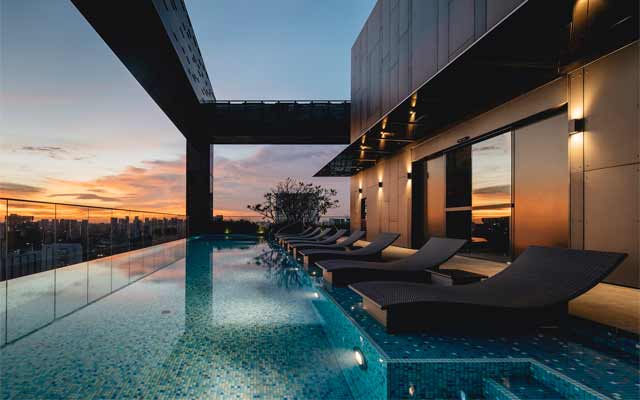
Sky Gym and Sky Pool with a heated Jacuzzi on level 30, the top-most floor of the hotel, grant guests more of that splendid, unblocked city views the hotel affords. Besides the usual modern fitness equipment, the Sky Gym also has a space where guests can work out to on-demand personal training videos.
For business guests, the hotel offers two event venues – The Den and the Mahjong Room are perfect for small-sized meetings. Power breakfasts and business lunches can also be hosted at Qin.
Verdict
I love a great story, and The Clan Hotel Singapore has a wonderful one to tell. The Singapore coming-of-age story is woven coherently throughout the hotel’s software, and conveyed brilliantly through hotel associates who are genuinely proud of the hotel product and the surrounding heritage area. Two nights at the hotel feels like more than just a stay away from home; it was also an impressive way to appreciate the destination.
Number of rooms 324
Rates From S$330 (US$245)
Contact details
Tel: +65 63386388
Email: info.tch@fareast.com.sg
Website: www.theclanhotel.com.sg
Australia’s tourism sector gets US$928m lifeline
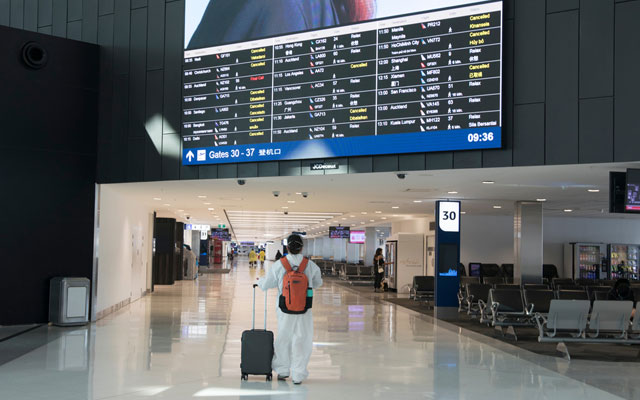
The Australian government has rolled out a A$1.2 billion (US$928 million) tourism support package designed to boost domestic travel as its international borders remain closed due to the pandemic.
The package includes airline ticket subsidies for travellers, cheap loans to small tourism businesses and financial support for the country’s two largest airlines, according to a Channel NewsAsia report.
From April 1 until the end of July, the government will provide 50 per cent subsidies for 800,000 tickets on domestic flights to 13 destinations across the country that are heavily-reliant on foreign tourists.
Qantas Airways and Virgin Australia will receive A$200 million in support from April to October to help with maintaining mothballed aircraft, bringing planes out of storage and wages for international flying staff, said the report.
Qantas is targeting to restart some international flights by end-October, to coincide with the completion of Australia’s national Covid-19 immunisation drive. However, prime minister Scott Morrison has said that “it’s still a bit too early to say” when the country will reopen its international borders.
Yacht quarantine scheme to set sail in Thailand
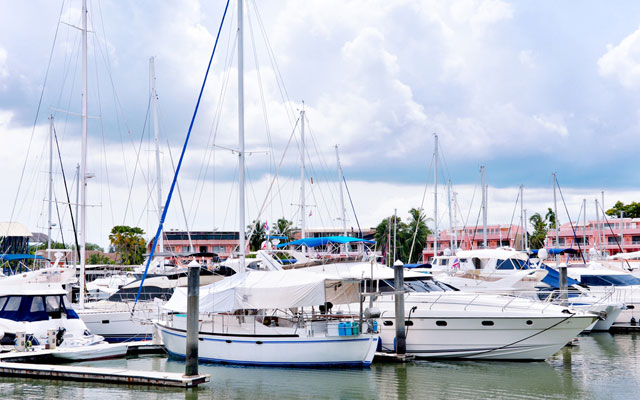
Thailand will soon launch its first Digital Yacht Quarantine project, designed to stimulate yacht tourism to Phuket and allow visitors to complete their 14-day quarantine requirement onboard their own yacht.
The initiative, announced by the Tourism Authority of Thailand (TAT), is led by Thailand’s Digital Economy Promotion Agency, together with Thai yachting organisations in Phuket, as well as key public and private sector technology providers.
The Digital Yacht Quarantine scheme will rely on smart watch health trackers using NB-IoT technology that will allow Thai medical officials to monitor the health of visitors up to 10km offshore. After arrival, visitors are to liaise with a representative from the Thai Yacht Business Association (TYBA), which will act as the coordinating agent between the Thai health authorities to arrange for Covid-19 RT-PCR testing.
After testing, visitors will then each be fitted with a smart watch health tracker, which must be worn at all times to measure the pulse, blood pressure, and body temperature. The information will be monitored in real time by relevant Thai health authorities via a dashboard at the Ao Po Pier. Both devises can also send out an emergency SOS signal if visitors need urgent medical assistance.
After the 14-day quarantine period is complete, all data will be analysed again before allowing visitors to embark and go ashore in Phuket.
Thailand first launched the yacht quarantine last October, with no Covid-19 infections detected since then. The expanded digital project is expected to attract more than 100 yachts and 300 to 500 visitors this year.
Long-stays to lead tourism’s post-Covid recovery

The tourism industry may see a rise in demand for long-stay vacations lasting more than a month when international travel resumes, especially among youth travellers, predicted experts at ITB Berlin NOW.
This comes as a result of pent-up travel demand, compounded with the need for extra procedures – such as vaccination and possible quarantine – that will likely be required for travel in the future.

Greg Richards, research advisor at World Youth Student and Educational (WYSE) Travel Confederation, said: “We’ve seen opportunities emerging in terms of long stays because, with people having to (undergo) quarantine, it doesn’t make sense to travel anywhere for a weekend anymore. Youth travel is one of the areas where long-stay travel is particularly important. The average length of a trip for someone who’s (travelling for) au pair, work experience or language learning is over 100 days.”
The promise of such long-term, “purposeful travel” jumpstarting travel again has rippled across the globe. Australia announced in February that the Covid-19 vaccine will be made available to international students, and countries such as Croatia and Greece are dangling digital nomad visas for remote workers itching to travel.
In Thailand, Sri Panwa Phuket completed its first Villa Quarantine pilot project on March 8, and 58 travellers are now free to embark on a one-month tour of the country. Based on this success, the project may soon be replicated across five provinces, including Phuket, Krabi and Chiang Mai.
Richards noted: “We’ve also seen youth accommodation providers profiting from this trend by offering long-stay packages. Now, you can get packages that are a month or more in many hostels. (These packages are) now increasingly based in private facilities as well rather than just dormitories, to facilitate social distancing.”
Home-sharing platforms are also looking to capitalise on the rising long-stay trend. Airbnb has adjusted its booking function to allow for a flexible range of dates, in anticipation of changing work arrangements and longer weekends, described Nathan Blecharczyk, Airbnb’s co-founder and chief strategy officer as well as chairman of Airbnb China.
As the vaccines bring about hope for the return of travel, WYSE predicted that travel agencies may see a resurgence as travellers seek assurance and safety in their holiday arrangements.
Richards explained: “Travel agents are positioning themselves to be advisors who can provide reassurance and knowledge, which is very important (when) travel advisories are shifting rapidly. Increasingly, travel agents are helping people understand travel restrictions, the terms and conditions that are attached to travel these days, insurance products, and how best to travel. From our previous research, this advice function that travel agents are able to offer often translates into sales as well.”
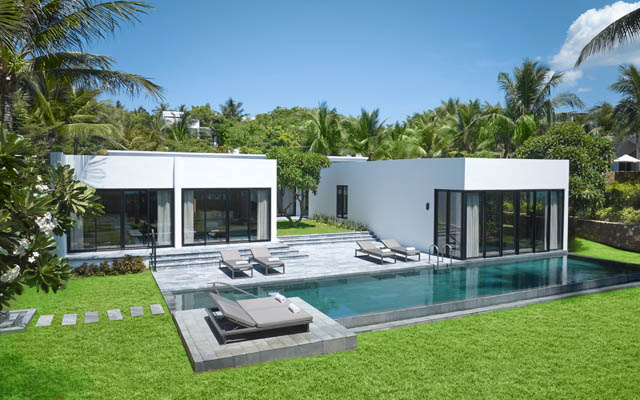






Thailand’s popular beach destination, Koh Samui, plans to allow quarantine-free entry to vaccinated foreign tourists from October 1.
“The island’s economy and infrastructure were built around foreign tourism, and businesses here have been struggling without foreign visitors over the past year,” Ratchaporn Poolsawadee, president of the Tourism Association of Koh Samui, said in an interview with Bloomberg.
“We need to reopen as soon as possible to be able to compete for visitors with other countries.”
According to the report, Ratchaporn said vaccinated travellers arriving on Koh Samui will also be able to travel quarantine-free to its neighbouring islands of Koh Tao and Koh Phangan. About 160,000 vaccine doses are needed to cover at least 70 per cent of the current residents on these three islands, he added.
Koh Samui’s reopening plan follows Phuket’s proposal for the popular Thai island to reopen to vaccinated travellers by October 1, exempting them from the 14-day quarantine requirement. In line with that vision, Phuket industry associations are planning to carry out a private vaccination drive to inoculate at least 70 per cent of the island’s population to create herd immunity prior to its targeted reopening date.