


Thailand green-lights more domestic tourism stimulus
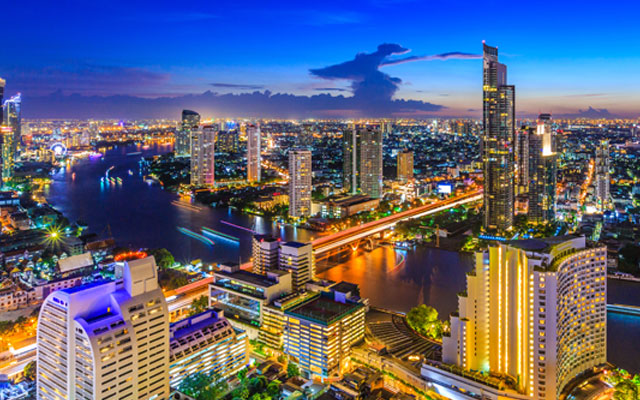
The Thai government has approved more measures to trigger greater domestic tourism spend in a bid to lift the struggling travel and tourism sector that has been beset with losses from the absence of global travel.
According to Reuters, the enhanced package will include a 40 per cent discount on 10 hotel nights for each traveller, up from five nights offered in an earlier stimulus scheme, while a subsidy on flights will double to 2,000 baht (US$63.50).
The cabinet has also approved maintaining the valued-added tax at seven per cent for another year to September 2021, finance minister Predee Daochai said in a statement.
An Asian flavour
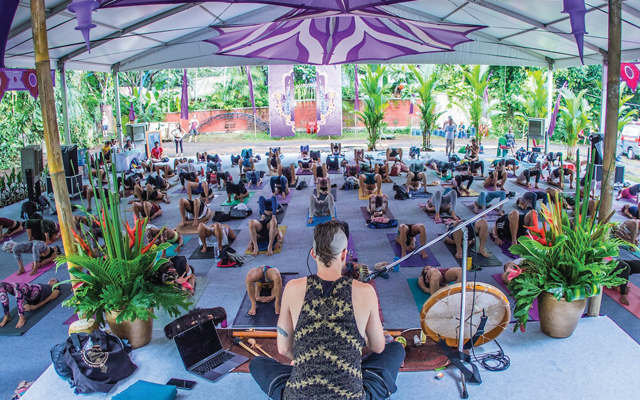
BaliSpirit Festival, Indonesia
Yoga, music and dance is celebrated annually at the BaliSpirit Festival since its launch in 2008.
Positioned as a premier international destination event that embodies the Balinese Hindu concept ofTri Hita Karana – living in harmony with our spiritual, social and natural environments, the event draws more than 5,000 in attendance every year.
While the festival had to be cancelled this year due to Covid-19 precautions, it will return in 2021.
Commenting on the success of the BaliSpirit Festival, media manager Noviana Kusumawardhani said: “What BaliSpirit Festival offers transcends national boundaries. People from all over the globe want to connect in a community of like-minded souls, to practice yoga with world-class teachers, to dance and have fun, and to experience global music concerts under the stars. The essence of the festival appeals to an international audience.
“Secondly, the presenters and artists of the festival are also very international. Naturally, their students and fans from across the globe get to hear about BaliSpirit Festival.
“Thirdly, our location is ideal for international travellers. Bali, the Island of the Gods, is a dream destination for tourists from all over the world and is well connected with international flights and offers a variety of accommodation options for both budget and luxury travellers.”
The organisers market the annual gathering through online channels and word of mouth.
Noviana revealed that BaliSpirit Festival enjoys keen attention from traditional and new media, chalking up coverage by international magazines, TV stations, bloggers and e-news outlets every year.
To encourage overseas attendance, the organisers partner with travel companies, such as those in Japan and China, to promote and sell BaliSpirit Festival.
However, with Bali hotels being so easily available, Noviana said that the majority of attendees would arrange their trip themselves.
“Besides, booking on your own gives you maximum flexibility and options,” she said. – Mimi Hudoyo

Shilin Singapore
Often considered a gateway to Asia, Singapore has developed a reputation for themed festivals that bring the best of its regional neighbours to locals and visitors alike. Shilin Singapore, a Taiwanese night market-themed event which debuted last year over two weekends and drew more than half a million attendees, returned this year in a unique virtual edition.
The event featured more than 100 livestream parties from June 12-14 and 19-21, where attendees had Taiwanese cuisine delivered right to their doorsteps. They were able to order retail products from brands, watch celebrities host live shows and performances, and enjoy giveaways.
To mimic the feeling of a physical carnival, the event even incorporated digital arcade games.
Kent Teo, founder and CEO of Shilin Singapore organiser, Invade, said: “Shilin Singapore Virtual 2020 used various technologies to create a truly multi-sensorial experience. We wanted to tackle the pandemic head-on by providing businesses with an alternative platform to generate revenue. By digitising our (event), we were also helping our vendors get upskilled with live shopping and social shopping capabilities.”
He explained that since the Singapore government implemented a nation-wide shutdown of non-essential services on April 7, as many as 80 per cent of restaurants might not be able to tide through the next six months. He hoped that Shilin Singapore Virtual 2020 could alleviate the pressures for these operators.
“It’s easy for organisers to simply cancel their events during such unprecedented times. However, we wanted to challenge ourselves and perhaps find a solution that could also work in the long run, while still being able to help businesses,” he added.
He said the digital version of Shilin Singapore may even change the way Invade – which is also behind the Artbox Singapore festival – organises offline festivals in the future. – Pamela Chow

George Town Festival, Malaysia
George Town Festival (GTF) is an annual, three-week celebration of culture, heritage, art, and community. The festival came to life when George Town in Penang was designated UNESCO World Heritage Site status in 2008.
This year’s festival, from July 4 to 19, took on a new twist; it was held online due to the Covid-19 pandemic which has also made social distancing a new norm.
Penang Tourism, Arts, Culture and Heritage committee chairman, Yeoh Soon Hin, said nine programmes were curated for this year’s digital festival, bearing the theme, Everyone Everywhere.
Talks and workshops as well as a post-GTF bonus screening on July 26, related to visual art theatre, music, dance and film, were all part of the line-up.
Nigel Wong, director, Urban Rhythms Tours, Adventures and Travel, shared: “Going digital will help keep the brand alive as this festival is well-known internationally. (This year) it allowed a wider audience to access content, without actually having to physically travel to Penang. As borders remain closed, travelling to Penang for the festival is just not possible for foreigners.”
Maintaining the festival in a virtual format this year was deemed “a smart move” by Arokia Das, director, WL Travel, as it set a continued presence.
“Once the pandemic is over, borders reopened, and free movement of people resumes, I am sure the festival will return to its original form. That is a good thing because…the festival enhances the value of Penang as a business events destination. Planners can incorporate (festival activities) into their programme which will leave delegates with lasting memories of Penang.” – S Puvaneswary

Bangkok Design Week, Thailand
Bangkok Design Week’s extensive coverage of the city provides a fresh way of experiencing and understanding the Thai capital as a destination. This year, over 2,000 designers and creative businesses decked out four areas of the city with art installations.
According to Pichit Virankabutra, director of the creative space development department at the Creative Economy Agency (Public Organization) or CEA, the event is now South-east Asia’s largest design week. The size and breadth of the issues it tackles are of an international standard, putting it on par with the design weeks of Italy and Finland’s Helsinki.
And the event is meant for everyone. “We try to draw…people (who are) searching for experiences, issues and new perspectives to think about,” said Pichit.
“We want to drive the creative economy sustainably, and be able to help develop the city. It has to be truly inclusive and forward-thinking, something that people can bring their grandparents and their kids to.”
Drawing festival-goers into local neighbourhoods, the event helps catalyse discovery of local shops, businesses and culture. “With 30,000 people a day walking into local communities and supporting local businesses and cafes, it truly helps to drive the local…economy.”
This year’s Bangkok Design Week, hosted from February 1-9, 2020, was attended by 300,000 to 400,000 visitors every day, with 13.2 per cent being tourists. – Anne Somanas

Pahiyas Festival, Philippines
Held every 15th of May, the colourful harvest fiesta known as Pahiyas Festival helps to lure curious tourists into the town of Lucban, Quezon.
During the festival, town residents compete to have the most creatively decorated houses, uniquely bedecked with kiping – glutinous rice pounded into leaf shapes and dyed with food colouring, local decorative materials, fruits, vegetables and other farm produce. Cultural shows, parades, pageantry, and street sales were added over the years.
Arjun Shroff, managing director, Shroff International Travel Care, said Pahiyas is “something new, very natural and culture-related”.
As Lucban is a few hours’ drive from Manila, an experience of Pahiyas can be combined with Tagaytay or Pagsanjan Falls in Laguna as well as Batangas. – Rosa Ocampo
Travel matters
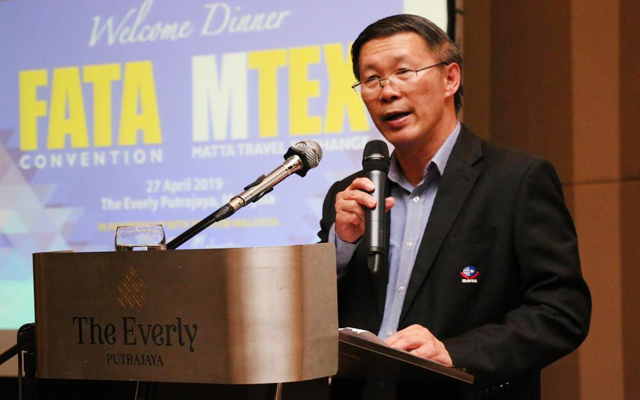
Would you have expected a travel and tourism industry crisis of this scale?
We were all optimistic that this year and 2021 were going to be great for travel and tourism within the South-east Asian region.
At the ASEAN Tourism Forum in January this year, FATA (Federation of ASEAN Travel Associations) members were making plans for ITB Berlin in March. This is one of the most important travel tradeshows in Europe, as it provides a big opportunity for members to further develop the European travel market in their respective countries.
As I was packing my bags and getting ready for the long flight to Berlin, I received a message from the organiser that the show had been abruptly cancelled due to the rapid spread of the coronavirus. In the weeks ahead, countries around the world started locking down their borders.
I have been involved in the travel industry since 1990 and I have experienced many crises that affected travel demand, such as the Gulf War, the global financial crisis, SARS, global recession and natural disasters. But none of those were of this magnitude and had such dire impact on the travel sector where the entire chain – aviation, hotels, cruises, theme parks and travel agencies – has been impacted all over the world.
The sector will take at least a year to recover, and boosting travel confidence is among the greatest challenges FATA faces this year.
Do you see this crisis as a real test of the value of FATA as a professional association?
Yes, I do. FATA is the umbrella body for national travel associations in South-east Asia. The combined number of travel agents under FATA is over 7,700.
As an association, this crisis has made us harmonise our strategies in dealing with challenges and working in solidarity with our members. Let me give you an example. There were a lot of airline cancellations during the pandemic. The airlines, in general, issued travel vouchers instead of cash refunds. Customers who purchased airline seats from (travel agents) were unhappy because they wanted their money back, rather than a voucher which has little or no value should (the airline) be liquidated.
Thus, we approached the International Air Transport Association in April to compel the airlines to process refunds in compliance with the rule of law. There has been no positive response but we will continue to pursue the matter.
While we remain sympathetic to the multiple challenges faced by airlines during this crisis, the position taken by airlines could stifle forward bookings and consumer confidence, (affect) travel patterns, and spur unnecessary lawsuits.
Other issues that FATA worked on include lobbying governments within South-east Asia to put pressure on banks and leasing companies to provide loan moratoriums to travel operators, and to come up with economic stimulus packages and financial assistance that benefit the region’s travel industry.
Our members, and FATA, have also collectively urged the regional governments to start opening the borders first to help restart tourism.
Why South-east Asia first?
South-east Asia has a population of over 622 million, thus the potential of intra-South-east-Asian tourism is comparable with that of European, Chinese, Indians or Americans travelling within their borders.
Ensuring that the travel and tourism industry here is the first to recover would mean instant activation of a wide-range of related micro-economies. The impact from the growth of tourism in South-east Asia will create curiosity and branding opportunities in international markets that will in turn develop an interest to visit the region.
Travellers are also inclined to travel closer to home as they are also concerned about future lockdowns (resulting from) new waves in the absence of a vaccine. The pandemic has left millions of travellers stranded all over the world, and memories are still fresh for many.
What are the most common concerns that FATA members have now?
With zero revenue as early as March and ongoing weak travel demand, members are worried if they will be able to sustain their operations until the industry fully recovers, and this I estimate, will occur sometime in 1Q2021.
Being able to sustain and pay staff salaries and office rentals as well as service business loans are major concerns of our members. Liquidity is another major concern as financial institutions see the tourism industry as high risk and are reluctant to give out loans.
Tourism companies also face angry customers and litigation as customers demand refunds for tour packages but the money is held by airlines, hotels and overseas operators.
The new normal calls for our members, who are already burdened financially, to further invest in health and safety protocols and this may require office renovations, digitalisation of operations, and purchase of personal protective equipment.
Prolonging border closures will not help to improve the dire situation of our members; that will do more harm. Travel agents and tour operators who depend on foreign tourists or who handle outbound markets have seen their businesses adversely affected. Some have stopped operating for good.
If borders remain closed for much longer, I foresee many more businesses shutting down and the industry will be left with only globally-owned companies and a few national players.
Are FATA members turning to technology to improve efficiency?
The push towards digital had already begun before the pandemic.
For instance, there was significant use of digital marketing and promotions. Face-to-face meetings at travel shows where buyers met with sellers were basically publicity exercises to firm up business contracts.
However, travel restrictions during the pandemic have led to an acceleration in the adoption of technology. Communicating and networking digitally via video platforms has become an accepted norm, whereas in the past, it was an alternative means.
I anticipate the use of technology will become more prevalent in the way businesses and networking are conducted moving forward.
How will travel and tourism change as a result of the pandemic?
The most pressing issue now is to work on standardising health and safety protocols so that it is in line with the World Health Organization’s standards.
Members are also advised to minimise contact points, and FATA has encouraged them to go digital and issue QR codes and e-vouchers to their customers instead. Members are also devising tour itineraries that emphasise social distancing, such as visiting less-crowded areas.
FATA has cancelled its annual convention this year due to the pandemic. What opportunities will there be for members to raise issues without the convention?
The FATA Convention was scheduled to be held in Phnom Penh in July. Instead of holding a physical convention, we held an online forum on June 19 with the theme, Way forward for tourism in ASEAN.
This was broadcasted live through the Malaysian Association of Tour and Travel Agents’ (MATTA) Facebook page, with panellists from South-east Asia’s national tourist organisations sharing recovery plans. FATA members also shared how intra-regional travel will change in the new normal and what various travel agent associations in South-east Asia were doing to rebuild travel confidence.
Does FATA have plans to work with counterparts in other parts of the world, for example, the European Travel Agents’ and Tour Operators’ Associations (ECTAA)?
The various member associations that make up FATA already work independently with various global partners. One of our objectives now is to consolidate and leverage this global network towards the benefit of South-east Asia.
For example, MATTA’s membership and working relationship with ECTAA has already opened up collaboration opportunities with FATA. This bond between regional associations will strengthen the tourism industries on both sides of the globe.
This is an extract from the original profile feature of the same title, published in TTGassociations July 2020.
Labuan Bajo presses on with tourism development

Infrastructure development across Labuan Bajo, East Nusa Tenggara in Indonesia has carried on in earnest even as the Covid-19 pandemic disrupts travel and tourism businesses, to ensure the destination is ready for both the ASEAN Summit and the G-20 Summit come 2023.
Shana Fatina, president director of the Labuan Bajo Flores Tourism Authority Agency (BOP), said that infrastructural works include new roads and airport runway extensions.
Shana said: “The construction of Komodo Airport is a focus this year. The Ministry of Transportation is working on extending the runway by 250m to reach 2,700m. The government has also breached the Telumpang hill (for improved aircraft access).”
Service excellence is also on the agenda, and the government is working with regional peers and experts, such as Changi Aiports International, Changi Airports Mena, Cinta Airport Flores and Cardig Aero Services, to manage Komodo Airport and to make it an international airport by February 2021.
Meanwhile, development of the Labuan Bajo marina area has been accelerated, allowing it to accommodate up to 125 yachts or cruise ships by end-2020.
On the accommodation side, Indonesia Tourism Development Corporation (ITDC) has been appointed to oversee Tana Mori’s development into a high-end resort destination similar to Bali’s Nusa Dua.
Edwin Darmasetiawan, ITDC’s director of development, said the Tana Mori masterplan was now complete and works could begin. The plan includes the construction of two five-star hotels and one four-star hotel to accommodate delegates of the two Summits.
Funding has been proposed through state equity participation, in addition to private investment.
“I am very optimistic that we can finish latest by 2022,” remarked Edwin.
“The event will be in 2023 but our obligation is to prepare the venue with all supporting aspects, both property and infrastructure by the end of 2022,” he added.
Susilowani Daud, president director of Pacto Convex, said the project underlined the government’s commitment to developing destinations in the country for business events, which would send a positive signal to investors.
She added that while private investors might remain conservative now due to economic uncertainty, interest could soar once business recovery begins.
Susilowani hopes the government would also invest in tourism and business events education for the local workforce, to establish a strong human resource foundation that would support the future developments in Labuan Bajo.
ACI Asia-Pacific urges replacement of quarantines to ensure airports’ survival

The Airports Council International (ACI) Asia-Pacific is pressing governments to replace quarantine requirements with testing and contact tracing protocols to ensure the sector’s survival amid a worsening situation for airports in Asia-Pacific and the Middle East.
It joins the international travel and tourism community which has been increasingly vocal and urgent in its call for sensible health and safety measures to facilitate the restart of travel and tourism.
The latest preliminary forecast figures show that airports in Asia-Pacific and the Middle East will lose 55 per cent and 60 per cent of passenger volume by the end of the 2020 respectively.
Prior to the pandemic, Asia-Pacific was set to welcome close to 3.5 billion passengers in 2020. The full year estimate amounts to just above 1.5 billion passengers, a reduction of around 1.9 billion passengers, compared to the pre-Covid-19, business-as-usual scenario.
The Middle East was set to welcome 420 million in 2020. Under the impact of the pandemic, Middle Eastern airports are expected to welcome 170 million passengers, a reduction of 250 million.
Airport revenues, a direct reflection of traffic, are forecasted to decline by approximately US$27 billion in the Asia-Pacific region and US$8 billion in the Middle East by the end of 2020.
“The latest ACI forecast depicts an ongoing uncertain picture for the airport sector. To put the revenue loss in perspective, it equates to wiping out the revenues of 27 of the regions’ busiest hubs. We are now facing at least a three-year recovery period,” said Stefano Baronci, director general, ACI Asia-Pacific.
The airport sector has implemented a raft of precautionary health and hygiene measures in anticipation of the restart of the sector. However, current government travel restrictions and quarantine requirements are severely hampering the restart and contributing to the worsening economic situation, noted ACI Asia-Pacific in its press statement.
“Governments should relax current travel restrictions and consider alternative safeguarding measures to ensure the survival of the aviation sector based on a periodically updated risk assessment. The recent announcement from the Government of Singapore replacing the 14-day quarantine with Covid-19 testing for all inbound passengers from some low risk countries is a first step in the right direction to support the economic recovery of the aviation ecosystem,” added Baronci.
Avani signs on Ho Tram resort

Avani Hotels & Resorts has secured a new upscale resort with developer Hai Vuong Tourism Joint Stock Company in Vietnam’s fast rising beach destination, Ho Tram, with the future property bearing the Avani+ mark and scheduled for an opening in 3Q2023.
It would be the hotel chain’s first Avani+ upscale resort in the country, joining three others that are now under construction in Ho Chi Minh City, Doc Let and Cam Ranh, as well as two in operation in Hai Phong and Quy Nhon.

Avani+ Ho Tram Resort will sit on a scenic beachfront site and offer 200 keys, extensive leisure facilities, an all-encompassing spa, various F&B outlets, and a collection of banquet and meeting facilities.
With its location close to Ho Tram Strip, just 2.5km away, guests of Avani+ Ho Tram Resort will be able to access the destination’s convention centre, Vietnam’s first open-table casino, shopping precinct, restaurants, bars and a world-class 18-hole golf course designed by Greg Norman. Ho Tram Strip is also presently developing a new water park.
Once completed, Avani+ Ho Tram Resort will be the focal point of Hai Vuong Tourism Joint Stock Company’s Sanctuary villa development, which will include a lazy river, a beach club, a conference centre, a pier as well as two managed residences towers.
Thailand trials attraction concept at prisons

Cooking contests and craft shops within prisons could soon be available to tourists visiting Thailand should the Corrections Department succeed in its plans to turn 72 prisons across the country into attractions.
According to The Bangkok Post, minister Somsak Thepsuthin said on Monday that the plan was being piloted at five prisons, such as those in Rayong and Ratchaburi.
Various activities are already being tested, such as chefs behind bars, to promote occupations in various fields, prepare inmates for return to a normal life in society, and improve the image of prisons. With prisons being developed as tourist stops, inmates would also be able to use their abilities and skills to earn an income.
Somsak said the Corrections Department was ready with personnel to implement the policy, and many prisons were already sited on existing tour routes.
He revealed that the development would be expanded to 67 other prisons in fiscal 2021, with the possibility of having half of the country’s 143 prisons turned into tourist attractions.
Should the concept prove popular, the ministry might in future work with the Ministry of Tourism and Sports to use prisons for tourism promotion.
Most travellers ready to go if consistent safety measures are in place: Travelport study

An independent research released by Travelport on August 25 has found that the majority of travellers will consider booking domestic and international trips, but only if airlines, airports, hotels and car rental companies collectively implement 10 different safety measures throughout their journey.
The study was conducted in July 2020 with 5,000 travellers across the US, UK, India, Australia and New Zealand, as well as in-depth interviews with 29 leading travel suppliers.
The 10 separate safety measures survey respondents want adopted by airports, airlines, hotels and car rental companies include social distancing rules, mandatory use of face masks, and ready access to sanitising gel or wipes, face masks and gloves

The percentage figures represent the number of travellers that said they will not travel unless the respective measure is in place.
Air
Overall, more than half of travellers said that to consider booking a flight, they need to know in advance that a wide array of specific measures have been implemented by both the airport and airline.


At the airport, these include temperature checks on arrival (66%), plexi-glass at check-in desks (58%), and managed boarding by row (56%).
Hotels
For travellers to have the confidence to book a hotel room, the study showed the majority want six specific safety measures in place, including enhanced cleaning (73%) and guest services accessible via their mobile phone (51%).

Car rental
To book a car rental, according to the study, the majority of travellers want five key safety measures in place both at rental destinations and in vehicles, including contactless car collection and drop-off (55%).

Greg Webb, Travelport CEO, said: “Over the last few months, the travel industry has rolled out many initiatives to support a safe, healthy and responsible return for travel. This study highlights the criticality these measures are now playing in restoring traveller confidence. However, for the majority of travellers to return to the skies, the industry now needs to work together to not only ensure a wide array of safety measures are in place throughout the travel journey, but to collectively communicate these changes to travelers using a range of channels and merchandising technologies.”
On a country level, the study revealed demand for almost every safety measure is highest in India.
Demand in New Zealand, while still high, tended to be the lowest across the five countries assessed.
When it comes to age groups, demand for robust safety measures was again high across all categories, however, it was highest among baby boomers and lowest among millennials.
Derek Sadubin, managing director, CAPA – Centre for Aviation, added: “Health and safety is understandably front of mind for travellers right now. The travel industry recognises and respects this and, what’s encouraging, is that many suppliers, such as airlines, have already implemented the safety measures travellers say they need to book a domestic or international trip – but we still have a long way to go. Collaboration and communication are now key to restoring traveller confidence and securing a strong and responsible industry recovery.”
The safety measures currently being undertaken by more than 80 of the world’s largest airlines can be found in the recently launched Travelport Airline Health & Safety Tracker. The tool, which is free of charge and available to both Travelport customers and the wider industry, is delivered to both online and offline travel agencies through the Travelport COVID-19 Smartpoint Plugin, Travelport’s API-based merchandising solution, Branded Fares Data File, and through the company’s COVID-19 Resource Hub for the general public.
The full results of both the quantitative and qualitative components of the research are captured in Travelport’s Guide to Travel Recovery report, which can be downloaded from the company’s COVID-19 Resource Hub.
Trade’s petition against Bali’s closure till 2021 draws thousands of signatures
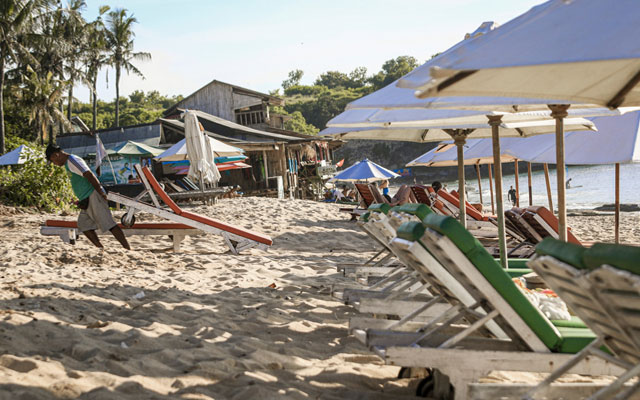
An effort by Indonesian travel companies is underway to try to gather 5,000 signatures for a petition calling on president Joko Widodo to allow Bali to reopen to international tourists from September 11.
This comes as the Bali governor I Wayan Koster confirmed over the weekend that Bali’s borders will remain closed through the rest of 2020.
In a statement issued last Saturday, Bali governor I Wayan Koster said: “Up to the end of 2020, Bali Regional Government will optimise its efforts to attract domestic travel in order to recover Bali’s tourism and economy.”
Koster said the decision for Bali to remain closed to foreign travellers through 2020 was made after discussions with the minister of tourism and creative economy; the minister of foreign affairs; as well as the minister of law and human rights, which oversees immigration.
He said that while the Covid-19 situation in Bali is better than in other parts of the country, major regions across Indonesia remain under the red zone classification.
If Bali were to reopen too soon and suffer a fresh wave of infections, it may end up tainting the image of Indonesia, including the island, which would be counterproductive to its tourism recovery, he added.
However, the travel trade is still holding out for the reopening of Bali’s borders in September. The Indonesia Inbound Tour Operators Association is slated to hold a hearing with the Parliament in Jakarta to convince the government on the importance of reopening Bali’s borders soon.
Meanwhile, trade members are preparing to file the petition appealing to Jokowi to allow Bali to open to international tourists from next month.
As of August 23, the petition has garnered about 3,200 signatures from travel companies across the country, mostly inbound tour operators in Bali, which make up 90 per cent of all travel companies on the island.
Pegasus Indonesia Travel CEO Jimmy Saputra, who initiated the petition, said that the Bali administration’s announcement in July that the island was ready to welcome foreign tourists from September 11 was like “a breath of fresh air” for struggling inbound tour operators who had been left out in the cold by the central government without any financial aid amid the Covid-19 crisis.
However, he added, they are now mired in anxiety after the government confirmed that Bali will remain closed to international tourists till 2021.
“We (travel companies) are dying, and the government has not given us any financial assistance. We are also categorised as a high-risk debtor by banks so none of them dare to give us credits,” he said.
Jimmy said that if Bali’s borders continue to remain closed to foreign tourists, many travel companies in Bali would risk going bankrupt. Rebooting operations would not be an option, he added, as they lacked the assets to do so.
With regards to the government’s concerns that reopening international borders could spark new waves of infection, he said that such risks could be minimised by implementing stringent hygiene protocols, and restricting entry to citizens from select low-risk countries, such as Russia, which now permits its citizens to travel to select destinations overseas.
After news broke that Bali is ready to welcome foreign tourists again from September 11, numerous Russian citizens had made bookings to travel to the island, according to Jimmy. His company, Pegasus, is slated to receive 574 Russian tourists this year, including 139 in September and 234 in October.
“Even if (the government decides) that the Russians (who were eligible for visa-free facilities prior to Covid-19) need to apply for a visa now, it is fine,” he said.
Adjie Wahjono, operation manager of Surabaya-based Aneka Kartika Tours, who had signed the petition to support Bali’s September 11 reopening, opined that given that Bali is an island on its own, that is an advantage. He added that if new Covid-19 cases were found in Bali, it would be easier for the government to curb the virus spread and to prevent the suspects from travelling to cities outside of Bali.
Another petition signatory, Pranoto Hadi Prayitno, the owner of Citra Gilang Tour, said that the arrivals of foreign tourists to Bali would gradually rebuild tourist’s confidence to visit other destinations in the country.
“Bali is the barometer of Indonesia’s tourism. The reopening of the island will automatically drive the wheel of the tourism sector in other regions,” he said. – Additional reporting by Mimi Hudoyo







Sabre Corporation has acquired Level 4 certification as an aggregator under IATA’s NDC Certification Program, with support from Flight Centre Travel Group, while airline partner Belavia Belarusian Airlines has received Level 3 certification using Sabre’s NDC capabilities.
The company’s Level 4 NDC aggregator certification confirms its technical ability to support a set of criteria related to full offer and order management capabilities, and demonstrates progress in facilitating omnichannel retailing, distributing intelligent airline offers and developing scalable capabilities for travel intermediaries.
Commenting on Sabre’s achievement, John Beauvais, global head of supply, Flight Centre Travel Group, said: “As one of the largest leisure and business travel agencies in the world, our priority has always been to drive the NDC roadmap in order to ensure our customers benefit from the opportunities that NDC presents.
“We have worked closely with Sabre as a lead partner in their Beyond NDC initiative to help achieve this over the last two years. However, in the post-Covid era, NDC will play an even greater role in travel distribution. The fact that Sabre is IATA Level 4 certified will enable our travel consultants to access an even wider choice of content and provide their customers with an even greater degree of personalisation.”
Meanwhile, Minsk-based Belavia Belarusian Airlines has become the first carrier globally to achieve IATA’s Level 3 certification using Sabre’s airline IT NDC capabilities. The airline also launched Sabre’s base level NDC capabilities across its network.
“As we ramp up our operations in response to the easing of global lockdowns, our customers are increasingly demanding personalised experiences and flexibility,” said Uladzimir Barkun, deputy director general, IT (CIO) of Belavia Belarusian Airlines.
“NDC plays a key role in enabling us to fulfil those expectations, helping us to market our content more effectively. Making our content available through all channels – including NDC – will ultimately help us in our recovery efforts, and we are grateful to Sabre for partnering with us to make this happen during such a difficult time for the travel industry,” Barkun added.