

Princess Cruises to deploy five ships on Australia, NZ sailings
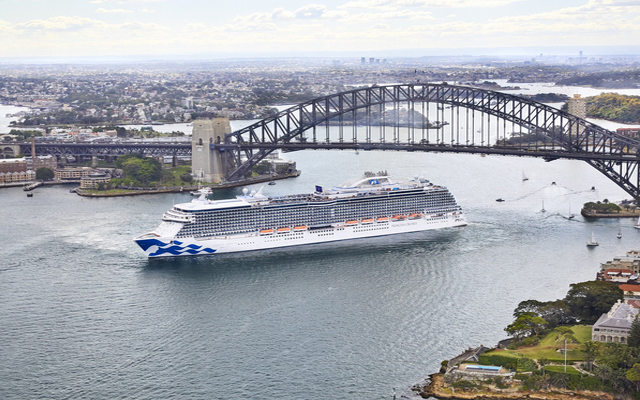
Princess Cruises has unveiled itineraries for its upcoming Australia and New Zealand 2021-2022 season, which includes sailings to the South Pacific destinations of Fiji, Papua New Guinea, New Caledonia and Vanuatu.
One of its largest deployments ever offered, five ships will sail to 82 destinations across 19 countries on 59 unique itineraries. Royal Princess, Emerald Princess, Sapphire Princess, Coral Princess and Pacific Princess will cruise this season with voyages ranging from two to 36 days.
Options abound with sailings between a variety of homeports including Sydney, Melbourne, Brisbane, Adelaide and Auckland, as well as journeys to South-east Asia and North America.
Itinerary highlights of the programme which will start from October 2021 through April 2022 comprise roundtrip New Zealand sailings ranging from 11 to 14 days, from a variety of homeports in Australia including Adelaide, Brisbane, Melbourne and Sydney.
Royal Princess and Emerald Princess will offer four one-way Australia and New Zealand voyages between Sydney and Auckland travelling to key home ports including Melbourne and Christchurch. A Round Australia voyage departing from Sydney and Brisbane will bring cruisers to circumnavigate the Down Under continent.
Other highlights include Discover Tasmania, a roundtrip voyage departing from Brisbane, Melbourne and Sydney; and a variety of voyages to the South Pacific islands including Fiji, Hawaii & Tahiti, New Caledonia & Vanuatu or Papua New Guinea & Solomon Islands.
Two cruisetour options – Australian Outback and Ultimate Australia – offer guests the opportunity to visit the Great Barrier Reef and Uluru National Park’s Ayers Rock, combining a multi-night land tour with a traditional cruise. Guests also spend time in cities like Sydney, Darwin and Cairns.
Millions of jobs at risk as Indian tour operators cry for help
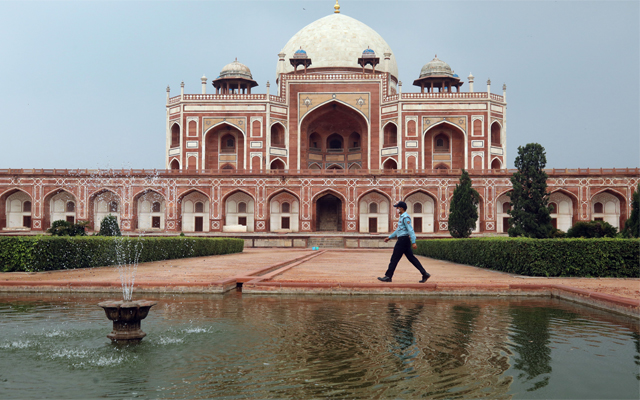
India’s tourism sector is in dire straits, and urgent relief from the government is needed to help tour operators survive the ongoing pandemic, urged Indian Association of Tour Operators (IATO).
IATO president Pronab Sarkar said that the sector, which contributes almost nine per cent to the country’s GDP, is tottering on the brink of collapse, putting millions of jobs at risk, reported Times of India.
Waves of layoffs and furloughs have plagued the tourism industry, while remaining workers are getting less than 30 per cent salary, IATO said in a statement issued on Monday.
As such, IATO has appealed to the government for various relief measures, including a one-time financial grant of the gross salaries amount paid to the staff of tour operators on the basis of the balance sheet of fiscal year 2018-19 which has been submitted to the government authorities.
The industry body has also requested for the government to raise duty drawback under the Service Export India Scheme from seven to 10 per cent. “Such a measure would go a long way in alleviating the liquidity problem as the sector currently has zero billing and this would help tour operators to survive,” it said.
IATO has also sought amendment in rules with regards to granting of loans to MSMEs, as it claims that at present, only companies which have established relationships with banks are being offered loans.
“We understand the government finances are stretched, and therefore, the measures we have sought do not involve huge outgo from the government but if these relief (measures) can be given now, these can go a long way in providing succour to the stressed sector, failing which many tour operators would shut down,” Sarkar said.
On Monday, India surpassed Brazil to become the country with the second-highest number of Covid cases, recording more than 4.2 million confirmed infections. The high case tally, coupled with limited international flights, is keeping away inbound travellers, according to a GlobalData report.
The same report also stated that up until recently, even domestic tourism was not an option for most Indians as various states had restricted inter-state travel. While all restrictions on inter-state or inter-district movement have since been lifted, it will likely take a long time for tourist volumes to reach pre-Covid levels, it added.
Weighing in on IATO’s plea for government intervention, Animesh Kumar, director of travel and tourism consulting at GlobalData, said: “IATO comprises of 1,600 member businesses covering all segments of tourism industry and many of these businesses are smaller ones. The crisis poses existential risks to smaller players as they lack deep pockets to see them through the difficult times. A helping hand is indeed required for the survival of tourism industry in India.
“However, giving any type of direct financial aid may not be prudent. The Indian economy is not in a healthy state and it will put an additional burden. More importantly, the current cash flow crunch in the tourism industry is an issue created due to the crisis but it is not the root cause. The situation has arisen due to the pandemic and because people have almost stopped travelling. Instead of giving financial grant, it is more important for the government and the industry stakeholders to take steps to bring in inbound tourists.
Kumar cited examples of how travel-dependent economies across the globe have come up with innovative solutions like the SG Clean and Qatar Clean initiatives to boost consumer confidence, as well as implemented travel bubbles, pilot projects and incentive schemes to stir up travel demand.
He concluded: “Understanding and leveraging best practices from other countries/destinations is crucial for all stakeholders in India to come up with the right strategies for the survival and revival of the tourism industry. The government, on its part, must extend support to ease the immediate cash flow challenges through measures like interest-free loans, provident fund relief and GST exemption.”
KTO cooks up halal-themed videos to woo Muslim tourists
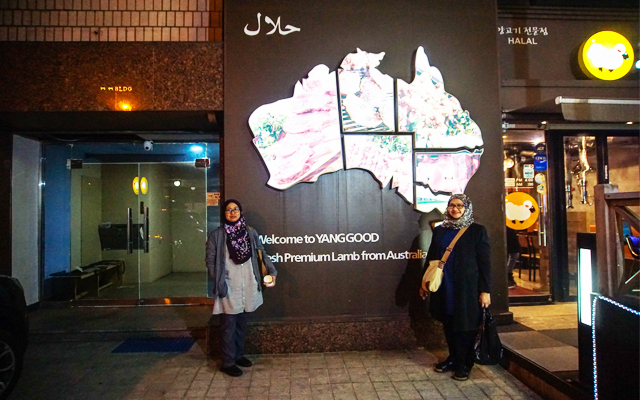
With international travel still largely off the table, Korea Tourism Organization remains hungry to stay connected with Muslim tourists and is serving up a visual feast of halal-themed videos to whet travellers’ appetites as part of this year’s edition of Halal Restaurant Week Korea.
Into its fifth year, Halal Restaurant Week Korea was designed to shine a spotlight on halal restaurants in South Korea, and includes special offers, including discount coupons, to attract Muslim visitors to South Korea.
Bringing its promotion efforts online this year, the tourism board will broadcast Halal TV over a period of about two months from next Monday on its YouTube channel to promote Korean halal food and Muslim-friendly restaurants in South Korea to potential Muslim tourists.
The first video will be titled Halal K-Food Cooking Studio, and will showcase halal Korean food recipes. Hosted by chef Choi Gwang-ho (winner of MasterChef Korea Season 3), it will feature easy recipes of popular Korean dishes such as bibimbap, tteokbokki and ramyeon (Korean-style ramen), using ingredients easily found outside South Korea.
In the second video called Halal Restaurant Tasty Party, Muslim expats in South Korea will review well-known halal-friendly restaurants across Seoul. The panels will introduce some of the restaurants participating in the Halal Restaurant Week Korea event and promote a variety of halal foods, ranging from traditional ones such as shakshouka (poached eggs in spicy tomato sauce) and kebab to fusion dishes such as halal bulgogi.
A total of 10 videos will be uploaded between September 14 and November 16 on KTO’s YouTube channel, with fresh releases every Monday. In conjunction with the event, viewers will stand a chance to win gift cards when they post photos or videos of themselves making the dishes introduced on Halal TV’s first video on their social media accounts and leave the link in the comment section, or write comments about the video.
Etihad to shoulder Covid-19 medical expenses of passengers
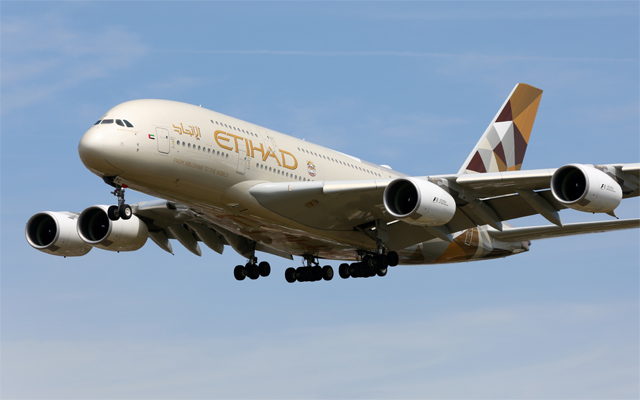
Etihad Airways has partnered AXA to introduce a Covid-19 insurance scheme that will cover the medical expenses and quarantine costs of passengers if they are diagnosed with the virus after flying with the airline.
The new initiative is part of Etihad Wellness, the airline’s new health and hygiene programme, and is designed to rebuild travel confidence among the flying public.
Under the scheme, the airline will cover medical costs of up to €150,000 (US$177,000) and quarantine costs of up to €100 a day for 14 days for passengers who test positive for Covid-19 within 31 days from the first day of travel.
The Covid-19 coverage is valid worldwide, and included in the airfare of all tickets, including existing bookings, for travel through year-end.
In July, Emirates became the first airline to offer its passengers free cover for Covid-19-related costs, in a bid to boost travel confidence.
Phuket hotels left reeling as domestic tourism fails to prop up sector
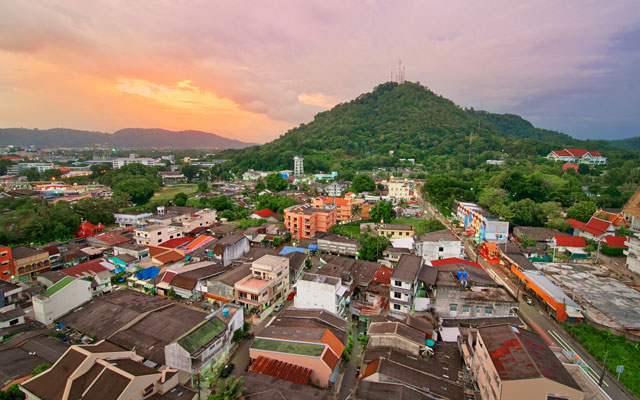
As Phuket’s hotel industry inches closer to breaking point, industry leaders are urging the government to throw a lifeline to the beleaguered sector in hopes of tiding it through the high season.
The call comes as Thailand’s controversial Phuket Model international travel reopening scheme runs into a roadblock due to a new virus case. Meanwhile, hotels in Thailand’s leading resort island struggle to sustain operating viability based on domestic tourism.
According to the Airports of Thailand, passenger arrivals at the aviation gateway have plunged 65 per cent year-on-year from January through July of this year.
What remains clear is that the 86,000 rooms in Phuket’s registered accommodation establishments cannot realistically break-even or even be cash-flow positive with only domestic demand. This realistically could set the scene for 50,000 job losses in the hotel sector this year if there’s no support forthcoming or international visitors are not allowed in.
One of the green shoots is the Alternative Local State Quarantine (ALSQ) programme, with over 60 island properties applying. While this programme is meant to emulate the ASQ programme in Bangkok, given there are no direct flights to Phuket, the government needs wider support of a return of international travellers at a local level and implement inter-ministerial coordination before it could materialise. But this may take months.
Anthony Lark, president of the Phuket Hotels Association that represents 78 hotels in Phuket, said: “The math simply doesn’t work with single-digit occupancies being reported. No amount of induced local demand can prevent the dramatic continued loss of jobs and rapidly eroding financial crisis for owners and operators. We strongly advocate a safe, pragmatic, and strategic reopening for foreign travellers.”
With tourism being the lead economic indicator in Phuket, data newly released by hospitality consulting group C9 Hotelworks reveals the Covid-19 impact on the hotel development pipeline with 69 per cent of hotels now being delayed or put on hold.
Looking at the economic consequences, at the end of 2019, there were 1,758 licensed accommodation establishments on the island and today incoming projects stand at 58 hotels, representing a 19 per cent rise in supply with 16,476 additional rooms planned.
C9 Hotelworks managing director Bill Barnett said: “Thailand’s failure to relaunch overseas tourism creates a dangerously perilous scenario for Phuket’s hospitality industry. The domino financial impact is not only on hotels and the expanded tourism sector, but it suffocates the development pipeline. This will negatively trigger the erosion of jobs in construction, real estate, retail and ultimately be manifested in consumer credit defaults. The situation is bad, and likely to get worse, as operating hotels (which) remain incur losses day in and day out.”
In terms of updating the Phuket hotel situation on the ground, there continues to be much controversy and a lack of national and local consensus over the proposed Safe and Sealed sandbox long-stay programme. While a stark warning was issued last week by the Bank of Thailand (BoT) over the potential disruption to the heavily tourism-dependent country, the fate of Phuket’s coming high season remains very challenged.
Citing a way forward, C9’s Bill Barnett said: “Any reopening plan must not only be well planned but has to win the hearts and minds of the Thai people to see any chance of success. While the island may hold the keys to the Kingdom in leading a restoration of tourism, the more critical issue is how hotels can fight for their lives in the current state of limbo.”
Speaking about Phuket’s current situation, Anthony Lark added: “Firstly, greater proactive dialogue between the public and private sector has to be undertaken. We can’t simply say we are now in unknown territory forever. Steps must be taken and a single voice formed.
“Secondly, the BoT has to look at interim measures to assist hotels with short-term operating bridge loans to weather the storm and retain jobs. Tourism is a human endeavour, and without protecting and nurturing our Thai workforce, there will be no recovery.”
Tourism Malaysia extends Covid-19 food relief
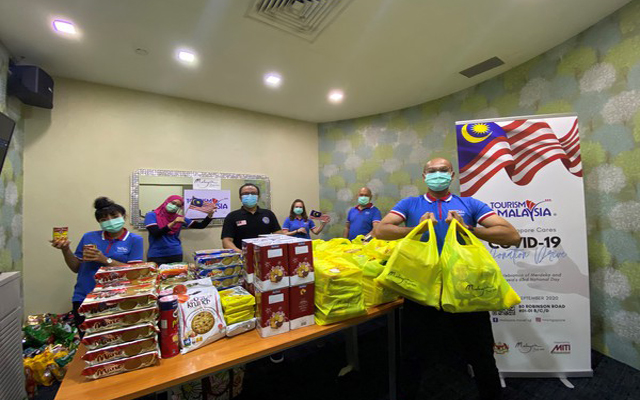
As the ongoing pandemic continues to take a toll on the travel and tourism sector, Tourism Malaysia’s Singapore branch office has initiated a food donation drive to assist Malaysians in the outbound travel industry.
Held over the past weekend, the donation drive collection sought for donations of suggested food items which will then be distributed to the recipients on September 13, 2020, in celebration of Malaysia Day.
The Malaysian community in Singapore are faced with the dilemma of returning home to be with their families, or maintaining their jobs in Singapore on a higher standard of living, the organisation said in a statement on the initiative, which is supported by Malaysia’s Ministry of International Trade & Industry.
By invoking the spirit of unity to uplift affected Malaysians, the organisation said it believes they will be driven to overcome this challenging period.
IHG signs two new hotels in Bangladesh
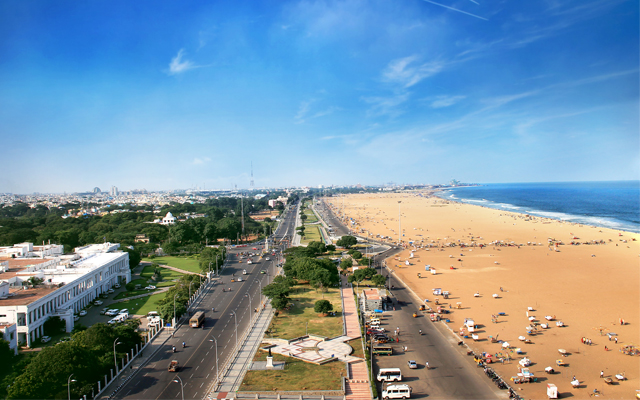
IHG continues to expand its footprint in South-west Asia with the signing of a management agreement with developer Evalona Limited for two new-build hotels in Bangladesh.
The 200-room Holiday Inn Resort Kuakata is due to open in early 2026, while the 150-key Crowne Plaza Kuakata will open its doors in 1Q2028.
This marks the third signing across four hotels for IHG in the South-west Asia region since 2Q2020, affirming an optimistic medium- to long-term outlook despite the ongoing global pandemic.
Located approximately 280km from Dhaka, Kuakata is a beach town on the banks of the Bay of Bengal in Southern Bangladesh. Positioned as a destination for leisure travellers, Holiday Inn Resort Kuakata will feature an all-day dining restaurant, a fitness centre, a retail area, as well as an indoor and outdoor recreation area. A meeting room and a boardroom is also available for guests with business needs.
Targeting business travellers, Crowne Plaza Kuakata will offer meeting spaces spanning a total of 2,475m², including a ballroom accommodating 800-900 guests, two function rooms, two meeting rooms, a business centre and a boardroom. Hotel amenities include an all-day dining restaurant, two specialty restaurants, a lobby lounge and bar, spa, fitness centre, outdoor pool and recreation area.
Emirates cleared US$1.4b in pandemic refunds
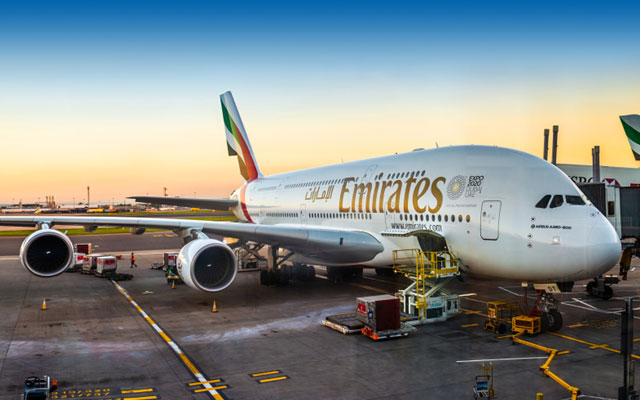
Emirates has returned more than AED$5 billion (US$1.4 billion) in Covid-19-related travel refunds to date, as it strives to clear the “massive and unprecedented backlog” caused by the pandemic.
More than 1.4 million refund requests have been completed since March, representing 90 per cent of the airline’s backlog, according to a release. This includes all requests received from customers worldwide up until end-June, save for a few cases which require further manual review.
Emirates said that it has invested additional resources to ramp up its processing capability since the pandemic’s onset. The Dubai-based carrier also continues to work with industry partners to facilitate refunds for those who have booked their Emirates flights through travel agents, including enabling direct refunds processing via GDS.
Costa Cruises returns to sea
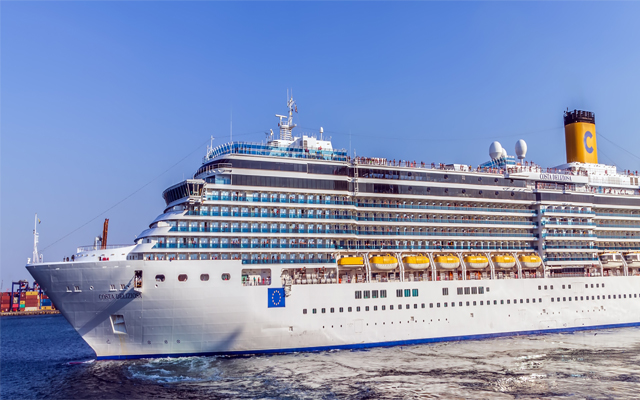
Italian cruise ship Costa Deliziosa is the latest liner to resume services, setting sail from the Adriatic port of Trieste on Sunday, more than five months after the pandemic put global sailings on pause.
This marks the return of the first Carnival-owned Costa Cruises ship to the sea, with a stringent set of health and safety protocols in place.
Michael Thamm, group CEO, Costa Group & Carnival Asia, said: “For the last few weeks, we’ve been working together with the authorities on implementation of the new health procedures that will allow our guests to make the most of their cruise experience while ensuring maximum safety.
“Meanwhile, we’re continuously monitoring the situation with a view to gradually reintroducing cruising on more ships from October, with itineraries extended also to include guests from our other markets.”
Costa Cruises said that its resumption arrangements and procedures have been fully advised by the Italian government and relevant health authorities, and are in accordance with the Costa Safety Protocol.
Safety measures for guests include staggered entry timings, online check-ins, temperature scanning, health questionnaires, and rapid swab tests. Guests will only be cleared for boarding once they have tested negative.
Prior to embarking, crew members have also been tested with molecular swab at intervals and been quarantined for 14 days. In addition, each member of crew will have a monthly swab test.
The destinations on Costa Deliziosa’s itinerary can be visited only by joining the protected excursions organised by the company for small groups of people on sanitised means of transport, and subject to temperature measurement before leaving and rejoining the ship.
In line with the safety protocols, the shipboard amenities and entertainment have also been redesigned. New measures include repeat performances of the live shows for smaller audiences; a switch from buffet restaurants to seated dining in the restaurants; a revision in seating capacity in theatres, bars and restaurants; as well as staggered entry timings and capacity caps for select facilities. Enhanced cleaning and sanitisation will also be implemented in all areas on board.
Other measures include increased sanitation frequency, hand sanitiser dispensers throughout the ship, the introduction of self-service clinical thermometer kiosks, as well as medical staff and supplies. Costa Cruises is also the first cruise company to obtain RINA Biosafety Trust Certification.
Costa Cruises said that it is now working closely with relevant national and local authorities to define the dedicated protocols for different countries and areas in Asia, to resume cruise travelling safely as soon as possible.







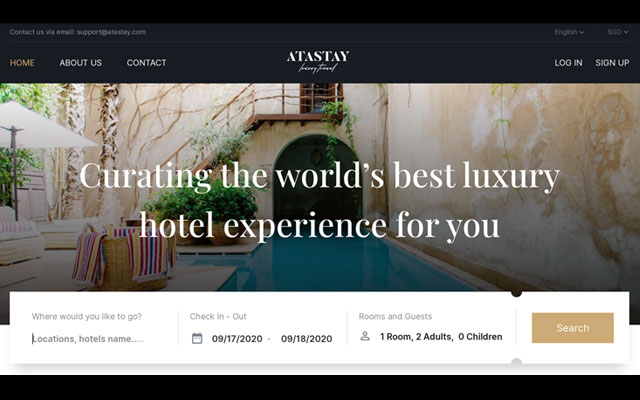
Singapore-based travel startup Tastech has launched an online booking platform called Atastay featuring a curated collection of luxury hotels across South-east Asia.
Most of the hotels listed on the website have been visited and verified by local senior travel specialists to match luxury travellers with the most unique and localised hotel experiences, according to a press statement.
“There are too many five-star hotels on other online booking platforms. Users who are still looking to plan special holidays such as a honeymoon or that annual family vacation may need to spend quite some time on research (including reading up on numerous hotel reviews) to find the right destination and accommodation,” said Takaya Tomose, founder and CEO of Tastech.
“Atastay carefully curates and conducts these stressful and mundane researches to guarantee that your stay will be special. In fact, during our many site visits in preparation for the launch of Atastay, we have discovered so many unique boutique and well-operated family-friendly hotels in Singapore facing visibly less human traffic during this (Covid) period, and we find it a pity.”
On Tastech’s decision to launch a luxury hotel booking site amid these challenging times, its sales and marketing manager Traven Koo told TTG Asia that the team saw a silver lining of opportunity as the pandemic triggered greater demand for luxury products like private chartered planes and high-end accommodation.
Atastay is a combination of the words ‘atas’, a local slang which means high-class, and ‘stay’. All properties on the platform come with an “Atastay Rating”, which grades hotels on a five-point scale, based on cleanliness, location, service, rooms and facilities. Hotel facilities, in-room amenities, room types, F&B options as well as services are also listed under each property.
Koo said that besides the aforementioned selection criteria, featured hotels have been selected for the uniqueness of the stay experience, such as the hotel layout, quality of room finishing, and views from the room. Atastay’s catalogue will be expanded gradually, and the company will continually refine these selections based on customer feedback and its local surveillance, he added.
Another main feature of Atastay is its rewards programme called Atas Points, where registered users earn points that can be converted into cash rebates to offset future purchases. Koo said that an affiliate programme is also in the pipeline where members will enjoy a wide array of benefits at participating restaurants and brands. As well, Atastay members can unlock monthly exclusive offers which could range from dining experiences and deals on luxury goods to prize draws.
More information is available on www.atastay.com. The site is also available in different languages for Vietnamese, Indonesian and Thailand travellers.