Singaporeans are longing for a return to travel more than anyone else in the world, with the country topping Expedia’s vacation deprivation rankings for the first time.
According to the latest edition of the annual study – which surveyed 9,200 consumers in 16 markets globally, including 300 in Singapore – vacation deprivation is on the rise in 10 out of the 16 markets surveyed across the globe. In particular, 71% of the respondents in Singapore and Italy said they were ‘very’ or ‘somewhat’ vacation-deprived, making them the most vacation-deprived countries in the world, ahead of South Korea (70%), France (70%) and Malaysia (68%).

For Singapore, this year’s finding marks a slight increase compared to the year before when 67% of Singaporeans said that they were vacation-deprived.

Of the Singaporeans surveyed, those aged 18-34 were found to be the most vacation-deprived group, with 85% identifying with vacation deprivation. This was followed by those in the 35-49 age range (68%), and those aged above 50 (51%). Interestingly, respondents who reside in the east of Singapore also appear to be more vacation-deprived (77%) than those residing in the west (69%).
“Singaporeans are some of the most avid travellers in the region, and when we consider the lack of options for inter-city travel within the country, it is of little surprise that they are the most vacation-deprived people globally this year. But they have adapted well while embracing the nationalistic spirit of rediscovering Singapore while supporting local tourism through staycations and local activities,” said Lavinia Rajaram, APAC head of communications, Brand Expedia.
According to the study, Singaporeans used five less vacation days in 2020 compared to the amount they would normally take in a typical year. Despite the average number of vacation days received remaining the same at 16 days annually in 2019 and 2020, Singaporeans only took an average of 10 vacation days in 2020, much lower than the 15 vacation days they would usually take in a year.
With the reduction in vacation days taken, Singaporeans also expressed a greater longing for the return to travel more than anyone else in the world. Some 90% of respondents in Singapore said that they now value vacations more than ever before, followed by 89% of South Koreans and 87% of Malaysians. In addition, 87% of Singaporeans believe that travel can help to create important memories and be one of the best things to come out of Covid-19.
Local employers have also been more accommodating of Singaporeans’ desire to travel. According to the study, 67% reported that their employees have been supportive of them taking vacation time, up from 60% in 2019 and 55% in 2018. As Singaporeans continue to look forward to the resumption of international travel in 2021, they are already planning to utilise 16 vacation days on average, six more than what they took in 2020.
To make up for missed travel time abroad, Singaporeans are also getting ready to fulfil their pent-up travel desires by splurging on vacations once it becomes safe to do so. Some 62% intend to spend more on their bucket list vacation than originally planned, while 67% said their travel bucket list budget for 2021 has increased because of the pandemic.
However, as enthusiastic as they may be about the return to travel, Singaporeans rank among the most cautious travellers in the world. Only 18% of Singaporeans have booked travel for 2021 – lower than the global average of 21%.
When asked about their approach to booking travel in 2021, 44% of Singapore respondents said that future travel planning will highly depend on the success of the Covid-19 vaccine – coming in only behind the Canadians, with 45% of them planning to do the same. In addition, 39% of Singapore respondents said they are waiting until the latter half of 2021 to travel, coming in only behind Hong Kong where 41% plan to do so.
In contrast, consumers in France, Germany, Japan and Thailand are much less concerned about travelling without a vaccine, with less than a quarter of the respondents highlighting the need to wait for a vaccine before they book travel.
There is no doubt that travel in the ‘new normal’ will require a significant mental and emotional shift. At the same time, travel booking behaviours have also evolved in response to the recent developments that have influenced their decision-making criteria.
Refundable travel options have become a pre-requisite for many travellers, with 33% of Singaporeans saying that they will only book travel that is fully refundable in case they don’t feel comfortable travelling. Some 21% of Singaporeans also said that they intend to book last-minute travel when they know that it is safe to do so, and 20% said they only plan to travel to places where they can remain socially distant from others.
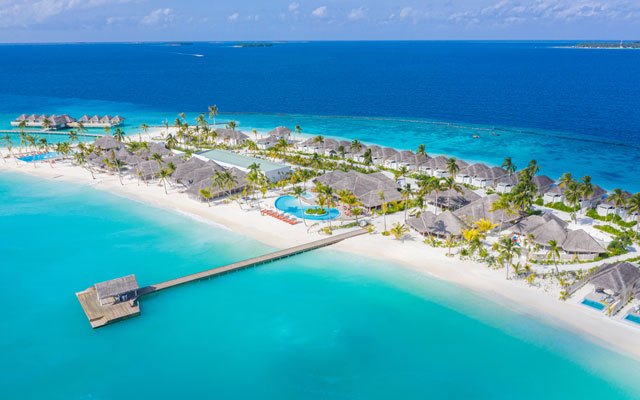
Despite the cloudy climate, Singaporeans continue to show strong interest in travel. Searches for international destinations on Expedia.com.sg have increased in recent months, with Hong Kong, Bangkok, Tokyo, the Maldives, Shanghai, Guangzhou, Bali, London and Ho Chi Minh City making up the top destinations that Singaporeans are looking to travel to in 2021.


Although Covid-19 cases have steadily declined since mid-January in Chonburi province, Pattaya’s hotels still face a tough battle to claw back visitors ahead of the Lunar New Year holidays.
The province’s hospitality industry took a beating after being declared a maximum-control zone at the beginning of the year amid Thailand’s second Covid-19 outbreak.
Despite being downgraded from a Red Zone to an Orange Zone as of February 1, with pubs and entertainment facilities being allowed to reopen and serve alcohol until 23.00, the stigma of the outbreak and media reports about domestic travel restrictions continue to deter many would-be travellers to Pattaya.
“People need to know that they can travel safely, and that there are many benefits to traveling now; the hotels are empty, the prices are very good, and the beach in Pattaya is very clean,” said Vitanart Vathanakul, CEO of the Royal Cliff Hotels Group.
He doubts Pattaya hotels will be able to pick up significant bookings for the Lunar New Year period, which has been declared an official holiday in 2021 by the Thai government to catalyse domestic travel.
“The news that’s been published gives the impression that it’s hard to travel here, which is a pity because otherwise there would be more tourists. I would like people to know that Pattaya has fewer cases now; it’s no longer a Red Zone. You can travel, if you travel with caution,” he elaborated.
The mandatory lockdown in Chonburi province has adversely affected Pattaya’s hotels, many of which are empty. Some have opened food stalls on the streets with food from their restaurants to rake in extra cash to pay their staff.
Although hotels in Chonburi were issued a forced legal closure order on January 28, to give hospitality staff access to social security funds, hotels with checked-in guests and those who wished to stay open were allowed to do so if they notified the district chief within seven days.
“It’s good for the media to urge people to be careful, but the media can also play a key role in encouraging people to travel with caution, using social distancing and safe practices,” said Vitanart, whose hotels remain open and ready to welcome leisure tourists and business events.
In Orange Zones, meeting facilities can remain open and events with 300 pax or less are allowed.
“If you want to organise a meeting or event, consult your hotel to check on the situation. Many people don’t know that Pattaya has been taken off the high risk category, and that right now people who want to travel here can do so at very affordable prices. That way, hospitality providers gain income and their staff get paid; it’s a win-win situation,” he added.
Before Thailand’s second outbreak, the hospitality industry in Pattaya had recovered partially given its popularity as a self-drive destination and also with the support of the We Travel Together domestic subsidy programme.