

South Korea to become third largest outbound APAC source market by 2025
International departures from South Korea were growing steadily prior to Covid-19, making the East Asian country the third largest source market out of the Asia-Pacific region going forward, according to GlobalData.
Outbound tourism from South Korea is not forecast to surpass pre-pandemic levels until 2024, when departures are projected to reach 29.6 million.
However, South Korea is forecast to undergo one of the highest growth periods from 2020-2025 among Asia-Pacific countries, with a compound annual growth rate (CAGR) of 40 per cent and 30.2 million travelling outbound by 2025.
This would make South Korea the third largest source market out of the Asia-Pacific region going forward, said GlobalData.
The data and analytics company’s latest report, Tourism Source Market Insight: South Korea (2021), found that international departures from South Korea were growing at a CAGR of 8.7 per cent over the period of 2016-2019.
As such, engaging with this source market through social media and technology integration could prove highly beneficial in a post-pandemic environment, said GlobalData.
Johanna Bonhill-Smith, travel and tourism analyst at GlobalData, commented: “Heavy workloads and pressure from superiors have made South Koreans reluctant holiday makers in the past, inadvertently affecting both domestic and international travel. Government initiatives to urge more leisure time and decrease working hours in 2018, however, did have an impact and saw yearly increases in both domestic (year-over-year +44.7 per cent) and international travel (year-over-year +8.3 per cent).
“The Covid-19 pandemic in 2020 naturally saw levels of both domestic (year-over-year -70.6 per cent) and outbound (year-over-year -80.6 per cent) travel decline significantly. However, high spenders when travelling and with a large desire for alternative travel experiences, mean South Korea could be a viable market opportunity for various destinations in a post-pandemic environment.”
Over 80 per cent of outbound travel from South Korea is typically focused within the Asia-Pacific region, spurred by proximity and general ease of travel. The US is also a primary destination for this source market.
This is likely spurred by factors such as the opportunity for sun and beach, city breaks and gastronomical experiences, which were identified as the top three most typically taken holidays in 2019, according to GlobalData’s 3Q2019 consumer survey.
Technology also plays a part in travel preferences as 71 per cent of South Korean respondents identified as ‘always’, ‘often’ and ‘somewhat’ being influenced by ‘how digitally advanced/smart a product/service is’ in GlobalData’s 1Q2021 consumer survey.
The same survey also revealed that 51 per cent of South Korean respondents are spending more time online in general – highest among the 42 countries surveyed, suggesting technological dependence has increased during the Covid-19 pandemic.
Bonhill-Smith added: “Opportunities to attract South Korean tourists largely revolve around the integration of technology into the traveller experience. Social media, app engagement and translation services will only heighten the visitor experience.”
Asians’ longhaul holiday dreams dashed by numerous obstacles
- Returning quarantines, discouraging local governments and slow national vaccination progress hamper Asia’s return to European holidays
- Longhaul destination marketing in Asia takes temporary backseat
- Travel-starved Japanese turn to overseas-themed tours at home
Europe’s move to reopen borders this month to vaccinated travellers from non-European Union (EU) countries has done little to spur longhaul travel bookings out of Asia, observed travel specialists in this region.
While many Asian governments have eased outbound travel restrictions, even for non-essential trips, discouraging travel advisories as well as lengthy and often pricey compulsory quarantine upon return home are putting Asian residents off longhaul travel plans, Asian travel specialists told TTG Asia.
Anthony Lim, president, Asia with The Travel Corporation (TTC), said: “Although many EU countries are starting to welcome vaccinated international tourists, Asian visitors have a troublesome return home.”
For Singapore residents, that troublesome return comes in the form of three compulsory Covid-19 tests and a 21-day quarantine in a dedicated government facility – all to be paid out of the traveller’s pocket.
Vietnam’s Ministry of Health also orders a mandatory 21-day quarantine and medical checks for returning residents.
In Malaysia, where the government has just extended its movement control order for another two weeks until June 28, 2021, international outbound travel is prohibited.
Overseas travel is similarly banned in Australia until next year, unless for essential purposes. Australia only has a travel bubble with New Zealand.
In Japan, the government discourages overseas travel. Most countries, including those in the EU, are ranked Level 3 for having a high risk of infectious disease.
Joining the list of travel obstacles is the lack of comprehensive travel insurance that covers Covid-19 pre-trip, during travel and post-travel, opined Alicia Seah, spokesperson for Dynasty Travel in Singapore, who told TTG Asia that only essential travel to Europe are taking place and will continue to be so even with a welcoming EU.
“However, we are working closely with various tourism boards and partners to keep our staff updated of information and developments in Europe, and be ready to promote the destination once borders are more laterally open between Singapore and Europe,’ added Seah.
Dynasty Travel is among a number of outbound travel specialists in Singapore that have continued to keep Singaporean consumers engaged during the pandemic downtime via creative collaborations with various NTOs.
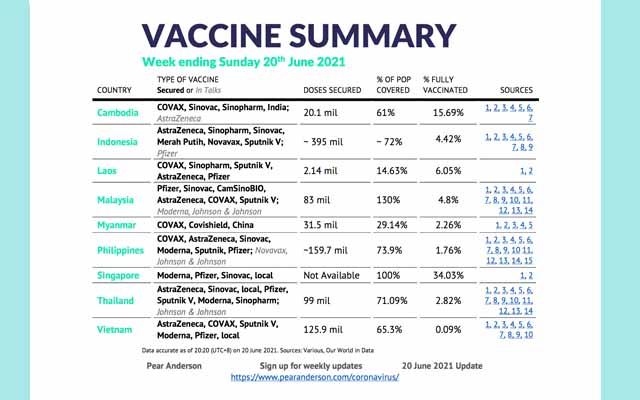
Another critical barrier to Asia’s longhaul travel recovery is the slow vaccination rate. In a consolidated vaccination progress update by travel and tourism research and consultancy agency, Pear Anderson, South-east Asia’s vaccination rate remains mostly single digit. As of June 20, Singapore takes the lead in the region with 34.03 per cent of fully vaccinated residents out of the total population. Cambodia comes in second with 15.69 per cent and Laos third with 6.05 per cent.
Tourism marketers cut Asian focus for now
Asian governments’ risk-averse stance in the Covid fight has led TTC to see more booking and fulfillment activities happening in the US and Europe, while Asian markets remain quiet.
Lim said Americans and Europeans tended to be more courageous in their approach to travel and are confident about travelling post-vaccination compared to Asians.
“However, I think the number one source of their travel confidence is the lack of a returning quarantine requirement. For example, Americans only need to serve a five-day home quarantine if they were coming back from certain places in Europe and have a negative PCR (Polymerase Chain Reaction) test result to show. Because of such relaxed measures, TTC has in the last three weeks seen our trips to Iceland, Greece and Egypt doing very well and dominated by the Americans,” Lim added, and noted that Europeans are also returning to travels within Europe.

With travel recovery stronger in the US and Europe, Lim said western tourism marketers are now focusing their resources on these source markets. Asian agents retailing TTC’s longhaul programmes are also withholding their marketing spend, as demand is not expected to materialise in the near term. However, Asian source markets will not be neglected for long.
“Asian markets will return to focus once governments here ease off travel restrictions. We must not forget that wealth and spending power is growing most strongly in Asia. The rise in new money and business investments continues to be seen in Asia. The commercial value of Asia for travel and tourism remains high, but just not now for Europe and the US destinations because of travel restrictions,” Lim explained.
Also emphasising Asia-Pacific’s importance in global travel is the newly-published Asia Pacific and the Global Travel Recovery, a study produced by International Luxury Travel Market in partnership with research agency Barton. It showed that Asia-Pacific is the fastest-growing region for wealth in terms of both population of High Net-Worth (HNW) individuals and total wealth. The region’s luxury travellers – 6.4 million of them – contributed US$363 billion to the global luxury travel universe, the collection of travel products and services that are particularly attractive to luxury travellers. Despite only being 0.15 per cent of the region’s massive population, they contribute almost half of the region’s total to the global luxury travel universe.

And within Asia-Pacific’s expanding luxury travel potential lies China, a superpower in terms of travel consumption, found Barton’s founder and author of the study, Winston Chesterfield. Forty-nine per cent of the region’s spend on airfares and lodging, which equates to US$114 billion, is made by travellers from China. Of this, 52 per cent is made by China’s HNW population, which is around 29 per cent of the total Asia-Pacific HNW population.
China’s strict outbound travel restriction is therefore worrying for all destinations that used to benefit from Chinese arrivals, said Chesterfield.
“It isn’t just the travel industry that is impatient to get the Chinese back. Not too long ago, one in three purchases of luxury goods was made by a Chinese person outside of China. Now, it is more than that – almost approaching the level of one in two purchases. Brands need the Chinese to get back to travelling and spending,” Chesterfield said.
“That doesn’t mean the Chinese story is the only story; it is not. The world needs wealthy people from Japan, Singapore, Australia to be travelling again,” he added, also pointing to fast-growing HNW populations in Vietnam, India and the Philippines.
TTC’s Lim is laying his bet on “an explosion of outbound travel” from Asian source markets once conditions are right, especially from China, South Korea, the Philippines, Vietnam and India which were “performing amazingly for outbound travel” pre-pandemic.
He also predicts that markets on EU’s green list – Singapore, Japan and Australia – will rebound the fastest once outbound travel restrictions ease.
“There are very limited destinations that one can visit now for holidays, so much so that travel choices will not be so much about fulfilling bucket lists. As long as the destination is open for leisure travellers, people will go,” Lim said.
Travel the world at home
With Japan’s ministry of foreign affairs still advising citizens against travel abroad and only about 10 per cent of the population vaccinated, the outlook for Japanese overseas travel looks bleak.
One large outbound agent told TTG Asia anonymously that they are not anticipating an increase in outbound demand in the short- to medium-term. But with interest in overseas travel still strong, some agents are offering an overseas experience at home.
Japan Airlines and JTB, the country’s largest travel agency, have launched “scenic flights” from Haneda Airport designed to give guests the feeling of having had a trip abroad. Themes include overseas beach resort, as well as country destinations. The airplanes are decorated according to the theme and famous tourist attractions from the destination are shown during the in-flight entertainment.
From 24,800 yen (US$225), the beach resort theme offers Hawaiian in-flight meals and the chance to experience Guam through a virtual reality lens. Aloha shirts are among the souvenirs.
Singapore-themed and Taiwan-themed flights start from 19,800 yen. Both flights cruise over famous Japanese sites including Mount Fuji, and are about three hours’ duration.
ANA has also been offering similar tours with a Hawaiian theme from Narita Airport, costing from 38,000 yen. The flight uses a special aircraft normally reserved for the Narita to Honolulu route. Passengers can take home a special boarding certificate and a backpack in the shape of Honu, ANA’s sea turtle mascot.
Travel-starved Japanese residents can also turn to Tobu Railway’s new Nikko Discount Ticket, which offers unlimited travel for four days from Tokyo to and around Nikko and Kinugawa Onsen. Options include a visit to The British Embassy Villa Memorial Park in Oku-Nikko to enjoy a tea set with authentic scones supervised by the chef of the British Embassy, Tokyo.
A representative of a major outbound travel agent, who declined to be named, said overseas travel is difficult now but many people still want to enjoy a foreign experience. – Additional reporting by Kathryn Wortley
Diaoyutai MGM Hospitality launches new lifestyle hotel brand
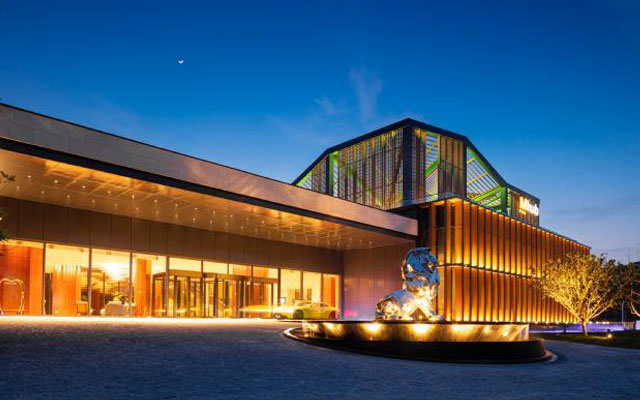
Diaoyutai MGM Hospitality has unveiled a new entertainment and lifestyle hotel brand dubbed Mhub by MGM, targeting Gen Z travellers.
The new brand aims to satisfy young guests’ pursuit of individuality and a differentiated travel experience in collaboration with the local community. The brand focuses on offering guests a complete experience of entertainment, freedom and joy, through a diversified approach.
Mhub by MGM is the fourth international five-star brand launched by Diaoyutai MGM Hospitality, following Diaoyutai, MGM Grand and Bellagio.
The world’s first Mhub by MGM hotel opened in Nanjing this May, with more hotels set to open successively in Shenzhen and Zhuhai; as well as other major first- and second-tier cities and holiday destinations, including Xiamen.
Malaysia, Saudi Arabia strengthen tourism, cultural ties
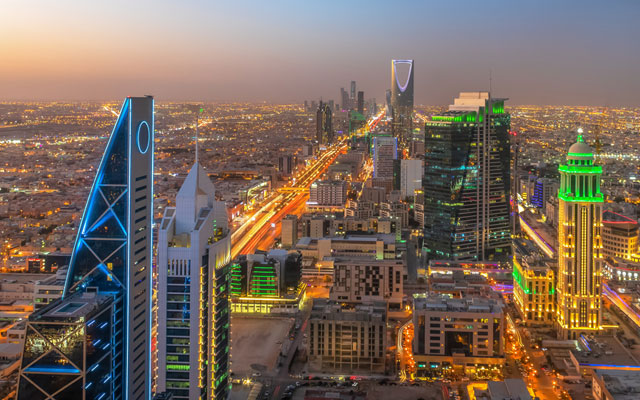
Malaysia and Saudi Arabia recently held a virtual meeting to discuss potential collaborative initiatives to revive the tourism and cultural industries in the two countries.
Among the initiatives discussed between the two governments were the sharing of information on policies and best practices, especially in measures to rehabilitate the tourism industry from the impact of Covid-19; as well as the joint promotion of tourism through social media and digital platforms to increase travel demand for both countries.
Other areas include the exchange of best practices on the sustainable management of cultural heritage sites as tourist attractions; in addition to the forging of close collaborative relationships between arts, heritage and cultural institutions and promotion of Muslim-friendly tourism.
The virtual meeting was between Malaysia’s minister of tourism, arts and culture, Nancy Shukri, and Saudi Arabia’s tourism minister Ahmed Al-Khateeb.
According to a press statement from the Ministry of Tourism, Arts and Culture Malaysia, these discussions are expected to open up greater opportunities in the field of tourism between Malaysia and Saudi Arabia in particular, as well as countries in the Middle East in general.
In 2019, Malaysia welcomed 121,444 tourists from Saudi Arabia, which has traditionally been the country’s main source market from the Middle East.
KLM’s network in Asia, Middle East nearly back to pre-pandemic levels
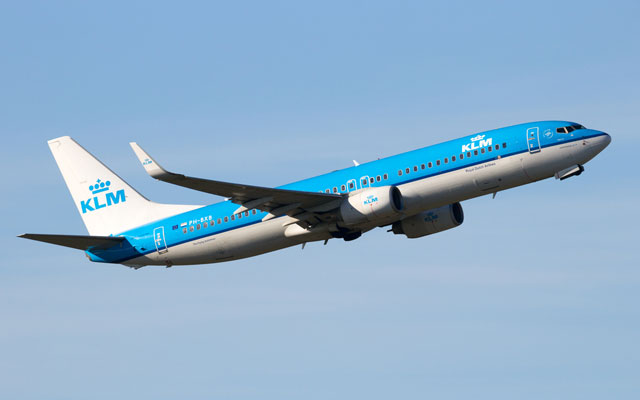
As more countries reopen their borders, KLM will rebuild its summer route network in Asia and the Middle East to be virtually identical to the one it operated pre-pandemic in 2019, to meet the anticipated rise in demand.
Due to the pandemic, however, fewer flights to the destinations will be offered and/or flights to the destinations will be offered in different combinations.
The Dutch airline highlighted in a press statement the most significant changes to its route network as compared to 2019, including the addition of Riyad (Saudi Arabia) as a new destination this summer, and the introduction of flights to Phuket (Thailand) this winter.
In Asia, there are 17 destinations planned for this summer, compared with 19 in 2019. Xiamen (China) is temporarily closed due to the pandemic, however, KLM partner Xiamen Airlines is currently flying to this destination. Service to Denpasar (Indonesia) will be offered as soon as Bali reopens.
Phuket will be added as a destination in winter 2021, with four-times-weekly flights.
For the time being, flights to Hangzhou and Shanghai (China) will keep the current stopover in Seoul (South Korea), until the rules change.
KLM flies to Chengdu once a week, after which the flight continues on to Beijing via a stopover in Seoul. From there, KLM flies back to Amsterdam.
Service to Bengalûru (India) has been suspended.
KLM said that scheduling within the network will be updated frequently throughout the winter season, in tandem with the changing travel rules.
Over in the Middle East, KLM will fly to seven destinations in the summer of 2021 – the same number as in 2019.
KLM will be offering Riyad (Saudi Arabia) as a new destination, with flights departing twice a week in the summer season and, starting this winter, three times a week.
Service to Abu Dhabi has been suspended, although KLM offers this destination as a codeshare with Etihad Airways. KLM expects to reintroduce Abu Dhabi as a destination in winter 2021.
“It is a positive sign that the number of destinations in the Middle and Far East has nearly returned to its previous level,” said Pieter Elbers, president and CEO of KLM.
He added: “While this is a step in the right direction, we aren’t there yet. Vaccinations are the key to the recovery of the aviation sector. After that, an internationally-valid vaccination passport will play a crucial role in restoring our clients’ mobility.”
Singapore to allow dining-in from June 21, but in groups of two

Dining in at F&B outlets in Singapore will be allowed to resume from June 21, but in groups of two people instead of five as previously announced.
Under the new regulation, groups that exceed two people who are not from the same household will not be allowed to dine-in together at eateries, even if they are split across multiple tables, the Ministry of Health (MOH) said in a statement.

People from the same household can eat out at multiple tables, said co-chair of the multi-ministerial task force Lawrence Wong at a press conference on Friday (June 18), Channel NewsAsia reported.
The report also quoted co-chair of the task force Gan Kim Yong as saying that authorities expect a regular rapid testing regime to be in place by around mid-July, which is when the group limit for higher-risk activities including dining-in will be increased to five people.
The new development comes as Singapore calibrates its reopening plan amid a rise in unlinked Covid-19 cases over the past week, due to a growing cluster at the 115 Bukit Merah View Market and Food Centre. As of June 17 (Thursday), the number of cases linked to the Bukit Merah View cluster have grown to 56.
The Health Ministry had announced on June 10 a two-step plan to ease Covid-19 restrictions, following a drop in the number of community cases. The ban on dining-in, which has been in place since May 16, were among the measures that were slated to be eased from June 21 under the second phase of the reopening.
However, with the recent rise in infections, plans now have to be readjusted, said Wong.
Health minister Ong Ye Kung was quoted by The Straits Times as saying that there were 94 community cases in the past seven days, compared with 41 in the previous seven. The proportion of unlinked cases has remained stable at 19 per cent.
Wedding receptions will remain prohibited until mid-July, MOH said. Gyms and fitness studios can resume indoor activities without masks from Jun 21, in group sizes of up to two people and in classes of up to 30 people, including the instructor.
Mask-on activities and outdoor mask-off sports or exercise activities can continue in groups of no more than five people and in classes of up to 30 people including the instructor. Meanwhile, work from home will remain the default arrangement.
HKTB spotlights outskirts of Hong Kong in summer video series
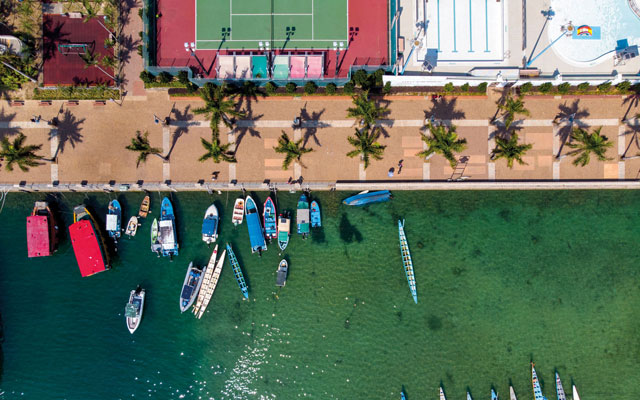
A fresh video series released by the Hong Kong Tourism Board (HKTB) as part of its summer campaign captures and bottles the city’s auditory essence into highly immersive and pleasurable viewing experiences.
The Great Outdoors Summer Video Series is a series of uniquely soothing sensory videos created under the HKTB’s 360 Hong Kong Moments initiative, as part of efforts to continue engaging with travellers.
Four distinctly themed Autonomous Sensory Meridian Response (ASMR) videos will each feature 30-second snapshots of dreamy environmental acoustics heard in far-flung corners of the city. The videos are designed to stimulate the senses and to heighten one’s sensitivity to the harmonic countryside symphonies just a stone’s throw from the city.
The video series stars curious individuals exploring the outskirts of Hong Kong, namely, Peng Chau, Shing Mun Reservoir, Stanley, and Sai Kung.
The ASMR videos form part of the broader Great Outdoors Hong Kong (GOHK) 2021-2022 summer campaign, which will also showcase 13 seasonal routes, covering hiking and sightseeing destinations, island-hopping itineraries and water sports experiences such as kayaking and snorkelling.
The entire GOHK 2021-2022 campaign is hosted on its own dedicated campaign website, and is packed with insider tips, dining recommendations and transportation suggestions.
Malaysia-based Vendfun introduces Hybrid Kiosk for budget hotels, homestays
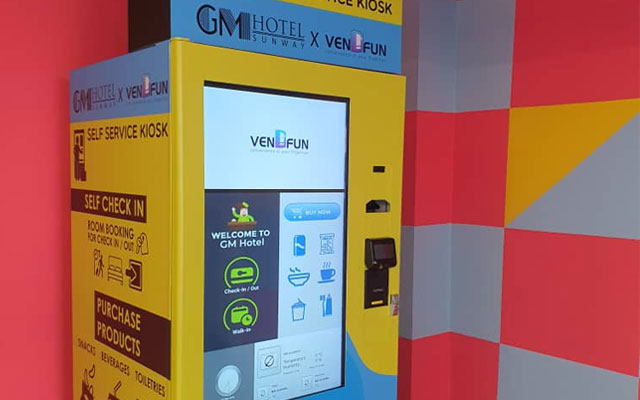
Vendfun, a hospitality kiosk solutions provider based in Melaka, has launched an innovative 2-in-1 kiosk that combines self-service check-in and check-out features with vending capabilities, which will assist hotel operators to manage resources and reduce operating costs.
Vendfun Hybrid Kiosk is equipped with a 50-inch touch-screen panel that allows guests to check-in and check-out, as well as redeem promo vouchers and purchase products such as food and drinks. The patent-pending Vendfun Hybrid Kiosk is marketed to budget hotels and homestays in Malaysia and available on rental and rent-to-own bases directly from Vendfun.
Key features of Vendfun Hybrid Kiosk are a cashless payment facility, a passport scanner, a receipt printer, a room card dispenser, and built-in vending capabilities. The Hybrid Kiosk is also compatible with any hotel property management system (PMS) software to allow hotels to customise features of their preference.
Benny Wee, founder and CEO of Vendfun, said in a press statement that the launch of Vendfun Hybrid Kiosk comes as “many hotel operators are dealing with persistent human resources issues while scrambling to cut costs to weather the Covid-19 pandemic, and beyond”.
By automating check-in and check-out services, hotels can “increase operational efficiency and provide convenience to hotel guests”, he added.
Additionally, Vendfun Hybrid Kiosk has been touted as the first-of-it-kind product that provides a return on investment opportunity whereby hotels can create a new income stream by selling products through the kiosk.
Three units of Vendfun Hybrid Kiosk have been installed in hotels in Peninsular Malaysia, namely, Fenix Inn Hotel in Melaka, Sky View Hotel in Dengkil, Selangor; and GM Hotel Sunway Metro in Selangor.
Vendfun has been getting orders from other hotels in Selangor and they expect to install more Vendfun Hybrid Kiosks in the coming months.
The company plans to add new solutions to its kiosks soon, including memberships and e-concierge services to provide a complete elevated staying experience to guests.
As part of its roadmap, Vendfun plans to add an artificial intelligence component to the kiosks by year-end so that hotels can offer “more personalised services” and enhanced security through the use of facial recognition technology, said Wee.
Qatar Airways aims to transform retail experience for trade with new platform
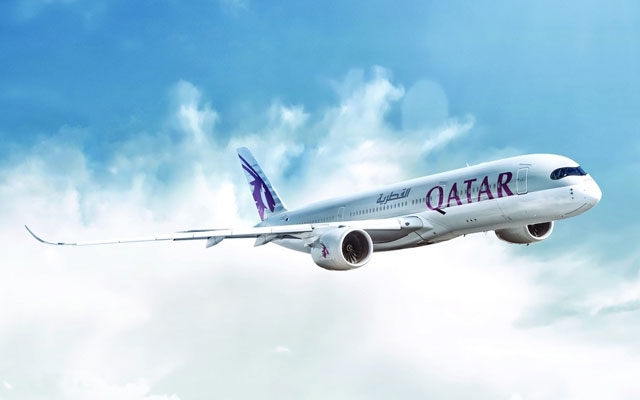
Qatar Airways is introducing a new platform for trade partners that will enable them to build tailored travel experiences for their customers.
Called Oryx Connect, it has been developed based on the New Distribution Capability (NDC) data transmission standard developed by IATA in partnership with the travel industry.
Oryx Connect will benefit travel agents through improved functionality, intuitive user experience, access to rich content and the ability to tailor travel experiences for their customers.
It provides various options to consume Qatar Airways’ NDC content. In addition to an existing web-based portal powered by Accelya Farelogix SPRK tool, agents can now access NDC content with a range of aggregators including Aarongroup, Duffel, Travelfusion, Travvise and Verteil. The Amadeus Travel Platform will be added in early 2022.
Qatar Airways Group CEO, Akbar Al-Baker, said: “Working collaboratively with trade partners is pivotal to our business success, so we are pleased to stand truly in partnership with our agents, rather than introduce artificial barriers, restrict content, add surcharges or apply complex administrative changes to the booking process.
“Oryx Connect will provide best-in-class booking and servicing capability to our agents and their customers at all levels of technological integration, and through multiple modes of connectivity, from the most familiar existing booking environments to the leading edge of flight retailing solutions.”
Travel agents will benefit from full offer and order management capabilities from booking, servicing, ticketing and payment. This includes intuitive display of Qatar Airways’ Classic, Convenience, Comfort and Elite fares, helping them deliver the most suitable product offering to customers.
They will also have access to a variety of ancillary products and service offerings. Payment options include industry-standard settlement methods, such as ARC and BSP cash and card, and IATA EasyPay.

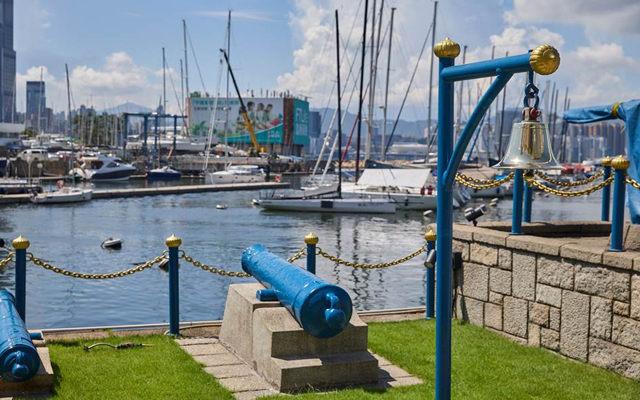






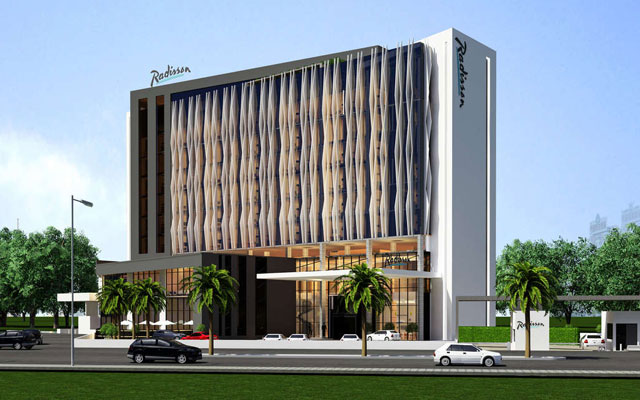
Radisson Hotel Group will be debuting in the East African country of Djibouti with the signing of a new-build 144-room hotel.
Scheduled to open in 2024, Radisson Hotel Djibouti will feature not only standard rooms and suites, but also, accessible rooms that are designed for wheelchair access. Dining options will include light snacks at the lobby café, international and local cuisine at the all-day-dining restaurant, and refreshing drinks at the poolside juice bar.
Boasting an expansive meetings and events area, the hotel will offer a variety of versatile venues, including a ballroom, five meeting rooms, a pre-function area, as well as break-out spaces. Leisure facilities will include a spa, gym, and an outdoor swimming pool.
Just 15 minutes away from Djibouti International Airport, Radisson Hotel Djibouti will be located in the heart of the city, surrounded by key infrastructures such as the Djibouti Port, Djibouti Free Zone, international headquarters, shopping malls and the seaside.
The property brings the group’s East African portfolio to 18 hotels and over 2,700 rooms in operation and under development.