

Brought to you by Holiday Inn Express Kota Kinabalu City Centre
Queensland lures interstate visitors with major tourism blitz
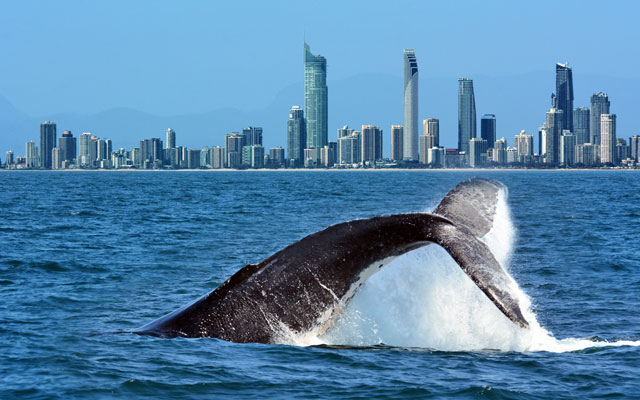
The Queensland government has rolled out a major tourism campaign in the state’s largest domestic tourism markets as its border reopens to New South Wales and Victoria this week.
The campaign comes as new data reveals the government’s successful Good to Go campaign has already driven 11 million visitor nights and pumped A$1.5 billion (US$1.1b) into Queensland’s economy.
Premier Annastacia Palaszczuk said an upcoming campaign blitz would reach 8.3 million people in New South Wales and Victoria.
She said: “Coronavirus has had a huge impact on our tourism industry. We understand that more tourists means more jobs. This marketing blitz will safeguard jobs and help thousands of tourism businesses right throughout the state to make the most of the important summer holiday period.”
Treasurer Cameron Dick said this latest campaign was part of more than half-a-billion dollars the government has invested in tourism recovery since the beginning of the coronavirus pandemic.
“This is a great step towards our recovery,” he said. “I look forward to seeing many ‘no vacancy’ signs right around the state this summer, especially in regions like Cairns and the Gold Coast that have been particularly hard hit by Covid-19.
“Australians spent A$53.8 billion last year on international trips. This campaign will enable us to tap into pent-up demand for travel among tourists in New South Wales and Victoria.”
Tourism industry development minister Stirling Hinchliffe said the campaign would inspire interstate visitors to stay longer and spend more in Queensland.
“This campaign will showcase the breadth of experiences on offer in Queensland to encourage a longer stay – in place of an international holiday,” he said.
“Queensland is one of the world’s favourite holiday destinations and we know interstate visitors have been dreaming of a Queensland holiday most of the year. This campaign aims to convert that desire into bookings over the whole summer period, with a second burst in early 2021 to support bookings later into the new year.”
Vietnam, Laos resume flights
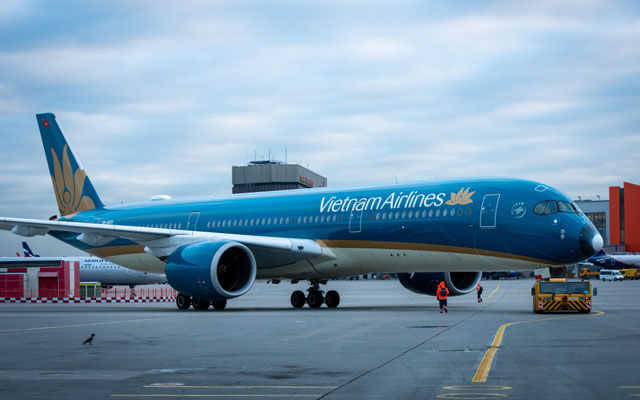
Vietnam and Laos have restarted commercial flights between the two countries, following months of suspension due to the Covid-19 pandemic.
The inaugural flight between Hanoi and Vientiane was operated by national flag carrier Vietnam Airlines from November 29-30, at the time of Vietnamese deputy prime minister and foreign minister Pham Binh Minh’s visit to Laos, reported the Hanoi Times.
Minh had visited Laos to co-chair the seventh annual foreign ministerial-level political consultation with Lao foreign minister Saleumxay Kommasith, and boost the implementation of key joint projects between the two countries, according to the report.
As of December 1, Vietnam has reported 1,351 Covid-19 infections and 35 deaths, while Laos has had 39 cases and no deaths.
On Tuesday, Vietnam prime minister Nguyen Xuan Phuc ordered a temporary halt to all inbound international commercial flights to bring Vietnamese stranded in Japan, South Korea and Taiwan home, after the emergence of the nation’s first local coronavirus cases in nearly three months, reported VnExpress International. As of 18.00 on Tuesday, the Health Ministry confirmed five new patients.
According to the Civil Aviation Authority of Vietnam, around 30,000 Vietnamese nationals wish to return home from Japan and 15,000 each from South Korea and Taiwan, Vietnam’s three largest labour markets.
Citizens seeking to return home now have to contact Vietnamese embassies and fly on 10 repatriation flights a month to be operated from the three places, and have to be quarantined upon arrival, said the report.
Vietnam suspended international commercial flights on March 25 amid the pandemic, and have yet to resume them.
Currently, Vietnam Airlines is the only carrier in Vietnam to operate the Hanoi-Vientiane route. Prior to the pandemic, other international carriers like Lao Airlines, Bangkok Airways and Thai Airways also operated this route.
The First IHG hotel in East Malaysia
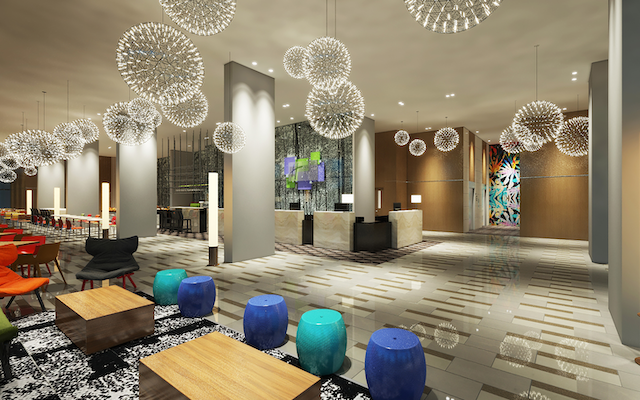
The first IHG hotel in East Malaysia is set to open in December 2020. This new, contemporary hotel in the heart of Sabah’s bustling capital city, offers clean, comfortable and convenient stays, making it the best value at the best location.
We are committed to the IHG Clean Promise, and have enhanced the experience for you by redefining cleanliness and supporting your wellbeing throughout your stay. We have implemented a more rigorous cleaning regime and partnered with industry leading experts Cleveland Clinic, Ecolab and Diversey to deliver our commitment to clean. Learn more about this here.
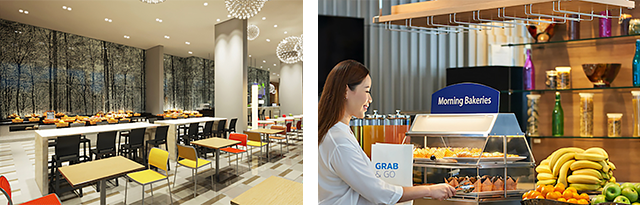
Start your day right with our free Express Start breakfast or just Grab & Go if you are in a hurry, while being connected with Wi-Fi access throughout your stay. Just a short drive to Jesselton Point Ferry Terminal, enjoy island-hopping at Tunku Abdul Rahman Marine Park, or go for a world-class scuba diving experience and other water sports activities there.

If you have a keen interest in heritage tourism, explore the rich history at Mari Mari Culture Village or the world renowned UNESCO World Heritage Site Kinabalu National Park, home to the majestic Mount Kinabalu.
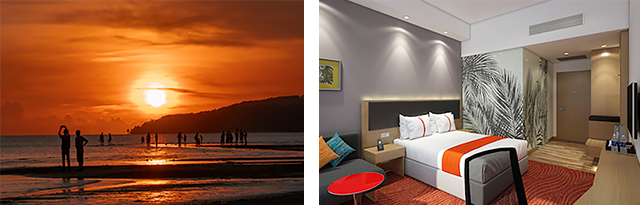
Wind down with an ice-cold beverage while watching one of the most captivating sunsets in the world at Kota Kinabalu City Waterfront. Complete your perfectly curated day with our refreshing power showers and fluffy towels to revitalise yourself in preparation for a great night’s sleep with our high-quality bedding with a choice of firm or soft pillows.
Whether you are here for an adventure-filled escapade, an educational holiday or both, you can have it your way when you stay at Holiday Inn Express Kota Kinabalu City Centre.
The way forward
The proverbial saying, when life hands you lemons, make lemonade, could not have rang truer for RIU Hotels & Resorts. As the pandemic ravaged global travel and forced all of its hotels into temporary closure, the company used the opportunity to step up health, safety and cleanliness standards for its properties.
It developed a manual for post-pandemic operations with Preverisk Group, an international consultant specialising in health and safety consulting, auditing and training for the global tourism industry.
Up to 17 protocols were created or modified from existing standard operating procedures by the RIU team.
In addition, 62 of its 99 hotels audited by Preverisk Group have attained hygiene response certification for satisfying measures aimed at preventing or mitigating the possible spread of Covid-19 outbreaks among guests, staff and visitors.
Meanwhile, to maintain a brand presence, the hotel company launched RIU Pro to facilitate travel agents’ work in marketing the brand, with all sales and marketing tools as well as current corporate information available on a single website, explained Luis Riu Güell, CEO of RIU Hotels & Resorts.
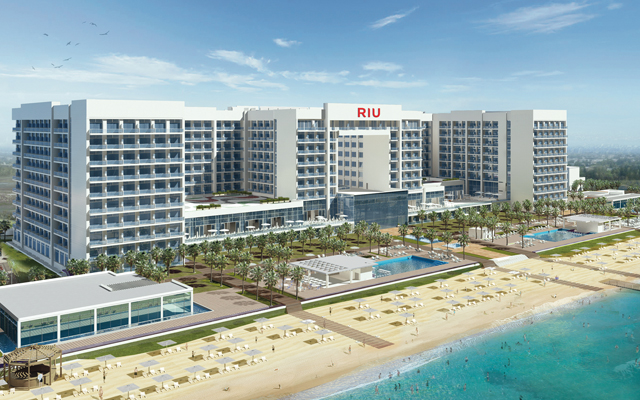
Riu is also moving ahead with new openings. Soon to come in December 2020 is Hotel Riu Dubai on the Deira Islands, a joint venture with renowned Emirati developer, Nakheel.
The four-star beachfront resort with 800 rooms will check a couple of milestones for RIU – a first in the destination, the only 24-hour all-inclusive hotel in the city, and its 100th establishment worldwide.
Scratching the travel itch
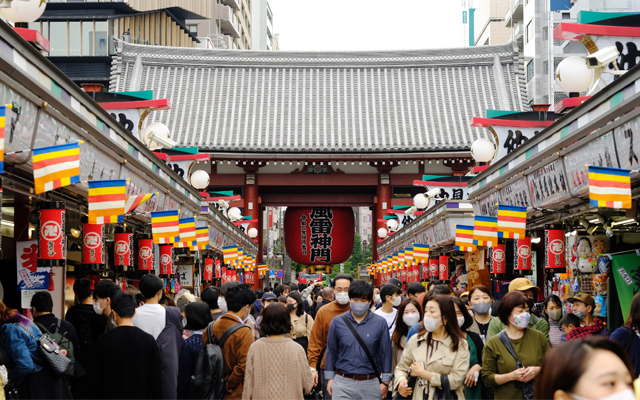
As cities and countries in Asia start easing their quarantine orders, the strong itch to travel has begun bubbling forth. Mirroring the successes of China’s domestic travel trends, other Asian countries with accessible state borders are seeing activity peak in the period leading up to public holidays.
Data from Adara showed a spike in hotel searches towards the end of August across Taiwan, Japan and South Korea, in the lead-up to the Mid-Autumn Festival and its accompanying public holidays. Owing to the resumption of domestic flights, larger countries like China and India have demonstrated positive growth in travel figures across August and September.
Even in smaller markets such as Singapore and Malaysia, where travel restrictions persist, residents are satisfying their wanderlust with increased demand for staycations.
Luxury group Belmond reported “a steady run of bookings” since the reopening of its Asia properties from July 1, “albeit off very low base”, shared Iain Langridge, its divisional managing director Asia Pacific.
Carolyn Corda, Adara CMO, said: “Even as success in containing the pandemic plays out differently across the region, insights from the Adara Traveler Trends Tracker reveal a gradual increase in travel intent from Asia-Pacific travellers over the third quarter of 2020.”
Recognising that the domestic trend is here to stay, governments and businesses in Asia-Pacific have pivoted their strategy inwards. The Taiwanese government is providing individual travellers a one-time subsidy for hotel stays of up to NT$2,000 (US$70).
Following the success of its island-hopping itineraries, Dream Cruises has debuted Discover Taiwan sailings onboard Explorer Dream.
Similarly, the Singapore Tourism Board (STB) is giving all adult Singaporeans S$100 (US$74) in digital vouchers this December to spend on staycations, local tours and attractions.
Over in Hong Kong, residents are eligible to join a free local tour by spending at least HK$800 (US$103) at brick-and-mortar retail and dining outlets in the city, under a new initiative by the Hong Kong Tourism Board to spur domestic consumption.
Facilitating recovery
With the restoration of international travel as the ultimate goal, countries are training their eyes on potential travel bubbles and corridors.
Such bilateral arrangements “appear to have greater feasibility in the region, and are swiftly being established”, noted Corda.
For instance, green lanes have been established for essential and official travel between Singapore and Malaysia, Brunei, Indonesia, South Korea, India and selected regions in China.
Singapore and Hong Kong have also established the world’s first air travel bubble, allowing for leisure travel on dedicated flights without the need for quarantine or a controlled itinerary. Unfortunately, due to a spike in Covid-19 cases in Hong Kong, the travel bubble which was originally scheduled to start on November 22, has been delayed till next year.
Elsewhere, the UK has expanded its travel corridor to include several Asian countries, such as Japan, Taiwan, Malaysia, Singapore, Vietnam and Thailand. On October 28, Germany joined in with a reciprocal green lane for essential travel with Singapore.
Belmond’s Langridge shared that the company is “maintaining a keen eye on longhaul inbound markets”, in hopes that “more countries in Europe will follow suit for the 2021 season”.
Luxury leads the way
Conversation about international travel bubbles has sparked interest in the luxury market, which some experts speculate will be the first segment to recover, with private travel emerging as a “more popular travel option”, said Nicole Robinson, CMO, andBeyond.
This trend has been observed in China where some hotels in the luxury segment have seen occupancy rates shoot past 2019’s figures since reopening in March, with the inflection point being the Labour Day week in May.
Noting this pattern, Singapore has jumped at the chance to develop experiences targeting the rich.
STB CEO Keith Tan explained: “With fewer flights and more requirements for testing and certification, any travel that resumes in the coming months will likely be more expensive than before. Hence, international travel is likely to be limited to more affluent travellers, at least in the short- to medium-term.”
Tan speculated that when borders reopen, Singapore is “likely to see travellers arrive in smaller groups, with a desire for more exclusive, personalised experiences”. In anticipation of this demand, STB is collaborating with Adobe to develop the One Singapore Experience, a programme assisting businesses and attractions with using data analytics to create bespoke and engaging products.
Other concerns from visitors of the future include a heightened desire for physical and mental wellness, predicted Tan, alongside more eco-friendly business practices and sustainable surroundings.
Leaning into this trend, Belmond will continue to pursue a hyper-localisation strategy, “focusing on markets where it will be easier to travel to from Singapore – for instance, Thailand, and other parts of Asia”.
He added: “Coming from an island nation, Singaporeans are accustomed to getting on a plane for a short getaway. We expect short weekend trips among this demographic to continue to be popular. We are anticipating more travel within Asia as Singaporeans and Singapore residents explore more of their own backyard and seek extended, private and inherently safe escapes.”
And as regional tourism opens up, andBeyond’s Robinson opined that consumers may prefer to travel within a single country, noting a rise in demand for “simpler itineraries without having to cross too many borders”.
Still, a fragmented consumer demographic is to be expected, said Corda, as the recovery pace will vary across geographical markets. With the term “revenge travel” being coined to describe the pent-up travel demand, this behaviour will play out differently across different segments and markets.
Corda advised: “Even though Asia-Pacific may be poised for a gradual resumption of regional travel in the coming months, there are challenges in predicting traveller behaviour with absolute accuracy.
“Rather than attempting to forecast sweeping trends across the region, travel marketers would benefit from tracking a wide range of consumer data from an array of data streams, and using extracted insights to ensure individual campaigns are tailored and relevant to audiences.”
Maintaining presence
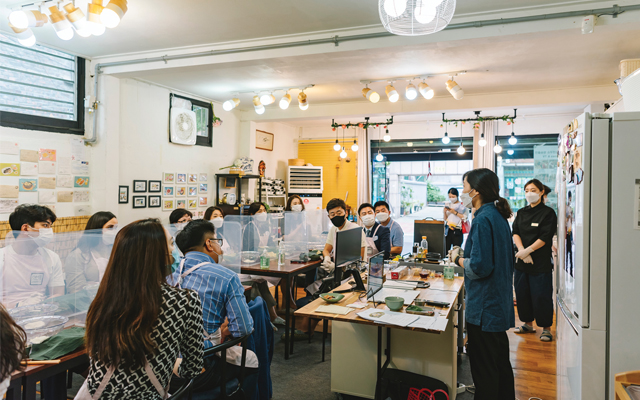
Although South Korea’s borders have not completely reopened, its capital, Seoul is actively preparing for tourists’ eventual return.
Its top-of-mind initiatives include promotional videos by famous South Korean boyband BTS, where the seven members presented the city’s charms, hidden spots and activities. This is how Seoul Tourism Organisation (STO) brings Seoul to the global audience, instead of waiting for visitors to come to them. The videos are a hit, reaching 100 million views in the first 10 days.
Meanwhile, attractions such as museums and theatres are taking the virtual route, with many creating online tours, exhibitions and performances to remain connected with audiences globally.
As business survival is crucial to weathering Covid-19, STO is financially supporting travel agents, adding on to assistance offered by the central government. STO also continues to support industry stakeholders through the Discover Seoul Pass.
On the MICE front, Seoul has added Nodeul Island – an island in the middle of the Han River that has been transformed into an Ecological Park – to its unique venue list. A Jamsil MICE complex is also under development, set for completion in 2025.
Seoul Convention Bureau (SCB) currently offers two types of support – international conferences, and corporate meetings/incentives. In light of the current crisis, support for hosting online or hybrid events has also been shifted to the top of the revised PLUS Seoul programme.
SCB has lowered the minimum number of participants for corporate events from 50 to 20. A Discover Bleisure Charms of Seoul was also recently published, to help corporate groups inject local experiences into itineraries.
SG-HK travel bubble delayed till 2021
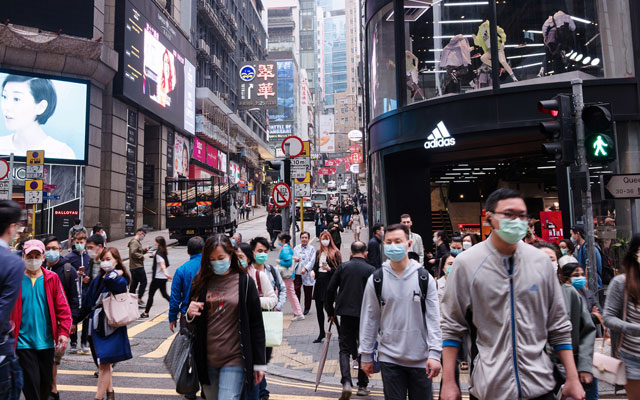
Singapore and Hong Kong have further deferred the launch of their bilateral air travel bubble (ATB), amid a surge in Covid-19 cases in the Chinese city.
Given that the number of local unlinked cases in Hong Kong is still high, both cities have decided to defer the commencement of the Singapore-Hong Kong ATB to “beyond December 2020”, the Civil Aviation Authority of Singapore (CAAS) said in a statement on Tuesday (December 1).
The exact start date of the ATB arrangement will be reviewed late this month.
This is the second postponement of the ATB, following an earlier decision to defer the launch of the ATB by two weeks, after Hong Kong saw a surge in Covid-19 cases. Flights under the ATB arrangement was originally scheduled to start on November 22.
Under the ATB, travellers between Singapore and Hong Kong will be subject to Covid-19 tests, in lieu of quarantine or stay-home notice. There will be no restrictions on the purpose of travel and no requirement for a controlled itinerary or sponsorship.
Passengers should contact their airlines regarding their travel plans, CAAS said, adding that the Singapore and Hong Kong authorities have been in close discussion and will update when there are further developments.
Destinations target APAC’s super-rich for swifter rebound
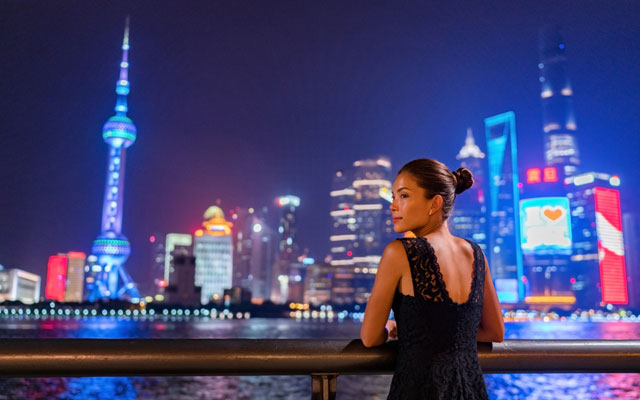
Tourism players near and far are clamouring for a slice of Asia-Pacific’s ultra-wealthy pie, as the luxury market looks set to be among the first to rebound when travel resumes.
Gearing up to tap into that market, destinations are drawing up exclusive itineraries, re-packaging products and launching marketing campaigns targeting the region’s luxury travellers.
Speaking at the virtual ILTM World Tour Asia Pacific, Winston Chesterfield, director and founder of Barton Consulting, said: “Asia-Pacific is the fastest-growing region in terms of population, number of high-net-worth individuals (HNWIs) and total wealth. Given this, and their overall spend on luxury travel, there is going to be very strong growth from the region in the future.”
According to ILTM APAC and the Global Travel Recovery Report 2020, while HNWIs only form 0.15 per cent of Asia-Pacific’s overall population, they contribute 48 per cent to total global luxury travel universe (GLTU) spend.
Additionally, research carried out in 3Q2020 by luxury and wealth researcher ALTIANT revealed that Asia is home to the most HNWIs who claim money remains no object at 34 per cent. Meryam Schneider, vice president of marketing and partnerships, referred to this psychology as “revenge spending”. She noted: “These may be the most carefree spenders in the coming months.”
Schneider added in the short- to mid-term, the region’s HNWIs will travel within Asia. Rural areas with exclusive curated packages designed for families and small groups are predicted to be popular. She advised: “There needs to be customised marketing for the highest end of clients, with a special focus on Asians.”
Noting the potential, destinations across the globe are putting in place plans to lure this prime market to their shores.
Tourism Ireland has launched a luxury travel strategy to attract ultra-high-net-worth individuals (UHNWI) and HNWI travellers. Additionally, it has procured industry experts to advise on how to capture high rollers and prepare Ireland’s wealth of products for the world’s most wealthy.
Aisling McDermott, Tourism Ireland’s Middle East and Asia manager, said: “We know this market will come back first and we need to be ready. We have invested very heavily and are very much focused on targeting luxury travellers.”
McDermott added prior to Covid-19, 80 per cent of the country’s HNWIs came from the US, 15 per cent from Australia and New Zealand, and the remaining five per cent from the rest of the world. She said: “It is this five per cent I am targeting right now.”
In Japan, the private and public sector have been working together to form the Fujisan Luxury Tourism Consortium (FLTC). The initiative will officially launch in April and has curated a series of exclusive itineraries in and around Mount Fuji.
Tatsuya Masubuchi, CEO of HNWI consultancy Root and Partners which helped form the consortium, said the aim is to focus on small groups of less than 10 HNWIs. Activities include luxury hikes to previously unvisited parts of the area, helicopter transfers and exclusive wellness programmes that tap into the revered mountain’s sacred springs.
With Japan slated to form travel bubbles with various Asian countries first, Masubuchi is confident itineraries that offer pristine nature away from the crowds in spiritual surroundings will appeal to Asia’s big spenders.
In October, Luxury Travel Vietnam rebranded and expanded its services offering high-end, tailor-made tours across Vietnam, Cambodia, Laos, Thailand and Myanmar. Operating as Lux DMC Travel, its products now cover all of South-east Asia, Japan and Korea.
Pham Ha, CEO, said: “It’s forecast there will be an increase in high-end tourists who have a demand for travelling after Covid-19. Therefore, our expansion will help us offer more choice. After Covid-19, attracting more customers from the luxury market will help us to recover our business quicker.”
In the wake of the pandemic, the company has recruited travel experts, changed its marketing strategies, and designed a raft of itineraries to cater to the shift in demand from high-end travellers and new markets.
In spite of this appetite for Asia’s elite, Nick Ray, product director at Hanuman Travel which predominantly works with Europe and the US, said switching direction during Covid-19 times is far from easy.
He explained: “Everyone would like to pivot towards this market but it doesn’t happen overnight as there are already many companies with established partnerships. This can take a long time and is usually done by attending trade shows or visiting a country to have face-to-face meetings. Obviously, we can’t do that right now.”
However, he predicts that when borders start to reopen, there will be a surge in tourism companies switching from B2B to B2C. He said: “This will happen quickly as there will be a massive pent-up appetite for travel to tap into.”
70% of APAC travellers ready to travel domestically
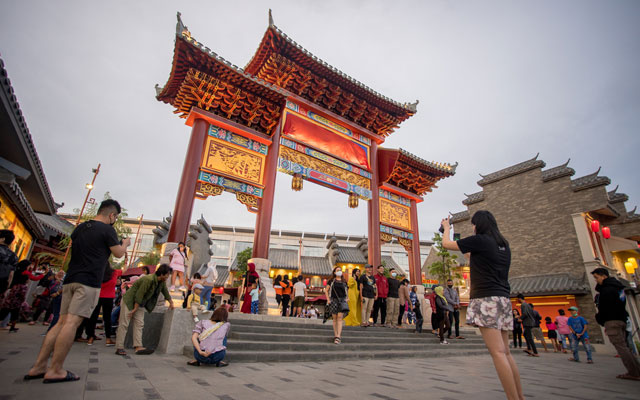
Despite prevailing domestic and international travel restrictions, the majority of Asia-Pacific travellers are determined to resume leisure travel before the end of 2020, according to data from Amadeus.
In the latest Destination X: Where to Next report, which polled 1,050 respondents across Asia-Pacific, 27 per cent of travellers expressed a strong desire to travel immediately once travel restrictions lift, with 37 per cent planning their next trip one to three months after they lift.
While there is a strong preference to go farther from home, 70 per cent of Asia-Pacific travellers are ready to travel domestically. In fact, the average time spent on holidays will not change, with half of travellers seeking a trip duration of 14 days or more.
Reconnecting with family and friends is the predominant reason for 55 per cent of Asia-Pacific travellers planning their next leisure trip in the coming months. At the same time, travellers are also seeking a sense of adventure to satisfy their pent-up wanderlust, with 34 per cent opting to explore unfamiliar destinations for ‘new travel experiences’ and 32 per cent desiring to ‘reconnect with the outdoors’.
Ramona Bohwongprasert, senior vice president, retail in travel channels, Asia Pacific, Amadeus, said: “The data tells us that travel demand is there. Across Asia-Pacific, travellers are energised and ready to holiday within their own shores this festive season, to reunite with family and friends or explore new destinations that offer outdoor getaway experiences.
“However, their behaviours have changed, with travellers not willing to commit to holiday plans too far in advance and Covid-19 factors such as on-site cleanliness and testing measures now weigh in when travellers evaluate accommodation and transit options. Travel sellers and operators will need to cover new ground to provide the experience that domestic tourists are seeking this coming holiday season.”
Customised travel experiences win out over pre-packaged leisure travel options, with 70 per cent of Asia-Pacific travellers preferring to curate their own holidays and/or with the help of a travel agent. Group and guided tour packages have dramatically declined in popularity, with only eight per cent of travellers considering a holiday package cruise of more than 50 people.
Travel spontaneity is also a thing of the past, with travellers spending more time researching before booking their next getaway. ‘Price tailored to my needs’ and ‘severity of the Covid-19 health crisis at the destination’ are the most influential factors for purchasing decisions. More than two-thirds of travellers believe that upfront knowledge of Covid-19 prevention measures is ‘very important’.
Gaurav Bhatnagar, director at Travel Boutique Online, said: “To help travellers rediscover their cities, and regions and support local tourism experiences, travel agents will need to get creative on ‘what to sell’. The domestic travel market will be highly competitive this holiday season, so offers must be eye-catching and personalised. Travel agents will need to reimagine how they sell and package domestic travel experiences by adding flexibility and identifying new segments that are less explored.”
Convincing travellers that it is safe to travel via airlines will be a priority for travel sellers, with Asia-Pacific travellers more likely to say they are ‘less than comfortable with flying but will continue to do so’. New features such as touchless kiosks that use QR codes and mobile boarding passes, combined with new policies such as mask compliance and removal of middle seats, could help to boost confidence.
Insurance is now an integral part of the travel purchase, with 47 per cent of Asia-Pacific travellers likely to purchase travel insurance for every trip, where once it was an afterthought. Another important factor to the traveller journey this holiday season is the travel agent. One-fifth of travellers expect to lean on travel agents for their next domestic trip, for recommendations, problem-solving and support.
In interviews conducted by Amadeus with travel agency executives across Asia-Pacific including Australia, India and the Philippines, 38 per cent believe the way they sell travel will change this year. Travel agents are looking to get ‘more creative’ in their selling strategy, to shape and tailor travel offers to specific traveller personas, as well as highlight added flexibility and insurance coverage.
Kit Sananwathananont, managing director of G.M. Tour & Travel, said: “Travellers will demand a higher level of personalisation, reassurance and empathy this holiday season. Travel agents that combine technology with a ‘human touch’ can deliver excellent customer service that will have a positive impact on travellers’ trust and loyalty, and ultimately help jump-start the travel industry for 2021.”







Deutsche Hospitality is set to open a pair of Steigenberger-branded hotels in Haiyan on the South China Sea coast at the start of 2022.
Situated 100km southwest of Shanghai, both properties are being developed as part of the Hangzhou Bay Sunac Cultural Tourism City, a new tourist and cultural destination which is currently under construction. The hotels will be built on a 291ha location which will also be home to four leisure parks, a shopping centre and a residential district.
An exclusive partnership agreement was signed between Marc Cherrier, COO of Steigenberger Hotels & Resorts at Huazhu, and Yang Wenhu, general manager of Hangzhou Bay Sunac Cultural City, during a ceremonial inspection visit to the construction site at Hangzhou Bay.
The two hotels, to be jointly developed by Deutsche Hospitality and its shareholder Huazhu, will comprise the 227-key Steigenberger Classic Hotel featuring a European-style luxury concept and the Steigenberger Future Hotel offering around 300 rooms boasting state-of-the-art technical equipment.