

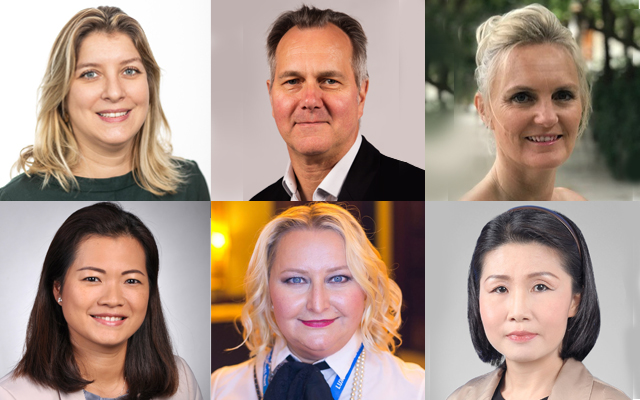
Six leading sales and marketing experts based in the UK, Germany, France, Russia and Thailand have come together to establish the Worldwide Travel Alliance (WTA) to provide sales, marketing, representation and publicity services to global travel brands looking to regain European markets ahead of the post-Covid recovery.
WTA founders include Andrea Hogg of Wendum Travel Services (UK); May Kamya of Eastern Favourites (German-speaking markets and Scandinavia); Anabela Dos Santos of ADS Consulting (French, Spanish, Italian and Portuguese markets); Elena Vetrova of Travel Media (Russia, Ukraine, CIS and Baltic States); and Ken Scott and Anchalee Sriwongsa of ScottAsia Communications (UK and Thailand).
They have intensive in-market expertise in B2B sales, road shows, virtual and physical event representation, media relations, fam trip organisation, publicity, and digital content creation. Each consultancy is well-known and has an extensive network in each market.
Altogether, WTA founders are able to provide hotels and resorts, national and regional tourism boards, DMCs, theme parks, tour operators, cruise lines, medical tourism outlets, travel associations, and more access to all English, French, German, Russian, Spanish, Italian and Portuguese speaking markets in Europe.
Commenting on WTA’s formation, Hogg said: “After the travel industry trauma of 2020, all travel brands are setting new priorities and targets – many are effectively starting over in 2021. This is where WTA can step in and quickly help them create business from important source markets.”
Kamya added: “While a lot depends on the vaccine roll-out, at WTA we expect travel bookings to surge from January 2021. People who have been denied international travel for 10 months are ready to act on their bucket list.”
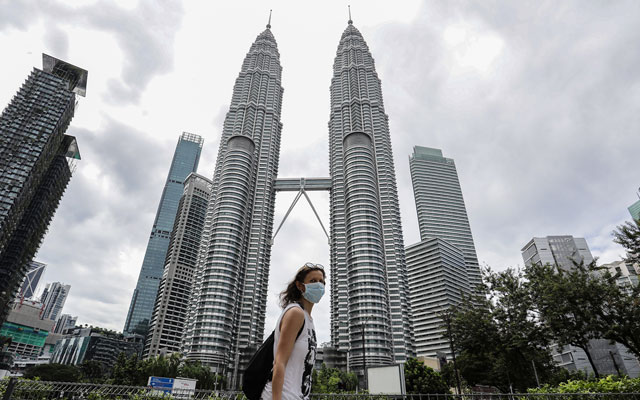




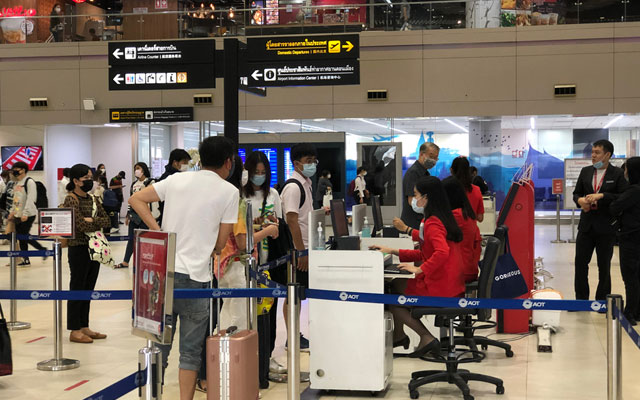







Domestic travel across Malaysia will be prohibited from January 13 to 26 in a bid to arrest the rising number of Covid-19 infections, with potential for extension subject to risk assessments before the ban expires.
Besides a ban on interstate travel, social activities involving mass gatherings will also not be allowed in all states except for Sarawak and Perlis – two states that have recorded fewer number of new infections. Social gatherings in the two states will be subjected to strict standard operating procedures.
Face-to-face business events will be temporarily impacted too.
Residents of Penang, Selangor, Melaka, Johor and Sabah as well as the Federal Territories of Kuala Lumpur, Labuan and Putrajaya will face further inter-district travel restrictions as these regions are regarded as “high risk states” and healthcare services are almost stretched to their limits.
The Movement Control Order (MCO) enforced on these states and the Federal Territories will be similar to the strict conditions imposed from March 18 to May 4, 2020, where residents were only allowed to move within 10km of their home and only two people were allowed to travel to purchase groceries.
In a televised address to the nation, Malaysia prime minister Muhyiddin Yassin said the government had decided to take these strict measures to break the chain of transmission of Covid-19 infection, thus reducing the number of daily positive cases to a more manageable level.
He said that the country’s healthcare system was “at breaking point”.
“In the Klang Valley, the rate of ICU bed use for Covid-19 patients at the Kuala Lumpur Hospital and the University of Malaya Medical Centre had reached 100 per cent while at the Sungai Buloh Hospital it has reached 83 per cent. The rate of use of ICU beds for Covid-19 patients in Perak, Selangor, Melaka, Terengganu and Sarawak has exceeded 70 per cent,” he elaborated.
Malaysia reported 2,232 new Covid-19 infections on January 11, 2021, and four fatalities, bringing the death toll nationwide to 555.
While travel and tourism leaders expressed understanding for the need to curb infections, they also urged the government to appreciate the resulting impact on an already distressed industry.
Malaysian Association of Hotels CEO, Yap Lip Seng, said: “We need to stress on the need for the government to make the right decision in balancing lives (and) livelihood. With the…MCO implementations, businesses are again expected to lose all revenue streams.
“The government must support the industry and its people. With little or no revenue, businesses will not be able to retain its people, will not be able to pay salaries, and will have no option but to let go of its employees.”
Yap underlined the urgent need for a wage subsidy structure of 50 per cent for employees within a pay structure of RM4,000 (US$988) and 30 per cent for those earning up to RM8,000.
Malaysia Budget Hotel Association national deputy president, Sri Ganesh Michiel, also urged government understanding and assistance.
Meanwhile, Uzaidi Udanis, president of the Malaysian Inbound Tourism Association, advised members to adapt to the new situation, pivot their businesses towards digitalisation, and step up on hygiene procedures to rebuild customer confidence.