

Thailand gets SEXY to restore travellers’ confidence
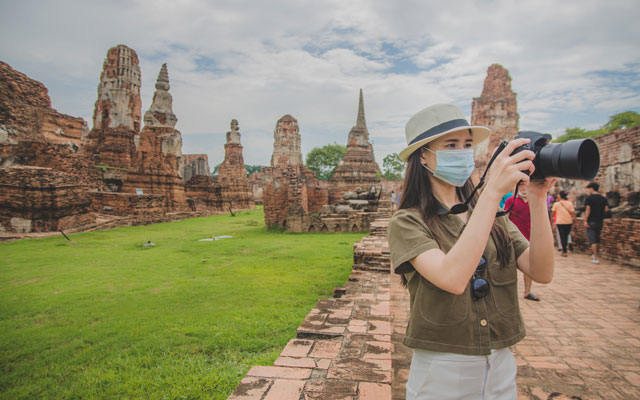
The Tourism Authority of Thailand (TAT) is planning a four-layer tourism concept under a cheeky abbreviation, SEXY, which promotes safe and sustainable travel in the Covid-19 era.
The concept, built on S – Safety and Hygiene, E – Environmental Sustainability, X – Extra Experiences and Y – Yield, is expected to “help restore travellers’ confidence, while driving recovery for both the Thai economy and the tourism industry to make a comeback stronger than ever”, said TAT governor Yuthasak Supasorn.
SEXY is expected to run in 2021 and 2022.
TAT will demonstrate Safety and Hygiene through the country’s Amazing Thailand Safety and Health Administration (SHA), a public-private sector co-operation to promote health and well-being for residents and visitors. Since Amazing Thailand SHA’s launch in May 2020, more than 8,000 businesses and entrepreneurs in 10 key sectors across the country have been certified under the programme. New certified players are joining the programme every month, according to TAT.
Environmental Sustainability will be fulfilled by TAT’s past and present efforts on sustainable tourism development, such as wildlife conservation, the Upcycling the Oceans Thailand clean-up effort, and Thailand Reduce Waste campaign.
Extra Experiences will play up TAT’s ongoing push for brand new tourism products as well as additional public health safety measures that have served to contain the spread of Covid-19 in the country.
The last of SEXY concept focuses on Yield, which will be fulfilled by the NTO’s strategy to move the Thai tourism industry out of mass tourism and towards responsible tourism with an emphasis on revenue-generating quality tourists.
Yuthasak said: “In implementing this tourism concept, TAT will be closely aligning its strategies with the policies and plans of the related public and private sector organisations. Together, TAT and Thai tourism stakeholders will reshape the image of Thailand with core messages highlighting the importance of safe and sustainable travel.”
Wellness tune-up

Amanbagh, India
A hidden sanctuary in the Aravalli Hills of rural Rajasthan, Amanbagh’s scalloped sandstone arches are an echo from the resplendence of the Mughal Empire. Here, operator Aman will launch its new Ayurveda Traditional Medicine Immune Support Retreat, available on select dates. Guests can receive an initial wellness consultation from the resort’s resident Ayurveda physician, followed by a tailored wellness programme for a stay of at least four nights.
Each day, guests will enjoy an immunity-supporting shot, a selection of restorative herbal teas, a daily private movement session, a bespoke Ayurveda spa treatment, guided walks at sunrise and morning group yoga sessions.
Healthy daily breakfast will be served, with recipes using the freshest produce from Amanbagh’s organic garden.
Almost 80 per cent of the produce used in the resort’s cuisine is grown here, and some are also incorporated into the spa treatments.

Chai Talay, Thailand
Luxury private villa estate Chai Talay on Thailand’s Koh Samui has reopened following an extensive refurbishment, and one of its highlights is its sprawling wellness facility.
The estate boasts a 372m2 indoor and outdoor gym that is set amid manicured yoga lawns and organic gardens, where wellness professionals conduct fitness groups, team training, yoga, Pilates and other activities that mend the body, mind and soul.
Chai Talay also harnesses its decade-long experience of hosting multiple annual fitness retreats to deliver popular wellness programmes for up to 40 people.
Its close partnership with nearby Anahata Wellness and Orion Retreat Centre allows guests to join yoga or mediation classes, juicing or healing retreats as well as consult specialist practitioners such as acupuncturists. For guests preferring complete attention and privacy, fitness trainers from Anahata Wellness and Orion Retreat Centre will take their lessons right into a Chai Talay villa.
Wellness tune-ups at Chai Talay extend beyond the gym. Resident chefs will whip up healthy farm-to-table dishes, using more than 20 varieties of home-grown fruit and vegetables, as well as conduct in-villa cooking classes that are fun for all ages.

Dusit Thani Laguna Singapore
In December 2020, Thailand-based Dusit International opened its much-awaited Dusit Thani Laguna Singapore, a wellness-focused retreat within the grounds of the Laguna National Golf & Resort Club.
With 198 rooms and suites, the luxury resort touts Dusit’s signature Devarana Wellness brand, under which several transient and holistic spaces on the premises host educational classes and workshops – such as stress management and nutrition – as well as activities like meditation, yoga, personal training and massages.
The Dusit Wellness programme also provides plant-based “power foods” – from vegetables harvested at the Laguna Organic Farm to low-carb options – and a Sleep Well menu that allows guests to personalise their sleep experience.
The property boasts three swimming pools, and three outdoor tennis courts will be opened in 1Q2021.
Kai Suites, Singapore
Specially caring for moms-to-be and their newborn, luxury confinement hotel Kai Suites in Newton offers a menu of packages that include a seven-day stay or more, a three-month pre-natal programme and another three-month post-natal course.
New moms may attend workshops on infant care, breastfeeding, pregnancy and post-partum exercises as well as indulge in traditional Javanese wraps that tone the abdominal area after birth.
A butler is on hand to take care of guests with salon sessions, facials and meditation, while experienced staff previously from hospital maternity wards attend to the infant.

One Farrer Hotel and Spa, Singapore
As part of its S$2 million (US$1.5 million) refurbishment, One Farrer Hotel and Spa has launched the new Mint Hotel, offering 176 rooms designed with cutting-edge materials and intelligent design principles, as advised by medical professionals from Farrer Park Hospital. These include antiviral wall-coverings, moveable furniture and the use of antimicrobial blind fabrics and custom gapless vinyl flooring in place of carpets.
It will also debut the Pillow Lab in early 2021, enabling guests to personalise their sleep experience through a pillow menu for varying firmness and sleeping postures. The Lab will use an Ultraviolet-C Chamber to remove all pathogens, natural microbiota, molds, and yeasts, and the pillows will be available for purchase as well.

RAKxa Fully Integrative Wellness and Medical Retreat, Thailand
Newly opened in December 2020, RAKxa Fully Integrative Wellness and Medical Retreat is a 32ha escape created by operator Minor Hotels, M.K. Real Estate Development and VitalLife Scientific Wellness Centre. It is located on the Chao Praya River in Bang Krachao, and boasts a cluster of clinics and facilities.
VitalLife’s Scientific Wellness Clinic houses internationally trained doctors creating hyper-personalised health programmes. The Holistic Wellness Centre offers comprehensive treatments such as Chinese medicine, Thai medicine, Ayurveda and energy healing.
At the Medical Gym, guests can participate in individualised training programmes with physiotherapists and exercise physiologists.
For utmost relaxation, the RAKxa Jai is a therapeutic spa overlooking a lagoon and offers massages, healing treatments and therapies.
The retreat dishes up healthy cuisine centred on seasonality and sustainable eating, and which adopts anti-inflammatory philosophy.

SAii Phi Phi Island Village, Thailand
Launching on February 1, 2021, SAii Phi Phi Island Village, a lifestyle property by Thailand’s S Hotels & Resorts, presents a fresh escape for eco-conscious travellers and wellness seekers.
Lèn Be Well at the resort takes a personalised approach to well-being through five core pillars: Romance, Relax, Culture, Adventure and Family. Blending bespoke leisure activities, body treatments, gastronomic offerings and more, this customised concept is already delighting guests at sister property Santiburi Koh Samui. Guests can expect an enhanced selection of spa journeys, immersive excursions and culinary specials such as floating breakfast in the pool villas.
Prioritise tourism frontliners for vaccination, says MAH
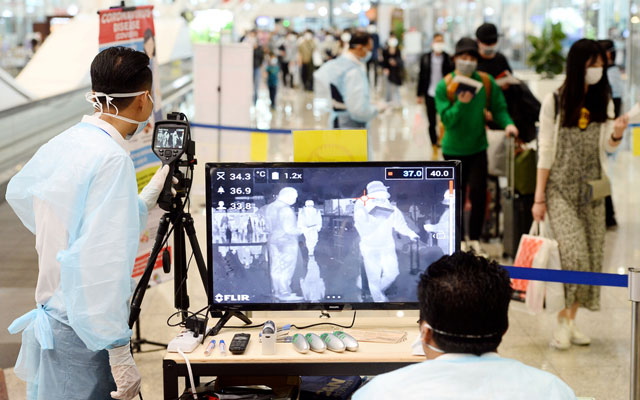
The Malaysian Association of Hotels (MAH) has proposed to the government to place tourism and hospitality frontliners on the priority list for the Covid-19 immunisation programme, behind medical workers and high-risk groups.
Doing so would help pave the way for the return of international tourists to Malaysia once her border reopens, said MAH.
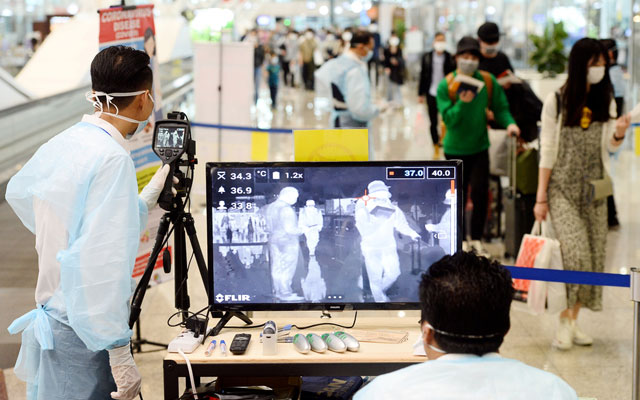
The national Covid-19 immunisation programme is set to roll out at the end of February. It will be carried out in three phases, with the first involving some 500,000 medical and non-medical frontliners.
The second phase from April to August will involve those at high risk of developing complications from Covid-19, while the third phase will involve adults aged 18 and above who will receive the vaccine between May this year and February 2022.
MAH president, N Subramaniam, said: “The tourism and hotel industry employs 3.6 million persons and is one of the main contributor to the country’s economy and the people, and must not be allowed to collapse. We must be ready for recovery and maintain our tourism capacity as well as competitiveness in the region.”
He said that ever since the second movement control order (MCO) came into effect on January 13 and is currently ongoing, more hotels were reportedly closing, or planning to close.
Subramaniam added that the MCO has robbed the hospitality industry of any hopes of recovery this year, and the industry is set to lose at least RM300 million (US$86 million) in revenue on average for every two weeks of the MCO, after losing an estimated RM6.5 billion last year.
During an emergency meeting on February 4, MAH submitted a 19-point proposal to the Ministry of Tourism, Arts and Culture Malaysia requesting for immediate assistance to be provided to the industry.
Subramaniam said: “While some of these are long outstanding proposals that the industry had submitted before, they are of utmost urgency considering the worsening current situation.”
Among the 19 points are an extension of the wage subsidy programme from March to September 2021, an immediate revision to 50 per cent subsidy for employees with wages up to RM4,000 monthly and 30 per cent subsidy for those up to RM8,000 per month from the current subsidy of RM600 per employee per month, as well as an extension of the tourism tax waiver until June 2022.
Yogyakarta will play host to ATF 2023
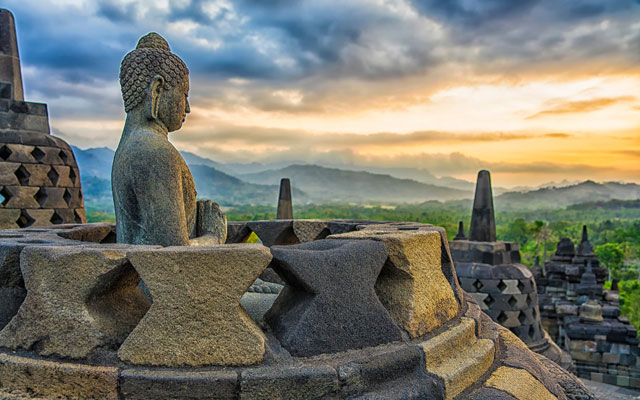
ASEAN Tourism Forum will return to Yogyakarta when it is Indonesia’s turn to host the annual event again come 2023.
The city last hosted the event in 2002.
The announcement was made by Indonesian minister of tourism and creative economy, Sandiaga Uno, at the 24th Meeting of ASEAN Tourism Ministers. “I am happy to announce that ATF 2023 will be held in one of the five super priority destinations in Indonesia: Borobudur, more specifically, Yogyakarta. We hope that ATF 2023 will (create) momentum for the national and regional recovery (of the country post-pandemic),” he said.
Ni Wayan Giri Adnyani, primary secretary of the Ministry of Tourism and Creative Economy, explained that apart from being one of the super priority destinations, Yogyakarta has been picked to host the event as the city has the facilities and capacity to host the Travex.
As well, Borobudur and the latest developments around the area will attract not only Buddhist communities from Thailand, Laos and Cambodia, but also, buyers from around the globe.
Furthermore, the new Yogyakarta International Airport, the trans-Java toll road and railway network across Java will provide relatively easy access for delegates.
Japan tour operators set to benefit from JTB-TripAdvisor partnership
Japan’s largest travel agency, JTB Corporation, and TripAdvisor’s brand Bókun have launched a digital platform to support tour and activity operators in Japan.
JTB Bókun will act as a bridge between operators and booking companies, such as overseas travel agencies, DMOs and accommodation providers, thereby boosting uptake of tours and activities among the domestic and inbound tourism markets.
The launch, on February 3, was prompted by three main factors: growing demand for “neighbourhood tourism” as a result of the pandemic, a rise in both the number of international visitors and repeat international visitors in recent years, and greater interest in themed or hands-on travel content.
JTB Bókun aims to support tour and activity businesses with limited digital resources to capture these escalating demands. Promising to help operators manage and grow their businesses, the platform has tools that will assist users in managing multiple reservation sites and inventory, evaluating sales performance, identifying growth opportunities, and facilitating partnerships.
Travellers, meanwhile, will be able to book tours and activities for almost immediate use. According to JTB Bókun, this is important because more and more visitors to Japan are making their bookings at short notice. The company notes that, much like it is common practice today for tourists to book their flights and hotel stay before they depart, it is becoming more common for tourists to book their holiday experiences online once their trip has begun.
Partners JTB and Bókun have expressed excitement at how they can help this growing market.
“We will provide a wide range of abundant and high-quality content to meet the demands of Japanese travellers and international tourists visiting Japan,” JTB said in a statement.
Bókun added that it is “committed to creating a platform to connect, support and power the experiences ecosystem, and part of that is building high-quality connections with our partners, for our customers”.
Quit labelling countries “high-risk”: WTTC

The WTTC is calling on governments to abandon the concept of “high-risk countries” and instead focus on how individual “high-risk travellers” are treated at borders, in order to revive international travel securely.
Rather than labelling entire populations as “high-risk”, governments around the world should look at individual traveller risk assessment, relying on comprehensive testing and use of technology to avoid exporting the virus.
A common international consensus on the metrics used to assess risk coupled with a focus on a cost-effective, comprehensive, and rapid departure and arrival testing scheme for all travellers could pave the way forward for the meaningful return of travel, said WTTC.
It would also ensure only those affected are forced to isolate, while travellers who test negative can continue to enjoy safe travels through observing hygiene protocols such as mask-wearing and social distancing.
Gloria Guevara, WTTC president and CEO, said: “Risk based on entire countries is neither effective nor productive. Redefining risk towards individual travellers instead will be key for unlocking the door to the return of safe international travel. We need to learn from past experiences and crises such as 9-11.
“We cannot continue labelling entire countries as ‘high-risk’ which assumes everyone is infected. While the UK is currently seeing high levels of infections, clearly not all Britons are infected; the same goes for all Americans, Spaniards, or the French.
“The reality is much more complex. Not only does it stigmatise an entire nation, but it also halts travel and mobility when many people who test negative on departure and arrival could safely travel without exporting the virus.”
Guevara also pointed out that a comprehensive testing regime will be less costly than the implementation of blanket quarantines and lockdowns.
“We must learn to live with the virus, as it will take time for the global population to be vaccinated. This is why WTTC has long advocated introducing a comprehensive and cost-effective test on departure and arrival for all international travellers, as a way of preventing those carrying the virus from spreading it,” she said.
“As always, there is a crucial balance to be struck between the priority on public health with the need to sustain economic activity. (Besides) ensuring people are safe and healthy, we also need to secure the health of the global economy – and revive the 174 million travel and tourism jobs affected by this devastating pandemic.”
TTG Conversations: Five questions with Jameson Wong, ForwardKeys

Travel bubbles, green lanes and airline initiatives around travel safety can inspire travel interest, but actual movement requires a combination of institutional framework to facilitate travel and perceived high rewards of travel among consumers.
In this new episode of TTG Conversations: Five questions video series, Jameson Wong, APAC director at ForwardKeys, discusses how progress in Covid-19 management is impacting consumers’ flight appetite and how the marketplace has responded to travel bubbles and green lanes. He also explains how data can help travel and tourism industry navigate this crisis with greater visibility.
Travel bubble with Indonesia a ray of hope for M’sia inbound players
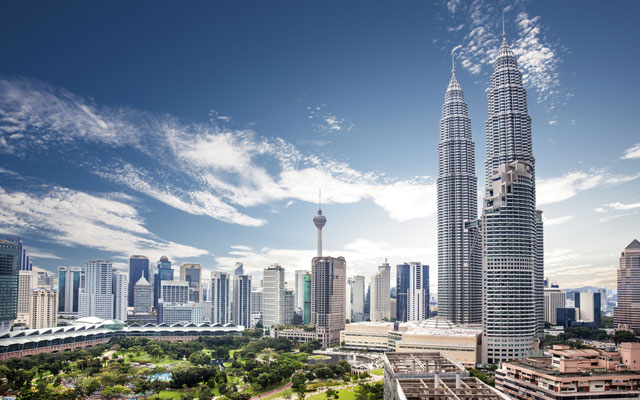
Malaysia and Indonesia have agreed in principle to implement the reciprocal green lane scheme to facilitate bilateral travel, pending approval by health authorities in both countries.
Foreign Affairs Ministry secretary-general, Muhammad Shahrul Ikram Yaakob, said that follow-ups were required to fine-tune the standard operating procedures (SOPs).
He was quoted by The Star as saying: “A follow-up is necessary as far as Malaysia is concerned on tightening the existing SOPs. The scheme will be implemented once Malaysian and Indonesian health authorities deem it appropriate.”
Tourism, arts and culture minister, Nancy Shukri, said in a press statement that the travel bubble initiative is part of the ministry’s recovery plans formulated since last July to revitalise the country’s tourism and culture sector.
She added that the ministry had also previously held discussions with the Health Ministry, Home Affairs Ministry and the Foreign Affairs Ministry to explore opportunities in creating travel bubbles with neighbouring countries such as Brunei, Singapore, Thailand, Japan, South Korea, Australia and New Zealand.
“Its implementation, however, is subject to bilateral discussions and considerations based on the aspects of health, immigration, data tracking, and ongoing monitoring by relevant agencies in both countries,” she said.
Nancy also highlighted that Malaysia had proposed for transparency and standardisation of cross-border SOPs enforced by safe countries to facilitate easier travel.
While welcoming the travel bubble plan, Malaysian Inbound Tourism Association president, Uzaidi Udanis, opined that careful and detailed study of the mechanisms is crucial to ensure strict adherence to SOPs in order to guard against imported cases.
He said: “The SOPs must be clearly stated in writing to ensure tourism industry players are clear about the procedures.”
He added that the reopening of the border with Indonesia presented inbound players from Malaysia with an opportunity to capture the high-end travellers from Indonesia, a segment that has remained under-tapped.
New support scheme planned for Thai tourism workers

The Tourism Council of Thailand (TCT), comprising a group of experts from the private sector, has proposed a new Tourism Labor Bank scheme to support Thai tourism workers whose jobs are at risk due to Covid-19.
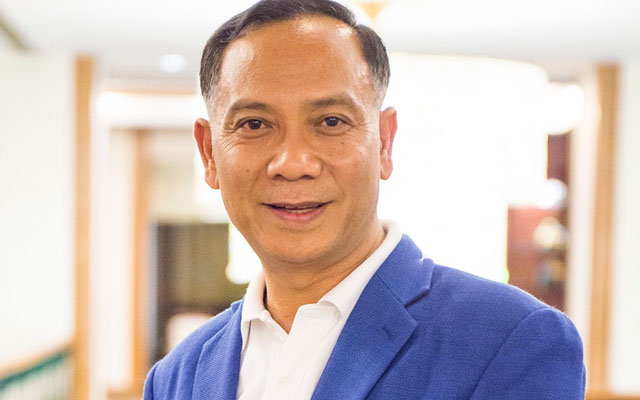
“Looking ahead at the future of tourism, we don’t think it will go back to normal soon, especially seeing the situation in Europe and other places. While Thailand has the capacity to welcome 40 million visitors a year comfortably, we are very concerned that if we don’t meet this year’s target of 10 million visitors – for example, if only 25 per cent of that number come – then 75 per cent of the tourism labor force will lose their jobs,” shared TCT’s new president Chamnan Srisawat.
Given the uncertainty as to when Covid will strike again, and current lack of income for those in the tourism sector, the TCT has designed a Tourism Labor Bank scheme for the tourism and hospitality sectors.
A key feature of the programme is the tourism employment database, which will include the employment history details of 13 categories of tourism workers from 13 geographical areas in Thailand. “If we have accurate data, we can plan better how to take care of these people,” said Chamnan.
The scheme will include co-payment for monthly salaries of up to 15,000 baht (US$498), with the government subsidising half of it, along with training programmes to upskill and re-skill workers so that they can supplement their income with side hustles like e-commerce and online marketing.
Furthermore, the scheme will capitalise on the existing knowledge bank and skill sets within the hospitality and tourism sectors to facilitate knowledge exchange; for example, hiring five-star chefs and skilled hospitality workers to train the local community-based tourism segment.
The staff could also be hired for short-term or freelance positions by other tourism businesses, and receive career coaching and training in new skills that they aspire towards, to give them hope in starting a second career.
“It’s a huge pool of talent and skill that we’re very reluctant to let go of, not to mention the fact that 90 per cent of those who work in tourism have excellent English skills. This is potential that shouldn’t be overlooked,” Chaman added.
“Imagine an army of online sellers and influencers who can sell package tours from their friends’ companies and One Tambon One Product (an entrepreneurship stimulus programme spotlighting locally-made products) items to customers abroad. Not only could they boost their own income; they can also strengthen the tourism industry nationally.”
The scheme is intended to launch in March, and will be open to all categories of tourism industry staff, both direct and indirect. Chamnan stressed the importance of not overlooking those on the periphery, such as taxi drivers, mini van drivers, river boat workers, chefs from two-star hotels, entertainment park crew, and staff from spas and massage parlours.
While the TCT intends to spearhead the scheme, the council is very open for other entities to get on board and support the initiative.
“We see this as a way out, a long-term plan for Thailand’s tourism sector that can create more sustainability and make our tourism industry more competitive on an international level,” he concluded.







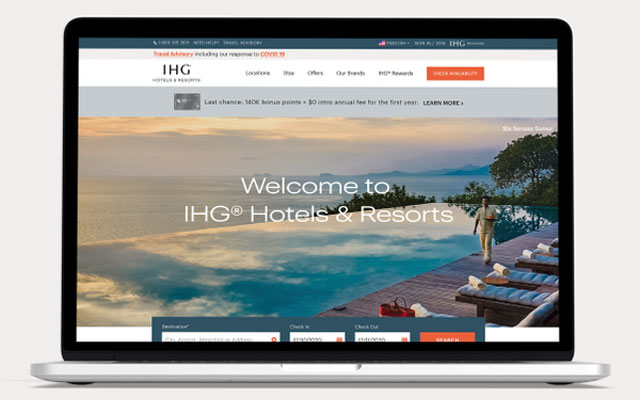
InterContinental Hotels Group has entered the new year with a refreshed identity – IHG Hotels & Resorts – to better reflect its family of 16 brands as well as new brand visual to resonate with a younger demographic of consumers and business partners.
Identifying itself as a “Family of Hotels and Resorts” in a press statement, the company has categorised its variety of brands into four collections.
The Luxury and Lifestyle Collection comprises properties that are defined by timeless legacy bound together by distinctive design and unforgettable service. Brands within this collection are Six Senses Hotels Resorts Spas, Regent Hotels & Resorts, InterContinental Hotels & Resorts, Kimpton Hotels & Restaurants, and Hotel Indigo.
The Premium Collection gathers properties that focus on purposeful travel and convey a sense of belonging and well-being. Brands within this collection are HUALUXE Hotels & Resorts, Crowne Plaza Hotels & Resorts, EVEN Hotels, and voco Hotels.
The Essentials Collection takes in Holiday Inn Hotels & Resorts, Holiday Inn Express, and avid hotels.
And finally, The Suites Collection, which targets long-stay guests, comprises Atwell Suites, Staybridge Suites, Holiday Inn Club Vacations, and Candlewood Suites.
The brand refresh also conveys the hotel group’s purpose of True Hospitality for Good, its evolving story, portfolio and the needs of hotel owners, consumers, and communities around the world.
At the same time, IHG has updated its loyalty programme, now named IHG Rewards. The word ‘Club’ has been dropped from the programme name to reflect a warm welcome to all. Members are able to enjoy exclusive rates, special benefits and point redemption at all IHG hotels and partner locations, including the Mr & Mrs Smith collection. IHG Rewards benefits will be enhanced going forward.
Commenting on the rebranding campaign, Claire Bennett, chief customer officer, IHG Hotels & Resorts, said: “The travel industry has faced challenges like never before, and while adapting to new realities we’ve also stayed true to our roots. We have an incredible family of brands, centred around connecting people – strengthening family bonds, forging business partnerships, uniting far-flung friends and engaging with our communities.
“Our evolved brand articulates how we bring our purpose of True Hospitality for Good to life for our guests, hotel owners, colleagues and communities. So, as we continue to lead through and beyond the pandemic, we’re clear who we are, what we stand for and how we can help guests open up their world again when they’re ready to travel. And we all feel we need that more than ever, because travel not only opens doors, it opens minds and hearts. That’s why our hotels are more than just a backdrop to life’s special moments, they are a collection of welcoming experiences.”