


Hong Kong players call for more details to plan for Chinese return

China’s resumption of travel is lifting spirits across Hong Kong’s tourism sector, but player are urging China for more details to help them better plan their operations.
Fanny Yeung, executive director of the Travel Industry Council (TIC), told TTG Asia that the announcement this week took the industry by surprise.
“It’s vital that we are able to cope with inbound traffic (from China). With more details from the Central Government, such as daily arrival quota, we can better plan ahead,” she said, adding that Hong Kong has a severe manpower obstacle to overcome due to a talent bleed-out over the past three disrupted years.
She said businesses would need to “offer competitive salaries” to lure people back.
“I reckon it may take us three to four months to ramp up manpower to meet the needs (of returning Chinese travellers),” said Yeung.
However, if all goes well, Yeung expects Hong Kong tourism business to return to pre-pandemic levels in 3Q2023.
TIC’s chairman Gianna Hsu is less worried about the immediate future, as China’s travel resumption will coincide with the Chinese New Year holidays starting January 22, 2023. This is typically a low travel season for group tours from China, and that buys Hong Kong some time to prepare for the market’s return.
Luc Bollen, general manager of The Park Lane Hong Kong – A Pullman Hotel, is upbeat. “According to recent studies (by Trip.com), Hong Kong remains the top-three most popular destination for all Chinese tourists,” he said.
Bollen said his team is well prepared to welcome guests from China. Together with Accor’s regional office, the hotel launched in late-December several room packages aimed at the Chinese.
He expects Chinese guests to combine business and leisure when they return to Hong Kong for their first trip in three years.
Industry players have expressed concerns about the return of sufficient air capacity to support China’s reopening.
Yeung hopes that China’s latest announcement will motivate airlines to accelerate their plans to return to service.
A spokesman with homegrown Greater Bay Airlines said the company would “keep monitoring the market situation and work closely with respective stakeholders to get prepared as appropriate”.
Greater Bay Airlines is current serving only Bangkok and Taipei.
Cathay Pacific has also shed little details on service plans following the December 27 announcement, only saying it would “continue to communicate with relevant authorities and to increase our passenger capacity to and from the Chinese Mainland as much as possible”.
Cathay Pacific is operating at about 30 per cent of its pre-pandemic capacity and has some weekly services between Hong Kong and select Chinese cities, like Beijing and Chengdu, scheduled for January.
In order to keep pace with China’s reopening, Hong Kong will also remove all mandatory PCR test requirements for inbound travellers, quarantine orders and the use of the Vaccine Pass from December 29.
Phuket Hotels Association welcomes new leadership
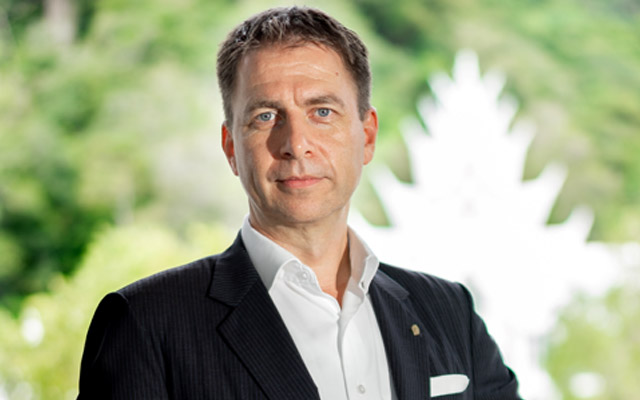
Bjorn Courage has been named president of The Phuket Hotels Association, taking over from founding president Anthony Lark, who will continue to serve as a senior advisor.
Courage is the general manager of the InterContinental Phuket Resort, and has more than 25 years of experience in the hospitality industry. During the course his career, Courage has worked with many of the industry’s most iconic brands, including IHG, Hilton, Waldorf Astoria, Six Senses, and Mandarin Oriental. He also successfully completed Cornell University’s Executive Leadership programme.
Courage moves into the role of president at a time of optimism for Phuket’s tourism and hospitality industry. The island was one of the first South-east Asian destinations to safely reopen to international visitors when it launched the “Phuket Sandbox” programme in July 2021.
Since it was founded in January 2016, the Phuket Hotels Association has grown to represent 72 of the island’s top internationally-branded and independent luxury and midscale hotels and resorts, comprising just over 12,000 rooms. Each of these members has made a commitment to the destination and, through the Phuket Hotels Association, are actively investing in a sustainable future through long-term environmental and educational initiatives.
Lark, currently the executive director at HMD, Shinta Mani and Bensley Collection hotels, will continue to serve as senior advisor. Other members include Bill Barnett, a founder of the Phuket Hotels Association and managing director of C9 Hotelworks; David Keen, CEO of QUO; David Johnson, CEO of Delivering Asia Communications; Boon Yongsakul, chairman of Boat Pattana; and Saharat Jivavisitnont, executive director at Jee Teng Hospitality Group.
Mandarin Oriental, Shenzhen welcomes new GM
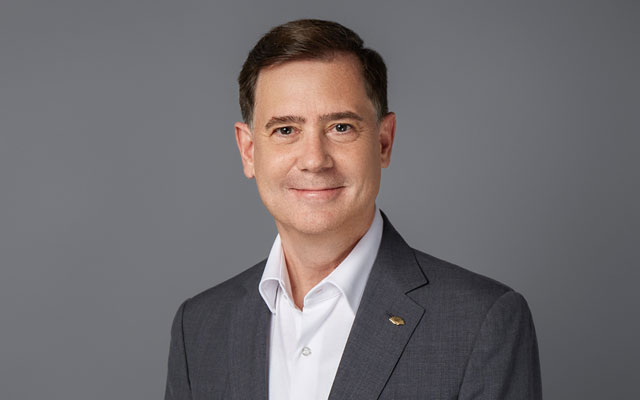
Mandarin Oriental Hotel Group has appointed Mark S. Bradford as general manager of Mandarin Oriental, Shenzhen.
In this new role, Bradford will establish a new luxury Mandarin Oriental hotel in Shenzhen. The project is scheduled to open in early 2022 and encompasses 178 spacious guestrooms and suites, eight restaurants and bars, several event spaces and a spa.
The seasoned hotelier has two decades of experience with Mandarin Oriental, initially joining as hotel manager at Mandarin Oriental, Bangkok, and then taking on senior leadership positions in Chiang Mai, Marrakech, Manila and Jakarta.
Prior to this move, he was opening general manager of Mandarin Oriental, Wangfujing, Beijing.
Meliá Phuket Mai Khao welcomes new GM
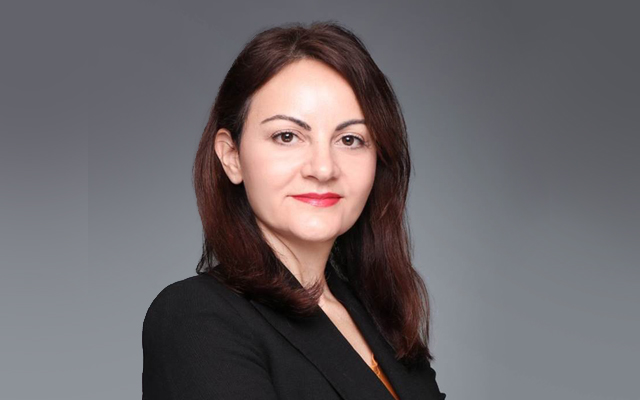
Magdalena Martorell, a seasoned professional with two decades of hospitality experience in Europe and Asia has taken charge of Meliá Phuket Mai Khao.
The Spanish-born general manager comes to Meliá Phuket Mai Khao after successfully opening Meliá Shanghai Parkside in China, and SOL by Meliá Phu Quoc in Vietnam.
Martorell has worked with Meliá Hotels International for the entirety of her hospitality career, beginning 20 years ago when she was selected to join the leading Spanish hotel group’s internal development programme.
She steadily rose through the ranks, working as the operations manager at Tryp Rey Pelayo at Gijón in the north of Spain before becoming the resident manager at Meliá Barcelona. She then became the general manager at Tryp Barcelona Aeropuerto before moving to Asia in 2012 to assume the hotel manager post at Meliá Bali & The Garden Villas.
Opening soon, Meliá Phuket Mai Khao offers 30 suites and 70 villas, and facilities such as four dining outlets, a five-treatment-room spa, three swimming pools, a fully-equipped fitness centre, kids’ club, ballroom and two multifunctional rooms.
Dream Cruises to resume sailings in Taiwan
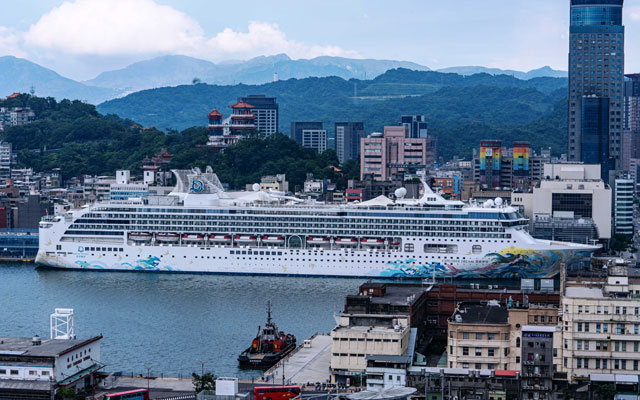
Dream Cruises will restart domestic cruises in Taiwan aboard its Explorer Dream ship from December 31, following a suspension of operations due to the Covid-19 outbreak in May of this year.
Upon resumption, Explorer Dream will once again offer two- and three-night Super Seacations from Keelung to domestic destinations including Hualien, Anping and Kaoshiung.
Kent Zhu, president, Genting Cruise Lines, said: “Since we suspended operations in May, Dream Cruises has been working with the Taiwan authorities to plan on the safe restart of cruises and to revisit our health and hygiene guidelines and protocols to ensure the safest environment for both guests and crew.
“We are proud to have been the first cruise company to resume cruises in Taiwan, Singapore and Hong Kong and of our stellar record of no Covid-19-related incidents in Taiwan since Explorer Dream first began operations in July 2020.”
From July 2020 to May 2021, Dream Cruises has welcomed over 90,000 guests on board Explorer Dream for Super Seacations.
THAI unveils marketing plan to spur tourism recovery
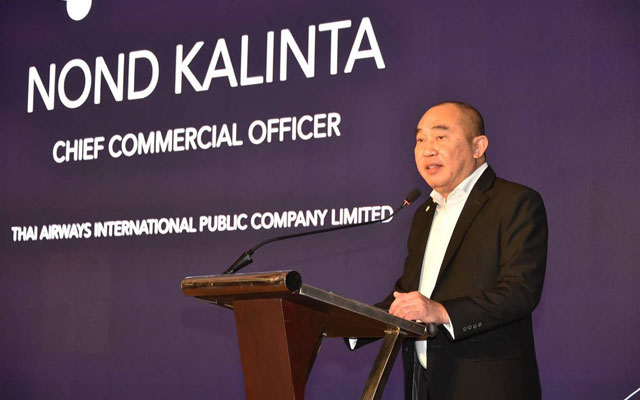
Thai Airways International expressed readiness to move forward to regain confidence and trust with local and overseas travel agencies and partners, especially those from Europe, which is a key source market for the airline.
The announcement was made by CCO, Nond Kalinta, during a recent networking conference organised by the airline in The Peninsula Bangkok, under the theme THAI Networking: Discover Brand New Sky.
The event, which was sponsored by Mastercard, was attended by key local and overseas travel agencies along with international media. During the conference, THAI highlighted its sales, marketing and revenue strategies to coincide with the government’s plan to reopen the country.
Participants were introduced to THAI’s new products and services, as well as updated on the proactive progress of the airline’s rehabilitation plan.
THAI’s key pillar marketing strategies were highlighted as follows:
Sales and revenue optimisation
THAI will focus on potential revenue-generating destinations that will enable the airline to maximise sales and profit. THAI is also working in close cooperation with Star Alliance, partner airlines and THAI Smile Airways to expand its route network with new destinations.
Feasible products & improved services
New products and services will be introduced such as exclusive privileges for Royal Orchid Plus members, pre-selected meals service for Royal Silk Class passengers, and enhanced inflight entertainment. THAI is also collaborating with Doi Tung, The Mae Fah Luang Foundation, to create an exclusive coffee dubbed Black Silk Blend, which will be served on board to Royal Silk Class passengers.
Pricing and distribution channels
Sales distribution will be further enhanced through collaboration with travel agencies and online channels. The pricing will be more simplified and dynamic to market demand.
Marketing communication
Digital marketing will be extensively utilised based on customer network core behaviours to ensure better experience to access, engage, personalise, connect, and collaborate. This will be implemented with improved always-on content, social media harmonisation and modern CRM platform with AI capabilities.
Asia further tightens travel restrictions as Omicron continues global spread
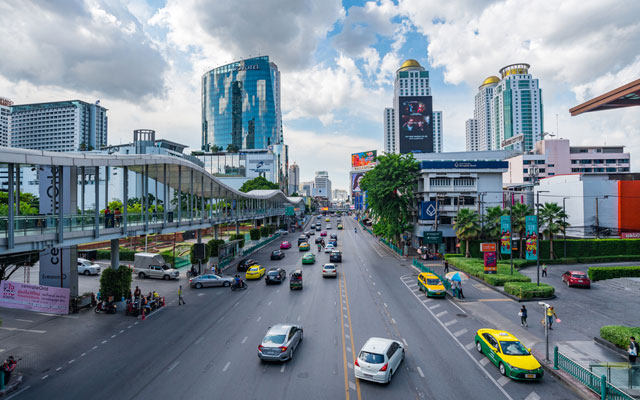
The rapid spread of Omicron infections across the world has forced Asian governments this week to reinstate even tougher border measures, with Thailand pausing her quarantine-free allowance for travellers and Singapore freezing new ticket sales for Vaccinated Travel Lane (VTL) flights and buses.
Thailand’s restrictions will be enforced until January 4, 2022, but the Kingdom will continue to accept Thailand Pass applications for visits with quarantine. The Phuket Sandbox scheme will also continue to stand.
Singapore’s VTL freeze, in effect from December 23 to January 20, will not impact travellers who have already obtained a flight or bus ticket. The latest decision will also see the Ministry of Health temporarily reducing the VTL quotas and ticket sales for travel after January 20, 2022.
Capacity and ticket sales for VTL land travel into Singapore or Malaysia from January 21 will be cut by half, with allowance for only 24 one-way bus rides per day. Designated VTL flights into Singapore will be halved from January 21.
Omicron fears have also led Japan to extend until January next year her ban on new entries by all foreigners and quarantine requirement for all returning Japanese nationals and foreign residents. These rules were supposed to have ended at the end of this year.
Meanwhile, stricter social restrictions have emerged in some parts of the region. South Korea has reimposed a curfew, requiring dining establishments and bars to close by 21.00 and limiting gatherings to no more than four people, while Malaysia has axed all large New Year’s Eve celebrations, allowing only small and private gatherings – provided pre-event Covid-19 tests are conducted.
New GM to helm Mandarin Oriental, Hong Kong
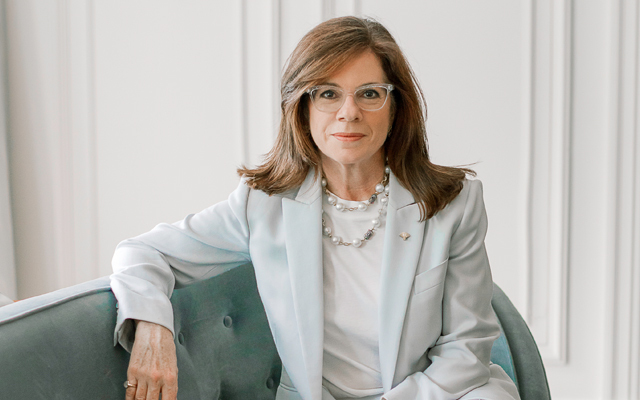
Mandarin Oriental Hotel Group has appointed Amanda Hyndman as general manager of Mandarin Oriental, Hong Kong, as well as area vice president of operations and group director of quality & rooms.
In addition to managing the group’s flagship property, she will also oversee operations at The Landmark Mandarin Oriental, Hong Kong; Mandarin Oriental, Guangzhou; Mandarin Oriental, Macau; and Mandarin Oriental, Sanya.
Hyndman’s corporate responsibilities extend to the group’s rooms division and quality service programme, managing all aspects of global operational standards as well as rooms division, including front office, housekeeping and guest services.
A seasoned hotelier, the British national joined the group in 2007 as general manager of The Excelsior, Hong Kong, before taking on general manager roles at Mandarin Oriental, Washington D.C., and Mandarin Oriental, Bangkok where she oversaw the historic Authors’ Wing renovation.
In 2018, she joined Mandarin Oriental Hyde Park, London as general manager and area vice president, operations and was responsible for the most extensive renovation in the hotel’s 100+ year history, while also overseeing Mandarin Oriental properties in Munich and Prague.
SITA deploys new technology at KLIA

Malaysia Airports has upgraded the passenger experience at Kuala Lumpur International Airport (KLIA) to now feature SITA biometric-enabled self-service touchpoints, following a significant technology upgrade.
The extensive technology deployment at KLIA and KLIA2 terminals features a hardware and software overhaul, including introducing more than 100 SITA biometric-enabled self-service Smart Path kiosks – the TS6, SITA Smart Path Bag Drop, and an IT infrastructure refresh.
Featuring wireless connectivity, SITA’s slimline TS6 kiosks are enabled for SITA Flex and the next generation of common-use API-based services that facilitate a low-touch, fully mobile passenger experience.
As part of the software updates, Malaysia Airports has migrated to Windows 10 and upgraded its CORE servers, network equipment, and Baggage Reconciliation System to deliver enhanced speed and secured data communications.
The upgrades are part of a broader transition from Airport 3.0 to Airport 4.0, which requires a fully integrated digital ecosystem that provides a seamless passenger journey with the use of business intelligence and the collection of big data. Besides improving passenger experience, goals such as optimising terminal use, increasing operational efficiency, and growing revenue are part of the Airport 4.0 project.
Sumesh Patel, president, Asia Pacific, SITA, said: “Ensuring fluid passenger experiences while balancing operational efficiency is a high priority for airports globally. With this deployment, we’ve delivered on both elements, future-proofing the airport for a touchless journey via enhanced biometric capability while also driving down operational costs and increasing the resilience and agility of IT infrastructure.”

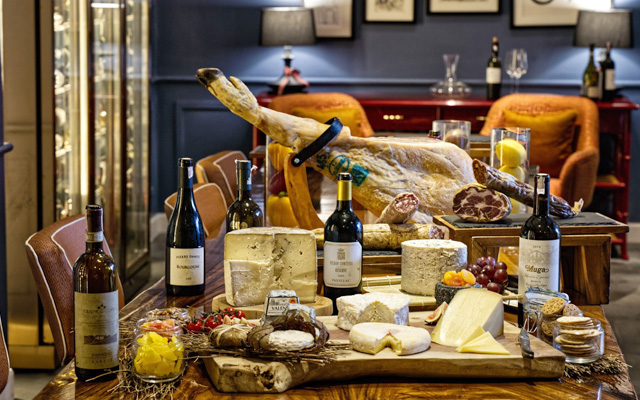






Singapore Institute of Hospitality (SIH) has become the first education and training organisation in Singapore to offer Vocational Education and Training (VET by EHL), a learning programme by Switzerland’s Ecole hôtelière de Lausanne (EHL).
VET by EHL is one of Switzerland’s most popular forms of education that uses proven methods to ensure a high quality of training and employability for hospitality graduates. Due to its tiered structure and flexible schedule, VET by EHL is well suited for early and mid-career hospitality professionals looking to enhance and widen their skillsets, embark on career development or looking to switch to hospitality-related careers.
SIH will offer the foundation and intermediate levels for both disciplines in F&B Service and Rooms, starting mid-February 2022. The institution will also offer Hotel Administration and Culinary programmes in 3Q2022.
Under VET by EHL, trainees can obtain professional diploma certificates in each discipline at their own pace. Three qualification levels – foundation, intermediate and advanced – are available, with each level lasting six months. Classes will be conducted two days a week with a class intake of not more than 20 trainees.
The F&B Service programme gives trainees a comprehensive understanding of how the management of a F&B establishment is conducted and provides them the tools to be successful. Topics covered will include serving techniques, event management and culinary basics, food and beverage knowledge, as well as dining etiquette and protocols.
Trainees from the Rooms programme will be schooled in different functions of the rooms division including housekeeping, front office, laundry, and stewarding departments, as well as rooms administration principles and skills.