- Casting calls, auditions and virtual job fairs are deployed by manpower-hungry hotels in Asia-Pacific
- Poor public perception of hospitality career and labour shortage plague hotel hirers
- Improved internal processes and external partnerships will improve recruitment outcomes for the industry
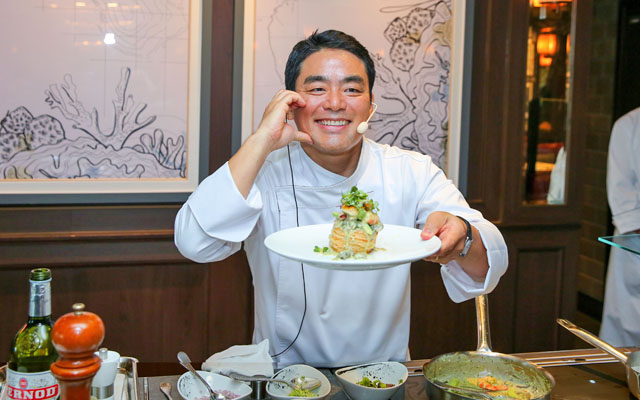
The hiring manager at InterContinental Singapore landed an unusual task recently when a talent was needed to helm the hotel’s upcoming Italian restaurant. Ditching the traditional hiring route, a casting call was held instead.
Named Culinary Superstar Hunt, the campaign was designed as a talent show and invited interested individuals to put themselves in front of the camera to sell themselves as the best candidate for the role. The prize was an opportunity of a lifetime – a contract to become chef de cuisine at InterContinental Singapore, and have his or her name to the launch of a new concept in Italian dining in 2022.
The creative hiring route generated intense interest from more than 200,000 hopefuls.
“We have never launched a campaign quite like Culinary Superstar Hunt. The viral nature of the video content and genuine excitement generated by the opportunity to have their name in lights, and a complete blank canvas to really make their mark on, (led) 120 incredible chefs from around the world to send in their applications,” general manager Andreas Kraemer told TTG Asia.
A gastronomic superstar was soon found – Davide Giacomelli, an Italian native with over 13 years of culinary experience, including at several Michelin-starred restaurants across Europe. As promised, he now lends his name to InterContinental Singapore’s new flagship restaurant, LUCE by Davide Giacomelli Italian, which opened in May.
Casting calls for hospitality hiring is rare, but it is precisely the uniqueness of this approach that helps employers stand out in a sea of companies hungry for exceptional manpower.
Earlier in 2021, Vietnamese hospitality brand Wink Hotels made headlines for its Casting Day recruitment exercise to snag passionate service associates for Wink Hotel Saigon Centre @ 75 Nguyen Binh Khiem. Through video submissions and an audition, the process singled out applicants with a natural flair for social interaction.
The recruitment approach reflects Wink Hotels’ service promise, which is to have frontline talents who “mirror the upwardly mobile entrepreneurs and dynamic young-at-heart Vietnamese population”, explained CEO Micheal Piro.
“We are not looking to fill job titles but individuals with natural ability to deliver engaging experiences. Hospitality background may be useful but being passionate is essential for a Wink Guide. We want Vietnam’s new generation of service rock stars. Traditional interviews would defeat our purpose,” he said in a press statement.
Indeed, it was the same desire to “push boundaries” and attract a different school of talents that drove InterContinental Singapore to host the Global Chef Hunt.
The change in recruitment approach also reflects current realities.
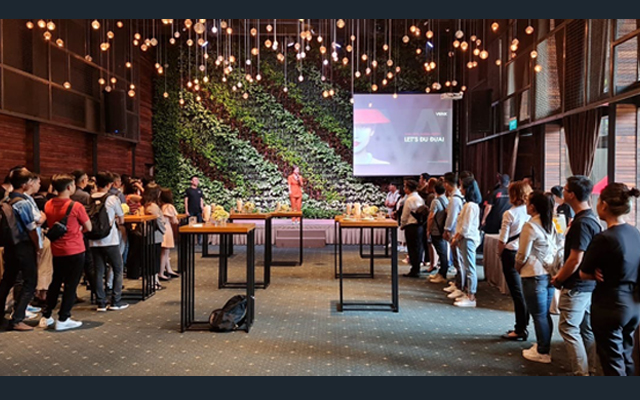
As the pandemic catalysed remote work adoption along with online interaction, Accor adjusted its hiring process for its South-east Asian properties. It held its first-ever virtual job fair in Thailand from May 9 to 13, 2022, putting up more than 450 jobs for candidates to consider and apply for. Applicants uploaded their CVs and scheduled virtual interviews.
The virtual job fair not only answered people’s growing preference for online interaction, it was also necessitated by social distancing, explained Sonya Brown, senior vice president, talent & culture, Accor Southeast Asia, Japan and South Korea.
“Virtual recruitment helps eliminate barriers for candidates to access job opportunities and for hotels to extend a wider reach for potential talent. It helps attract more applicants as the process is efficient, time and cost-saving, and flexible,” Brown added.
Vacancies abound, but obstacles too
With travel and tourism recovery gaining pace, hotel operators are facing intense pressure to rebuild their teams that were scattered during more than two years of business disruption and at the same time, staff new properties that are coming into the marketplace.
At press time in late-May, Accor has over 1,200 vacancies across Thailand, Cambodia, Laos, Myanmar, Vietnam, the Philippines, Singapore, Indonesia, Malaysia, Japan, South Korea, and the Maldives. Positions span a range of departments such as front office, operations, F&B, finance, sales and marketing, and human resources.

Brown revealed that Indonesia (390 available positions), Vietnam (286) and Thailand (267) are the top three countries that are most hungry for talents.
While Hilton and IHG Hotels & Resorts did not quantify available positions, one can expect substantial staffing requirements as both continue to expand their portfolio across Asia-Pacific.
Rajit Sukumaran, managing director, South East Asia & Korea, IHG Hotels & Resorts, said the company has almost 850 hotels in operation, and a pipeline of nearly 650 hotels across the region.
Hilton put up a record year of growth in 2021, opening one hotel every four days, stated Patsy Ng, vice president for human resources – Asia Pacific. The company will press on with its growth strategy in 2022, with Hilton’s Asia-Pacific estate set to grow by nearly 150 per cent when 774 hotels in its pipeline are delivered.
She admitted to a “real and urgent need for talent” across all regional markets, with vacancies “at all levels, especially frontline roles in operations, housekeeping, kitchen, and F&B” as well as for commercial services and brand marketing positions at the corporate level.
Emphasising the scale of human resource needs by hotels alone, Sukumaran said: “STR data shows that 1.4 million rooms will be added to this region by 2026, which means 750,000 more outstanding people will be joining the hospitality industry.”
“Hospitality is such a fast-growing, exciting and diverse industry, and as travel recovers, this is the perfect time to join the industry. We are seeing so much growth opportunities, with 133,946 rooms in our Asia-Pacific development pipeline in 1Q2022 alone. People working in hospitality now have huge opportunities to grow their careers as business comes back and new hotels open,” he added.
However, conveying the many benefits of a hospitality career has been a familiar challenge due to public perception of such jobs being low paying and demanding long hours. This difficulty is amplified by the travel disruption, which resulted in massive job displacements and emphasised the vulnerability of a hospitality career.
Brown said: “We value our employees hugely, but the severity of the situation and the length of its duration meant we needed to downsize and cut costs. Many talents have looked to alternative industries or careers since then. Existing vacancies are left unfilled. This has led to a change of quotas and also pushed wages up in countries such as Singapore, which in turn makes recruitment more challenging.”
Echoing similar concerns, Ng said the exit of talent over the last two years has evolved into labour shortage in markets such as Singapore, Australia and New Zealand, where access to foreign labour remains constrained due to work visa regulations.

Attraction, retention investment
To alleviate the manpower crunch and correct the image of a hospitality career, hotel companies are improving internal and external processes.
Accor is investing in training; improving salary for local talents in roles such as front office, housekeeping and F&B; redesigning jobs to combine roles, which helps to grow personal capabilities; sparking interest of the younger generation in the industry through internships and part-time jobs; and applying technology to lessen dependency on manpower.
It is also prioritising employees’ well-being and work/life balance, as “employees nowadays seek employers who care for them as individuals and respect their physical and mental health,” Brown told TTG Asia.
Over at IHG, personal growth and development opportunities are ensured. Sukumaran cited the Journey to GM programme as an example, where high performing individuals are supported in their career development.
The company also adopts localised recruitment strategies. For example, in Australia, the company launched in October 2021 myflex, a life/work initiative that allows new employees to self-schedule their hours at any IHG-managed hotel or pause their hours and availability at any time.
Also in on the flexible work game, Hilton is determined to “realign and balance flexible work expectations and increase our team member productivity by allowing more flexibility to better integrate work and life”, shared Ng.
Hilton has started to review and amplify its end-to-end hiring processes, leveraging team member stories and recommendations as an organic way to attract new talent and shape the overall employee experience, according to Ng.

Simply getting creative with recruitment can also put the hospitality industry in a more attractive light. InterContinental Singapore’s Kraemer said the “fun and innovative element” of the Culinary Superstar Hunt aimed to re-inspire young blood to join the hospitality industry and show them “the potential and opportunities the industry has for them – in this case, by providing them a platform and opportunity to take the next step in their careers”.
Equally important is industry collaboration to improve the odds of attracting talents.
With the hospitality sector making up about 10 per cent of an economy’s workforce in most market, Ng said hotel companies should work together and partner government agencies to promote the industry as an employer of choice.
“The severe labour crunch driven by the return of travel is also compelling hotel companies to make a seismic shift in the way we operate and be more innovative in the way we redesign jobs to make them more attractive and better compensated,” she said.
IHG works with governments, trade bodies and peers globally to support its people, hotels, owners and the wider industry.
“This includes WTTC’s work to reopen travel and protect industry jobs. Our CEO, Keith Barr, sits on the WTTC’s Executive Committee and regularly attends prominent conferences to encourage governments and the travel industry to work together for the greater good,” said Sukumaran.
IHG’s Singapore team works with the Singapore Hotel Association and Singapore Tourism Board, while Leanne Harwood, managing director for Japan, Australasia and the Pacific and inaugural president of Accommodation Australia, drives advocacy for the industry in her markets and inspires the next generation of talent and people returning to the industry.
IHG fosters strategic partnerships across different industries as well. In 2021, it joined Google in launching #IamRemarkable for colleagues across South-east Asia and South Korea. The ongoing initiative empowers all individuals to speak openly about their accomplishments in the workplace and beyond.
“It was such a great success, an example of how we recognise and celebrate our colleagues and create the strong bonds that builds confidence, trust and allies,” he said.

Expanding options
As fishing in the same pond gets tougher, hotel companies are casting their nets farther to improve recruitment outcomes.
Hilton takes its talent search beyond individuals who are hospitality trained, and draws them in with its award-winning culture and leadership development programmes.
Ng said: “We believe that these talents can bring skillsets that are transferable and fresh perspectives to our business. We are also expanding our reach by tapping into the gig economy, which has grown exponentially over the last two years.”
For IHG, this means engaging individuals with mild intellectual disability through a partnership between the Singapore office and the Association for Persons with Special Needs (APSN). IHG provides support, jobs and training for APSN students and trainees across all its Singapore hotels.
The mature workforce is in Accor’s line of sight, and the company has devised part-time opportunities as well as flexible work arrangements to accommodate these individuals. Brown shared that a Silver Gen Champion is appointed to lead these changes.
Upholding its commitment to be open to all, promote equality and prevent discrimination, Accor hotels in Singapore are also hiring people with special needs and enabling them through redesigned tasks and roles.
“We train, develop and empower them on site with goals to create meaningful jobs,” said Brown, adding that the same learning approach is taken with staff new to the hospitality industry.
“Accor can offer learning and development programmes, career progression opportunities, and workplaces that are fun and collaborative thanks to a focus on teamwork,” she added.

 In a statement on Monday, Romulo-Puyat said the DOT is ready for a “smooth turnover” to the new leadership, and will be handing the National Tourism Development Plan 2022 to 2028 to Frasco.




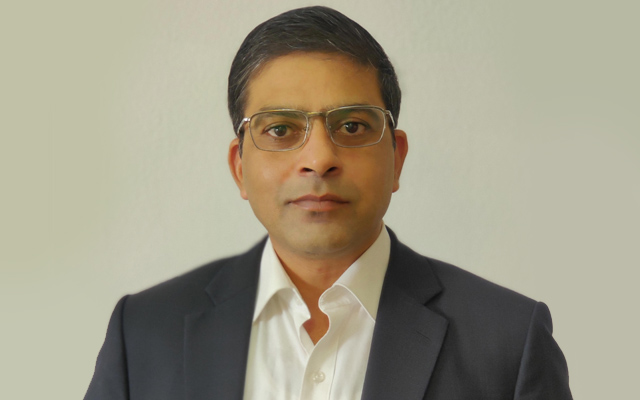
 With over 23 years of progressive work experience, he takes on his new role after having served as director of development with InterGlobe Hotels.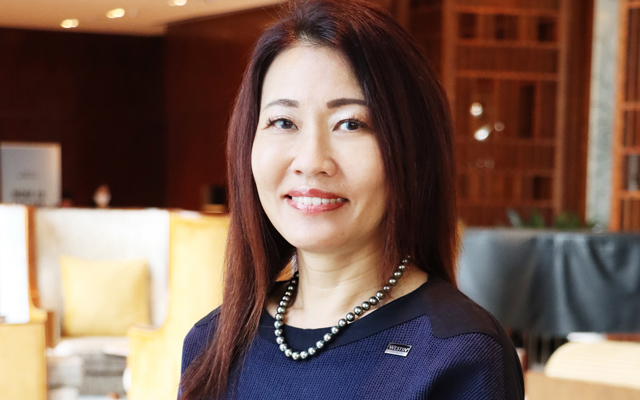
 Previously director of sales and marketing at Parkroyal on Beach Road, Singapore, Lim brings with her two decades worth of knowledge and expertise in sales and marketing.