Indonesia Directorate General of Immigration, Ministry of Law and Human Rights, will launch the Electronic Visa-on-Arrival (eVoA) system, which includes payment through a payment gateway, on November 9.
This will help ease the long queues travellers often experienced when processing the Visa-on-Arrival at the airports.
International travellers can soon enter Indonesia using the Electronic Visa-on-Arrival; Jakarta pictured
Acting director general of immigration Widodo Ekatjahjana in a statement said: “(The system) is also being tested by the immigration attachés at the Indonesian Representatives (overseas).
“Foreigners who are eligible for the eVoA trial will first arrive in Indonesia on Friday (November 4) at 22.40 at Soekarno-Hatta Airport Jakarta.”
He hopes that international travellers can start using the eVoA by November 9. To do so, they have to complete the eVoA application pre-departure or during transit before entering Indonesia.
He also advised that they do the currency exchange – Indonesian rupiah or US dollars – beforehand to save time.
Eligible for travellers from the top 26 countries with VoA facilities, the eVoA will only be available initially for entry at Soekarno-Hatta International Airport of Jakarta and I Gusti Ngurah Rai International Airport.
The 30-day visa tariff is 500,000 rupiah (US$31) and expires 90 days after payment is made. Payment modes accepted for the tariff and Visa Online web-based application include credit/debit cards in the Visa or Mastercard network.
The World Tourism Organization’s (UNWTO) International Network of Sustainable Tourism Observatories (INSTO) recently met in Madrid and welcomed insights from more than 150 experts.
Key topics included the shift towards a circular economy and reducing food waste across the sector, with the global network of INSTO Observatories pioneering and implementing catalytic activities designed to help the tourism sector implement sustainable development at the destination level.
The UNWTO International Network of Sustainable Tourism Observatories will pioneer and implement catalytic activities to help the tourism sector implement sustainable development at the destination level
To ensure an inclusive and resilient tourism development, they are leading the transformation of tourism by building on the principles of participatory approaches including all stakeholders.
UNWTO secretary-general Zurab Pololikashvili said: “To ensure the sustainable transformation of the tourism sector, its development must be seen as a means to achieve the overall prosperity of a local community and the surrounding environment rather than a goal in itself.
He added that the Observatories are an excellent tool for guiding and accompanying this change to “ensure evidence-based decision-making”.
At the Global INSTO Meeting, destinations focussed on how a timely and evidence-based approach is helping stimulate circular economy processes that result in using resources such as water and energy more efficiently. In addition, challenges in the environmental and social dimensions and the need for indicators that allow for comparability among destinations were highlighted.
Another topic was the availability of data from a growing variety of data-sources, making it increasingly difficult to process them into useful information needed for an informed decision- and policy-making process – these issues will be addressed in the INSTO Network through webinars and technical discussions.
The Center of Tourism Economics of the State of Sao Paolo in Brazil and the Biscay Tourism Intelligence System in Spain were also officially welcomed as new members of the network during the meeting.
Singapore-based Atlas has released its next-generation Air Travel Retailing and Information Platform (ATRIP).
Created by Mary Li, the travel-technology start-up enables more people to travel worldwide by leveraging travel technology. Founder and CEO Li said that “only through travel do we see the world as others do – the world would be a more accepting and understanding place if everyone had the opportunity to travel”.
Li: only through travel do we see the world as others do
Atlas recognises that low-cost carriers are fundamental to affordable travel and has built the first phase in the evolution of low-cost content enablement. This includes access to over 160 low-cost carriers, and deeper travel booking insights from ATRIP’s Flight Deck – a new portal to facilitate API development, fare comparisons, bookings management and real-time data and analytics.
ATRIP can capture, store, organise and analyse more first and third-party data to help customers identify industry trends and optimise promotions to drive revenue growth. Unconstrained by legacy systems, it leverages cloud architecture, API simplicity, artificial intelligence and machine learning to bring data-led decision-making to travel, via ATRIP.
ATRIP’s technical capacity offers a seamless transaction experience, regardless of volume – by aggregating and processing data and insights, travel businesses can make more personalised and informed decisions for their travellers, faster, and more affordably.
By optimising airline performance, Atlas has delivered an increase of up to 300 per cent in targeted airline bookings and sales uplifts of up to 97 per cent for its travel seller customers.
MGM Cotai, a casino in Macau, has reopened on November 2 after being closed for three days due to a case of Covid-19 and authorities had responded by quarantining more than 1,500 people.
Everyone held in the casino resort had tested negative for the coronavirus and were released, health authorities said, but are required to take daily Covid tests.
Macau’s casino MGM Cotai has reopened on November 2 (Photo: Kobby Dagan)
Macau closely follows China’s zero-Covid policy which seeks to immediately curb any outbreaks. Macau has an open border with the mainland and many commute from homes and jobs in the neighbouring city of Zhuhai.
A round of mass PCR tests of Macau’s 700,000 people on November 2 found all samples negative for Covid. Another round of mass tests will be conducted on Friday and Saturday, the government said.
A groundbreaking ceremony was held yesterday to mark the beginning of repairs to the main hall of Okinawa’s Shuri Castle, a UNESCO World Heritage Site that buckled under a massive fire in October 2019.
The fire destroyed nine structures across the castle complex, including the main hall, known as Seiden.
Local volunteers at work at Shuri Castle (Photo: Visit Okinawa Japan)
In an NHK World report, Okinawa and Northern Territories Affairs minister, Okada Naoki, told attendees that Shuri Castle is a symbol of Okinawa and the spiritual home of Okinawan people, and vowed that the government would reconstruct the castle responsibly.
Works will begin end of March 2023, with a completion expected by end of 2026. The project will cost about 12 billion yen (US$81 million).
Some restoration work has been ongoing since 2020, ahead of Seiden’s reconstruction, and visitors have been invited to witness the process. Since the disaster, locals have stepped in to help clear debris. According to information published by the Okinawa Convention & Visitors Bureau, some of the recovered red roof tiles from the castle are being reused in craft activities for children, an activity that has brought the community closer together.
Celebrate the year-end festivities with the return of A Universal Christmas at Universal Studios Singapore from November 23, 2022 to January 2, 2023.
Happening every night from November 30 is the Santa’s Circus Extravaganza, lighting up the night at New York. Set eyes on the float parade led by Ringmaster Santa, Illumination’s Minions, DreamWorks Animation’s characters and more, as they make their way to Santa’s Big Top where a snowfall is waiting at the North Pole.
Get into the festive spirit at Universal Studios Singapore’s A Universal Christmas
Appearing for the first time is Gingy the Gingerbread Man from DreamWorks Animation’s Shrek. Other live shows and meet-and-greets include Santa and Friends, Illumination’s Minions, DreamWorks Animation’s characters from Trolls, Kung Fu Panda, Shrek and Sesame Street.
Try out the fun-filled games at the Jolly Game Booths, do some Christmas shopping, or simply indulge with Santa’s Wonderful Treats, including desserts.
A Universal Christmas is included with regular admission to Universal Studios Singapore – S$98 (US$69) per adult and S$78 per child. Each ticket comes with a Universal Studios Singapore Christmas Treats voucher and retail voucher.
One of the world’s leading cruise companies, the Royal Caribbean Group was in on the sustainability game 30 years ago, long before sustainable tourism became a trendy mainstream conversational topic. Its Save the Waves programme continues today, and is recently joined by Destination Net Zero, which aims to reach net zero emissions by 2050.
Commenting on the new announcement, Angie Stephen, vice president and managing director, Asia-Pacific, Royal Caribbean International, told TTG Asia: “This is a bold mission that will require a mix of solutions including rolling out new technology across our fleet, building more efficient ships, developing alternative fuel sources, and working across industries to develop new solutions that don’t even exist today.”
Leading cruise players have heavy investments in sustainable technologies and operations
Come 2023, the group’s Royal Caribbean International cruise brand will launch its first ship powered by Liquefied Natural Gas (LNG), Icon of the Seas. The second LNG-powered ship, Utopia of the Seas, will set sail in 2024.
Committed to building one new ship every year for the next decade, the group is future-proofing its portfolio through fuel flexibility, energy-saving technologies and innovation to ensure each new ship class is 20 per cent more energy-efficient than its predecessor.
Presently, it is already leveraging best-in-class technology such as AI-based engine optimisation to improve speed and fuel efficiency. The air lubrication system on its ships is also designed to reduce drag when sailing to augment energy efficiency.
Thanks to significant upgrades in its heating, ventilation, and air conditioning, vessels now also utilise 40 per cent less energy than previous iterations.
Apart from developing waste management technologies, the full fleet is equipped to be landfill-free.
Roughly 90 per cent of the freshwater used onboard is produced via desalination plants and processes, and the group is taking water conservation further by using aerators and low-flow showerheads to cut usage.
The group will also incorporate more sustainable fuels and use hybrid fuel cells that allow for zero emission.
In a similar green vein, Norwegian Cruise Line (NCL) drives positive impact on society and the environment through its global sustainability programme, Sail & Sustain.
Operating across all three brands within Norwegian Cruise Line Holdings (NCLH), the comprehensive initiative is centred on five pillars – reducing environmental impact; sailing safely; empowering its people; strengthening its communities; and operating with integrity and accountability.
Like Royal Caribbean Group, NCLH is also pursuing net zero emissions by 2050 across its operations and value chain. This year, NCLH joined the Methanol Institute to assess the feasibility of retrofitting existing engines to operate with dual fuels – diesel and methanol – with the aim of trialling methanol usage by 2025.
It has also established a target for approximately 70 per cent of the ships in its complete fleet to be equipped with shore power capabilities by 2025.
In the short term, the company has committed to offset three million metric tons of carbon dioxide equivalent over a three-year period to 2023 to bridge the gap in its decarbonisation efforts.
Identifying a tangible achievement specific to NCL, Braydon Holland, senior director, Asia, said 14 million single-use plastic water bottles and over 50 million plastic straws were removed from potential environmental harm through partnerships such as Flow Water, which uses sustainably produced paper-card packaging and a plant-based cap.
NCL’s brand-new Prima Class of ships offer a wide range of sustainability features, with technologies such as a nitrogen oxide reduction system (SCR) that cuts the ship’s overall environmental impact. They will also be equipped with an Exhaust Gas Cleaning System (EGCS), an Advanced Wastewater Treatment System to treat and clean all wastewater to meet stringent international standards, and Cold Ironing functionality to connect to onshore power grids to reduce emissions further while in port.
NCL’s responsible tourism efforts can be supported by guests when they patronise the sustainably-focused Metropolitan Bar onboard Norwegian Prima. It boasts zero-waste cocktails prepared with surplus ingredients, as well as a collection of sustainable spirits and biodynamic wines.
A recent survey among its guests revealed that up to 55 per cent rate environmental and sustainability policies as a very important factor when selecting a cruise line.
New-to-market Resorts World Cruises (RWC) also adheres to sound environmental practices in its operations, including increasing energy efficiency and recycling, conserving fuel and water, reducing solid waste generation, protecting marine life, and preventing oil pollution.
For instance, its ship is equipped with Eniram trim optimisation; and the exterior hull coating system incorporates the most advanced silicone-based paint to decrease drag for better fuel efficiency. The vessel also uses an EGCS to minimise emissions.
Besides, the company follows the highest marine industry standard where its bio-waste treatment system is equipped with dryers to incinerate or bag waste materials for offloading and disposal.
RWC president Michael Goh told TTG Asia: “Customers’ expectations of conscious travel and carbon impact are definitely shaping sustainable cruise operations. It’s important for cruise lines to be at the forefront in developing and executing responsible environmental practices, and to lead by example.”
Norwegian Prima’s Metropolitan Bar serves zero-waste cocktails prepared with surplus ingredients, and boasts a collection of sustainable spirits and biodynamic wine
Shore excursions that care
With shore excursions forming a big part of the complete cruise experience, cruise companies are also making sure that their sustainable cruising promises are kept on land.
To date, Royal Caribbean Group offers more than 2,000 Global Sustainable Tourism Council-certified tour destinations.
NCL’s new Go Local series of destination tours take guests into local communities and offer immersive experiences such as spending time at a goat farm to learn the generations-old way of making cheese, and fishing with residents.
A partnership with Alaska Native-owned Huna Totem Corporation has created authentic and sustainable ways to explore the region. This in turn provides jobs for the locals and maintains the area’s heritage and cultural values.
On RWC’s part, tour options with lower carbon footprint, such as touring on foot or on trishaws, are encouraged, and so are visits to nature and heritage sites.
Goh noted that there is heightened interest among cruise customers in such shore excursions, as well as those that are immersive and allow guests to interact with communities in the destination.
What is SUSTOUR?
The project is funded by the European Union and runs under Plan International, an NGO that primarily focuses on the advancement of children’s rights, health and access to education. In the last few years, we have focused more on economic development and livelihoods, and recognise there are many employment opportunities for young adults in Laos’ tourism and hospitality sector. Our partners are Lao National Chamber of Commerce and Industry, and the European Centre for Ecological and Agricultural Tourism, who developed the Travelife certification. The aim is to promote sustainable consumption and production practices by getting more tourism businesses Travelife accredited.
Why is getting Travelife certification important?
Travelife is the leading certification in terms of sustainability in the tourism sector. The benefits we see is recognition of businesses as sustainable, lower operating costs, and increased customer satisfaction. We see more and more the trend is tourists looking for sustainable tour operators and accommodation. Travelife also helps to reduce greenwashing. A lot of businesses can call themselves sustainable but have they actually tried to prove it?
What has been the outcome so far?
Seven tour operators and DMCs already had Travelife accreditation in Laos but no hotels. Travelife isn’t that well-known with local companies in Laos, so the companies that already had it tend to be regional, like Khiri Travel. One of the first things we did when the project started was to give introductory training to 81 tourism businesses on Travelife. Out of those, 68 have registered in the system but there are varying degrees on the staff and time businesses can allocate, as the reporting and internal management process takes time. There are about 10 frontrunners in the group, which we expect to be ready to audit in November and are confident they will receive certification. We will then give those businesses a promotional platform.
What is the pace of sustainable tourism in Laos?
Laos’ USP is it’s a nature-based destination. It’s untouched, unknown, and a bit wilder. This is part of what a lot of people working in sustainable tourism here have pushed as what we should be marketing and developing Laos as.
In places like Luang Prabang, that’s very much the appeal and you can see more businesses there understand that’s what people are there for. In remote parts of Laos, you’re in the jungle or mountains, and that’s mainly for more adventurous trekker types. Some upend places have really built themselves as sustainable destinations, such as NamKat Yorlapa luxury resort in protected forest in Northern Laos. Green Discovery is also developing remote locations and adventure tourism, with hiking and outdoor activities that go to parts of Laos no one gets to see.
What other ways can sustainable tourism businesses in Laos be recognised?
We’re also developing a local certification with the chamber of commerce called Lasting Laos. This is the same name as our marketing campaign, which is marketing Laos as a sustainable destination. It is based on Travelife but for supplier businesses. Travelife exists for accommodation and tour operators but there is little for other tourism businesses to be recognised as sustainable. The Lasting Laos certification is available for MSMEs in F&B, transportation, cultural excursions, handicrafts, and souvenir sectors. We’re starting to roll it out now and the idea is to look at the whole supply chain.
How has the pandemic impacted the project?
Development began in 2019 and the project started in August 2020 when Covid really hit, so it was an interesting time to start a tourism-related project. This had a huge impact with our main target groups being accommodation, travel agents, and tour operators. In August 2020, we didn’t know how long this was going on for. There were a lot of projections from prestigious organisations for reopening in January or March 2021. None of those ended up being true.
It was uncertain times so we came up with a plan and made adjustments, mainly focusing on how to support businesses to be more resilient, including access to finance. We had to refocus on domestic tourism, a market that pre-pandemic was pretty much ignored. We reoriented the marketing and promotion component of the project to focus on domestic tourism and when international tourism looked like it would start to reopen, we started focusing on regional travellers. With the project being funded by the European Union’s Switch Asia programme, the original idea was to focus on EU markets, so we had to shift our target group.
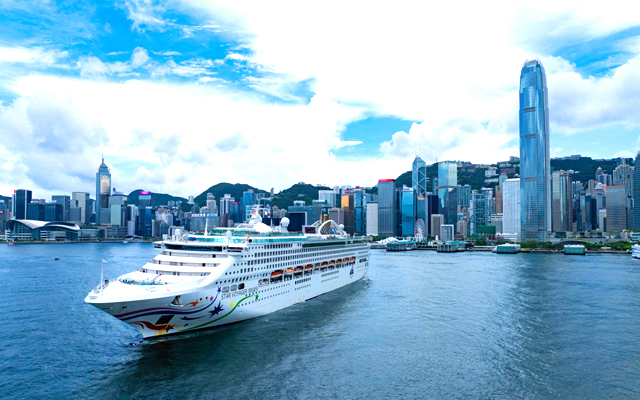
Silversea Cruises has confirmed its return to Asia and is scheduled to sail in the region between December 2022 and May 2023 on four of its ships – Silver Shadow, Silver Whisper, Silver Spirit, and Silver Muse.
Highlights of Silversea’s season will include calls in Sri Lanka, Hong Kong, and Vietnam, and represents one of the final pillars in the cruise line’s global return to service.
Silversea Cruises returns to Asia in December this year
In addition, the 596-guest Silver Muse will become the cruise line’s first ship to sail in Asia since March 2020 when she departs Singapore on December 2, 2022.
Barbara Muckermann, chief commercial officer, Silversea Cruises commented: “Asia has long constituted an important sailing region for Silversea Cruises and our guests are eager to return to this enriching, rewarding continent with us.”
Silversea’s upcoming Asia season comprises 25 voyages that range from 10 to 20 days.
First is the Mumbai to Singapore sailing from December 20, 2022 to January 5, 2023 with celebrated travel writer Paul Theroux interacting and hosting activities throughout, stopping by India’s Cochin, Sri Lanka’s Colombo, Thailand’s Phuket, and Malaysia’s Kuala Lumpur and Malacca.
This is followed by the Hong Kong to Singapore journey from January 19 to 29 via Vietnam, with calls at Ha Long Bay, Danang and Ho Chi Minh City, as well as excursions to Hoi An and Mekong Delta. An optional mid-voyage land programme to Angkor Wat in Cambodia, and more will be offered.
From February 12 to 26, a round-trip from Hong Kong will meander through Philippine islands and Vietnamese cities before returning to Hong Kong; and finally, sailing from Singapore back to Mumbai from March 8 to 24, where guests will experience Asia’s diversity.