

Hong Kong Airlines adds new service to Taichung

Hong Kong Airlines will launch daily direct flights to Taichung, Taiwan from July 19.
The new route will be integrated with the airline’s existing four daily flights between Hong Kong and Taipei.
Snag special fares with Emirates to over 80 destinations
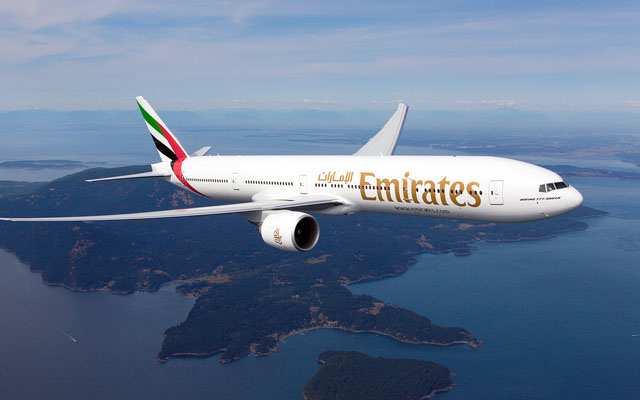
Emirates is offering travellers the chance to enjoy special fares on Emirates flights from June 4 to 24.
Whether it is an impromptu trip over the June school holidays, a short getaway during the September break, or a longhaul vacation away from the hustle and bustle of city life, travellers will find special deals available across Economy Class, Premium Economy Class, and Business Class for the travel period of June 7 to November 30 to over 80 destinations within Emirates’ extensive network.
For more information, visit Emirates.
WATG paints forward plans as it readies for 80th anniversary milestone

A sharper focus on residential and gaming projects, greater presence in Asia, and investments in sustainability and innovation are among the things on global architectural firm WATG’s agenda as it approaches its 80th anniversary next year.
WATG’s president and CEO David Moore recalled the firm’s entry into Asia through its first project in Singapore, the evergreen Garden Wing at Shangri-La Singapore, which opened in 1978, and said WATG has moved on to deliver many more iconic hotel projects in the region.
He pointed to examples such as Tanjong Jara Resort in Terengganu, Malaysia, which was a “real environmental milestone project”; W Singapore – Sentosa Cove; and The St. Regis Singapore.
“We are incredibly proud of our work with The St. Regis, Singapore and the Garden Wing at Shangri-La Singapore because both are often top accommodation choices among foreign heads of states who visit Singapore,” he said.
One of its latest projects in Asia is JW Marriott Jeju, which brought the island’s nature, culture, and history into the architecture. Highlights include a cantilever roof that optimises views of Jeju’s coastline while honouring the indigenous Choga architecture-style with a sustainable interpretation.
However, the need to diversify WATG’s specialisation beyond hotel projects and the team’s culture of “always thinking how we can keep pushing the envelope” have led the firm to pursue new goals.
“We are keen on areas that we have historically been opportunistic about – that is, taking on such projects only when a request comes in. Such projects were for multi-family or senior living residences and gaming developments. We realised we have done a real good job with them, so we want to be more strategic about such specialisations going forward,” Moore told TTG Asia.
Elaborating on WATG’s vision for its gaming specialisation, Moore said teams are being established to proactively pursue opportunities, and new offices will be opened to support this effort and other objectives.
WATG’s first gaming project was The Palace of the Lost City in Sun City, South Africa. Its portfolio now includes The Venetian Las Vegas and Bellagio, Club Privé.
“We have an outfit in California that handles gaming projects in Las Vegas. However, we expect a lot more gaming projects to materialise in Asia, so we want to be here. We are ready to take on the gaming floors, the hotels, and the entertainment that go into such projects,” he added.
The team is also paying greater attention to its commitment to responsible development.
“WATG takes environmental impact seriously in all its projects,” emphasised Moore, who added it has landscape architects who carefully review site conditions and local habitat, as well as a newly-appointed director of sustainability “to help WATG become the leader in the environmental side of hospitality”.
Ronnie Tan, studio director, landscape at WATG, said the team “prioritises regenerative and resilient design”.
He elaborated: “When we go into a new project, we take a holistic approach to our design. We go in with a very light touch, as our intention is to leave the smallest footprint possible while enhancing the existing site conditions. We consider ways to bring the landscape and wildlife into the architecture so that the local habitat is enhanced through the new development. The project must make business sense for the owners and have a positive impact on the community.”
Technology is another area that WATG is investing in, with a focus on harnessing artificial intelligence (AI) in building design. There is potential to make available final project visions right at the start of discussions with clients.
However, WATG is well aware of the legal implications of AI use.
“AI skims data off the Internet. There are a lot of good architecture firms and we respect their work; we don’t want to touch their data and get caught in copyright issues,” said Moore.
As such, the firm is developing its own “AI sandbox” that uses data from WATG projects across 80 years.
Mastercard-CrescentRating GMTI 2024 spotlights the power of women travellers, accessibility

The latest Mastercard-CrescentRating Global Muslim Travel Index (GMTI) 2024 highlights changing demographics – namely the growing importance of the female traveller and under-40, young travellers – as well as what is driving and fuelling the sector’s growth.
Aisha Islam, senior vice president, Customer Solutions Center, South-east Asia, Mastercard Asia-Pacific, said the 2024 index showed a “breaking of boundaries and value and volume increasing”.

She told participants at the Halal in Travel Global Summit (HiTGS) that the figure of 436 million global female travellers is ”a huge influence in travel planning”.
She described this cohort as “digitally connected, seeking personalised experiences and cashless transactions” and the emergence of artificial intelligence (AI) is offering them an “unprecedented level of personalisation”.
The GMTI Muslim Women Friendly Destination matrix, included for the first time last year with 10 Organization of Islamic Cooperation (OIC) and non-OIC destinations, has increased to 20 in the 2024 index.
Malaysia, Indonesia and Qatar were the top three in the OIC category and Singapore, Hong Kong and Taiwan in the non-OIC category.
As for the young traveller, Islam noted the cohort is “dynamic, tech-savvy and socially active”.
Agreeing, Fazal Bahardeen, CEO, CrescentRating, commented 70 per cent of the Muslim population under-40 is a digital native.
Meanwhile, Fazal said new metrics on “accessible travel” – availability of facilities and services for travellers with disabilities – were added to the model for GMTI 2024.
In quoting UN and UNWTO data, he shared that more than one billion people, or 15 per cent of the global population, live with some form of disability; only nine per cent of global tourism destinations are equipped with accessibility solutions for travellers with specific needs; and by 2050, two billion people, more than 20 per cent of the world’s population will be 60 or older, with a significant increase in the oldest populations.
The GMTI presentation showed the resurgence and growth in the Muslim travel market reached a 168 million arrivals milestone in 2024, a five per cent increase over 2019, and is projected to reach 230 million arrivals and contribute US$225 billion by 2028.
GMTI 2024 put Indonesia and Malaysia in joint top spot for OIC destinations, while Singapore led non-OIC destinations for the ninth consecutive year.
Singapore was also named the Most Diversified Halal Dining City of the Year during the summit.
Fazal said Singapore offered some 3,000 Halal F&B outlets, certified by the Islamic Religious Council of Singapore (MUIS); there was also an increase in fine-dining establishments to cater to the sophisticated lifestyle of Muslim travellers.
The launch of the HalalTrip Gastronomy Awards, a joint effort by HalalTrip and the Singapore Halal Culinary Federation, was announced during HiTGS in 2023.
The first awards ceremony will take place on June 5, 2024, at Village Hotel Bugis with minister of state Muhammad Faisal Ibrahim as guest of honour.
GMTI, now in its ninth year, analysed data across 145 destinations using the ACES framework built around metrics on access, communication, environment and services.
Qantas, Perth Airport team up to boost Australia’s tourism industry

Qantas and Perth Airport have signed a 12-year commercial agreement that will unlock a multi-billion-dollar wave of investment and transform Western Australia into a major domestic and international hub for both Qantas and Jetstar.
The hub will significantly enhance inbound tourism and give Australians more options when travelling to Asia, Africa, India and Europe.

As part of the agreement, Perth Airport will invest around A$3 billion (US$1.99 billion) in new terminal facilities and a new parallel runway which is expected to be open in 2028. This will form part of a A$5 billion capital investment programme by the airport, which will also deliver two multi-storey carparks, major access roadworks, and the airport’s first hotel.
Both Qantas and Jetstar will relocate all services to a new terminal in the Airport Central precinct, and will also invest in new aircraft. Qantas also plans to build a new engineering hangar in the Airport Central precinct.
In addition, Perth Airport will also invest in upgrades to Terminals 3 and 4, which will enable Qantas to add services and more destinations from Perth, including Auckland and Johannesburg from mid-2025. The works will also include gate upgrades to accommodate ultra-longhaul aircraft, including the airline’s Project Sunrise Airbus A350s which arrive from 2026 – both Qantas and Jetstar plan to add 4.4 million seats to and from Perth annually by the time the new terminal opens in 2031.
The new terminal will offer passengers seamless domestic and international transfer, check-in and bag drop facilities. Both Qantas and Perth Airport will work on plans for a multi-lounge precinct for international and domestic passengers with a new signature design and bespoke dining and wellness initiatives.
“This is the largest airport infrastructure deal in our history. It will enable us to create a world-class western hub and significantly expand our domestic and international services over the short, medium and long term,” commented Qantas CEO Vanessa Hudson, adding that the additional services will help create around 700 new jobs in Western Australia across pilots, crew, engineering and airport staff.
Perth Airport CEO Jason Waters shared: “This is a special moment in the history of aviation in Western Australia as this agreement will unlock the future for both Perth Airport and Qantas. Most importantly, it will deliver one airport for the people of Western Australia which will host all flight services giving them a seamless, world class travel experience.”
Glow Festival returns for its third edition this July
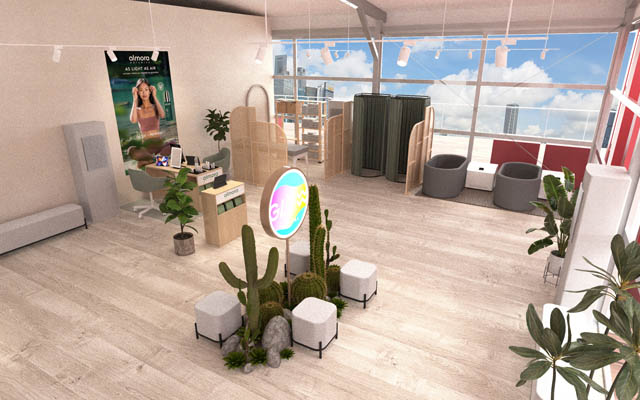
Back for its third year, Glow Festival by Prudential promises a wellness event like no other as it engages attendees of all ages and wellness levels from July 6 to 21 at Marina Bay Sands Event Plaza and Rain Oculus.
The 16-day anchor event of the Singapore Tourism Board’s (STB) Wellness Festival Singapore (WFS) is targeting to host over 100,000 wellness and fitness enthusiasts alike, and is set to occupy 1,900m² of the iconic venue.
Themed Wellness Awakening, this year’s Glow Festival will see lululemon and PURE as curation partners as it rolls out a comprehensive programme of over 70 workouts and wellness workshops.
A new highlight is the lululemon’s inaugural Get Into Strides with lululemon – led by different lululemon ambassadors. This five-kilometre run around the scenic Marina Bay area is happening at sunrise every weekend throughout the festival.
lululemon ambassadors will also be hosting their classes at Glow Festival, offering participants the chance to join AARMY Bootcamp, AARMY Cycle, as well as Yoga and Chill and Soul Flow Yoga sessions.
With a total of six zones, four of them – The Oracle by Alpha Wave Experience, Virtual Reality sessions, Art Therapy, and The Bliss Room – are complimentary and open-to-all, while tickets are required for the Main Studio and the Recovery Space. The Recovery Space comprises ice baths, a Face Yoga Fitness Bar, and Therabody equipment, all designed to provide a comprehensive recovery session after workout sessions.
For nourishment, there is the Wellness Bazaar by Guardian offering health and beauty products, artisanal crafts and more, as well as a dedicated area with four food trucks offering an array of healthy and nutritious cuisine options.
In addition, Prudential Singapore has also launched a six-week mentorship programme, Project Glow Up, for aspiring wellness professionals, where they are given the opportunity to be mentored by experts in the fitness, F&B, and retail industries.
“Glow Festival has grown from strength to strength and for the first time, Glow will be the anchor event of Wellness Festival Singapore. By working with our industry players like Glow, we can showcase our diverse, unique and accessible range of wellness offerings in Singapore to locals and visitors and achieve Singapore’s ambition to become an urban wellness haven,” shared Ong Ling Lee, executive director, sports and wellness, STB.
Glow Festival founder, Martin Capstick, added: “As the anchor event for this year’s WFS, Glowgetters can not only gain access to the exceptional wellness programmes that they are accustomed to, but also will be thrilled with the line-up of immersive experiences we’ve added this year.”
Ticket sales for Glow Festival by Prudential are now open with early bird prices starting from S$29 (US$21) – each ticket will allow participants access to one class at the Main Studio and exclusive access to Recovery Space, alongside a complimentary drink, discount vouchers, and exclusive merchandise. VIP tickets are also available (from S$49), which includes a limited edition Glow Festival x lululemon T-shirt.
Ten per cent of the proceeds from every ticket purchased for lululemon classes will go towards the support of Samaritans of Singapore, a not-for-profit organisation dedicated to providing emotional support and safe spaces to troubled individuals.
Cathay Pacific levels up its Premium Economy experience on upcoming fleet

Cathay Pacific is set to redefine the Premium Economy class experience with its upcoming fleet of Boeing 777-300ER aircraft, adding 16 Premium Economy seats compared to other aircraft in its fleet.
With a focus on designing a premium cabin, the airline has taken a more human-centric approach in designing the new Premium Economy experience for guests travelling on their upcoming fleet of Boeing 777-300ER.

Set to fully deploy in early 2027, Cathay Pacific made major changes to the existing Premium Economy experience that it has been providing for its passengers since 2012. These changes are designed to make longhaul flights more comfortable for its passengers, which means that Cathay Pacific has to adjust various elements, starting from the seat.
While the size of the seat in the new Premium Economy does not change, the new ergonomics of the seats are more accommodating – improvements have been made to the seat padding and leg rest, and the new wing-shaped headrest. Even the LED reading lamp has moved from above the passenger to the seat, which accommodates the passenger’s seating position as they choose to sit up or recline.
Lastly, deploying and stowing tables in the Premium Economy class has been automated to buttons.
Even the entertainment system offerings have been upgraded. Passengers will now enjoy 15.6 inch 4K TV screens with a new graphical user interface when flying in Premium Economy. Passengers can also use their own headphones via Bluetooth pairing.
Cathay Pacific has also elevated the dining experience for its Premium Economy passengers, offering Jain meal options and plant-based options to health-conscious travellers. The airline also worked with several of China’s leading winemakers to update its wine selection for Premium Economy passengers.
Topping up the changes to the Premium Economy experience include two dedicated washrooms for these passengers flying on the Boeing 777-300ER.
Aircraft models such as the current A350s are candidates for this retrofitting in the future.
Royal Caribbean Group enhances loyalty programme across its brands
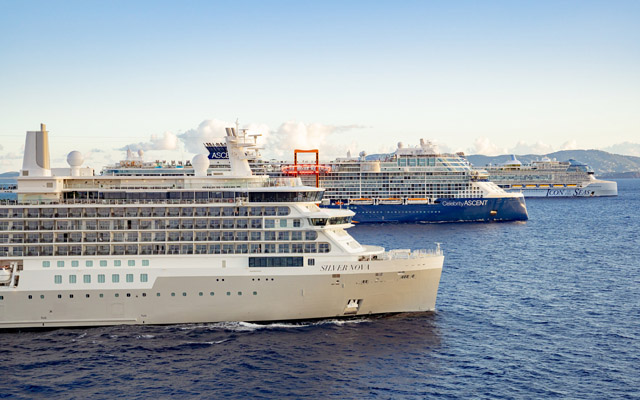
Royal Caribbean Group (RCL) has introduced a loyalty status match programme across its brands, Royal Caribbean International, Celebrity Cruises and Silversea, which enables loyalty members to attain equivalent tier status on any one of its brands.
This shared status adds to members’ existing benefits and unlocks new ways to see the world, with more than 50 ships sailing to nearly 1,000 destinations across all seven continents.
As the first major cruise company to offer loyalty status matching across its core brands, the Royal Caribbean Group Loyalty Status Match programme allows members of Royal Caribbean’s Crown & Anchor Society, Celebrity Cruises’ Captain’s Club and Silversea’s Venetian Society to enjoy reciprocal tier status no matter which brand they sail with.
“We strive to provide guests with experiences within our portfolio of brands that meet them for all of life’s moments,” said Jason Liberty, president and CEO, Royal Caribbean Group.
By aligning its three brands and recognising guest loyalty across the fleet, the Loyalty Status Match programme highlights include seamless status recognition, onboard benefits, automatic tier matching, and enhanced travel experience.
The applicable terms and conditions are also changing to make clear how member data will be shared across the various loyalty programmes and highlight other important legal terms.
New benefits onboard for members who have their status matched will begin with sailings departing on June 5, 2024.
Digital Travel APAC Summit 2024 returns with a fresh roster of industry professionals for networking and sharing of insights


Brought to you by Digital Travel APAC
The ninth annual Digital Travel APAC Summit is set to welcome industry professionals once again this year from August 14 to 15, 2024 at the Equarius Hotel Sentosa in Singapore.
With more than 200 travel industry professionals expected, including high level executives and entrepreneurs, the summit provides a platform for networking, learning, and exchanging of industry insights.
Having served the travel industry for nine years, the summit affirms itself as a platform for fostering connections and facilitating knowledge exchange for the industry’s digital innovators.
This year’s event will see about 70 per cent of a new roster of speakers from regional and international names across Asia’s leading airlines, hotels, online travel agencies, metasearch engines and tourism boards.
They will lead discussions through keynote presentations and panel discussions, as well as new programme segments such as Wine & Chocolate Women in Travel Leadership, Dragon’s Den, and Wrap-Up Roundtables.
“We are thrilled to bring together such a distinguished group of industry leaders for the Digital Travel APAC Summit,” said Gladys Caligagan, conference director, WBR Singapore.
“As the travel industry continues to evolve at a rapid pace, it is crucial for professionals to stay up-to-date with the latest trends and innovations. We believe that summits like Digital Travel will provide a valuable platform for attendees to connect, learn, and grow their businesses.”
More than 50 travel leaders will lead discussion on these travel topics at Digital Travel APAC Summit 2024:
- Unlocking Success: Digital Marketing Triumphs in Travel
- The Evolution of Personalisation: From Past to Present
- ChatGPT/Gen AI: Curating Experiences with AI Precision
- Embracing the Digital Payment Trend: APAC’s Cashless Future
- Loyalty Through Exceptional CX
- Sustainable Travel: Marketing Strategies
Alongside the conference session, there will be an exhibition hall showcasing the latest products and services from leading travel technology providers.
Digital Travel APAC Summit 2024 is organised by Worldwide Business Research.

Keen to attend Digital Travel APAC 2024?
Find out more about the Download the event brochure to find out more about the event.
TTG Asia is the lead media partner for Digital Travel APAC. Quote “TTG20” at checkout to enjoy 20% discount over prevailing ticket rates. Tickets can be purchased here.
Sponsors and partnership
Sponsorship and partnership opportunities are open and available. For more information, please contact sgwbrinfo@wbresearch.com.

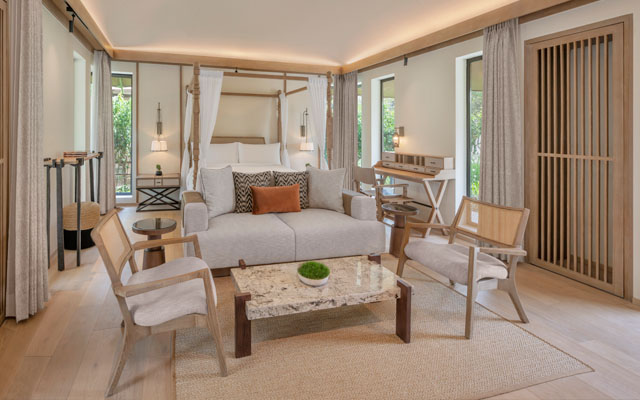






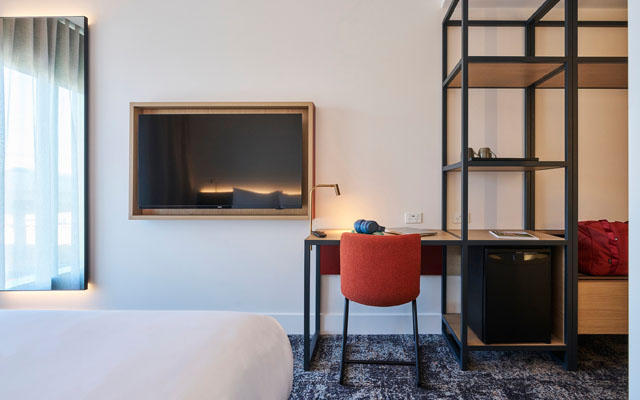
Accor is taking off with a new breed of hotels that are helping transform airport precincts into dynamic mini-cities, with two new properties opening at Melbourne Airport this July.
The Novotel and ibis Styles Melbourne Airport hotels will be Accor’s third and fourth in the precinct and the first new internationally branded hotels at the airport for almost 20 years.
The Novotel hotel will boast 248 rooms, while ibis Styles will offer 216 rooms. Nearby are tourist attractions such as UrbanSurf and iFLY just 15 minutes from the airport.
Both dual-branded hotels will offer a range of facilities to cater for business, conference and leisure guests, as well as workers and visitors to the airport district. These include three food and beverage outlets, function facilities for up to 330 guests, and The Aerofoil hotel-serviced co-working space, which is spread across two floors and available to guests and non-guests for short-term or long-term business.
Guests at both properties and transiting travellers will also have access to Higher State, Melbourne’s first airport health and well-being club, which features an indoor heated swimming pool, sauna, massage, and fitness centre.
In addition to the new-build Novotel and ibis Styles hotels, Accor’s Mantra hotel at Tullamarine is about to undergo a multi-million-dollar refurbishment. The comprehensive project involves upgrading executive, premier, and deluxe studios and suites, with the hotel’s restaurant and bar also being refreshed.
Australia’s first airport ‘resort’ launched last December following the upgrading and integration of the Novotel & Mercure Darwin Airport hotels. The reimagined resort property added a 61-metre swimming pool, new pool villas, additional food and beverage outlets, an integrated arrivals and welcome area, extensive Indigenous artwork and murals, and an Indigenous training academy.
Accor Pacific chief operating officer PM&E, Adrian Williams, remarked that the expansion of the group’s airport hotel network highlighted the evolution of airport precincts into major commercial and service centres.
He said: “Airport hotels are no longer necessarily just about transiting travellers; they are the engines of whole new integrated multi-use developments that have evolved to offer a complete mix of business, retail, industry and tourism activities.
“Airport precincts are transforming into mini-cities in their own right with their own demand drivers. The reasons to stay at an airport hotel are growing exponentially, and particularly in Melbourne, where the lack of integrated transport options to the terminals makes staying overnight at one of our hotels and relaxing and preparing for a major overseas trip one of the best investments a traveller can make. Starting a long international trip stress free is a massive plus for well-being.”