

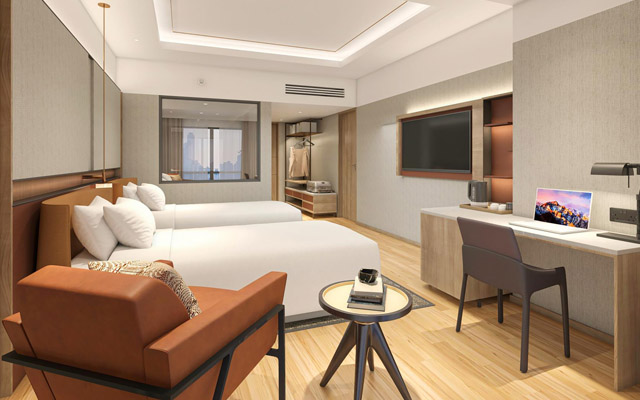
The Peninsula Excelsior Singapore, a Wyndham Hotel, will soon be renamed Wyndham Singapore during its official launch in 2H2024, following an extensive multi-million-dollar renovation.
When asked why the company opted to refurbish instead of a new build, Joon Aun Ooi, president, Asia Pacific Wyndham Hotels & Resorts, stated that this caught the company’s attention as it provided convenient access to Singapore’s main attractions and business centres, and appeals to both leisure and business travellers.
Offering 591 keys, Wyndham Singapore – located in the heart of Singapore’s Civic District – will feature a fitness centre, sauna, two swimming pools, two restaurants, an executive lounge, and a grand ballroom that can accommodate up to 30 tables.
“This property not only serves as a coveted destination, but also as a key stage for introducing the Wyndham flagship brand to this key strategic market. This move highlights our keen interest in debuting the flagship Wyndham brand in Singapore as soon as the opportunity presented itself, underscoring the strategic importance of the city in our growth plans across Asia-Pacific,” he elaborated.
According to Ooi, hotel franchising as a business model has been gaining popularity in Asia-Pacific, and it has grown over the last few years. “In 2023, we saw a strong uplift in franchising deals, where franchising deals was about 60 per cent of all deal types signed across Asia-Pacific. In 2022, this was less than 50 per cent.”
Hotel owners that opt for Wyndham will be able to access Wyndham Advantage, which encompasses advanced revenue generation systems, comprehensive operational support, and a vast database of over 106 million members belonging to the Wyndham Rewards loyalty programme.
“Hotel franchising allows the owners of hotels to tap into a suite of offerings designed to increase revenue, while allowing them to operate their properties in a more cost-efficient way which is particularly important under the current economic climate of inflation and rising costs which eat into the operating margins of a hotel,” he explained.
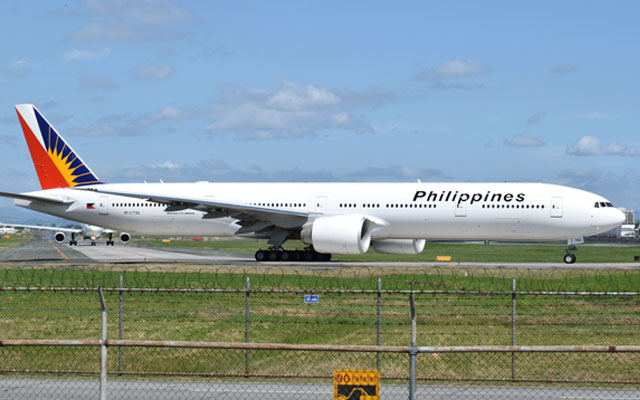
For now, Ooi is focused on the resurgence of Chinese travellers, with outbound numbers expected to jump from 20 million in 2020 to an estimated 130 million in 2024, fuelled by longer holidays, easier visa processes, and ramp up in flight frequencies.
“Recognising the diverse preferences of these travellers is crucial; they range from digitally-savvy millennials seeking personalised experiences to older generations preferring traditional group tours. Understanding these distinctions is vital, and tailoring our offerings to cater to the varied tastes and requirements of different Chinese traveller segments is essential,” he said.




 What are the challenges and opportunities for Fraser Hospitality’s reimagination journey post-lockdown?










Radisson Hotel Group (RHG), together with its owners and shareholders Jin Jiang International, has rolled out its Guan Xin (Welcome China) programme which includes the expansion of its co-branded hotels as well as a new bespoke amenity programme for Chinese travellers.
Following the initial co-branding launch at Radisson Blu Hotel, Frankfurt in 2019, RHG will be launching eight additional co-branded properties in 2024 in EMEA across its Radisson Collection and Radisson Blu brands in key markets in France, Belgium, Norway, Sweden and the Netherlands, including Radisson Collection Grand Place, Brussels; Radisson Blu Scandinavia Hotel, Oslo; Radisson Blu Royal Garden Hotel, Trondheim; Radisson Blu Hotel, Tromsø; Radisson Blu Royal Viking Hotel, Stockholm; Radisson Blu Hotel, Amsterdam; Radisson Blu Hotel, Milan; and Radisson Blu Hotel, Nice.
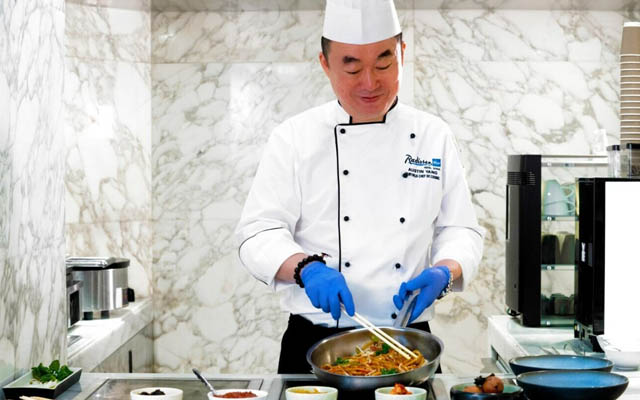
Chinese guests will find a range of features and amenities specifically designed and curated for them at these hotels. In the guestrooms, personalised touches like the provision of tea kettles, a selection of Chinese teas, and Chinese television channels will be included at co-branded hotels.
The co-branded hotels will also feature a range of new food and beverage options for Chinese-speaking travellers, including the addition of traditional dishes like congee and noodles as well as curated selection of dishes available as part of the daily breakfast service. Guests that pay with Chinese Union pay cards will receive welcome cards, while WeChat Pay and Alipay will be available at the end of 2024 for online payments.
These offerings specifically tailored for the Chinese travellers, will be offered on top of the existing amenities for other international travellers, and communication in English and multiple foreign languages.
Currently nearly 20 hotels across EMEA offer the standard Guan Xin amenity programme to Chinese guests. In addition to the hotel co-branding programme, RHG will extend the Guan Xin amenity programme to other RHG properties in EMEA that wish to opt-in based on the hotels’ guest needs and expectations.
“With foreign visas gradually becoming more accessible and increased international flight routes, we are hoping to see the long-awaited return of outbound Chinese travellers to EMEA continue to grow. We look forward to welcoming more Chinese travellers with our new Guan Xin programme to make them feel right at home,” shared Eric De Neef, executive vice president and chief commercial officer at RHG.