


Sail away with Royal Caribbean’s latest offers

Royal Caribbean has launched a promotion from July 16 to August 20, offering guests up to S$950 (US$708) off for their next cruise booking for 2024-2025 travel itineraries departing from Singapore.
Additionally, guests booking cruises to global destinations (not departing from Singapore) can enjoy up to US$500 in on-board credits, which can be used to unlock a world of experiences aboard Royal Caribbean cruises, including spa services, dining, attractions, shopping, and more.

Onboard Anthem of the Seas, which is set to arrive in Singapore in November, travellers can choose to explore South-east Asia with three- to 10-night itineraries to Malaysia, Thailand, Indonesia, and Vietnam. Travellers can also enjoy the beaches of Phuket and Bali, walk the volcanic foothills in Lombok, and indulge in the street food culture of Penang. Adventurers can explore Bangkok’s mix of heritage and modern architecture, traverse Vietnam’s landscapes and immerse themselves in the rich history and cuisine at the ports of Ho Chi Minh City, NhaTrang, and Chan May.
Then in October 2025, Ovation of the Seas is also arriving in Singapore with new travel itineraries featuring three- to eight-night holidays to Indonesia, Malaysia, Thailand, Vietnam, and Hong Kong.
For more information, visit Royal Caribbean.
Middle East is calling

As Middle Eastern countries look to diversify their economies, moving beyond oil wealth, tourism has emerged as a key focus segment for the governments of the region. From investing heavily on tourism infrastructure projects to cooperating with each other, destinations within the Middle East are leaving no stones unturned to draw international travellers to their shores.
Leading the aggressive tourism approach is the Saudi Arabian government which is investing billions of dollars in developing new tourist attractions, such as the Red Sea Project, AlUla, and the futuristic city of Neom. The Saudi government has set an ambitious target of attracting 150 million international travellers by 2030.

Key Asian markets including India and China are key to achieving its tourism goals. In 2023, air connectivity between India and Saudi Arabia alone reached 2.8 million seats, marking a 31 per cent increase in capacity since 2019.
“We recognise the immense potential of the Asian markets. The leisure travel has emerged as the strongest segment showcasing a splendid performance from the Asia-Pacific region, especially India. Our approach involves a multi-faceted strategy that focuses on promoting Saudi’s unique cultural heritage, historical sites, natural landscapes, and modern attractions such as entertainment hubs, theme parks, opening of ultra-luxury resorts, among others,” said Alhasan Aldabbagh, president – APAC, Saudi Tourism Authority.
As per HBX Group, one of the leading B2B players in travel tech space, the most popular destinations in the Middle East are Dubai, Riyadh, Doha, and Abu Dhabi among travellers from the Asia-Pacific. Meanwhile, interest is growing the fastest for Makkah (mainly with travellers from Indonesia after the end of Ramadan), Doha, Madinah, and Ajman (among the Chinese).
In fact, Chinese outbound tourism growth for the Middle East is fast approaching pre-pandemic levels. Suki Lin, senior director, APAC at Nativex, a digital marketing platform, said: “Dubai is top of mind among Chinese travellers (due to) new products like the Museum of the Future. Saudi Arabia comes in second, with Red Sea and Neom catching the attention of Chinese social media platforms.”
Lin added that Saudi Arabia’s e-Transit Visa for up to 96 hours has brought Chinese travellers to Riyadh. Turkey and Qatar are also growing in popularity among Chinese leisure tourists.
Following last year’s announcement at the Gulf Cooperation Council (GCC) meeting in Oman, the six GCC countries (Bahrain, Kuwait, Oman, Qatar, Saudi Arabia, and the UAE) are now close to implementing a unified Gulf tourist visa regime and will jointly promote the region for tourism.
This unified visa will be named GCC Grand Tours – it was announced during the Arabian Travel Mart 2024. GCC destinations expressed confidence that the new visa regime will encourage tourists to explore multiple destinations within the region.
Sarah Ahmed Buhiji, CEO of the Bahrain Tourism and Exhibitions Authority, said her destination is ready to excel, having witnessed “incredible infrastructure developments”, such as the new terminal at the Bahrain International Airport, which expanded passenger handling capacity to 14 million a year.
“We have the Exhibition World Bahrain, one of the largest exhibition centres in the region. Today, we are promoting Bahrain as a MICE hub,” she said.
“Working together with the GCC offers a lot of opportunities. We are working on building packages that will attract more tourists to come to the region and experience multiple destinations. A traveller can visit Bahrain and stay for two to three nights, and then explore Amman or Saudi Arabia. The accessibility between many GCC countries is easy. For example, Bahrain to Saudi Arabia takes just 40 minutes by car,” she added.
Dreams of stronger tourism performance is aided by growing air capacity.
OAG Aviation noted that total seats available in Middle East stood at 194,210,303 in 2014, up from 254,811,576 in 2023 – reflecting an average annual growth rate (AAGR) of 2.7 per cent between 2014 and 2023.
“The Middle East region is growing above the global average,” said Mayur Patel, head of Asia, OAG Aviation.
Still, Nick Flynn, hotel manager, Shangri-La Al Husn, Muscat, hopes to see more flights from China.
“The key market for us in Asia is India, where we are recording strong demand from FIT, wedding and MICE segments. Although we have welcomed a handful of guests from Singapore, we are not seeing a pick up in demand from South-east Asia as well as China. Absence of direct air connectivity between Oman and China is a bottleneck in growing tourist arrivals from the Asian giant,” said Flynn.
There are strong stirrings in the Middle East hotel front too, as more hotel companies step in to make the most of tourism opportunities in the region. To facilitate its entry into the Middle East, hotel representation firm Heavens Portfolio recently acquired The Travel Collection, an established representation agency in Dubai.
“We are growing our operation in GCC countries including Dubai, Saudi Arabia and Qatar. Inbound tourism to GCC countries is poised to grow further and with our presence in the region, we expect to be a part of tourism growth in the Middle East,” said Christine Galle Luczak, founder and CEO, Heavens Portfolio.
As new developments emerge, sustainability remains a hot topic and sits at the core of tourism roadmaps drawn up by Middle Eastern destinations.
With the UAE’s Year of Sustainability extending into 2024, Dubai has embarked on campaigns like Refill for Life, promoting the use of reusable bottles and encouraging people to refill via 50 water fountains established throughout the city.
Oman is showing commitment to sustainability through projects like The Sustainable City-Yiti – which has been described as the country’s first net-zero energy city.
George Aquino to lead Ayala Land Hospitality

Ayala Land Hospitality has named George Aquino as its new president and CEO.
A seasoned hotelier, he brings a wealth of experience to the role, having previously served as vice president and managing director of AHC Hospitality in the US.
 Under his leadership, Aquino will prioritise the renovation of the 51-room Lagen Resort.
Hurtigruten Expeditions names inaugural chief expedition officer
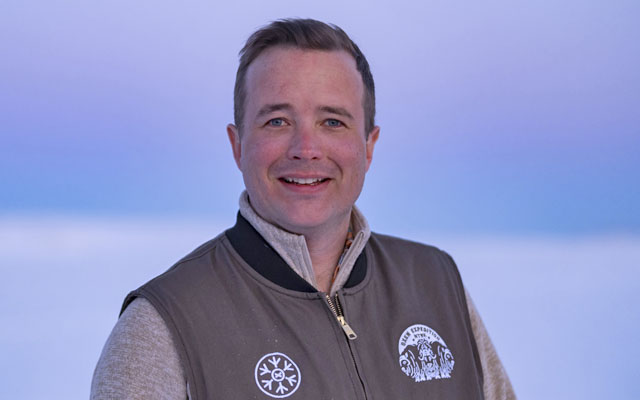
Hurtigruten Expeditions (HX) has appointed Alex McNeil as its chief expedition officer, in which he will oversee all aspects of HX’s global itinerary and expedition experience in this newly-created role.
With over 15 years of experience and nearly 200 expeditions in his belt, McNeil will ensure that each voyage is meticulously designed and curated to offer unparalleled exploration, education, and leave a positive impact on any communities they interact with.
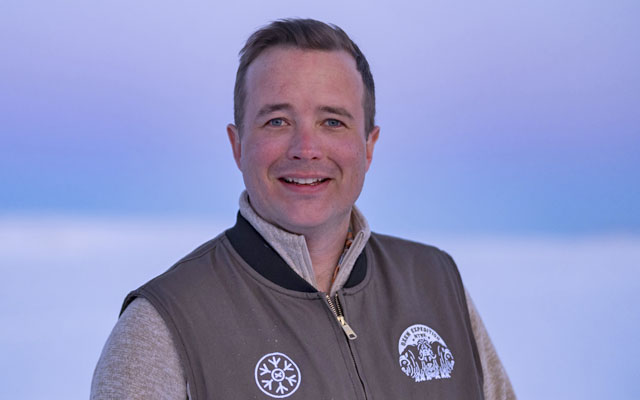 He was previously senior vice president of product and guest experience at HX for 18 months, and prior to that, he served as director of expedition experience and innovation at Quark Expeditions.
Shinta Mani Wild – A Bensley Collection adds to management team
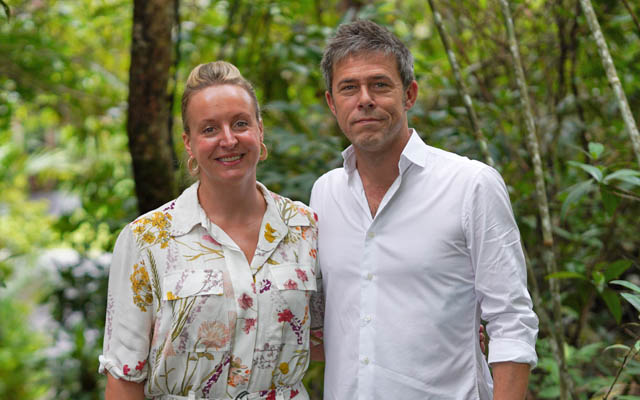
Marc LeBlanc and Laura Robinson have joined the team at Shinta Mani Wild, a Bensley Collection in Cambodia.
LeBlanc will take on the role of general manager and has 17 years of international experience with senior roles in the Cayman Islands, Sint Maarten, the Maldives, and Indonesia.
Robinson is the new operations and sustainability manager, and has held a variety of hospitality management roles in Trinidad and Tobago, Malaysia, Bahamas, Honduras, Cayman Islands and Indonesia.
US asset manager Apollo to acquire The Travel Corporation
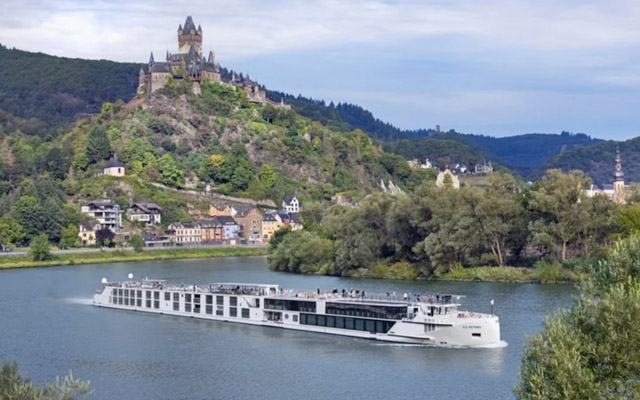
Apollo and The Travel Corporation (TTC) have entered into definitive agreement on July 16 for Apollo-managed funds to acquire the long-established travel and tourism firm, thus ending 104 years of private ownership of the founding Tollman family.
The transaction is comprised of 18 brands, including Trafalgar, Uniworld Boutique River Cruises, Contiki, Insight Vacations as well as other global travel brands and supporting business entities. Certain brands are not included in the sale; notably The Red Carnation Hotel Collection will remain under the continued stewardship of the Tollman family.
TTC chairman Brett Tollman said: “For more than 104 years our family has built TTC into an industry leader known for exceptional service and innovation. Without a next generation to lead TTC, the time has come in our strategic succession plan to select a new owner with a proven track record and who shares in our vision and customer-first values. We will support a seamless transition and are confident the team at Apollo will continue driving the business forward to meet growing global demand for touring, river cruising and specialist and adventure travel.”
Apollo private equity partner Michele Raba said: “TTC has a leading collection of brands that we believe we can take to the next level as an Apollo Funds portfolio company, leveraging our extensive experience in the travel, tech and hospitality sectors.”
The transaction is subject to satisfaction of certain closing conditions, including regulatory approvals, and is expected to close 4Q2024. Financial terms of the transaction are not disclosed.
A 50 and Fabulous Special: Siam Bayshore Resort Pattaya

The history of Siam Bayshore Resort Pattaya intertwines threads of theatricality, musicality, and the rich heritage of both Pattaya and the Sukosol family.
Established in 1974, it was one of just six hotels in Pattaya at the time.
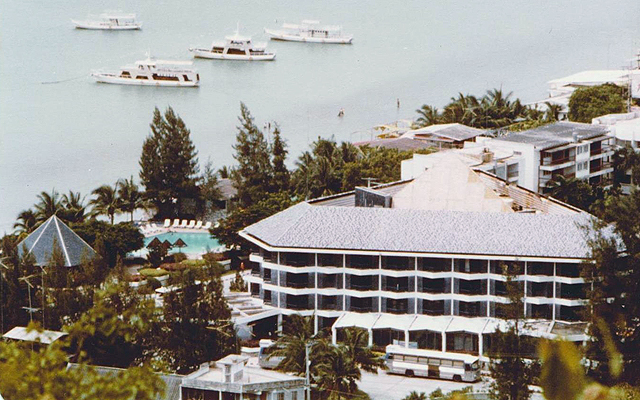
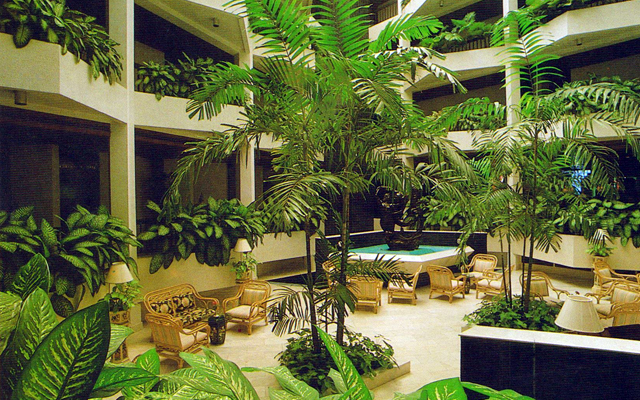
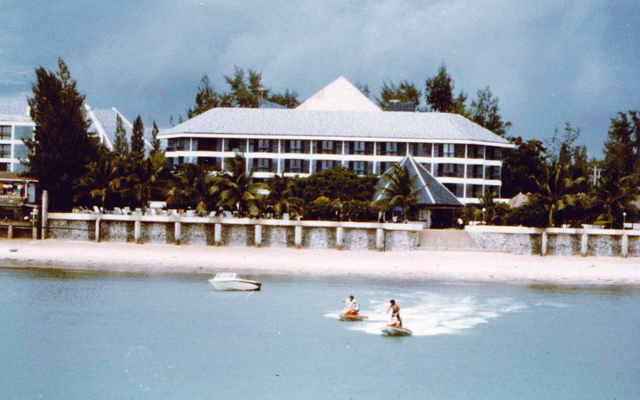

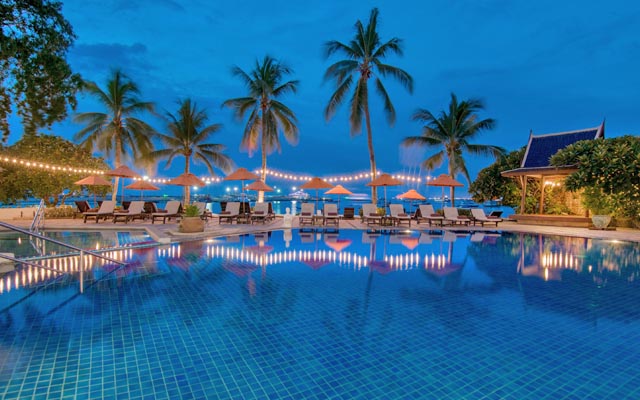
The journey into hospitality for the Sukosol family began with Kamol Sukosol, who recognised Pattaya’s potential over Phuket due to its proximity to Bangkok and vibrant atmosphere during the Vietnam War era. His vision led to the establishment of Siam Bayshore Resort Pattaya, followed soon after by sister property Siam Bayview Hotel.
“My grandfather was a very astute businessman who was able to see the future,” shared Marisa Sukosol Nunbhakdi, executive vice president of Sukosol Hotels and Sukosol Group regarding the choice of location.
Today, Siam Bayshore continues to thrive, being just 90 minutes’ drive from Suvarnabhumi International Airport.
Kamala Sukosol, Marisa’s mother, played a pivotal role in marketing the resort. Drawing on her love for Broadway and musicals from her time studying in the US during the 1950s, Hollywood’s Golden Age, Kamala implemented innovative marketing strategies that included live performances and international roadshows.
“While my father had a hand in setting up the hotel, it was my mother who was a marketing guru who really put the property on the map,” Marisa noted.
“Back then, my mom was my age, maybe younger, and I often think of the hardship that she went through to build the hotel. What would we have (as a group) without these hotels? Though it was hard to sell Pattaya – because nobody knew of the place at the time – credit goes to my mom for all those trips she made all over the world selling Pattaya.”
The resort became renowned for its Broadway-style musical nights and cultural events, including the memorable Broadway Comes to Pattaya gala co-hosted with TTG Asia during the ASEAN Tourism Forum in 1990.
Marisa, who is also a well-known singer in Thailand, grew up immersed in this world, dancing in musical nights featuring songs from shows like Oliver Twist and The Flower Drum Song to participating in family roadshows. One time, Kamala – a talented singer and dancer herself – even took her children traipsing across Australia, performing, Von-Trapp family style, to promote the hotels and Pattaya as a destination.
Even the famed Bali Hai Pier in Pattaya has its roots in Broadway, being named after the hotel’s restaurant located across from the pier back then – whose name Kamala Sukosol chose 50 years ago, inspired by the musical South Pacific.
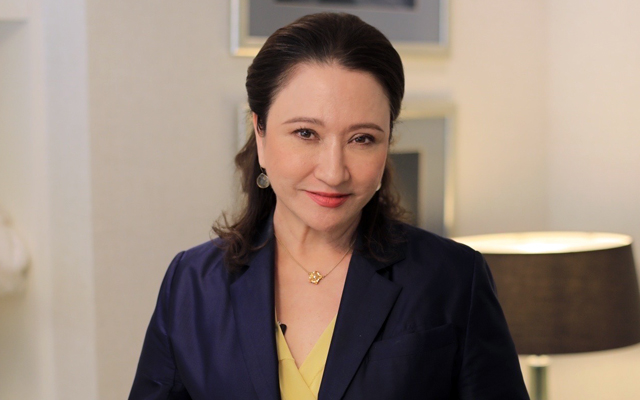
The hotel was a holiday home for the Sukosol family, who travelled to Siam Bayshore from Bangkok every week.
Marisa also stated that Pattaya’s vibrant drag show culture had already taken roots as early as in the 1970s. She said: “Today, Tiffany and Miss Tiffany Universe are world famous – but back then, it was a cabaret right around the corner from the Bayshore. My mom would take me and my brothers and sisters to watch the cabaret. At the time, drag shows didn’t exist anywhere else, and it was incredible to see the talent back then. Those were the early days of drag shows in Pattaya, long before they started trending globally,” she reminisced.
Over the years, Siam Bayshore has hosted numerous celebrities and remains a favourite among loyal guests and staff members, many of whom have been with the resort for decades.
Marisa shared: “When the hotel first opened, my father was very keen on having tennis courts, following the advice of an agent from Australia. So, he built several courts, and we’ve been organising tournaments ever since. Thailand’s tennis stars Paradorn Srichaphan and Tamarine Tanasugarn have played here, as well as other international players who became top-ranked later in their careers.”
The Siam Bayshore continues to host numerous celebrities who appreciate its low-profile yet high-quality service.
The hotel enjoys a loyal following – among both guests and staff. Some 30 staff members have been there for over three decades; a chef at Bali Hai has been with the hotel for over 40 years. Among repeat guests is a German who has been visiting for the past 30 years and, in a recent stint, stayed for a remarkable 137 days.
Despite numerous challenges, such as economic downturns and the 1992 coup, the hotel has maintained its allure and profitability over five decades.
Marisa emphasised: “When I give my sustainability speeches, I always bring up Bayshore as a sustainable hotel, having been around 50 years and still operating under the same brand and ownership. This, I think, is very unusual nowadays.
“If you ask any hotel owner, it’s very hard to keep up a hotel, particularly in Asia where many hotels are bought and sold constantly. So, if you ask me and my mom what our legacy is, it would be the longevity.”
New Indonesian company sets eyes on hotel development in West Java

Laska Hotels & Resorts, a new hotel management company in Indonesia, recently held a celebration for the opening for the Laska Hotel & Resort Ciletuh, as well as for the rebranded Laska Hotel Sukabumi, both located in the West Java province.
The company also unveiled plans for expansion in other cities in the coming years.

The 60-room Laska Hotel & Resort Ciletuh is the first three-star property within the Ciletuh-Sukabumi Geopark area, a UNESCO Global Geopark, with facilities including a restaurant, swimming pool, kids’ pool, gym, tracking area, four meeting rooms and a convenient store.
Meanwhile, the former Santika Sukabumi has been rebranded as Laska Hotel Sukabumi, offering 88 rooms, a restaurant, swimming pool, kids’ pool, gym, pool lounge and five meeting rooms.
Guido Andriano, director of Laska Hotel Management, said Ciletuh needed an international-standard hotel.
“A number of tour operators have shown interest in visiting the area, to see the turtles at Ujung Genteng for example, but they feel there’s a shortage of accommodation suitable for their international clients,” he said.
Marwan Hamami, the regent of Sukabumi, expressed his confidence that the new hotel would boost tourism to the area and spur more investments in other facilities.
He highlighted Ciletuh’s appeal as a tectonic geopark, which differed from the other volcanic geoparks in Indonesia. Ciletuh-Sukabumi Geopark also has more than 10 waterfalls, some of which are easily accessible.
“The area has potential for different activities, such as game fishing, hunting, off-road adventure, and yachting, just to name some,” Marwan added.
According to Guido, Laska Hotel & Resort Ciletuh targets the leisure market, and is open to welcoming small corporate meetings.
At the same time, he is confident that Laska Hotel Sukabumi will benefit from its location in Sukabumi city, which is close to a police school, factories and government offices. It could potentially attract events.
Both properties join the Laska portfolio, which currently comprises the 108-key Laska Hotel Subang near Bandung. Laska Hotel Subang opened last January, marking the launch of the company.
The three hotels belong to the Sejahtera Group, which also owns a travel agency.
Didin Nurhadi, director of Graha Prima Sejahtera, the owning company of Laska Hotel & Resort Ciletuh, revealed plans for a three-star Laska Hotel Ciater, which is now under construction. Leveraging its proximity to hot springs and tea plantations in Bandung, the new hotel will target holidaymakers.
The company also has plans to develop Laska Premiera Bogor, which will offer 145 rooms, nine meeting rooms, and a ballroom for up to 600 pax. This will be the group’s first four-star property.
Furthermore, an accommodation project has been earmarked for Sadang, where F&B outlets and communal spaces would be created to attract young guests.
Airports Council International World ranks busiest airports in 2023
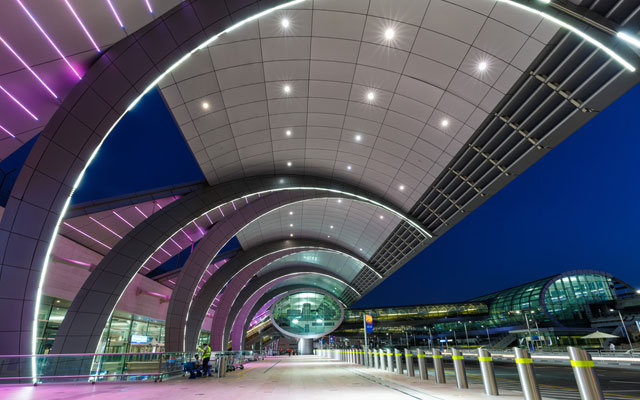
Airports Council International (ACI) World’s latest ACI World Airport Traffic Dataset has ranked the airports of Dubai in the UAE, Guangzhou in China, and Incheon in South Korea among the world’s top 20 busiest airports.
Hartsfield-Jackson Atlanta International Airport in the US takes top spot, and is followed by Dubai International Airport in second place, and Dallas Forth Worth in the US in third.
After reaching the top of the rankings in 2020, Guangzhou Baiyun International Airport went down to 58th position in 2022. It takes 12th spot in 2023.
The biggest jump in the top 20 rankings is recorded by Incheon International Airport. The airport takes the 20th spot in 2023, up from its 99th position in 2022.
ACI World director general and CEO Luis Felipe de Oliveira said: “International passenger traffic has now almost fully recovered from the pandemic, and the regional disparities are gone. China’s reopening fuelled much of 2023’s strong growth and has propelled Guangzhou Baiyun International Airport back into the Top 20. Hartsfield-Jackson Atlanta International Airport continues to lead the way, but the revival of Middle East and Asia-Pacific hubs is the standout takeaway from 2023 figures.”
Total global passenger traffic for 2023 was close to 8.7 billion, representing an increase of 30.5 per cent from 2022 or a recovery of 94.2 per cent from 2019. Performance was propelled by several factors, including the anticipated benefits from the reopening of Asian markets and a growing inclination towards travel despite macroeconomic conditions.
The top 20 airports processed 16 per cent of global traffic (1.41 billion passengers) in 2023.
De Oliveira added: “However, whatever position in the rankings an airport occupies, each is integral to the communities it serves. Airports are resilient, adaptable and support social and economic development. ACI World continues to advocate for airports worldwide to ensure their societal benefits are enjoyed by as many people as possible.”
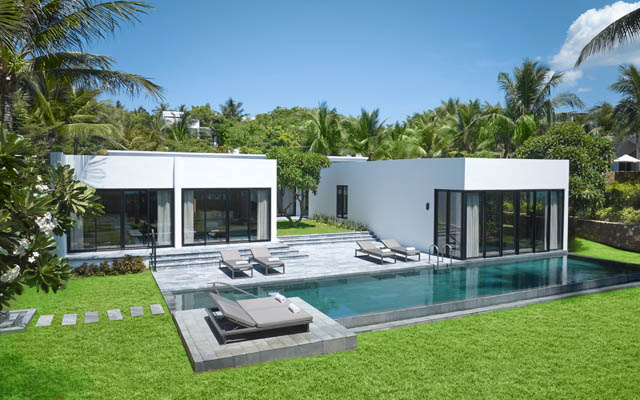
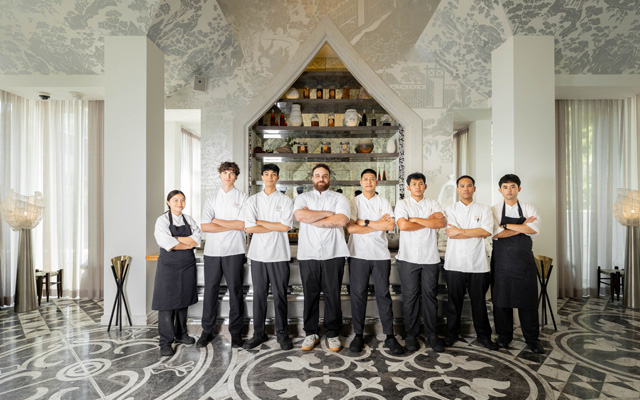






Island Shangri-La, Hong Kong, Hong Kong
Island Shangri-La, Hong Kong has undergone transformation and unveiled The Shangri-La Suite – the 222m² two-bedroom suite features a private residence, comprising a his and hers walk-in wardrobe in the master bedroom, sitting room and private bar, private dining room which seats up to ten people, kitchen, wine cellar and staff entrance for guests’ privacy.
The Shangri-La Suite is also primed with special lighting points, ceiling-mounted audio-visual speakers, perimeter hanging rails, and furniture that can be reconfigured to cater for different events.
Guests are offered an extensive programme of amenities exclusive to The Shangri-La Suite, such as a personal butler, complimentary bath amenities, pillow menu, sleep ritual gong bath and aromatherapy service.
Courtyard by Marriott Kuala Lumpur South, Malaysia
Courtyard by Marriott Kuala Lumpur South offers 278 rooms and suites, and is just a 20-minute drive from the city centre with easy access to major roads and highways.
Facilities include an outdoor swimming pool with sun deck, kid’s pool, steam and sauna rooms, F&B outlets, fitness centre, and event venues.
The hotel also has direct access to the new Bloomsvale Shopping Gallery.
Grand Westside Hotel, the Philippines
The Grand Westside Hotel is the biggest hotel in the Philippines with 1,530 rooms.
The 19-story, two-tower building is strategically located in the Westside City township development of Megaworld in Parañaque City, and is just eight minutes away from Ninoy Aquino International Airport.
The hotel boasts four dining outlets, event venues, executive lounge, gym, spa, children’s pool, Zen garden, an aircrew lounge, as well as a two-level retail and commercial space. It also has dedicated rooms designed for specially-abled guests.
Wyndham Ion Majestic Hotel, Malaysia
Wyndham Ion Majestic Hotel is nestled amid the Banjaran Titiwangsa rainforest in Genting Highlands.
The hotel features a Vertical Sky Glass Pyramid on the rooftop, a perfect venue for coupled tying the knot, as well as event venues that can accommodate up to 1,500 guests. Guests can enjoy concierge services, dining options, and wellness treatments at the hotel.
Just an hour from Kuala Lumpur, the property offers easy access to Genting Skyway, Genting Highlands Premium Outlets, Genting Skyworlds Theme Park, and SkyAvenue shopping haven. It will also soon introduce Malaysia’s first and highest dedicated 3D holographic theatre.