TTG Asia
Asia/Singapore Saturday, 3rd January 2026
Page 2417

All-in-one playgrounds

0

They may not have casinos, but these destinations are drawing tourists with their unique experiences 

may17-story1-nlagiibay

Lagoi Bay
Following its launch in 2007, the 1,300-hectare Lagoi Bay in Bintan will be opening key facilities from the second half of this year, which include beach and lakeside resorts, a mall and first-of-its-kind recreational activities. The entire development is scheduled to be completed by 2015.

Geared to take off in October will be the Air Adventures Flying Club Bintan, an ultra light aircraft ride centre and flying school that claims to be South-east Asia’s first seaplane facility offering an open cockpit seaplane experience to seasoned pilots or novices.

Adventrees, a new canopy adventure trail in the forest surrounding Lake Lagoi will also be ready by October for teambuilding activities involving ropeways, as will an off-road rally car circuit.

On the accommodations front, The Sanchaya will debut 19 luxury villas and nine suites in November, adding to Lagoi Bay’s five resorts that offer 1,400 rooms. Early next year, Alila Villas Bintan and Swiss-Belhotel Lagoi Bay, Bintan will further plump up the inventory with over 250 new rooms. Room rates are estimated to range from S$80 (US$65) for beach cabanas to over S$4,000 for four-bedroom pool villas.

A 45-minute ferry ride from Tanah Merah ferry terminal, travel consultants said Lagoi Bay had potential to draw FIT travellers as well as meetings and incentive groups.

Alicia Seah, CTC Travel senior vice president of marketing & public relations, said: “We foresee these developments will primarily attract high-end travellers who seek a getaway from the hustle and bustle in Singapore.”

However, Luxury Tours & Travel director, Michael Lee, said the development needed more publicity.

While Singaporeans currently top Bintan’s arrivals, Chia Tek Yew, executive director, strategy & marketing, BRI, expects the domestic market to grow once the Bintan Resorts International Airport becomes fully operational by 2015. It will be in Busung, Kuala Lobam, a 30-minute drive south-west of Lagoi Bay. – Lee Pei Qi


may17-story1-laguna-lang-co

Laguna Lang Co
Vietnam’s Laguna Lang Co held its grand opening in April, with the first of its hotels now ready to receive guests. More accommodation options and facilities will be added to the vast 280 hectare site over the coming years, with the IR eventually set to emulate the scale of Laguna Phuket.

Like its Thai sister, Lang Co is targeted at a broad spectrum of high-end travellers. Banyan Tree offers luxury with its spacious private pool villas, while Angsana’s inventory ranges from the more modest deluxe rooms to rooftop pool suites. Rates start from US$280++ at Angsana and US$735++ at Banyan Tree.

MICE business is integral to the business plan, with top-end meeting facilities, a huge ballroom and the capacity to cater to major events outdoors.

Weddings are also part of the mix. “We are the only hotel with a dedicated chapel on site,” said Khiet Le, marketing and communications manager, Laguna Lang Co.

Other facilities include the world-class Nick Faldo-designed golf course and two spas.

Sitting amid UNESCO World Heritage sites – Hoi An’s ancient town, the Cham ruins of My Son and the imperial city of Hue – the resort provides day-trip access to all three. That said, the location also means Laguna Lang Co is somewhat out on a limb. It is best reached via Danang International Airport, a 40-minute drive away.

“At present almost all our customers request hotels or resorts in the centre of Danang city, but Laguna Lang Co is an attractive and exciting new development that we will consider in the future,” said Vietravel’s director of marketing, Nguyen Minh Man.

Khiem Vu, general manager of Indochina Travelland, believes that the combination of the Laguna brand, the beauty of Lang Co bay and its location between Ho Chi Minh City and Hanoi, will make it a success. He said: “We have already made a couple of early bookings for this property, and we predict strong local demand as more and more Vietnamese travel in the luxury segment.”

Meanwhile, Buffalo Tours has yet to work with Laguna in Vietnam, but they are close partners in Thailand. Explained head of international business development, Ed Pettitt: “We know the quality and consistency of the product, but we have not sent clients as it has only been recently completed and we need to be able to guarantee everything is in order first.”  – David Lloyd Buglar


may17-story1-funtasy-island

Funtasy Island
Situated between Singapore and Batam, Funtasy Island on Riau Islands is envisioned to be the world’s largest eco theme park with residential, commercial and tourism components, which will be rolled out in batches from mid-2014.

At 328 hectares, the island itself is two-thirds the size of Sentosa, with 70 per cent of its total area preserved as a nature sanctuary.

In the first phase is a five-star deluxe resort development run by Meritus Hotels & Resorts, comprising a 200-room condotel, 230-suite hotel and 413 villas. Eco-themed activities such as aquaculture tours and nature trails will also be available, as well as a beach club that will offer a slew of sea sports from diving to parasailing.

To be revealed later in 2015, one of the highlights will be a heart-shaped islet, which will have a 1,000-pax banquet hall and a wedding chapel. There are six islets in total.

Funtasy Island Development director, Michael Yong, said at least one million visitors are expected to arrive annually once the island is fully completed in 10 years’ time.

He said: “We are targeting Singaporeans and international visitors who come through Singapore.” Located 16km off the coast of Singapore, Funtasy Island will be accessible via a 20-minute ferry ride from the HarbourFront ferry terminal.

Stella Chow, manager advertising and marketing division, outbound tour department, Hong Thai Travel, said: “There is potential to attract Singaporeans due to its eco park concept, which will appeal to those who are used to the concrete landscape. The Love Island is also an attractive alternative venue for a romantic getaway.

“However the infrastructure within the resorts, such as getting around the resorts and the ease of travelling from the ferry terminal to the resorts has to be well put together to ensure convenience.”

Star Holiday Mart managing director, Dennis Law, added: “This new attraction will sell with the right products, but Singapore already has many fun and adventurous products so not many may want to travel to (Riau) since it will involve extra costs.”  – Lee Pei Qi


may17-story1-desaru-coast

Desaru Coast
Adding to Johor’s growing bag of tourism products is Destination Resorts and Hotels’ (DRH) Desaru Coast, a 17km beachfront stretch at the south-eastern tip that will comprise hotels and residences, water theme parks, golf courses, a retail village and a convention centre, among other offerings. With 1,600 hectares to be developed over three phases, the first is targeted for completion in 2015.

Lau Yin May, senior vice president, programme management & corporate communications, DRH, said: “There will be a number of world-class brand names such as the Aman Country Club and Aman Villas, situated along pristine beachfront; Sheraton Desaru Resort, also with direct beach frontage; and Datai Desaru, nestled on a hilltop. Plantation Hotel will be a four-star hotel integrated with the two theme parks.”

At Ocean Quest and Ocean Splash, guests will be able to interact with marine animals and play at the salt water wave pool respectively, while The Els Club Malaysia will feature two championship golf courses – a 27-hole course designed by Ernie Els and an 18-hole course designed by Vijay Singh – as well as exclusive villas.

There are several tourist attractions within close proximity to Desaru Coast, including a fruit farm and an ostrich farm. Further out, a scenic one hour drive will take guests to Puteri Harbour, where families can spend a day at The Little Red Cube, a lifestyle retail complex that is also home to an indoor theme park. Legoland Malaysia is a five-minute drive away.

From Kuala Lumpur, Desaru Coast is a four-hour drive using the North-South Highway or a 45-minute flight to Senai International Airport, followed by a 45-minute drive. From Singapore, it is a 30-minute ferry ride from Changi Ferry Terminal to Tanjung Belungkor Ferry Terminal in Kota Tinggi, followed by a half hour’s drive. By land, it is a one-and-a-half-hour drive from the Second Link or Causeway.

Raaj Navaratnaa, general manager of New Asia Holiday Tours & Travel, said: “We will twin Desaru packages with Singapore as both destinations have something different to offer families on holiday. Desaru has theme parks and ecotourism products, whereas Singapore is known for its shopping and entertainment.”

World Avenues executive director, Ally Bhoonee, added: “Due to its close proximity to Singapore, it will make a perfect pre- and post-tour option for MICE events held in Singapore.”  – S Puvaneswary


may17-story1-grand-kawanua-international-city

Grand Kawanua International City
Growing air access into Manado, North Sulawesi will provide a lift for the Grand Kawanua International City (GKIC), which will see hotels, hospitals and a water park rising on its 300 hectares over the next few years.

Developed by Jakarta-based AKR Group, GKIC is already home to the 176-room Novotel Manado Golf Resort & Convention Center and the 6,500m2 Grand Kawanua Convention Center that can host up to 4,000 people. There are also residential properties and public facilities such as tennis courts and a swimming pool.

A number of projects are scheduled for completion this year, including the conversion of the 15-hole golf course to an 18-hole one, as well as the Citiwalk Shopping Mall and a wedding chapel.

Earlier this year, the six-country Regional Secretariat of Coral Triangle Initiative on Coral Reefs, Fisheries and Food Security also set up base here, with ensuing marine conservation activities expected to drive more visitors to the destination. Other recent additions include an art gallery with US$3 million worth of Indonesian art and painting collections, and Siloam Hospital.

AKR managing director, Widijanto, said some 10,000 more rooms were needed over the next few years, highlighting a 100-hectare site that is open for hotel development. Currently, Novotel Manado’s rates are between Rp400,000 (US$42) and Rp800,000.

He said: “Lion Air is opening Manado as a hub for its regional routes to Hong Kong, China, Japan and Singapore, in line with the arrival of new aircraft. This will add to existing direct services from Manado to Singapore and Davao, as well as the route network within Indonesia.”

Incito Travel managing director, Ng Sebastian, said while GKIC had succeeded in positioning itself as a MICE destination, more promotions had to be done to highlight the leisure attractions in order to target domestic and regional markets.

Mapanget Mega Wisata Tours and Travel managing director, Reenaldo Wangkar, added: “We can develop golf packages to Manado when the 18-hole golf course is ready. The water park may also add facilities for the leisure market as well as the corporate market for teambuilding or gatherings.”

Meanwhile, the North Sulawesi and Manado City Government are developing infrastructure such as a ring road connecting Manado with surrounding areas like Bitung and Tondano, to be ready in two years. – Mimi Hudoyo

Life of the party

0

Who does not love a good theme party? But throwing one is not a piece of cake anymore for hotels. Raini Hamdi plays party pooper and asks, is the life of the ballroom theme party over?

may17-patry

An explosion of F&B concepts in Asian cities from Singapore to Shanghai and resorts from Bali to Penang is giving planners more choices on where to take groups for a theme dinner.

The life of the ballroom theme party may be dimming – for who wants to be cooped up within four walls and a fake setting, when there are so many venues and leisure attractions outside hotels that are natural themes in themselves and bring guests closer to the destination?

A check with hotels however shows the party is not over yet for them, for there are good reasons still why the hotel venue is a practical choice for groups (see page 12, Hotels vs offsite venues). But it is not exactly rock-and-roll for hotels to secure and pull together memorable theme parties.

Old formulas do not work anymore when clients are changing faster than hotels can change props, so hotels have to think up new theme party ideas or rewire tried-and-tested ones. Hotels also have had to literally rewire ceilings for fibre-optic lighting which can create moods that impress today’s younger, IT-savvy clients; tear down four walls to make way for concept meeting spaces (such as Grand Hyatt Erawan Bangkok’s The Campus), or build new spaces (such as Ayana Resort & Spa, Bali, already with seven restaurants and a multitude of outdoor venues, yet, to cater for bigger productions and numbers of participant, opened a 20,000m2 designer frangipani garden which has its own entrance).

If they do not have the grounds to build new spaces, hotels find themselves scouring for unique venues outside their property to secure a booking. Resorts World Genting, for example, uses the nearby Chin Swee Caves Temple and the Awana Longhouse, situated amid a million-year-old rainforest.

As well, the rise of third-party event organisers reduces the scope of and, consequently, revenue from theme parties for hotels. Clients increasingly prefer to use a third-party event organiser to handle the theme, decor, entertainment, light-and-sound, etc, according to Christine Divinagracia, assistant director of events, Dusit Thani Manila.

“Sometimes, we get leads from local and overseas organisers to bring events to the hotel. Some organisers come up with their own packages to sell to their clients,” she said. “We work well with them in ensuring the event is successful.”

Pullman Kuching’s general manager, Eric Tan, said most companies holding theme parties at the hotel engage their own event organiser but this makes it easier for the hotel, as it deals only with the organiser.

Who buys theme parties?
Overall, the theme parties market, far from tapering off, is becoming more alive than ever. Corporates may have smaller budgets, or even lesser time for them in an effort to show some restraint post-GFC, but “social” theme parties are on the rise.

It seems everybody wants to theme everything. Whereas the traditional theme party as the industry knows it originates from the Western incentive, now even the birthday party for the husband or wife, weddings, prom balls, corporate Christmas parties and small meetings want to be themed, several hoteliers interviewed said.

Also contributing to the good health of the market is a blurring of theme parties and teambuilding.

Janine Watton, director of sales and marketing for Four Points Sukhumvit 15, Bangkok, said TV reality shows contribute to the popularity of “interactive” theme parties.

“Most parties now have games and interactive elements such as live cooking stations, so guests can see chefs in action,” Watton said. In response, one of the hotel’s first two theme party ideas, launched recently, is an ExecutiveChef dinner, inspired by the reality show MasterChef. Guests compete in a cooking challenge, creating their own dish to impress judges, before sitting back to relax and enjoy the rest of the evening with free-flow of beer, wine and soft drinks.

Jenifer Dwyer-Slee, director of sales-business events, Accor, also noted that “clients today like to simulate TV (reality shows), so we are getting plenty of requests to do theme parties and team activities themed around My Kitchen Rules and MasterChef.

A rise in new Asian MICE markets such as China and India produces yet another stream of parties, with hotels tweaking the F&B selection and themes to cater to their needs.

Said Philippe Le Bourhis, general manager of Pullman Jakarta: “The growth of Indian and Chinese groups is impressive, even though the budgets can vary significantly based on the type of clients.

“New paradigms in food requirements are explored as some groups have their own cooks or need separate kitchens and culturally, Indian weddings require many specific details that surprise hotel teams. New language skills are also needed (when dealing with markets such as China), although most (of its) upscale clients would speak English.”

Andre A Gomez, general manager, Hilton Phuket Arcadia Resort & Spa, agrees. “Chinese and Indian incentive groups have different budgets, depending on the group. We need to be aware of their cultural requirements and our culinary teams must develop greater skills in catering to their cuisines.

“With emerging markets such as India, where most of the disposable income is with the younger age group, events require style but also need to be relaxed and innovative in food, theming and service.”

Paul Yiu, director of sales & marketing of The Westin Denarau Island Resort & Spa, Fiji, said theme parties that are “old news” to the more mature markets are new to these customers.

“Because of the evolving customer base, we are not putting to bed any of our events/themes at this time. Clients from further abroad will find the Fijian Culture dinner as entertaining as our (more mature) Australian clients did the first time they experienced it. The change is in how we present the ideas to the markets based on our understanding of what works for their needs. We just need to keep the older ideas refreshed, not axed.”

Popular venues
But the advent of the smart and sophisticated traveller is reshaping how theme parties are booked, where they are held and how they are organised.

And yes, the ballroom theme party has seen a drop due to more experienced travellers, with offsite venues or more unique spaces on property grounds being preferred today, hoteliers admitted.

Rex Loh, director of sales & marketing, Ritz-Carlton Hotel Millenia Singapore, said: “We are seeing an increase in requests for offsite catering. This can be attributed to (the emergence of) more event venues such as Gardens by the Bay.

“But theme parties still tend to be popular with the society set for gala dinners, charities and even weddings, or for luxury product launches. Although the number of theme parties (in hotels) have decreased, offsite catering has grown even more and this trend looks set to continue.”

Grand Hyatt Erawan Bangkok said its clients prefer to have parties at historical venues such as the 400-year-old Wat Chaiwatthanaram, a UNESCO World Heritage Site, by the Chao Phraya River in Ayutthaya, or in Suan Pakkad Palace, Phya Thai Palace and the National Museum. The hotel provides offsite services to these events. Its own event venues such as The Residence and The Campus are also preferred as they are unique themes in themselves.

DMCs such as Dave Chang, managing director of Asia MICE Planner in Phuket, said: “We have definitely seen more demand for offsite theme parties too. For corporate groups staying at a resort for meetings that last several days, an offsite party is a good way to break the monotony.”

Four Points’ Watton observed: “People definitely know what they want more now than ever. In the past, people would look to hotels and venues for ideas, now they come with examples of what they would like to do and a budget. Unique venues which offer flexibility are the most popular – people are moving away from ballrooms and traditional spaces as they want something different, something to wow their guests.”

One reason why MICE organisers and delegates have become more sophisticated is because many of them have travelled extensively; thus, their expectations are higher, noted Andrew Leong, Resorts World Genting sales & marketing manager.

“Theme parties, as a result, have evolved to become more in-depth. The changes started taking place three to four years ago. It is no longer just about the décor or entertainment, but the total experience. Participants want to be more involved with activities, rather than just watch a show, then say goodbye. Off-the-rack theme parties don’t sell anymore,” said Leong.

Added Wendy Teo, director of sales-MICE, Fairmont Singapore and Swissotel The Stamford: “Participants are definitely more well-travelled and IT-savvy these days. By being well-travelled and IT-savvy, they get inspiration or ideas from places they have travelled to. They also have easy access to web tools for research and comparison. Their levels of expectations are naturally higher as a result.”

Teo said the accessibility and availability of different types of venues – i.e., beachside resorts, luxury hotels, etc – pose increased competition to city hotels which have limited land space.

“Hence, we need to be creative and multi-faceted in space utilisation to maximise the area we have. We also try to offer new and interesting packages to our guests who are also attending trainings/seminars at Raffles City Convention Centre. An example would be including Singapore Grand Prix race tickets as part of the stay/meeting package during the race period.”

“Although the number of theme parties (in hotels) have decreased, offsite catering has grown even more and this trend is sent to continue.”
Rex Loh, Director of sales & marketing, Ritz-Carlton Hotel Millenia Singapore

Bigger needs, not budget
The dilemma however is, while clients want more sophisticated theme parties, budgets are not growing in tandem with higher expectations. Moving a theme party outdoors to a unique venue means higher costs as it involves moving furniture, IT equipment, props and settings, Resorts World’s Leong pointed out.

Organisers may want more than a single singer performance, but that well-choreographed entertainment for the whole evening, again, costs more.

Yet, post-GFC, the “no-expense spared” phrase is now “rarely heard”, said Amanda Thompson, executive assistant manager-sales & marketing, The Langham Melbourne.

“Event organisers are more careful with company funds and are no longer the final decision-makers when securing a venue. They often need to seek approval from senior management and provide a strong case why a five-star hotel is the right fit for their event. They want value for money, good service and for the event to reflect the quality of their own business, but at the same time they do not want to be seen as spending unnecessarily.

“Clients are looking for more value when booking a gala dinner/themed event. Some of the value adds might include alternate serve menus, upgrade in beverage package or additional complimentary half-an-hour of beverage service, table centrepieces, gift vouchers for a door prize and partnering with suppliers to cost effectively provide elements of their event,” said Thompson.

Westin Denarau’s Yui too saw “a huge focus from certain corporate markets to avoid conspicuous spending in case of public backlash”.

Yui said: “Budgets may be tighter, but clients still expect a wow factor. This means hotels have to get creative with offerings that keep costs down but give more perceived value to the customer. Partnerships with our external suppliers are a good way to assist the customer with this. Selling the package rather than just the hotel and banquet is more the strategy now since the overall budget is the main concern for the client; the costs for the programme are not in a silo and therefore hotel sales needs to work harder to win the business.”

Farizal Jaafar, group director of marketing, Sunway Hotels & Resorts, Kuala Lumpur, said she noticed group sizes have become smaller over the last two to three years. “A typical size now is 100 to 300 people whereas the average theme party size was between 500 and 700 delegates before.

“It could be that companies have increased their qualifying criteria, thus fewer delegates qualify, or costs have escalated so companies reduce their numbers, or willing to spend more but with fewer people,” Farizal said.

But Ayana Bali’s general manager, Edward Linsley, said the hotel’s guests are not “so cost-conscious as they are value-conscious”.

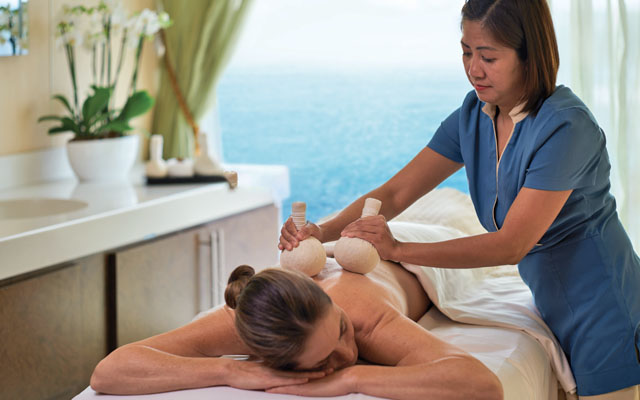
“We don’t find that our clients have lower budgets or are trying to cut costs, in fact the opposite. Our group budgets rise every year as a result of bigger groups in terms of both production and number of participants. They do not want to cut costs so much as they want to get more value for their money, in terms of a memorable, world-class experience that will leave a lasting impression on participants. They want unique experiences and activities, such as a group spa session for 40-50 people in the Aquatonic Seawater Therapy Pool or a perfume-making class where everyone creates their own signature fragrance to take home,” said Linsley.

Agreeing, Sunway’s Farizal said: “Companies look for quality in terms of flawless execution and they do not mind paying for it.”

Popular themes
As to what themes are selling well, Linsley said anything that is “different” sells. The hotel has even hosted a theme based on the Survivor TV reality show and dared participants to eat cockroaches and wash them down with Bintang beer.

“Pop culture inspires many events, with people wanting to remake a Hollywood movie or reality show into their own unique event. In the past, we have hosted themed events based on the movies The Avengers and Pirates of the Caribbean. Due to elaborate productions, a lot of the budget goes into decoration. Pirates, for example, involves creating a life-sized pirate ship as the backdrop for the gala dinner, and this requires close management to ensure such events do not exceed the budget. We work closely with event organisers to ensure this.

“Theme party ideas that always work for incentive groups in general are Balinese cultural nights, such as our Langit Theater experience which consists of a Balinese buffet dinner and Kecak dance performance.”

Resorts World’s Leong agreed with views that local themes, far from being outdated, still sell to foreign visitors. “Certain theme party ideas, like the kampung (village) night or the rainforest theme party, may be old ideas for locals, but they still appeal to foreign markets. Local groups usually choose movie themes such as Men in Black and colour themes, like all black or all white.

“However, a trend we are seeing is organisers wanting to custom-make their theme parties. Most of the time the organiser will sit down with us and tell us the delegates’ likes and dislikes, the objectives they wish to achieve, and we will tailor-make a theme party to their liking.”

Westin Denarau’s Yui also observed that guests want an experience and not just a pretty venue. So concepts that incorporate the local culture with a level of participation by the customers have become increasingly popular.

“As budgets decrease, we have to find other innovative ways to sell to the customer, such as leveraging on the stunning sunsets that can be seen from our property as well as our lush garden settings that can be used to create an ‘otherworld’ ambience for their events,” he said.

“Fiji is fortunate enough to have beautiful landscapes that can be monopolised for events if the client has little in the way of budget to spend on lighting and décor.”

Said Hilton Phuket’s Gomez: “The common requests previously were all about table centrepieces. We have now added equipment in our newly-refurbished ballroom such as state-of-the-art audio-visual system and a ceiling fully-fitted with fibre-optic lighting to provide a venue that can create moods and feeling to suit any occasion and to better theme our events instead of the standard enhancements.

“Easy travel today sees people across all cultures and different time zones attend any given event. As a result, any single event needs to be tailored to suit as many people as possible with considerations of food, culture and religion.”

Behind the scenes, the effort to put up a great theme party has become greater than ever.

But, as they say: the show must go on.


Hot and not
may17-patry2
Left, local themes still in fashion. Above, group spa party at Ayana Resort and Spa, Bali

HOT: Interactive theme parties tailored after reality TV shows
The Westin Denarau Island Resort and Spa, Fiji, for example, tailors a theme after the Iron Chef series, where competitors pitch their cooking skills against each other. The competition portion of the event does not take too much time and is a way to get the group interacting. Once completed, the group enjoys a gourmet lunch or dinner together.

“This event addresses clients’ requirements in terms of tighter budgets, food focus and interaction. It is executed solely by the hotel associates and our resources on property. This keeps costs low,” said general manager Paul Yui.

Edward Linsley, general manager of Ayana Resort & Spa, Bali, said to find out what’s a hot theme party, just ask, what’s on at the movies? “Perhaps we (the hotel) will see something along the lines of Star Wars, or maybe even Ted,” he said.

HOT: Traditional themes, with a surprising or new twist
Said Mark Shrives, director of sales and marketing, Hansar Bangkok: “We organised a nostalgic Thai style party for a local publishing house, where guests come dressed up in bright, colourful costumes to enjoy a street-like atmosphere with carts offering somtum and accompanied by Isan singing. It was tacky but fun.”

Christine Divinagracia, assistant director events of Dusit Thani Manila, also noted that Filipiniana is still in demand, including the Barrio Fiesta theme, “but clients appreciate a modern twist, stylish details and personal touch”.

She said: “Last year, we hired style consultant Henry Pascual to help us conceptualise a Filipiniana theme but with modern elements; so not just using native baskets and local cloths for decoration, but combining them with other elements like glass, metal and candelabra.

“It also addresses the challenge of really transforming a function room or the ballroom into a glamourous venue to bring out that wow factor that everybody is looking for.”

Shangri-La’s Mactan Resort & Spa, Cebu, Philippines is revamping its local theme party and coffee breaks to make them more contemporary and experiential, said Agnes Pacis, director of sales & marketing. “We plan to make the decorations more colourful and source more options for entertainment, not just do the regular cultural show. Local souvenirs are also to be sourced out.”

HOT: Nostalgia theme parties
A theme that is no longer in trend today may become popular a couple of years from now. Wendy Teo, director of sales-MICE of Fairmont Singapore and Swissotel The Stamford, gave the example of Shanghai Tang, which she noted is becoming popular again.

“This theme has timeless appeal and unique quality, where classy old world charm of the East is perfectly intertwined with Western influence. Guests of such parties, local or international, can easily relate to the theme and have convenient access to the era’s fashion and hairstyles, enabling them to soak in the essence of the event easily.

“The venue as well may be transformed completely with exotic backdrops of grand old Shanghai complemented with cheongsam-clad service staff, antique furnishings and enhanced by classical music of an era gone by,” she said.

Agreeing, The Langham Melbourne’s executive assistant manager-sales & marketing, Amanda Thompson, said: “With nostalgia parties you will always see a revival of the good ones, perhaps presented in a different way.”

NOT HOT: Wine and celebrity chef parties, described as “so over and boring” by Hansar’s Shrives. “Such events only repeat what has been done. Hence, we are looking at collaboration and partnerships with external suppliers to bring interesting concepts to Hansar Bangkok. For example, a focus on more international cuisine by importing beers from the US and barbeque parties on the Rooftop Sky Terrace.

NOT HOT: Pirates and Hawaiian. Not popular anymore and have been done a lot of times in different locations, said a few sources.

NOT HOT: Black & white and formal bow tie theme parties. “Organisers want parties to be filled with fun, not the traditional dinner and dance where guests of multinational companies put on their formal suit like they do every day. With the current theme parties, all attendees have the opportunity to create their own costumes, thereby creating more excitement,” said Eric Tan, general manager, Pullman Kuching.

The days of gaming tables are a thing of the past, believes The Langham Melbourne’s executive assistant manager-sales & marketing, Amanda Thompson.

Additional reporting from Karen Yue, Xinyi Liang-Pholsena, S Puvaneswary and Rosa Ocampo

The need for speed

0

Governments are realising that investments into high-speed train networks must be made

malaysiasingapore1
Malaysia-Singapore
S Puvaneswary

What
Linking Kuala Lumpur and Singapore, the high-speed rail link will reduce travel time to 90 minutes, compared with the current six hours or so by regular train. This is targeted to be operational in 2020.

Given that the technology employed will be different from existing rail services, there will be an independent railway alignment with new stations in Kuala Lumpur, Negeri Sembilan, Malacca and Johor before connecting to Singapore, said Malaysia’s Land Public Transport Commission CEO, Mohd Nur Ismal Mohamed Kamal.

He added: “The project is still in very early stages, and a Joint Ministerial Committee between Malaysia and Singapore has been tasked to work on the details of the project.”

After the announcement was made in February, there have been opinions on whether Malaysia would be better served by an interstate rail link, as well as whether the country would be sending more tourists to Singapore at its own expense.

Who it will benefit
World Avenues Malaysia executive director, Ally Bhoonee, said that the service would be ideal for programmes that include Singapore. “Currently it is difficult to get seats for large groups on a single flight on the Kuala Lumpur-Singapore route. The group usually has to be divided,” he explained.

Diethelm Travel Malaysia managing director, Manfred Kurz, said: “Tourists in Singapore can use the rail service to extend their stay in Malaysia and opt for round trips and beach holidays.”

Tina Travel & Agencies managing director, Adam Kamal, added: “The new service will provide an opportunity for us to target travellers with transit time in Singapore exceeding 18 hours, as it will give them a chance to visit Malaysia.”

Who it will challenge
Malaysia’s TA Securities Holdings research analyst, Wendy Thiam, said that the impact on air travel would depend largely on how the rail tickets were priced.

A source from AirAsia was unfazed, pointing out that passengers from Singapore were using Kuala Lumpur as a transit point to connect to the rest of its network.

Tina Travel & Agencies’ Kamal also felt many would still prefer coach services as they “provide door-to-door transfers from hotels in Singapore to hotels in Malaysia”.

thailand-1
Thailand
Greg Lowe

What
Thailand’s parliament approved in March the first reading of the 2.2 trillion baht (US$74.3 billion) infrastructure bill, which has earmarked more than 780 billion baht for high-speed rail along four routes.

The southern Bangkok-Hua Hin and eastern Bangkok-Rayong routes are due to be completed by the end of 2018, while northern Bangkok-Chiang Mai and Bangkok-Nakhon Ratchasima in the lower north-east are scheduled for completion by the end of 2020.

Later phases are planned to extend the network to Nong Khai, which borders Laos in the north-east; Trat, which lies close to Cambodia in the east; and Padang Besar in the south at the Malaysian border.

While the opposition Democrat party has tried to obstruct the infrastructure bill, both the bill and the budget for high-speed rail developments are expected to be passed by parliament later this month.

Who it will benefit
The plans have been received positively by the industry despite any turbulence the new services may cause for existing transport operators.
Travel time from Bangkok to Chiang Mai will be slashed from more than eight hours to four, for example.

Suparerk Surangura, managing director of Trans Asia Express and former president of the Association of Thai Travel Agents, said: “The network will also open up north-east Thailand, which is mostly a rural area where attractions are quite spread out, so high-speed rail will make travel times shorter.”

Travel to and from neighbouring South-east Asia as well as China (by way of Laos) will also be made easier.

Who it will challenge
Coaches must adapt from transporting travellers around the country to opening up access from new train stations to surrounding hotels and attractions, said Suparerk.

A spokesperson from Thai AirAsia said: “There will still be demand to fly as long as fares remain competitive and flight frequencies to the destinations allow for flexible and convenient travel. In Europe, low-cost carriers are actually cheaper than high-speed trains, and there is still demand to fly despite the excellent infrastructure.”

chinahk
Hong Kong-China
Prudence Lui

What
The construction of Hong Kong’s 26km section of the Guangzhou-Shenzhen-Hong Kong Express Rail Link (XRL) running from West Kowloon to the boundary of Hong Kong and Shenzhen started in January 2010. Set to complete in 2015, the XRL will connect with the 16,000km National High-speed Railway Network (HSR).

With maximum operating speeds at 200km per hour, estimated journey times between Hong Kong and Futian in Shenzhen will be 14 minutes; 23 minutes between Hong Kong and Shenzhen North; and 48 minutes between Hong Kong and Guangzhou South.

MTR Corporation faces different challenges for a project of this scale. Besides the comprehensive planning required for resource allocation and coordination with different contractors, it also has to factor in the needs of the community by minimising the environmental and traffic impact to the neighbourhood.

Who it will benefit
FIT travel into China will grow even more, according to Ng Hi-on, director of China Travel Service (CTS) International Science-Technology and Culture Exchange. He explained: “Fewer Hong Kong people are joining group tours to visit China due to the improvement of transportation. In fact, CTS has rolled out high-speed rail packages with hotels and attractions. Popular routes are Xiaoguan in Guangdong and Wuhan after high-speed rail services were launched.

“The high-speed train crash in Wenzhou in 2011 dampened the desire to travel as people worried about safety. But now consumer confidence is building up gradually.”

Similarly, Vigor Tours general manager, Edward Chan, predicted that more Hong Kongers would opt to travel by rail to China.

Who it will challenge
Despite the industry predictions of air traffic loss, a Cathay Pacific spokesman said: “The Cathay Pacific Group has a fundamental advantage as a hub carrier. Passengers from (other) countries will likely prefer an aircraft-aircraft transfer at Hong Kong to reach their secondary destination in the mainland rather than an aircraft-HSR transfer at a mainland gateway point.” She added that there were also good intermodal opportunities for flights from Hong Kong to feed passengers into the HSR network at points on the mainland.

india
India
Shekhar Niyogi

What

Government subsidiary High Speed Rail Corporation of India was incorporated on July 25, 2012 after the decision was taken to start high-speed train operations.

In order to achieve speeds of 250-350km per hour (trains now run at a maximum speed of 120km per hour), new tracks will have to be laid. Six potential lines were identified, but only three are likely to take off due to the high cost.

In February, the Ministry of Railways and the Société Nationale des Chemins de Fer Français – the French national railways – announced that they would cooperate on the Mumbai-Ahmedabad High-Speed Rail project. If successful, it will cut travel time from eight hours to two.

Meanwhile, the other routes being considered include Delhi-Agra-Lucknow-Varanasi-Patna and Howrah (Kolkata)-Haldia.

However, roping in financial partners will be challenging. No date has been set for completion although the plans come under the Railway Vision 2020 programme.

Who it will benefit
Debjit Dutta, director, Impression Tourism Services, said the high-speed rail link between business cities would not only help corporate travellers but leisure tourists who did not like long waits for transit flights after landing in New Delhi and Mumbai.

“A fast-train connection to their final destination will save one night’s hotel stay each way,” he said.

Sanjay Kumar Jain, group general manager, Indian Railway Catering and Tourism Corporation, said: “High-speed trains will help cater to the business travel segment effectively. An increase in tourist traffic on such trains will be the icing on the cake.”

Who it will challenge
Jaal Shah, director of B2B global reservation system RezLive.com, said: “High-speed trains in the Ahmedabad-Mumbai sector will surely impact the low-cost carriers as most people will prefer trains, especially if the comfort level is on par or better. Hotel room nights will also suffer as many people will be able to finish their business during the day
and return by night.”

Alila team unveils new faces

0

ALILA Hotels & Resorts has announced new team additions in India and Indonesia.

Krishna Unni, Siddaharth Savkur and Putu Susenayasa have been appointed general manager of Alila Bangalore, Alila Diwa Goa and Alila Manggis, respectively. Annalisa Gorelli is the new cruise director of Alila Purnama.

Unni brings more than 15 years of experience to the role, and will also be tasked with overseeing the group’s operations in India, including the launch of Alila Fort Bishangarh, Rajasthan in 2014.

Savkur joins from Hyatt Hotels, while Susenayasa was previously with sister Alila properties such as Kemang Icon in Jakarta and Alila Ubud.

Gorelli brings 11 years of international experience in the hospitality industry to her role, having worked at the Siladen Resort and Spa in Sulawesi and on boats including the MV Aurora and MV Pindito in Indonesia.

Angsana to open hot spring retreat in Tengchong, China

0

ANGSANA Hotels and Resorts will launch its first hot spring destination retreat, Angsana Tengchong Hot Spring Village, in Tengchong, Yunnan province.

Located in a valley, the resort will feature 28 suites with balconies and nine villas, each with private hot spring tubs, a spacious Angsana Spa and an array of 43 outdoor and indoor hot spring pools.

Four dining establishments – a Chinese restaurant that serves Yunnan and Cantonese cuisines, a wellness-focused café, a lounge and a F&B kiosk for quick bites – will be on offer.

Angsana Tengchong Hot Spring Village will cater to corporate event planners too, with its 100m2 conference room that can accommodate up to 40 people for meetings and teambuilding programmes.

This is the fourth Angsana resort to launch in China.

Melbourne Airport greets more passengers in April

0

PASSENGER numbers at Melbourne Airport rose four per cent in April 2013 compared to the same month last year, with a total of 2,451,847 domestic and international passengers travelling through Victoria’s aviation gateway.

International numbers grew five per cent to 572,437 passengers, with travellers from China leading the way in terms of growth. China saw a 22.9 per cent increase on April 2012, reaffirming the ongoing importance of this market for Victoria’s tourism, education and business sectors.

Other markets in Asia also grew in April, with passengers from Taiwan up by 18.1 per cent, Vietnam by 14.3 per cent, the Philippines by 7.4 per cent and India by 4.1 per cent.

Melbourne Airport CEO, Chris Woodruff, said: ‘This growth highlights the importance of providing more aviation capacity between Australia and key international markets, particularly in Asia. The Australian Government must lead the way in supporting more capacity on key air routes so airlines can provide the additional seats the travelling public is demanding.”

International travel by Australian passport holders increased by almost six per cent, while domestic passenger numbers grew four per cent to 1,879,410 passengers.

Singapore Airlines reports net profit increase

0

SINGAPORE Airlines (SIA) has registered improved net profit of 12.8 per cent year-on-year to S$379 million (US$302.3 million) for its financial year 2012-13.

This is despite a lower operating profit, which fell 19.8 per cent to S$229 million due to high fuel prices and yield pressures against the backdrop of a weak global economy.

Passenger revenue grew on the back of 7.3 per cent passenger carriage growth, albeit at lower yields, contributing to a 1.6 per cent rise in group revenue. Promotional activities necessitated by intense competition as well as depreciation of revenue-generating currencies against the Singapore dollar depressed passenger yields by 4.2 per cent.

SIA expects the global economic outlook to remain uncertain in the new financial year. Forward passenger bookings for the next few months are almost flat compared to the same period last year.

Malaysia Airlines flies daily to Kathmandu from June

0

MALAYSIA Airlines (MAS) will increase frequency between Kuala Lumpur and Kathmandu to seven times weekly beginning June 1, 2013.

At present, the airline operates five times weekly into the Nepalese state on Mondays, Tuesdays, Thursdays, Fridays and Saturdays.

MAS director of commercial, Hugh Noel Dunleavy, said: “We have such great demand from our passengers to fly between Kuala Lumpur and Kathmandu. With the daily frequency, our customers will be able to travel conveniently and at ease. On top of that, the increased frequency will provide excellent connectivity between Malaysia and various other destinations on Malaysia Airlines and our oneworld routes.”

A two-class configured Boeing 737-800 aircraft with 144 economy-class seats and 16 business-class seats is being used for this Kuala Lumpur-Kathmandu return service.

Asian Attractions Expo heads for Singapore

0

LEADERS from the global theme park and attractions industry will travel to Marina Bay Sands’ Sands Expo and Convention Centre in Singapore for Asian Attractions Expo 2013, which will be held from June 4-7.

Opened only to attractions industry professionals and the media, Asian Attractions Expo 2013 will showcase new ride concepts and innovative new products, and invite delegates to learn about industry trends, discuss hot topics and share best practices with industry peers.

Some 250 companies that deal in related products and services, including theme park rides, motion and virtual-reality simulators, theatrical production services and F&B innovations, are expected to exhibit at the show and engage with more than 3,000 owners and managers from theme parks, water parks, zoos, aquariums, museums, family entertainment centers, casinos and resorts in 60 countries.

Asian Attractions Expo 2013 will feature a Leadership Breakfast on June 6, with Ocean Park Hong Kong CEO, Tom Mehrmann, presenting a keynote address, as well as a conference programme, education sessions and networking functions.

Paul Noland, president and CEO of Association of Amusement Parks and Attractions, the organisation that owns and produces the annual expo, said: “The trade show floor at Asian Attractions Expo is the perfect place to connect buyers and sellers from around the world. (It) is packed with business-building products, services and new ideas.”

The event was held in Hong Kong last year.

Bangkok Airways, Qatar Airways begin codesharing

0

BANGKOK Airways and Qatar Airways have commenced their codeshare agreement on selected flights in Thailand and within the region, effective from May 15.

The new partnership will enable passengers of Qatar Airways a smooth transit through Bangkok’s Suvarnabhumi Airport and onward to Samui, Phuket, Chiang Mai, Trat, Sukhothai, Lampang, Krabi, Phnom Penh, Yangon and vice versa.

Peter Wiesner, Bangkok Airways senior vice president – network management, said: “This new partnership will offer better flight connectivity for passengers travelling longhaul routes with Qatar Airways to Bangkok for their onward journey within Thailand, Cambodia and Myanmar.

“Moreover, Thailand’s key destinations, namely Samui, Phuket and Chiang Mai always have great potential which attract a large number of tourists. Therefore, we believe this partnership will offer a unique service for Qatar Airways’ passengers and strengthen Bangkok Airways’ extensive network as well as boost tourism in Thailand and Asia.”

Qatar Airways CEO, Akbar Al Baker, said: “Qatar Airways’ hub in Doha is strategically placed to connect East and West, and with this added partnership, we are able to cater to passengers who wish to seamlessly connect onwards to further destinations in countries where the airline already has an established presence – in Thailand, Cambodia and Myanmar.

“This new codeshare with Bangkok Airways gives our passengers greater and easier access to more points across Thailand, which is one of our most popular destinations in Asia.”

Reservations are now open for the codeshare flights.