TTG Asia
Asia/Singapore Friday, 2nd January 2026
Page 1700

In APAC, Bengaluru sees highest spike in room rates

0

bengaluru

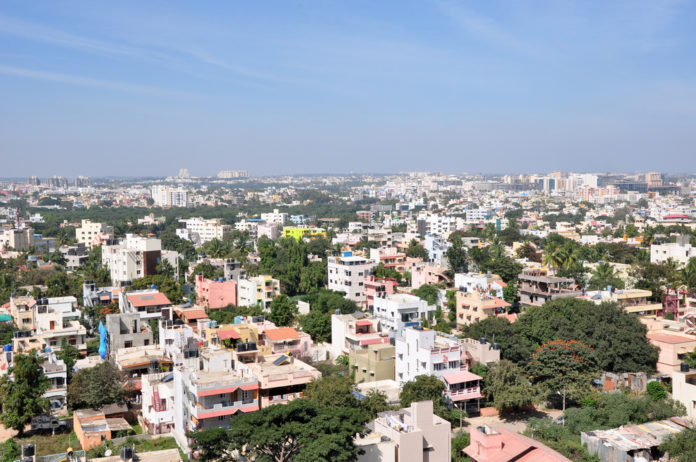
Nightly room rates in Bengaluru, India has seen the biggest increase among Asia-Pacific metropolises in the third quarter of this year, according to a study by corporate hotel solutions provider HRS.

The 2016 Q3 HRS Hotel Price Radar report showed that room rates in Bengaluru spiked 16.2 per cent compared to the same period in 2015, resulting in an average price of US$94.50 per night.

This is the largest surge among all Asia-Pacific cities, followed by Singapore with a much smaller 1.2 per cent hike, albeit from a higher base, reaching US$191 per night on average.

Meanwhile, the popular city of Bangkok has seen a significant 9.1 per cent decline in room rates to an average of US$76.50 per night, the biggest percentage drop among all cities studied.

“The insights indicate that business travel in India has increased significantly. With increased airline routes to various parts of India, it is expected that the number will only continue to climb,” said Emmanuel Ebray, managing director APAC for HRS.

“We are educating corporations in India and helping them manage the high costs in room rates and guiding them on how to achieve higher costs savings yet not jeopardize safety and the other needs of travellers.”

Garuda remains optimistic despite net loss in first nine months

0

garuda-indonesia-1

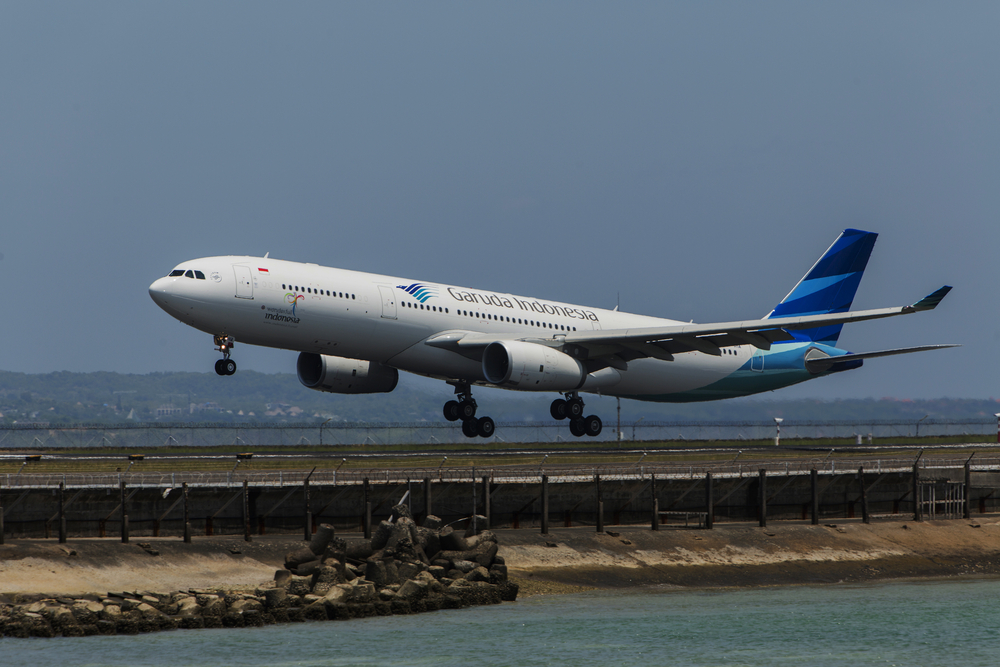
Garuda Indonesia reported US$43.6 million in net loss in the January-September period compared to over US$51 million in net profit in the same period last year, but is confident things will turn around as peak season demand and expansion plans kick in.

If looking at 3Q2016 results alone, the airline posted a net income of US19.6 million.

Said Garuda Indonesia president and CEO Arif Wibowo: “This positive result was achieved through non-stop hard work in implementing the Sky Beyond business expansion strategy, which played an essential role in promoting the company’s performance in the quarter.”

The national carrier had started to serve new destinations in east Indonesia, namely Nabire, which is connected to Denpasar, Bali via Biak, Papua, and Maumere.

Garuda stated that the opening of these routes was a strategic step to strengthen its network in the domestic market. The airline carried 17.81 million passengers from January to September this year, of which 14.55 million were domestic.

The loss in 1H2016 had been projected to turn around in the following quarter in light of the peak season, and Arif now added that the airline is “quite optimistic” it would maintain positive growth up to the end of the year.

Tour operators hopeful as Vietnam considers offering e-visas

0

vietnam-visa

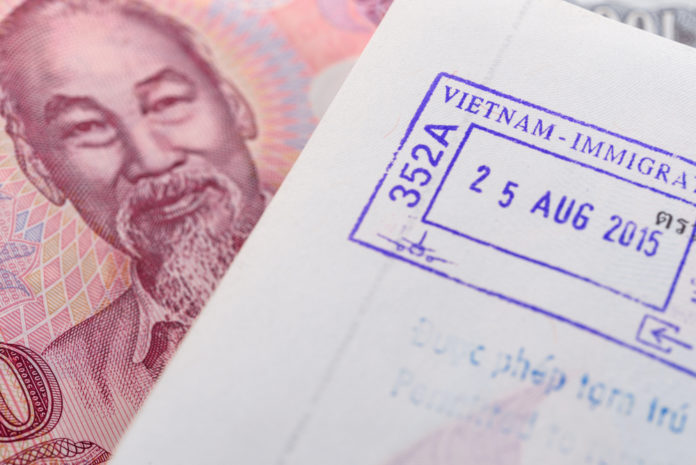
Amid reports that the Vietnamese government will introduce an e-visa system for major tourism markets next year, tour operators in the country have expressed hope that the plan becomes a reality.

“Currently, a Vietnamese visa may be obtained upon arrival at the country’s international airports or via a Vietnamese embassy or consulate, but that involves long queues,” said Tran Gia Bach, general manager of Buffalo Tours.

He is hopeful that e-visas would simplify this process. “We understand that the goal is to make entry into Vietnam easier and less costly in order to increase arrivals, so we hope that fees for the future e-visa facility will be reasonable,” he added.

Anton Jurgens, general manager at ExoTravel Vietnam, agrees that an e-visa system would be hugely beneficial for businesses, but thus far he has heard no official word on when such a process may come online.

“There is a lot of internal fighting over who makes money on visas. Embassies abroad currently make a lot and immigration makes a lot as well,” he explained.

“So we’ve been advising the government to make visas cheaper and make up the difference in tax revenue once visitors are in the country.”

Jurgens shared that when visa waiver was offered to tourists from Germany, France, the UK, Italy and Spain, business boomed, but added that consistency and standardisation needs to take place as well.

“We get calls from agents in places like Australia and Ireland asking why they can’t get the exemptions as well,” he said. “Other ASEAN countries with cohesive visa policies have seen their visitor numbers go up across the board, and that’s what we want here in Vietnam.”

Regional ambitions as HG Travel rebrands into Asia DMC

0

tran-thanh-nam
Tran Thanh Nam

Vietnam-headquartered HG Travel is rebranding itself as it seeks to better reflect the company’s business today compared to when it first started 20 years ago.

It will take on the new name Asia DMC to highlight its presence as a regional player rather than as a local DMC. To solidify its claim, the company has made known plans to massively expand throughout Asia.

Local offices will be opening in Indonesia, Malaysia, China, India, Sri Lanka and the Philippines over the next 12 months, adding to its currently established presence in Vietnam, Cambodia, Myanmar, Laos and Thailand.

“The transition from HG Travel to Asia DMC represents our growth from a local destination management company to expanding into Indochina over the last five years when we opened in Cambodia, Laos, Myanmar and Thailand and now to a continental player offering innovative, new products throughout Asia,” said its CEO Tran Thanh Nam.

“The change of name is also the consolidation of our commitment to the B2B model we have honed for the past two decades as we now look to the future.”

In conjunction, Asia DMC will also open a sales and marketing office in the US on the west coast to better serve its North American clients.

And to mark the rebranding, the company is launching a non-profit foundation as well. Called People of Asia, the organisation is meant to highlight Asia DMC’s commitment to sustainable tourism and to local communities.

Malaysia to revise airport tax rates beginning next year

0

kuala-lumpur-international-airport
Kuala Lumpur International Airport

The Malaysian Aviation Commission (MAVCOM) has revised its passenger service charges, also known as the airport tax, set to come into effect from January 1, 2017.

The changes will result in a 46 per cent reduction in fees to RM35 (US$8.40) of flights out of Kuala Lumpur International Airport (KLIA) to South-east Asian destinations while rates for flights from klia2 will increase by 9 per cent to RM35.

For domestic services the new rates are RM11, an increase from RM6 at klia2 and RM9 at KLIA. This means the tax for flights to South-east Asia as well as domestic flights will be equal for both KLIA, klia2 and all other airports in Malaysia.

Meanwhile, for flights to international destinations outside of South-east Asia, the new airport tax is RM50 (an increase from RM32) for departures from klia2 and RM73 (an increase from RM65) for departures from KLIA and other international airports.

Peter Bellew, group chief executive at Malaysia Airlines welcomes the changes. “Our customers now have the freedom to choose whatever terminal they wish in Kuala Lumpur. It is also great news that MAVCOM confirmed that they are moving to full equalisation on international routes from January 1, 2018,” he said.

“It is important for the turnaround of Malaysia Airlines that we fight for every dollar and cent savings where possible. There is much work to be done but this news creates opportunity for us to compete on a level playing pitch in Malaysia.”

However, Malaysian Association of Tour and Travel Agents (MATTA) president Hamzah Rahmat expressed his dismay on the timing of implementation of the new airport tax. He said in a press statement: “Under the current business climate, a moratorium will be in order to prevent an inflationary spike, but implementing the new passenger service charges will do the exact opposite.

“The 83 per cent increase on domestic flights and 56 per cent increase for international flights at klia2 will hurt the passengers much more than the budget airlines operating from this low cost carrier terminal.”

He added that the increase in tax fees at klia2 is not justified, given that many basic facilities are not up to par with other modern airports around the world, especially compared to those in the region.

“It is also well known that klia2 was built as a low cost carrier terminal catering for budget travellers and airlines. As such, passengers should be charged lower airport tax than KLIA, which has won global accolades and catering to premium airlines,” he opined.


Japan agents get aid to bring tourism back to quake-hit Tottori

0

tottori-prefecture
Tottori Prefecture

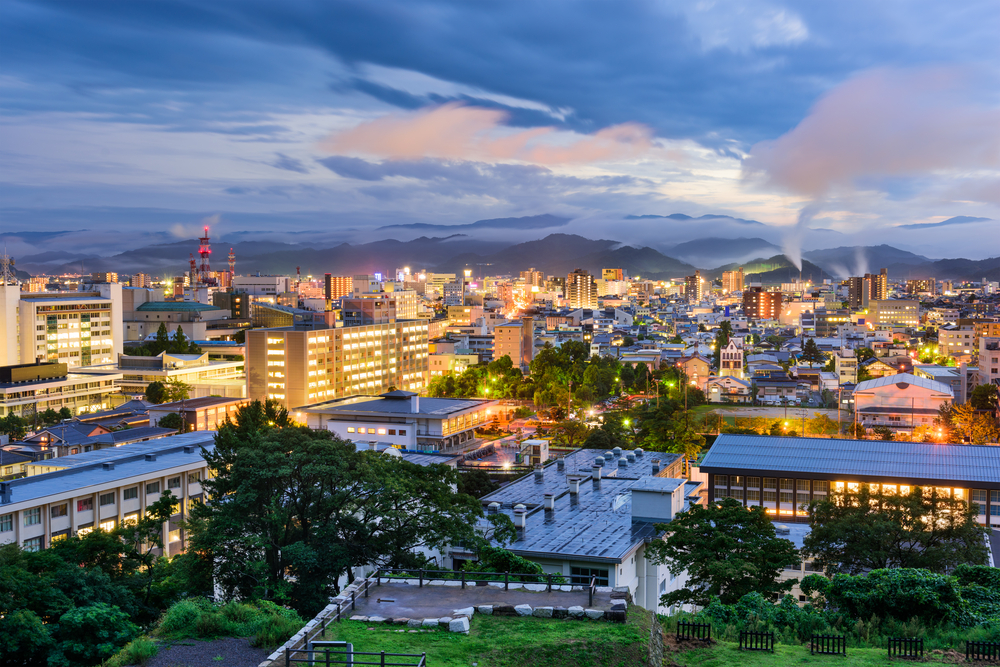
Plans are underway to lure tourists back to Japan’s Tottori Prefecture in western Honshu after a magnitude 6.6 earthquake on October 21 led to widespread trip cancellations there.

Kurayoshi City, situated near the epicenter of both the quake and the 4.6 magnitude aftershock, was worst affected by the disaster, but loss in arrivals has been felt across the entire area.

Kenichi Taki of Tottori Prefecture’s tourism strategy division says about 10,000 people have cancelled their hotel reservations since the quake. As well, according to Miho Kuwana, spokesperson for Nippon Travel Agency, one third of its bookings to Tottori were cancelled after the quake.

Now, while nine hotels remain closed in Tottori, of which two are ryokans located in the central Kurayoshi area, according to Koichi Tomiyoka of the Kurayoshi City Hotel Ryokan Association, many in the prefecture are springing back into business.

A representative of Hotel New Otani Tottori said that they had to close and had received cancellations immediately following the quake. But the hotel has opened for business the very next day. Tottori City Hotel too has resumed normal operations after suffering some cancellations.

“Most of the hotels are fully operational,” said Taki, adding that the prefecture is working on encouraging tourists to return. “We are planning to provide subsidies such as discount coupons to people who reserve a trip through travel agents such as JTB and Rakuten Travel.”

Kuwana agrees that this type of scheme could be successful and wants to cooperate with the prefecture to reinvigorate travel to the region.

China issues Zika travel warning to Maldives

0

zika-singapore

The Maldives, already hit with sliding arrivals from China, its biggest source market, suffered another setback after Chinese authorities issued a Zika warning against travel to the nation of resort islands.

In an advisory dated November 1, Chinese authorities warned its citizens against travelling to the Maldives due to the Zika virus epidemic there. The notice will remain in effect for the next three months.

The warning follows a World Health Organisation announcement on September 29 adding the Maldives to the Zika virus epidemic list.

The Chinese advisory is cautioning “travellers to take strict precautions against mosquitoes, such as wearing light-coloured, long-sleeved clothes, spraying mosquito repellent and applying mosquito nets.

“Pregnant women or women planning to become pregnant have been advised to avoid the island entirely. The virus is especially dangerous to pregnant women and can cause microcephaly and other severe brain defects in children.”

According to official data, arrivals from China have fallen 11.3 per cent in the January to September 2016 period compared with the same period last year to 259,679 visitors.

Formation of mega OTA in India a concern for agents

0

makemytrip

Offline travel agents are having mixed reactions in the wake of the recent merger by Indian OTA giants MakeMyTrip and Goibibo.

The merger has resulted in the creation of a company that has more than 50 per cent of the market share cornered with no close competitor.

While some expect the combined entity to now have a more sustainable pricing strategy, others think the competition will only get more intense.

“Both these companies were earlier competing with each other and offering heavy discounts to customers,” said The Oasis Xpress Travel & Tours director Teddy Thomas. “With these companies now merged, it may result in less discounts, which then allows more yield for traditional travel agencies.”

MakeMyTrip and Goibibo agreed to merge in a stock transaction without indicating the value of the combined entity last month. The brands are expected to retain their identity once the transaction closes.

“I don’t see any effect on traditional agents. The merger happened as these companies were concerned about their losses because of unsustainable discounts they were offering. We as offline travel agents will continue to bank on our expertise and liaising directly with suppliers,” said Praveen Chugh, managing director at Business Travels.

However, some offline agents do expect tough competition post merger. Said Pradip Lulla, CEO of Cupid Travels & Tours: “The merger of MakeMyTrip and Goibibo will only make it more competitive for travel agents as the joint entity is expected to be more aggressive about their growth in India.”

Hoteliers meanwhile think that the merger is good for them and will drive customers back to the hotel’s own direct channels.

“In my opinion, the business model of Goibibo was a suicidal model and is an example of unethical business. Travel agents, tour operators and Indian OTAs suffered losses because of their heavy discounting. This merger will bring back healthy business practices but will surely result in stiffer competition for other OTAs,” said Sanzeev Bhatia, general manager, The Metropolitan Hotel & Spa New Delhi.

“Moreover, we expect that both companies will stay away from heavy discounting which will make tariffs on our website at par, resulting in more bookings for us through our own website.”

Akaryn embarks on its biggest hotel expansion plan yet

0

aleenta-phuket-1-br-pool-residence-1

Thailand-based Akaryn Hotel Group (AHG) will open three hotels this December, its biggest expansion move since establishment in 2007.

The three hotels are Akyra Beach Club Phuket; Akyra Thonglor Bangkok, the group’s first hotel in the Thai capital; and The President by Akaryn, its first hotel outside Thailand.

“It is AHG’s biggest move so far, but we believe in the growth potential of these three locations,” said Anchalika Kijkanakorn, the group’s managing director.

AHG spent more than 200 million baht (US$5.7 million) on Akyra Beach Club Phuket located on Natai beach in Phang Nga province. This hotel will help to support its sister property, Aleenta Phuket Resort & Spa, as a leisure and dining destination for guests.

Meanwhile, the 140-key Akyra Thonglor Bangkok and The President by Akaryn located in Vientiane are under management contracts.

The owner of Akyra Thonglor Bangkok has allocated a budget of 300 million baht for refurbishment to be carried out and will replace the site occupied by Pan Pacific Serviced Suites Bangkok on December 1.

The hotel is positioned as a luxury boutique property to compete with chain hotels such as Marriott Executive Apartment Bangkok, Somerset Sukhumvit Thonglor Bangkok and Hilton Sukhumvit Bangkok.

Anchalika added that although the Thai capital is home to a plethora of hotels, there is still room for growth. Besides, AHG is targeting a different group of travellers who are more independently minded.

Overseas, the 32-key President by Akaryn will pave the way for the group’s expansion to potential destinations such as Luang Prabang, Yangon and Hanoi.

AHG currently operates three hotels, namely the Aleenta Phuket Resort & Spa, Aleenta Hua Hin Resort & Spa and Akyra Manor Chiang Mai.

Myanmar’s iconic Strand Yangon to reopen after facelift

0
T2
T2
The Strand Yangon

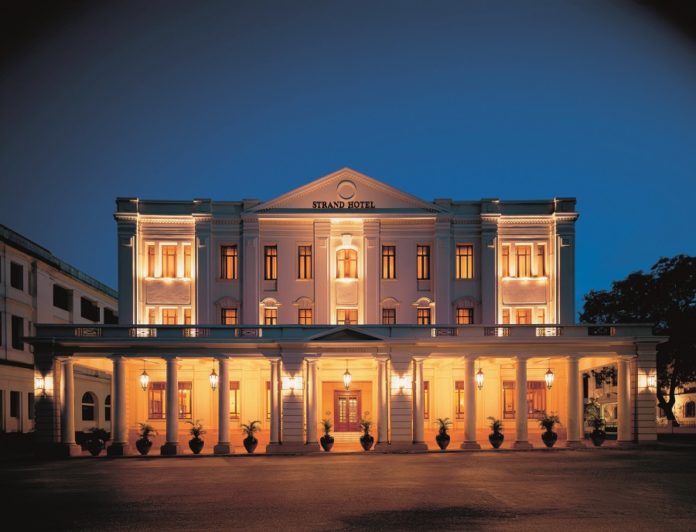
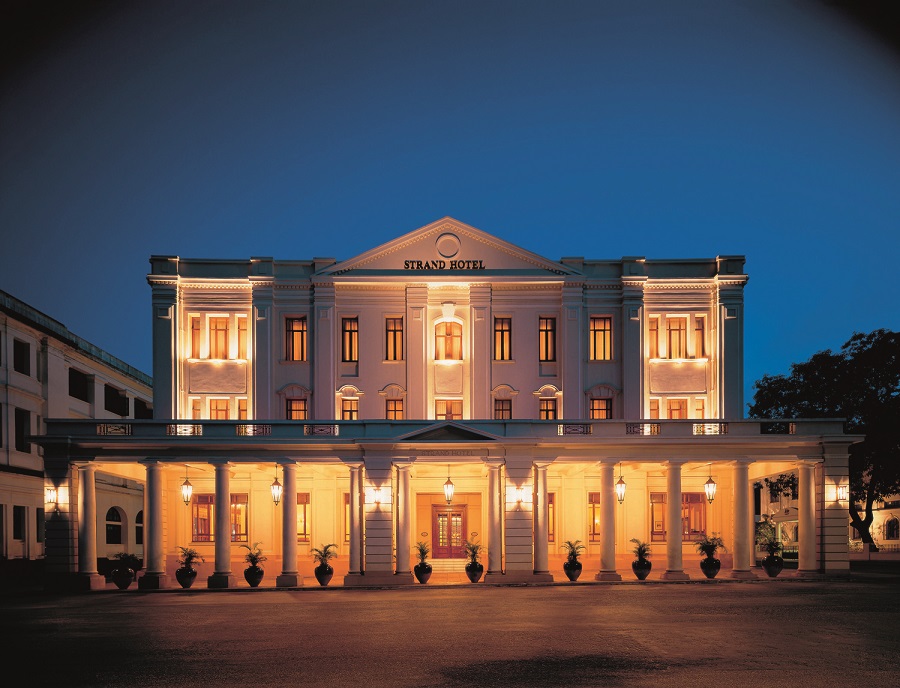
The Strand Yangon hotel will unveil the result of a six-month renovation and restoration project alongside a rejuvenated team when it reopens on November 15.

Restored elements at the colonial heritage building include original architectural details, from teak panelling and antique bedsteads to traditional Myanmar lacquerware and marble flooring.

As well, the hotel’s 31 rooms and suites feature new vintage-inspired textiles and original artwork, modern air conditioning systems and the latest in-room technology.

Commented Olivier Trinquand, vice president, The Strand Hotel & Cruise: “The Strand Yangon was one of the first luxury colonial outposts to open in South-east Asia, founded in 1901 by the famous hoteliers, the Sarkies brothers, and it remains one of the most architecturally beautiful landmarks in the region.

“This latest project has preserved the heritage at the heart of the hotel and honours the Strand’s part in Myanmar’s history, whilst creating a more relaxed, refined and glamorous setting for 21st century travellers and explorers.”

During the closure, the entire team underwent service training led by the hotel’s new operations manager, Mark Murraybrown, who has a track record of developing restaurant teams in London.

As well, the hotel’s Strand Restaurant has taken onboard as its new executive chef Christian Martena, who had trained in Michelin-star restaurants before running his own restaurant in Bangkok.

The restaurant will open from December 1 for dinner four nights a week and serve a seasonal menu of classic Mediterranean dishes enhanced with locally sourced ingredients.