Expedia has changed its corporate name and branding to Expedia Group to “better reflect its identity as a leading global technology company”, the OTA said in a press release.
The name tweak also acknowledges the unique contribution of each individual brand to the Expedia Group, the release state, including Hotels.com, Egencia, HomeAway and Trivago, among others.
Expedia Inc is now the Expedia Group
“We are excited to introduce the new Expedia Group name and identity to better reflect the global nature of our business, more clearly articulating who we have become and who we aspire to be,” noted Mark Okerstrom, Expedia Group, president and CEO.
The stock will continue to trade on Nasdaq under the EXPE ticker symbol.
Last month, the Priceline Group also made a similar announcement of changing its name to Booking Holdings to reflect its growing portfolio and to acknowledge the significance of its Booking.com service.
Singapore Airlines (SIA) has become the world’s first airline to take delivery of the Boeing 787-10 – Boeing’s newest aircraft variant and the longest in its Dreamliner range – due to enter commercial service next month.
The aircraft – the first of 49 787-10s that SIA has on firm order – was delivered at a ceremony in North Charleston on the evening of March 25, 2018.
A celebratory occasion as the Boeing 787-10 reaches its first airline customer: Rolls-Royce’s Dominci Harwood, Boeing Commercial Airplanes’ Kevin McAllister and SIA’s Goh Choon Phong
SIA’s 787-10s will be used for flights up to eight hours. Osaka and Perth will be the first scheduled destinations to be served by the new aircraft, from May 2018. Prior to the introduction of these services, the aircraft will be operated on selected flights to Bangkok and Kuala Lumpur for crew training purposes.
The 787-10s will feature SIA’s new regional cabin products, configured with 337 seats in two classes, featuring 36 Business Class and 301 Economy Class seats.
Constructed using lightweight composite materials, the 68m 787-10 is the longest variant of Boeing’s Dreamliner range of aircraft. Customers can look forward to customisable lighting preferences with large electronically dimmable windows, cleaner air, and a quieter and smoother ride.
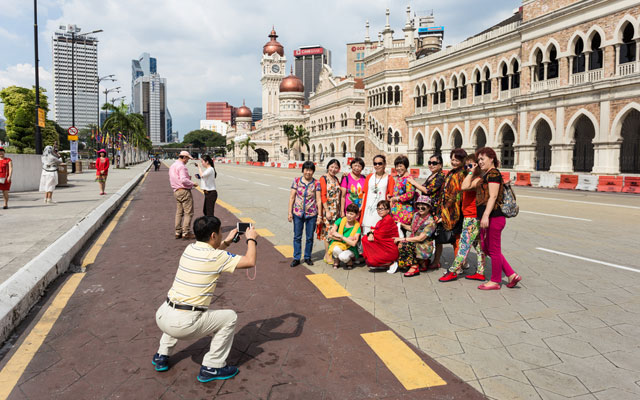
posing in front of the Sultan Abdul Samad building in Kuala Lumpur
Despite a weak ringgit that was perceived to boost inbound tourism, foreign tourist arrivals to Malaysia totalled 25.9 million in 2017 with a yield of RM82.2 billion (US$21 billion), a far cry from the targeted 31 million tourists and RM114 billion yield.
Last year’s arrival figures indicated a three per cent decline over 2016, although yield posted a marginal 0.1 per cent increase in 2017 to RM82.2 billion.
Tourists posing in front of the Sultan Abdul Samad building in Kuala Lumpur
It was a mixed bag of performance for ASEAN, a key market source accounting for 75 per cent of total arrivals to Malaysia.
Regional markets that saw a decline in 2017 include Cambodia (-32.1 per cent), Myanmar (-14 per cent), the Philippines (-11.2 per cent), Indonesia (-8.3 per cent) and Singapore (-6.3 per cent).
On the other hand, double-digit growth was registered for other ASEAN markets such as Brunei (+19.4 per cent), Vietnam (+14.8 per cent), Laos (+27 per cent) and Thailand (+3.1 per cent).
Arrivals from India, another major market for Malaysia, tumbled 13.4 per cent from 2016 to 552,739 in 2017.
Keen to arrest the decline for India, whose arrivals have been on a downward slide since 2015, Tourism Malaysia has embarked on a six-month joint marketing and promotion campaign with Akqua Sun Group, a destination marketing company based in India.
The campaign, which runs from January to June, utilises a comprehensive promotion mix, implemented across print and online advertising, trade networking roadshows to meet top travel agents, participation in consumer and trade tourism fairs, workshops and product briefings on Malaysia, familiarisation trips and joint promotions.
Tourism Malaysia’s director-general, Mirza Mohammad Taiyab revealed there are plans to set up a Tourism Malaysia office in Kolkata, adding to offices in Delhi, Mumbai and Chennai. With AirAsia flying daily between Kolkata and Kuala Lumpur, the regional office will help to boost tourist arrivals from West Bengal and neighbouring states.
Mirza suggested that congestion at the entry points into Malaysia, especially during peak periods, as a possible reason driving tourists to consider other destinations.
To address the bottlenecks, the government has stepped up efforts to make entry clearances by land and sea faster and more convenient, especially during peak travel periods for the respective markets, said Mirza.
In January, the Immigration Department issued a statement that steps have been taken to ease congestion at the main gateway, Kuala Lumpur International Airport, by opening support counters for passenger inspection during peak periods.
The state government of Johor is also looking at ways to ease traffic congestion along the Causeway and the Second Link. Options being considered include increasing the number of toll booths at the Second Link, better traffic management at both checkpoints, which includes separating bigger and larger trailers from smaller lorries for faster clearance and increasing the number of security personnel during peak hours.
Tour operators say they have ready alternatives for tourists should they decide to avoid the crater
Ijen Crater in Banyuwangi, East Java has since last Thursday been temporarily closed to any activities due to the toxic sulphur burst, but tour operators are confident there will be little to no impact to travel to East Java including Banyuwangi area.
The National Disaster Management Authority said in a statement that Ijen Crater spewed thick clouds of sulphuric gas on Wednesday (March 21) night. Members of the community, visitors, tourists, climbers and miners have since been barred from going near the crater.
Tour operators say they have ready alternatives for tourists should they decide to avoid the crater
While some were reported to have taken sick or experience breathing difficulties after being exposed to the sulphur, there has been no report of tourists affected so far.
The travel companies TTG Asia spoke with said there have been no cancellations, but assured that they are prepared to divert trips if necessary.
Monas Tjahjono, managing director of Monas Tour, Surabaya, added: “In fact, we received a booking from Thailand for next month after the government issued the ban for climbing to the crater.”
However, he said he would continue monitoring the situation at Ijen. “If within three weeks the condition of Ijen remains dangerous, we will immediately change the programme and recommend visiting another tourist attraction in Banyuwangi, for example, Red Island or Alas Purwo National Park and G-land (Plengkung beach), known as one of the best surfing beaches in the world,” he said.
The other alternative is creating a village tour around the area of Ijen Crater to get closer to the miners in Ijen.
“Seeing (the blue fire phenomenon) is the main reason (travellers) visit Ijen Crater. But tourists are also attracted by the activities of the (sulphur) miners, learning how they live… in (challenging and dangerous) conditions, carrying 80 kgs of rocks over 10km,” Monas said.
Adjie Wahjono, operations manager of Aneka Kartika Tours and Travel Services, said tourists usually take Mount Bromo-Ijen Volocanic Compund tour packages, before traveling to Bali.
Until the end of March, Aneka Kartika Tours and Travel Services has several groups from France and the UK scheduled to visit Mount Bromo and Ijen.
“With an emergency like now, we will offer other adventure tour packages, such as agrotourism in Kaliklatak Plantation or visiting a village around Ijen Crater,” said Adjie, who likewise has not seen any cancellations.
He also remarked that should travellers decide not to visit Banyuwangi area, they will be no short of alternatives. Instead of Mountt Bromo and Ijen, he would offer the mountain areas of Bromo-Tengger-Semeru.
According to the statement, activity at Mount Ijen is currently classified as “Normal”, or “Level 1”. There was no increase in seismic activity.
Hong Kong Tourism Board (HKTB) is banking on the soon-to-be-operational Hong Kong-Zhuhai-Macao Bridge (HZMB) and Express Rail Link to attract even more European visitors who tend to explore the city as part of a multi-destination itinerary covering the Pearl River Delta region.
According to a HKTB spokesperson, 80 per cent of overnight visitors from the UK, Germany and France arrive in Hong Kong on multi-destination itineraries.
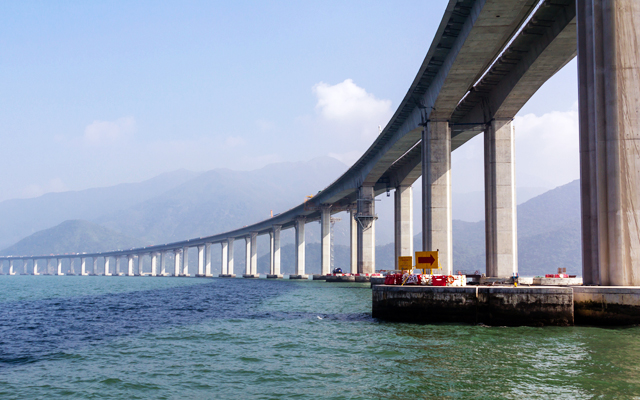
The bridge reportedly took six years to plan and eight years to build
“(The new transport links) will greatly enhance connectivity between Hong Kong and mainland China. We are collaborating with neighbouring destinations in the Pearl River Delta region, such as Guangdong and Macau, to enhance travellers’ and trade partners’ awareness of our tourism offerings, and encourage the travel trade to develop multi-destination itineraries covering Hong Kong,” said the spokesperson.
Faces of Hong Kong, CEO, Ivy Sung, added that the experience of crossing the 42km HZMB is an attraction in itself.
“The massive scale of the project and the fact that it is a journey above and under the sea make HZMB worth showcasing to my clients,” she remarked.
And for business event visitors, Cathay Pacific’s new routes from European capitals are presenting “very good prospects”, said Gunther Homerlein, general manager of Destination China. Examples of new connections are from Copenhagen, Dublin and Brussels.
Meanwhile, HKTB’s latest destination push is the Best of All, It’s in Hong Kong brand campaign – which seeks to highlight the rich diversity and quality of experiences that Hong Kong can offer to European visitors. Areas of appeal include gourmet dining, fashion and entertainment, family adventures by land, sea and sky, and the great outdoors.
Following the success of the Old Town Central campaign in 2017, which comprised self-guided walks through the historical Central district, HKTB will debut a Sham Shui Po Neighbourhood equivalent, an initiative that has garnered a nod from Travel’s general manager Cary Chiu.
In addition, Sung believes that the in-depth peek into a local neighbourhood could be just the bait to lure Europeans to Hong Kong, a destination with a far shorter history than Europe.
Hong Kong-based Galaxy Entertainment Group will pump nearly US$1 billion into the company
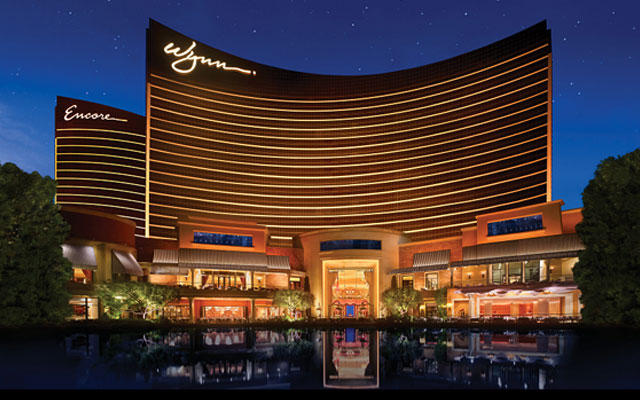
Wynn Resorts is no longer owned by founder Steve Wynn, with all shares in the company picked up by Macau’s Galaxy Entertainment Group and two of Wynn’s current investors.
Galaxy Entertainment Group has agreed to purchase 5.3 million primary shares of Wynn Resorts at a price of US$175 a share, resulting in US$927.5 million of gross proceeds to Wynn Resorts.
Hong Kong-based Galaxy Entertainment Group will pump nearly US$1 billion into the company
In addition, two long-term institutional investors, both investors in Wynn Resorts, have agreed to purchase the remaining eight million shares held by Steve Wynn, also at US$175 a share.
Galaxy Entertainment Group vice chairman Francis Lui said: “This is a unique opportunity to acquire an investment in a globally recognised entertainment corporation with high quality assets and a significant development pipeline.”
The announcement follows the settlement two weeks ago of long-standing litigation between Wynn Resorts and Universal Entertainment Corporation.
Singapore online insurer, Etiqa, has launched the city’s first free in-flight insurance service for travellers, which includes up to S$50,000 (US$38,005) in personal accident coverage and allows instantaneous travel claims encashment via PayNow.
It also introduced a flight delay add-on, priced at S$4, covering travellers for delays of three consecutive hours with claims of up to S$300.
All Singaporean outbound travellers are eligible for Etiqa’s travel insurance
“According to a survey conducted by the Singapore Tourism Board, about 10 per cent of consumers have never purchased travel insurance despite being aware of the importance of a policy,” said Sue Chi Kong, CEO of Etiqa Insurance Singapore.
According to FlightStats, 20,671 flights were cancelled and 177,352 delayed in Asia-Pacific alone during a 30-day period from February 10 to March 12, 2018. Globally, this number rises to over 60,000 flights cancelled, and over 630,000 flights delayed during the same period.
Last year, Etiqa processed more than 1,500 travel claims within one day following the launch of its straight-through claims processes in July 2017 – out of the 1,500, 17 per cent were processed due to travel delays. A real-time flight monitoring system was also implemented at the same time to enable auto-flight delay claims for its customers.
Claims are processed through eWallet on TiqConnect, Etiqa’s online portal that allows customers to manage their claims and policies. As a personal account for customers, the eWallet balance can be used to purchase new policies, renewals or encash claims. From March 19, existing customers can also enjoy instantaneous encashment via PayNow, along with the current encashment via IDEALRAPID (bank transfer).
Singapore-based Next Story Group, formerly known as SilverNeedle Hospitality, has announced two senior executives hires to support its expansion, with Darren Edmonstone appointed as CEO of Next Hotels & Resorts and Andreas Flaig as group chief development officer.
As chief executive of Next Hotels & Resorts, Edmonstone will be responsible for driving highly customised guest offerings and delivering operational excellence across the Next, Sage, Country Comfort and other hotel brands within the group.
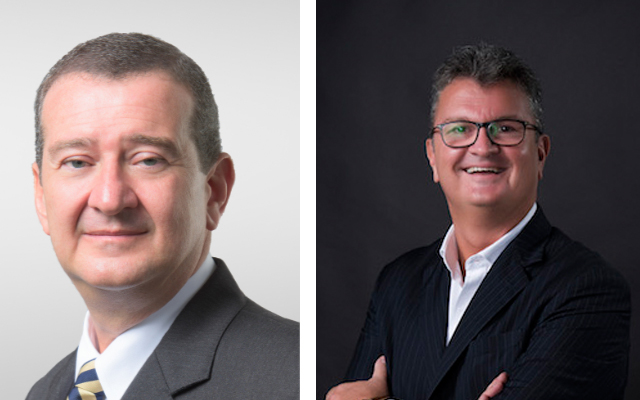
Edmonstone (left) and Flaig
Edmonstone joins the Next Story Group from Outrigger Resorts where he was the managing director, overseeing Asia-Pacific. Prior to Outrigger, he held key positions in the Peninsula Group.
The Australian native has acquired extensive expertise in operations, development, brand building and finance over the past 30 years within the hotel industry and has worked across the Asia-Pacific region.
As group chief development officer, Flaig will be accelerating the group’s growth on top of its existing pipeline of over 10 hotel and Kafnu properties in Bangalore, Colombo, Ho Chi Minh City, Melbourne, Mumbai and Sydney.
Flaig joins the group with over 25 years of depth in the hotel industry with a variety of experience ranging from development and technical services through corporate strategy and asset management to investments and acquisitions.
He has been responsible for driving profitable growth for a number of international hotel groups and hospitality franchises. Most recently Andreas held executive roles at Carlson Rezidor Hotel Group in Singapore, JLL Hotels and Hospitality based in China, and Aareal Bank in Germany.
Both Edmonstone and Flaig will be based in the Singapore headquarters of Next Story Group.
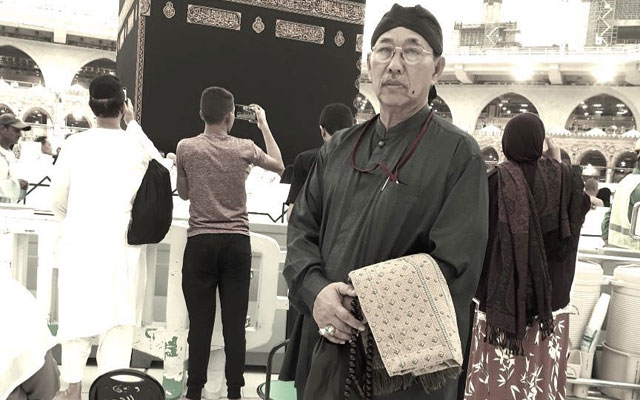
Abu Bakar Bin Osman. Photo credit: Abu Bakar Travel Services/Facebook
Director of Singapore’s Abu Bakar Travel Services, Haji Mohammad Abu Bakar Osman, was on March 20 killed in a bus accident during a Umrah trip to Mecca organised by his family-run travel agency.
He was the only fatality in the accident, which also left several injured, Singapore’s Straits Times reports.
The late Abu Bakar Bin Osman (photo credit: Facebook/Abu Bakar Travel Services)
Abu Bakar’s wife, Hajjah Fauziah Alias, 63, was reported to be in the intensive care unit of the King Faisal Hospital with two others.
Expressing his sympathies on Facebook, Singapore’s prime minister Lee Hsien Long said he was “deeply saddened” by the news.
“The Islamic Religious Council of Singapore (MUIS) is working together with the Singapore Ministry of Foreign Affairs to assist the next-of-kin of the deceased, as well as the injured and their families. My deepest sympathies to those involved in this accident.”
According to MUIS, the bus – which was carrying 31 passengers – met with an accident in the early hours of March 20.
Among the bus passengers were Singaporeans and Malaysians on an Umrah pilgrimage organised by Abu Bakar Travel Services. They were due to return home yesterday.
General manager of the hotel, Patrick Fiat, shows his appreciation for loyal staff
General manager of the hotel, Patrick Fiat (centre), shows his appreciation for loyal staff
At 44, Royal Plaza on Scott pays tribute to CEOs with 44 years of service.
Royal Plaza on Scotts (RP) last week celebrated its 44th birthday together with 16 “chief experience officers” (CEOs), who have dedicated 44 years of service to the hotel since its opening in 1974.
With an average age of 66 years old, these CEOs dedicated a significant part of their lives to RP. In fact, their combined experience adds up to 709 years, according to a press release.
To celebrate, CEOs are invited to RP’s birthday feast throughout the day with highlights such as mini croissants, deep-fried gyoza, roast lamb chops and sushi . There will also be a birthday cake, made of 108 mini chocolate and butter cupcakes, topped with whipped cream frosting.