Airbnb has released its proposed regulatory principles for short-term accommodation in Thailand, which the home-sharing giant says would support the Thai government’s goal of driving tourist growth in the country and diversifying Thai tourism.
These principles would support local priorities and reflect Thailand’s unique needs, and are consistent with best practices for regulating short-term accommodation regionally and globally, the company said in a statement.
Airbnb releases guidelines for Thailand’s short-term accommodation market
The regulatory principles also reflect latest research conducted by Expedition Strategies in late 2018, which found that 88 per cent of Thai people would support residents in their neighbourhoods sharing their homes, 89 per cent would consider using short-term accommodation in the future and 84 per cent believe short-term accommodation is good for communities because it will bring tourists to more areas where they will spend money.
Airbnb’s proposed regulatory principles, which was developed following meetings with multiple government departments and industry stakeholders, include:
A simple online registration system for short-term accommodation to ensure compliance and promote high safety standards.
A differentiated approach to regulation which distinguishes between the various types of short-term accommodation activity. For example, regulations should differentiate between someone sharing a room in their home, their own home occasionally or someone with a vacation rental for full commercial purpose.
There should be an industry-wide approach to regulation and close cooperation between all industry participants and regulators in implementing regulations.
As well, tough but fair penalties for bad behaviour should be imposed, said the travel giant.
“Airbnb wants to be a good and responsible partner to the government and do what we can to help Thailand achieve its tourism objectives. Already, our local community is helping to grow and diversify the Thai tourism industry and spread the benefits of tourism to local communities across the country, particularly those in emerging destinations like Buriram,” Airbnb’s head of public policy for South-east Asia, Mich Goh, said.
“For some time, we have listened to local authorities and sought to better understand their priorities. We appreciate the balanced and forward-looking approach the Thai government has considered to take in developing a modern regulatory framework for short-term accommodation.”
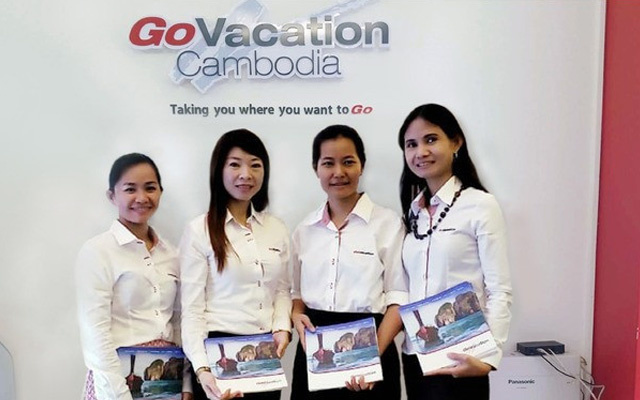
Bangkok-based DMC Go Vacation has announced its expansion into Cambodia, with full-scale inbound tour services for travellers launched since November 1.
Experienced tour operating veteran Bampenh Ho has been appointed as the country manager for Go Vacation’s new Cambodia operations.
Bangkok-based DMC Go Vacation expands into Cambodia
Go Vacation Cambodia comprises two new offices – a head office in Phnom Penh and a branch office in Siem Reap – to offer a comprehensive range of services covering the whole country.
Go Vacation now runs 20 offices across six countries, namely Thailand, Indonesia, Vietnam, Cambodia, Sri Lanka and India.
Hong Kong-based Ovolo Group has added Indonesia to its growing portfolio, after purchasing and bringing Citadines Kuta Beach into its fold with effect from November 1.
The Bali acquisition marks the group’s first property outside of Hong Kong and Australia, as it eyes global expansion with a particular focus on South-east Asia, Australia, New Zealand, the US and the UK.
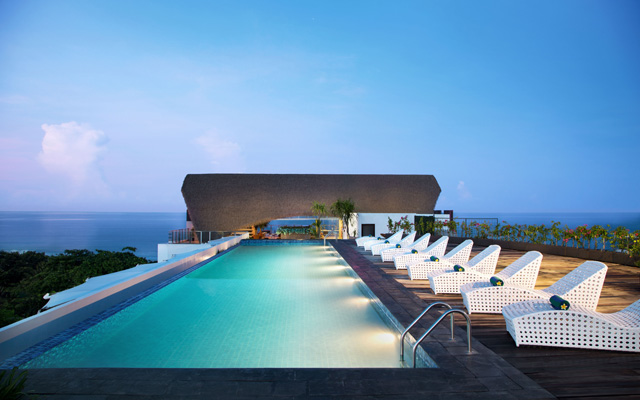
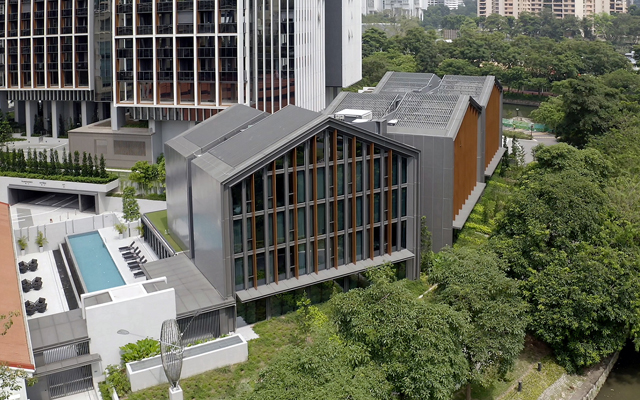
Hong Kong-based Ovolo Group has acquired Citadines Kuta Beach in Bali
The 194-room property consists of 182 studio rooms, nine one-bedroom suites and three two-bedroom suites, an all-day dining restaurant, rooftop pool & bar, gym and conferencing facilities.
Ovolo said in a statement that it will announce its future plans for the property in early 2020.
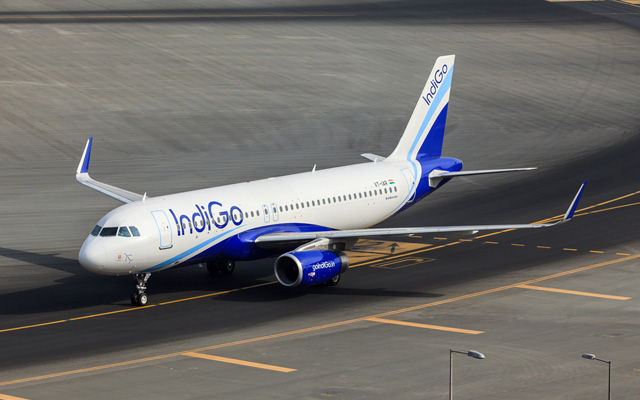
India-based LCC IndiGo has joined global airline body IATA as a member, as the airline plans for global expansion, according to a report by The Economic Times.
The carrier’s move follows its recent entry into Vietnam, Myanmar, China and Saudi Arabia, as well as its largest-ever order for 300 Airbus aircraft.
IndiGo becomes member of global airline body IATA
“This membership will help IndiGo align to global practices developed by IATA and will further strengthen the airline’s partnership portfolio,” the report quoted a media statement as saying.
“IndiGo is our fourth member from India—a market with huge potential and many challenges. We look forward to working with the IndiGo team to help shape industry standards, best practices and policies that ensure the safe, efficient and sustainable growth of aviation, in India and globally,” Alexandre de Juniac, IATA’s director general & CEO, said in a statement.
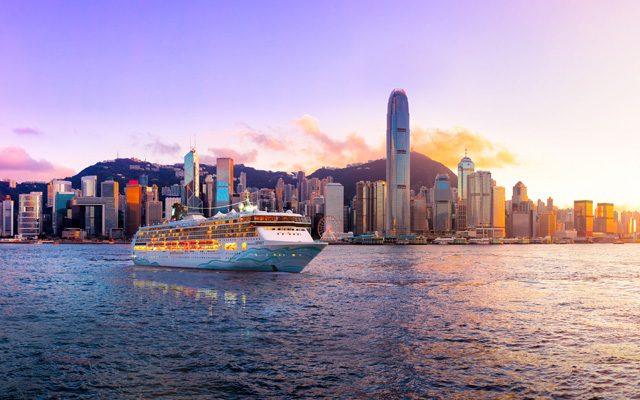
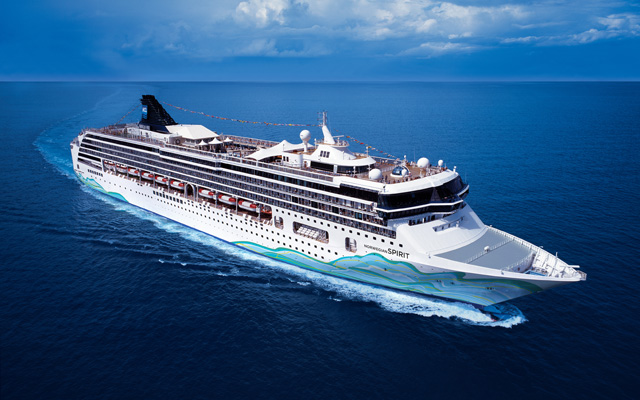
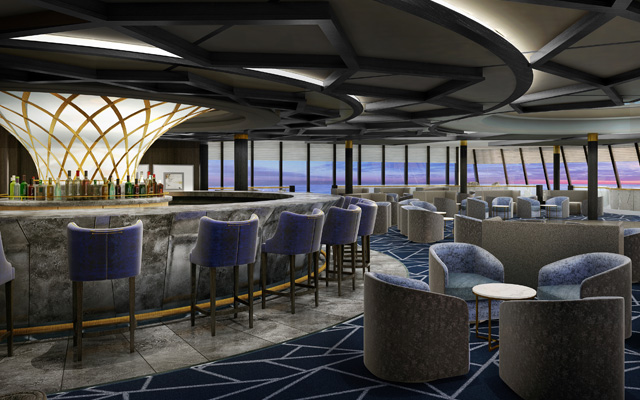
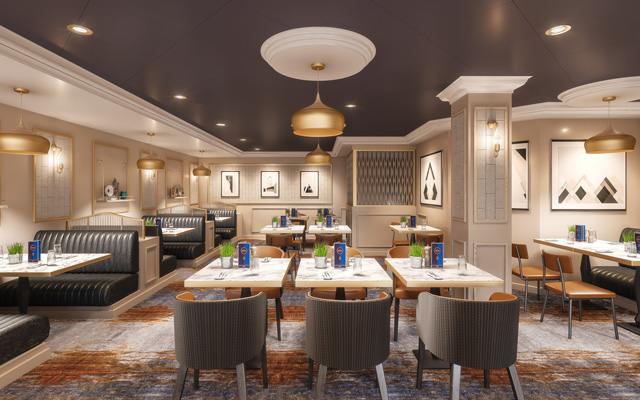
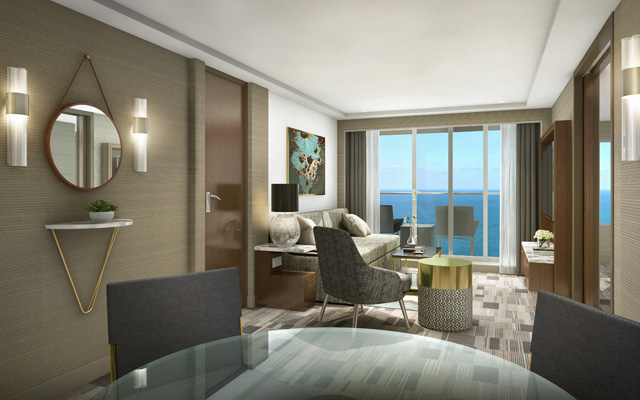
Norwegian Cruise Line has unveiled details on Norwegian Spirit’s upcoming renovation, which is billed as the “most extensive bow-to-stern renovation in the company’s history”.
Norwegian Spirit will enter dry dock in Marseille, France on January 2, 2020 for an over US$100 million revitalisation. As part of the nearly 40-day renovation, the ship will emerge featuring 14 new venues, additional staterooms and an expanded Mandara Spa.
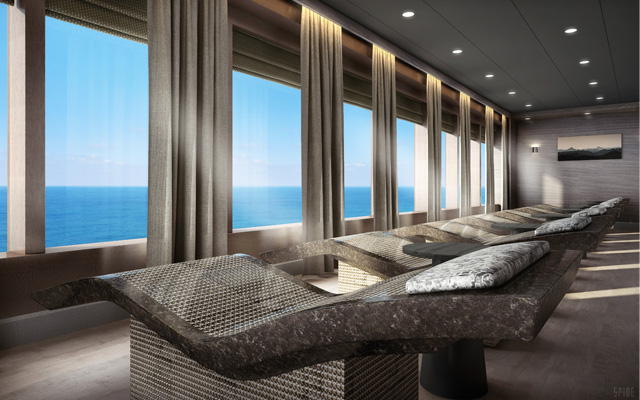
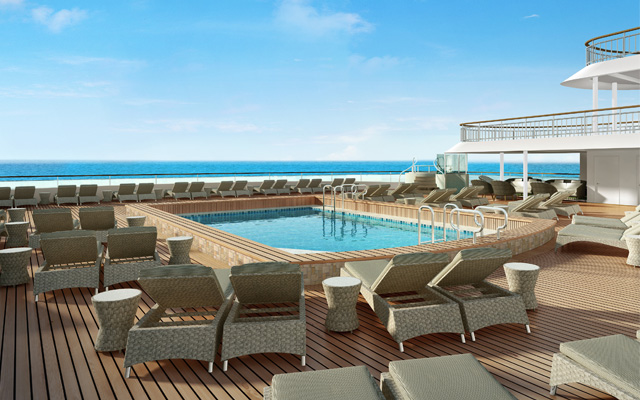
Renderings of Norwegian Spirit 2020 Renovation
1 of 10
Norwegian Spirit in Hong Kong
Norwegian Spirit
Mandara Spa
Magnum's Champagne & Wine Bar
Cagney's
Spice H2O
Spinnaker Lounge
The Local Bar & Grill
Suite
Balcony
New complimentary dining venues will include a main dining room, Taste; a 24-hour eatery The Local Bar and Grill; an all-day dining outlet, Garden Café; the Great Outdoors Bar; and Waves Pool Bar. Making their debut are Bliss Ultra Lounge and Spinnaker Lounge, the latter of which will feature the Humidor Cigar Lounge. Additionally, Italian speciality restaurant Onda by Scarpetta will also be part of Norwegian Spirit‘s new F&B offerings.
Other facilities include an expanded Pulse Fitness Center, and an adults-only daytime lounge Spice H2O featuring two hot tubs and a dedicated bar, which will transform into an after-hours entertainment venue.
Additionally, Mandara Spa will double in size to nearly 650m² and include a relaxation area with heated loungers, a new Jacuzzi room, a sauna, steam room and water therapy experience.
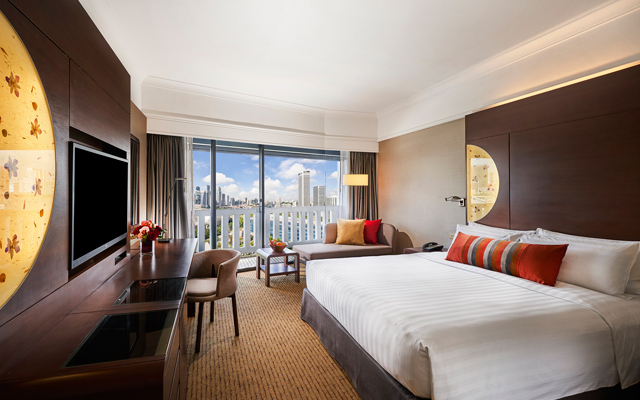
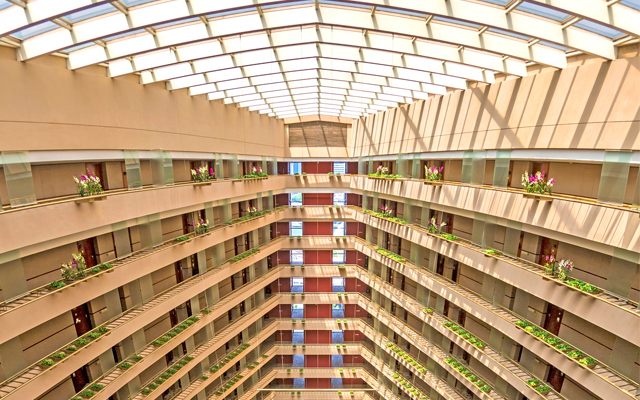
Bookings are now open for Parkroyal Collection Marina Bay, which will be rebranded from the current Marina Mandarin and managed by Pan Pacific Hotels Group (PPHG) from January 1, 2020.
As its celebratory launch promotion, the hotel is offering guests 10 per cent off prevailing room rates and two benefits of their choice, including a curated selection of complimentary daily buffet for two, cocktails at the hotel bar or lounge, as well as special amenities like wine and chocolate.
Parkroyal Collection Marina Bay
1 of 2
Guestroom
Atrium
Members of PPHG’s guest loyalty programme, Pan Pacific Discovery, enjoy an additional 10 per cent on the promotional room rate, plus a guaranteed room upgrade.
This opening offer is valid for bookings from November 1, 2019 to January 31, 2020 for stays from January 1 to March 31, 2020.
Quay Perth has appointed Tony Keane as the general manager of the hotel’s management company, Louis T Collection.
Keane steps into the role with an eye on developing the brand’s profile and leading the team at the group’s first Australian property, that was formerly known as The New Esplanade Hotel.
With over 10 years of experience in hotel management, Keane’s most recent role was hotel manager at Rendezvous Hotel Central Perth, where he has been managing the property’s daily operations since 2016.
Prior to that, the Brit has also worked at Fraser Suites Perth as operations manager, and held leadership positions at the Mantra brand of hotels, resorts and apartments in Perth and Adelaide.
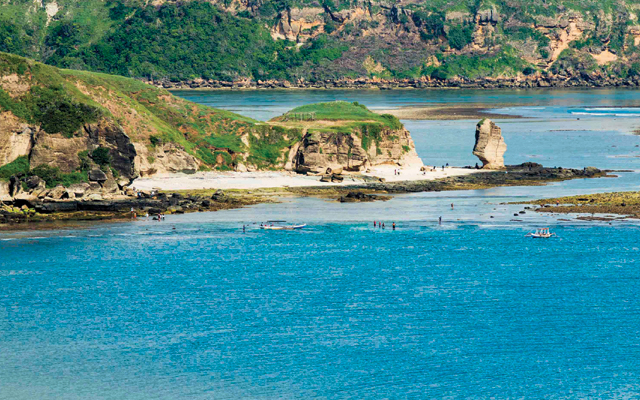
With Indonesia gearing up to host the MotoGP races from 2021 to 2023, the Mandalika district on the island of Lombok, which will play host to the prestigious street race, is caught up in a race of its own: to establish itself as a sports and entertainment destination.
Ever since Dorna Sports made the MotoGP announcement this February, Lombok has received visibly more attention, not only from Indonesian president Joko Widodo and the relevant government officials, but also investors who are eyeing the sites in Lombok, particularly within the Mandalika special economic zone area.
Bukit Merese Hill in Lombok, which is undergoing a major facelift (Photo courtesy of Ministry of Tourism, Indonesia)
News of the motor racing event has been met with “euphoria among the stakeholders of Lombok”, said Awan Aswinabawa, chairman of A&T Holidays in Lombok.
“People are very enthusiastic in developing villas, as well as restaurants and cafes, especially in the areas surrounding Mandalika,” he said. “I believe MotoGP was also one of the reasons AirAsia (Indonesia) decided to make Lombok a hub.”
Seeing the “excitement” that MotoGP has brought to Indonesia, Ricky Baheramsjah, head of investment and marketing at the state-owned Indonesia Tourism Development Corporation (ITDC), the country’s integrated tourism developer and operator, said there are plans to bring more sports events to the destination.
“For us to have a sustainable business plan, we should do more races than just MotoGP,” he stated.
“In fact, we have signed the contract to host World Superbike in 2021 too. The World Superbike is the second biggest motorbike race in the world and we do not want to stop there. We plan to host more races, with the MotoGP as the ‘pearl’ of the calendar.”
With that goal in mind, ITDC is investing in the building of permanent and temporary infrastructure. A 4.2km street circuit complex will be developed from the ground up, housing a paddock area with 40 garages, 50,000 grandstand seats, a standing area for 138,000 spectators, and hospitality suites that can accommodate up to 7,700 people.
Ricky said: “We will have the first street circuit in the world that can accommodate motorbike racing. It is almost like the Albert Park in Melbourne, which is an F1 street circuit.
“This is not a conversion of an existing street, like in Singapore and Monaco, but a street specifically designed to host motorbike racing because the requirements to have a motorbike race is more stringent than, say, Formula 1,” he added.
For example, the race tracks in Mandalika will be designed with more run-off areas, or crash barriers, than car racing as a safety feature when racers unintentionally depart off the prescribed course.
Based on the latest data, there are 10 hotels which will be built by 2023, with a total of 2,485 room keys.
Currently, the 102-key Novotel Lombok Resort & Villas is operating in the area, while the 256-key Pullman Resort is set to open next year.
ITDC plans to run two races in 2021, and increase to four by 2022, and subsequently, eight, Ricky said.
The aim is to have back-to-back races on weekends that stretch into the following week to encourage longer stays, he added.
ITDC management feels that they can leverage the race infrastructure, when completed, to host more than just motorbike races.
“We are also developing a 27-hole championship golf course, and we also have the facilities and event planners to host a PGA golf tournament. We can also host marathons, triathlons like Ironman, and even yacht races between Australia and Lombok because we will also have a marina,” he said.
In the next stage, the Mandalika integrated resort complex will also feature a wellness centre, theme park and convention facilities.
With all these developments in the island’s pipeline, Mandalika looks set to become more than just a beach paradise as it seeks to grow itself into an entertainment and sports destination, said Ricky.
Trade and hotel operators are upbeat about Lombok’s future, given all the buzz surrounding the MotoGP.
Sudarsana, general manager of corporate business development and marketing communications at Santika Indonesia Hotels & Resorts, said: “We are observing three possible locations around Tanjung Aan in Mandalika to build a five-star property, probably an Anvaya.”
The Indonesian hotel group is also expanding its other brands to other parts of Lombok.
It recently launched The Kayana Beach Lombok boutique villa and is currently building Santika Premiere on the other side of the island, about a 90-minute drive from Mandalika.
Ericht Alessandro, general manager of The Kayana Bali and Lombok, sees The Kayana Beach Lombok as a complement to Mandalika’s development.
“Lombok has (limited) accommodation options. The Kayana Beach Lombok serves as an upmarket accommodation option in a different location with a different product offering from those being built in Mandalika,” he said.
Meanwhile, Awan is upbeat that the MotoGP will attract travellers not only for the races but also to explore Lombok and nearby Bali or surrounding islands.
What tourism stakeholders in Lombok ought to do, urged Awan, is to step up destination promotion efforts to encourage longer stays.
“On the other hand, we also need to prepare and get ready (the infrastructure) to manage the influx of (over 100,000) spectators expected to come to the island during race days,” he said.
Ayana Hotels has appointed Stefan Fuchs as general manager of Ayana Resort and Spa Bali.
In his new role, Fuchs will be managing a trio of Ayana properties. Besides Ayana Resort and Spa Bali, Fuchs will also be helming Rimba Jimbaran Bali by Ayana, and The Villas at Ayana Resort, Bali.
Born and educated in Germany, Fuchs started his career in the F&B industry, where he was in charge of diverse catering projects all over Europe, including the Expo 1998 in Lisbon, official government functions of the Federal Republic of Germany and Formula 1 Grand Prix events.
Prior to his current role, Fuchs has also headed the operations for the Islamic Conference and Asian Games in Doha; and was part of the opening team of the Ritz-Carlton Hotels in Russia, Japan, China and Bahrain. Previously, he was with the Jumeirah Group.