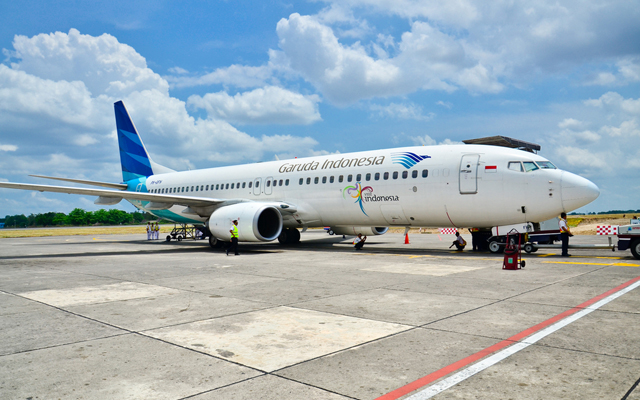
The Indonesian government will be dismissing Garuda Indonesia’s CEO I Gusti Ngurah Askhara Danadiputra (Ari Askhara) for allegedly evading tax on a Harley Davidson motorcycle and two Brompton foldable bicycles.
The Harley Davidson parts, worth 800 million rupiah (US$57,000), were reportedly carried onboard a brand-new Airbus A330-900 on its delivery from Toulouse, France on November 16, with custom officers finding them on its arrival at Soekarno-Hatta, Jakarta, reported Reuters. A number of Garuda executives including Ari was onboard the flight.
Indonesian government to fire Garuda CEO for smuggling of motorbike on plane
In a press conference in Jakarta yesterday, minister of state enterprises Erick Tohir said the motorcycle was allegedly found to belong to Ari Askhara, who made use of the state-owned company for his personal means.
“I will fire Garuda President and CEO. However, as (the airline) is a public company, there are a number of procedures to follow. We will also (investigate) others who are involved in this case,” he said.
The airline did not respond to requests for comment.
At a time when retaining loyalty among guests is becoming a harder task than before, hotel chains and companies are clamouring to roll out more unique hospitality brands in order to grow and solidify their customer bases, of which millennials are now a significant portion.
“Consumers are now far more confident individuals. The most important brand is who they are as a person, and they go out in search for products that fit this personal brand. Hotels now need to create this whole range of lifestyle (products) to fit this fragmentation of individual brands,” explained Jeannette Ho, vice-president Raffles brand and strategic relationships, AccorHotels.
Industry leaders discuss how hoteliers can build brand loyalty at the recent SHATEC Hospitality Conference 2019
Ho, who was speaking at the Singapore Hotel Association’s International Hotel & Tourism School Singapore (SHATEC) Hospitality Conference 2019 on Wednesday, added that “brand love brings tremendous value” and it is no longer enough for customers to just know the brand. Instead, it must “connect to consumers emotionally, so they would be willing to pay a premium”.
To capture the hearts of today’s travellers, Raffles has invested in smart technology that runs text analytics on online reviews to identify what guests love about the brand. For instance, keywords like “garden”, “greenery” and “natural material” rank highest, hence such elements are now built into the design of Raffles properties, shared Ho.
On the other hand, Frasers Hospitality is placing a new focus on integrating its loyalty programme into the travel planning and booking journey. Its vice president and head of global branding and communication Jastina Balen revealed that the group is currently working on enhancing the functionalities of the Frasers app to encompass both long- and short-stay guests.
“Finding a happy medium between our long- and short-stay branding has been very, very difficult, but we have arrived at a sweet spot and are testing something now. I believe there is a place for loyalty programmes, especially with General Data Protection Regulation in place, as we can reach out to and engage our guests through a proper channel,” said Balen.
In the years ahead, countries in Asia-Pacific can expect to see more hospitality brands coming ashore. STR reported an average of 41 per cent branded hotels in the region, presenting a large opportunity for groups who may make their moves here through more mergers and acquisitions, opined Frank Trampert, managing director & chief commercial officer, EMEA & APAC, Sabre Hospitality Solutions.
Hotel groups will also continue to proliferate the market through brand partnerships and extensions beyond accommodation into home furnishings, dining, entertainment and high-end residences, stated Ho and Balen.
Expedia’s CEO Mark Okerstrom and CFO Alan Pickerill have resigned following a fight with the board over the travel company’s strategy, according to a CNBC report.
Their resignations will take effect immediately, the company said on Wednesday.
Expedia’s CEO Mark Okerstrom and CFO Alan Pickerill have stepped down after strategy dispute with the board
Expedia’s chairman Barry Diller will run the company while chief strategy officer Eric Hart will serve as acting CFO, as the company searches for replacements, said the report.
Diller was quoted as saying that the leadership changes stemmed from clashes over strategy between senior management and the board, in the midst of a broad reorganisation within the company to streamline its portfolio of brands.
“This reorganisation, while sound in concept, resulted in a material loss of focus on our current operations, leading to disappointing third quarter results and a lackluster near-term outlook,” Diller said in a statement.
“The board disagreed with that outlook, as well as the departing leadership’s vision for growth, strongly believing the company can accelerate growth in 2020. That divergence necessitated a change in management.”
Shares of Expedia climbed 6.2 per cent on Wednesday following the announcement, according to the report.
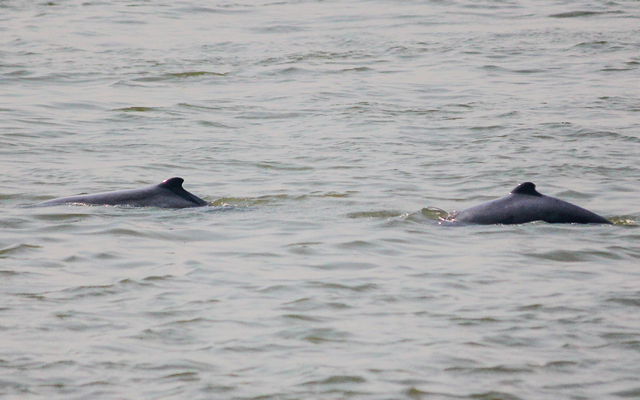
Myanmar-based social enterprise Living Irrawaddy Dolphin Project is aiming to rekindle age-old relationships between fishermen and dolphins while adding to Mandalay’s attractions.
Since launching at the end of 2017, Living Irrawaddy has developed a series of one- to three-day itineraries that immerse guests into Myanmar’s rich culture and deliver authentic experiences unique to Mandalay.
Living Irrawaddy Dolphin Project tours
1 of 7
Paul Eshoo
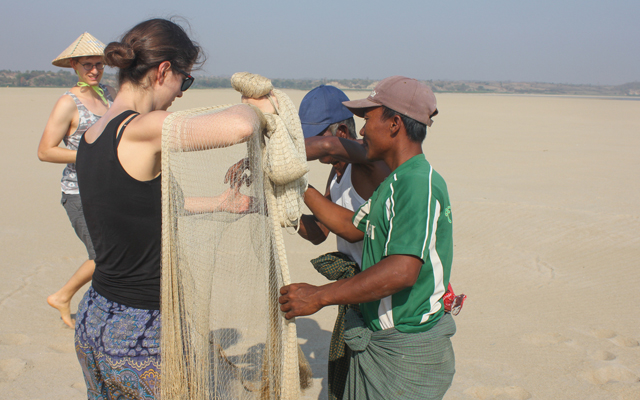
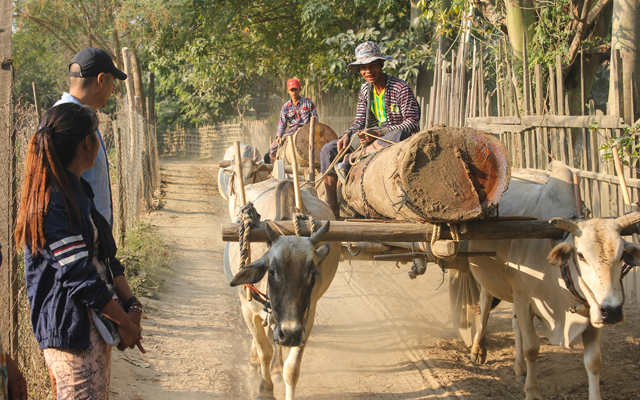
The tours take guests to cruise along the Irrawaddy River, stopping at small fishing communities living along the banks to learn about local life and the dwindling age-old practice of cooperative fishing.
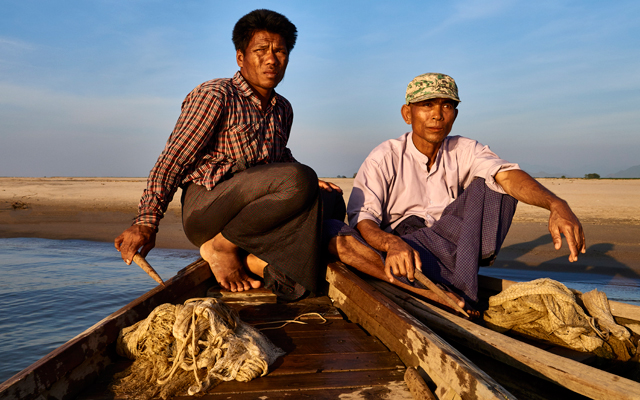
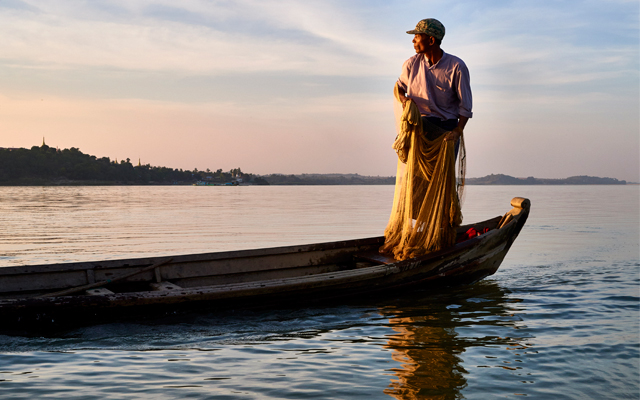
This unique fishing technique, which is practised in only three places around the world, sees fishermen work with the endangered Irrawaddy dolphins that populate the area to fish in the waters.
Like the Irrawaddy dolphin, that fishing method is at threat as fish stocks deplete due to illegal fishing and environmental issues, as well as the introduction of more modern fishing techniques.
The itinerary also includes a trip to see the Irrawaddy dolphins. According to the latest count by WWF in January, the population of Irrawaddy dolphins that inhabit the Mekong River stands at 76, making them critically endangered.
Living Irrawaddy’s project advisor Paul Eshoo, who previously worked with Wildlife Conservation Society (WCS) to help set up ecotourism initiatives to protect the Irrawaddy dolphins in the area, was approached by Living Irrawaddy Travel to devise dolphin tours.
“It was a good opportunity to build on the work I’d done with WCS, but (on the premise of) creating more of a social business and doing more to promote the area and making it more tourist-friendly,” he said.
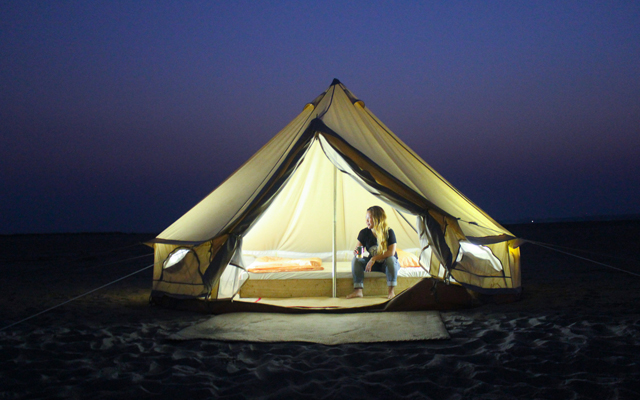
Eshoo set about curating a product that gives visitors a taste of the traditions unique to this part of Myanmar. Working with local fishing communities, the team devised itineraries that see visitors cruise along the Irrawaddy, stopping at villages along the way and glamping on picturesque islets that stud the river.
Profits are ploughed back into dolphin conservation, with its 80 partner villagers benefiting from providing services, such as meals, boat trips and other excursions.
Since launching its first tour in September 2018, Living Irrawaddy has upgraded its offerings. Its fleet has doubled to two boats and new luxury tents equipped with mattresses were added for this season.
Meanwhile, Eshoo is confident that creating more unique tourism products which showcase Myanmar’s rich culture and natural beauty will help re-attract the attention of tumbling markets.
He said: “We want to add to Mandalay’s tourism products and give visitors something else to do. Even if tourist numbers are dwindling, it’s important to continue giving people reasons to come to Myanmar and doing something positive for communities.”
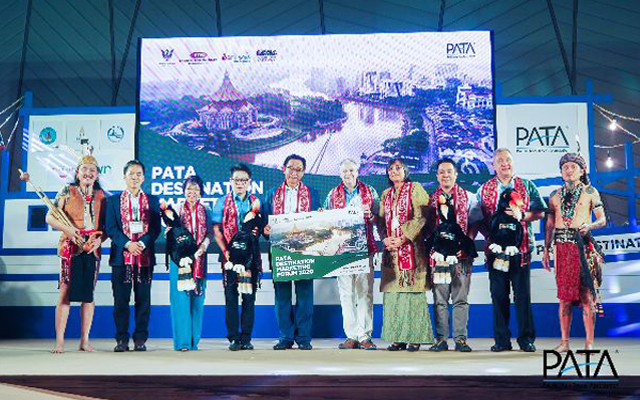
The PATA Destination Marketing Forum (PDMF) 2020 will take place in Kuching, Sarawak from November 25-27, marking the second PATA event heading to Eastern Malaysia next year after it was earlier revealed that PATA Adventure Travel Conference and Mart 2020 will be held in Kota Kinabalu, Sabah.
PDMF 2020 will be hosted by the Ministry of Tourism, Arts & Culture Sarawak, the Sarawak Tourism Board, and the Sarawak Convention Bureau.
PATA Destination Marketing Forum 2020 set to take place in Kuching, Sarawak
The announcement for next year’s PDMF was made by the Sarawak minister of tourism, arts & culture and minister of youth & sports Abdul Karim Rahman Hamzah at the conclusion of the PDMF 2019, which took place last week in Pattaya.
During PDMF 2019, Hamzah stated: “PDMF 2020 would augur well towards Visit Sarawak Campaign as well as the Visit Malaysia Year 2020 by highlighting Sarawak and Malaysia on the global tourism map.”
The PDMF gathers the top minds in destination travel to discuss some of the major issues in marketing and managing tourism growth in lesser-known destinations. The annual, two-day event will feature learning, discovery and networking. Apart from a one-day conference, the one-day technical tour will offer an immersive experience of the host destination.
PATA’s CEO Mario Hardy added that the selection of host destination for PDMF aligns with the association’s advocacy theme of “tourism dispersal to secondary and tertiary destinations”.
In advocating sustainable tourism and emerging destinations, PATA is offering complimentary registration to all interested parties.
AUSTRALIA Hayman Island in the Whitsundays reopened with great flair this year after Cyclone Debbie ravaged the holiday destination in 2017. The island’s sole accommodation, InterContinental Hayman Island Resort, has undergone a luxurious multimillion-dollar makeover into a 166-room private resort accessible via catamaran, helicopter or seaplane. The island is known for the colour of the water at Hayman’s lagoon and Whitsunday Passage which sparkles in hues of gold, turquoise, emerald and sapphire.
BRUNEI Dubbed the “Venice of the East”, Kampong Ayer (which means water village in Malay) in Brunei’s capital figures prominently in the country’s history, heritage and culture. Launched in May, the Kampong Ayer Walking Trail aims to showcase daily life in the world’s largest floating village that is home to about 30,000 inhabitants. The walking tour, which can be done sans guide, gives visitors access to abodes of residents in five villages who have opened their homes up for this trail.
CAMBODIA In a bid to showcase Cambodia’s diversity and develop fresh destinations, the remote north-eastern province of Ratanakiri is being preened as a strong contender. Way off the beaten track, it is home to Yeak Laom volcanic lake, gem mines, waterfalls and dense jungle perfect for trekking. Homestay and community-based tourism products are emerging and the Ministry of Tourism has earmarked it for development as an ecotourism zone.
HONG KONG Making waves in Hong Kong’s culture scene is game-changer Victoria Dockside, a US$2.6 billion art and design district along the Tsim Sha Tsui waterfront. This mixed-use development is home to Grade A office space K11 Atelier; Rosewood Hong Kong; luxury residence K11 Artus; and the art-meets-retail K11 Musea, a 10-storey complex spanning 111,000m2. Billed as “Hong Kong’s new Silicon Valley of Culture”, this art, design and business destination features works by 40 contemporary artists, 4,600m2 of green walls, and a dramatic spherical event space, among others.
INDIA Situated in the Narmada district of Gujarat, the 182m-tall Statue of Unity has made headlines for being the world’s tallest statue, dwarfing China’s 128m-high Spring Temple Buddha and the 93m-tall Statue of Liberty. Built as a tribute to Indian freedom fighter Sardar Vallabhbhai Patel, the four-years-in-the-making Statue of Unity is India’s newest tourist landmark. Two high-speed lifts zip visitors to the attraction’s viewing gallery, which offers panoramic vistas of the Sardar Sarovar Dam and its surrounds.
INDONESIA Indonesia’s government is focusing on the development of five super priority destinations in the country, with basic infrastructure and utilities expected to finalise in 2020. New destinations to watch are the areas around Lake Toba (North Sumatra), Borobudur (Yogyakarta and Central Java), Mandalika (Lombok), Labuan Bajo (East Nusa Tenggara), and Likupang (North Sulawesi). Major developments include airports, toll roads, piers and harbours. Construction of new hotels and other attractions by the private sector are expected to follow suit.
LAOS The addition of eco-adventure activities on Phou Phamarn hill is set to whet visitors’ appetite for the central province of Khammouane. Eco-tourism specialist Green Discovery Laos has pushed out tour packages offering activities like ziplining, treetop canopy walks and guide-led wildlife hikes that will appeal to adrenaline junkies and nature lovers. The area is also home to a bounty of natural beauty, including caves, tropical forests and majestic waterfalls.
MALAYSIA Desaru Coast, Malaysia’s first premium integrated destination resort in Johor, spans over 1.6ha along a 17km beachfront facing the South China Sea. Developed by Desaru Development Holdings One, the new attraction is home to a slew of hotels, a conference centre, a waterpark, a retail village, and two championship golf courses. The destination is easily accessible from Singapore in the south, and by air and road from Kuala Lumpur and other major cities in Malaysia. Built to attract more midscale and high-yield regional tourists, Desaru Coast will also be hosting events and festivals to boost visitorship.
MALDIVES Crossroads Maldives, the country’s first multi-island integrated leisure and entertainment resort, is billed as a game-changer in the Maldives tourism landscape. Located just a 15-minute speedboat ride away from Malé International Airport, the mega development comprises The Marina, an 11,000m² retail and entertainment space; Hard Rock Hotel Maldives; and a transit hotel, SAii Lagoon Maldives, Curio Collection by Hilton; among other assets. Crossroads, in which the first phase was launched in September, also boasts a variety of lifestyle attractions including luxury shopping, fine dining, a state-of-the-art event hall, a PADI-certified watersports and dive centre, integrating leisure and entertainment in one destination.
MYANMAR Kayin State’s laidback capital, Hpa-An, is hugged by dramatic limestone karsts, towering Mount Zwegabin, winding waterways and farmland sprinkled with rural communities, positioning it as a top community-based tourism spot in the country. The development of locally-driven initiatives, such as kayaking through flooded paddies, making rice wine with villagers and cruising in traditional wooden boats, have helped opened the area up, alongside a trickle of international-standard accommodation.
PHILIPPINES Emerging destination Iloilo in the Visayas boasts an international airport considered one of Asia’s best, linked by a 10-lane, 15km highway to the city – an exemplar of its well-connected infrastructure that pegs it as prime investment destination. A sustainable urban development plan also helps clean up the city, preserves heritage sites, and builds roads and other infrastructure. The city is also being pushed as a premiere MICE destination, thanks to its easy accessibility and connectivity, good infrastructure and facilities, and diverse tourism sectors running the gamut from cultural tourism to culinary offerings.
SINGAPORE Jewel Changi Airport is once again the talk of the town with the newly opened Changi Experience Studio and Canopy Park. The Changi Experience Studio spanning 3,000m² features a singing garden, a runway race, a quest to collect airport trolleys, and a battle of smiles, among others. Elsewhere, the Canopy Park is a 14,000m² space featuring seven play attractions and creative gardens. Guests can navigate through the Mirror Maze and Hedge Maze, bounce on Manulife Sky Nets, explore the sculptural playscape of Discovery Slides, and relish the view atop the glass-floored Canopy Bridge, 23m above the ground. There are also eight F&B outlets at Canopy Park.
SRI LANKA Unlike other cities in Sri Lanka, Jaffna, which was the hub of a Tamil insurgency against the state, is just awakening to new hotels and resorts and welcoming local and foreign tourists alike to its myriad attractions. Lying 400km north of Colombo and accessible by road, rail or air, the city, which is mostly populated by the minority Tamils and is the Tamils’ cultural capital, is home to a Portuguese-built fort, a multitude of ancient Hindu temples, a grand public library that was rebuilt after being destroyed during the war, and several other attractions.
THAILAND The arrival of a modern metro system some 20 years back turned much investor and visitor attention towards Bangkok’s bustling downtown, but the city’s Chao Phraya River is ready to wrestle the attention back. The River of Kings has undergone a renaissance in recent years, as a new crop of developments – from luxury hotels like Four Seasons and Capella to the landmark IconSiam – has injected a new sense of vibrancy and altered the city’s skyline along the historic lifeblood. Riverside enclaves are also springing up, with many colonial buildings and historic warehouses getting a new lease of life as art galleries, restaurants and events hubs.
VIETNAM Ho Tram is quickly emerging as Vietnam’s latest beach destination. Located about a 2.5-hour drive from Ho Chi Minh City, it is positioning itself as a convenient coastal getaway, with swathes of development underway as many local and international brands look to set up shop along Ho Tram Beach. Five-star Meliá Ho Tram Beach Resort is one of the newcomers. InterContinental Hotels Group is also planning to open two new hotels next year in the area, including the Holiday Inn Resort Ho Tram Beach.
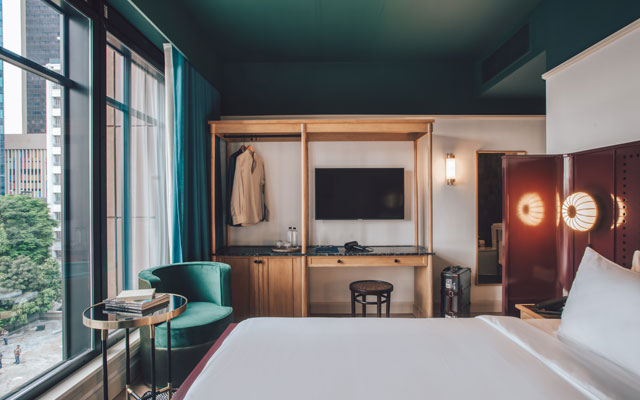
The Chow Kit, and MoMo’s KL, Malaysia
Ormond Hotels has opened two adjacent properties in the Chow Kit neighbourhood at the heart of Kuala Lumpur.
The Chow Kit – an Ormond Hotel
The Chow Kit – an Ormond Hotel boasts 113 rooms and suites, all of which come furnished with an open wardrobe and desk space, as well as a smart TV. Amenities include The Chow Kit Kitchen, an all-day diner serving both continental and Malaysian-inspired dishes; as well as a yoga pavilion – which will host a series of weekly yoga and meditation sessions – on the rooftop.
There are also function spaces on-site, which include The Library, a ground floor space that can host private dining parties or small meetings for up to 10 pax; while the mezzanine space can also be converted into additional meeting and event rooms. The hotel will also offer themed walking food and culture tours of the Chow Kit neighbourhood.
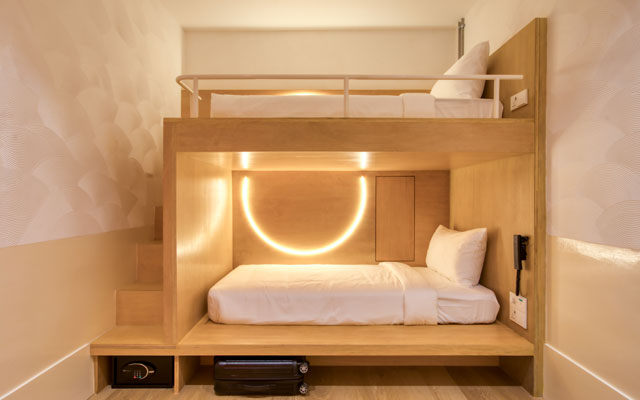
MoMo KL
At neighbouring MoMo KL’s, Ormond Group second social hotel brand, there are 99 micro-rooms within, each furnished with smart TVs and a safe, alongside MoMosita’s, a casual concept serving up Mexican dishes and snacks alongside draft beer and bottled cocktails.
MoMo’s KL has also replaced the traditional lobby with a social space that acts as the central hub of activity, The Playground. This will be the hotel’s main events space which will host a series of weekly events from performance art, workshops and exhibitions to DJ sets and live gigs.
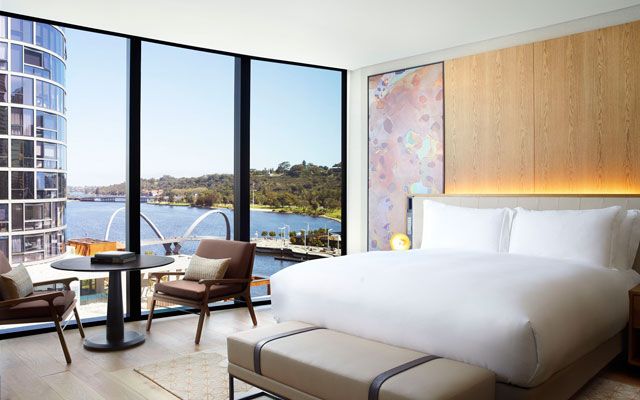
The Ritz-Carlton, Perth, Australia
Part of the landmark development at Elizabeth Quay, The Ritz-Carlton, Perth offers 205 guestrooms including 19 suites, each furnished with Frette bedlinens and bath amenities by British luxury brand Asprey. Guests staying in the 277m2 Ritz-Carlton Suites also have access to the club lounge, which features mixology demonstrations, five culinary presentations during the day.
Amenities on-site include a spa, fitness centre and yoga studio, and three F&B options. Event planners may avail the 2,000m2 of conference space, the largest of which is the 550m2 Elizabeth Quay Ballroom which can be further divided into three smaller rooms.
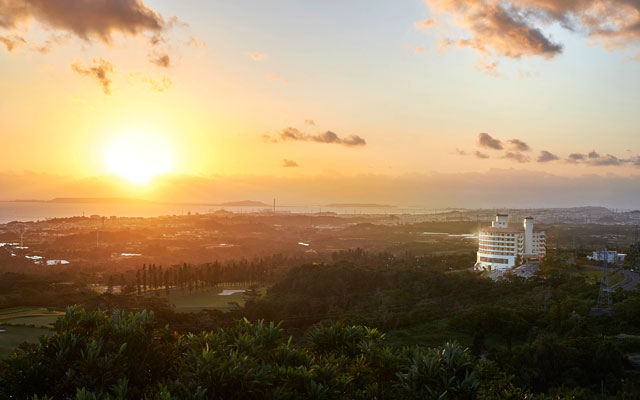
Ansa Okinawa Resort, Japan
Berjaya Hotels & Resorts has opened the Ansa Okinawa Resort in Uruma, the third largest city in the prefecture. Within the six-storey hill resort are 123 rooms and suites, alongside an array of facilities including two F&B outlets, swimming pool, sauna, gym, banquet hall and conference room. Nearby attractions include Ishikawa Kogen Observatory, Bios Hill, Cave Okinawa, and Cape Maeda.
Pullman Huizhou Kaisa, China
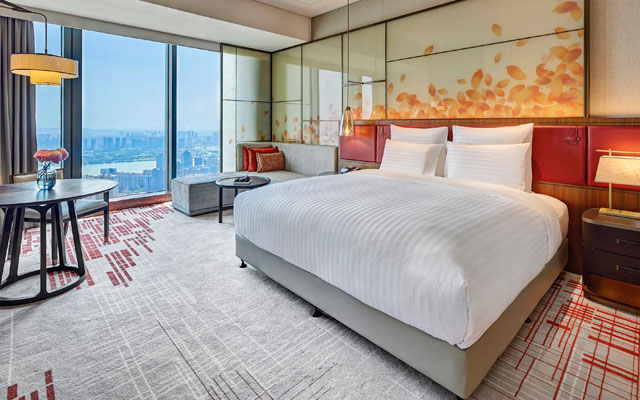
Pullman Huizhou Kaisa has opened within the city’s downtown district, part of Kaisa Huizhou Building, the tallest building in the city. The 307 guestrooms, including 13 suites and 14 family rooms, are all outfitted with the brand’s signature Pullman Bed. Guests will have access to recreational facilities such as 2,000m2 recreational space, an indoor swimming pool on the 46th floor, spa; as well as an all-day dining restaurant. Event planners may avail the 10 indoor meeting and function spaces, comprising a 800m2 pillarless Grand Ballroom with built-in LED screen.
Dean Schreiber, CEO of Oakwood and managing director, Oakwood Asia Pacific
The hospitality industry as we know it is now being disrupted. Like Charles Darwin’s discovery in the 1800s, the theory of evolution dictates the survival of the fittest. In our evolving industry, top players’ success is based on numbers – occupancy rates, guest satisfaction scores, employee retention and returns on owners’ investment. In order to stay ahead and relevant, we must adapt to our guests’ changing expectations and needs.
As travel becomes an essential part of life, be it for work or leisure, the definition of a good night’s stay has changed. Guests now expect emotional and sensory experiences beyond physical comfort. Service innovation and technological enhancements will determine the success factors because hardware alone is no longer sufficient to justify guest satisfaction and loyalty.
The new generation of travellers seek customisation and localisation. They are hungry for authentic, immersive experiences with a visually appealing identity, and hence partnerships with local experts differentiate the guest experience.
At one of our properties, Oakwood Premier OUE Singapore, an innovative staycation package with Singapore’s first micro-distillery, Brass Lion Distillery, offers guests interactive DIY gin cocktail experiences and a personalised gin bottle as souvenir. Inspired by the traditional Guéridon tableside service, evening cocktails and canapes can now also be delivered to each guest’s apartment. Club guests no longer have to make a trip to the lounge for cocktails and canapes. It is about pushing boundaries and shifting the paradigm for other traditional hospitality services.
Technology is increasingly integrated into everyone’s daily lives. As a natural extension, we will have to look at incorporating smart home technology into our residences of the future. Oakwood’s vision for the next generation of serviced apartments involves collaboration with key partners such as McLaren Technologies, Bang & Olufsen, Electrolux, La Bottega, Luzerne, Nespresso, Samsung and Serta.
With McLaren Technologies, for instance, we have the ICE Mobile app that is available for download on the Apple App Store or Google Play Store. This allows guests to check out information on the property they are staying at and its neighbourhood, or the city as a destination, helping them to plan their stay before they arrive. With Samsung and Lumas Galerie Singapore, the collaborative plan to “digitalise” art will enable our long-staying guests to take with them their favourite art pieces when relocating to their next work assignment.
Travel decisions are now dictated by lifestyle needs and personal preferences. All of us in the hospitality industry must evolve and adapt to maintain our market leadership.
The Mekong Tourism Coordinating Office (MTCO) has leveraged collaboration with industry stakeholders and the use of crowd branding to promote travel to the Greater Mekong Subregion (GMS).
The GMS comprises six countries that are linked by the Mekong River: Cambodia, Laos, Myanmar, Thailand, Vietnam, and parts of China (Yunnan Province and Guangxi Zhuang Autonomous Region).
The strategy of the MTCO, which was established as the secretariat of the GMS Tourism Working Group of the six member governments in 2005, over the past five years has been built entirely around contribution, collaboration, and stakeholder engagement. Financed through member country contributions, the MTCO had to create a different model in order to execute and implement the action plan set out in the 2015-2020 Experience Mekong Tourism Marketing Strategy.
By unleashing the passion of our stakeholders active in travel and tourism in the Mekong Region, from private sector players to the public sector as well as residents and travellers, and have everybody engage and contribute just a little bit, it will provide a multiplier effect on our resources to remain competitive against other tourism boards, which have more funds and manpower.
With this in mind, the MTCO launched a multi-phase strategy over five years, starting with engaging industry contributors and businesses, followed by activating advocacy of travellers using collaborative public-private partnerships.
Firstly, The Mekong Tourism Contributor Program allows any tourism professional, travel organisation, and content creator to contribute articles and stories, as well as documents, which are made available for free download on the e-library at MekongTourism.org. In return, contributors receive their own page on the official website, promoting their services to the industry. This very quickly transformed the MekongTourism.org website into a trusted hub of information about travel and tourism in South-east Asia.
The second phase of the strategy was to engage businesses and promote responsible travel by driving inclusive growth, social impact, gender equality, and poverty alleviation in a tangible and measurable manner. This was done by creating the Experience Mekong Collection (EMC), which after two years of operation now features almost 350 small responsible travel businesses and social enterprises in six categories (stay, taste, do, shop, tour, and cruise) in all six countries. The nomination process is open to everybody, and integrity is ensured by the Mekong Tourism Advisory Group which is made up of sustainable travel professionals. Every year, the EMC honours one business per country for its innovation as Experience Mekong Showcases.
In the third phase, the MTCO decided to spread the word of these responsible travel businesses via storytelling. Research has shown that the most effective way to tell stories is by motivating travellers to share their experiences on social media to inspire others.
To build a framework in which businesses would motivate travellers to share and tag experiences on social media with limited resources, a public-private sector collaboration framework, Destination Mekong, was created with UNWTO Affiliate Member Chameleon Strategies as a lead contributor. Their social commerce and marketing automation system, ENWOKE, is used to aggregate shared visual content from photos and videos and link users automatically back to the business of the experience being shared as well as to run micro social media contests to entice visitors with prizes.
These contests effectively drive content sharing from the business that increases the likelihood of exposure of the experiences leading to more sales. The more businesses there are running social media contests, the more content is shared on social media. And the more the Mekong Region and its destinations are promoted via visual content, the more potential future travellers are inspired to visit the region.
In essence, over the past five years, the MTCO has developed a collaborative marketing and capacity building ecosystem to drive sustainable tourism and inclusive growth in the region.
However, this strategy has also transformed the traditional destination management model to an inclusive crowd-marketing model, which leads to a sustainable brand fuelled by authentic experiences created and delivered by small responsible travel businesses and shared by real travellers to inspire the world to visit the region in a responsible manner as conscious travellers.
Nick Lim, Managing director Asia, The Travel Corporation
As the travel industry tries to cope with disruption from OTAs, it is important to reflect on what consumers really want. Travel companies should have a clear distinction between both the distribution and consumption strategies.
Digital platforms have become crucial in how consumers research and purchase travel products but the consumption of services for travel companies is when travellers arrive for their holiday.
It is critical that the line between these two realms are not blurred and clear plans have to be developed for the entire customer journey, starting from booking a trip to delivering authentic experiences.
Upfront Analytics, a global market research firm conducted a survey with Generation Z and millennials and while 60 per cent of Gen Z want to make the world a better place, only 39 per cent of millennials were similarly motivated. The study describes Gen Z youths as cultural conscious individuals who embrace inclusiveness and individuality.
As a company that has been helping young travellers discover the world since 1962, Contiki trips have always had a wide range of cultural experiences. With 350 trips across six continents, the team has seen how travellers’ expectations and behaviour have changed over the years.Ten years ago, many travellers were seeking fun-filled holidays where they could simply relax on the beach. Today, there is an expectation shift where Gen Z travellers now seek deeper experiences that allow them to have a first-hand perspective of the local culture in the places they visit.
We believe that cultural consciousness will drive next generation travel, as well as our own direction as a travel company. The commitment to sustainable travel and tourism isn’t new for Contiki – it’s all part of making travel matter, supported by our Contiki Cares initiative and working with the TreadRight Foundation to support key projects globally. The mission of Contiki Cares and TreadRight is to protect people, wildlife and the planet.
At Contiki, we asked ourselves: “How do we stay relevant?” With the core mission to stay authentic, we explored ways to engage with Gen Z and make them our collaborators instead of customers.
We have evaluated and overhauled our entire product offerings to introduce brand-new conscious travel experiences that have been handpicked especially for travellers aged 18-35 years.
Contiki has always worked with local suppliers as much as possible, and we are constantly reviewing our experiences on trips to make sure we’re providing incredible experiences that are also sustainable in the long term. Travel companies can choose to work with and learn from respected experts to ensure they do it right.
Our goal is to add conscious experiences to every trip by 2021 – it’s all about supporting our travellers to tread lightly, giving something back to the communities visited and gaining a fresh perspective.
Angeline Tang, Regional director – leisure travel & partnerships, Asia, Avis Budget Group
The world is moving into an era where personal mobility is connected, shared and ultimately, autonomous. With rapid technological advancements, we are looking at a future where connected cars will not only be connected to a user’s mobile app but also a fleet-wide platform and third-party services, revolutionising the entire rental experience.
Consumers are constantly looking for more on-demand services to get from one place to another, including bikes, scooters, vans, cars they drive, cars driven by others, and someday, even cars that drive themselves. The race to win the future of mobility is occurring at every level of the mobility industry. In order to enable the distributed on-demand fleets of tomorrow, it will require a truly global company that is deeply experienced in fleet management, has a scalable technology platform, and experience building products and services around consumers who embrace mobility as a service.
As a leading global provider of mobility solutions, with more than 70 years of experience in worldwide fleet management, Avis Budget Group is committed to innovation and reinventing the rental experience. We strive to deliver personalised, streamlined and an efficient rental experience for consumers through innovations such as the reinvented Avis App. Members of our free-to-join and award-winning loyalty programme, Avis Preferred, can also benefit from even more innovative features on the app, including the ability to bypass the rental desk altogether.
Paving the way to connectivity with the goal of a fully connected fleet, we have been investing in our own platform and initiatives that enable us to offer services such as Fleet Management as a Service (FMaaS) and Data as a Service. As an established mobility company, our access to technology and data has allowed us to acquire deep expertise in global fleet management. Avis Budget Group also joined forces with Amazon Web Services to become the first car rental company to host our platform on their Connected Car Cloud service.
In the new era of connected mobility, connectivity will not only improve the customer experience but also services and operational efficiencies for providers, with real-time feedback. At Avis Budget Group, connected cars have greatly improved our fleet management capabilities with the data collected. Critical data such as mileage, fuel level, vehicle condition and service needs shared automatically when the vehicle is returned has allowed us to provide more cars for our customers where they needed them.
It is crucial for car rental companies to evolve in order to meet the changing needs of customers. Avis Budget Group is completely engaged in this shift and has been taking numerous steps to ensure that our business meets the present and future needs of our customers and partners. We will continue to build on our core experiences, data intelligence and expand our global footprint in order to help drive the change in mobility and move the industry forward.
Location
The 22-storey hotel towers over its other diminutive Thonglor neighbours, and is a glittering beacon that warmly welcomes guests home in the evenings. It stands a few minutes’ walk from the BTS Skytrain Thonglor station, which is a huge plus for traffic-clogged Bangkok.
Thonglor is also one of Bangkok’s trendiest neighbourhoods, packed with chic bars, upmarket restaurants like Supanniga Eating Room, designer shops and snazzy community malls. It is also home to the Mae Varee Fruit Shop, which is a two-minute stroll from the hotel, where you can find arguably the best mango sticky rice in town.
Rooms
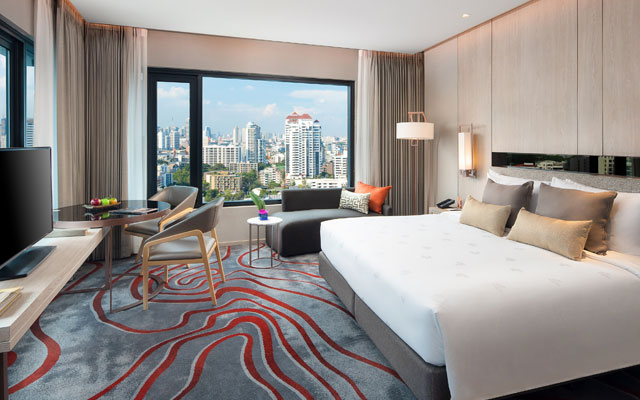
Our Superior room was bright, spacious and sported Muji-like aesthetics such as wooden accents and furnishings. There was also a circular work desk, and a sofa near the window that allowed in an abundance of natural light.
Having spent considerable time on the road this year, I found Hotel Nikko Bangkok’s beds firm yet soothing and comfortable. Each morning, I woke up feeling completely rested. It also helped that I could choose from a variety of options on the pillow menu, avoiding the generally soft ones.
As Hotel Nikko Bangkok is a Japanese brand, the loo – which is fitted with a Toto Washlet – is separated from the glass-walled shower and bathtub, meaning that I didn’t have to jostle for the toilet with my roomie. Toiletries here are from Panpuri, a homegrown Thai luxury lifestyle spa brand.
We did however, find it strange that we could hear the shower from the next room every night. I mentioned this to the front desk staff and she apologised for the inconvenience, saying she would have it checked.
The Oasis
F&B
There are four F&B options here: Hishou and Curve 55 on the ground floor, as well as The Oasis and Pool Bar, on the sixth. For breakfast, hotel guests can opt for an international buffet at The Oasis, or head to Hishou for a Japanese spread.
After having been on the road for a week for work, having a traditional Japanese breakfast at Hishou was a welcome change, as this cuisine is something that other hotels do not offer. Over the next two days, we slurped up warm bowls of udon, drank comforting cups of green tea, and chose from an extensive spread that comprised grilled saba and salmon chunks, fluffy tamago pieces, and cold salads.
Facilities
Hotel Nikko Bangkok also features over 1,800m2 of space in 10 function rooms spread throughout the building. The largest venue is the Fuji Grand Ballroom which can hold a maximum of 1,250 people in a standing-cocktail setting, and can be further divided into two 400m2 rooms.
On the sixth floor, there is a free-form swimming pool, gym and sauna.
Service
As the property was at full occupancy during my weekend of stay, I was surprised that Pleum May, our waitress at breakfast, remembered us when we returned to Hishou the next day. She even went the extra mile to make us a salmon ochazuke (a green tea soup with rice) when we casually mentioned our appreciation for the light Japanese breakfasts over another day of bacon and eggs.
The doormen too were all extremely helpful when it came to giving us directions, or helping us translate our destinations in Thai to taxi drivers.
Verdict
Aesthetically-pleasing confines, a separate toilet with a bidet, traditional Japanese breakfasts, and service that is a cut above the rest. The Thais’ trademark of hospitality and warmth, coupled with the Japanese spirit of omotenashi, elevates the entire experience. The price, for a five-star luxury property, is also a plus point.
Number of rooms 301 Rates From 3,888 baht (US$126) Contact details
Tel: 66 (2) 080 2111
Email: info@nikkobangkok.com
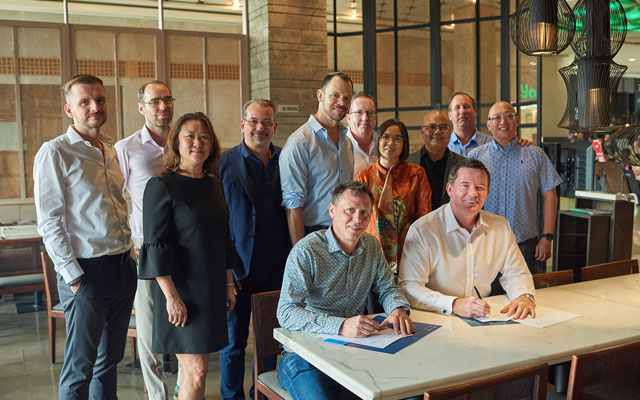
Indonesia-headquartered bedbank MG Group has named Archipelago International Indonesia the first hotel chain in its MG Select Partner Program, its latest initiative.
Under the new partnership, MG Group will conduct a series of exclusive campaign and promotions of hotel products of Archipelago International’s hotel chain for two years. Archipelago has been MG Group’s partner for nearly 20 years prior to this announcement.
MG Group signs deal with Archipelago International to strengthen partnership
William Newley, MG Group’s vice president, called the partnership “natural, strong, and sustainable”.
He added in a statement: “With the MG Select Partner Program, we are very pleased and privileged to further develop that relationship and drive value to all stakeholders across our mutual businesses. MG has made multimillion dollar investments in new platforms to help hotels and agencies grow and win in an increasingly complex and rapidly changing distribution landscape.”
Hotels under the MG Select Partner Program will receive a higher level of support, quick turnaround, and exclusive campaign on MG’s channels. It is currently a by-invitation only programme, but MG is looking at making it available to interested hotels on an application-review basis.




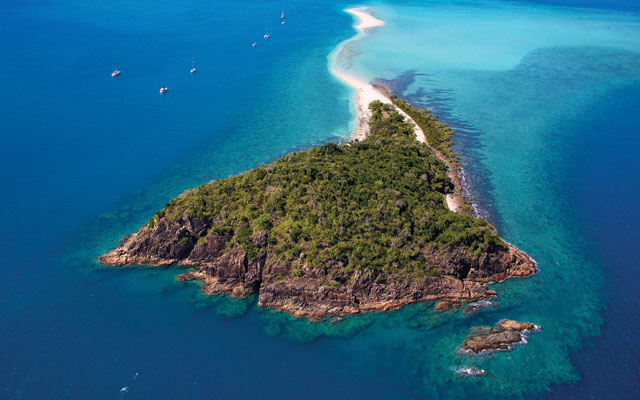
 Hayman Island in the Whitsundays reopened with great flair this year after Cyclone Debbie ravaged the holiday destination in 2017. The island’s sole accommodation, InterContinental Hayman Island Resort, has undergone a luxurious multimillion-dollar makeover into a 166-room private resort accessible via catamaran, helicopter or seaplane. The island is known for the colour of the water at Hayman’s lagoon and Whitsunday Passage which sparkles in hues of gold, turquoise, emerald and sapphire.
 Dubbed the “Venice of the East”, Kampong Ayer (which means water village in Malay) in Brunei’s capital figures prominently in the country’s history, heritage and culture. Launched in May, the Kampong Ayer Walking Trail aims to showcase daily life in the world’s largest floating village that is home to about 30,000 inhabitants. The walking tour, which can be done sans guide, gives visitors access to abodes of residents in five villages who have opened their homes up for this trail.
 In a bid to showcase Cambodia’s diversity and develop fresh destinations, the remote north-eastern province of Ratanakiri is being preened as a strong contender. Way off the beaten track, it is home to Yeak Laom volcanic lake, gem mines, waterfalls and dense jungle perfect for trekking. Homestay and community-based tourism products are emerging and the Ministry of Tourism has earmarked it for development as an ecotourism zone.
 Making waves in Hong Kong’s culture scene is game-changer Victoria Dockside, a US$2.6 billion art and design district along the Tsim Sha Tsui waterfront. This mixed-use development is home to Grade A office space K11 Atelier; Rosewood Hong Kong; luxury residence K11 Artus; and the art-meets-retail K11 Musea, a 10-storey complex spanning 111,000m2. Billed as “Hong Kong’s new Silicon Valley of Culture”, this art, design and business destination features works by 40 contemporary artists, 4,600m2 of green walls, and a dramatic spherical event space, among others.
 Situated in the Narmada district of Gujarat, the 182m-tall Statue of Unity has made headlines for being the world’s tallest statue, dwarfing China’s 128m-high Spring Temple Buddha and the 93m-tall Statue of Liberty. Built as a tribute to Indian freedom fighter Sardar Vallabhbhai Patel, the four-years-in-the-making Statue of Unity is India’s newest tourist landmark. Two high-speed lifts zip visitors to the attraction’s viewing gallery, which offers panoramic vistas of the Sardar Sarovar Dam and its surrounds.
 Indonesia’s government is focusing on the development of five super priority destinations in the country, with basic infrastructure and utilities expected to finalise in 2020. New destinations to watch are the areas around Lake Toba (North Sumatra), Borobudur (Yogyakarta and Central Java), Mandalika (Lombok), Labuan Bajo (East Nusa Tenggara), and Likupang (North Sulawesi). Major developments include airports, toll roads, piers and harbours. Construction of new hotels and other attractions by the private sector are expected to follow suit.
 The addition of eco-adventure activities on Phou Phamarn hill is set to whet visitors’ appetite for the central province of Khammouane. Eco-tourism specialist Green Discovery Laos has pushed out tour packages offering activities like ziplining, treetop canopy walks and guide-led wildlife hikes that will appeal to adrenaline junkies and nature lovers. The area is also home to a bounty of natural beauty, including caves, tropical forests and majestic waterfalls.
 Desaru Coast, Malaysia’s first premium integrated destination resort in Johor, spans over 1.6ha along a 17km beachfront facing the South China Sea. Developed by Desaru Development Holdings One, the new attraction is home to a slew of hotels, a conference centre, a waterpark, a retail village, and two championship golf courses. The destination is easily accessible from Singapore in the south, and by air and road from Kuala Lumpur and other major cities in Malaysia. Built to attract more midscale and high-yield regional tourists, Desaru Coast will also be hosting events and festivals to boost visitorship.
 Crossroads Maldives, the country’s first multi-island integrated leisure and entertainment resort, is billed as a game-changer in the Maldives tourism landscape. Located just a 15-minute speedboat ride away from Malé International Airport, the mega development comprises The Marina, an 11,000m² retail and entertainment space; Hard Rock Hotel Maldives; and a transit hotel, SAii Lagoon Maldives, Curio Collection by Hilton; among other assets. Crossroads, in which the first phase was launched in September, also boasts a variety of lifestyle attractions including luxury shopping, fine dining, a state-of-the-art event hall, a PADI-certified watersports and dive centre, integrating leisure and entertainment in one destination.
 Kayin State’s laidback capital, Hpa-An, is hugged by dramatic limestone karsts, towering Mount Zwegabin, winding waterways and farmland sprinkled with rural communities, positioning it as a top community-based tourism spot in the country. The development of locally-driven initiatives, such as kayaking through flooded paddies, making rice wine with villagers and cruising in traditional wooden boats, have helped opened the area up, alongside a trickle of international-standard accommodation.
 Emerging destination Iloilo in the Visayas boasts an international airport considered one of Asia’s best, linked by a 10-lane, 15km highway to the city – an exemplar of its well-connected infrastructure that pegs it as prime investment destination. A sustainable urban development plan also helps clean up the city, preserves heritage sites, and builds roads and other infrastructure. The city is also being pushed as a premiere MICE destination, thanks to its easy accessibility and connectivity, good infrastructure and facilities, and diverse tourism sectors running the gamut from cultural tourism to culinary offerings.
 Jewel Changi Airport is once again the talk of the town with the newly opened Changi Experience Studio and Canopy Park. The Changi Experience Studio spanning 3,000m² features a singing garden, a runway race, a quest to collect airport trolleys, and a battle of smiles, among others. Elsewhere, the Canopy Park is a 14,000m² space featuring seven play attractions and creative gardens. Guests can navigate through the Mirror Maze and Hedge Maze, bounce on Manulife Sky Nets, explore the sculptural playscape of Discovery Slides, and relish the view atop the glass-floored Canopy Bridge, 23m above the ground. There are also eight F&B outlets at Canopy Park.
 Unlike other cities in Sri Lanka, Jaffna, which was the hub of a Tamil insurgency against the state, is just awakening to new hotels and resorts and welcoming local and foreign tourists alike to its myriad attractions. Lying 400km north of Colombo and accessible by road, rail or air, the city, which is mostly populated by the minority Tamils and is the Tamils’ cultural capital, is home to a Portuguese-built fort, a multitude of ancient Hindu temples, a grand public library that was rebuilt after being destroyed during the war, and several other attractions.
 The arrival of a modern metro system some 20 years back turned much investor and visitor attention towards Bangkok’s bustling downtown, but the city’s Chao Phraya River is ready to wrestle the attention back. The River of Kings has undergone a renaissance in recent years, as a new crop of developments – from luxury hotels like Four Seasons and Capella to the landmark IconSiam – has injected a new sense of vibrancy and altered the city’s skyline along the historic lifeblood. Riverside enclaves are also springing up, with many colonial buildings and historic warehouses getting a new lease of life as art galleries, restaurants and events hubs.
 Ho Tram is quickly emerging as Vietnam’s latest beach destination. Located about a 2.5-hour drive from Ho Chi Minh City, it is positioning itself as a convenient coastal getaway, with swathes of development underway as many local and international brands look to set up shop along Ho Tram Beach. Five-star Meliá Ho Tram Beach Resort is one of the newcomers. InterContinental Hotels Group is also planning to open two new hotels next year in the area, including the Holiday Inn Resort Ho Tram Beach.