The Japan National Tourism Organisation (JNTO) has launched a new e-learning platform for travel agents which is designed to aid training and development across a growing product base.
The portal delivers a complete suite of online training and engagement tools using the latest principles in e-learning, ensuring learners gain and retain knowledge in an “enjoyable, engaging and more effective way”.
JNTO launches e-learning site for agents to learn more about Japan; Kiyomizu-dera Temple in Kyoto pictured
The e-platform uses varied modules to guide agents through all aspects of Japan, highlighting key information about each region and location.
Each course allows users to explore and learn about a variety of Japanese food, lifestyle, traditions, landscapes, sightseeing spots, and view the country’s futuristic cities.
There are a total of five courses, beginning with an introduction to Japan, with additional courses to be unlocked upon completion of the first course.
The training modules also highlight The Golden Route as it is the most popular route for the UK travellers visiting Tokyo, Hakone, and Kyoto.
The Covid-19 outbreak has led to a global economy crisis. Instead of wallowing in despair, travel and tourism businesses should adopt a different – and open – mindset to help find better ways to grow and be ready for the rebound when it happens. Here are five things you could do:
Focus on strategies
A business slowdown is rare in the hospitality industry, as it is kept busy year-round fulfilling the promise that the customer is king. The current business climate presents an opportunity for travel and tourism business leaders to recollect, re-structure and re-frame their strategies, so as to bring about a stronger recovery when the time is ripe.
Knowledge is power
Take advantage of the downtime to upskill your team in various subjects, such as crisis and disaster management, and to conduct stress management courses. This not only improves their employability, it is keeps them engaged and motivated.
Expand your line
When business is brisk, the focus in largely on perfecting the delivery of core products and service. Use this opportunity to sharpen your secondary products and service. To do this, you need to understand the unique traits and special offerings of your organisation, and build on them. Don’t forget to invest in product training so that your staff have the confidence in delivering a new line.
A new look at competition and partnerships
Unity and healthy competition is more important than ever, and this isn’t the time for undercutting practices. Businesses should identify ways to work together to leverage business opportunities. Consider joint ventures on new initiatives that can strengthen your position when travel confidence returns.
Build sustainable power
In your fight for survival, don’t forget your responsible tourism promise to make better places for people to live in and better places for people to visit. Consider hosting webinars to share your sustainable tourism projects and best practices with industry peers, or join such programmes to learn a new approach or two
Amid the unfolding pandemic that has forced the closure of hotels, bars, nightclubs and all entertainment venues in Pattaya and adjacent Chonburi province, a number of hoteliers and entertainment venue operators in Pattaya are putting their premises to good use during this closure period.
Usually occupied by the now absent Indian and Russian guests, Grand Bella Hotel has been proposed by Pattaya’s Committee for the Surveillance and Prevention of Covid-19 to serve as a temporary medical shelter for people being monitored for the virus’ symptoms.
Grand Bella Hotel Pattaya may be used as a temporary accommodation for suspected Covid-19 patients
If green-lit, the measure would physically separate those awaiting their Covid-19 test results or being monitored for signs of illness, from regular patients in hospitals across Pattaya City and the surrounding Chonburi province.
According to Morrakot Kuldilok, group director of Bella Villas Hotels, Grand Bella’s operator which runs seven properties in Pattaya, the hotel may also serve as a field hospital for Covid-19 patients.
Morrakot told Thai daily Kom Chad Luek: “Since we don’t have any guests at the moment, I think we should use the hotel for public benefit. We will be responsible for all incurred expenses, including utilities and food… We would like to make a small contribution to society and help contain the outbreak and reduce the number of infections.
“If we all work together to contain the outbreak, for example, by staying home and reporting useful information like in Wuhan, I believe the situation will improve or end within two to three months.”
Located in Central Pattaya, Grand Bella boasts three buildings and a total of 360 rooms. Some 140 rooms in one of the buildings may be converted into a field hospital, once their readiness has been verified by a medical team and approved by the Chonburi governor. Earlier this week, Bangkok Pattaya Hospital also announced its willingness to contribute the necessary medical supplies and other equipment.
Last month, Differ, one of Pattaya’s most popular nightclubs, served as a community kitchen providing free dinner boxes for up to 1,300 people every evening.
As of April 3, the total number of confirmed Covid-19 cases in Chonburi province, including Pattaya, stood at 61. – Additional reporting by Anne Somanas
Japan is set to declare a month-long state of emergency as soon as Tuesday that will cover Tokyo, Osaka and five other prefectures, in response to the rising tally of coronavirus infections in the country.
The declaration will also cover Kanagawa, Saitama, Chiba, Hyogo and Fukuoka prefectures, said prime minister Shinzo Abe on Monday.
Japan moves to declare state of emergency as the number of coronavirus cases in the country surge
Declaring a state of emergency won’t lead to a lockdown, but will empower prefectural governors to urge residents to abide by stronger social-distancing measures and to stay at home, except for essential tasks. Governors will also be authorised to ask schools, businesses and other public facilities to temporarily close. However, there will be no legal penalties for those who do not obey these requests by authorities.
Abe’s announcement comes amid mounting pressure for the government to pull the emergency trigger to curtail the rising tide of infections, especially in Tokyo, with the US government on Friday sounding alarm about the surge in virus cases in Japan. However, the government has been wary about doing so, as it would further dent economic activity in a country already on the brink of recession.
Furthermore, Abe said the government will prepare a 108 trillion yen (US$990 billion) stimulus package to soften the economic blow, which will include more than six trillion yen in cash payouts to households and small businesses, and 26 trillion yen to allow deferred social security and tax payments.
The number of new Covid-19 cases in Japan rose by 205 as of late Monday to total 4,041, excluding those who were aboard the Diamond Princess cruise ship docked in Yokohama through February, according to Kyodo News. The death toll rose by four to 108.
Mental well-being of staff neglected as companies struggle with survival
Stress of job insecurity, loss of colleagues and business performance can impact all ranks
Solutions include frequent conversations, training, fitness activities
An intense focus on business survival during this unusual crisis has caused a critical issue to be overlooked – and that is the mental state of travel and tourism workers and professionals as they endure fears of job security and stresses of a difficult business environment.
Andrew Chan, founder & CEO, ACI HR Solutions, told TTG Asia that not enough attention is being paid to managing staff’s mental state, and the risk of companies not doing so is the eventual price of compromised productivity.
However, Chan acknowledged that focusing on staff’s mental well-being was a tough thing to do as travel and tourism businesses are in “an unusual situation that is best described as the SARS crisis and GFC (the global financial crisis in 2007-2009) rolled into one”.
“Company leaders are being hit constantly with bad news on a daily basis, and it is a tough time to be a CEO, CFO and CHRO at the moment. Every company is scrambling and doing the best they can to avoid redundancies and minimise pay cuts while watching the bottom line. As you can imagine, staff’s mental well-being may not sit particularly high on an organisation’s agenda now,” Chan said.
But as companies work through the human resource aspect of their coping strategy, starting from clearing 2019 leave to enforcing unpaid leave and “making salary sacrifices”, Chan said staff would realise that a redundancy decision might be next on the cards.
He explained that the experience of this process is stressful for employees across the board.
“I worry particularly for the middle management. CEO, CFOs certainly have their stresses, but mid-management personnel who are managing a team is often the messenger. If they did not go through GFC before, they haven’t had the experience of retrenchment. When they suddenly get the directives from the main office to, say, chose 50 per cent of their team to let go, the pressure of that task is going to be immense,” Chan explained.
He added that mental care must be provided for displaced staff as well as those who got to keep their jobs.
“Those who aren’t retrenched are seeing colleagues they’ve worked with for years, and even, decades being let go. That is a heavy burden for them. It then affects productivity in the organisation because those who remain may have to do the work of two or three people in a stressful environment,” Chan said.
Prescription for the heart and mind
When asked what companies should do to help staff cope mentally, Chan said it could be a simple gesture of checking in on how they are feeling.
Chan also suggested sending staff for training so that they keep busy and maintain a positive mindset as work dwindles, and to provide transition support to displaced staff so they will not feel lost.
“Many displaced staff have not had to apply for a job in a very long time, and may not even have an updated CV. They may not even remember how a job interview is like. So, an organisation needs to look into providing that support for their displaced employees – to show them what needs to be done when applying for a job, how long the process will likely take, and help them set mini goals that they can work towards,” Chan said.
“Unfortunately, I see a lot of companies just say, ‘We are really sorry, here is your severance package, good luck’.
As the crisis deepens, Chan said organisations might need to “call in professionals to guide them” on providing mental care.
“In a few months’ time, we may see real tragedies. Recently, the German health minister committed suicide under great stress of having to deal with this health crisis. This is how intense the pressure is,” Chan warned.
Case in point: X-trekkers Adventure Consultant
When Khamisah Salamat, a product specialist with Singapore-based boutique active tour agency, X-trekkers Adventure Consultant, found out that her employer had chosen to send her for a series of courses during the crisis, a huge load was lifted off her shoulders.
Khamisah has been signed up for nine courses, covering occupational first aid, usage of Microsoft Excel and PowerPoint programmes, digital applications, service innovations and more.
“I started on my fifth course on Monday (April 6). These courses have been so fulfilling. But nothing beats knowing that my employer is investing in my personal growth during this challenging period, and that helps to lift my spirits and morale,” she remarked, adding that through the courses, she has been able to make new friends who are potential customers for when travel confidence returns.
Yeo Ching Khee, founder and director of X-trekkers Adventure Consultant, told TTG Asia that Khamisah will also be assured of continued employment as the courses are subsidised by the government under the condition that the staff remains on the payroll for the next six months.
“This crisis is likely to be a long one, and we have to find ways to think and act positively,” said Yeo.
Case in point: Accor
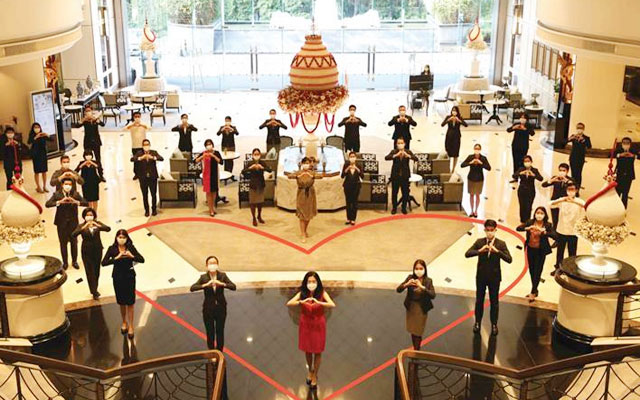
As the largest global hotel operator that employs over 150,000 employees across Asia-Pacific – half of the company’s worldwide operations at 300,000 – Accor takes a serious stance on staff welfare. Several mindful programmes and outlets that support mental, physical and emotional well-being are made available to its employees.
“At a time when our industry and our group is undergoing an unprecedented crisis, caring for our employees’ physical and mental well-being counts now more than ever before,” remarked Gaynor Reid, vice president communications & CSR, Asia Pacific, Accor.
Accor’s work in this area “is a step towards enabling our employees to deal with an increasingly stressful world”, Reid said, adding that emotional well-being still has a stigma attached to it.
In various parts of Asia-Pacific, such as Australia and India, Accor has established 24-hour helplines to help employees through dark, stressful moments.
In Australia, physical and mental wellness is cared for through a partnership with Lifeworks that has produced the new Lifeworks – Total Wellbeing App as well as various online resources, such as complimentary fitness programmes for self-isolation periods and Covid-19 webinars on Emotional Wellbeing and Talking to Your Children about Covid-19.
Accor Academy in Greater China runs a Keeping a Positive Mindset programme to instill hope in and boost the morale of its staff.
In India, the Accor Employee Wellbeing and Assistance Programme has been helping employees remain calm under pressure, be better prepared to deal with difficult situations and relationships, and support them to achieve resolution of personal/professional issues.
In Thailand, Accor’s Corporate Wellness Programme channels daily fitness challenges to team members and have them record their participation on video, which is then posted on a closed Heartists Facebook group. The programme has been particularly useful in keeping team spirit and the team moving during the ongoing lockdown.
These programmes join the company’s recent move to establish a €70 million (US$76 million) ALL Heartist Fund to assist its most vulnerable staff, partners and medical workers impacted by Covid-19.
Many hotels and accommodations in Bangkok have temporarily closed in light of the coronavirus-induced travel restrictions that are keeping tourists at bay. However, a select few in Thailand’s capital city have opted to stay open, with some pushing out special medical packages or shifting their business models to cater to guests not of their usual targeted clientele.
Centrally located in the Ploenchit area, which is home to many of the city’s embassies and diplomacies, the 364-key The Athenee Hotel, a Luxury Collection Hotel, Bangkok is still welcoming guests, especially those relocating from other hotels across other parts of the country that have temporarily suspended operations.
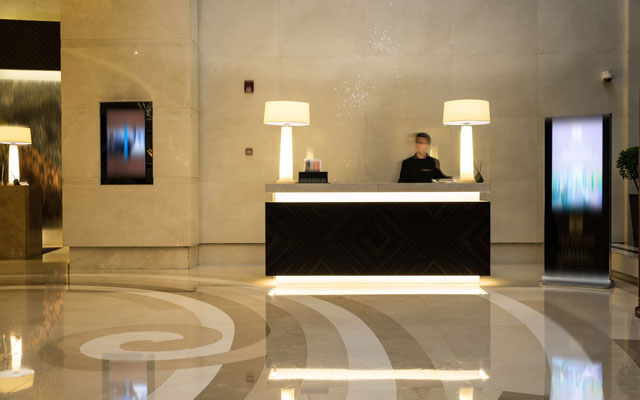
The Athenee Hotel, a Luxury Collection Hotel, Bangkok is welcoming guests relocating from elsewhere
Its restaurants are still serving in-house guests, while offering full delivery and takeaway services for outside guests.
Some other hotels that remain open in the city are focusing on long-stay packages or serviced residence offerings. Sindhorn Midtown in nearby Langsuan, which opened its doors this March, is still servicing both hotel guests and long-stay guests at its serviced residence tower, offering a special rate of 45,000 baht (US$1,370) per month for its studio unit.
Its restaurant Tr.EAT has started catering through local delivery apps such as Line Man and foodpanda, while its on-site premium 7-11 outlet offers delivery-to-room for all its meals and grab-and-go options.
Elsewhere, Mövenpick BDMS wellness resort Bangkok has partnered Bangkok Hospital to launch a 14-day long stay “health watch” package, from now through end-May, that includes accommodation in a 74m2 Wellness Suite, and three meals per day delivered to the suite.
The Urban Wellness Retreat package, which costs 50,000 baht for a single room occupancy, starts with a visit from the doctors at Bangkok Hospital to assess if the guest has symptoms of Covid-19. Throughout the stay, a nurse will daily conduct temperature checks of the guest and run him or her through a health questionnaire. At the end of the stay, a final test is conducted to certify that the guest is coronavirus-free.
“This 14-day health watch package is for returning travellers who have to quarantine, or for someone who knows of somebody else who has contracted Covid-19, or someone who is working in a sector where they are exposed to a lot of people. It could also be for expats who are here alone for work,” shared general manager Bruno Huber.
Huber clarified that the wellness package is not for sick people, but those who may have third- or fourth-degree contact with confirmed Covid-19 patients, and want to know their health status for “peace of mind”.
Last month, Thai social activist Sanon Wangsrangboon, co-founder of Once Again Hostel in the old town, and local tour operator Trawell, announced that the hostel would be converted to a kitchen providing food delivery services, while his other property Luk Hostel would be transformed to a safe shelter for those who need a place to stay and work efficiently during the virus epidemic.
Gavin Vongkusolkit, a board director of The Erawan Group, one of Thailand’s largest hotel investment companies, told TTG Asia that almost all of their hotels, including the JW Marriott, are now closed, but that their Hop Inn hotel chain, located throughout Thailand, would be the last to shut as they host many domestic business travellers and salespeople that need to travel out to different provinces.
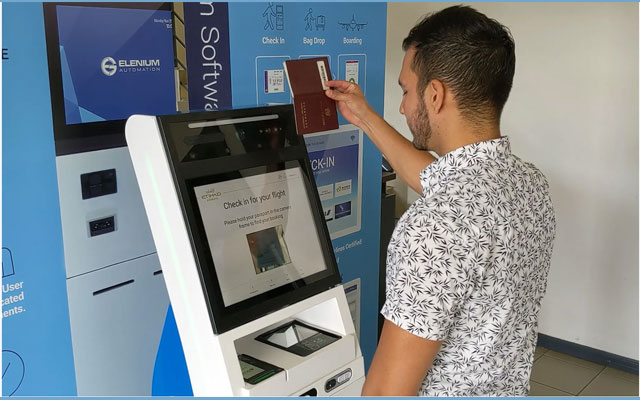
Etihad Airways will partner with Australian company Elenium Automation to trial new technology which allows self-service devices at airports to be used to help identify travellers with medical conditions, potentially including the early stages of Covid-19.
It will be the first airline to trial the technology, which can monitor the temperature, heart rate and respiratory rate of any person using an airport touchpoint such as a check-in or information kiosk, a bag drop facility, a security point or immigration gate.
The technology can monitor the temperature, heart rate and respiratory rate of any person using an airport touchpoint
The Elenium system will automatically suspend the self-service check-in or bag drop process if a passenger’s vital signs indicate potential symptoms of illness. It will then divert to a teleconference or alert qualified staff on site, who can make further assessments and manage travellers as appropriate.
In partnership with Amazon Web Services, Elenium has also developed ‘hands free’ technologies that enable touchless use of self-service devices through voice recognition, further minimising the potential of any viral or bacterial transmission.
Etihad will initially trial the monitoring technology at its hub airport in Abu Dhabi at the end of April and throughout May 2020, initially with a range of volunteers, and, as flights resume, outbound passengers.
Jorg Oppermann, vice president hub and midfield operations, Etihad Airways, emphasised that the technology is not diagnostic, rather it is an early warning indicator to help identify travellers who will require further professional assessment.
“We are testing this technology because we believe it will not only help in the current Covid-19 outbreak, but also into the future, with assessing a passenger’s suitability to travel and thus minimising disruptions. At Etihad we see this is another step towards ensuring that future viral outbreaks do not have the same devastating effect on the global aviation industry as is currently the case,” said Oppermann.
Aaron Hornlimann, CEO and co-Founder of Elenium Automation, said: “We believe this approach is a world first. Elenium has lodged patents for both the automatic detection of illness symptoms at an aviation self-service touchpoint, and touchless self-service technology at an airport. Combined, this would ensure health screenings can become standard across airports, without putting staff in harm with manual processes.
“The system would screen every individual, including multiple people on the same booking. The technology can also be retrofitted into any airport kiosk or bag drop or installed as a desktop system at a passenger processing point such as an immigration desk. We believe the introduction of touchless self-service and automated health screening will encourage passengers to return to travel sooner.”
From virtual museum tours to safari live streams, tourism boards and travel companies are getting creative to keep travel alive
Digital initiatives keep workers engaged and employed
A paradigm shift for the industry, as tourism businesses seek new ways to market their goods and services
One balmy April afternoon, against the backdrop of slightly overcast skies, a young male ranger drives an open safari jeep along a well-trodden, dusty trail at andBeyond Ngala Private Game Reserve. As he chaperones his guests deep into the African wilderness, he points out a pack of rare white lions here, a majestic-looking giraffe there, as his eager-beaver audience pepper him with questions.
Only that his audience is watching their host from behind a screen, while him, fielding queries in real-time via social media, in between regaling his guests with fascinating tidbits about wildlife. Midway, he marvels at the “unprecedented number of viewers” joining him on today’s virtual drive. “We have a whole new safari audience brought to us because of all the people stuck at home due to the coronavirus,” he muses.
andBeyond streams live safari scenes from South Africa to living rooms around the world
Enter the world of live streaming and virtual vacations, a craze which has spread as rapidly as the pandemic sweeping the globe.
The aforementioned game drive is birthed out of experiential luxury travel company andBeyond’s partnership with live wildlife broadcaster WildEarth to stream twice-daily game drives in real-time from andBeyond Ngala Private Game Reserve and Djuma Private Game Reserve in South Africa.
Hosted by expert field guides, the game drives will be streamed on the company’s website, as well as Facebook and YouTube channels, throughout April.
“Through these live streams, we hope to inspire, entertain, educate and bring the hope of travel back into the world’s lives, and inject some positivity in anticipation of when travel will rebound again,” said Nicole Robinson, CMO, andBeyond, who is leading the digital initiatives.
Since andBeyond launched the live safari feeds on April 1, its YouTube channel’s views have skyrocketed by 651 per cent, with 1,582 watch hours, according to Robinson.
As well, the organic reach of andBeyond’s Facebook page has seen a 130 per cent spike and 50 per cent increase in engagement, while their daily new followers have surged by 100 per cent, she added.
Virtual travel takes off
With social distancing forcing the temporary shutter of zoos, museums and tourist attractions, live streams and virtual tours allow these destinations to remain open virtually for business. At the same time, these creative endeavours are helping businesses to build their brands and customer base to ready for the rebound.
Thanks to these initiatives, virtual tourists worldwide are scaling mountains, exploring museums, and watching rockhopper penguins waddle around a Chicago aquarium – all from the comfort of their couch.
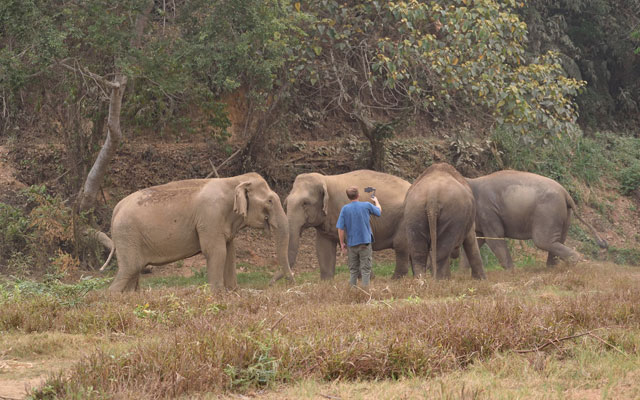
Amid its temporary closure, the Anantara Golden Triangle Elephant Camp and Resort in Thailand has started sharing twice-daily live streams of its elephant residents enjoying a bath in the Ruak River.
The on-site elephant camp is Anantara’s charitable arm, the Golden Triangle Asian Elephant Foundation (GTAEF), which was set up in 2006 to improve the plight of Thailand’s elephants. The streams are hosted by a team of veterinarians via GTAEF’s Facebook page.
Mark Thomson, senior director of public relations & communications, Minor Hotels, said: “Despite this unprecedented current challenge, we want to show that Thailand’s natural beauty, its unique culture, and the warmth of the Thai people are all still here and waiting for everyone to return when it’s safe to travel again.”
A crew member live streaming the elephant residents at Anantara Golden Triangle in northern Thailand
The live stream is one of several digital initiatives rolled out by the hotel group, under the hashtag #AnataraEscapism, to offer guests a dose of travel escapism amid the current Covid-19 gloom, with their properties worldwide sharing bite-sized video content across its social media channels.
Likewise, the German National Tourist Board (GNTB) is striving to keep interest in the destination alive by bringing together their ongoing marketing activities on all social media channels in a campaign dubbed #DiscoverGermanyFromHome.
The campaign will take consumers through a virtual experience of destinations in Germany across the 16 federal states.
“The most important aspect of virtual travel is to recreate authentic moments as much as possible. Running social media campaigns where the public can share images and experiences under one hashtag creates organic conversation around a destination,” said Annette Biener, director, marketing & sales South East Asia, GNTO.
The virtual tours are currently under development by the GNTB, and are slated for launch by mid-April, according to Biener.
She added: “While virtual tours may not recreate the full immersion experience one can get with physical travel, it provides an authentic representation of a destination. Experiential aspects can be more vividly showcased, and travellers can get a more customised preview of a destination, as compared to relying on just the recommendations and perspectives of third-party sources.”
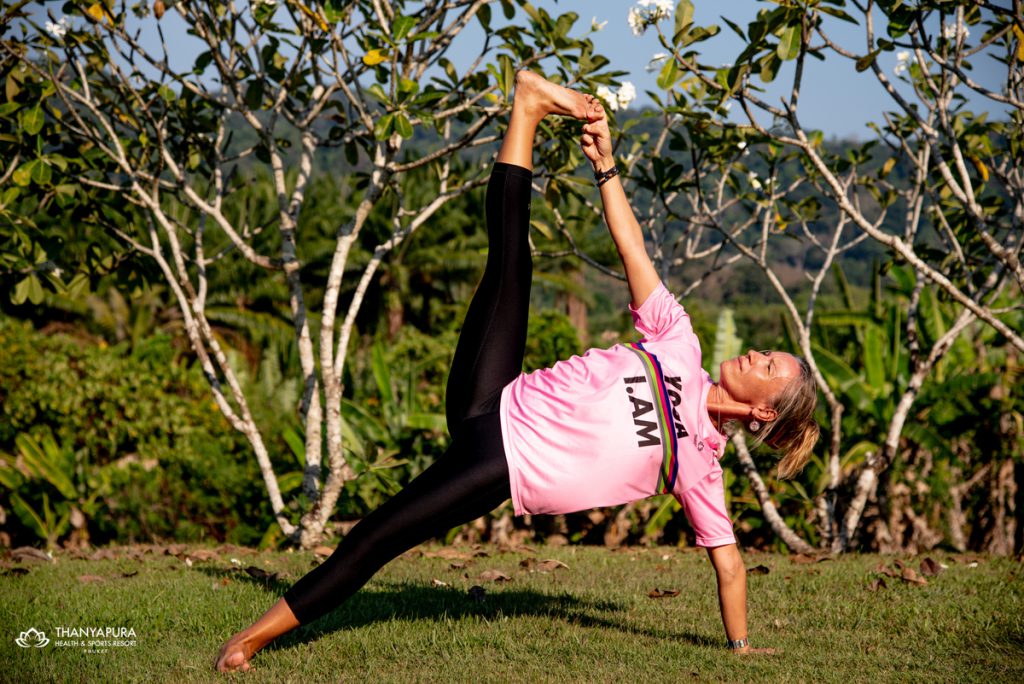
Thanyapura Health and Sports Resort in Phuket streams free fitness classes
Getting in on the virtual action too is Thanyapura Health and Sports Resort in Phuket which recently launched a series of free twice-daily online fitness classes via live stream on its Facebook page to help viewers stay active, healthy and connected during this period. Led by Thanyapura coaches, the classes include HIIT workouts, Muay Thai, and yoga sessions.
Spearheading the initiative is Giulia Bossi, chief digital strategy and communication officer at Thanyapura, who said that such online classes allow the resort to showcase its coaches, acquire new fans and remain connected to members and guests.
“From a commercial point of view, we are building awareness for our brand, coaches and capabilities. When travel rebounds, we hope to be top of mind for people looking for an active and healthy holiday destination,” she said.
Bossi shared that within a week, the live-streaming fitness classes reached over 10,000 people per video, with many more sharing their videos. While there are plans to roll out more group classes and on-demand private classes to cater to growing demand, there are no plans to monetise these online programmes.
“For now, we are treating this as a CSR project,” Bossi said.
Before one assumes that the virtual move is only possible for deep-pocketed travel and tourism organisations, smaller players demonstrate that they too can innovate for survival.
Food Playground, which conducts food and cultural programmes for tourists and corporate groups in its cooking studios in Singapore, is taking its classes online for a fee. Managing director Daniel Tan shared that his company is also embarking on paid assignments in recipe development and culinary video production with French dairy company Elle & Vire, as part of a sponsorship deal.
Singapore heritage tour operator Jane’s Tours is also taking the digital route, with virtual tours and short videos. Business owner Jane Iyer is now working to create a repository of suggested web links or print literature related to featured attractions.
Online is the new lifeline
Amid the backdrop of mounting layoffs and furloughs, such digital initiatives are helping to sustain jobs during this downturn.
Bossi opined that Covid-19 is forcing organisations around the world to rethink their business, service, financial and delivery models, and there has been a huge migration from offline to online in virtually every industry globally.
“Online is now the lifeline for many brick-and-mortar businesses. We are no exception. Our coaches continue to coach and our marketing department continues to support those efforts. Online (services) cannot replace our resort business, but it can certainly mitigate the impact of Covid-19 and keep our staff engaged and employed,” she said.
Proving to be a game-changer, live streams and virtual tours look set to stay, even after Covid-19.
Bossi noted that disruptive events, like Covid-19, paradoxically create new business and market opportunities. “These live streams have clearly demonstrated that there is a demand for online classes and their value as a service and as a marketing channel. Ironically, we were looking at developing online classes later this year, but Covid-19 accelerated that initiative and that’s the silver lining here,” she said.
Echoing that sentiment, Robinson added: “These are uncertain times – even more than usual. It is now more important than ever to remain close to our guests and trade partners to have an understanding of how travellers’ mindsets are shifting.
“Our hope is that our live streams will inspire our guests to plan for their future travels and that they come and experience these magical landscapes for themselves in person again when travel rebounds.” – Additional reporting by Pamela Chow and Therese Tan
Malaysia’s hotels and tour operators are lamenting the limited assistance offered by the government’s latest economic stimulus package, which has dedicated an additional RM10 billion (US$2.3 billion) to lift SMEs impacted by the country’s movement control order (MCO).
The latest stimulus package is the third of its kind introduced by the government, following a RM250 billion package announced on March 27, and a RM20 billion stimulus rolled out in February.
Malaysia’s month-long lockdown would amount to more than RM1 billion in loss of revenue for hotels
In a special broadcast on April 6, prime minister Muhyiddin Yassin said SMEs and micro-businesses contributed 40 per cent to the nation’s economy and made up two-thirds of the country’s workforce.
He said the government will increase the allocation for the wage subsidy programme to RM13.8 billion, from the previously announced RM5.9 billion – an addition of RM7.9 billion. Those who will stand to benefit from the scheme are companies with local workers earning RM4,000 and below.
Providing a breakdown, he said that for companies that employ more than 200 people, the number of workers who will be eligible for the subsidy is 200, an increase from 100 previously.
For companies that employ between 76-200 employees, the company will receive a wage subsidy of RM800 for each worker. For companies that employ between 1-76 employees, the company will receive a wage subsidy of RM1,200 for each worker.
The aid comes with a condition that employers must retain their staff for at least six months.
Muhyiddin also urged money-lending institutions to offer a six-month moratorium on loan repayments starting this month, in the same move as local banks. Since April 1, local banks have been offering a moratorium or postponement of repayment up to six months to individuals and SMEs.
Industry chiefs have responded with calls for more precise help for their sectors.
Yap Lip Seng, CEO of Malaysian Association of Hotels (MAH), said the blanket subsidy does not address the needs of industries hardest hit by the coronavirus pandemic and that a stimulus package specifically aimed at tourism stakeholders is needed.
Yap said: “Tourism has been hit twice, if not, thrice as hard (by Covid-19) as compared to any other industry. A generic economic stimulus package that helps all is obviously not enough to keep tourism afloat.”
Yap shared that Malaysia’s hotel industry had lost nearly RM76 million in cancellation of bookings to date. In addition, the month-long MCO would amount to more than RM1 billion in loss of revenue for hotels.
He said: “Our survey shows average occupancy levels dropping to 25 per cent and less in the coming months, and we do not expect it to improve for at least another six months.
“In general, hotels are not expecting to make any profits with (current) occupancy rates lower than 40 per cent, depending on its business model; and Malaysia’s hotel industry is not on track to even reach 30 per cent (in occupancy levels) for 2020 if the (Covid-19) situation persists.
“In the past two weeks, the industry has already received reports of hotels closing down permanently due to economic pressure, and more might be forced to do the same over the next few months.”
MAH had earlier submitted its proposals to finance minister Zafrul Aziz, among others, suggesting a wage subsidy of minimum RM1,000 per employee with a monthly wage of less than RM4,000, or 50-80 per cent subsidy of whatever the employee is earning – a scheme implemented in the UK and Canada. For employees with monthly wages of RM4,000 to RM8,000, MAH proposed a 30 per cent subsidy for up to six months.
MAH had met with both the finance minister and the minister of tourism, arts and culture on March 31 to discuss aid needed to revive the tourism and hospitality industry.
Malaysian Association of Tour and Travel Agents president, Tan Kok Liang, has also called for more assistance, including the suspension of mandatory contributions to the Employees Provident Fund for six months as well as deferment of taxes for 2019 and 2020 for individuals and companies.
Tan added that the government would need to do more to ensure leasing companies do their part. “Based on feedback, these leasing companies are reluctant to follow the moratorium as provided by financial institutions,” he said.
As the the tourism industry will take a longer period to recover, Tan hopes the government would “reassess the programme in six months or more”.
Capella Singapore has named Sherona Lau as executive assistant manager, sales and marketing.
She brings over 20 years of global industry experience to the luxury property on Sentosa island.
Prior to joining Capella, Lau served as vice president and partner at Shanghai Yu Ji Hospitality Consulting Company, where she advised luxury hospitality companies on their practices.
Hailing from Hong Kong, Lau began her career as a management trainee at the Yinhe Dynasty Intercontinental Hotel in China before joining The Peninsula Hotels for 13 years, holding various positions in sales and marketing at the regional office, The Peninsula Bangkok and in flagship hotel The Peninsula Hong Kong. She has also cut her teeth with other luxury brands such as The Ritz-Carlton and Mandarin Oriental Hotel Group.
Her international sales and marketing experience was gained through stints in North America, Europe and Asia, where she actively participated in the resort, luxury and business segments.