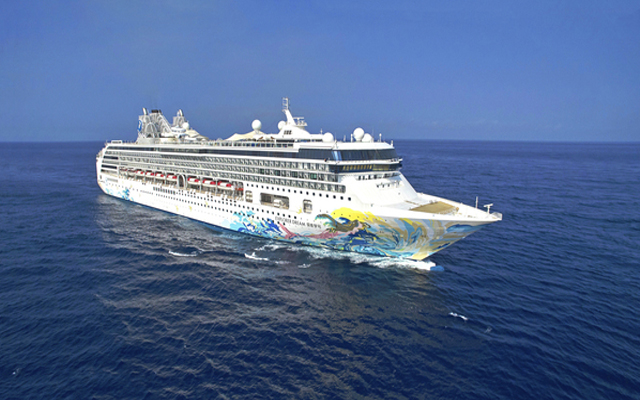
Dream Cruises has debuted Discover Taiwan cruises on board Explorer Dream, on the back of “overwhelming” response to its island-hopping itineraries over the past two months.
As the first cruise ship to resume operations after the pandemic shut down the global cruise industry, Explorer Dream kickstarted sailings in Taiwan on July 26 with island-hopping itineraries out of Keelung to Penghu, Matsu, Kinmen and Hualien. Since then, the cruise line has completed twenty two sailings, serving more than 25,000 guests.
Dream Cruises debuts Discover Taiwan itineraries on Explorer Dream
Kent Zhu, president of Genting Cruise Lines, the parent company of Dream Cruises, said that the liner has been operating in Taiwan “without any incident and has garnered high scores in terms of passenger satisfaction”.
Explorer Dream’s Discover Taiwan cruises include a five-night itinerary from Keelung to the four scenic destinations of Anping in Tainan, Penghu, Kaohsiung and Hualien.
For those who prefer shorter trips, three- and four-night cruises to Penghu, Kaohsiung and Hualien, as well as two-night getaways to Anping in Tainan are available, where the cruise terminal will be transformed into a traditional market featuring local delicacies and specialty souvenirs.
Other highlights of the Discover Taiwan itineraries include a one-night cruise around the Keelung Islet and Guishan Island in Yilan, known for its Milk Sea, a natural phenomenon caused by the combination of seawater and a saltwater hot spring; as well as a two-night sightseeing cruise to the turquoise waters surrounding Ishigaki Island.
A country’s local sentiment towards visitors, as well as its transparency in sanitation measures, will play a major role in influencing the destination’s speed of recovery when global travel resumes.
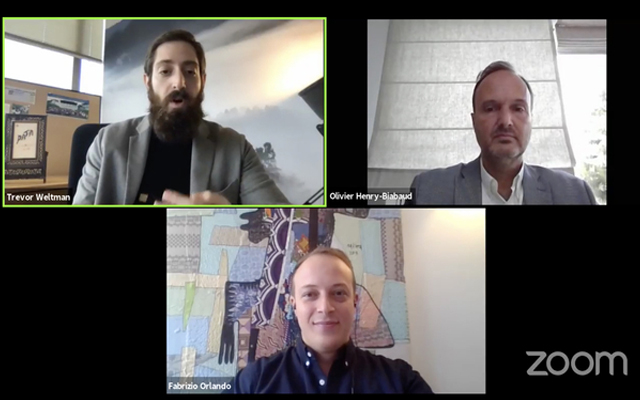
These factors have ballooned in priority among consumers who are currently planning their first overseas trips, shared experts at the virtual PATA Travel Mart 2020.
Clockwise from left: PATA’s Trevor Weltman, TCI Research’s Olivier Henry-Biabaud, and TripAdvisor Fabrizio Orlando discussing how health and hygiene will impact destination competitiveness post-Covid at the virtual PATA Travel Mart 2020
In a TripAdvisor survey conducted over the past six months, more than 70 per cent of consumers across the world expressed concern about how destinations are handling Covid-19 cases and infections.
“More than 70 per cent (of consumers) mentioned the importance of how destinations are creating a culture of social responsibility, such as (being) required to wear masks and practising social distancing. They are also paying a lot of attention to the presence of businesses with measures in place to prevent the spread of the virus,” shared Fabrizio Orlando, global industry relations associate director, TripAdvisor.
He opined that a health and safety guarantee has dethroned price and location to become the main influencing factor in consumer’s choice of accommodation.
Orlando explained: “72.8 per cent of consumers told us that health and safety precautions are now the most important thing they look for in accommodation. 91 per cent say that cleanliness is the main criteria.”
In end-June, TripAdvisor launched a Travel Safe initiative that allows businesses to indicate their safety measures through a checklist. Orlando reported that the clickthrough rates for properties that have adopted this feature increased by 16 per cent, with properties in Asia recovering three times faster than those that have not adopted the checklist.
“Businesses don’t need to completely change their business model. Simply making small changes can leave an impression on customers. For destinations, it’s a matter of understanding that transparency is key. In this moment, they need to proactively shape the minds of people about why they can feel safe in that destination,” he said.
Local sentiment towards visitors can create a large impact on the perceived safety and appeal of a destination, added Olivier Henry-Biabaud, CEO of travel data analytics company TCI Research.
He explained: “Local sentiment will impact visitor experience and satisfaction, as well as destination reputation. Local friendliness is among the top three major criteria influencing visitor satisfaction and propensity to recommend a destination. This makes it more influential than shopping, accommodation quality and cultural attractions. If its locals are not welcoming to visitors, a destination cannot be competitive.”
Henry-Biabaud shared that while some 3,000 in surveyed populations across Asia-Pacific are eager for tourism to return – 73 per cent of residents expressed that their city should continue tourism promotions, and 77 per cent are still “very proud to see tourists” – issues such as cleanliness and environmental impacts of tourism are still perceived as the most pertinent concerns.
This is a spillover from debates pre-Covid-19, when there was “growing resentment” over issues such as overtourism, flight shaming, environmental impact and garbage management in popular tourist destinations.
Some 70 per cent of surveyed residents indicated that while they are eager for tourism to return by the end of the year, their city should “limit the number of international visitors” to prevent the spread of the virus.
Sustainable tourism with bike path in forest environment. Cyclist far away on the middle of the green filed.
WTTC has rolled out a new report that offers recommendations on how the travel and tourism sector can ensure a more seamless recovery, including forging public-private partnerships, embracing new technologies and adopting hygiene protocols to restore traveller confidence.
Created in partnership with global management consulting firm Oliver Wyman alongside several WTTC members, the report emphasises the importance of taking a global coordinated approach to recovery: enhancing the current seamless travel experience, embracing the integration of new technologies and enacting global protocols for health and hygiene to rebuild the confidence of travellers.
New report by WTTC and Oliver Wyman provides recommendations for more sustainable tourism recovery
Notably, it highlights the need for public and private sector to work together to recover the millions of jobs impacted, rebuild traveller confidence, and build the sector’s resilience.
The report highlights four macro-trends that are expected to lead the way through recovery and beyond: demand evolution, health and hygiene, innovation and digitisation, and sustainability.
According to the report, 70 per cent of North American leisure travellers say they would book during Covid-19 if changes were free.
Additionally, more than nine out of 10 (92 per cent) of consumers trust personal recommendations with regards to health and hygiene, and 69 per cent of travellers cite cleanliness as a critical component of a travel brand’s crisis response, and it is expected that travellers will continue to pay heightened attention to health and hygiene even after there is a Covid-19 vaccine.
This signifies a need for destination readiness, as consumers priorities evolve, along with the need to adopt new protocols for health and safety measures to keep up with the demand evolution we are seeing.
With the pandemic triggering a rapid shift towards digitisation, people are increasingly feeling comfortable with a touchless travel experience, with the report revealing that nearly half (45 per cent) of travellers saying they are ready to move from paper passports to a digital identity.
In addition, there is a growing focus on sustainability, with almost three quarters (73 per cent) of consumers stating they are taking note of brands that are making a difference during Covid-19.
Recommendations on how the travel and tourism sector can ensure a more seamless recovery include:
• Border openings and repatriation: A harmonised approach to remove travel restrictions, with a previous risk assessment in place, as well as standardised contact testing and tracing requirements at departure.
• Define common health and safety standards: The public and private sector should jointly agree on the implementation of health and safety standards across industries within travel and tourism.
• Strengthen worker support schemes: Provide payroll protection and wage subsidies as well as general consumer stimulus cheques and tax payment deferrals.
• Incentivise travel: Introduction of consumer incentives for travel spending, starting with domestic travellers and expanding to regional and international as quickly as possible and as appropriate.
• Promote tourism starting with domestic and regional travel: To capitalise on the initial recovery, governments, tourism boards and organisations should direct their early marketing and promotional efforts to incentivise domestic and regional travel. Importantly, they should also prepare and provide early marketing and promotional incentives to stimulate the earliest possible regrowth and recovery of internal travel and tourism.
• Extend digital infrastructure to rural destinations: Investment in digital infrastructure in emerging destinations and remote areas will be critical, as well as enhancing digital skills within local communities.
• Integrate digital identities: Accelerating the adoption of digital identities and solutions will be key to maximising accuracy for health and safety protections, while reducing bias in border control and expediting the movement of passengers.
• Rethink the workplace: The rapid shift to remote work will require the public and private sectors to come together to determine how to optimise the new working arrangements.
• Stimulate sustainability practices: Develop and provide incentives to encourage the implementation of sustainability measures within the private sector.
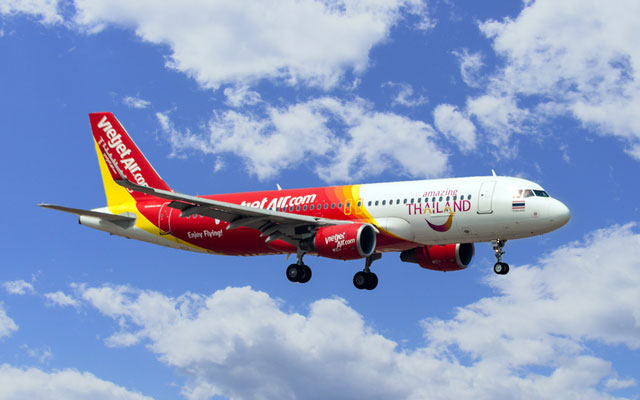
Vietjet will reopen frequent return flights between Vietnam and South Korea from October 7, 2020.
The carrier will operate one flight from Ho Chi Minh City to Seoul’s Incheon every Wednesday from September 30, 2020. The frequent flight from Seoul to Ho Chi Minh City will be in service from October 7, 2020 every Wednesday.
Vietjet poised to restart frequent return flights between Seoul and Ho Chi Minh City from next month
On September 29, 2020, Vietjet will also operate an extra flight from Hanoi to Seoul with its return flight to land in Ho Chi Minh City on the same day.
All passengers flying between Vietnam and South Korea must submit their proof of a negative Covid-19 test obtained within three days prior to boarding their flights as well as abide by compulsory quarantine requirements by local authorities.
In addition, Vietjet has also launched a Deluxe ticket class and upgraded SkyBoss services on its entire flight network. The new services will offer passengers premium incentives such as flight insurance, luggage packages, priority check-in/boarding, diverse choices of food and beverages, as well as seat selection options.
The former managing director of Lotus Travel Singapore, Allen Tsang, has passed away on September 21, at age 70, leaving behind his wife Nancy Tsang, and a son.
Tsang was sent off in an intimate ceremony attended by 30 of his closest friends and immediate family.
Allen Tsang (second from left) was loved for his contributions to Singapore’s tourism industry development; he is pictured here with colleagues at the ASEAN Tourism Forum 2012
He was regarded as one of the few pioneers of Singapore’s inbound tourism industry. He was an active member of the National Association of Travel Agents Singapore (NATAS), contributing his time often to association activities and discussions to steer the development of the city-state’s tourism business.
Industry colleagues remember Tsang fondly.
Robert Khoo, who was the group CEO of NATAS, described Tsang as “a great friend of the industry”.
“People who knew him would have appreciated the gentlemanliness in which he conducted himself. He also served as the treasurer of NATAS for many years. He was very sharp in the way he conducted business, especially in the area of finance. NATAS benefited greatly from his wisdom and decisive actions. His sudden departure is a great lost to all in the industry, past and present,” said Khoo.
Michael Chow, former group publisher of TTG Asia Media, said:”Allen was energetic, passionate and full of ideas. He contributed positively and immensely to the travel and tourism industry in Singapore and regionally. Besides running Lotus Travel successfully, Allen was able to spend quality time with family and friends. He mastered an excellent work-life balance. Allen’s passing is a great loss to his family, friends and the travel industry.”
Caroline Boey, present senior correspondent and former group editor of TTG Asia Media from 1999 to 2007, said: “Amiable and friendly, Allen was always ready to talk about and share ideas on how to do things better and improve the travel agent’s lot.”
Raini Hamdi, current Asia editor-at-large of Skift and former group editor of TTG Asia Media from 2007 to 2012, recalled: “Allen was so passionate about golf, about the industry, about Nancy. When he spoke, it’s always forthright, no-nonsense, with that Hong Kong accent, trying to make people understand what nonsense is. I am deeply saddened. Allen was a friend of the industry first, of his own business second. He loved life, and life loved him back. I miss him already.”
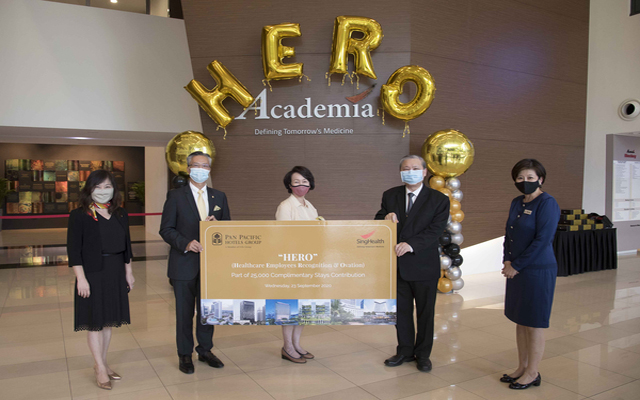
From left: PPHG’s Cinn Tan, Choe Peng Sum and Wee Wei Ling; alongside SingHealth’s Fong Kok Yong and Audrey Lau at the voucher presentation ceremony with SingHealth at Academia
Pan Pacific Hotels Group (PPHG) officially presented 25,000 complimentary stay vouchers to a trio of national healthcare groups on Thursday in honour of Singapore’s healthcare heroes’ dedication to the nation during the Covid-19 pandemic.
As a tribute to their sacrifices in combating the virus, healthcare workers are invited to enjoy a respite with their loved ones at any of the group’s six hotels in Singapore from December 1, 2020 to March 31, 2021.
From left: PPHG’s Cinn Tan, Choe Peng Sum and Wee Wei Ling; alongside SingHealth’s Fong Kok Yong and Audrey Lau at the voucher presentation ceremony with SingHealth at Academia
PPHG CEO Choe Peng Sum presented these complimentary stays vouchers to representatives from SingHealth, National Healthcare Group (NHG) and National University Health System (NUHS) at three separate ceremonial events.
Participating properties include Parkroyal Collection Marina Bay, Parkroyal Collection Pickering, Parkroyal on Beach Road, Parkroyal on Kitchener Road, Pan Pacific Singapore and Pan Pacific Serviced Suites Beach Road.
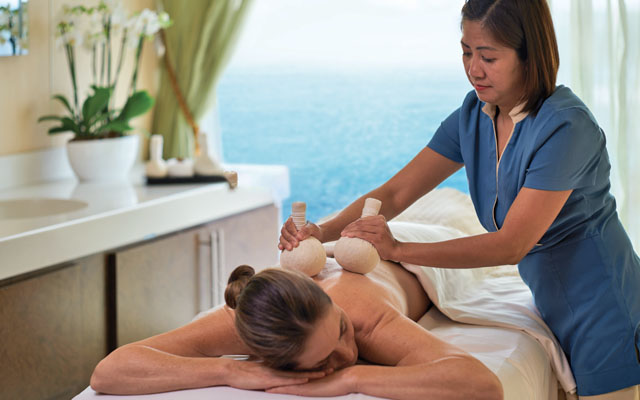
Each stay comes with a la carte buffet breakfasts, no additional charge for children under 12 years of age and discounted rates for dining at all hotel-operated restaurants and spa services at St. Gregory.
Beyond their stay, healthcare workers will also be given preferential room rates and a complimentary fast-track to the next elite tier in the Pan Pacific Discovery loyalty programme, to enjoy more privileges during future stays and dining at the group’s 50 properties across 29 cities.
Called HERO (Healthcare Employees Recognition & Ovation), the initiative also pays tribute to all healthcare workers in Singapore, who will be given preferential rates when they stay at any of the group’s hotels or serviced suites in Singapore, along with 50 per cent savings for dining and 30 per cent on spa treatments during their stay from December 1, 2020 to March 31, 2021. Healthcare workers can also enjoy 30 per cent savings when they dine at any of the group-operated 20 restaurants and bars in Singapore.
Travel bubbles that facilitate cross-border travel is essential to restoring air connectivity, but a globally-accepted risk assessment methodology and suitable Covid testing must be in place as well, according to a high-ranking official of the IATA.
Speaking at a networking break during Virtual PATA Travel Mart on Aviation’s Response to Covid-19 and the Safe Reopening of Air Travel, Vinoop Goel, regional director – airport & external relations of IATA, noted that countries have varying risk levels, which requires assurance that passengers travelling from a higher-risk country to a lower-risk destination are “equalised” through testing.
Covid testing vital to equalise risks of cross-border travel between countries with travel bubble arrangements: IATA
To determine a suitable extent of testing, countries need to be evaluated for their risk of transmissions. Travel between countries with a similar low risk level may eliminate quarantine and testing, according to Goel, while travel between countries with “significant differential risk” may require Covid tests to equalise travellers’ risks.
“Unfortunately, there is no globally accepted methodology for risk assessment,” he said.
Goel continued: ”Our goal is to restore air connectivity and to do it in an internationally consistent, mutually accepted and harmonised way. We don’t want a chaotic situation where passengers are stuck (at the airport or destination) because internationally accepted rules have not been followed.”
IATA has come up with A Covid Risk Assessment Framework Paper, and recommends for ICAO to also formulate a framework on common risk assessment that will facilitate cross-border travel between countries.
As part of its contribution to ICAO’s Take off: Guidance for Air Travel through the Covid-19 Public Health Crisis, a global standard framework of risk-based temporary measures for air transport operations amid the pandemic, IATA has introduced a roadmap of biosafety for air transport to ensure that air travel is not a meaningful vector for the spread of Covid-19.
On the demand side, Goel opined there was a need to restore travel confidence among governments and the flying public, through direct communications with not just passengers, but also within the aviation supply chain.
One of the key factors putting a dent on air travel demand is the lack of insurance coverage to fly abroad at present. “We are working with insurance companies and governments worldwide… to ensure there is an industry-wide solution,” Goel said.
In the base case scenario, IATA has forecasted that global passenger traffic will not return to pre-Covid-19 levels until 2024, with the short-haul sector predicted to bounce back faster than the longhaul market.
Klook has launched an interactive livestream mobile feature across five Asia-Pacific markets, allowing users to experience the travel booking platform’s offerings through video content on mobile devices.
Klook Live! incorporates what the brand has dubbed “traveltainment”, a new form of immersive content that elevates users’ ways of discovering and booking both local and overseas tours, activities and experiences, and even staycations at a destination. Featured content include live videos from product and activity reviews, to itinerary tips for future travel planning.
Klook Live! blends travel and entertainment to help customers discover and book experiences
Earlier in August, Klook piloted a series of hyper-localised content on Klook Live! featuring offerings from F&B to hotel staycation packages. The results signal that Klook Live! coupled with traveltainment, lead to stronger purchase intent. Pilot markets observed a four times average uplift in conversion rates compared to in-app conversion rates on an average day.
Riding the growth momentum, Klook said that more content and products will be rolled out on Klook Live! in the coming weeks and months. These include episodic programmes to unveil a new local carnival in Taiwan and indoor recreational parks in Malaysia, among others.
With international travel restrictions in place, Klook Live! also provides a platform for local businesses that depend on tourism to showcase their offerings to domestic audiences, boosting brand awareness and sales.
Klook Live! is now available in Hong Kong, Taiwan, Thailand, Singapore, and the Philippines, and can be accessed by downloading the Klook app on Google Play or the App Store.
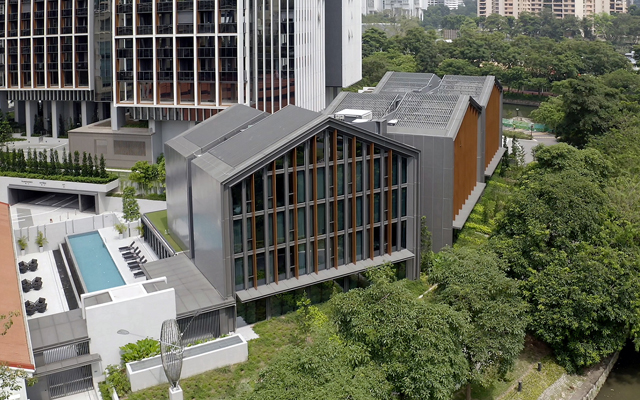
A partnership between Mövenpick BDMS Wellness Resort Bangkok and Bangkok Hospital will allow inbound travellers to the Thai capital to enjoy an extended stay in one of the hotel’s suites, while having access to medical services through the Alternative State Quarantine programme.
Guests can enjoy an exclusive quarantine experience in the resort’s Presidential Suite or Royal Suite. All suites boast 164m2 of living space, separate bedrooms, a working area, dining room, en-suite bathroom with rainfall shower and bathtub, two 55-inch Smart TVs, and a balcony with views of the lush landscaped gardens. Guests also enjoy complimentary Wi-Fi and access to over 7,000 newspaper and magazine titles using the PressReader app.
Quarantine packages offered by Mövenpick BDMS Wellness Resort Bangkok allows guests to enjoy stays in VIP suites alongside medical services by Bangkok Hospital
These suites are available under the resort’s Health Watch package, which includes a 15-night stay in a choice of accommodation, three daily meals and a VIP airport transfer. Arriving visitors will receive medical care courtesy of Bangkok Hospital, with daily health monitoring at the hotel under nurse supervision; two Covid-19 tests; immune system enhancing supplements; and access to the hospital’s doctors via TytoCare, the on-demand medical examination service, if needed.
Throughout their stay, guests will enjoy three daily meals from regularly rotating menus that feature over 150 dishes, alongside vegan and vegetarian options. Additional dishes can be ordered from the resort’s room service menu, and guests can also savour a selection of pastries and cakes from Rim Klong Café.
Guests can even indulge in retail therapy without leaving the resort, courtesy of Siam Paragon, the Bangkok mall. Accessing the Paragon Chat & Shop @ ASQ account via LINE or WeChat, shoppers can chat with the Siam Paragon team, search for a wide range of products online, and have them delivered to the hotel the same day.
Upon departure, every guest will be rewarded with a Health Watch membership card, which entitles them to a raft of benefits. These include 25 per cent discounts on F&B and future stays, a special rate of 4,000 baht (US$127) for the first night in a Wellness Suite, a second free night, and three 50 per cent discount vouchers at the resort’s F&B venues.
The Health Watch package is available for all qualifying guests from now until October 31, 2020. Rates start from 60,300 baht nett per person for a Deluxe Room, 68,700 baht nett for a Wellness Suite, and 180,000 baht nett for the Presidential Suite and the Royal Suite.
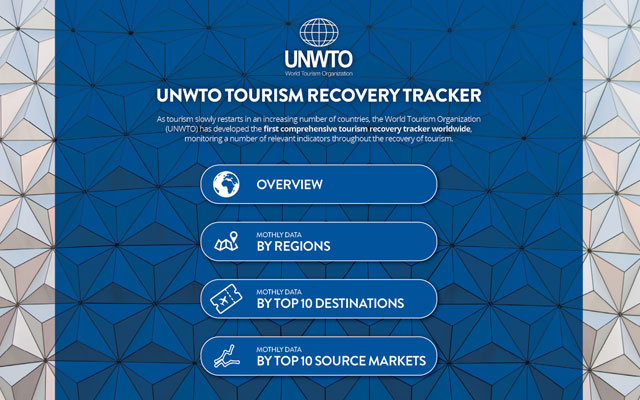
As more countries around the world start easing travel restrictions, the UNWTO has launched a new tourism recovery tracker to support the sector’s rebound from the Covid-19 pandemic.
Touted as the “most comprehensive tourism dashboard to date”, the tracker is the result of a partnership between the private sector and international organisations, including the ICAO, ForwardKeys, STR, Sojern and AirDNA.
Available for free, it covers key tourism performance indicators by month, regions and sub-regions, allowing for a real-time comparison of the sector recovery across the world and industries.
The UNWTO Tourism Recovery Tracker compiles all the relevant data in one place, giving governments and the private businesses the ability to track the recovery of tourism at global and regional level, alongside information on the top destinations for international tourism.
The tracker includes data on international tourist arrivals, seat capacity in international and domestic air routes, air travel bookings, hotel searches and bookings, occupancy rates and demand for short-term rentals.
According to UNWTO latest World Tourism Barometer, the massive drop in international travel demand over the period from January to June 2020 translates into a loss of 440 million international arrivals and about US$460 billion in export revenues from international tourism. This is around five times the loss in international tourism receipts recorded in 2009 amid the global economic and financial crisis.












Klook has launched an interactive livestream mobile feature across five Asia-Pacific markets, allowing users to experience the travel booking platform’s offerings through video content on mobile devices.
Klook Live! incorporates what the brand has dubbed “traveltainment”, a new form of immersive content that elevates users’ ways of discovering and booking both local and overseas tours, activities and experiences, and even staycations at a destination. Featured content include live videos from product and activity reviews, to itinerary tips for future travel planning.
Earlier in August, Klook piloted a series of hyper-localised content on Klook Live! featuring offerings from F&B to hotel staycation packages. The results signal that Klook Live! coupled with traveltainment, lead to stronger purchase intent. Pilot markets observed a four times average uplift in conversion rates compared to in-app conversion rates on an average day.
Riding the growth momentum, Klook said that more content and products will be rolled out on Klook Live! in the coming weeks and months. These include episodic programmes to unveil a new local carnival in Taiwan and indoor recreational parks in Malaysia, among others.
With international travel restrictions in place, Klook Live! also provides a platform for local businesses that depend on tourism to showcase their offerings to domestic audiences, boosting brand awareness and sales.
Klook Live! is now available in Hong Kong, Taiwan, Thailand, Singapore, and the Philippines, and can be accessed by downloading the Klook app on Google Play or the App Store.