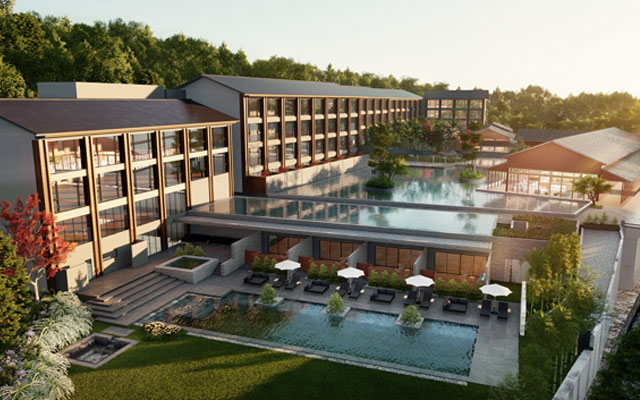
Hilton has chosen Kyoto, Japan as the location of its first LXR Hotels & Resorts property in Asia Pacific.
ROKU KYOTO, LXR Hotels & Resorts, opening in the fall of 2021, will be operated by Tokyu Resorts & Stays Co., a fully-owned subsidiary of Tokyu Land Corporation.
ROKU KYOTO, LXR Hotels & Resorts will open in the fall of 2021
It will be part of the Shozan Resort Kyoto, a luxury enclave currently home to some of Kyoto’s most notable and idyllic Japanese gardens, historic architecture and authentic tea houses. Shozan Resort Kyoto’s concept, which focuses on “beautiful things are born from a beautiful environment”, is aligned by LXR’s promise of offering authentic and meaningful experiences native to the local destination, history and tradition.
Armed with 114 keys, ROKU KYOTO, LXR Hotels & Resorts takes in a suite of facilities including fine dining restaurants, natural hot springs, as well as a pool and fitness centre.
Nils-Arne Schroeder, vice president of luxury & lifestyle, Asia Pacific, Hilton, said in a press statement: “There is a distinct story behind every LXR property that builds on the promise of delivering personalised attention and luxurious, yet locally immersive, experiences for our guests.
“With the cultural threads that are woven through every part of the hotel – from the architecture to culinary experiences and the surrounding environment – combined with the unique identity of the hotel and backed by Hilton’s expertise in delivering personalised experiences, I am confident ROKU KYOTO is perfectly placed to be the epitome of a peaceful retreat with a deep connection to the alluring city.”
Leading the hotel’s opening as general manager is Yoshinori Nishihara, a veteran hotelier who brings with him more than 35 years of experience.
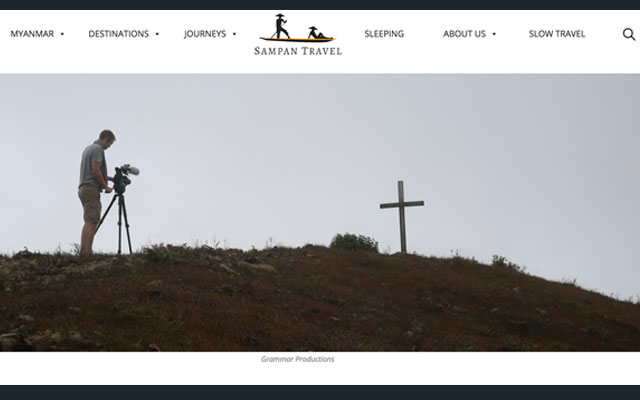
Yangon-based boutique tour operator, Sampan Travel, has launched an online tour led by renown military historian Robert Lyman, who will take history buffs through Myanmar’s wartime past.
Conducted through seven episodes, The Burma Campaign: A Virtual Tour with Dr Robert Lyman will detail the history of the Burma Campaign of the Second World War, including the Japanese invasion, the battles of Kohima & Imphal, the exploits of the Chindits, and the race to Rangoon.
Sampan Travel takes guests on a virtual journey into Myanmar’s wartime past
The tour begins on October 26, and guests are encouraged to send advanced questions to Lyman. Recordings of the previous day’s session will be sent out each morning.
Since collaborating with Grammar Productions on its film, Forgotten Allies, about Myanmar veterans who fought alongside the British, Sampan Travel has been offering World War 2 tours in the country.
Ten per cent of revenues from the virtual tour will go towards the charity Help for Forgotten Allies.
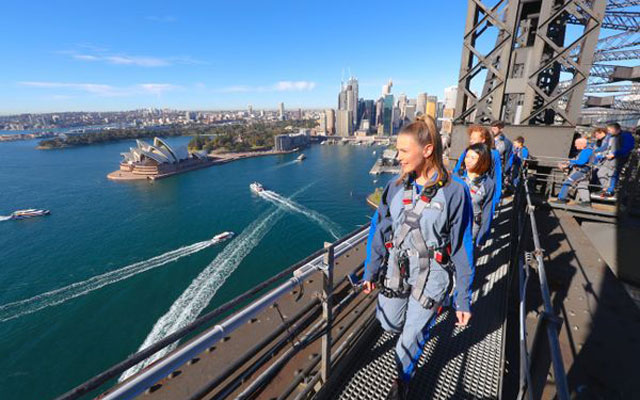
BridgeClimb, OTTO Sydney and Ovolo Woolloomooloo have come together to craft a premium one-night vacation package that promises extraordinary harbour experiences.
The Climb, Dine & Stay package combines unforgettable views from the top of Sydney Harbour Bridge, waterside dining at one of Sydney’s most respected dining institutions OTTO Sydney, and an idyllic harbourside stay the designer hotel Ovolo Woolloomooloo.
The Climb, Dine & Stay package allows guests to take in unforgettable views from the top of Sydney Harbour Bridge
Open to couples and small groups of up to 10, the package allows each guest to save up to A$173 (US$125). The package includes a 35 per cent off BridgeClimb Unlocked climb and a 16 per cent saving on a sleepover at the Ovolo Woolloomooloo.
Additional perks come in the form of a complimentary cocktail at OTTO Sydney, a BridgeClimb framed photo, and signature inclusions at Ovolo Woolloomooloo such as breakfast, in-room mini bar and snacks, and a 13.00 late checkout.
Guests can upgrade their BridgeClimb experience with a Twilight Climb, special transfer by a limousine, Tesla or water taxi, or go even farther with flowers and a private musician. A personal BridgeClimb Event Coordinator will be on hand to assist with arrangements.
Packages are priced from A$480 per person or A$960 per couple.
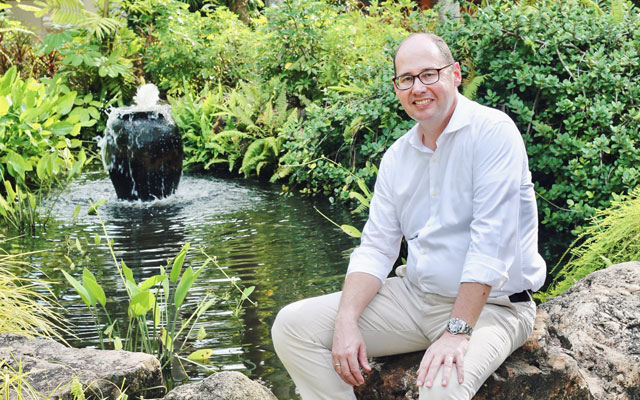
Alexandre Frenkel has joined Santiburi Koh Samui in the capacity of general manager.
The Swiss hotelier possesses almost three decades of experience, having worked with leading hotels and resorts across five countries. He also has a deep knowledge of Thailand’s hotel industry, having spent the last 16 years living and working in the Kingdom.
Frenkel started out his professional career at Hilton, where he rose through the ranks to become director of operations and director of business development at Hilton Beijing.
He then moved back to Thailand with Amari/Onyx Hospitality Group, achieving his first general manager role in 2006. He has since managed some of Bangkok’s leading properties, including Centara Watergate Pavillion Hotel.
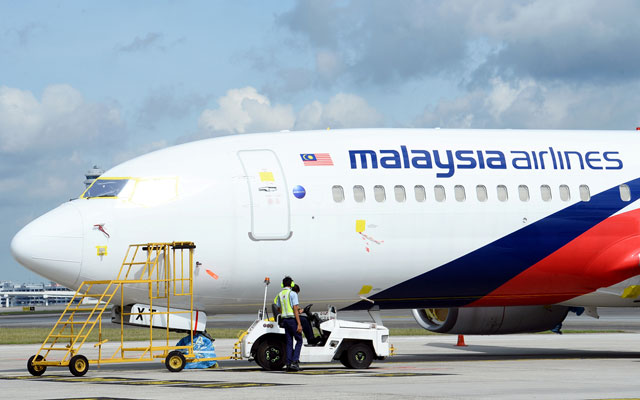
An upskilling and reskilling programme introduced by Malaysia Airlines is aimed at transforming its employees into a future-ready workforce to drive the carrier’s long-term operational sustainability.
Dubbed MH EDGILE, the programme is opened to more than 2,000 employees, mainly pilots, cabin crew and other frontliners impacted by the current reduced network and operational capacity.
To meet shifting demands in a post-pandemic world, Malaysia Airlines looks to reskill its workforce
MH EDGILE will train the employees in other job skills, either in specialised competency such as facilities management and audit or general and trainable areas such as sales and IT helpdesk.
In doing so, employees will be better equipped to support the airline’s long-term business sustainability, while developing their potential, said Malaysia Aviation Group (MAG).
Subject to approval, these group of employees will be temporarily re-assigned to support other departments that require workforce for critical roles or job functions resulting from the constrained workforce due to added deliverables and attrition, it added.
MAG CEO Izham Ismail said with the pandemic showing no signs of abating, “it is important for us to prepare our workforce with new skill sets to become more efficient in their current roles or shift into emerging positions as well as to support the business goals. This is the perfect time for the staff to reinvent themselves”.
This initiative is offered voluntarily and subject to job pre-requisites and selection criteria of the receiving department. All assignments will be on a full-time basis; however, employees will still be allowed to maintain their job license validity.
The period of the interim assignment will be dependent on the company’s business and operational requirements. Employees with the approved application will be equipped with the knowledge and new skill sets through coaching and training to prepare for the new role.
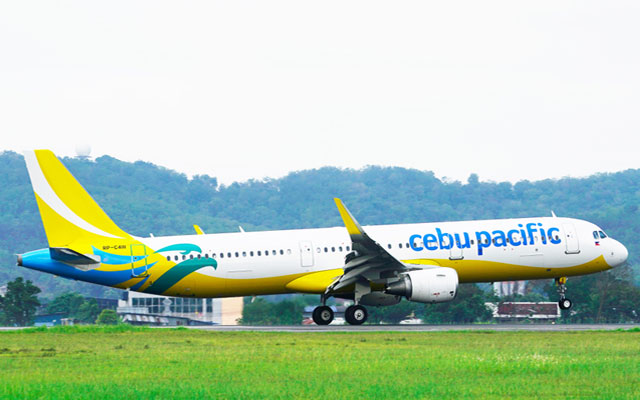
Philippine budget carrier Cebu Pacific (CEB) is seeking to raise US$500 million in additional capital to beef up its balance sheet so as to weather the pandemic storm.
CEB told the Philippine Stock Exchange that it will seek approval for the issuance of US$250 million in new convertible preferred shares, as well as another US$250 million in privately placed convertible bonds.
Cebu Pacific said this capital raising exercise will provide it with the needed runway to survive the Covid crisis
The airline envisions that the capital raising exercise will be taken up in a special shareholders meeting on November 20, 2020.
The convertible preferred shares will be made available to all stockholders, including parent and 67 per cent owner of CEB, JG Summit Holdings (JGSHI); while the convertible bonds will be offered to select international investors, the airline said in a press release.
“We need to create a longer runway for CEB so that we can continue providing affordable and accessible air transport services for everyJuan,” said Lance Gokongwei, president and CEO of CEB and JGSHI.
CEB said that it is raising this capital as part of its multi-pronged approach to working with capital providers, creditors, suppliers and all other stakeholders, especially its employees, to further strengthen its financial position in the midst of the Covid-19 crisis.
As part of the capital raising exercise, JGSHI will invest its proportionate share of the US$250 million convertible preferred share, which will be offered to existing shareholders for subscription. JGSHI has also further committed to take on any balance of unsubscribed shares in this general offering.
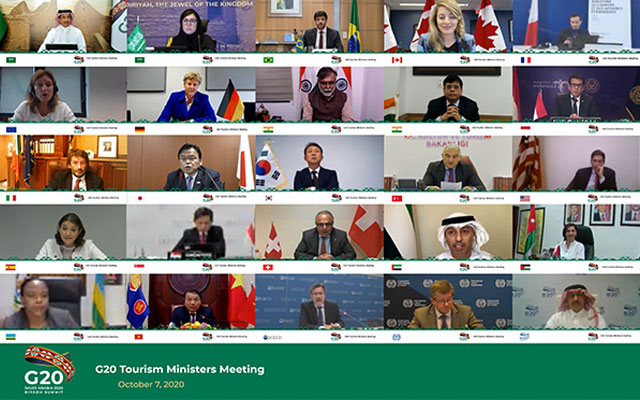
In a historic first, G20 tourism ministers hosted more than 45 CEOs and members of WTTC, who presented their plan to restart international travel and recover the 100 million jobs dependent on it globally.
The plan was unveiled during the G20 Chairmanship of the Tourism Track, at the behest of Saudi Arabia for the global travel and tourism sector to collaborate on developing insights to help accelerate the global recovery.
Saudi Arabia makes history convening first ever G20 public-private sector tourism meeting
The private sector event was opened by Ahmed Al Khateeb, Saudi Arabia’s tourism minister and chair of the G20 Tourism Track, alongside WTTC president & CEO, Gloria Guevara, to set the scene.
This was followed by a keynote from Chris Nassetta, president & CEO of Hilton and WTTC chair; and contributions from CEOs and ministers representing all regions of the world, including Argentina, the UK, UAE, Singapore and Spain. They, alongside the private sector, agreed that joint collaboration can accelerate the recovery of travel and tourism.
During the historic forum, WTTC outlined a new 24-point recovery plan which includes twelve points for the private sector and twelve for the public sector, focusing on measures to reactivate international travel.
The unprecedented plan was pulled together with input from WTTC members and covered a wide range of initiatives which hinged on securing international coordination to re-establish effective operations and resume international travel, including the implementation of an international testing regime at departure to minimise the risk of spreading Covid-19.
Gloria Guevara, WTTC president & CEO, said: “This historic meeting provided the best platform to establish public and private collaboration which will lead to rebuilding a sector which has been devastated by the pandemic… The nature of this meeting cannot be underestimated; it is the first time so many travel and tourism CEOs and leaders have been invited to sit in the same forum as G20 tourism ministers to establish a tangible plan to save the travel and tourism sector.
“This plan will have far-reaching consequences; it will bring real and genuine benefits to the industry as a whole – from aviation to tour operators, taxis to hotels, and beyond.
Al Khateeb added: “On behalf of the G20 tourism ministers, I commend the World Travel & Tourism Council and the global travel and tourism sector for their efforts to put people first during the global pandemic, by collaborating at the industry-level and with the public sector to put in place concrete actions that will protect millions of jobs and livelihoods, while ensuring that the sector is more resilient to crises in the future.”
Among the CEOs from the global private sector invited by Saudi Arabia were representatives from Carnival Corporation, InterContinental Hotels Group, British Airways, Dubai Airports, Japan Airlines, Trip.com, TUI, Radisson Hotel Group, Abercrombie & Kent, Emirates Group, The Travel Corporation, Expedia, The Oberoi Group, and Panorama Tours, among others.
IATA director general and CEO Alexandre de Juniac, and ICAO secretary general Fang Liu, also joined the chorus of voices proposing for testing to replace quarantines. UNWTO secretary general Zurab Pololikashvili also contributed to the debate.
de Juniac said: “It is critical that governments and industry work together to safely reopen borders with systematic Covid-19 testing. Some 46 million jobs are at risk. The historic participation of industry in this G20 Summit is a good start to the government-industry partnership that will be needed to revive the travel and tourism economy on which 10 per cent of global GDP depends.”
Singapore Tourism Board (STB) and DBS have signed a three-year MoU to stimulate domestic tourism demand in the immediate term, as well as drive cross-border demand and catalyse tourism industry development in the mid- to long-term.
The partnership – the first such collaboration between STB and a local bank – will help the tourism industry seize new opportunities by leveraging DBS’ ecosystem of services such as its travel marketplace portal, digital payments collection solutions, predictive analytics and everyday app DBS PayLah!. In addition, both companies will help local SMEs accelerate their digital transformation.
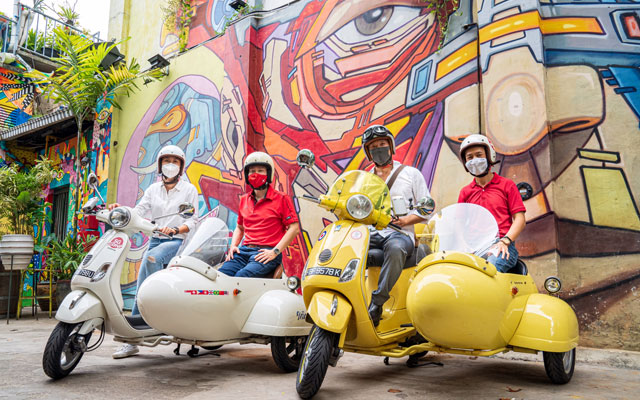
STB’s Keith Tan (first from right) and DBS’s Shee Tse Koon (third from right) on a vespa sidecar tour with Singapore Sidecars
In the coming months, DBS and STB will invest in domestic marketing campaigns to encourage locals to rediscover homegrown tourism products and experiences, as well as stimulate local demand to complement the SingapoRediscovers campaign.
Both organisations will curate attractive promotional bundles for attractions, tours and hotel stays. Tapping on its predictive analytics and Intelligent Banking capabilities, DBS will work with STB to provide personalised itineraries and destination content to encourage locals to explore different precincts and learn about the myriad homegrown brands and experiences in Singapore.
DBS and STB will also collaborate on content creation and distribution to increase awareness, consideration and consumption of local tourism experiences and brands. These will be amplified across DBS platforms, which include the DBS Travel Marketplace, DBS’ social media communities such as The Burrow, and marketing channels.
Examples of content include co-development of contests and events, as well as the use of new media such as augmented reality, virtual reality and livestreaming tools to showcase local experiences.
The next phase of the partnership will target inbound leisure and business visitors through international marketing campaigns as Singapore progressively opens its borders. Like the collaboration for the domestic market, DBS and STB will customise content and introduce promotions and products for international visitors, such as flight and accommodation bundles, business events, and relevant travel insurance plans.
In addition, the partnership aims to catalyse the development of the tourism industry. As more locals shift to contactless payments, DBS and STB will help homegrown tourism businesses digitally transform so they can better engage their customers in the new Covid-19 environment.
For example, both DBS and STB will partner local businesses to pilot smart experiences such as a seamless and contactless digital payment experience at various precincts. As a start, both organisations will launch a campaign to grow demand and encourage the use of DBS PayLah! at the Bugis precinct by the end of the year.
Shee Tse Koon, DBS Singapore country head, said the partnership will help the tourism industry get back on its feet by encouraging more locals to explore their own backyard. As well, the tie-up will help local SMEs to build up their resilience and unlock more business opportunities by leveraging the bank’s consumer base, data insights and technology, he added.
STB CEO Keith Tan commented that the partnership enables the tourism board “to reach a large community of local and international consumers, and encourage them to discover, explore and support local tourism businesses”.
Furthermore, he added, the tourism board’s precinct-specific projects with the bank such as helping smaller businesses to digitalise and implement smarter tools to engage their customers “will ensure that Singapore remains a safe, trusted and preferred destination for all our visitors”.
SingaporeSidecars co-founder Simon Wong said the partnership will allow the company to tap on a wealth of insights and data capabilities that will enable it “to create and tailor brand new products and continually evolve products for local audiences”. He added: “It will also help give us access to the multiple touchpoints for our customers with a quick access payment method like PayLah! across different locations around town.”
Hong Kong Tourism Board (HKTB) has launched a standardised hygiene protocol, in partnership with the Hong Kong Quality Assurance Agency (HKQAA), providing a unified set of guidelines on hygiene and anti-epidemic measures for tourism-related industries.
The protocol aims to help the public easily recognise businesses and outlets with such measures in place in a bid to bolster visitors’ confidence in travelling to Hong Kong.
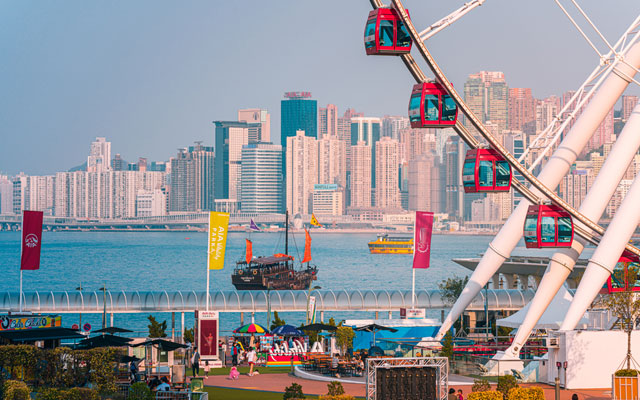
Tourism businesses in Hong Kong adopt new hygiene protocols rolled out by HKTB to establish safe, healthy image for the destination; Victoria Harbour in Hong Kong pictured
More than 1,800 businesses and outlets have expressed interest in adopting the protocol in their business, and the HKTB will fully sponsor application fees for qualified businesses to help relieve the financial burden on the trade, according to a press release.
HKTB chairman YK Pang said: “The Covid-19 pandemic has brought a new normal to the tourism landscape, and public health and safety have become a priority for visitors. Many international travel and tourism organisations have already put in place hygiene and anti-epidemic guidelines, and standardising hygiene measures for each sector can spread to visitors the message that different sectors across Hong Kong value their commitment to hygiene and safety.”
The protocol will be launched in two phases. The first phase, which has opened for applications yesterday (October 8), covers shopping malls, hotels, attractions, inbound tour operators, and restaurants and retail outlets under the Quality Tourism Services Scheme. The second phase will include cross-boundary coach companies, tour coach companies, MICE venues, and other retail and dining merchants, etc.
Participating businesses and outlets are required to comply with a series of hygiene and anti-epidemic measures. After passing the assessment, details of the businesses and outlets will be uploaded to a dedicated website of the HKQAA. The businesses and outlets can display a designated logo for recognition to show their commitment to the hygiene and anti-epidemic protocol. The HKQAA will conduct random visits for continued inspections.
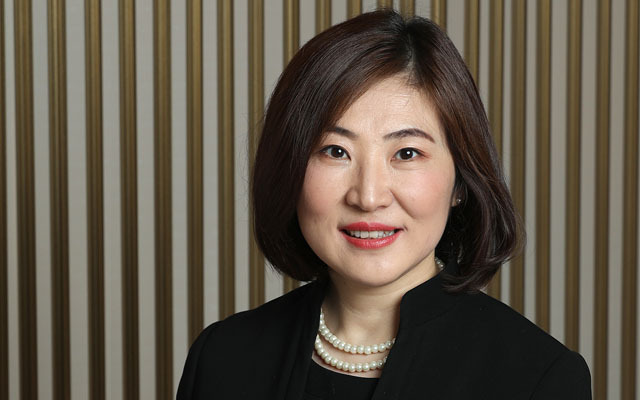
Wharf Hotels welcomes Joanna Liang back, as she takes up the post of general manager of Marco Polo Changzhou in southern Jiangsu province.
Prior to her return, she held the position of general manager at Artisse Place Shenzhen Hotel Residence, where she led the hotel’s pre-opening team into its launch.
Liang’s 24-year track record began in hotel operations, with a focus on rooms. During her previous stint with Wharf Hotels, her roles included executive assistant manager of rooms at Niccolo Changsha, and director of rooms at Niccolo Chengdu.









Yangon-based boutique tour operator, Sampan Travel, has launched an online tour led by renown military historian Robert Lyman, who will take history buffs through Myanmar’s wartime past.
Conducted through seven episodes, The Burma Campaign: A Virtual Tour with Dr Robert Lyman will detail the history of the Burma Campaign of the Second World War, including the Japanese invasion, the battles of Kohima & Imphal, the exploits of the Chindits, and the race to Rangoon.
The tour begins on October 26, and guests are encouraged to send advanced questions to Lyman. Recordings of the previous day’s session will be sent out each morning.
Since collaborating with Grammar Productions on its film, Forgotten Allies, about Myanmar veterans who fought alongside the British, Sampan Travel has been offering World War 2 tours in the country.
Ten per cent of revenues from the virtual tour will go towards the charity Help for Forgotten Allies.
Visit www.sampantravel.com/journeys/the-burma-campaign/