

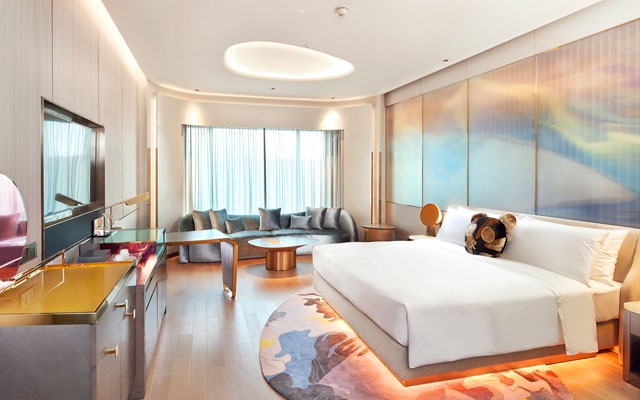
W Chengdu, China
Owned by KWG Group Holdings, W Chengdu is situated within Chengdu’s Hi-Tech Industrial Development Zone, and marks W Hotels’ debut in South-west China. The hotel offers 297 guestrooms and suites, including the Extreme Wow Suite – the brand’s modern interpretation of the traditional presidential suite – featuring 368m² of flexible space with a sculptural bar and lounge area.
W Chengdu serves up a variety of F&B options. The Living Room offers crafted cocktails and tantalising bites, while Yao Yen features a Cantonese and Sichuan menu paired with fragrant regional teas. Elsewhere, all-day diner Zing showcases South-east Asian flavours, while rooftop patio Spark offers party packages including wine and spirits as well as regular sessions with DJ talent. Wellness amenities are a spa, and a gym which includes a 115m² Pilates studio alongside an indoor swimming pool and Jacuzzi. The hotel also offers more than 2,600m² of flexible meeting spaces spanning over two floors, including The Great Room featuring a 1,200m² pillarless space.
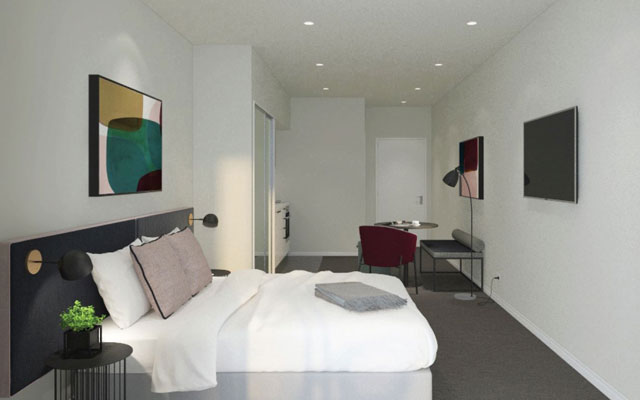
Quest Preston, Australia
Quest Apartment Hotels has opened its newest property Quest Preston, marking the company’s third opening this year and 42nd property in Melbourne. Developed by longstanding development partner, Pellicano, Quest Preston is centrally located on High St in the boutique retail and café precinct. The hotel comprises 35 studio apartments, 32 one-bedroom apartments and 12 two-bedroom apartments – all of which include fully equipped kitchens and in-room laundry facilities. Guests can also make avail of the on-site gym and conference facilities, alongside 24-hour reception service, local chargeback dining, pantry shopping service and valet dry cleaning.
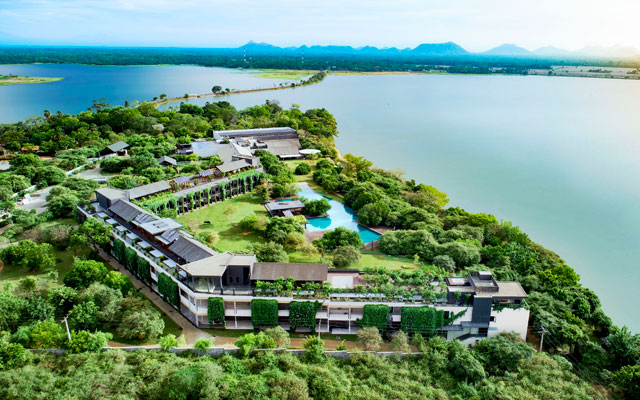
DoubleTree by Hilton Weerawila Rajawarna Resort, Sri Lanka
Uniquely situated within the Weerawila Bird Sanctuary which is home to over 400 species of birds, the newly-built, three-story, 78-room resort is owned by KDU Adventures and joins Hilton Colombo and Hilton Colombo Residences as the third hotel to be managed by Hilton in the country. All guestrooms are equipped with a 49-inch HDTV with entertainment hub, Wi-Fi, king or twin bedding, terrace or balcony, and rain shower.
Five F&B venues are on offer at the resort. Guests can savour a wide variety of cuisines at Spoonbill, the resort’s all-day dining restaurant, tea lounge and barbeque grill; or dig into an array of seafood at the rooftop restaurant Redshank. A trio of bars also promise to please: Turnstone, the main bar; Hornbill, the pool bar and lounge, and rooftop bar Nightjar.
Wellness facilities include a 24-hour fitness centre, a 75m-long outdoor swimming pool, yoga terrace, rooftop wellness spa, karaoke lounge and Tea Jar by the Lake. The resort also features over 929m² of meeting space, including the 723m² pillarless Grand Ballroom that can accommodate up to 600 guests in a wedding setting.
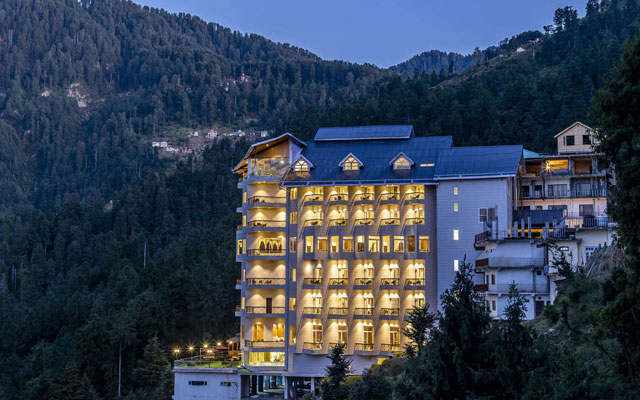
Fortune Park, Dalhousie, India
Fortune Hotels has opened its maiden property in the hill town of Dalhousie, Himachal Pradesh. Set in the lap of the mighty Himalayas, Fortune Park Dalhousie is the hospitality group’s fourth alliance in the state. The property features all-day-diner Zodiac, plush bar Neptune, a lounge, spa, gym, an activity zone and an indoor heated swimming pool. Additionally, the upscale hotel also encompasses a meeting room and two banquet halls – with a capacity to host up to a combined 200 guests.
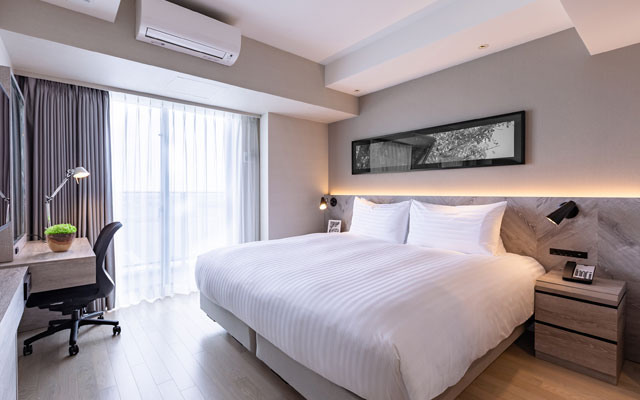
Oakwood Suites Yokohama, Japan
Oakwood Suites Yokohama marks Oakwood’s first international serviced apartment brand in the Japanese port city, and its 12th property in Japan. The 175-unit property is the second serviced apartment asset owned by Mapletree in Japan. Occupying the 46th to 51st floors of The Kitanaka Yokohama Tower, studios to three-bedroom residences are on offer, each fully-equipped with a kitchenette, washer and dryer. Facilities include a residents’ lounge, 24-hour fitness centre and restaurant.
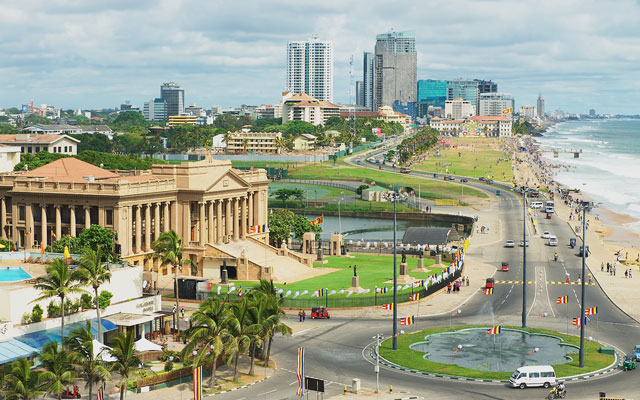











The Sri Lanka government’s plans to amend the Tourism Act of 2005 which governs tourism in the country by amalgamating four state institutions involved in tourism into one agency has been met with strong opposition from industry players.
In his presentation of the 2021 budget in parliament last week, Sri Lanka prime minister Mahinda Rajapaksa, who is also the country’s finance minister, said the government planned to bring four existing institutions relating to tourism under the proposed Tourism Promotion Authority.
“The existence of separate institutions to fulfil various but interconnected roles has become a major impediment in implementing collective development activities and has led to the incurring of additional expenditure,” he explained, without providing further details.
The four institutions are the Sri Lanka Tourism Promotion Bureau and the Sri Lanka Tourism Development Authority (both of which are chaired by Kirmali Fernando), the Sri Lanka Convention Bureau, and the Sri Lanka Hotel School. Private tourism associations are represented on all the boards of these state institutions.
Sanath Ukwatta, president of the Hotels Association of Sri Lanka (THASL), said the proposed amendment to the Tourist Act has not been discussed with industry players. “Our contention is that any changes should only be made after a consultation with the industry,” he added.
Also in opposition of the proposal is the Sri Lanka Association of Inbound Tour Operators (SLAITO). In a statement, the association – which takes credit for generating more than 60 per cent of overseas visitor arrivals – said that its members were unanimous that there was no need to change the Act which has resulted in the betterment of the tourism industry.
It said the 2005 law came into effect with the objective of developing the tourism industry to meet the international standards and to promote the destination with an effective marketing strategy under a private-public partnership, with SLAITO, THASL and the Travel Agents Association of Sri Lanka identified as the three apex bodies.
Given that the government currently collects a hefty sum through the imposition of the Tourism Development Levy on industry players, SLAITO noted that the current Tourism Act eases the financial burden on the government when it comes to promotional expenditure as the levy collected is being used for destination marketing.
Other industry officials said there were fears that the tourism associations would get marginalised and risk losing representation on these bodies if all the state institutions were to be combined into a single entity.
Sri Lanka’s airport and seaports have been closed to tourists for several months now due to the pandemic. Discussions are underway to reopen the airport to tourism under a phased programme in January 2021.