

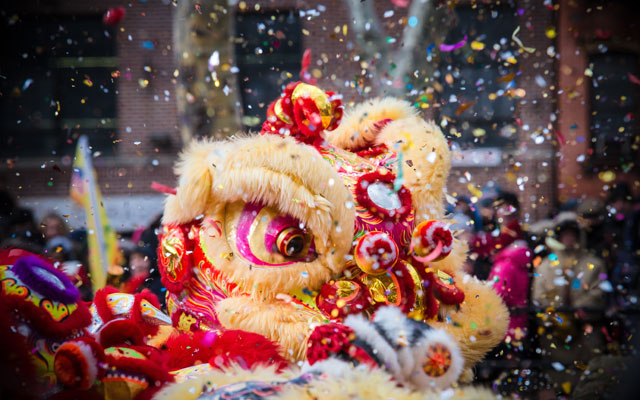
- Lunar New Year domestic travel is weak in Malaysia, Hong Kong, Indonesia and the Philippines, with the exception of Singapore
- Movement restrictions and infection concerns have lowered travel priority
- Sellers resort to unique products and programmes to encourage spend
Lunar New Year celebrations in South-east Asia this year will be a mere shadow of past years, the sombre mood a result of movement restrictions that are still in place to curb local transmissions as well as consumers’ concerns about infections.
In Malaysia and Hong Kong where authorities and their people are battling new waves of infections, festive holiday bookings for the Year of the Ox have been elusive for travel suppliers.
Malaysia is presently enforcing a ban on interstate and inter-district travel, which requires residents to keep within a 10km radius of one’s home. People are encouraged to stay at home unless it is vital to travel, while all social activities are prohibited. This ban has been extended to February 4, and the Health Ministry will make a decision by then on whether to tighten or ease the enforcement.
Should restrictions be eased in time for the Lunar New Year, Malaysian tourism players believe that business could turn around.
There is also an unusually quiet lead-up to the Lunar New Year celebrations in Hong Kong, with major cultural and leisure attractions shut since December 2 and the 2021 Lunar New Year Fireworks Display and Lantern Carnivals cancelled. Gatherings of more than two people in public places remain prohibited.
Traditionally a peak travel season in the Philippines, this year’s business boom is non-existent.
Rajah Tours president Jojo Clemente blames it on the fear of travel. “(Travel) is not a priority for most right now,” he remarked.
Sharing similar observations, Simon Ang, managing director-operations with Celebrate TLC, said his largely trans-generational family groups that travel during the Lunar New Year are choosing to “wait for this (pandemic) to be over than expose (their elderly family members) to the possibility of contracting Covid-19”.
While some Filipino-Chinese are travelling, the numbers are not “what we are accustomed to”, noted Clemente. For those who dare venture out, they are choosing to stay at high-end properties.
Bernadette de Leon, general manager of Amiable Intertours, who has seen zero bookings for the Lunar New Year, estimates that only 30 per cent of Filipino-Chinese would take domestic vacations in the run up to the festival. Most would head to upmarket resorts like Balesin and those in Palawan.
She expects the majority to go abroad, especially to the US due to low season airfares and to countries without winter, like Australia, New Zealand and the Maldives.
This initial market performance forebodes what is in store for tourism this year.
“Based on what’s happening to (the pandemic and vaccination progress), I believe that 1Q2021 will be just like 2020. The slump will probably (turn around) mid-year and a very, very slow recovery will happen towards the end of 2021,” projected Ang, who added that travel agents could continue to suffer while hotels could “get by” with staycations and quarantine programmes.
Some Indonesian travel agents are also writing off Lunar New Year business, as massive celebrations in destinations with large Chinese communities, such as Medan, Pontianak, Singkawang and Bangka-Belitung, are taken off the calendar.
Pauline Suharno, managing director of Elok Tour, said: “This is usually a time for Indonesian Chinese communities to go to their home towns to celebrate, but it has been quiet so far this year.”
Although the long weekend – with the most important days of the festival running from February 12 to 15 – is encouraging some traffic to tourist areas in North Sumatera, travel agents have not been able to benefit from it. Christine Kowandi, tour manager of Horas Tour Medan, explained that most of these vacationers are from the surrounding areas, and they do not need the services of travel consultants.
Domestic travellers going direct to hotels have allowed select hotels to enjoy a busy festive period despite losing international visitors to travel restrictions.
Swiss-Belinn Singkawang is one of the lucky few, having drawn strong bookings for the long weekend, according to Harshanty Kaloko, regional director of public relation and promotions, Swiss-Belhotel International Indonesia.
A different story in Singapore
Singapore’s low community transmission records have allowed residents to enjoy social activities, albeit with necessary precautions. As a result, tourism suppliers that TTG Asia spoke to have reported brisk business this holiday season.
Shangri-La Hotel Singapore and Singapore Marriott Tang Plaza Hotel are both enjoying stronger staycation demand this year compared to previous years. For the former, the first few days of the festival are the busiest and most of the bookings are by families with young children, revealed a Shangri-La Hotel Singapore spokesperson.

Over on the attractions side, Wildlife Reserves Singapore is upbeat about visitation numbers, as its zodiac-themed activities are often a hit with families.
Performance this year is especially promising as the Lunar New Year holiday weekend will segue into Valentine’s Day, noted a spokesperson, who added that admission ticket purchases typically surge closer to the date of visit.
Creative sell is key
Tourism businesses in Hong Kong and Singapore that are allowed to remain open have devised creative ways to keep some business coming.
In Hong Kong, the soon-to-open Hotel Alexandra is planning a series of festive delicacies for dine-in and take-away as well as a Valentine’s Day set menu since the day of romance coincides with the third day of the Lunar New Year.
Ngong Ping 360 will continue to run its cable car service and have most of its shops and restaurants in Ngong Ping Village open although the indoor attraction remains shut. To attract visitors, Ngong Ping Village will be decked in Lunar New Year splendour as part of the attraction’s Fortune Walks in 360 themed activities. Furthermore, purchases made during the festive period will enter customers into a lucky draw to win prizes such as Nintendo Switch.
A Ngong Ping 360 spokesperson told TTG Asia that bookings for the Lunar New Year period is yet unknown, as tickets can only be sold 14 days ahead. However, he expects the celebratory activities as well as improved transportation access to Ngong Ping 360 to bring good footfalls.
In Singapore, the local domestic travel scene is teeming with Lunar New Year specials to encourage expenditure in place of impossible overseas vacations. These promotions range from hotel staycation deals and take-home dining specials to combat restaurant capacity limits, to Lunar New Year themed guest experiences at attractions.
Singapore Marriott Tang Plaza Hotel’s resident manager Alvin Lim attributes the good staycation take-up to the hotel’s array of room packages. The hotel has packages built for families and couples as well as for foodies and those seeking retail therapy. The hotel is also looking to reel in stronger F&B earnings through unique dining experiences themed around the Lunar New Year, from special course meals to festive takeaways.

While visitor programmes at Wildlife Reserves Singapore have to be adjusted to abide by safe management measures, which have resulted in the removal of lion and dragon dance performances as well as meet-and-greet sessions, the group has initiated creative alternatives. Some of the highlights this year include a five-course festive dining experience at the River Safari with giant pandas, curated for permissible group sizes; and a trail to concoct a nutritional festive treat for the Singapore Zoo’s Ankole cattle to align with the Year of the Ox. Various themed activities and limited-edition merchandise are also offered across the four wildlife parks.
Christina Cheng, general manager of Hotel Alexandra, stressed the need for creative revenue options while the travel bans remained in place. “We will continue to stay positive (about) recovery this year, and will keep abreast of transitions and provide attractive experiences (to spur) recovery,” she concluded. – Additional reporting by Mimi Hudoyo, S Puvaneswary, Rosa Ocampo and Prudence Lui













From Hollywood jumping into wellness and the rise of spiritual architecture and design to a new future for immune health that stops “boosting” and starts balancing, these are among the nine wellness trend predictions for 2021 released by the Global Wellness Summit.
The wellness forecast is based on the insights of hundreds of top executives of wellness companies, economists, doctors, investors, academics and technologists across a dozen nations that gathered in person and virtually at the recent Summit to debate where wellness was headed – making for a uniquely informed, global set of predictions.
Here are the nine wellness trend predictions for 2021:
Hollywood and the entertainment industries jump into wellness
Wellness will become a bigger, more meaningful programming focus as Big Media digests the huge cultural force wellness has become.
If wellness programming on TV has been about wellness as a topic you passively consume, the future is TV content and platforms that involve and impact you. Smart TVs are baking wellness “channels” onto their home screens: Samsung TVs launched Samsung Health, letting people binge 5,000 hours of free fitness/meditation classes from the buzziest brands. The future: smart TVs (like Apple’s) that connect to your health wearable (like Apple Fitness+) to serve up personalised wellness/fitness experiences right on your TV.
Wellness companies are becoming full-blown TV studios: Mega-meditation-apps, Calm and Headspace, recently scored TV shows (HBO Max and Netflix), translating their meditative experiences into immersive television.
The ways that music is being created for stress, sleep, focus, a better workout, or just trippy, ambient bliss… has kicked into high gear. It’s a paradigm shift: If music has always been consumed around artist, song and genre, now it’s “serve me music-as-therapy.” Meditation apps are becoming big wellness music “record labels,” and more apps are launching, specifically focused on music-for-wellbeing.
The future of immune health: stop boosting, start balancing
We join many forecasters in naming immune health a 2021 trend, not only because we agree that it will remain a consumer obsession post-vaccine but because the main ways the wellness industry has been addressing it are… flat-out wrong. In 2020, people were blitzed with “immune-boosting” supplements, foods and therapies, but the idea that you can “boost” your immunity is unscientific nonsense, and “more boosting” is precisely the wrong approach. The future: approaches that lead to immuno-stabilisation, immuno-balance.
We will see more evidence-backed approaches to immune health, with metabolic health, the microbiome, and personalised nutrition becoming crucial – along with more experimentation with everything from “positive stress” experiences to intermittent fasting for immune resilience. And immunity programmes at travel destinations will go deeper, more medical, with interventions that matter more than “immune-boosting” menus and IV drips.
Spiritual and numinous moments in architecture
In recent years, a storm of studies has demonstrated the powerful connection between the built environment and our physical health, and a new “wellness architecture” sector has taken off, heavily focused on functional design moves, whether circadian lighting or air purification.
What has been glossed over is design that can tap into and nurture our spirituality. In 2021, we will see new attention paid to creating everyday spaces that can incite sacred and numinous moments, that elevate our consciousness and potential, and ground us in gravitas in the midst of a mindless, consumerist society.
Spiritual wellbeing is an inextricable part of a well life and rightfully deserves more design consideration and designated spaces in our homes, workplaces, communities and urban landscapes.
Just breathe!
An increasing number of clinical studies from major universities like Harvard, Stanford and Johns Hopkins are putting science and data behind something we’ve actually known for centuries – the way we breathe has profound effects on our mental and physical health and abilities. It might even help us strengthen our immune systems.
Practitioners are bringing breathwork to ever-larger audiences and pushing it into fascinating new territories, including rehabilitation, fitness, community building, and relief from chronic stress, trauma and PTSD. Cool, clubby breathwork parties and festivals are rising. There are even studies that point to breathwork as a possible therapeutic for one of the world’s deadliest diseases: hypertension. Perhaps the best part of all – this drug-free medicine costs absolutely nothing.
The self-care renaissance: where wellness and healthcare converge
Over three hundred years after the first Medical Renaissance, we’re undergoing a new kind of medical renaissance where two complementary yet often competing entities – healthcare and wellness – will converge. Wellness is learning to lean into science, establish standards, and hold itself accountable. At the same time, healthcare is beginning to borrow from the wellness playbook – transforming a once sterile and strictly curative industry into a more holistic, lifestyle-oriented, and even pleasurable one.
In this new era, hospitals will take inspiration from five-star resorts, yoga studios might measure improved telomere length, and prescriptions may be coupled with hyper-personalised guides to optimal health.
Adding colour to wellness
Graphic videos and the protests of last summer prompted many businesses to voice support for anti-racism. While diversity and inclusion have become a popular topic in the wellness industry, this trend argues that to generate substantive change, the wellness industry must recognise and address the false narrative that wellness is for affluent white people. It discusses how the industry can add colour to wellness by valuing black consumers and wellness professionals and describes the different ways that black people actually experience wellness offerings and spaces, highlighting racial inequalities.
Resetting events with wellness: you may never sit on a banquet chair again
Around mid-March 2020, the pandemic brought in-person events to an abrupt halt. And no matter the power of technology and the gratitude we felt for Zoomed Wi-Fi connectivity, the world hungered for personal interactions.
But there was a silver lining: A new trend that will forever change meetings and events was born, with wellness at the core. New hybrid events (in-person and virtual gatherings) sprouted like mushrooms after a spring rain. Technology companies raced to be the platform for hosting hybrid meetings. Investors threw money at tech companies, and within months of the pandemic shutting down most in-person-only gatherings, new companies had taken hold, and a new world was emerging.
Money out loud: financial wellness is finding its voice
Money has topped the “do-not-discuss” list for decades – right alongside religion, sex and politics. But it’s 2021, and transparency is trending. A culture craving authenticity is breaking the money taboo – transforming finance from a hush-hush, one-size-fits-all, cut-and-dry industry to one that’s more human, empathetic, and, dare we say, fun.
This growing openness is being driven by a much larger mental health awakening. And with research linking financial stress to anxiety, depression, high blood pressure, respiratory conditions and more – it’s about time money is put under the microscope.
This growing financial wellness movement is moving money talk far beyond the bank. Financial therapists are tackling the intersection between money and mental health, and the three billion views of #personalfinance content on TikTok prove that finance influencers are officially a thing.
In 2021 and beyond, we’ll begin to see the end of financial systems designed to profit from our failure and the start of financial wellness awakening. Money talks. It’s time we start using a language everyone can understand.
2021: the year of the travel reset
The coronavirus pandemic acted as a near-complete brake on travel in 2020. The pause gave everyone – consumers and suppliers – the opportunity to think about rebooting travel for the better by correcting overtourism, becoming more conscious of where our money goes, and how to use the enormous power of tourism to sustain cultures and environments and perhaps even leave them better off.
Looking ahead, the year 2021 may be the year that all travel becomes wellness travel. From the manic travel of 2019, which was the ninth year of record-setting growth in travel, outpacing global economic expansion, 2021 will be the year of the travel reset – going slower, nearer and more mindfully. But travel will reset fitfully, mirroring the vaccination rollout, which has prompted optimism as well as tentativeness.