Resorts World Sentosa (RWS) will stage its Festival of Thrills from September 1 to November 1, 2026, bringing together Halloween attractions, family experiences, themed entertainment and dining across the integrated resort.
The programme spans Universal Studios Singapore, Singapore Oceanarium, Adventure Cove Waterpark and WEAVE, with experiences ranging from haunted houses and scare zones to interactive family activities and after-dark events.
Resorts World Sentosa’s Festival of Thrills returns from September 1 to November 1, 2026, with Halloween experiences across its attractions and lifestyle precincts
Halloween Horror Nights 14 returns to Universal Studios Singapore from September 25 to November 1 with four haunted houses, immersive scare zones, live entertainment and a new roving scare experience inspired by Asian folklore and Singapore legends. Super early bird tickets are available until July 22 from S$58 (US$46) for non-peak nights and S$68 for peak nights.
Families can also enjoy Trick or Thrills, running from September 1 to November 1, featuring a new Minions show, character meet-and-greets, themed decorations, Halloween treats and exclusive merchandise. The event is included with regular park admission, with tickets from S$76 for adults and S$69 for children.
Singapore Oceanarium will present Into the Glowcean from September 5 to November 1, transforming the attraction with neon-inspired art installations, interactive workshops, marine-themed performances and seasonal activities. Guests can also join the Animal Spotlight: Manta Rays experience for S$28 per person.
Adventure Cove Waterpark will introduce the after-dark Pool Party Panic and the family-focused Legend Keepers: The Ocean Spirit Awakens, while WEAVE will host Halloween-themed retail, food and beverage experiences, trick-or-treat activities and live entertainment throughout October.
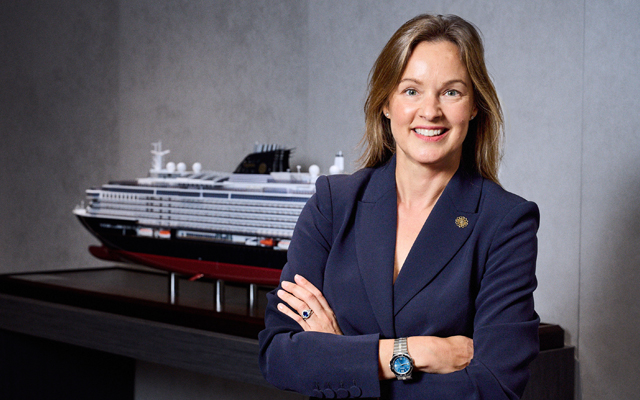
Travellers aged 50 to 70 are discovering gaps in hospitality products and services, which are often designed for either younger travellers or older guests who need accessibility support, observed Preethi Sanjeevi, CEO and co-founder of Greytt, a company on a mission to help travellers aged over 50 lead purposeful and passionate lives through the use of experts, AI and data.
In this episode of TTG Conversations: Five Questions, Sanjeevi clarifies that people aged 50 to 70 are mobile and independent, and discusses what this demographic needs from hospitality businesses.
A third of new ships being constructed are under-1,000-bed vessels with the potential to serve the affluent market
Boutique brands and hotel companies are joining the competition for luxury cruise passengers
Established luxury cruise brands have the opportunity to defend their position by being attuned to customers’ needs and building for future demand and expectations
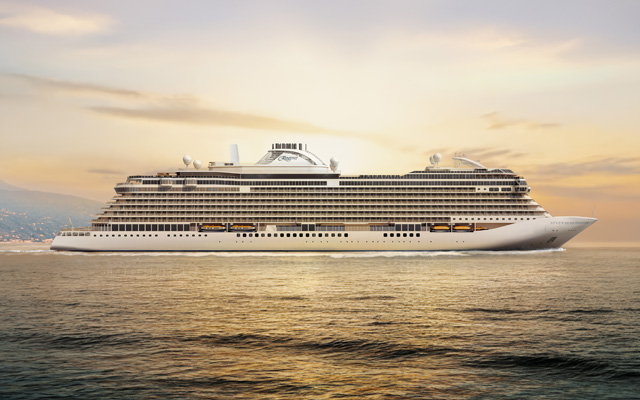
Regent Seven Seas Cruises’ Seven Seas Prestige attracted strong interest when bookings opened in June 2025
Luxury cruise tourism is showing strong potential for growth, evidenced by the tripling of the elite cruise fleet since 2010 and a projected increase in affluent luxury cruise travellers from 1.1 million in 2024 to 1.58 million by 2028.
The vibrancy of this segment was evident at the recent ILTM Asia Pacific, which attracted the participation of several luxury cruise brands.
Citing Cruise Lines International Association data at a media briefing, Steve Odell, global ambassador, luxury group, Regent Seven Seas Cruises & Oceania Cruises, expressed excitement that the cruise industry is “heading somewhere”.
“The cruise population was around 27 or 28 million in 2019, just before Covid, but with all the new ships coming into the market, it is now anticipated that by 2029 this population will cross 42 million. It may surprise you to know that there are 86 new cruise ships on order that haven’t even been delivered yet. It’s a huge order book worth around US$98 billion. If you hoped to order a ship now, you can’t until 2036/2037 because the shipyards are full,” said Odell, adding that a third of the orders in the books are for smaller ships with under 1,000 beds, indicating more ultra-luxury cruise products on the horizon.
While new brands have entered the luxury and ultra-luxury cruise tourism space, Odell said this development is good for the industry.
He remarked: “Hotel brands are very, very interested in the cruise sector and are entering the market. This is great because they are introducing a hotel customer to the cruise product. As they market to their databases, they are bringing a huge amount of new interest into the market.”
More ways to cruise
The emergence of new brands is adding diverse layers to the luxury and ultra-luxury cruise market. Besides the established luxury cruise lines that offer larger ships, there are now boutique ocean and river cruises, expedition cruises, as well as hybrid cruises with the ability to offer both regular and adventure voyages.
Explora Journeys, the luxury cruise line under the Mediterranean Shipping Company, launched its first ship, Explora One, in August 2023 and quickly followed with Explora Two in September 2024 and Explora Three in July 2026. Two more will welcome affluent guests in 2027 and one more in 2028.
Anna Nash, president of Explora Journeys, described the cruise line as being “in a category of one”.
She told TTG Asia: “We’re not a traditional legacy cruise brand. We don’t have the white glove, stiff butler service. Our service comes from the heart. We train our teams to smile and converse with guests, and to get to know them. We are a floating hotel whose address is the ocean.
“While we operate like a hotel, we offer a different experience. Yet, we’re very different to the new hospitality brands that have taken to the water. Explora Journeys ships are mid-sized, built with a generosity of space and a variety of amenities. We know that luxury is about choice, so we have 12 bars and lounges, six restaurants, an indoor gym, an outdoor gym, five swimming pools, a Himalayan salt room – I could go on.”
Explora Journeys has also designed its voyages to avoid repeated port calls, allowing guests to extend their time onboard should they wish to.
With so much to do onboard, Nash said it was common for guests to book an additional sailing that carries on from their initial voyage.
Nash noted that there remain “many people who believe that ocean travel is not for them”. Efforts to convert these first-timers bring Explora Journeys the “double win” of introducing more travellers to the cruise concept as well as to her brand.
Explora Journeys sees Asia-Pacific as a promising source market. It now has a Chinese name and logo, as well as established accounts on WeChat and Xiaohongshu to cater to Chinese-speaking markets. To welcome the rest of Asia, the company has also brought on board team members who are trained to serve and converse with guests from the region. On the trade side, Explora Journeys conducts the Sail to Sell programme to acquaint Asian travel advisors with the brand and product.
Explora Journeys’ Anna Nash says the line’s ships are run like hotels and built with a generosity of space and a variety of amenities
The Ritz-Carlton Yacht Collection, another new player in the luxury cruising space, brought its third and newest superyacht, the all-suites Luminara, into Asian waters at the start of this year. It operated turnaround trips between Hong Kong and Singapore or Tokyo from January through mid-April 2026, with port calls including Osaka, Bangkok, Incheon, Halong Bay and Ho Chi Minh City.
“That season went really, really well, and we announced (in March 2026) a second expanded season for Asia in 2027,” said Seb Seward, vice president & general manager – Asia-Pacific.
Seward said The Ritz-Carlton Yacht Collection’s unique proposition is that “we are a superyacht experience, not a cruise experience”.
“Our guests can swim off the back of the yacht or sit and relax with a glass of champagne. We have a DJ playing onboard; there is a beach club vibe, which is very different to what you would get on a standard cruise,” he said.
Another point of appeal is The Ritz-Carlton Yacht Collection’s flexibility to weave in an adventure element. Two zodiacs have been added to Luminara, allowing it to offer more “expedition-type, nature-guided experiences”, shared Seward.
Luminara’s next season in Alaska will see it operating an expanded slate of itineraries in the region. Select departures will navigate the famed Inside Passage, offering access to glaciers, forested shorelines and abundant wildlife. Nearly all voyages of eight nights or longer include a glacier day, along with scenic cruising through Tracy Arm Fjord, where guests can take in towering ice formations and Alaska’s natural beauty from their private oceanview terraces.
Asia-Pacific is The Ritz-Carlton Yacht Collection’s fastest-growing market. Seward told TTG Asia that the strong performance here could be due to the company’s establishment of sales, reservations and marketing teams in the region, as well as the opportunity to showcase its product to Asian travel advisors and luxury media when Luminara sailed the region earlier this year.
Friendly competition Established luxury cruise players are unperturbed by the expanding presence of new players in the luxury and ultra-luxury cruise tourism space.
Sixty per cent of guests on Azamara Cruises are loyal, repeat guests, shared Victoria Chigwidden, director of sales for Australia and New Zealand.
Furthermore, Azamara Cruises has continued to ensure its fleet remain fresh and attractive. This year, it announced Azamara Forward, an enhancement programme across its fleet representing the most extensive renovations and refurbishments in the company’s history. Azamara Forward brings a comprehensive series of onboard enhancements, including brand new Chef’s Table experience, a reimagined cocktail lounge, refreshed staterooms and suites, and upgraded public spaces. Additionally, debuting exclusively on Azamara Quest, the programme introduces 12 all-new premier suites exclusive to the ship. Together, these enhancements mark a bold evolution for the brand’s upscale small-ship experience.
Azamara Onward will be the next ship to receive Azamara Forward renovations in 2027, with timelines for Azamara Journey and Azamara Pursuit to be announced at a later date.
Odell’s confidence lies in the heritage of the Regent Seven Seas Cruises brand.
“It is a very big strength because customers are very loyal; they prefer to stay with the brand they know and trust. I believe that’s where we’ve really been able to make a strong place for ourselves in the market,” he said.
Furthermore, Regent Seven Seas Cruises has continued to keep a close eye on the evolving needs of luxury cruise travellers, allowing it to build the right products for the future.
Odell said customers are spending more, expecting larger suites, and prioritising higher-end experiences that are more exclusive. And it is responding accordingly.
The new Seven Seas Prestige boasts a collection of Skyview Regent Suites, which are each priced from US$25,000 per night. Each Skyview Regent Suite spans 817m² across two levels and is described as “unprecedented” by Jason Montague, chief luxury officer for Regent Seven Seas Cruises.
Regent Seven Seas Cruises is also sailing the Mediterranean all year round to cater to affluent travellers who increasingly want to explore during the calmer shoulder season, while elevating the dining experience through cooking schools and demonstrations onboard, food-orientated shore excursions and more.
Illustrating affluent customers’ readiness to spend on products that resonate with their needs, Odell shared that when the Skyview Regent Suites opened for bookings, 10 were snapped up on the first day.
Sun Group has introduced a new loyalty programme powered by Amadeus technology, bringing together its businesses under a single rewards platform.
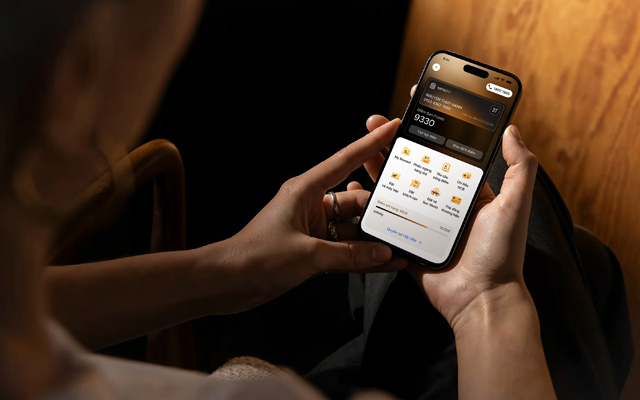
Called Sun Signature, the programme is the first integrated loyalty platform of its kind in Vietnam, allowing members to earn and redeem points across Sun Group’s aviation, hospitality, entertainment, healthcare, real estate and banking businesses through a single account.
Sun Group has introduced a unified loyalty programme spanning aviation, hospitality, entertainment, healthcare, real estate and banking
The platform is powered by Amadeus Loyalty and Rewards and was implemented in four months.
Members can use the programme across Sun Group’s businesses, including Sun PhuQuoc Airways, selected hotels such as InterContinental Danang Sun Peninsula Resort and Capella Hanoi, Sun World attractions and other participating services.
According to the companies, the platform is designed to provide a single view of customer engagement across the group’s businesses, enabling more personalised offers and rewards while supporting long-term customer relationships.
Sun PhuQuoc Airways already uses several Amadeus technologies, including the Altéa Passenger Service System, the Amadeus Sky suite and Amadeus Revenue Accounting.
Bui Thi Thanh Huong, CEO of Sun Group, said: “Sun Signature was created with a simple ambition: to recognise and reward our customers wherever they engage with Sun Group. As our ecosystem continues to grow, we wanted to build a loyalty experience that connects every touchpoint into one journey. More than a rewards programme, Sun Signature reflects our commitment to creating meaningful experiences, personalised privileges and long-term relationships with our customers.”
Javier Laforgue, executive vice president, travel unit and managing director, Asia-Pacific, Amadeus, added: “This project points to a bigger change in the market, where loyalty no longer sits with airlines or hotels alone.”
Bangkok will host the Digital Transformation in Hotel Technology (DHT) APAC 2027 conference on April 5-6, 2027, bringing together more than 100 hospitality executives, technology providers and industry specialists from across Asia-Pacific.
Organised by World BI Group, the two-day event will focus on digital transformation, AI, revenue management and sustainable hotel operations.
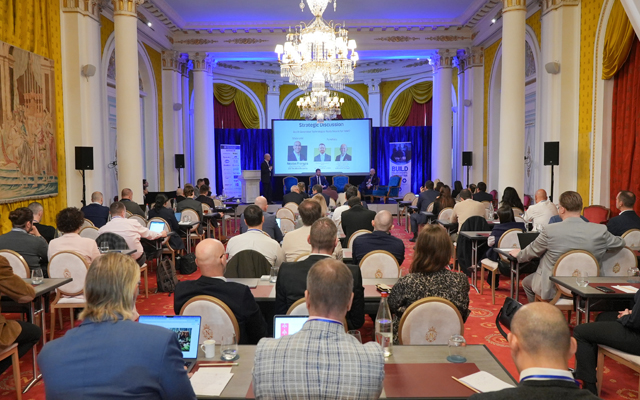
DHT APAC 2027 will bring together hospitality executives and technology providers in Bangkok next April
The conference comes as hotel operators across the region continue to invest in technology to address rising operating costs, labour shortages and changing guest expectations.
The programme will cover topics including AI-powered guest personalisation, revenue management, smart hotel technology, contactless services, cybersecurity, sustainability, energy efficiency, workforce optimisation and robotics.
The first day will focus on hospitality technology trends, investment priorities and the adoption of generative AI, alongside discussions on labour shortages and evolving traveller expectations. The second day will examine revenue strategies, sustainability, cybersecurity and the future of hospitality in Bangkok.
Delegates will also participate in structured networking sessions and more than 150 one-to-one business meetings.
According to the organiser, the event is aimed at senior executives from hotel groups, independent hotels, technology companies and consulting firms. Previous editions have attracted participants from companies including Radisson Hotel Group, Aminess Hotels & Resorts, PortoBay Hotels, Sarova Hotels and ZO The Med Resort.
Registration is open, with complimentary passes available for hotel representatives and other qualifying non-service providers. Technology companies, consultants and service providers can register through paid delegate, exhibition or sponsorship packages.
Skyscanner has introduced new AI-powered planning tools and updated several traveller features as it expands its travel discovery platform.
The latest additions include two beta AI tools – Explore with AI and Road Trip Planner – alongside enhancements to its Drops fare alert feature and Flight Tracker.
Skyscanner has introduced new AI-powered travel planning tools and enhanced flight tracking as part of its latest product update
Explore with AI allows travellers to search for destinations using natural language prompts rather than fixed dates and locations. Users can enter requests such as finding affordable flights to a country during a particular month and receive destination recommendations with information on fares, weather, flight times and seasonal travel trends. The feature is currently available in English-speaking markets.
Road Trip Planner generates personalised driving itineraries based on travellers’ preferred routes and interests, while also recommending car hire options. Users can choose itineraries focused on scenic drives, cultural attractions, adventure activities or relaxed journeys. The tool is currently in beta on desktop across all markets.
Skyscanner has also expanded its Drops feature, which highlights flights that have fallen by at least 20 per cent over the previous seven days. According to the company, the update increases the number of daily fare alerts available through the app.
The Flight Tracker feature has also been enhanced to provide additional real-time information, including departures, arrivals, gate numbers, terminals and baggage belt details.
Bryan Batista, CEO of Skyscanner, said: “At a time when travellers are navigating an increasingly complex travel landscape, we’re focused on building tools that help them plan and book with confidence. We’re experimenting with how AI can make every stage of the journey simpler and more intuitive, from discovering new destinations to road trip planning.”
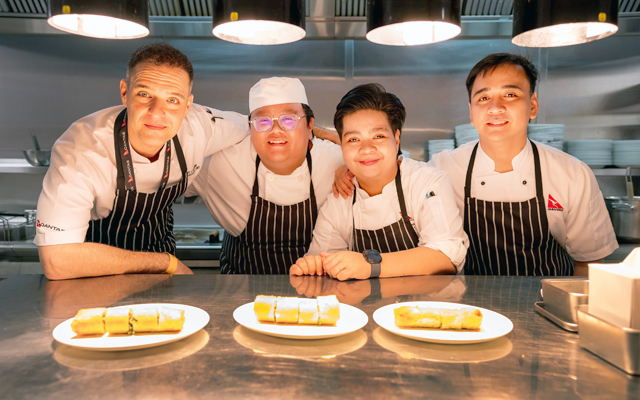
Qantas is honouring Singapore’s Wing Seong Fatty’s Restaurant as the family-run institution closes after a century in business.
To mark its legacy, the Australian carrier is introducing two of the restaurant’s signature dishes to its Changi Airport lounges: crispy spring rolls in the First Lounge and fiery nuclear chicken in the Business Lounge.
Qantas chefs prepare signature dishes from Singapore’s Wing Seong Fatty’s Restaurant for the airline’s Changi Airport lounges
The relationship dates back to World War II, when founder Au Yuen and his son, Au Chan Seng – affectionately known as “Fatty” – quietly fed prisoners of war at great personal risk. The restaurant later became a regular stop for generations of Australian servicemen, Royal Australian Air Force pilots and Qantas crew travelling the Kangaroo Route.
At a media lunch yesterday, journalists sampled the heritage menu, which also featured the restaurant’s popiah.
Nick McGlynn, Qantas executive vice president for Asia, said the airline has been flying through Singapore for 90 years and that the city-state remains an important hub for the carrier.
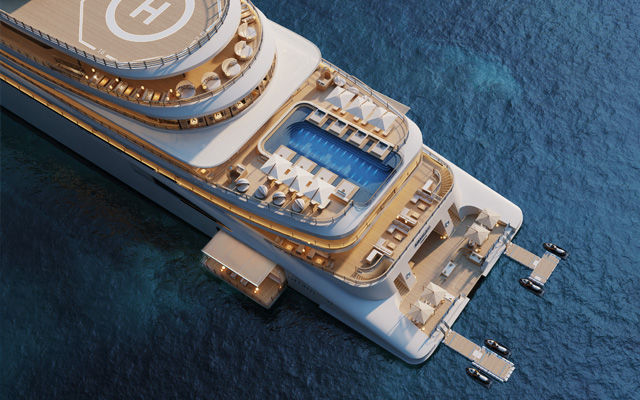
Aman at Sea has unveiled the first itineraries for Amangati’s inaugural Caribbean season, with voyages scheduled from November 21, 2027, to January 2, 2028.
Following its debut Mediterranean season, Amangati will sail five- to eight-night itineraries across the Leeward Islands, Windward Islands and Dutch Caribbean, departing from Saint John’s, Antigua and Bridgetown, Barbados.
Amangati will make its Caribbean debut in late 2027 with voyages across the Leeward Islands, Windward Islands and Dutch Caribbean; photo by SINOT
Ports of call include Saint Barthélemy, Saint Kitts and Nevis, Virgin Gorda, Saba, Montserrat, Dominica, Martinique, Saint Lucia, Canouan, Grenada, Aruba, Bonaire and Curaçao, alongside dedicated beach and marina days.
The season concludes with a two-night New Year’s celebration anchored at a private resort in Nevis.
Ahead of the Caribbean deployment, Amangati will complete its inaugural Mediterranean season with four additional voyages between October and November 2027, followed by a 13-night Atlantic crossing from Malaga to Antigua featuring a wellness-focused programme.
The yacht’s Caribbean itineraries will include overnight stays, late departures and anchorage-based visits, complemented by cultural, culinary and nature-led shore experiences.
Amangati features 47 ocean-facing suites, four restaurants, an onboard spa and marina, with each suite assigned a dedicated host.
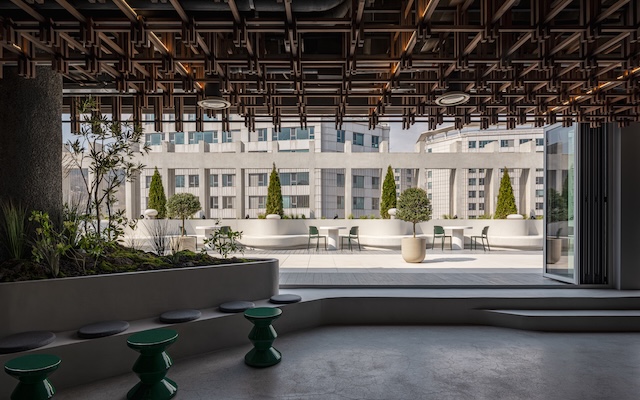
Kardia Seoul is a modern venue amongst the historic Joseon era Gyeonghuigung Palace
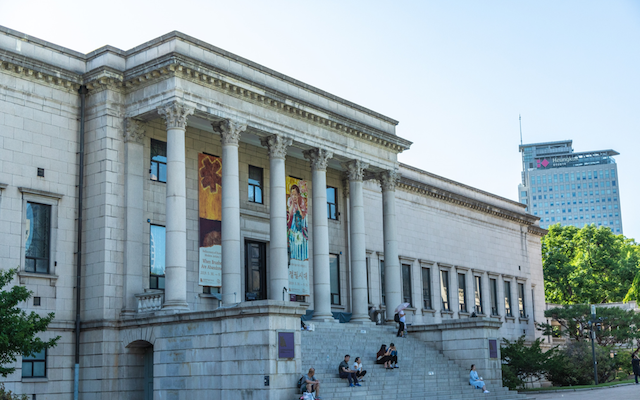
National Museum of Modern and Contemporary Art brings modern art and Korean heritage
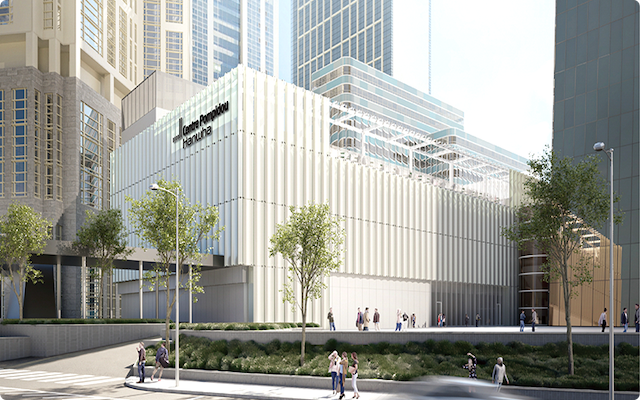
Centre Pompidou Hanwha is a space for contemporary art in Asia
The expectations of business event delegates are evolving. While world-class venues and seamless connectivity remain essential, delegates increasingly want destinations that can also support wellbeing, creativity and meaningful engagement beyond the meeting room.
Seoul delivers on both fronts. As one of Asia’s leading business capitals, the city combines modern event infrastructure and seamless convenience with opportunities for cultural discovery, wellness and relaxation. It is a destination where delegates can move seamlessly between productive business sessions and have enriching experiences that leave a lasting impression.
Meetings with a sense of place
Seoul’s event landscape reflects the city’s ability to blend heritage with innovation.
A prime example is Kardia Seoul, located on the historic grounds of Gyeonghuigung Palace, one of the five grand palaces of the Joseon Dynasty. Reinterpreting the site’s architectural legacy through a contemporary lens, the venue combines modern design, Korean aesthetics and advanced event technology.
With bespoke catering services and flexible indoor and outdoor event spaces, Kardia Seoul offers organisers an environment where business meetings are enhanced by a strong sense of place. It exemplifies how Seoul’s venues increasingly integrate culture, hospitality and technology to create memorable delegate experiences.
Beyond formal meeting programmes, Seoul offers delegates opportunities to engage with the city’s rich cultural landscape.
At the Deoksugung branch of the National Museum of Modern and Contemporary Art, visitors can view exhibitions about Korean heritage and contemporary creativity. Located within the grounds of Deoksugung Palace, the museum provides an environment for reflection and inspiration while encouraging a deeper appreciation of Korean culture.
Nearby, the Korean Heritage Store presents a curated collection of contemporary products inspired by Korea’s royal heritage, offering delegates another way to connect with local culture.
The city’s contemporary creative energy is further showcased at Centre Pompidou Hanwha, which opened in June 2026 within the iconic 63 Building and overlooks the Yeouido Hangang Park. The museum will present exhibitions from the original Centre Pompidou in France.
Together, these cultural experiences provide delegates with opportunities to gain fresh perspectives, stimulate creativity and enrich their overall event journey.
Moments of wellness and hospitality
1 of 2
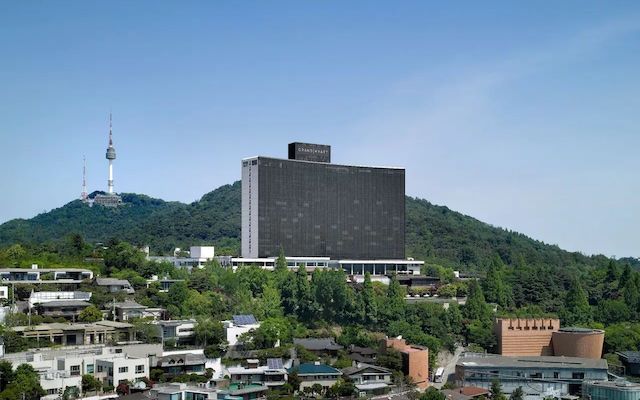
Grand Hyatt Seoul offers views of the city's iconic Namsan Tower
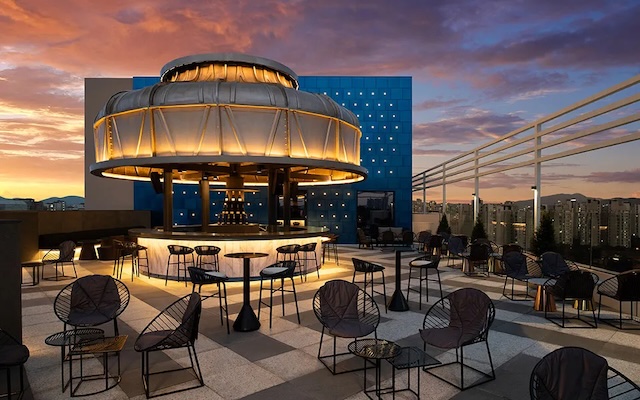
The Mondrian Seoul in Itaewon is a chic stylish venue for after work relaxation
While Seoul is known for its dynamism and energy, the city also offers opportunities to slow down and recharge.
Along the Han River, delegates can experience a quieter side of the capital. Against the backdrop of the city’s skyline, the riverfront provides a natural setting for relaxation and reflection between meetings and networking engagements.
At the same time, Seoul’s evolving hospitality scene continues to upgrade the delegate experience.
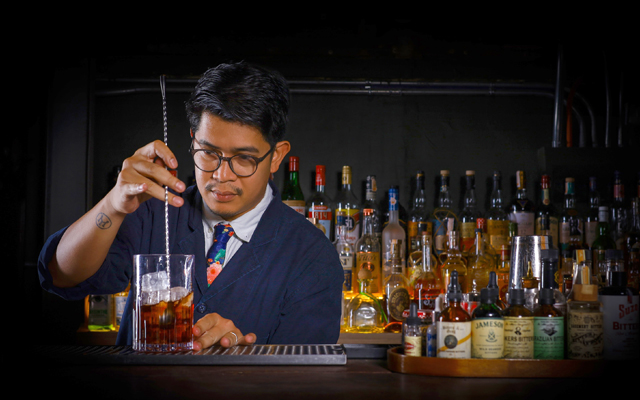
At Mondrian Seoul Itaewon, contemporary design, creative energy and personalised service create an atmosphere where conversations can continue long after the formal agenda has concluded.
Meanwhile, Grand Hyatt Seoul provides sweeping views of the city and a sense of calm above the urban landscape. As evening falls, delegates can unwind while taking in panoramic vistas, creating a fitting end to a productive day.
These hospitality experiences reflect a broader shift in business travel, where hotels are no longer simply places to stay but integral components of the overall event journey.
By combining world-class meeting infrastructure with cultural depth, wellness opportunities and sophisticated hospitality, Seoul offers the perfect balance for business travellers.