Thailand’s reinstatement of visa-free entry for Indian travellers has been welcomed by the inbound trade, but operators say two months of policy uncertainty have already cost the market its Indian high season. FITs diverted to Vietnam and Malaysia over concerns about the proposed visa fee, while wedding groups delayed payments pending greater certainty over travel costs.
The cabinet reinstated the 30-day visa exemption on July 14, 2026, pending publication in the Royal Gazette, reversing a May 19 decision to move India to a 15-day visa on arrival costing 2,000 baht (US$60). The policy never officially came into effect. Tourism and sports minister Surasak Phancharoenworakul attributed a decline of nearly 20 per cent in Indian arrivals to the confusion. India delivered 2.48 million visitors in 2025, making it Thailand’s third-largest source market.
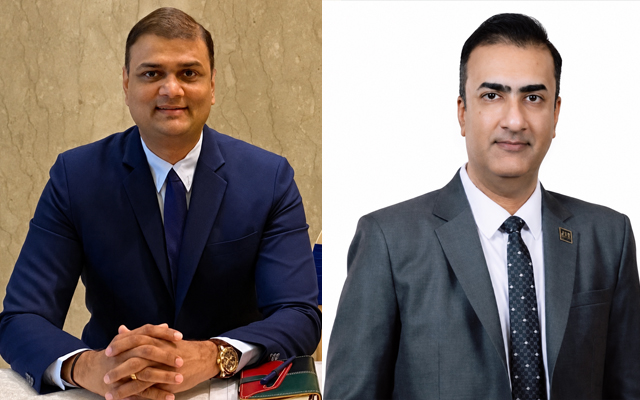
Vathanachai Chatrirath, vice president of the Association of Thai Travel Agents and owner of Thai Travel DMC, described the Indian market as “very price sensitive” and said the proposed 2,000 baht fee equated to around 6,000 rupees (US$62) per traveller.
“One family of four travelling would have to pay 24,000 rupees, which is a significant impact to valuable budgets that they could have spent for their vacation,” he said.
Leisure business shifted as uncertainty over the policy lingered, said Akash Pawar, founding member for strategy and new initiatives at Mumbai-based Media Hermits Limited.
“It is still unclear for us, and the budget issues make it a little difficult. Clients then prefer other destinations,” Pawar noted. Leisure groups postponed or switched to other destinations, although weddings were less affected, he added.
Shreyash Shah, commercial director at Destination Hospitality Management, noted the impact at his company was greater on weddings, where contracting for the November-to-March high season typically takes place six to nine months before arrival.
“The impact was quite noticeable in the wedding segment, more than FITs. At (one of the properties that we contract for), we have five weddings on hold right now. Everything was done, all the nitty-gritty on the confirmation, but we never received payment,” Shah underscored.
The revised 30-day visa-free period — down from the 60-day policy introduced in 2024 — is not a concern, he added. Indian weddings typically last three to seven days, while even travellers from the Middle East and Europe rarely stay beyond 10 days.
Higher airfares compounded the uncertainty. Shah said low-cost carriers had suspended flights to India until October because of the Middle East conflict, pushing fares up by around 30 per cent during India’s summer holiday period.
As a result, travellers who might otherwise have diverted to Thailand from the Middle East opted for domestic holidays, Malaysia or Vietnam. Malaysia continued to offer visa-free entry and uninterrupted AirAsia services, while Vietnam charges US$25 for a single-entry visa and US$50 for a multiple-entry visa.
Shah said the Tourism Authority of Thailand and the Ministry of Foreign Affairs should actively communicate the policy reversal through social media, trade media and webinars with Indian travel associations.
“They have to be more proactive to get the business back,” he stated.
He expects arrivals and group business to recover as flight capacity increases and fuel surcharges ease, with airfares already about 10 per cent lower.
“There is no deadline saying they are going to cancel this 30-day visa, so it is optimistic,” Shah concluded. “This will impact the first quarter of 2027, where we can bring business back to pre-uncertainty levels.”