Indonesia’s outbound travel industry is bracing for softer demand as a weakening rupiah pushes up the cost of overseas travel, adding pressure to a market already facing high airfares and geopolitical uncertainty.
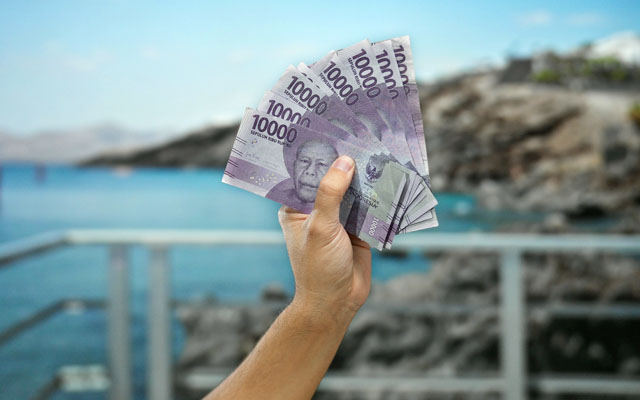
The rupiah has weakened in recent weeks, trading near its lowest level since the Asian financial crisis in 1998. The currency briefly touched 18,000 rupiah to the US dollar before easing to around 17,800 at press time.
While it may be too early to fully assess the impact, Helen Xu, CEO of Panorama JTB Tours Indonesia, said the weaker rupiah is already influencing booking behaviour as travellers become more cautious about committing to international trips.
Anton Thedy, managing director of TX Travel, described the market reaction as immediate.
“The market suddenly hit the brakes when the US dollar reached 17,500 rupiah, and when it touched 18,000, even if it was briefly, everything fell sharply,” he said.
According to Thedy, the slowdown is most visible in the mid-market segment. Tours priced above 30 million rupiah (US$1,685) continue to attract travellers, while demand for packages priced between 15 million and 30 million rupiah has weakened significantly.
Packages below 10 million rupiah continue to generate some interest, although overall booking volumes remain subdued, he added.
Travelux has reported a similar trend. According to Anton Sumarli, director of Travelux Travel Services and vice chairman of the Association of Indonesian Travel Agents (Astindo), enquiries that previously converted quickly into bookings have become harder to close as travellers adopt a more cautious approach.
“There is a lot of uncertainty at the moment, so people prefer to wait before making decisions,” Sumarli said.
He added that around 40 per cent of Travelux departures scheduled between May and July have been postponed until next year, while the remainder proceeded with itinerary or budget adjustments.
To manage the impact of currency fluctuations, tour operators are adapting their products to maintain affordability.
Panorama JTB Tours Indonesia is working with banking partners to lock in exchange rates ahead of the year-end travel season.
“We are also revising package prices and continuously adjusting product structures in preparation for the upcoming high season,” Xu said.
TX Travel has shortened selected itineraries, including some China tours from eight to 10 days to six days, and South Korea tours from seven days to five days.
“We have also introduced more flexible packages by removing some meal inclusions, allowing travellers to manage their own dining expenses and explore local culinary experiences independently,” Thedy said.
Travelux has adopted a similar approach, increasing the amount of free time within itineraries to reduce costs and improve flexibility. Some five-day tours now include up to two days of independent activities, compared with only a few hours previously.
“This helps make packages more affordable for travellers,” Sumarli said.
Despite the adjustments, industry players remain optimistic that demand remains intact.
“People still want to travel. They are just more selective about timing and how much they spend,” Sumarli said.